4 Day Camping Excursion at Moraine Park Campground, Rocky Mountain National Park
Imagine yourself surrounded by tall pines, your tent pitched perfectly, and the air crisp with the scent of impending adventure. Elk roam nearby, practically your new neighbors for the duration. If a 4 day camping excursion Moraine Park Campground Rocky Mountain National Park sounds like your ideal getaway, you have come to the right guide. This journey blends relaxation, thrilling exploration, and perhaps a few amusing mishaps along the way. You will discover incredible hikes, maybe try your hand at fly-fishing with varying degrees of success, and immerse yourself in abundant nature. Consider this your map to an unforgettable Rocky Mountain adventure that will leave you with cherished memories and stories to tell. Prepare for your own fantastic 4 day camping excursion Moraine Park Campground Rocky Mountain National Park.
As stated in our adventures, I’ve spent a lot of weekend or mid-week excursions in Rocky Mountain Park. I had the pleasure to camp at Moraine Park on several occasion before the craziness. Froze a few times and met some as awesome travelers.
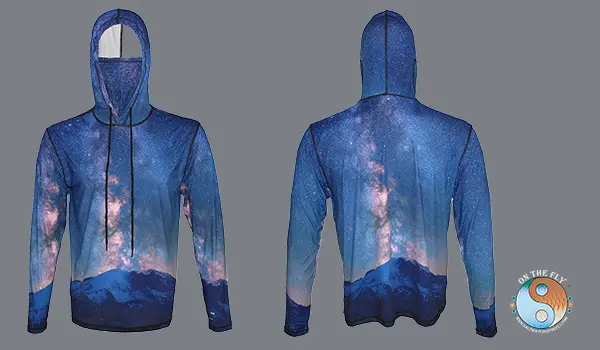
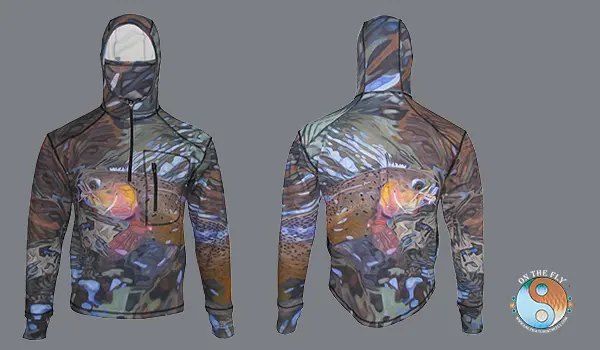
Table of Contents
Why Moraine Campground? The Gem of Rocky Mountain National Park
Moraine Park Campground possesses an ideal balance, feeling neither overly crowded nor too remote from essential amenities and attractions. Nestled near Estes Park, Colorado, and situated right inside Rocky Mountain National Park, this location is a prime spot for campers. It features 244 campsites, many offering breathtaking views of majestic Longs Peak, a prominent fourteener in the Front Range. You also gain convenient access to numerous hiking trails, pristine rivers, and abundant opportunities for wildlife viewing within the national park.
The campground typically operates from late May to early October, though specific dates can vary based on weather conditions. It is highly recommended to book your campsite on recreation.gov approximately six months prior to your intended trip, as these coveted spots are claimed quickly, often faster than marshmallows disappear at a campfire. Each site is equipped with a fire pit with a grate, a picnic table, and a designated tent pad. Crucially, bear-proof food lockers are provided at each site; remember, this is bear country, and proper food storage is mandatory to protect both wildlife and campers. Following climbing regulations and general park rules is essential for everyone’s safety.
Within the campground loops, you will find flush toilets and potable drinking water spigots conveniently located. However, shower facilities are not available at Moraine Park Campground, encouraging a more rustic return to nature. The campground sits at an elevation of 8,160 feet above sea level. Therefore, packing clothing in layers is essential to adapt to cool nights, and bringing potent sunscreen is vital for protection during sunny days at high altitude. A comfortable camp chair is also a worthwhile addition; your backside will certainly appreciate it after a long day spent on the hiking trails. Moraine’s strategic location near the park’s east Beaver Meadows Entrance makes it an excellent base for our 4-day adventure, skillfully blending convenience with that immersive, wild, natural feeling that defines camping in a mountain national park. Checking road conditions before you arrive is always a good idea. You’ll also need to be aware of the park’s timed entry permit system, which may be required for access during peak season. Nearby, the Moraine Park Discovery Center offers fascinating exhibits. Let’s delve into the trip, day by fun-filled day, and explore some of the amazing natural features the park has to offer.
Outdoor Performance Apparel for Camp, River, or Trail
Outdoor excursions for safety’s sake ought to be planned and dressed in layers of performance outdoor apparel for comfort-Protection from the elements. Sun Protective Mount Rainier Graphic Hoodie has a facemask sewn in with extended cuffs with thumb holes. Lightweight Graphic Hoodies make great base layer. Outer layer is a Heavy Weight Hydrophobic Secluded Cutty Graphic Hoodie. Perfect for those cool mornings & evenings around the campfire. Has a sewn in facemask and extended thumb hole cuffs.
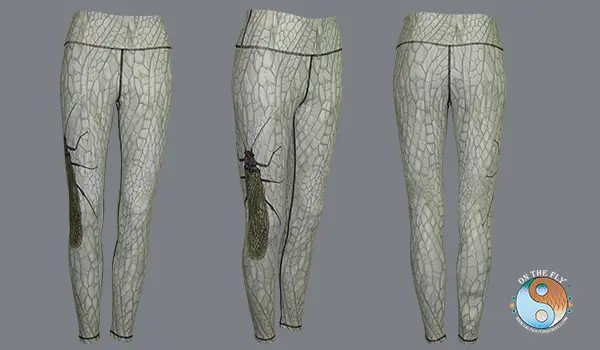
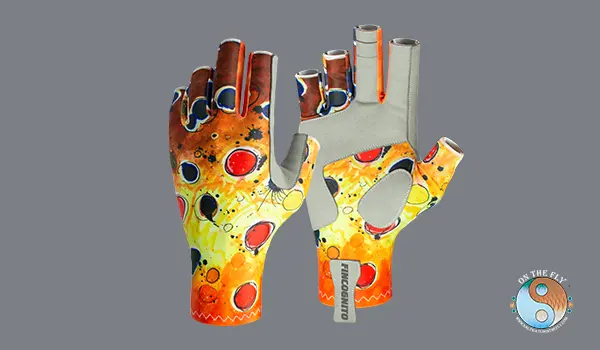
Let’s not for the lower extremities and the hands. Our legging collection is a UPF-50, spandex for greater comfort and moveability. Get lost on your favorite river or trail in the Salmonfly Graphic Leggings. Graphic glove collection offers the same protection with an add bonus for streamer fly fishers, a extra sewn on stripping guard. Graphic Brown Trout Gloves add to the experience or at least something to discuss if the fish aren’t rising.
Compared to other campgrounds in Rocky Mountain National, such as Glacier Basin Campground or Aspenglen Campground, Moraine Park offers a unique blend of accessibility and expansive meadow views. While Glacier Basin Campground provides closer access to the Bear Lake Road corridor and its popular trailheads, Moraine Park boasts a more open feel. Aspenglen Campground is smaller and more intimate, located near the Fall River entrance. Timber Creek Campground, on the park’s west side, offers a completely different experience, often quieter and with a higher chance of moose sightings, but further from Estes Park. Longs Peak Campground is for tent campers seeking a more rustic experience closer to the trailhead for the famous peak. Each park campground has its own charm, but Moraine Park Campground consistently ranks as a favorite.
| Feature | Details |
|---|---|
| Number of Sites | 244 (tent and RV sites) |
| Elevation | 8,160 feet |
| Amenities | Flush toilets, potable water, picnic tables, fire grates, tent pads, bear lockers |
| Showers | No |
| Reservations | Required, via Recreation.gov (typically 6 months in advance) |
| Operating Season | Late May to early October (weather dependent) |
| Ranger Programs | Often available during peak season; check at the visitor center. |
| Pet Policy | Pets allowed in campground on leash, but not on most trails. |
Venture out and explore, Montana is a good place to start, or head down to Baja California. Maybe off to Iceland for incredible fly fishing, volcano’s, and more.
Day 1: Arrive, Set Up Camp, and Elk-Spotting at Beaver Meadows
Morning: Rolling into Moraine Campground
Your vehicle is likely filled to the brim with tents, coolers, sleeping bags, and enough snacks to sustain a small army or survive a minor apocalypse. The scenic drive to Moraine Campground from Denver typically takes about an hour and a half to two hours, depending on traffic. You will journey past Boulder’s iconic flatirons and then wind your way into the charming mountain town of Estes Park. Estes Park serves as an excellent final stop to grab any last-minute supplies, such as firewood (buy it where you burn it.), forgotten condiments, or perhaps an extra bag of marshmallows you solemnly swear not to consume all at once. Many visitors also use this opportunity to check current trail conditions at local outfitters.
Upon arrival, you will enter Rocky Mountain National Park through the Beaver Meadows Entrance station. Here, you will need to present your America the Beautiful pass for free entry or pay the daily park entrance fee. Additionally, during peak season (typically late May to mid-October), a timed entry permit may be required for access to the park, including Moraine Park Campground. Ensure you have secured this reservation in advance, as they are limited and essential for managing park visitation levels. Follow the clearly marked signs to Moraine Campground. Check-in usually commences around noon or 1 p.m. Aiming to arrive a little early can sometimes give you a slight edge in selecting from available sites if you have a walk-up reservation, though most are reserved well in advance. Once you locate your assigned spot – perhaps a delightful one in Loop C or D with picturesque views of the Moraine Park meadow – it is time for the satisfying ritual of setting up camp. Erect your tent, inflate the sleeping pads, and meticulously secure all food items, scented toiletries, and coolers in the provided bear locker. No one desires an uninvited furry visitor, especially a bear, rummaging through their supplies in the middle of the night. This setup phase is also commonly when you might discover you have forgotten the tent stakes or a crucial guy line; do not panic excessively. The campground hosts are generally very helpful individuals and might possess extras or offer ingenious solutions. Familiarize yourself with the locations of water spigots and restrooms in your loop.
Afternoon: Lunch and Camp Shenanigans
With your temporary wilderness home successfully established, it is time for a well-deserved and quick lunch. Classic peanut butter and jelly sandwiches often reign as camping culinary heroes due to their simplicity and energy-boosting qualities. As you savor your meal, take a moment to absorb the stunning panoramic views. Rolling meadows, carpeted with grasses and wildflowers in season, spread out before you, with snow-capped peaks like Longs Peak piercing the distant skyline. You might observe a curious marmot scurrying by, seemingly engaged in important business, or mule deer grazing peacefully nearby. This interlude provides an excellent opportunity to explore the campground’s layout. You could also engage in conversation with your camping neighbors; campers are often a friendly and knowledgeable community, willing to share tips or stories. Maybe play a lighthearted game of identifying ambient scents: is it pine resin, a distant campfire, or perhaps your hiking socks airing out? If you have children or a dog accompanying you (remembering pets must be leashed and are restricted from most trails), the open spaces around Moraine Park are conducive for a game of Frisbee or tag, allowing everyone to stretch their legs.
Late Afternoon: Hiking and Elk Viewing at Beaver Meadows
Now, for an activity that many visitors to Rocky Mountain National Park eagerly anticipate: viewing majestic elk. The Beaver Meadows area, conveniently located just a 10-minute drive from Moraine Campground, is a renowned hotspot for elk congregations. These magnificent animals, particularly bulls with impressive antlers, often graze here placidly in the late afternoon and early evening hours. It can feel as though they are deliberately putting on a show for a nature documentary. Park your vehicle at the Beaver Meadows Visitor Center, which itself is worth a visit for exhibits and information. Grab your binoculars and camera, then embark on the short, universally accessible half-mile Beaver Boardwalk Trail. This flat and easy path offers fantastic, unobstructed views of the expansive meadow where large herds of elk frequently gather. It is critical to remember to maintain a safe and respectful distance from all wildlife; stay at least 75 feet (about two bus lengths) away from elk and bighorn sheep, and even further from bears or moose. These are wild animals, not domesticated pets, and approaching them too closely can be dangerous for both you and the animals, and can result in fines. Absolutely do not attempt to feed or pet them; let wild animals remain wild. Observing their natural behaviors from a distance is part of the thrill. You might consider attending one of the ranger-led programs often held at the visitor center for more insights into park ecology. I’ve noticed over the years of visiting a rise in the wild turkey population. Hopefully this will not be compromised with the latest move of wolves into the park. (I think we know the answer to this one.)
If you feel inclined for a bit more walking and a taste of the park’s many hiking trails, you could try a portion of the Deer Mountain Trail. The trailhead is nearby, and while the full trail is a more strenuous 6-mile roundtrip climb, even hiking a short section can offer rewarding vistas of the park’s lower valleys. It’s an excellent way to burn off an extra marshmallow or two consumed earlier. As the sun begins its descent, casting a golden glow over the landscape, the elk often become more active. During the autumn rut (mating season), typically from mid-September to mid-October, you might be lucky enough to hear the bulls bugling – a powerful, haunting, and unforgettable series of grunts, whistles, and squeals that echo across the meadows. It is a profound sound that reminds you that nature here is truly amazing and untamed. Head back to your campsite before complete darkness envelops the park. Prepare a hearty camp dinner like chili simmering over the fire or delicious foil-packet vegetables nestled in the coals. Afterwards, relax by the campfire and gaze up at the brilliant night sky, counting stars until sleep beckons. Day one, a resounding success in your Rocky Mountain national adventure.
Day 2: Loop Hike to Cub Lake—Nature’s Finest Show
Morning: Rise, Shine, and Coffee Time
Day two of your 4 day camping excursion Moraine Park Campground Rocky Mountain National Park commences with the invigorating aroma of coffee brewing on your trusty camp stove. Nothing quite declares “I am a rugged outdoor enthusiast” like a slightly smoky, perfectly brewed cup of camp coffee as the morning mist lifts from the meadow. Breakfast can be simple yet satisfying; oatmeal with berries and nuts works well, providing sustained energy for the day’s activities. Enjoy it with a touch of pride for being up before the sun fully illuminates the peaks. Pack your daypack carefully with at least two liters of water per person, high-energy snacks (trail mix, energy bars, fruit), a basic first-aid kit, sunscreen, a map, and a rain jacket. Colorado mountain weather can shift dramatically and swiftly, much like a teenager’s mood, so being prepared for sudden showers or temperature drops is wise. Drive from your campsite to the Cub Lake Trailhead; it is only about a 5-minute trip, located within the Moraine Park area itself. Arrive early, as the parking lot can fill up quickly, especially on weekends and during peak season. Checking current trail conditions before setting out is always a prudent step; the visitor center or the park’s website are good resources.
Mid-Morning to Afternoon: Cub Lake Loop Hike
The Cub Lake Loop is an engaging 6-mile hike generally considered moderate in difficulty, making it a popular choice for visitors. This trail is akin to a highlights reel of Rocky Mountain National Park’s diverse ecosystems. You will traverse through vibrant wildflower meadows (especially in early to mid-summer), wander through cool, fragrant pine and aspen forests, and navigate sections of wetlands rich with life. The evolving scenery and panoramic views will make you contemplate quitting your day job and pursuing a career as a park ranger. You begin your journey at the Cub Lake Trailhead in Moraine Park. The trail initially winds through open meadows where you might spot mule deer grazing or even a sly fox attempting to look nonchalant. The first 2.3 miles leading to Cub Lake are fairly gentle, with a gradual climb of about 540 feet, culminating at a serene alpine lake. Cub Lake itself is often adorned with lily pads in summer and is picturesquely surrounded by dense forests and granite peaks; it looks like a scene plucked from a tranquil fairy tale. You might almost expect a cartoon princess to emerge from the woods and commence singing to the woodland creatures. This is one of the many beautiful natural features you’ll encounter.
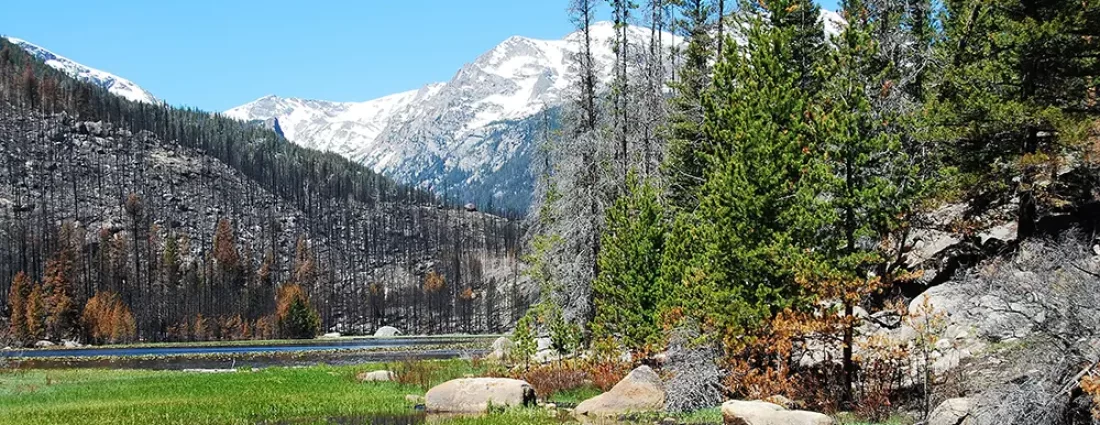
Take a well-earned break at Cub Lake to enjoy lunch. Trail mix, a slightly squished sandwich, and perhaps a piece of fruit never taste better than when consumed amidst such stunning natural beauty. Capture some photographs to remember the moment, but do not linger too long, as the loop hike continues via the Fern Lake Trail. This section adds another 3.7 miles of adventure and varied terrain to your day. You will cross the Big Thompson River on sturdy bridges, offering a little preview of the fly-fishing possibilities for Day 3. Then, you will pass through a section of forest that is actively recovering from the Fern Lake Fire of 2012. Witnessing the resilience of nature as new growth emerges from the charred landscape is a poignant and hopeful reminder of the ecosystem’s strength and the importance of environmental factors. The trail eventually loops back towards Moraine Park. The final leg guides you through more open meadows where elk might be observed, particularly in the cooler parts of the day. Remember your hiking essentials, including plenty of water and sun protection.
This entire loop hike typically takes about 4 to 5 hours to complete, depending on your pace and how frequently you stop to “admire the view” (which is often a universally understood code for catching your breath). While the hike is rated as moderate, the total elevation gain of approximately 800 feet can feel challenging for those unaccustomed to hiking at altitude. Therefore, proceed at your own comfortable pace and listen to your body. When you finally return to the trailhead, celebrate your accomplishment with a refreshing drink and a well-deserved snack; those granola bars in your pack will be calling your name. You can find more detailed information about the Cub Lake Trail, including current conditions and a map, on the Rocky Mountain National Park’s official website or at any park visitor center. Other hiking trails are accessible from this area if you are looking for shorter or longer options.
Evening: Campfire Chills and Thrills
Back at Moraine Park Campground, it is time to unwind and relax your tired muscles. Start up the campfire, but first, always meticulously check the current fire restrictions posted at the campground entrance or bulletin boards; conditions can change, and sometimes only propane fire pits are allowed. If wood fires are permitted, roast some classic hot dogs over the flames for an easy and satisfying dinner. And, of course, no camping trip is truly complete without breaking out the s’mores ingredients – graham crackers, chocolate, and marshmallows toasted to golden perfection (or delightfully charred, depending on your preference). This is the perfect night for sharing stories around the crackling fire. Perhaps recount spooky ghost stories that send shivers down your spine, or share funny anecdotes about hiking mishaps and trailside blunders. Or maybe that time you were convinced you saw Bigfoot (it was, in all likelihood, just a particularly large squirrel or a shadowy stump). The stars above Rocky Mountain National Park are incredibly brilliant due to the high altitude and lack of city light pollution. Lie back on a blanket or in your camp chair and try to identify constellations or spot the Milky Way arching across the vast night sky. If you are fortunate, you might hear the distant, evocative bugle of an elk echoing through the valley. It serves as a gentle reminder that you are merely a guest in their expansive and wild backyard. Sleep soundly; day three has more excitement and exploration waiting for you. Consider looking into any ranger-led programs or astronomy programs offered during your stay.
Flies and Fly Rod, Fly Fishing Rocky Mountain National Park
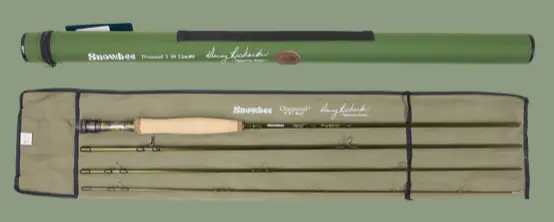
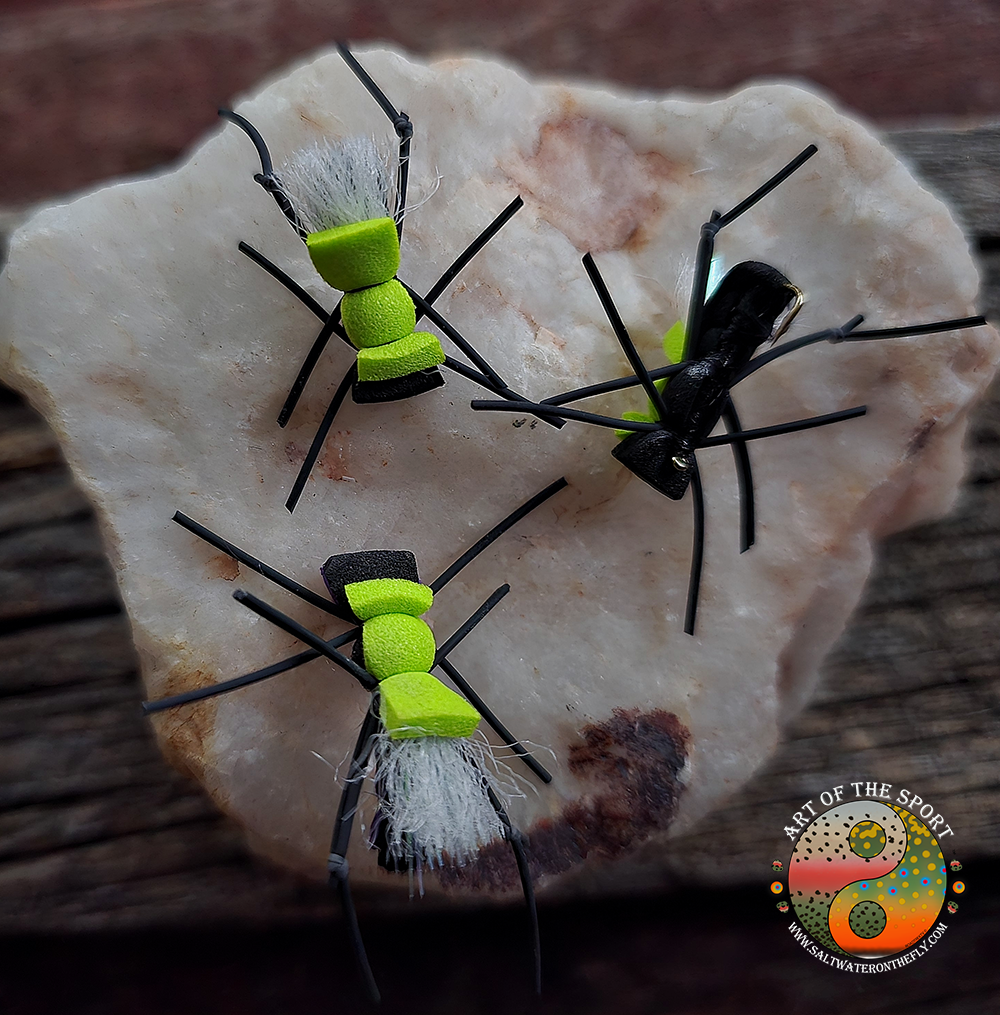
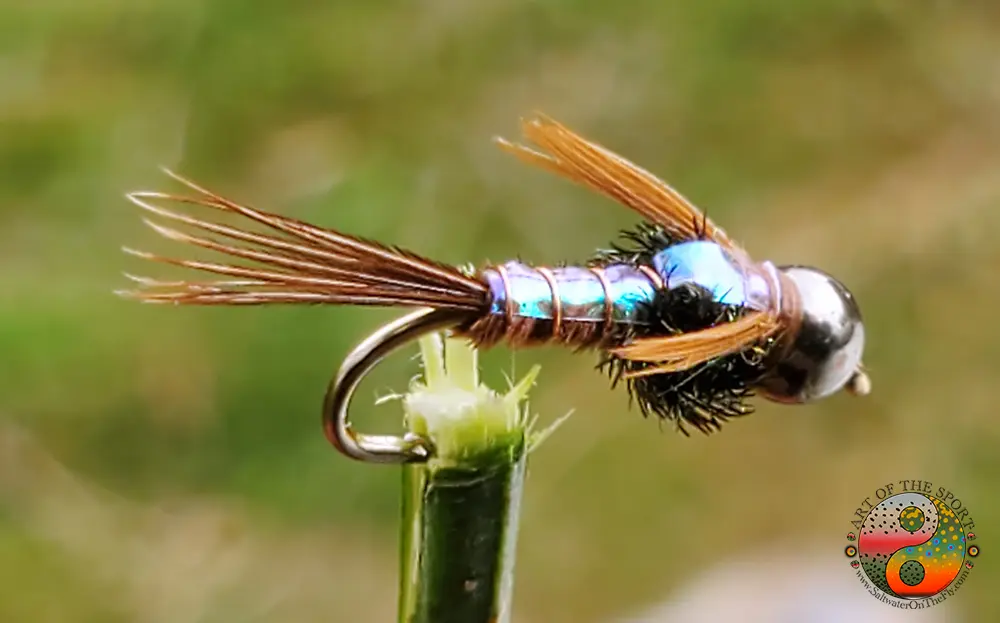
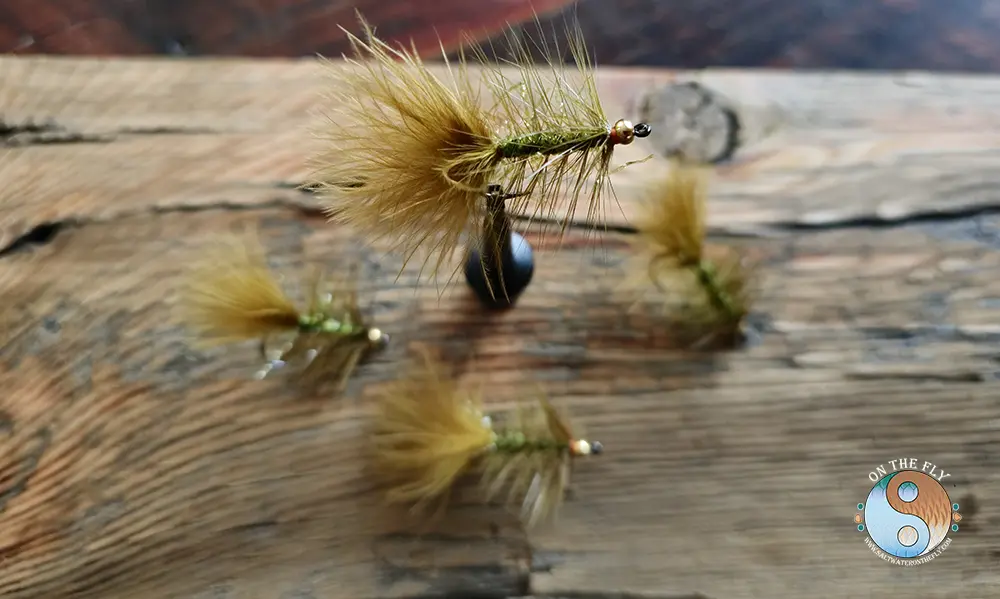
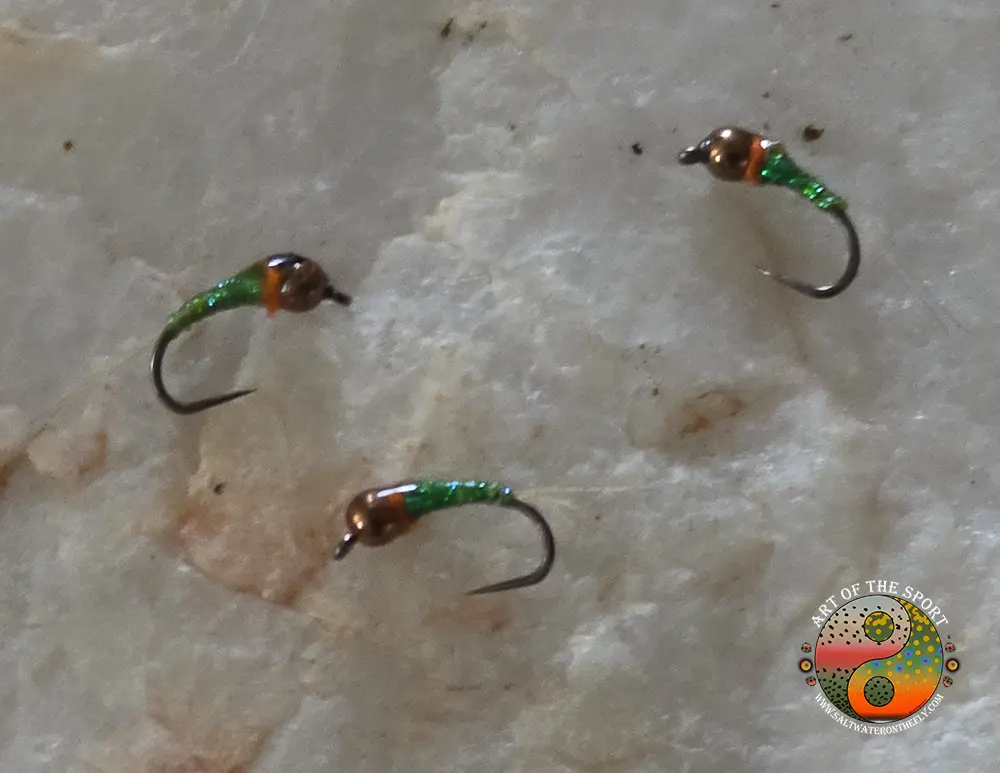
Rocky Mountain National Park has some great fly fishing destinations if you are willing to hike. If you like to use streamers and nymphs the nine foot six weight fly rod is a great choice. As well as having a good selection of flies.
Day 3: Fly-Fishing the Big Thompson River and a Bear Lake Sunset
Morning: Breakfast and Fly-Fishing Prep
Day three of your adventure dawns with a characteristically crisp mountain morning, so ensure you bundle up against the chill. Prepare a hearty breakfast, perhaps some breakfast burritos filled mostly with cheese and a little bit of happy culinary regret, to fuel your activities. Today’s main event is trying your hand at fly-fishing on the renowned Big Thompson River. This river is celebrated as one of the park’s premier trout streams, teeming with wild fish. However, let’s be perfectly honest: fly-fishing is considerably harder than it appears in glossy magazine spreads or serene films. If you are a newcomer to this artful angling, prepare yourself for some potentially comical mistakes. Envision tangled lines resembling abstract sculptures, lost fishing flies snagged on overhanging willows (or your own hat), and perhaps even the awkward experience of hooking something other than a fish. Gather your fishing gear meticulously: fly rod, reel, waders if you plan to enter the water, and a selection of appropriate flies. Crucially, you will also need a valid Colorado fishing license for anyone 16 years or older. You can conveniently purchase one online through the Colorado Parks and Wildlife website or obtain it in person at various retailers in Estes Park before entering the national park. Once equipped, head to the Moraine Park section of the Big Thompson River; it is just a short, pleasant walk from the campground, meandering through the scenic meadow. Remember to check specific fishing regulations for the park, as some areas may be catch-and-release only or have tackle restrictions.
Mid-Morning to Afternoon: Fly-Fishing on the Big Thompson
The Big Thompson River, as it flows through Moraine Park, truly is a fly-fisher’s dream, or at least a beautiful place to practice. It is home to healthy populations of wild brown trout, colorful brook trout, and acrobatic rainbow trout. The stretch of river accessible near Moraine Park Campground is generally well-suited for wading, with relatively gentle currents and a gravelly bottom in many places. The water is often crystal clear, allowing you to observe the riffles, pools, and seams that seem to eloquently shout “fish live here.” Find a promising spot along the riverbank, perhaps near some sheltering willows or a deeper pool. Attempt to channel your inner angling expert, summoning the grace and precision you have seen in videos. Then, with a hopeful heart, cast your line. If you are new to fly-fishing, try starting with simple, effective fly patterns. A Parachute Adams, an Elk Hair Caddis, or a Pheasant Tail Nymph are often good choices for these waters. The knowledgeable staff at local fly shops in Estes Park, can provide excellent recommendations for current conditions and help . Do not hesitate to ask about current climbing regulations too, if that’s on your agenda for another day.
Here is the unvarnished truth about learning to fly-fish: you will probably spend a significant portion of your first hour patiently (or impatiently) untangling your line from itself, from streamside vegetation, or from various parts of your own anatomy. You might also find yourself muttering some choice words that you would not typically use around your grandmother. That is perfectly okay; consider it part of the learning curve. The fish, thankfully, are not judging your casting technique (though the squirrels observing from the bank might be). If fortune smiles upon you and your presentation is convincing enough, you will eventually hook a trout. The sudden tug and bend of the rod will make you feel like a wilderness champion. Then, in the excitement, you might realize you are unsure how to land and release it properly. A good general tip is to always wet your hands thoroughly before gently handling any fish. This helps protect their delicate natural slime coat, which is crucial for their health and survival. Handle the fish minimally and return it to the water quickly if practicing catch-and-release, which is encouraged in many park waters to conserve the fishery for future generations. Even if you do not manage to catch anything, the sheer beauty of the river environment is ample reward for the effort. The Big Thompson is typically surrounded by lush willows and offers stunning vistas with Longs Peak often visible in the background. Plan to spend about 3 to 4 hours here. Alternate your time between focused fishing, laughing at your own casting foibles, and perhaps discreetly enjoying some trail mix when no one (especially the fish) is looking. Remember, enjoying the natural features and the experience is paramount.
Late Afternoon: Drive to Bear Lake
After your enriching fishing adventure (or valiant misadventure), make your way back to the comfort of your camp. Have a quick and easy lunch, perhaps making use of leftover chili from Day 1, which often tastes even better the next day. A brief nap in your hammock, swaying gently in the mountain breeze, might feel incredibly restorative. Around 4 p.m., pack some warm layers and snacks for an evening excursion. Then, begin the drive to Bear Lake. It is approximately a 20-minute drive from Moraine Park Campground, though travel time can vary with traffic, especially during peak visitation hours. Bear Lake is undeniably one of the most iconic and photographed spots in all of Rocky Mountain National Park. It is a stunning subalpine glacial lake, perfectly framed by the towering presence of Hallett Peak and the broad slopes of Flattop Mountain. Parking at the Bear Lake Trailhead can be exceptionally difficult to find, particularly during summer months and on weekends. Seriously consider utilizing the park’s free and efficient shuttle system if the parking lot is full or if you prefer to avoid the hassle. You can check shuttle schedules and routes at the Moraine Park Visitor Center or on the park’s website. Using the shuttle also reduces congestion along Bear Lake Road. A timed entry permit specifically for the Bear Lake Road corridor is often required in addition to the general park permit during peak times.
The Bear Lake Loop Trail is an easy, mostly flat 0.8-mile walk around the perimeter of the lake. It is well-maintained and perfect for enjoying the breathtaking views, especially as the sun begins its descent towards the western horizon. The calm surface of the lake often reflects the surrounding mountains like a giant, flawless mirror, creating picture-perfect moments. You might encounter a cheeky chipmunk or two, seemingly plotting to abscond with your granola bar. If you desire a slightly more elevated perspective and a bit more exercise, you can add the 0.5-mile (one way) trail to Emerald Lake Overlook or continue on the popular trail towards Nymph, Dream, and Emerald Lakes (though this would be a longer undertaking, best saved for a dedicated hike). As sunset approaches, painting the sky with a symphony of vibrant pinks, oranges, and purples, you will feel as though you have stepped directly into a Bob Ross painting. There will indeed be happy little trees everywhere, and happy little you. Take your time to soak in the magical atmosphere. Remember to head back towards your vehicle or the shuttle stop before it gets completely dark, as navigating trails at night requires headlamps and caution. Return to camp for a simple, comforting dinner. Pasta is usually a crowd-pleaser and easy to prepare at a campsite. Afterwards, tired but content, crash into your sleeping bag. You have definitely earned a good night’s rest after a day packed with diverse Rocky Mountain National experiences.
A Wonderful 4 Day Camping Excursion Moraine Park Campground Rocky Mountain National Park
Morning: The Grand Breakfast Finale
Day four, the concluding chapter of your Rocky Mountain National Park escape, is dedicated to savoring the final precious moments of your wilderness immersion. Resolve to wake up early, resisting the powerful allure of your warm and cozy sleeping bag. Fire up the camp stove for a breakfast that will be fondly remembered – a true grand finale. We are talking about fluffy pancakes, crispy bacon (if your cooler system allows), and perhaps some scrambled eggs cooked to perfection. Accompany this feast with a side of that bittersweet feeling of “I really do not want to leave this beautiful place.” Brew one last pot of rich, aromatic camp coffee. Sit back in your camp chair, cradling your warm mug, and listen intently as the Moraine Park meadow awakens around you. The air will be filled with the cheerful chirping of birds, the gentle rustling of wind through the pine and aspen trees, and perhaps, if you are lucky, the distant bugle of an elk bidding the morning welcome. This is a perfect time to reflect on the natural features you’ve enjoyed.
Mid-Morning: Breaking Camp with a Side of Nostalgia
The process of packing up camp invariably evokes a blend of melancholy and sweet satisfaction. Take your time disassembling the tent, ensuring it is dry if possible before packing. Roll up the sleeping bags carefully, perhaps already dreaming of their next adventure. Conduct a thorough triple-check of your campsite for that one elusive sock you are certain you lost somewhere amongst the pine needles or any other stray items. Most importantly, make sure you pick up every last piece of your trash, including micro-trash like bottle caps or small wrappers. Adhere strictly to Leave No Trace principles, as they say; “pack it in, pack it out” is the mantra. Give the bear locker a final, definitive check to ensure no food items or scented products are left behind. As you methodically load your car, you will probably find yourself mentally planning your next camping trip back to this national park or another. You are, by now, undoubtedly hooked on the serenity and adventure that Rocky Mountain National Park and places like Moraine Park Campground offer. Before you officially depart Moraine Campground, consider taking a group photo with the majestic mountains serving as an unforgettable backdrop. It might seem a tad cheesy in the moment, but you will be immensely glad you captured that memory later when reminiscing about your trip and sharing your experiences. Reviewing your photos of the scenic drives will bring back good memories.
Afternoon: The Slow Wander Home
The drive back to the routines of everyday life does not have to be an immediate downer or a rushed affair. Opt for a scenic route out of Rocky Mountain National Park to prolong the magic. If Trail Ridge Road is open for the season (typically late May/early June through mid-October, weather permitting), make it a point to drive at least a portion of it. This “highway to the sky” climbs above 12,000 feet and offers absolutely incredible, panoramic views of the alpine tundra, vast valleys, and towering peaks that will make you want to turn the car around and camp forever. Key viewpoints along Trail Ridge Road include Many Parks Curve, Forest Canyon Overlook, and the Alpine Visitor Center (the highest visitor center in the National Park System). Be prepared for cooler temperatures and potentially windy conditions at these high elevations. An alternative scenic drive, if you’re heading out the Fall River Entrance, is the historic Fall River Road. This one-way uphill gravel road (usually open July to September) offers a more rustic and intimate experience, winding through forests and past waterfalls. It eventually connects with Trail Ridge Road near the Alpine Visitor Center. You could also make a stop at the Holzwarth Historic Site on the west side of the park if your route takes you that way, offering a glimpse into early 20th-century ranch life. Allow ample time for these drives, as you will want to stop frequently for photos and to simply soak in the grandeur. When you eventually descend back into Estes Park, consider a leisurely stop for a satisfying burger at a local spot like The Wapiti Pub or Penelope’s. Or, grab a final mountain coffee at a cozy café like Kind Coffee to help ease your transition back to civilization. From Estes Park, it is a relaxed cruise back towards Denver or wherever you call home. Turn up your favorite road trip playlist, roll down the windows (weather permitting), and let the indelible memories of bugling elk, beautiful alpine lakes, challenging hiking trails, and perhaps some funny fishing flops fully sink in. The wilderness overnight backpacking adventures can wait for another trip.
Tips for a Stellar Rocky Mountain National Park Camping Trip
Before we conclude, here are some additional tips to help make your Moraine Park Campground adventure in this magnificent mountain national park truly exceptional:
- Book Early: Moraine Park Campground is exceptionally popular. Campsites fill up incredibly quickly, especially for weekend, summer, or fall foliage trips. Reserve your site on recreation.gov precisely six months in advance of your desired arrival date. Be ready to book the moment the reservation window opens. Other campgrounds like Glacier Basin Campground and Aspenglen Campground also require advance booking.
- Pack Smart: Bring layers of clothing (base, mid, and outer layers) as mountain weather is notoriously fickle. A good quality, comfortable sleeping pad makes a significant difference in sleeping warmth and comfort. Do not forget a reliable headlamp or flashlight with extra batteries. High-altitude weather can change from sunny and warm to cold and rainy (or even snowy) very rapidly; nights can dip into the 30s Fahrenheit, even in July. Consider items from a list of hiking essentials.
- Wildlife Safety: Always meticulously store your food, scented items, and coolers in the provided bear-proof food lockers, day and night. Maintain a safe and respectful distance from all wildlife: at least 75 feet from elk and bighorn sheep, and 100 yards (300 feet) from bears and moose. Never, ever feed the chipmunks, squirrels, or any other wildlife. They are cute, but they are wild animals and should not become dependent on humans for food; feeding wildlife is also illegal and harmful within the national park. Following park regulations is crucial.
- Altitude Awareness: Moraine Park Campground is situated at 8,160 feet above sea level. If you are arriving from a lower elevation, your body will need time to acclimatize. Drink copious amounts of water (more than you think you need), avoid alcohol and caffeine for the first day or two, and take it slow on your hikes. Listen attentively to your body; symptoms of altitude sickness can include headache, nausea, fatigue, and dizziness. If symptoms persist or worsen, descend to a lower altitude.
- Leave No Trace: Pack out absolutely all your trash, including food scraps. Stay on marked hiking trails to protect fragile vegetation and prevent erosion. Respect all park rules and regulations. This collective effort helps ensure that future campers and visitors can enjoy this amazing place in the same pristine condition. Learn more about the seven Leave No Trace principles before your trip: plan ahead and prepare, travel and camp on durable surfaces, dispose of waste properly, leave what you find, minimize campfire impacts, respect wildlife, and be considerate of other visitors. Area closures can occur, so always check.
- Gear Up: You can rent or purchase good quality camping gear if you do not own it. Reputable outdoor retailers like REI in Denver or smaller, specialized shops like the Estes Park Mountain Shop offer a wide selection of equipment. A comfortable, waterproof tent and a warm sleeping bag appropriate for mountain temperatures are particularly important for a pleasant experience.
- Fishing Prep: If fly-fishing is a new pursuit for you, consider watching some introductory tutorial videos on YouTube before your trip. Alternatively, you could book a half-day guided fly-fishing trip. Several outfitters in Estes Park, such as Estes Angler, offer excellent crash courses and guided excursions on the Big Thompson River, which can significantly shorten your learning curve and increase your chances of success. Understanding a bit about climbing regulations might also be useful if you plan other activities.
- Check Park Conditions: Before you depart for your trip, and even daily during your stay, check the official Rocky Mountain National Park website (NPS.gov/romo) for the most current conditions. This includes weather forecasts, trail conditions and potential closures, road status (especially for Trail Ridge Road and Fall River Road, which are subject to seasonal closures), any fire restrictions, and information on ranger-led programs. Visitor centers are also great sources of up-to-date information.
- Food Planning: Plan your meals ahead of time. Pre-chopping vegetables or preparing some ingredients at home can save valuable time and effort at the campsite. Easy-to-cook, one-pot meals are often best for camping. Think carefully about what will fit in your cooler and, more importantly, what must fit securely in your site’s bear locker. Proper food storage is paramount.
- Embrace the Disconnect: Be aware that cell phone service can be spotty or entirely non-existent in many parts of the national park, including within Moraine Park Campground. View this not as an inconvenience, but as a valuable opportunity to disconnect from screens and notifications, and to connect more deeply with nature, your surroundings, and your camping companions. Enjoy the night sky without digital distractions.
- Permits and Passes: Beyond campground reservations, remember the timed entry permit system likely in effect during your visit for access to the park or specific corridors like Bear Lake Road. An America the Beautiful Pass can cover park entrance fees. The park service also manages other types of access, like a special events permit for gatherings, or regulations for specific activities such as scattering ashes, which requires permission and adherence to strict guidelines. Though less relevant for a typical visitor, the park even manages access like a commercial trucking permit for necessary services. Always check what permits you might need.
- Explore Ranger-Led Programs: Rocky Mountain National Park offers a variety of ranger-led programs, especially during the summer. These can include guided walks focusing on geology or wildflowers, evening campfire talks covering topics like wildlife or park history, and astronomy programs showcasing the brilliant night sky. Check schedules at visitor centers or in the park newspaper. There are even ranger-led winter programs if you plan a visit in a different season.
- Consider Accessibility: The park offers several accessible trails and facilities. The Beaver Boardwalk and the Bear Lake Loop are generally accessible. Visitor centers like Beaver Meadows Visitor Center and the Alpine Visitor Center also have accessible features. Check the park’s website for detailed accessibility information.
- Wilderness Camping: If this trip whets your appetite for more profound wilderness experiences, look into wilderness overnight backpacking. This requires a separate wilderness camping permit, careful planning, and adherence to specific regulations, but offers solitude and deeper immersion in the backcountry.
- Other Activities: Beyond hiking and fishing, consider horseback riding through designated concessioners for a different perspective on the landscape. For the highly experienced and prepared, the Longs Peak Keyhole Route offers a challenging Class 3 climb on the park’s highest peak (check conditions for longs peak keyhole meticulously). General climbing regulations apply throughout the park. The Holzwarth Historic Site on the west side provides a fascinating look into pioneer history.
Frequently Asked Questions
Many visitors have frequently asked questions before their trip. Here are a few common ones:
- What is the best time to visit Moraine Park Campground? Late spring through early fall (May-October) is ideal, with July and August being peak months for wildflowers and warmer weather. September offers beautiful fall colors and the elk rut, but cooler temperatures.
- Are there showers at Moraine Park Campground? No, Moraine Park Campground does not have shower facilities. Nearby Estes Park has public shower options.
- Can I have a campfire? Campfires are usually permitted in designated fire grates, but always check current fire restrictions upon arrival as bans can be implemented during dry conditions. Consider bringing a portable propane fire pit as an alternative.
- How do I deal with altitude sickness? Acclimatize slowly, drink plenty of water, avoid alcohol, and listen to your body. If symptoms like headache or nausea persist, descend to a lower elevation.
- What are the main natural features near Moraine Park? The campground is surrounded by meadows, the Big Thompson River, and offers views of prominent peaks like Longs Peak. It provides easy access to diverse ecosystems, from montane forests to subalpine lakes.
- Do I need a timed entry permit for Moraine Park Campground? During peak season, a timed entry permit is often required to enter Rocky Mountain National Park, including access to Moraine Park Campground. Check the official park website (recreation.gov) for the latest requirements and to make reservations. You may need a specific entry permit for certain areas.
Conclusion of 4 Day Camping Excursion Moraine Park Campground
This 4 day camping excursion Moraine Park Campground Rocky Mountain National Park provides a perfect blend of tranquil, peaceful moments and unforgettable, sometimes exhilarating, experiences. You will undoubtedly return home with stories to tell about the majestic bugling elk encountered at Beaver Meadows. You will cherish the memory of the quiet, reflective beauty discovered at Cub Lake. The thrill (or perhaps the humorous attempts) of fly-fishing the pristine waters of the Big Thompson River will certainly stick with you. And the sheer magic of witnessing a Bear Lake sunset paint the peaks with fiery colors is incredibly hard to beat. Rocky Mountain National Park is a sanctuary where nature truly puts on its most spectacular display. Moraine Park Campground, with its ideal location and amenities, places you right in the vibrant heart of all that captivating beauty and high-altitude adventure. So, gather your essential camping gear, rally your friends or family, and prepare yourself for a trip that is simultaneously hilarious, humbling, and simply amazing. You might even see me on one of the hiking trails, or perhaps more likely, hovering near the s’mores station after a day of exploring. It is an experience, a collection of moments in this incredible mountain national park, that you will recount and treasure for years to come, and that perfect 4 day camping excursion Moraine Park Campground Rocky Mountain National Park eagerly awaits your arrival.
Another great hike is Fern Lake just up the road and few trail miles.