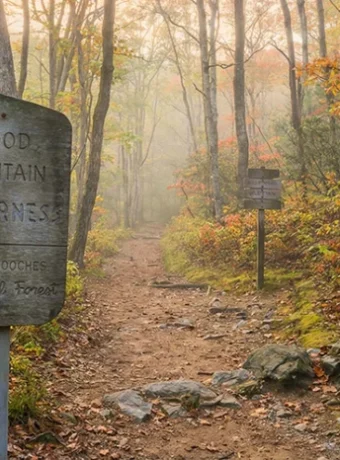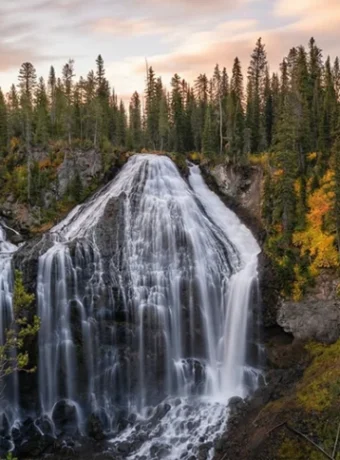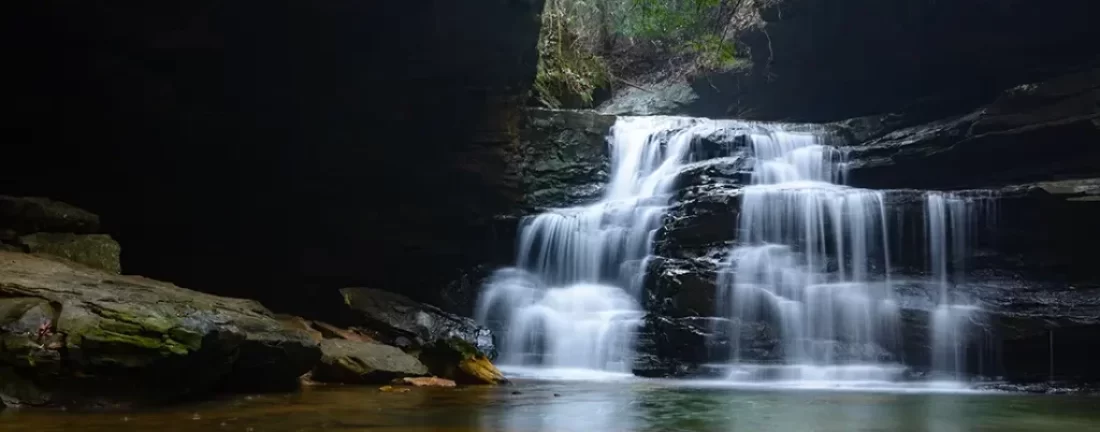
Wild, Wacky, and Wonderful History of Alabama’s Wilderness Trifecta: Cheaha, Dugger Mountain, and Sipsey
Hey there, nature lovers, history buffs, and anyone who’s ever dreamed of escaping the Wi-Fi signal for a weekend! Welcome to the ultimate guide to Alabama’s wilderness trifecta: the Cheaha Wilderness, Dugger Mountain Wilderness, and Sipsey Wilderness. These aren’t just random patches of trees and dirt—they’re living, breathing time capsules of natural beauty, human grit, and a whole lot of “let’s keep this wild” spirit. Managed by the US Forest Service, these gems in the National Forests in Alabama offer everything from jaw-dropping hikes to fly fishing that’ll make you feel like a pro (even if you’re just flailing a rod around). So, lace up your boots, grab a sense of humor, and let’s dive into the wild history, sizes, camping quirks, trails, and fishing hotspots of these three Alabama treasures.
Alabama
Alabama Days. For what ever reason for years Alabama beckoned. Either part of a dysfunctional creative team or just creating. There was the Dothan years, Birmingham, Mobile, and Northern Alabama, with Huntsville as base. Spent quite a bit of time crappie and bass fly fishing with a few hundred trail miles. The hardest part of whole time in Alabama was the ticks and snakes.
Table of Contents
The Big Picture: Why Wilderness Matters in Alabama
Before we get lost in the woods (figuratively, not literally—please bring a map), let’s set the scene. Alabama’s wilderness areas owe their existence to the Wilderness Act of 1964, a federal love letter to nature that said, “Hey, let’s keep some places where humans don’t mess everything up.” Signed by President Lyndon B. Johnson, this act created a system to protect lands “untrammeled by man,” which is fancy talk for “leave it alone, folks.” Alabama, with its rolling hills, cascading waterfalls, and forests that could star in a Tolkien novel, was a perfect candidate.
The National Forests in Alabama span about 668,000 acres across 17 counties, managed for a mix of recreation, timber, wildlife, and wilderness preservation. Within this vast green playground, Cheaha, Dugger Mountain, and Sipsey stand out as the state’s designated wilderness areas, totaling 42,218 acres of pure, untamed glory. Each has its own vibe, history, and reasons to visit—whether you’re pitching a tent, hiking until your legs beg for mercy, or casting a line into waters that trout call home. Let’s break it down, one wilderness at a time, with a sprinkle of humor and a whole lot of facts.

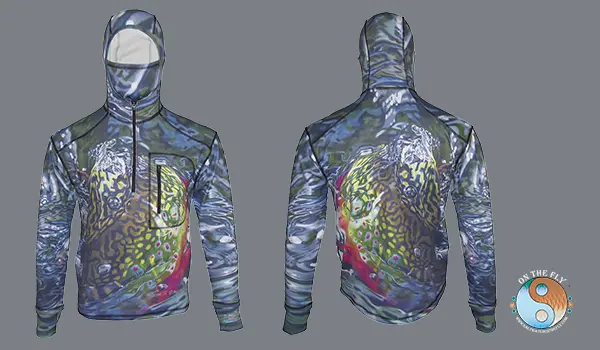
Hiking and fly fishing I have gotten in the habit of wearing sun protective graphic leggings under shorts lately.
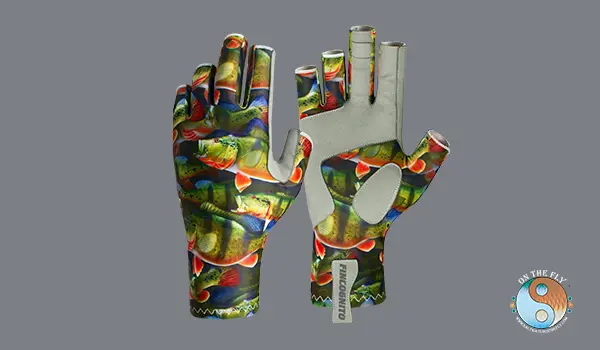
Performance outdoor apparel for hiking, fly fishing or just a jog on the beach. A great outer layer is a Heavy Weight Hydrophobic Graphic Hoodie. And for a base layer is light weight graphic hoodie.
Sipsey Wilderness: The OG of Alabama’s Wild Places
History: How Sipsey Kicked Off the Eastern Wilderness Party
Picture this: it’s 1975, disco is king, and Alabama is about to make wilderness history. Enter the Sipsey Wilderness, the first designated wilderness area east of the Mississippi River. Yep, while the West was busy hogging all the wilderness fame with its big mountains and bigger egos, Sipsey strutted onto the scene like, “Hold my sweet tea, I’ve got this.”
Located in the Bankhead National Forest in northwest Alabama, Sipsey’s story starts with a bunch of nature-loving rebels in the early 1970s. Leading the charge were conservationists like Mary Burks and Blanche Dean, two women who’d later earn spots in the Alabama Women’s Hall of Fame for their badassery. These folks saw the Sipsey region—crisscrossed with creeks, dotted with waterfalls, and teeming with life—and said, “Nope, no one’s paving this paradise.” They fought tooth and nail against opposition from folks who’d rather see logging trucks than hiking boots, and on January 3, 1975, Sipsey Wilderness was born at 12,000 acres.
But wait, there’s more! In 1988, the Sipsey Wild and Scenic River and Alabama Addition Act doubled its size to 24,922 acres, adding more waterfalls, forests, and bragging rights. This expansion wasn’t a walk in the park (pun intended)—it took political wrangling, community support, and a lot of “pretty please” to Congress. Today, Sipsey’s known as the “Land of 1000 Waterfalls,” and it’s a shining example of what happens when people care enough to protect something wild.
Text content

Size: The Big Daddy of Alabama Wilderness
At 24,922 acres, Sipsey Wilderness is the largest of Alabama’s three wilderness areas. That’s a lot of room to roam, lose your phone signal, and pretend you’re starring in your own survival show (minus the dramatic music). It’s big enough for multi-day adventures but small enough to feel like a hidden gem. Compared to Cheaha (7,245 acres) and Dugger Mountain (9,200 acres), Sipsey’s the overachiever who brought extra snacks to the wilderness party.
Backcountry Camping: Sleeping with the Waterfalls
Fancy a night under the stars with the soothing sound of waterfalls as your lullaby? Sipsey’s got you covered. Backcountry camping is allowed anywhere in the wilderness, but there’s a catch: you’ve got to follow Leave No Trace principles. That means packing out your trash (no, the squirrels won’t recycle it for you), camping at least 200 feet from water sources (trout don’t need your toothpaste runoff), and avoiding fragile spots like wildflower patches.
There are some established campsites along popular trails, especially near showstoppers like the Big Tree—a massive yellow poplar that’s basically the wilderness’s celebrity—or along the Sipsey Fork. These spots are first-come, first-served, so don’t expect a reservation desk. Bring a lightweight tent, a good sleeping pad (those roots are sneaky), and maybe a story to tell the owls. Just don’t leave your food out—bears might not RSVP, but they’ll crash your campsite anyway.
Best Hiking Trails: 100 Miles of “Wow”
Sipsey’s trail system is a hiker’s dream, with over 30 trails stretching more than 100 miles. Whether you’re a newbie looking for a gentle stroll or a hardcore trekker ready to sweat, there’s something here for you. Here are the top picks:
-
Sipsey Wilderness Trail System: This isn’t one trail but a network of paths that’ll take you through hardwood forests, past waterfalls, and over ridges. It’s the Swiss Army knife of hiking—versatile and full of surprises. Most trails are moderate, but some get spicy with steep climbs.
-
Trail 209 to East Bees Branch Falls: A challenging 5-mile round trip that rewards you with a stunning 60-foot waterfall. Bring your camera, sturdy boots, and a willingness to say, “Totally worth it” through heavy breathing.
-
Trail 201 (Borden Creek Trail): A 6-mile out-and-back that’s moderately tough but oh-so-pretty, with creek views and shady forests. Perfect for a day hike or an overnighter if you camp midway.
Pro tip: Trails can get muddy after rain (it’s Alabama, y’all), so waterproof boots are your BFF. And watch for blazes—some paths are less marked than a toddler’s treasure map.
Cheaha Wilderness: Alabama’s High-Flying Haven
History: From Scouts to Summits
Fast forward to 1983, when the Cheaha Wilderness joined the party. Tucked into the Talladega National Forest in eastern Alabama, this 7,245-acre slice of heaven is home to Cheaha Mountain, the state’s highest point at 2,407 feet. The name “Cheaha” comes from the Creek Indian word for “high place,” and it’s no exaggeration—stand on that summit, and you’ll feel like you’re king or queen of the forest.
Cheaha’s wilderness designation was a team effort, with local Boy Scouts stealing the show. These mini-conservationists built the Odum Scout Trail, a path that’s still a hit today, showing off the area’s rugged beauty. Their work wasn’t just cute—it helped prove Cheaha was worth protecting. Meanwhile, grown-up advocates were busy stopping a proposed highway that would’ve sliced through the wilderness like a bad haircut. After rallying support and flexing some grassroots muscle, Cheaha Wilderness was officially designated on January 3, 1983. It’s right next to Cheaha State Park, making it a two-for-one deal for nature lovers.
Size: Small but Mighty
Clocking in at 7,245 acres, Cheaha Wilderness is the smallest of Alabama’s trio, but don’t let that fool you—it’s packed with punch. It’s like the little sibling who climbs the tallest tree just to prove a point. Compared to Sipsey’s sprawl and Dugger Mountain’s middle-ground size, Cheaha’s compact footprint makes it ideal for quick getaways or a weekend of high-altitude fun.
Backcountry Camping: Find Your Own Spot
Backcountry camping in Cheaha Wilderness is a go, with the same Leave No Trace rules as Sipsey: pack out your trash, stay 200 feet from water, and don’t trample the wildflowers (they’re sensitive). Unlike Sipsey, Cheaha doesn’t have a ton of established campsites, so you’re encouraged to channel your inner explorer and find your own spot. Look for flat ground off the trails—bonus points if it’s near a view of the rolling hills.
The proximity to Cheaha State Park means you could cheat and use the park’s facilities (hot showers, anyone?) before or after your wilderness stint, but where’s the fun in that? Pack light, bring a hammock if you’re fancy, and enjoy the solitude. Just don’t expect room service—unless you count the birds chirping at dawn.
Best Hiking Trails: Summit Views and Silent Paths
Cheaha Wilderness serves up some of Alabama’s best hikes, with trails that range from “ooh, pretty” to “oh my quads.” Here’s the rundown:
-
Pinhoti National Recreation Trail: Alabama’s longest trail at 102 miles, with a stellar section running through Cheaha. The 6-mile stretch from Cheaha Trailhead to McDill Point is a moderate trek with killer views from the state’s highest peak. Bring water and a victory pose for the summit.
-
Chinnabee Silent Trail: A 6-mile out-and-back that’s moderately easy, featuring waterfalls like Devil’s Den and peaceful forests. Built by the Youth Conservation Corps, it’s a quiet escape—hence the name.
-
Odum Scout Trail: A 4-mile one-way hike that’s moderately tough, connecting Cheaha State Park to the wilderness. It’s a scout-built classic with rocky terrain and scenic payoffs.
Trails here are well-marked but can get rocky, so good shoes are a must. And if you’re hiking in summer, bring bug spray—mosquitoes don’t respect personal space.
Text content
Fly Fishing: Creeks and Calm
Cheaha Wilderness isn’t a fishing mecca like Sipsey, but it’s got some hidden gems for fly anglers. Cheaha Creek and its tributaries wind through the area, offering spots to catch redeye bass, bream, and the occasional panfish. The waters are smaller and trickier to access than Sipsey Fork, so expect a bit of bushwhacking to reach prime casting zones.
The scenery’s the real catch here—think shaded banks and gentle ripples. Use lightweight gear, small flies, and a stealthy approach; these fish spook easier than a cat at a vacuum convention. It’s not stocked like Sipsey, so you’re fishing for wild natives—more bragging rights if you land one.
Flies & Fly Tying Materials
-

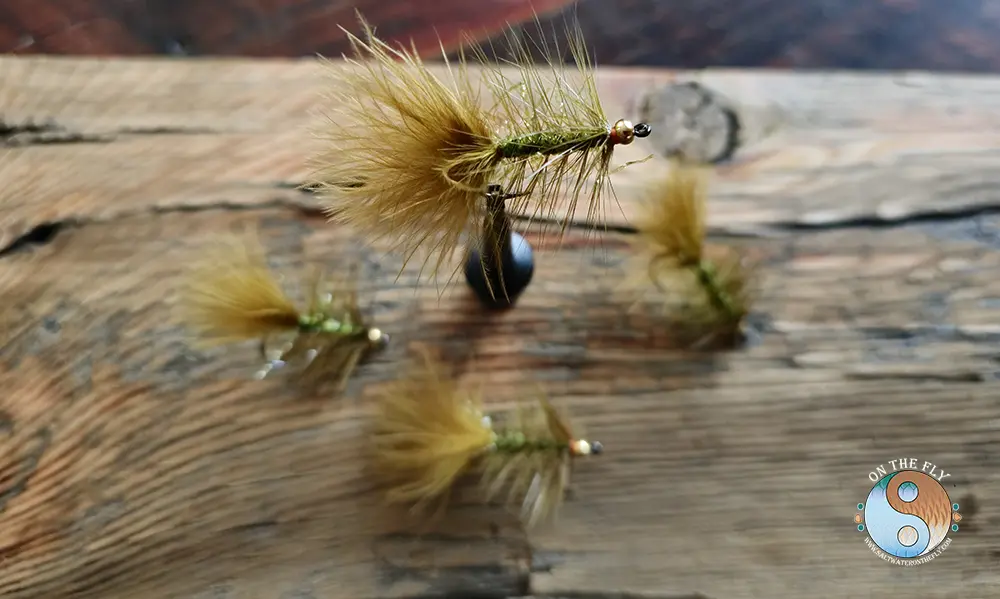
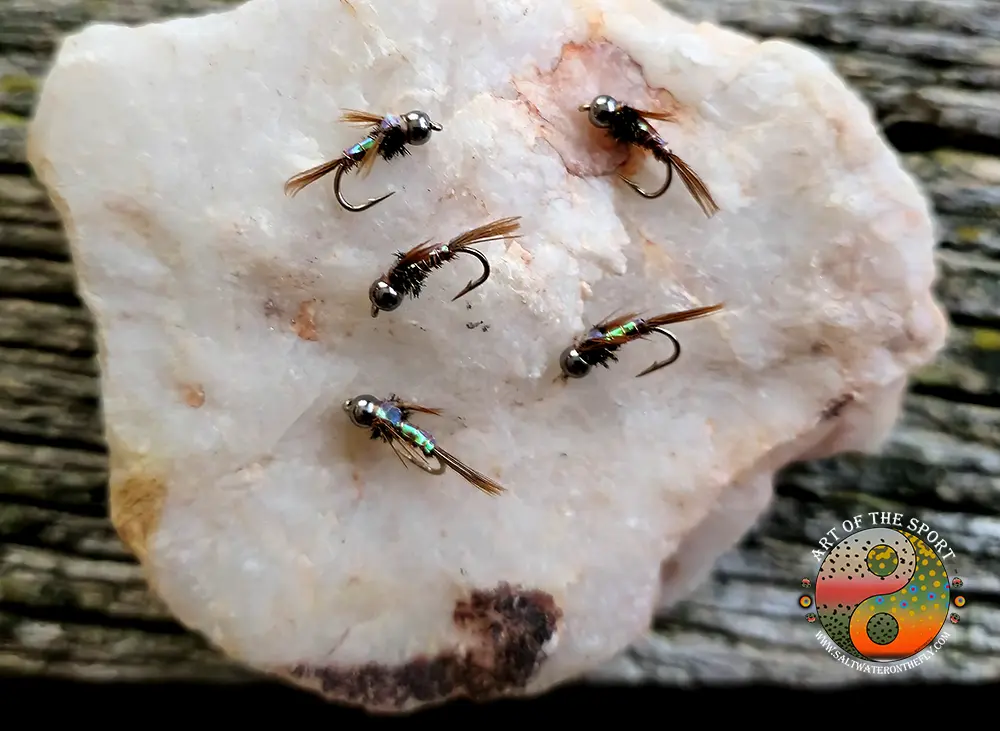
- Brass Beadhead Olive
Dugger Mountain Wilderness: The Quiet New Kid
History: A Late Bloomer’s Triumph
Say hello to Dugger Mountain Wilderness, the youngest of Alabama’s wilderness crew, designated in 1999. Spanning 9,200 acres in the Talladega National Forest, this area’s named after Dugger Mountain, Alabama’s second-highest peak at 2,140 feet. It’s the new kid on the block, but it’s got old-soul charm and a story of persistence.
The push for Dugger Mountain Wilderness started in the 1990s, driven by a coalition of hunters, hikers, and environmentalists who saw this rugged patch as a sanctuary worth saving. They faced the usual suspects—land-use debates, political red tape—but their grassroots game was strong. After years of advocacy, Congress gave the green light on April 20, 1999, proving that good things come to those who nag (politely). It’s a quieter victory than Sipsey or Cheaha, but no less impressive.
Size: The Middle Child
At 9,200 acres, Dugger Mountain Wilderness sits comfortably between Sipsey’s grandeur and Cheaha’s compactness. It’s the Goldilocks of the group—not too big, not too small, just right for a peaceful escape. It’s got enough space to stretch your legs but won’t overwhelm you with endless options.
Backcountry Camping: Solitude Central
Like its siblings, Dugger Mountain welcomes backcountry camping with the standard Leave No Trace rules. There aren’t many established sites, so you’re free to pick your own adventure—think secluded nooks under hardwood canopies or ridgeline spots with a breeze. It’s less trafficked than Sipsey or Cheaha, so solitude is practically guaranteed. Pack a tent, a good book, and maybe a harmonica if you’re feeling dramatic.
The terrain can be uneven, so scout your spot in daylight unless you enjoy tripping over roots in the dark. And keep an eye out for wildlife—deer might photobomb your sunrise.
Best Hiking Trails: Off-the-Beaten-Path Vibes
Dugger Mountain Wilderness keeps it simple with trails that offer peace and quiet over crowds. Here are the highlights:
-
Pinhoti Trail (Dugger Section): Yep, the Pinhoti strikes again! The 9-mile segment through Dugger Mountain is moderate, winding through forests and along ridges. It’s less intense than Cheaha’s Pinhoti but just as scenic.
-
Dugger Mountain Trail: A 4-mile loop that’s moderately challenging, climbing to the peak for views that’ll make you forget your phone exists. It’s a workout with a reward.
-
Unnamed Spur Trails: Dugger’s got some lesser-known paths branching off the main trails. They’re unmarked and wild—perfect for explorers who don’t mind a little “where am I?” fun.
Trails here are rustic, so navigation skills are handy. Bring a map, compass, or GPS—cell service is a pipe dream.
Fly Fishing: Small Streams, Big Rewards
Dugger Mountain Wilderness isn’t a fishing hotspot, but its smaller streams—like those feeding into nearby creeks—offer a shot at redeye bass and bream. These waters are tucked away, so you’ll need to hike in with your gear. The payoff? A serene fishing experience with zero competition.
Use ultralight tackle and tiny flies; these streams are narrow and shallow. It’s not stocked, so you’re chasing wild fish that’ll test your skills. Bonus: the quiet makes it feel like you’ve got the whole wilderness to yourself.
Comparing the Trio: Size, Style, and Shenanigans
Let’s stack ‘em up:
-
Sipsey Wilderness: 24,922 acres, the biggest and boldest. Waterfalls galore, tons of trails, and trout-filled waters. It’s the extrovert who throws the best parties.
-
Dugger Mountain Wilderness: 9,200 acres, the chill middle child. Quiet trails, secluded camping, and subtle fishing spots. Perfect for introverts.
-
Cheaha Wilderness: 7,245 acres, the scrappy little sibling. High peaks, killer views, and a mix of rugged and relaxed. It’s the overachiever with a view.
Together, they’re 42,218 acres of Alabama awesomeness. Whether you want a week-long trek, a weekend summit, or a day of solitude, there’s a wilderness for you.
Wilderness Wisdom: Tips and Laughs
Before you head out, here’s some advice with a side of sass:
-
Tech Timeout: The only Wi-Fi here is the “wild” kind. Embrace it—your inbox can wait.
-
Bear Etiquette: If you see a bear, don’t selfie with it. It’s not your new BFF, and it doesn’t care about your follower count.
-
Trash Talk: Pack out what you pack in. Littering’s the fastest way to make Mother Nature unfriend you.
-
Gear Up: Good boots, a map, and a sense of humor are must-haves. Wet socks and a lost trail are funnier in hindsight.
Preserving the Wild: Why It Matters
The history of Alabama’s wilderness areas is a rollercoaster of passion, persistence, and a love for the outdoors. From Sipsey’s pioneering spirit to Cheaha’s scout-led legacy and Dugger Mountain’s quiet triumph, these places exist because people fought for them. They’re not just for us—they’re for the kids who’ll camp here decades from now, the trout that swim free, and the trees that don’t need to dodge bulldozers.
So, when you visit, tread lightly. Hike those trails, cast those lines, and pitch those tents with respect. Alabama’s wilderness areas are wild, wacky, and wonderful—let’s keep ‘em that way.
Now, go get lost—in a good way!