Backpacking Kroenke Lake-Hartenstien Lake: A Trail Guide
The Sawatch Range in Colorado is packed with 14ers and summer crowds chasing summit glory. But if you want a backpacking trip that mixes alpine serenity with solid fly fishing and a hilarious exit through the masses, this five-day adventure is it. Backpacking Kroenke Lake-Hartenstien Lake is the perfect alternative to the busy standard routes.
Starting at North Cottonwood Creek Trailhead, you will hike to Kroenke Lake for two nights of relaxation and fishing. Then you will push over Browns Pass to Hartenstein Lake for more angling therapy before descending to Denny Creek Trailhead on day five. This journey offers a fantastic tour of the Collegiate Peaks Wilderness Area. Collegiate Peaks is home to some amazing areas, the Apostles, Lake Ann, Mount Yale, Harvard, Oxford and the list goes on. I’ve backpacked from Winfield over Cottonwood Pass, and have come up along Texas Creek.
This is not your typical out-and-back slog. It is a point-to-point traverse through the Collegiate Peaks Wilderness covering about 20 to 25 miles depending on your wandering or more if you are with me. You will gain somewhere between 6,000 and 8,000 feet of elevation total.
The views are stunning, the lakes are crystal clear, and the trout are feisty. It is perfect for fly fishing folks who also enjoy sarcasm and solitude. You will enjoy the peace at least until day five when you meet the Mount Yale hordes.
Let’s break down this trip day by day so you know what you are getting into. This guide will cover the trail miles, elevation gain, and camping spots.
Table of Contents
Trip Overview and Logistics
Before you leave home, you need to understand the logistics of this point-to-point hike. You will be starting at one trailhead and ending at another, so a shuttle or two cars are necessary. Both trailheads are located west of Buena Vista in the San Isabel National Forest.
The main trail access is straightforward, but the dirt road to the trailheads can be washboarded. A standard vehicle can usually make it, but high clearance is always better in the mountains. Plan for an early start to secure parking. The Colorado Trail also crosses here.
| Start Point | North Cottonwood Creek Trailhead |
| End Point | Denny Creek Trailhead |
| Region | San Isabel National Forest / Collegiate Peaks Wilderness |
| Primary Activity | Backpacking / Fly Fishing |
| Total Elevation Gain | Approx. 6,000 – 8,000 ft (cumulative) |
Make sure to check the weather forecast before you head out. The weather in the Sawatch Mountains can change rapidly. Thunderstorms are common in the afternoon.
You will need to arrange a shuttle between North Cottonwood Creek and Denny Creek. The drive between the two takes about 15 to 20 minutes. It is a short shuttle, but essential for this route.
Day One: North Cottonwood Creek Trailhead to Kroenke Lake-The “Why Am I Carrying All This Bourbon?” Day
You will start at the North Cottonwood Creek Trailhead sitting at about 9,400 feet just outside Buena Vista. The dirt road access is easy and the parking lot is big. You will see the usual Subarus and hopeful hikers dreaming of bagging Harvard.
To get there, drive west from the traffic light in the center of town. Follow the signs toward the North Cottonwood Creek area. The road turns to dirt but remains passable for most cars. This is also the intersection of Colorado Trail over to Avalanche Gulch. A day hike to Avalanche Gulch is a steep climb. The thing that amazed me was the Massive Parking lot at Avalanche Gulch, in seven years of summer expedition never full. Let the snow fall, snowmobile trailers fill it up. I no the title subtitle is a little wild, but nothing like a bourbon, stars and campfire. Once I put strawberry Marquita’s on dry ice for the first night in the Bob Marshall Wilderness and they were still semi frozen for the milky way campfire after a 18 mile hike.
The Hike In
The trail starts with a nice forested walk along North Cottonwood Creek. Pines whisper, wildflowers bloom in July and August, and it is all very Instagram worthy. Then the climbing starts and you will remember why you packed so light.
The North Cottonwood Creek Trail is easy follow for the first few miles. It is roughly 4.5 to 5 miles one way to Kroenke Lake. You will gain about 2,100 to 2,750 feet depending on the specific route nuances. You can do this as a day hike, very easy hike. I have done the day thing several times.
The trail switchbacks hard through the forest. The trail crosses the creek a few times. These crossings are usually manageable with a log bridge or rock hops unless runoff is raging.
As you ascend, keep an eye out for horseback riding enthusiasts who also use this trail. The trail climbs steadily toward the alpine basin. You will eventually pass the junction for the Horn Fork basin which leads to Mount Harvard.
Stay on the main trail that heads toward Kroenke Lake. Eventually, you pop into a subalpine basin. The last push feels like the mountain’s personal rejection letter.
But then Kroenke Lake appears like a reward for not turning around. It sits beautifully at a high lake elevation. You have arrived at 11,500 ft Kroenke Lake.
Setting Up Camp at Kroenke Lake
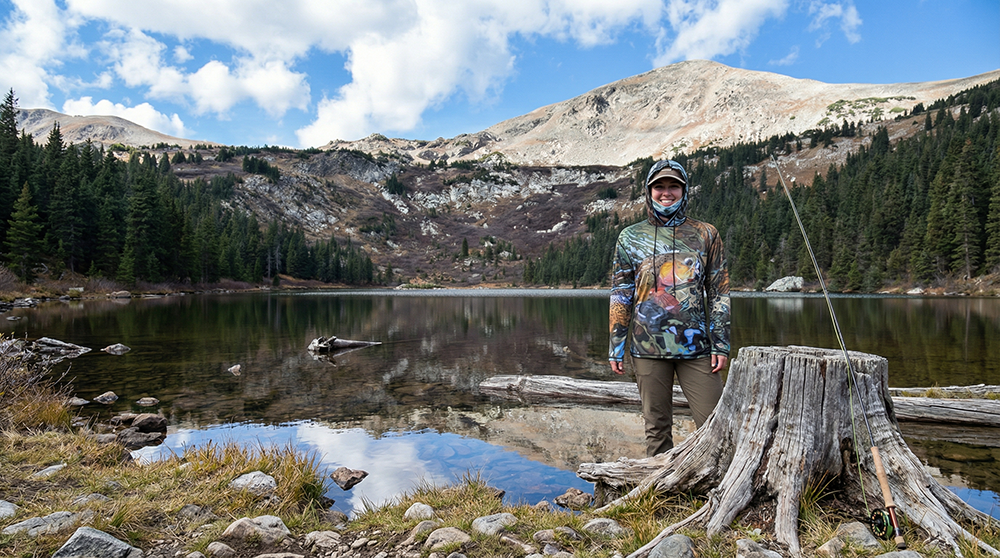
This lake is tucked in a forested bowl ringed by peaks. The water is so clear you can see the trout judging your cast. It is not huge but it is peaceful with good campsites scattered around the shore.
Follow Leave No Trace rules and camp at least 200 feet from water. No fires above treeline because that is just common sense. Drop your pack, set up the tent, crack a cold one if you packed it, and breathe.
If you are into fly fishing, string up that rod early. Kroenke is known for solid populations of cutthroat trout around 6 to 14 inches. There are also a few brookies mixed in.
Shore fishing is decent especially in quieter sections away from the main inlet. Dries like elk hair caddis or parachute adams work in the evenings. Nymphs under an indicator work if the wind is being a jerk.
Just do not expect trophy fish. This is high country dining not a buffet. Enjoy the stunning scenery of the Collegiate Peaks Wilderness Area.
Day Two: Kroenke Lake Layover
Zero day. This is a glorious, beautiful, do nothing zero day. Wake up whenever the sun hits your tent or a marmot starts yelling at you.
Brew coffee and watch the mist rise off the lake. Pretend you are a poet contemplating nature. This is prime fly fishing time.
Hit the water at dawn when the trout are rising. They often eat like they read the menu. Work the inlets and the drop-offs.
Target the rocky points where fish cruise. The cutthroats here are eager but picky. You must match the hatch or suffer the eye rolls from the fish.
If it is calm, a dry dropper rig slays. This setup allows you to target fish at two depths. It is highly effective in these high alpine lakes.
Fly Fishing Kroenke Lake
Kroenke Lake sits like a hidden gem at about 11,500 feet in the Collegiate Peaks Wilderness—crystal-clear, ringed by pines and jagged ridges, and home to those feisty little native cutthroat trout (mostly 6-14 inches, colorful as hell with those signature slashes under the jaw). Fly fishing here isn’t about battling monsters; it’s about quiet mornings where the only sounds are your line cutting the air and the occasional rise from a trout that’s been waiting all night for breakfast. The water’s gin-clear, so spooky fish are the norm—approach low, cast long, and pray the wind doesn’t turn your leader into a bird’s nest. Dawn and dusk are prime time; that’s when the cutthroats cruise the shallows, slurping bugs off the surface like tiny vacuum cleaners. Midday can be slow unless you go subsurface, probing the drop-offs or windy points where the fish hang out. Strip retrieves work wonders on streamers, slow and twitchy, or dead-drift nymphs under an indicator if the surface is flat. The lake’s small enough to circle in a couple hours, but don’t bother rushing—half the fun is just sitting on a rock, watching for rises while your coffee goes cold.
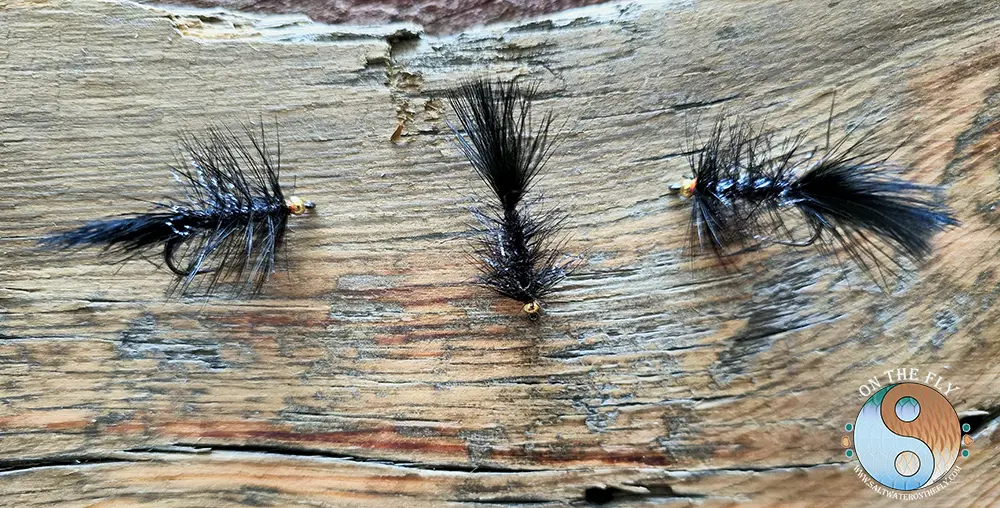
If you’re backpacking in (like from that North Cottonwood slog), you want a slimmed-down fly box because every ounce counts, but you still need versatility for whatever mood the fish are in. Here are six flies not to leave home without—these have saved my butt on high-alpine stillwaters like Kroenke more times than I can count:
- Small black Woolly Bugger (size 10-12): The ultimate search pattern. Strip it slow along the bottom or swing it through the inlets—those cutthroats can’t resist the wiggle and silhouette. Black because it shows up in clear water without spooking them, and it’s deadly when nothing’s rising.
- Small olive Woolly Bugger (size 10-12): Same deal as the black, but olive imitates leeches, scuds, or whatever creepy-crawly the trout are keying on. Alternate colors if one gets ignored; the contrast often triggers strikes.
- Parachute Adams (size 14-18): Classic mayfly imitator for those sporadic BWO or PMD hatches (or just when the fish are looking up). The white post makes it easy to track on glassy water, and cutthroats eat it like candy during evening rises.
- Elk Hair Caddis (size 14-16): Floats like a dream, lands softly, and mimics the caddis that show up around here. Twitch it gently or dead-drift—either way, it’s a go-to dry when fish are sipping on the surface.
- Pheasant Tail Nymph (size 16-18, beadhead or unweighted): Gold standard subsurface fly. Fish it solo under an indicator or as a dropper behind a dry. The natural colors fool finicky cutthroats probing the rocky bottom or mid-water columns.
- Hare’s Ear Nymph (size 14-16, soft hackle or beadhead): Versatile buggy pattern that covers mayfly nymphs, caddis pupae, or just “something edible.” The dubbed body breathes life on the retrieve—perfect for stripping near weed edges or drop-offs.
Tie on one of these bad boys, and you’re covered for most scenarios at Kroenke: dries for risers, buggers for aggressive fish, nymphs for the picky ones hiding deep. Pack extras because losing flies to snags or hungry trout is inevitable, and nothing kills the vibe faster than running out mid-rise. The cutthroats here aren’t huge, but they’re pure and eager when you get it right—land one on a dry at sunset with the peaks glowing orange, and you’ll forget every crowded river back home. Just remember: pack out your tippet scraps, leave no trace, and maybe throw ’em back so the next backpacker gets the same show. Tight lines, and watch your step on those slippery rocks—altitude makes you clumsy.
Exploring the Kroenke Basin
Hike around the lake basin if you get antsy. There is a faint use trail toward the saddle above offering killer views down the drainage. You can look back toward the North Cottonwood Creek valley.
Or just nap because napping is underrated in the backcountry. By afternoon the sun is warm and the lake is inviting. You might even take a dip if you are brave enough for snowmelt cold water.
The only decision is another cast or another snack. Evening brings alpenglow on the surrounding peaks. The reflection on the water is breathtaking.
Fish more if you are obsessed. Sleep like a rock. The altitude helps with that. I like to hike fish the whole perimeter of the lake, it has an interesting shoreline.
Tomorrow involves actual effort so rest up. You will be crossing the high point of the trip. Prepare for a big climb in the morning.
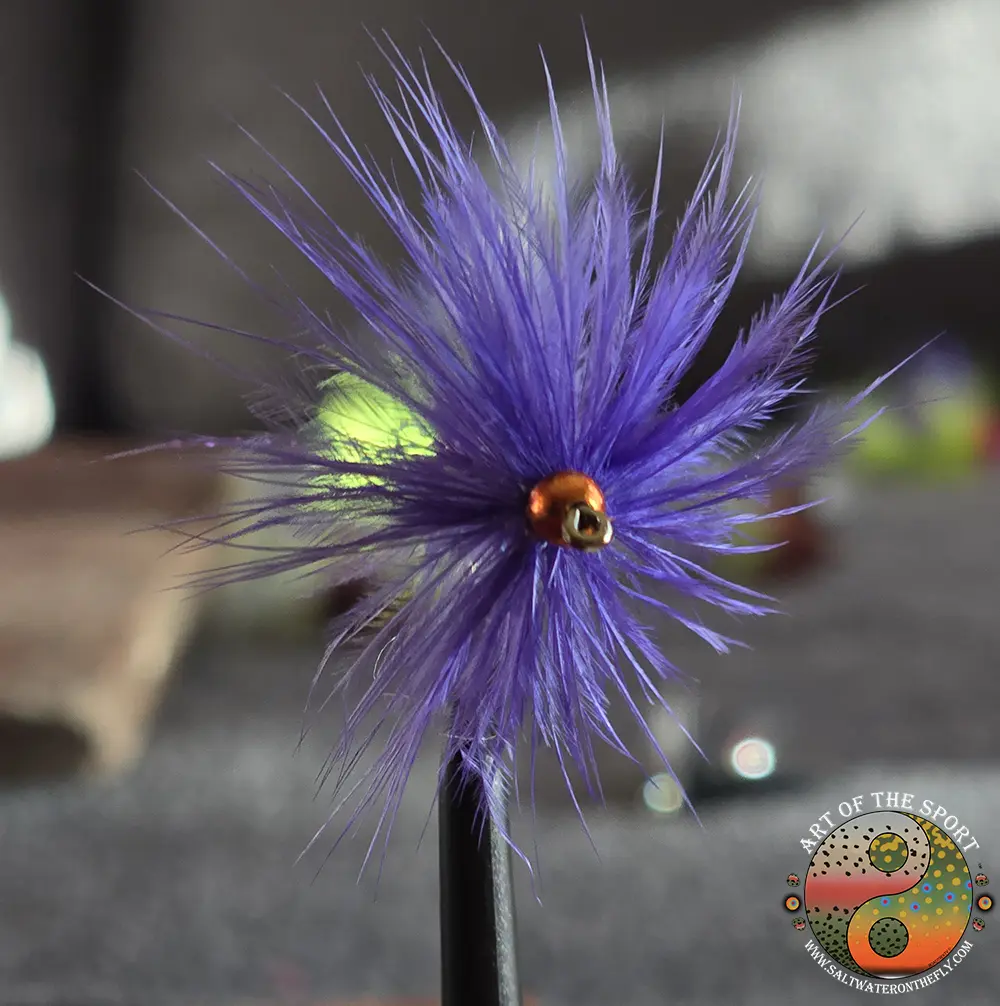
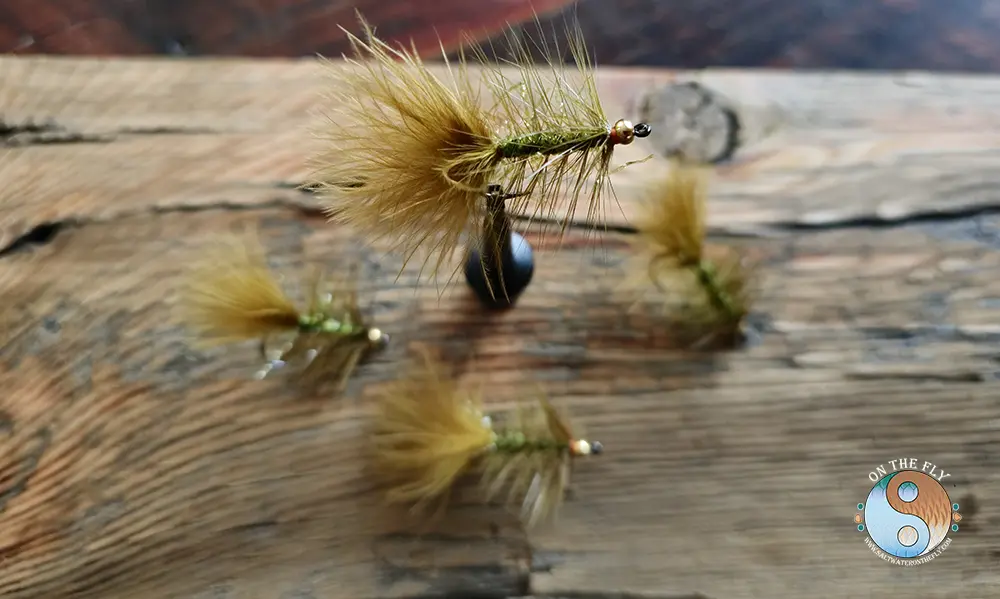
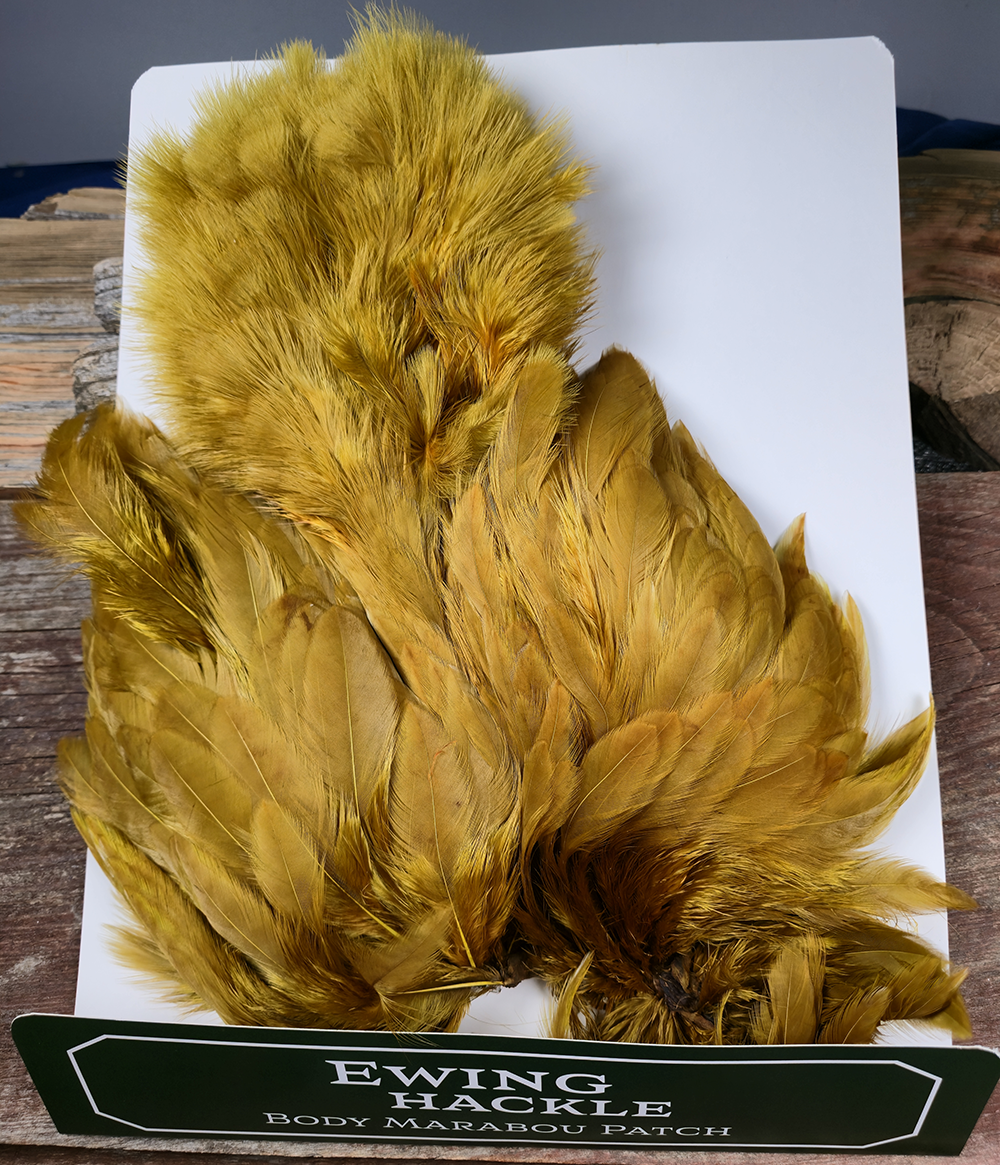
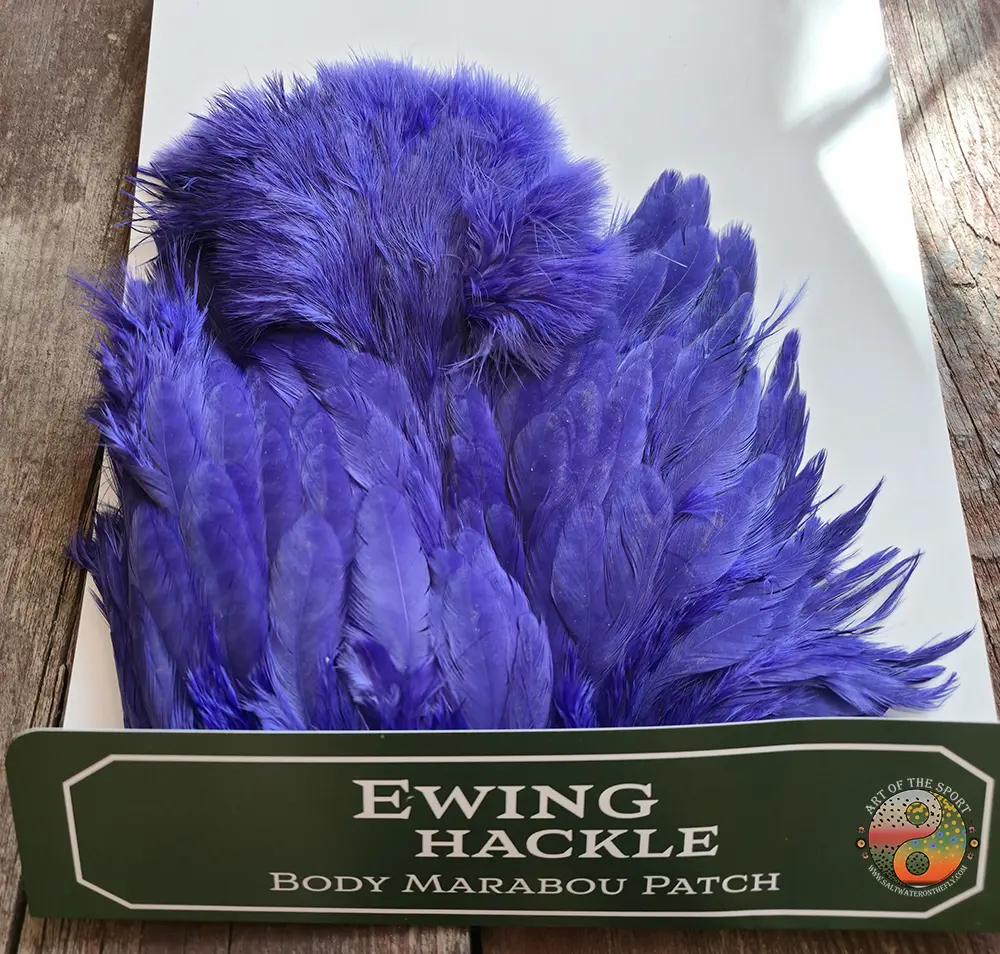
Ewing Hackle Body Marabou Patch Golden Olive is an incredibly effective color.
Day Three: Kroenke Lake to Browns Pass to Hartenstein Lake
Time to move. Pack up, say goodbye to your cutthroat buddies, and head toward Browns Pass. The pass sits around 12,020 to 12,550 feet depending on which map you trust.
From Kroenke, the trail climbs steadily. You will gain another 1,500 to 2,000 feet over a couple of miles. The Kroenke Lake trail connects you to the pass trail.
It is steep in spots and rocky. However, the views open up fast. You are in the heart of the Collegiate Peaks Wilderness now.
You will see jagged ridges and lingering snowfields even in late summer. The crisp air makes you feel alive and slightly hypoxic. Reach the pass and gasp for oxygen.
Drop your pack for snacks and photos. Browns Pass is a classic divide. One side drops to the North Cottonwood drainage.
The other side looks toward Texas Creek and eventually Denny Creek. You might even see the distant drainage of Silver Creek. The expansive views of the Sawatch Mountains are incredible.
Descending to Hartenstein Lake
From here descend toward Hartenstein Lake. It is a spur off the main Browns Pass Trail. The junction is about a mile each way off the pass trail.
You will drop into a hanging basin at around 11,400 to 11,600 feet. The trail south from the pass loses elevation quickly. The lake elevation here is slightly lower than Kroenke.
The lake is smaller than Kroenke and more exposed. It offers epic views of the surrounding peaks including sneaky peeks at Yale. Campsites are limited but scenic.
Tuck in among the krummholz or boulders for shelter. Set up camp and filter water. Immediately rig the rod again.
Hartenstein Lake is a brook trout hotspot. Mid-sized brookies patrol the shallows. Similar tactics work here with dries in the evening.
Try nymphs during the day. The wind can whip through here so patience is key. This spot feels more remote than Kroenke.
Fewer day hikers wander this far. Enjoy the solitude and cook dinner. Watch the stars explode overhead in the clear mountain sky.
Backpacking Kroenke Lake-Hartenstien Lake: Day Four Layover
Another zero because why rush paradise. Sleep in and fish at first light. The brookies are usually slurping bugs off the surface like it is happy hour.
Explore the basin with short scrambles to overlooks. You can get a better view of the fork creek drainages nearby. Maybe dip in the lake if you are feeling masochistic.
Hartenstein’s water is gin clear with trout visible from shore. This makes for frustratingly accurate casting practice. This is the day to perfect your dry fly presentation.
Tie on that attractor pattern that looks ridiculous but works. Catch, photo, release. Repeat until your arm hurts or the fish wise up.
Afternoon thunderstorms might roll in because this is classic Colorado. Have the tent ready. Check the sky often.
Fly Fishing Hartenstein Lake
Hartenstein Lake perches in a rugged hanging basin off Browns Pass in the Collegiate Peaks Wilderness, sitting around 11,400-11,600 feet with that exposed, wind-swept feel that makes you feel like you’re on top of the world (or at least way too high for sane people). Unlike the more sheltered Kroenke, this spot is smaller, rockier, and more open—think sparse krummholz pines, boulder fields, and water that’s often rippled by afternoon gusts rolling off the divide. The main attraction? A healthy population of mid-sized brook trout (think 8-14 inches, sometimes pushing bigger in good years), those colorful char with their aggressive attitudes and Halloween-orange fins. They’re not natives, but they thrive here, cruising the shallows, patrolling drop-offs, and smashing anything that looks edible. No cutthroats to speak of (that’s more Kroenke’s gig), just eager brookies that can make a lazy afternoon feel like a feeding frenzy if you time it right.
Fishing Hartenstein is classic high-alpine stillwater: approach stealthy because the water’s clear and the fish spooky, especially on calm days. Dawn and dusk are money—rises pop up near shorelines or inlets where bugs get funneled in, and the brookies stack up like they’re at an all-you-can-eat bug buffet. Midday, go subsurface; probe the deeper zones (the lake has some nice drop-offs) or windy points where the fish hold. Wind can be your friend or enemy—use it to mask your presence but curse it when it turns your cast into a comedy routine. Circle the lake slowly (it’s compact enough), target cruising lanes along the edges, or blind-cast streamers if nothing’s showing. Strip retrieves with pauses get hammered; slow and twitchy imitates leeches or scuds, fast strips trigger reaction strikes from those territorial brookies. Thunderstorms roll in quick up here, so have a bailout plan, but when it’s glass-calm at sunset with alpenglow hitting the peaks, and a brookie slurps your dry like it’s personal, you’ll forget every crowded tailwater back in civilization.
Since you’re backpacking in (that spur off the Browns Pass Trail is short but packs a punch), keep the fly selection light but deadly—brook trout in these alpine spots respond to buggy, imitative patterns and a few attractors. Here are six flies not to leave home without (focusing on versatility for wind, hatches, and those hungry char): The same six listed above are the one’s you need for Hartenstein Lake.
Reflecting on Backcountry Life
Otherwise, it is pure bliss with no cell service. No emails will reach you here. It is just you, the rod, and fish that do not know you are a hack.
Reflect on how backpacking is basically expensive homelessness with better views. Nap and fish more because life is good. You are experiencing the best of the San Isabel National Forest.
Take time to appreciate the alpine tundra flowers if they are blooming. Look for pika in the rocks. They are the noisy residents of the scree fields.
As the sun sets, prepare for your final night. Pack up anything you do not need for the morning. Tomorrow you head back to civilization.
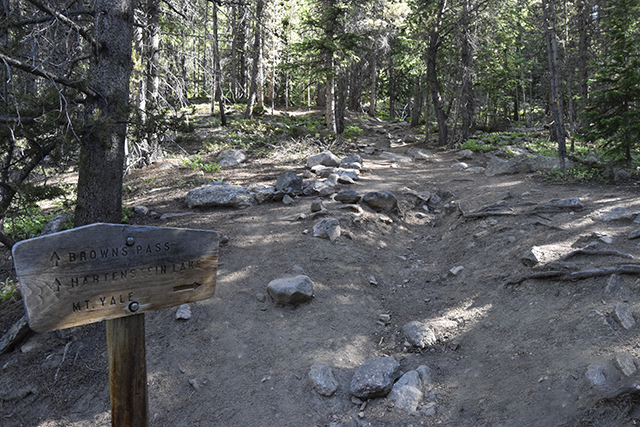
Junction to Summit Mount Yale
Day Five: Hartenstein Lake to Denny Creek Trailhead
Pack up early. You have a descent ahead back up to Browns Pass if you dipped down. Then follow the Browns Pass Trail down toward Denny Creek Trailhead. And enjoy feeling good as you pass all the hikers entering hell, the hike to the summit of Mount Yale, just smile and trek on by knowing the truth if you’ve traversed that beautiful trail.
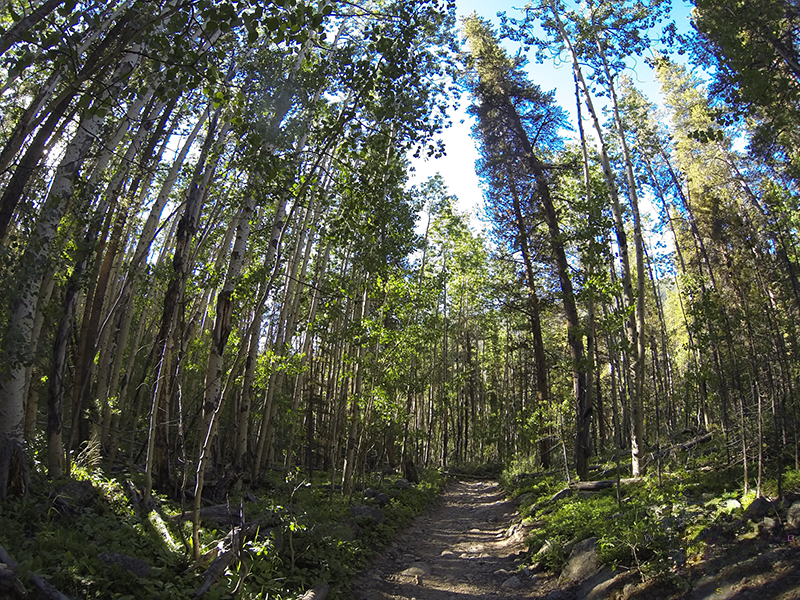
The trail drops steadily through the forest. It parallels mountain stream flows filled with snowmelt. You will see wildflowers and aspens if it is fall.
It is about 5 to 7 trail miles from the lake spur to the trailhead. It is mostly downhill. This is blessed relief for the knees.
But here is the fun part. As you descend, you start crossing paths with the Mount Yale summit hopefuls. They are heading up from the Denny Creek Trail.
These are the crazies with fresh faces. They are day hikers in clean clothes. They carry nothing but a CamelBak and dreams of a 14er selfie.
They are charging up the steep switchbacks to the Yale junction. They will be huffing like freight trains. They will ask how much farther while you saunter down.
You will look like week-old trail mix. Your pack will be heavy and dusty. The contrast is stark.
The Contrast of Solitude and Crowds
You pass groups in matching REI outfits. Families drag kids who clearly hate this. Influencers pose with trekking poles like weapons.
One guy will inevitably ask if you summited Yale. You will say nope, we were busy catching fish and napping. You will get that look like you are a heretic for not bagging the peak.
Smile sweetly and keep walking. The contrast is hilarious. You have had five days of solitude and trout.
They are in a conga line to a pile of rocks. Reach the Denny Creek Trailhead with its paved lot. Real bathrooms are nearby.
The trail ends at the parking area. Drop your pack and high five whoever shuttled your car. Or call an Uber if you have signal because life choices.
You have survived with no 14er badge but way better stories. The Denny Creek trailhead elevation is lower, so the air feels thick. Enjoy the easy breathing.
Gear and Preparation for the Collegiate Peaks
Success on this trip depends on your gear. The weather in the peaks mountain region is unpredictable. You need to be ready for anything.
Even in July, it can snow on Brown’s Pass. Bring layers including a puffy jacket and rain shell. A warm sleeping bag rated to 20 degrees is smart.
Footwear should be sturdy. The trail trail surface varies from soft pine needles to jagged talus. Trekking poles help with the elevation gain and loss.
Water filtration is critical. There is plenty of water in the creek drainage areas. You will cross the north fork of various streams.
Bear protection is recommended. While black bears are polite here, they are present. Use a bear canister or hang your food properly.
Map and compass skills are vital. The main trail is obvious, but side trips require navigation. Always carry a physical map of the Collegiate Peaks Wilderness.
Why This Trip Rules
This five day loop-ish traverse delivers everything. It includes alpine lakes and fly fishing for cutthroats. You get high passes and wilderness solitude.
The comedic exit through the Yale parade is a bonus. Total mileage runs around 22 to 28 miles depending on side trips. Elevation gain and loss is spread out between 6,000 and 8,000 feet.
Best time to go is July through September. This ensures snow-free trails and good fishing. But always check for afternoon storms.
Wilderness regs apply with no fires in some zones. Be respectful of the rights reserved for nature. Leave it better than you found it.
Pack light and fish smart. Embrace the sarcasm when the day hikers ask why your pack is so big. In the end, you will drive away smelling like campfire and victory.
You will be plotting the next escape immediately. Maybe exploring the Cottonwood Creek trail further next time. Or perhaps checking out the trails near Cottonwood Pass.
Conclusion of Backpacking Kroenke Lake-Hartenstien Lake
Backpacking Kroenke Lake-Hartenstien Lake is a trip that mixes solitude with scenery and fishing with comedy. You will spend five days in the Collegiate Peaks Wilderness with crystal clear lakes and feisty trout. The exit day adds a hilarious dose of reality as you dodge the Mount Yale crowds.
If you are a fly fishing enthusiast who appreciates wilderness peace and a good laugh, this trip is for you. Once you have tasted high country trout and zero cell service peace, everything else feels crowded. Start planning your escape to the Isabel National Forest now.
Whether you start at North Cottonwood or come in from another drainage, the experience is unmatched. The combination of forest, alpine tundra, and lake basins is special. Get your permit, pack your rod, and head for the hills.
-
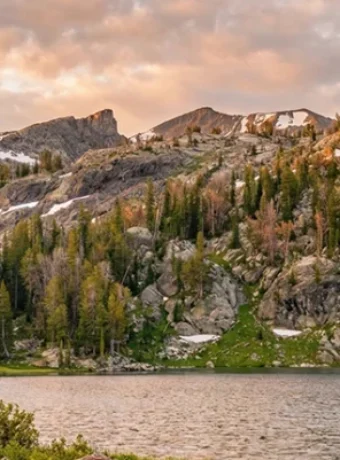
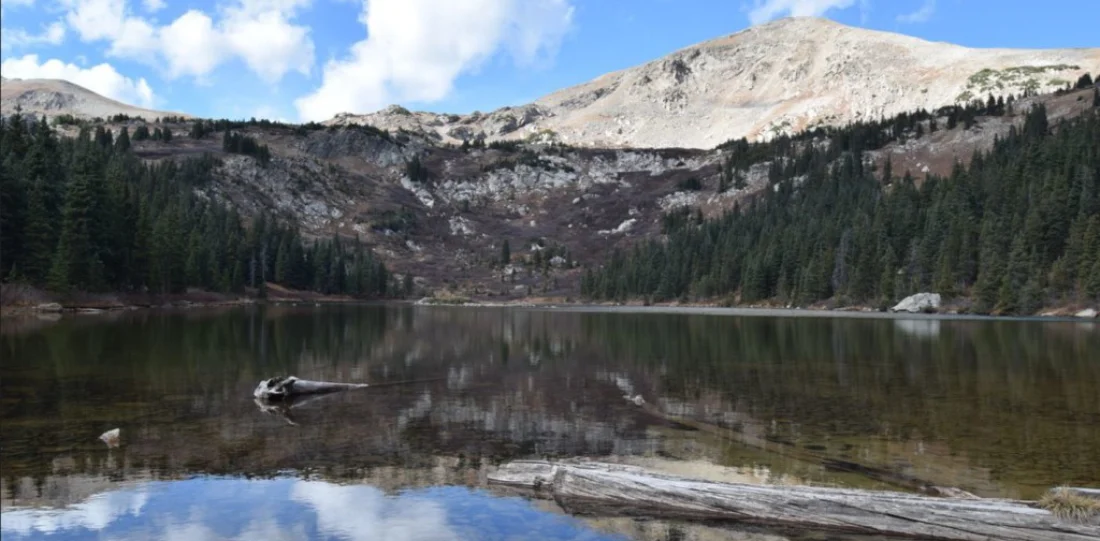
- Looking back up the towards Hartenstein Lake
-
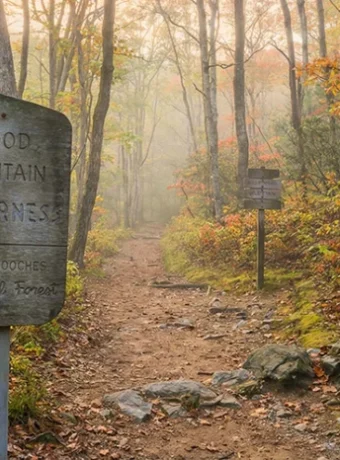
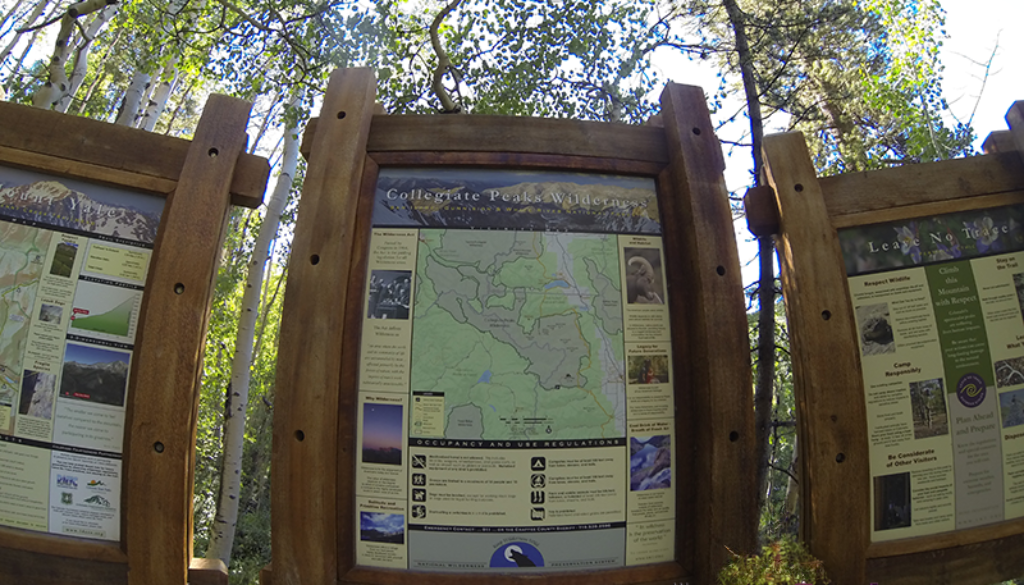
- Denny Creek Trailhead
-
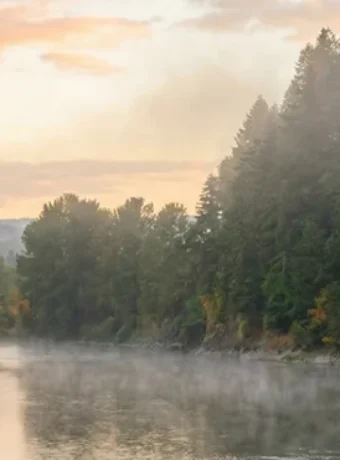
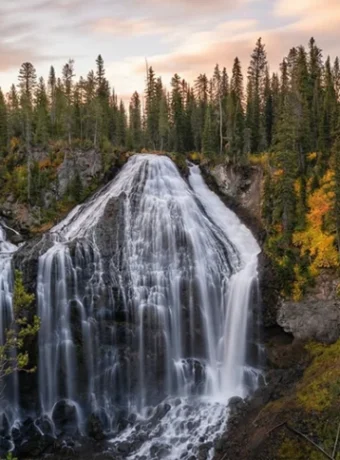
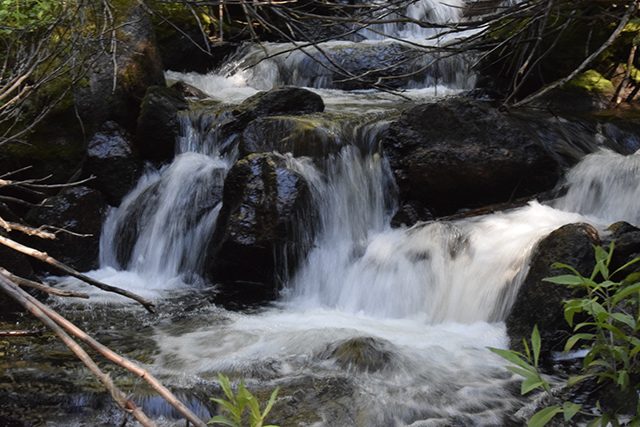
- Small flow from Kroenke Lake
-
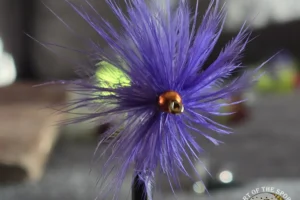
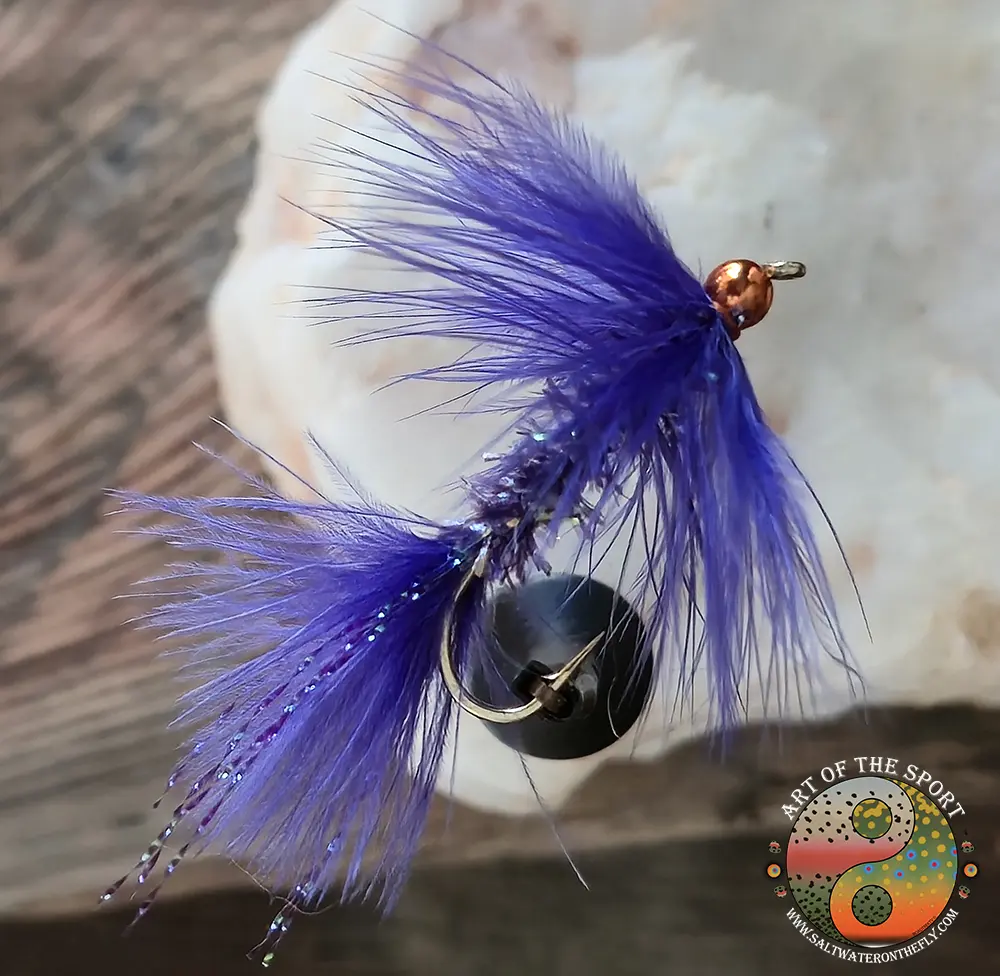
- My favorite Purple Bugger from the Front