Exploring Big Bend National Park: Top Trails & Tips
Big Bend National Park is where you go when you are done with crowded overlooks and traffic jams in the mountains. This park is where you trade bus tours and busy trails for long empty roads, massive canyon walls, and a desert silence that hums in your ears.
If you are dreaming about wide open space, huge starry skies, and enough hiking and river time to wear you out in the best way, this guide is for you. You will see what to do, where to stay, when to visit, and how to make sure you do not melt, get lost, or end up out there without water.
Table of Contents
Experience Big Bend National Park Without The Crowds
This park sits in a far corner of West Texas, wrapped around a giant bend in the Rio Grande. That bend gives the park its name and creates about 118 miles of wild international border between the United States and Mexico.
It covers more than 800,000 acres of desert, river, and mountain country. The National Park Service calls it one of the most remote parks you can drive to, which explains why visitor numbers are low compared to almost any other big national park.
You can truly escape the noise here. For a quick overview, the park service has a simple Big Bend fact sheet with acreage, elevation ranges, and visitation numbers. It is a good way to get a feel for how massive and quiet the Big Bend National area really is.
Where Is Big Bend And How Do You Get There
You already know this park is out there, but you may not realize just how remote it is until you map it. The nearest commercial airports are in Midland and El Paso, and both are several hours away by car.
From Austin the drive to the Big Bend area is a long haul across West Texas. One detailed road trip guide pegs the Austin to Big Bend National Park drive at about six and a half hours and roughly 440 miles from Austin Bergstrom airport, which gives you an idea of the commitment.
Once you roll through Marathon or Study Butte and into the entrance station, though, the trade is worth it. The main paved roads and a web of dirt roads branch out from Panther Junction. These routes give you access to limestone canyons, high mountains, and remote desert valleys that feel completely untouched.
Best Time To Visit So You Do Not Fry
If you remember nothing else, remember this: Big Bend NP in midsummer can roast you. The heat is serious and demands respect.
Desert lowlands can push well over 100 degrees, and the sun reflects off pale rock and gravel. Add in very little shade and it can become unsafe fast for unprepared hikers.
The sweet seasons are fall and spring. From roughly October through November and again from March through April, days are often pleasant and nights are crisp. Winter works too, with cool days and cold nights, and sometimes even a dusting of snow on the Chisos Mountains.
The park draws more people during holidays and school breaks, but even then it does not feel like the more famous national park road trip stops. A recent survey report showed a sharp jump in first time visitors in 2022, but most stayed outside park boundaries. That means you still find quiet trails if you walk more than a mile from the road.
When planning your trip, pay attention to check-in check-out times for your campsite or lodge room. Being prompt allows the staff to prepare for the next guest in this remote environment.
What Makes Big Bend National Park Different
Most parks give you one main scene. Big Bend National Park hits you with three distinct ecosystems in one trip.
You have dry Chihuahuan Desert filled with prickly plants and open views that go forever. Down along the Rio Grande you get a green river corridor with willows, cottonwoods, and canyon walls.
Then there are the Chisos Mountains in the center of the park, the only complete mountain range inside a US national park boundary. Pines, oaks, cooler air, and clouds clinging to peaks give you a welcome break from the desert heat below. It creates a “sky island” effect that supports animals like black bears and mountain lions.
History is deep here too. Lady Bird Johnson visited the park in 1966 to promote conservation, putting this wild place on the map for many Americans. You might also stumble upon history that goes back much further, such as a fossil discovery from the Cretaceous period.
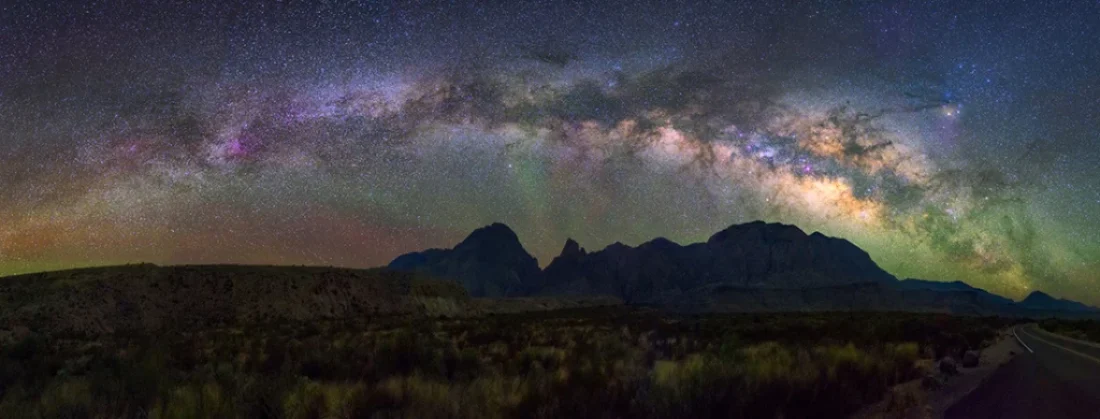
The park also has serious sky. It holds an International Dark Sky Park badge, and on a clear night you see the Milky Way arch from canyon wall to canyon wall. Photos of night skies and features like Balanced Rock, Mule Ears, and the Window are all over public galleries, including shots of Santa Elena Canyon and Emory Peak on photo sharing pages.
Top Things To Do In Big Bend National Park
You do not drive all the way out here just to take one picture and turn around. This park rewards you if you give it at least three days and move around a bit.
Hiking: From Easy Walks To All Day Slogs
Trail mileage in Big Bend stacks up fast if you love to hike. There are short roadside strolls, half day outings, and serious backpacking loops.
Some favorite hikes for a first visit include:
- Santa Elena Canyon Trail: About 1.7 miles round trip. You follow the Rio Grande right into the canyon, with limestone walls rising up to 1500 feet above you.
- Lost Mine Trail: Around 4.8 miles. It climbs from the Chisos Basin area to big views of Casa Grande and the eastern side of the range.
- Window Trail: Close to 5.6 miles from the Basin. It leads through Oak Creek Canyon to a rock pour off that frames the desert far below.
- Balanced Rock: A short 2.2 mile walk across gravel and through a wash to a boulder wedged above your head.
- South Rim and Emory Peak: Long and steep day hikes or an overnight backpack for fit hikers who want the big panorama from the rim and the highest point in the park.
You can plan hikes using the seasonal Big Bend Paisano visitor guide which has maps, elevation changes, and current advice on trail conditions. Rangers at Panther Junction or Chisos Basin help you pick routes based on your fitness and the forecast.
Whatever trail you pick, do not play games with water. In this desert park the usual advice is at least one gallon per person for a full day of hiking, plus salty snacks and sun gear.
Scenic Drives When You Want Views From The Car
If your legs want a rest, you still have great ways to explore. The main paved loops and spur roads roll past overlooks, side trails, and canyon access.
The park site describes how paved highways and dirt roads open up a big variety of experiences, from high mountain passes to lonely desert valleys. This means you can switch from viewpoints to trailheads to river crossings all in a single day if you plan your route.
Ross Maxwell Scenic Drive is a standout route that takes you past Mule Ears and towards Santa Elena Canyon. Stop by the Panther Junction visitor center and grab maps from the park bookstore. That bookstore is run with the Big Bend Natural History Association and carries maps, trail guides, and geology or bird books that make every drive and hike more interesting.
Time On The Rio Grande
You feel the park very differently from a raft or canoe than you do from a car. The river cuts Santa Elena, Mariscal, and Boquillas Canyons and gives you access to camp sites that are only reachable from the water.
Local outfitters outside the park run river trips, including day trips and overnight floats for visitors who want gear and a guide. You can also apply for river permits if you have your own boats and enough experience with desert river conditions.
Back on shore, the short Hot Springs Trail follows the river to an old bathhouse foundation where hot water pools right next to the Rio Grande. Soaking there at sunset while the canyon walls turn pink and orange is one of those core Big Bend moments you talk about for years.
Night Skies And Ranger Programs
The stargazing here is on a different level. Once the sun drops behind the Chisos Mountains or the desert buttes, the whole sky fills up fast.
To get more out of it, you can use the NPS app on your phone as a simple ranger in your pocket. The app has offline maps, basic astronomy guides, and trip planning tools.
The park also runs scheduled evening talks and guided programs through their official Join a ranger programs page. These talks cover everything from night sky stories and desert safety to birding walks and geology strolls, and they change by season.
You might even find opportunities for horseback riding near the park boundaries to see the sunset from a saddle. Local stables in Study Butte often offer these excursions.
Where To Stay In And Around Big Bend National Park
This is the part many people mess up. You do not want to figure out lodging after you roll up to the entrance late in the day.
Inside The Park
You have one main lodge complex and several campgrounds to pick from. The Chisos Mountains Lodge area sits high up in the Basin with cooler temperatures than the river zones.
This is the premier spot for park lodging because you wake up surrounded by stone peaks. Campsites are scattered in three main developed campgrounds. The Chisos Basin Campground offers cool nights and mountain views, though the access road has tight curves that do not work well for long rigs.
Along the river, Rio Grande Village Campground sits near a small store, gas, and shade trees. It has many sites and room for larger setups, making it a popular choice for Grande Village visitors.
The quiet Cottonwood Campground near Castolon is much smaller, with only a couple dozen sites under shady trees beside the Rio Grande. It is a nice base if you plan to spend time in Santa Elena Canyon and on the western side of the park.
| Campground | Approximate Number of Sites | Main Appeal |
|---|---|---|
| Chisos Basin | About 60 | Cooler air, access to Basin trails, mountain views |
| Rio Grande Village | About 100 | River zone, store and fuel nearby, warmer nights |
| Cottonwood | About 24 | Quiet sites, shade trees, near Santa Elena Canyon |
Backcountry roadside and zone camping is another option if you like dispersed sites and solitude. Stop at a visitor center or check the FAQs on the Big Bend park FAQ page for permit rules and seasonal restrictions before you plan a night in a remote wash.
Staying Outside The Park
You might choose a base camp outside the entrance gates and drive in each day. A recent spike in first time visits led many people to lodge in nearby towns instead of inside park campgrounds, which lines up with that visitor survey.
Terlingua, an old mining ghost town, sits about twenty minutes from the west entrance and has an odd and fun mix of cabins, domes, casitas, and rustic spots. Between desert tipis, clear sky domes, and small inns, you can pick your version of comfort or adventure.
For more options, check listings for Big Bend National Park lodging in nearby Study Butte or Lajitas. The Terlingua Trading Company and Bookstore doubles as a gift shop and classic front porch hangout.
Restaurants like the Starlight Theatre Restaurant and Saloon and La Kiva give you food, live music on many nights, and a community feel after long hot days on trail or river. You can relax here knowing you have a comfortable bed waiting nearby.
How To Plan Your Days In Big Bend
Think about the park as three zones. If you touch each of them at least once, you leave feeling like you actually saw the place rather than just drove through it.
Zone One: The Chisos Mountains
Plan one full day starting and ending in the Chisos Basin. Hit an early morning hike such as Lost Mine, Emory Peak, or a section of the South Rim while the air is cool.
Then grab lunch on the mountains lodge patio and wander some of the shorter loops near the Basin floor, such as the Window View trail. Watching the sunset frame through the Window never really gets old.
If you enjoy guided experiences, watch the current schedule for talks through the park ranger program listings. Staff often lead guided walks in the Basin area that share stories about mountain lions, black bears, and forest ecology.
Zone Two: Desert And Scenic Drives
Spend another day working your way down Ross Maxwell Scenic Drive, stopping at Mule Ears, Tuff Canyon, and the short side walk to Lower Burro Mesa Pour off. Carry more water than you think you need and build in shade breaks in the car during midday heat.
Views along these routes show the open country feel that makes this region so striking. Old volcanic plugs, dry washes, and subtle colors change through the day as the light moves across the desert.
The NPS app has driving tour content you can access from your phone even if you are out of cell service. That “Ranger in your pocket” style support gives you small audio bits on history and geology as you roll along.
Zone Three: Rio Grande And Boquillas
On your final full day, focus on the river and border culture. Start with an early hike or soak along the Hot Springs area before it gets crowded or hot.
Then consider crossing to the tiny town of Boquillas, Mexico, by rowboat when the port of entry is open. You need a passport for that crossing and you can check days and hours with staff listed under the park contact page.
A visit Boquillas trip usually involves lunch, a drink, and a burro ride into town. Finish your trip at Boquillas Canyon, where an easy trail climbs along the riverbank and into a quieter side of the park.
Safety, Weather, And Why Preparation Matters
Remote areas always call for a bit more care and this park is no different. The good news is you can manage most risk with smart planning.
Heat and dehydration cause most issues here. Carry more water than seems fair, start your longer hikes very early, and spend the hot afternoon hours driving, eating, or napping in the shade.
Download maps from the park site, pick up paper copies at a visitor center, and skim the park FAQ section so you understand driving distances and fuel stops. You should also pay attention to border rules, fire bans, and any closures posted on signs or on the NPS website.
If you are a weather geek, you might be familiar with another Big Bend on the Gulf Coast, which gets hit by storms such as Hurricane Helene in recent big bend weather news. The Texas Big Bend region does not deal with coastal hurricanes in that same way, but summer monsoon storms can dump fast rain that turns dry washes into sudden flood channels.
Always keep an eye on clouds and radar before long canyon walks. Flash floods in Santa Elena or Boquillas canyons are dangerous, so stay alert.
How Big Bend Fits With Other Park Trips
If you are already the type of person who road trips to remote corners, Big Bend fits right in. Think of it as the desert cousin to parks like those on the Colorado Plateau or distant wildlife areas overseas.
One trip might include desert time here, then cooler hoodoos and rock formations on a Bryce Canyon national park road trip farther west. Or you might pair a season of backpacking here with a wildlife safari experience like Chobe in Africa, which some people call the crown jewel of national park safaris.
You can also explore the neighboring Big Bend Ranch State Park. This area, often called just Big Bend Ranch or Bend Ranch, offers even more rugged solitude just west of the national park.
Big Bend National Park Bend National Park will feel different than those places, though. It is more about silence, slow miles on dirt, and your own time under wide sky than it is about big crowds at famous overlooks.
Helpful Tools And Extra Resources
You have plenty of ways to learn more both before you go and while you are on the ground. The main National Park Service page for this site links to deeper subject pages about archeology, wetlands, agriculture, and cultural landscapes.
You can explore these at the NPS archeology subject hub, along with dedicated pages for wetlands, agriculture and ranching, and cultural landscapes. If you care about context, these topics add layers of meaning to the canyons and valleys you walk through.
It is smart to use official channels for your planning. You can check broader questions through tools on the park site index and larger National Park Service pages that list contacts, accessibility information, and general policies. The National Park Service manages these official websites to guarantee accuracy.
When you are browsing a gov website, you know it is an official government organization in the United States. These secure websites use HTTPS, meaning you are safely connected to the .gov website. Always make sure you share sensitive information only on official secure websites.
You might see features like a news toggle for alerts or a content skip button for accessibility on these platforms. A gov website belongs to the people, and using it ensures you have the latest data.
If you fall hard for this park and others like it, you can support their care and projects through the National Park Foundation donation pages. Options range from one time gifts to legacy giving described on their How you can help overview, and those funds go back into real maintenance and education needs.
Consider sending a gift today to help preserve these lands. You can also find ways to support national parks through volunteer work. All rights reserved on the content found on their official pages.
Conclusion of Big Bend National Park
Big Bend National Park is not a quick drive by stop or an easy check mark on a bucket list. It is more like a commitment, the kind of place you block off real time for because it sits so far from anything familiar.
But if you give it that space, it gives you desert stillness, real adventure on remote trails, cool nights under sharp stars, and that strange comfort that comes from standing somewhere that does not care at all about your inbox. Study the maps, skim the official visitor guide, load the NPS app, and plan out where you will sleep and hike so your time here runs smoothly.
Then go. Put in the long drive, roll through the entrance, and let Big Bend National Park remind you what quiet adventure feels like when you leave crowds behind.