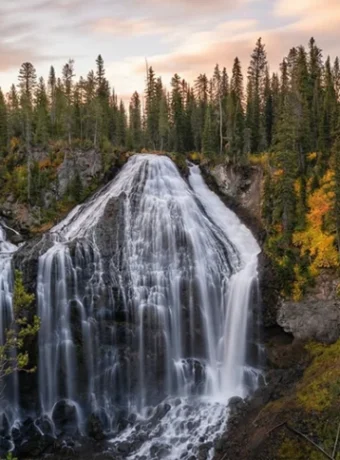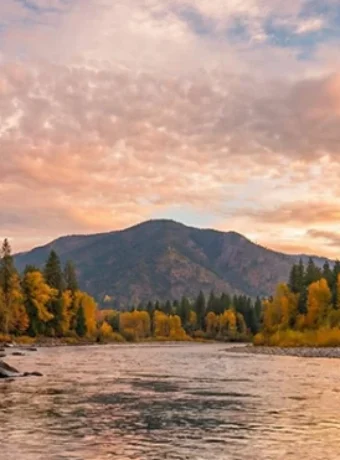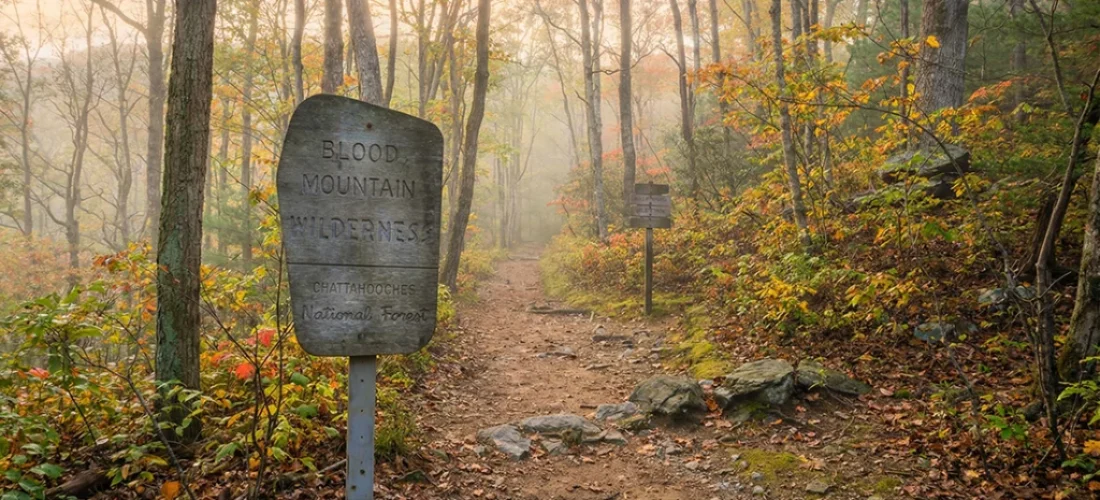
Blood Mountain Wilderness and Brasstown Wilderness Georgia
Blood Mountain Wilderness and Brasstown Wilderness Georgia are where North Georgia stops pretending to be gentle. The sweet tea energy fades pretty fast once you are grinding up 1,400 feet of rock and roots with sweat in your eyes. Yet these two rugged pockets of Chattahoochee National Forest somehow keep drawing hikers, backpackers, and fly anglers who like their beauty served with a side of suffering.
If you are craving big views, rough climbs, cold streams, and a good chance of questioning your life choices, you are in the right place. Blood Mountain Wilderness and Brasstown Wilderness Georgia are like twin arenas where the price of admission is sore calves and sore pride. The reward is sunsets on open rock, fog rolling through hardwood ridges, and wild trout that absolutely do not care how much you paid for your fly rod.
This is your sarcastic but practical guide to hiking, camping, and fishing these areas without getting lost, fined, or eaten by mice in a stone shelter built by people tougher than both of us.
Table of Contents
Why These Two Wilderness Areas Hurt So Good
Both wilderness areas sit in North Georgia’s Blue Ridge, where the hills stopped being friendly knobs and started being real mountains. You get sharp elevation, dense forest, narrow ridges, and rocky outcrops that make every view feel earned. Nothing about them feels staged or groomed for casual strolls.
Blood Mountain Wilderness was added to the National Wilderness Preservation System in 1991. Congress set aside roughly 7,742 acres of roadless land in Union and Lumpkin counties. You can see that layout in a detailed map of the Blood Mountain Wilderness and its official acreage breakdown.
Brasstown Wilderness is bigger and higher. Congress added it earlier, in 1986, locking in about 12,853 acres of ridges around Brasstown Bald. You can pull up the map of the Brasstown Wilderness and confirm that official acre figure if you like data with your blisters.
A Quick, Bloody History Lesson
Blood Mountain has one of those cheerful Southern names that sounds like it came from a metal band. Local Cherokee and Creek stories point to a massive battle where the mountain slopes were stained red. Other people blame the red lichens and shrubs on the rock.
Either way, you feel the weight of it on the mountain summit, looking out over layers of peaks and knowing this ridge was contested long before Instagram found it. Today the Appalachian Trail runs over the top, making Blood Mountain the highest point on the Georgia section of the AT at roughly 4,458 feet. It is a defining feature of the local topography.
Brasstown gets its name from a misinterpretation of a Cherokee phrase that meant something closer to green town. It ended up Brasstown instead, which tracks with the region’s history of renaming everything and pretending that was fine. Now it is best known for Brasstown Bald, Georgia’s highest summit at 4,784 feet.
Planning Your Pain: Maps, Access, and Difficulty
You can do these places blind and just “follow the blazes” if you want, but that is how people end up camping beside a forest road they swore was a ridge. There are better options. Smart planning separates a good trip from a rescue call.
For Blood Mountain, an interactive map of the Blood Mountain Wilderness gives you an overhead view of trails and boundaries. You can zoom from big picture to trail level, which helps when you are stringing together a loop. It helps to search wilderness connect data before leaving home.
The main access point most hikers use is near Neels Gap. The trailhead around 34.741672, -83.922673 is marked on Google Maps. This is where people stare up at the ridge and quietly wonder if their quads are ready.
Blood Mountain hikes have been given a 9.50 rating on the Petzoldt difficulty scale. That is documented in the grading used by Hiking In The Smokys, which tracks strenuous routes across the Southern Appalachians. Do not let the short mileage fool you.
Brasstown Wilderness has fewer blazed trails but still rewards some basic homework. The wider wilderness map shows both Blood Mountain and Brasstown. If you are running your own digital navigation, pulling GPX files, and comparing them with paper maps, that dataset gives a good starting point.
You can go even deeper by downloading Forest Service topo layers from the FS topographic map portal and pairing those with the government charts sold at the USGS Store. Yes, it is nerdy, but yes, it pays off once the clouds drop. Knowing where the Duncan Ridge National Recreation Trail intersects helps with navigation.
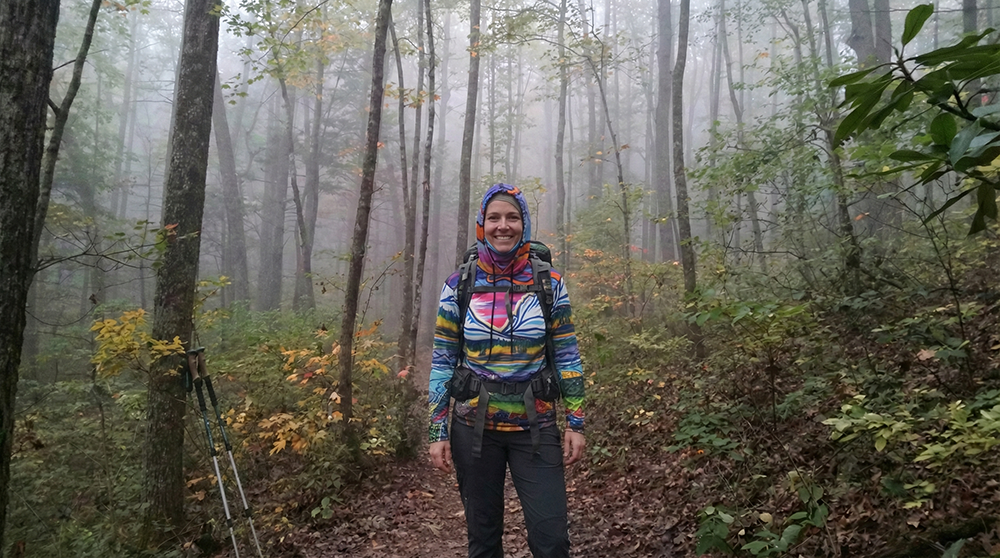
Hiking Blood Mountain: Georgia’s Trail of Humility
If you only have the legs or time for one brutal classic, Blood Mountain usually wins. That is partly because the Appalachian Trail cuts straight through it and partly because it packs a lot into a few miles. It remains the most popular mountain trail in the district.
The most popular outing starts near Neels Gap at the Byron Herbert Reece Trail. You climb hard right away through tight hardwood forest and rhododendron. After linking up with the AT, the trail tilts up over slabs, switchbacks, and short rocky pitches until you reach the broad summit rocks.
Views on a clear day spread over Yonah, Cowrock, Slaughter Mountain, and the wide curve of the Blue Ridge. It is the kind of spot where someone will always say “totally worth it,” while everyone silently agrees their calves may disagree. The Appalachian Trail crosses the highest rock outcrops here.
The summit stone shelter, built by the Civilian Conservation Corps in the 1930s, still sits on top like a little stone bunker. These older backcountry structures get talked about a lot in trail circles, and trip write ups on sites with trail reports often show it in snow, fog, or full sunshine. It is a rock shelter that has protected hikers for decades.
The Blood Mountain Loop
If you do not like out and backs, the Blood Mountain Loop feels like a full hike story. Start at Byron Herbert Reece, head up to the AT, crest the summit, then continue along the ridge. Later you hang a turn onto the Freeman Trail for a quieter return on the south flank of the mountain.
This loop pulls in both the ridge views and the moodier sidehill section with rock and ferns. You move from sun soaked outcrops into dark patches where moss coats the boulders. Online galleries that cover routes such as the Blood Mountain Loop on photo heavy platforms, often reachable through photo sharing pages, show how different it looks with changing seasons.
User reviews lean positive, with Map based listing pages that collect reviews of Blood Mountain Wilderness reporting solid ratings. Linked feedback on nearby review sites points to a steady stream of five star comments from hikers who limped away happy. The scenery distracts you from the physical effort.
Connecting Trails and Jarrard Gap
Hikers looking for variety can access the wilderness from Lake Winfield Scott. From this recreation area, the Jarrard Gap Trail climbs steadily to meet the Appalachian Trail. It is a slightly less crowded approach than Neels Gap.
Another option is the Slaughter Creek Trail, which winds through dense woods before climbing toward the main ridge. This path offers solitude and follows the water for a portion of the hike. Both the Jarrard Gap and Slaughter Creek routes eventually reach the Appalachian Trail.
Backpackers often use these connectors to form multi-day trips. You can park at Lake Winfield and hike a loop that hits the summit and returns via the Slaughter Creek Trail. It requires a map, but the solitude is worth the logistics.
Other Blood Mountain Area Highlights
The region around Blood Mountain gives you a grab bag of pain levels. Woody Gap to Preachers Rock offers a short hike with a big ledge and wide view for lower effort. Jarrard Gap, Lake Winfield Scott, and Coosa Backcountry connect into bigger days for backpackers.
Many of those trails appear on Southeastern hiking blogs. Some keep large indexes of best hikes, routes with scenic views, or trips that highlight waterfalls and streams. Scrolling those can spark good ideas for stacking hikes into a long weekend.
If you want data driven planning, GPS tracks such as the Blood Mountain route on Gaia GPS give stats, graphs, and real paths. That matters more once you start combining segments into long training hikes for bigger trips out West.
Brasstown Wilderness: High Country Without Handholding
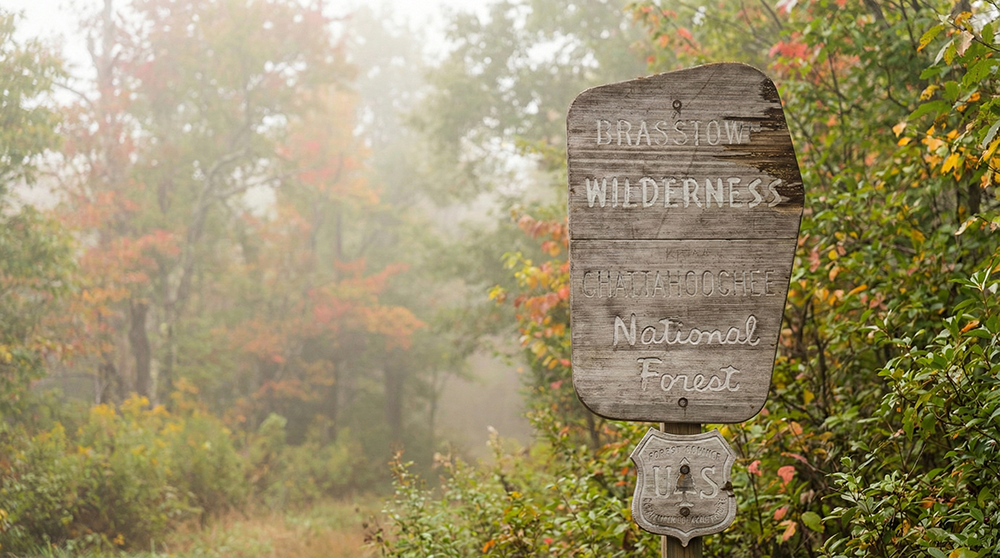
Brasstown Wilderness feels more raw than Blood Mountain. You still have some signed routes, but you get longer quiet stretches and more spots that feel like the trail was dragged over the ridge with minimum fuss. It sits near the border of North Carolina.
The headline peak here is Brasstown Bald. The recreation site itself sits just outside the strict wilderness, yet the trails that run down off the mountain take you into designated backcountry fast. This area forms part of the Ridge National Recreation Trail system.
The visitor complex is run through a partner group. Details on seasonal access, hours, and shuttle services show up through the Brasstown Bald recreation area page at cfaia.org. It is worth a check before you show up expecting an open gate in the off season.
Key Brasstown Trails
The Arkaquah Trail earns respect pretty fast. It drops and climbs across knobs between Brasstown Bald and Track Rock Gap, covering more than five miles one way with steep, rocky sections. People treat it as a badge route and a serious workout.
The Wagon Train Trail offers a longer but gentler grade. It follows an old road corridor up the south side of the mountain and connects into the recreation area near the top. Old logging roads crisscross the slopes near here, hinting at the past.
The short summit trail from the parking area to the observation deck is steep but brief. If you have older knees or young kids, it is nice to have that option, or you can hop on the seasonal shuttle that runs from the lot up to the lookout. On clear days, you can see South Carolina.
Ecosystems and Wildlife
The forests here change as you climb. Lower elevations feature second-growth upland forests with tall oaks and poplars. As you ascend, you might enter cove hardwoods that feel lush and ancient.
Wildlife is abundant in these protected zones. You might see wild turkeys scratching in the leaves or hear a ruffed grouse drumming in the distance. Gray squirrels live in the high canopy, dropping acorn shells on unsuspecting hikers.
Larger animals also roam these woods. White-tailed deer are common, and the diverse habitats support what hunters call big game. The remote nature of the terrain allows big game bring balance to the ecosystem.
Camping: Primitive Nights and Bear Wise Habits
If your idea of camping includes a shower house and camp store, these wilderness areas will fix that fantasy fast. Both are managed under federal wilderness rules, which means no motorized access inside, no modern comforts, and a strong push to leave things as you found them.
The Leave No Trace program has laid out seven core ideas for keeping hard used landscapes from getting trashed. Before you go, it is worth reading their sections on how to plan ahead and prepare, camp on durable surfaces, and handle waste. A wilderness visit requires responsibility.
Blood Mountain has one more twist. Black bears in this part of Georgia know exactly what a food bag looks and smells like. Seasonal bear canister rules in parts of the Appalachian Trail through here keep showing up in notices because too many people skip safe food storage.
Guides on how to manage campfires and how to respect wildlife explain why bear issues become everyone’s problem fast. You must be diligent. Black bears are smart and persistent.
Fires are tightly controlled and often banned near popular spots in the Blood Mountain Wilderness to cut down on impact. You cook on a small stove and enjoy the stars. That feels less like sacrifice once you have tried to clean soot covered cookware in cold stream water.
Brasstown has similar expectations for primitive camping. Pack it in, pack it out, go small on group size, and try not to dig a fresh tent pad in every nice flat patch of ground you see. The LNT guideline to leave what you find sounds simple but takes restraint once you see cool rocks, antlers, and old cultural remnants.
The last piece is social. High use trails work better when people remember to be considerate of other visitors. That looks like controlling noise, yielding to uphill hikers, keeping dogs under control, and maybe not blasting music at viewpoints where everyone else is quietly having a moment.
Chasing Trout: Small Water, Smart Fish
If your version of suffering beautifully involves cold water instead of switchbacks, both areas serve that as well. These ridges hold the headwaters for some of North Georgia’s best trout streams, but they do make you work. The Slaughter Creek Trail area has access to water.
Steep creek valleys run off Blood Mountain in several directions. Many anglers seek out little forks that join larger waters like Dicks Creek or Helton Creek farther down. Those upper reaches tend to hold wild rainbows and browns tucked under plunge pools and woody cover.
You are not going to throw big river loops in here. Overhanging rhododendron, tight banks, and small pockets demand shorter rods and careful casting. Lightweight outfits from three to five weight paired with simple dry and nymph setups make life easier.
In the Brasstown side of things, streams around Brasstown Bald drain into larger trout systems as they roll down in elevation. People sometimes base in the lower valleys and hike up into cooler headwaters from there. A quiet creek trail can lead to native fish.
If you want more technical regulations and a crack at larger fish, heavily managed streams like Waters Creek are a short drive away. Georgia trophy areas like that use special rules, such as artificial lures only and higher length limits. Checking the current guidelines through the state before your trip keeps your visit fun and legal.
Either way, you need a state fishing license with trout privileges, respect for seasonal closures, and some patience. Wild trout that see a lot of pressure in skinny water tend to laugh quietly and slide under a root when you slap a cast.
Nearby Attractions and Side Trips
You are not limited to just these two wilderness boundaries. The surrounding Chattahoochee National Forest is packed with other gems. To the southeast lies Raven Cliffs Wilderness, famous for its waterfalls and rock faces.
Raven Cliffs is a fantastic detour. The Raven Cliffs trail leads you along a creek to a massive rock face where water splits the stone. The trail crosses the stream multiple times via log bridges.
The Desoto Falls Scenic Area is another great stop. Located along Route 129, Desoto Falls offers history and beauty. Legend says Spanish armor was found here, giving the Desoto Falls Scenic Area its name.
For those interested in hunting or wildlife observation, the Chestatee Wildlife Management Area is nearby. This management area covers rugged terrain and is managed for various game species. It connects to the broader network of public lands.
Another popular spot is the Duncan Ridge area. The Duncan Ridge National Recreation Trail is a long-distance path that challenges even seasoned hikers. It traverses the spine of the mountains, linking several wilderness zones.
Using Data, Photos, and Trip Reports To Plan Smart
The nice thing about punishing landscapes in the internet age is you rarely have to guess what you are walking into. Blood Mountain and Brasstown both show up often on hike report sites that log miles, vertical gain, and personal notes from hikers. You can search wilderness connect databases for regulations.
Sites focused on Appalachian routes, such as the Hiking the Appalachians trail reports page, let you filter hikes by region and by tags. Want only Georgia hikes or are you also comparing North Carolina or Tennessee? Those indexes sort routes by location, water features, and view quality.
Beyond words, you get images. Online platforms for photo sharing have full albums where photographers document ridge lines, seasons, and stormy days across Blood Mountain Wilderness and Brasstown Bald. Those give you a reality check about weather and trail surfaces that a short written review misses.
Printed maps and government data fill in gaps that crowdsourced apps miss. Linking USGS contours, Forest Service base maps, and an online interactive wilderness viewer is like seeing the same mountain from three different angles.
Quick Comparison: Blood Mountain vs Brasstown Wilderness
| Feature | Blood Mountain Wilderness | Brasstown Wilderness |
|---|---|---|
| Approximate Acreage | 7,742 acres | 12,853 acres |
| Top Summit | Blood Mountain, about 4,458 feet on the Appalachian Trail | Brasstown Bald, 4,784 feet, highest in Georgia |
| Trail Character | Heavily used AT section, stone shelter, popular loop routes | Quieter, longer ridges, fewer blazed loops |
| Best For | Classic AT experience and big day hikes | High elevation roaming and ridge training |
| Map Resources | Blood Mountain interactive map | Brasstown interactive map |
How To Pick Your Own Suffer Fest
So which of these two should you hit first? It depends on what kind of pain and payoff ratio you like. Consider your fitness and time.
If you want the classic badge hike and an instant taste of the Appalachian Trail, Blood Mountain is your move. You get a tidy but intense climb, a famous stone shelter, and broad views in a half day effort. It is easy to tack on side trips from places like Woody Gap if you have more time.
If your goal is training for longer backpacking or you like the idea of walking quieter ridges near Georgia’s highest point, give Brasstown a hard look. Arkaquah, Wagon Train, and connecting paths give you more sustained effort with less crowd energy. The payoffs include seeing layers of the Southern Appalachians from a higher vantage point.
Both areas require respect for the land. Do not let your focus on the main content skip the safety basics. Bring the right gear.
You really cannot go wrong, unless you show up without a map, water, or any idea how to poop outside without wrecking the place. Luckily, all of those problems are fixable with a bit of prep, some reading, and an honest talk with your legs.
Conclusion of Blood Mountain Wilderness
Blood Mountain Wilderness and Brasstown Wilderness Georgia are not gentle entry points to hiking or fishing. They are places that strip away handrails, rub your nose in your fitness level, then hand you absurdly beautiful views and cold creeks as a thank you for sticking it out. That is why so many hikers and anglers come back year after year.
If you want comfort, there are drive up overlooks and soft trails scattered all across the Southeast. If you want to suffer a bit, sweat a lot, stare at far horizons, maybe spook a wild trout, and feel small in the best way, these two wilderness areas belong high on your list. Blood Mountain Wilderness and Brasstown Wilderness Georgia give you a chance to suffer beautifully, then go home tired, dirty, and very glad you left the couch.