Clearwater River Fly Fishing: Headwaters to Orofino Idaho
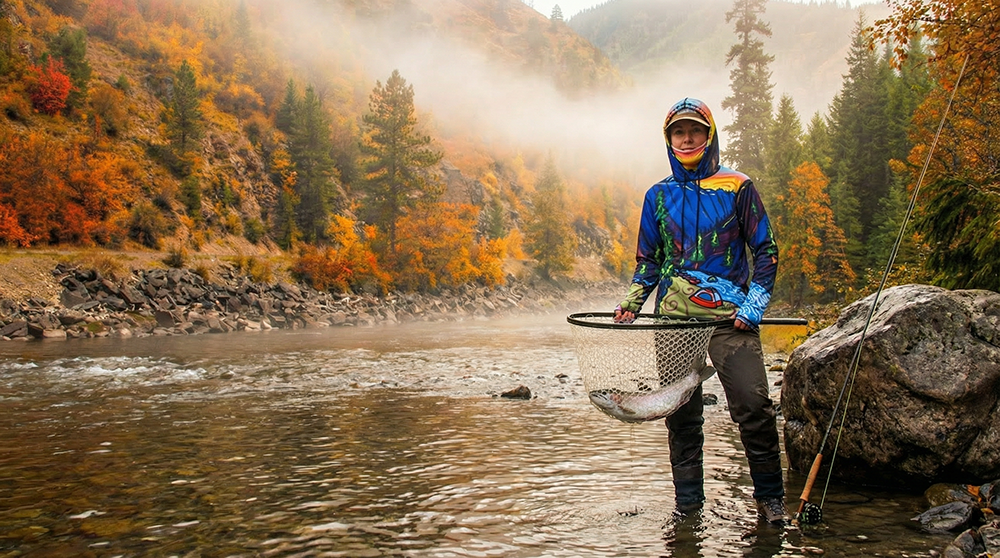
The Clearwater River system in Idaho offers some of the most stunning fly fishing opportunities in the Pacific Northwest. From the pristine headwaters tumbling out of the Bitterroot Mountains down to the town of Orofino, this watershed is a dream for anglers chasing steelhead and native trout. If you have been searching for a fly fishing destination that combines wild scenery with world-class fish, the Clearwater River Fly Fishing from its headwaters to Orofino should be at the top of your list.
This destination is far more than just a typical river system. It stands as a place where history runs as deep as the pools holding chrome-bright steelhead. The Nez Perce people have fished these waters for thousands of years, and when Lewis and Clark came through in 1805, they marveled at salmon runs so thick you could nearly walk across their backs according to historical accounts.
Today, the river still pulls in anglers from across the country. The fishing here is legendary, but it takes some knowledge to fish it right. That is what this guide is all about. I use to stand below the hatchery with a 10′ Fenwick, a Penn level wind reel and throwing lead in the hog line. No Fun! Hike and Fly Fish its the Best!
Table of Contents
Understanding the Clearwater River System Geography
The Clearwater River forms at the town of Lowell where the Lochsa and Selway rivers merge. This confluence creates what locals call the Middle Fork Clearwater. From there, the water river flows west along Highway 12 through some of the most rugged country in Idaho.
The North Fork Clearwater joins the main stem near Ahsahka, right below Dworshak Dam. This massive dam, completed in the 1970s, created significant changes to the river’s flow and temperature. From Ahsahka, the Clearwater continues past Orofino and eventually meets the Snake River at Lewiston.
The headwaters are a different world entirely. Cold, clear tributaries like Kelly Creek feed the North Fork. These upper sections remain wild and remote, offering a backcountry fishing experience that is difficult to beat.
The drainage sits firmly in Northern Idaho, surrounded by national forests. To the east lies the imposing Bitterroot Range. Accessing the upper reaches often involves driving miles east into the wilderness.
The Main Clearwater River From Headwaters to Orofino
The main Clearwater between the Lowell confluence and Orofino is primarily known for its steelhead runs. These are anadromous rainbow trout that migrate to the ocean and return massive and powerful. Idaho’s steelhead are split into A-run and B-run fish, with the B-run steelhead being some of the largest in the lower 48 states.
According to Idaho Fish and Game, this stretch of river sees both wild and hatchery fish. The steelhead season typically runs from fall through spring, with different regulations depending on the time of year. The spring steelhead season from January through April operates under catch and release rules only.
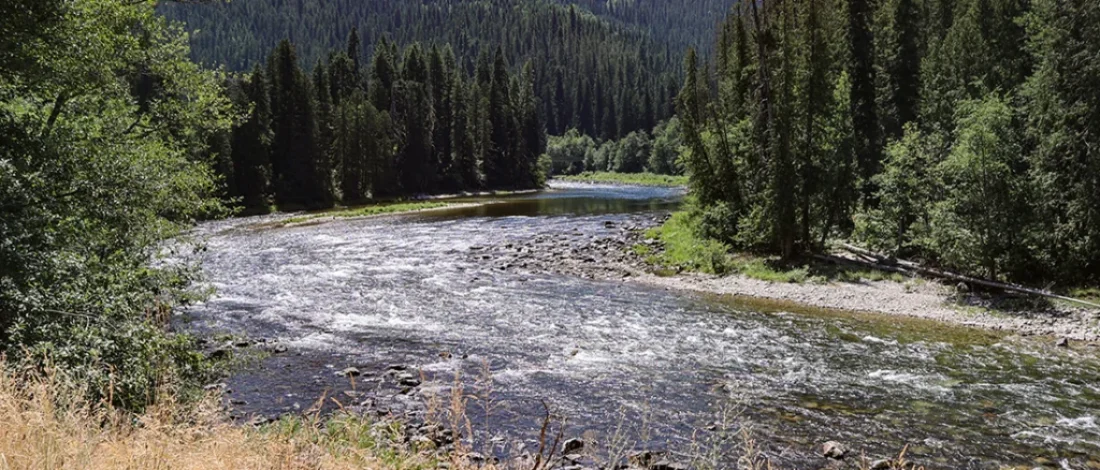
The river flows through stunning canyons with rock walls rising on both sides. Highway 12 follows the river closely, making access relatively easy compared to some of Idaho’s more remote waters. You will want good maps and a solid understanding of access points before you go.
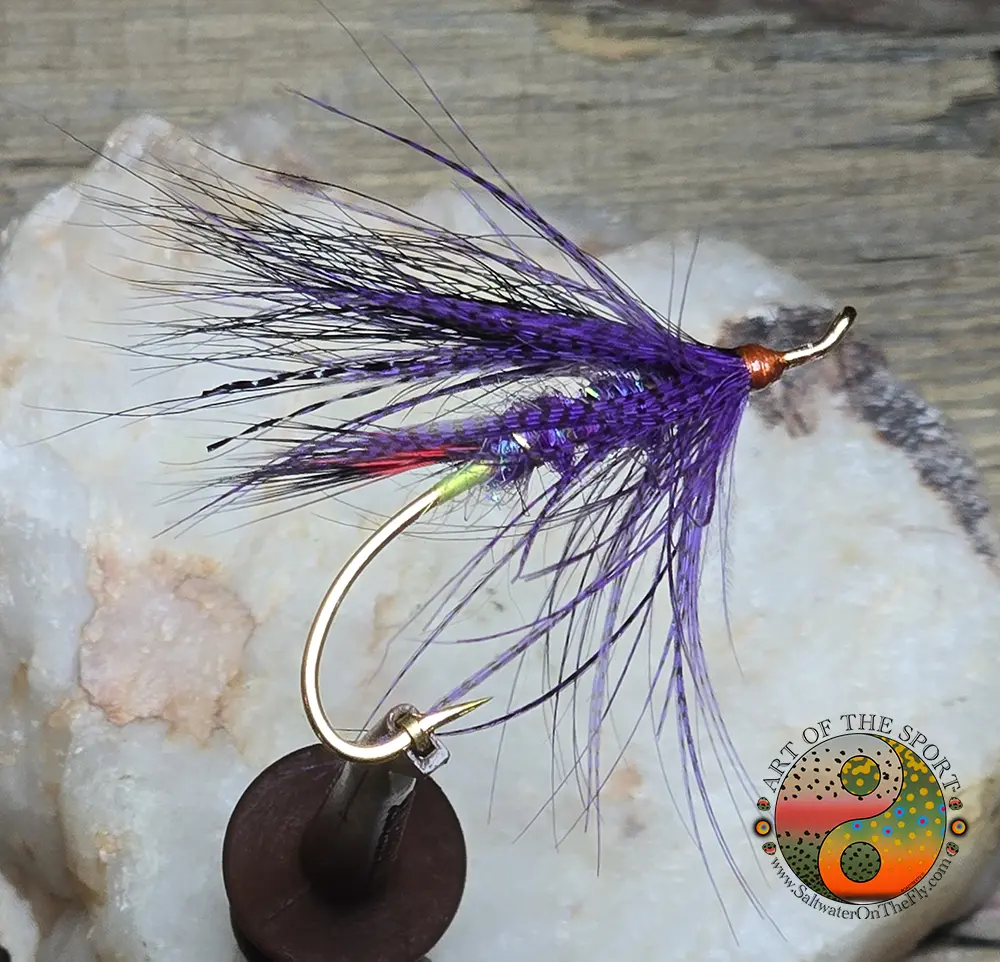
Many experienced anglers use drift boats to cover water efficiently. Swinging flies with Spey rods is the traditional method here, and it is incredibly effective. The fish respond well to classic steelhead patterns in purple, black, and chartreuse.
Kelly Creek: A Fly Fishing Jewel
Kelly Creek is a tributary of the North Fork Clearwater and it is absolutely stunning. This stream has been managed as catch and release since 1970, making it one of Idaho’s first such designations according to state fishing reports. It serves as a benchmark for cutthroat management in the west.
The creek runs through dense forest with water so clear you can see every rock on the bottom. Westslope cutthroat trout are the main attraction here. They are gorgeous fish with vivid colors and eager attitudes.
These are not huge fish, typically ranging from 10 to 16 inches, but they rise to dry flies with reckless abandon. The clear water demands stealth and careful presentation. It is a dry fly paradise for those who enjoy sight fishing.
Access to fishing Kelly Creek requires a bit of effort. You will need a high-clearance vehicle to navigate the forest roads. The Idaho Road and Recreation Atlas is incredibly helpful for finding your way around this backcountry area.
The fishing season on Kelly Creek runs from late spring through fall. Early summer brings excellent dry fly action with caddis and mayfly hatches. Later in summer, terrestrials like hoppers and ants become the go-to patterns.
The Lochsa River: Wild Water and Wild Fish
The Lochsa River is one of the two main tributaries forming the Middle Fork Clearwater. It is a fast, bouldery river that parallels Highway 12 from the Montana border down to Lowell. The scenery along this stretch is absolutely breathtaking.
This river holds wild cutthroat trout and rainbow trout. According to Idaho Fish and Game data, the Lochsa provides quality trout fishing in a wilderness setting. The fish average slightly larger than in some smaller tributaries.
The Lochsa sees good insect hatches throughout the season. Stoneflies, caddis, and mayflies all emerge in good numbers. The big salmonfly hatch typically happens in late May or early June, depending on water levels and temperatures.
Wading the Lochsa requires caution because the rocks are extremely slippery. Felt-soled wading boots with studs are highly recommended. The current is strong, so always err on the side of safety.
Steelhead Fishing: A-Run and B-Run Fish
Steelhead fishing on the Clearwater River system is what draws most serious anglers to this area. These fish are powerful, beautiful, and challenging to catch. The river holds two distinct strains of fish.
A-run fish generally return earlier in the summer and fall. They typically spend one year in the ocean before returning. These fish usually weigh between 4 and 9 pounds.
The B-run fish are the heavyweights of the system. These fish stay in the ocean for two years, allowing them to grow significantly larger. B-run steelhead can exceed 20 pounds, making them the largest steelhead many anglers will ever encounter.
The current regulations from Idaho Fish and Game specify catch and release for the spring season. No harvest is allowed during this time. There are also specific restrictions near hatchery facilities to protect spawning fish.
Accessing the North Fork and Kelly Forks
The North Fork Clearwater offers diverse opportunities above Dworshak Reservoir. You can access the upper river via forest service roads from Pierce or Superior, Montana. The route over Hoodoo Pass is scenic but requires a vehicle that can handle gravel.
Kelly Forks is where Kelly Creek meets the North Fork. There is a Forest Service work center and a campground here. It serves as a great base camp for exploring both streams.
The road conditions can be rough, especially early in the season. Always carry a spare tire and emergency supplies. There is no cell service in these deep canyons.
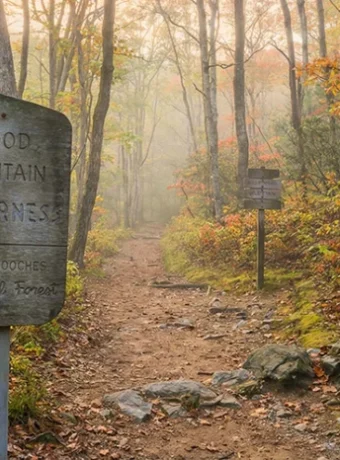
Hiking trails provide access to sections of the river that see less pressure. If you are willing to walk a few miles, you can find solitude and eager fish. The trails provide a path into some of the most rugged terrain in the lower 48.
Fishing the South Fork Clearwater
While the North Fork and Lochsa get much of the glory, the South Fork is also part of the system. It joins the Middle Fork near Kooskia. The South Fork flows along Highway 14 and offers excellent steelhead access.
This section of the river is known for its B-run steelhead returns. Anglers can find plenty of pullouts and runs to fish. It is generally smaller water than the main Clearwater, making it easier to read.
Trout fishing is also available in the upper reaches of the South Fork. Cutthroat and rainbow trout inhabit the pools and riffles. It is a great option if the main river is blown out.
Float trips are possible on sections of the South Fork depending on flows. Rafts are often preferred over hard boats due to the technical nature of the rapids. Always check current water levels before launching.
Fly Fishing Strategies for Steelhead
Swinging flies is the traditional and most effective method. A two-handed Spey rod in the 13 to 15-foot range works great. Floating lines with sink tips allow you to get your fly down to the fish while maintaining good control.
Motors are prohibited on certain sections during the steelhead season. From September through April, the stretch from the Orofino bridge upstream to the Middle Fork confluence is motor-free. This keeps the experience more peaceful and protects fish during their spawning period.
During late summer and early fall, floating lines with long leaders can be effective. As the water cools, you will need to go deeper. Various densities of sink tips are essential for your kit.
Nymphing under an indicator is another popular technique, especially from drift boats. This method allows you to keep the fly in the strike zone for longer. Beads and egg patterns are standard fare for nymphing.
Best Flies for the Main Clearwater River
If you are targeting steelhead on the main Clearwater, you will want a solid selection of wet flies. These patterns have proven themselves over decades of fishing this river system. Classic steelhead flies work incredibly well here.
The Green Butt Skunk is probably the most reliable pattern. It is simple with a black body, green butt, and white wing. Fish eat it year-round in sizes 4 through 8.
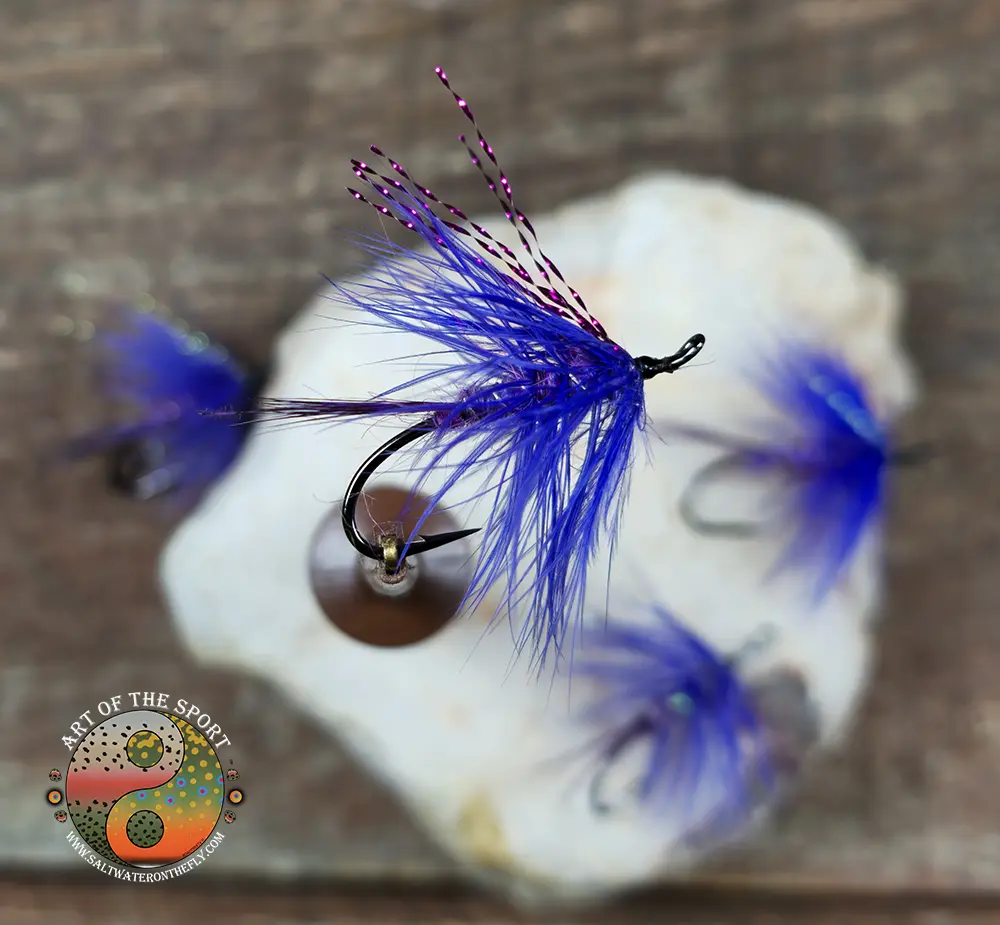
Purple patterns are deadly on the Clearwater. The Purple Peril and variations with flash are go-to choices. Steelhead seem to have a preference for purple in this drainage.
Lady Caroline is a beautiful sparse pattern that works great in lower water conditions. It has a subtle profile that fools educated fish. The Street Walker is another low-water killer with purple and flash.
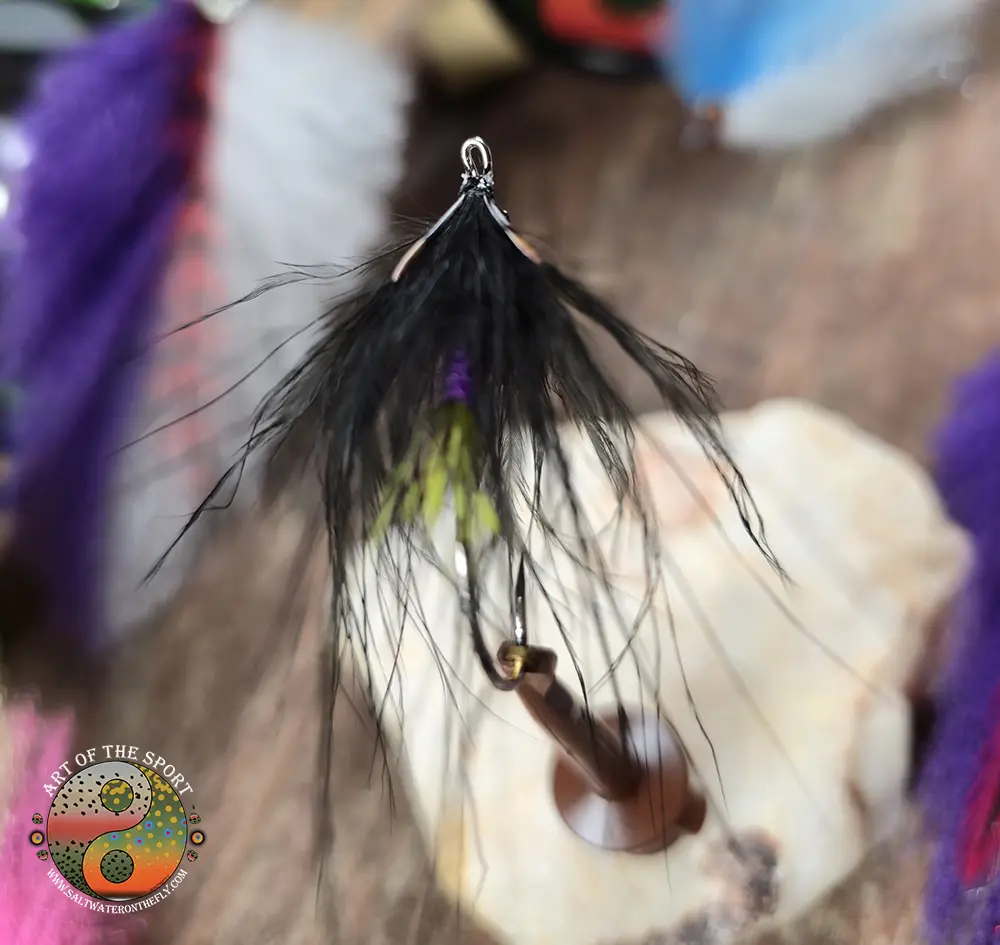
For surface action, try skating a Rust Bomber or Steelhead Muddler in the fall. Watching a steelhead explode on a surface fly is one of fly fishing’s greatest thrills. Modern Intruders in black and chartreuse or purple and chartreuse are also extremely effective.
Top Fly Patterns for Kelly Creek
Kelly Creek demands a different approach than the main river. This is classic dry fly and nymph water where presentation matters more than fly size. The cutthroat here are willing, but the clear water means they can see everything.
The Purple Haze is an attractor pattern that works magic on Kelly Creek. It is visible in broken water and cutthroat cannot seem to resist it. Sizes 12 through 16 cover most situations.
Elk Hair Caddis patterns are essential. Tan, olive, and brown versions in sizes 14 through 18 match the naturals. These flies float well and are easy to see on the water.
For subsurface work, a Beadhead Hare’s Ear is hard to beat. Gold ribbing and a bit of weight get it down quickly. Pair it with a dry fly as a dropper rig for maximum effectiveness.
Terrestrial patterns shine in summer. Hopper patterns, Fat Alberts, and Chubby Chernobyls all produce fish. The cutthroat in Kelly Creek love to smash big foam bugs.
Lochsa River Fly Selection
The Lochsa’s fast pocket water and boulder gardens call for flies that float well and are easy to track. Attractor patterns often outperform exact imitations because fish have to make quick decisions in the heavy current. High-floating foam flies are standard here.
Stimulators in yellow, orange, and tan are perfect for this river. They are bushy, visible, and float like corks. Sizes 8 through 14 cover the range from big stones to smaller caddis.
When the salmonfly hatch is on, big orange and black patterns are essential. Chubby Chernobyls, Bird’s Stones, and foam stonefly patterns all work. This hatch is legendary in Idaho and the Lochsa gets its share of bugs.
Do not forget nymphs for the Lochsa. Golden Stonefly nymphs, Zug Bugs, and Beadhead Prince Nymphs all catch fish. Dead drift them through the pockets and hold on.
The Salmonfly Hatch Phenomenon
The salmonfly hatch is one of the most exciting events in western fly fishing. These giant stoneflies emerge in late spring and early summer, creating a feeding frenzy. While the Clearwater system is not as famous for this hatch as rivers like the Madison, it still gets good emergences in the upper sections.
Salmonflies are huge insects with orange and black coloration. The nymphs crawl to shore to hatch, and trout key on both the nymphs and the adults. When this hatch is happening, fish abandon all caution.
The timing varies by elevation and water temperature. Generally, the hatch moves upstream as the season progresses. On the Lochsa and upper tributaries, expect the hatch from late May through mid-June.
Big foam patterns like the Chubby Chernobyl in orange and black are perfect. Sizes 6 through 10 match the naturals. You can also skate these flies for explosive takes.
Cutthroat Fishing in the Backcountry
For those seeking solitude, the upper tributaries offer incredible cutthroat fishing. Streams like Cayuse Creek and Weitas Creek hold healthy populations of native fish. These areas require hiking or horseback riding to access effectively.
Native cutthroat in these waters are genetically pure and highly valued. They are aggressive surface feeders that provide endless entertainment. The fish populations are stable thanks to strict conservation measures.
Hiking trails provide the primary access to these hidden gems. You might hike several miles east of the nearest road to find the best water. The effort is rewarded with pristine pools and zero crowds.
Carry bear spray when venturing into these areas. This is wild country and black bears are common. Being aware of your surroundings is part of the experience.
Understanding Regulations and Restrictions
Before you fish the Clearwater River system, you need to understand the regulations. They are in place to protect these incredible fisheries for future generations. Breaking the rules is disrespectful to the resource.
The area around the Nez Perce Tribal Hatchery near Cherry Lane Bridge has specific closures. Fishing is prohibited 100 yards upstream and downstream from the hatchery ladder according to current regulations. This protects spawning fish returning to the hatchery.
Similarly, you cannot fish from shore or wade around Dworshak National Fish Hatchery. These restrictions help maintain healthy fish populations. Motor restrictions during steelhead season are also critical to follow.
Kelly Creek is entirely catch and release with barbless hooks only. This has been the rule since 1970 and it has made a huge difference. Always check current regulations before fishing any water.
Historical Context: The Clearwater’s Rich Past
Understanding the history of the Clearwater River system adds depth to the fishing experience. This is not just water and fish, it is a place with thousands of years of human connection. The Nez Perce people called this area home long before European explorers arrived.
When Lewis and Clark came through in 1805, they were amazed by the salmon abundance. Historical records show they described fish so numerous the rivers seemed to boil with them. It is difficult to imagine that level of abundance today.
The 1860s brought gold rushes to the area around Orofino and Pierce. Miners flooded in, forever changing the landscape. Logging became a major industry in the early 1900s, with massive log drives down the Clearwater according to forest history archives.
Dams changed everything in the mid-20th century. Dworshak Dam was completed in 1973, creating a reservoir and fundamentally altering the North Fork’s character. These changes impacted fish populations, but conservation efforts have helped maintain fishable runs.
Seasonal Breakdown for Anglers
Timing your trip correctly makes a huge difference in your success. The Clearwater River system offers year-round fishing opportunities, but each season has its own character. Understanding these patterns helps you plan better trips.
Spring (March – May)
Spring brings steelhead fishing at its peak on the main river. March and April see excellent returns of B-run fish. The weather can be unpredictable with rain and even snow possible, but the fishing is worth it.
As spring progresses into May, the focus shifts to trout. The lower elevation streams start to warm up. Pre-runoff fishing can be good if you time it right.
Summer (June – August)
Summer is prime time for the tributaries. Kelly Creek, the Lochsa, and other smaller streams fish best from June through September. Dry fly action heats up as terrestrial insects become active.
Flows drop in late summer, making wading easier. The water clears significantly, allowing for sight fishing. This is the best time for a family camping and fishing trip.
Fall (September – November)
Fall brings more steelhead as A-run fish start entering the system. September and October offer great fishing with beautiful fall colors as a backdrop. The crowds thin out after Labor Day too.
Trout fishing remains good in the early fall. Cooling water temperatures trigger feeding activity before winter. Streamers become more effective for larger trout.
Winter (December – February)
Winter fishing can be productive but challenging. Cold temperatures and occasional ice make it tough. The hardcore steelhead anglers who brave the conditions often have the river to themselves.
Planning Your Trip: Logistics and Services
Getting to the water is half the battle when fishing the Clearwater River system. Highway 12 provides the main access corridor, but you will need to know specific spots. Good maps are essential, and talking to local fly shops helps tremendously.
The Red Shed Fly Shop near Peck and North40 Outfitters in Lewiston are great resources. They can provide current conditions, fly recommendations, and directions to productive water. Supporting local shops also helps maintain the fishing community.
For the main Clearwater, numerous pullouts along Highway 12 provide bank access. Boat ramps at Orofino and other locations allow drift boat launching. Always respect private property and use designated access points only.
If you are new to the area, hiring a fishing guide is a smart move. Guides provide the boat, gear, and intimate knowledge of where the river holds fish. They can shave years off the learning curve.
Accommodations range from hotels in Orofino and Lewiston to campgrounds in the Clearwater National Forest. There are plenty of options for every budget. A day trip from nearby cities like Moscow or Lewiston is easily doable.
Gear Recommendations for Clearwater Fishing
Having the right gear makes your time on the water more enjoyable and productive. You do not need the most expensive equipment, but quality basics are important. Different sections of the Clearwater system require different setups.
| Target Species | Rod Weight | Rod Length | Line Type |
|---|---|---|---|
| Steelhead (Spey) | 7 or 8 wt | 13′ – 14′ | Skagit with Sink Tips |
| Steelhead (Nymph) | 7 or 8 wt | 9′ – 10′ | Floating Line/Indicator |
| Kelly Creek Trout | 3 or 4 wt | 8.5′ – 9′ | Floating Line |
| Lochsa Trout | 4 or 5 wt | 9′ | Floating Line |
For steelhead on the main stem, a 7 or 8-weight spey rod is standard. You need power to turnover heavy sink tips and large intruders. A large arbor reel with a strong drag is essential for stopping hot fish.
When fishing Kelly Creek or the Lochsa, lighter gear is appropriate. A 4 or 5-weight rod covers most trout situations. You want a rod that can deliver a dry fly delicately but still handle a nymph rig.
Waders are necessary for most of the year. Breathable waders with room for layers are best. In the heat of summer, wet wading is popular on the tributaries.
Do not skimp on polarized sunglasses. They are vital for reading water and spotting fish. Copper or amber lenses work well for the varied light conditions in the canyons.
Comparison: Clearwater vs. St. Joe River
Many anglers debate whether to fish the Clearwater drainage or the nearby St Joe River. Both are incredible fisheries, but they offer different experiences. The St Joe is also a “wild trout” designation river with catch and release rules.
The St Joe is often considered slightly more accessible for the wading angler in its upper reaches. It flows into Lake Coeur d’Alene and is famous for its adfluvial cutthroat. However, the Clearwater system is larger and offers better steelhead opportunities.
Kelly Creek is frequently compared to the upper St Joe. Both have crystal clear water and native cutthroat. Kelly Creek feels a bit more remote due to the drive required to reach the best water.
Ultimately, fishing both rivers is the best plan. They are close enough to combine into a longer trip. Both represent the pinnacle of westslope cutthroat fishing.
Conservation and the Future
The future of fishing on the Clearwater depends on conservation. Organizations like Trout Unlimited and the Nez Perce Tribe work hard to protect these waters. Habitat restoration and hatchery management are ongoing projects.
Wild trout populations face threats from warming water and habitat degradation. Following clean, drain, and dry protocols prevents the spread of invasive species. We all play a role in keeping the river healthy.
Catch and release practices ensure fish survive to spawn. Using rubber nets and keeping fish wet reduces stress. These simple actions help maintain high fish populations.
Support the Clearwater National Forest by respecting camp rules and packing out trash. Leave the river better than you found it. This ensures the resource remains for the next generation of anglers.
Frequently Asked Questions
What license do I need to fish the Clearwater? You need a valid Idaho fishing license. If you are targeting steelhead, you also need a steelhead permit. Salmon fishing requires a separate permit when seasons are open.
Is bear spray necessary? Yes, especially in the upper reaches like Kelly Creek and the Lochsa. Black bears are common in the forest. It is better to have it and not need it.
Can I bring my dog? Yes, dogs are allowed in the national forest. However, be mindful of other anglers and wildlife. Rattlesnakes are present in the lower elevations during summer.
When is the best time for a Grand Slam? To catch a steelhead and a trout in the same trip, October is your best bet. Steelhead are in the main river and trout are still active in the tributaries. It is a magical time to be in Idaho.
Are there boat ramps on the upper river? Boat ramps are limited on the upper tributaries. Most floaters use unimproved launches or slide rafts down banks. The main river has developed boat ramps near Orofino and other towns.
How far is the drive from Spokane? Orofino is about a 2.5 to 3-hour drive from Spokane, Washington. This makes it an accessible weekend getaway. The drive down the Lewiston grade is spectacular.
What about the Black Canyon? The Black Canyon of the North Fork is a remote section below Kelly Forks. It requires expert rowing skills or a long hike to access. It holds big fish but is not for the faint of heart.
Conclusion of Clearwater River Fly Fishing
The Clearwater River system Fly Fishing Headwaters to Orofino Idaho offers a diversity of water that is hard to match. From the thundering runs of the main stem to the intimate pools of Kelly Creek, there is something for every angler. Whether you are swinging flies for B-run steelhead or casting dry flies to native cutthroat, this river delivers.
The combination of accessible roads and remote trails provide options for all skill levels. You can park and fish or hike miles into the wild. The sheer volume of fishable water means you can always find a spot to call your own.
As flows drop and water clears in late summer, the beauty of the region truly shines. The Bitterroot Range stands guard over a landscape that feels timeless. It is a place where you can disconnect from the noise and reconnect with nature.
So pack your rods, load up the truck, and head to the Clearwater. Stop at a local fly shop, check the regulations, and get out there. The river holds memories waiting to be made.