Cowlitz River Steelhead Fly Fishing Washington: A Guide
Cowlitz River Steelhead Fly Fishing Washington is one of those searches you type in when you are ready to stop scrolling and start swinging flies. If you want a river with strong runs, real history, easy access, and year round options, this one checks every box. Cowlitz River Steelhead Fly Fishing Washington has a reputation for hatchery fish, crowded drifts, and chrome bright grabs that can ruin you for normal life. And occasionally smells like a bait shop exploded, but hey, the fish bite, and that’s more than most rivers can say these days.
Table of Contents
Reason The Cowlitz Is A Magnet For Steelhead Fly Anglers
The Cowlitz is a major tributary of the Columbia River in southwest Washington. It holds steelhead, salmon, trout, and even sturgeon, so you are never far from action. The sheer biomass in this river separates it from smaller coastal streams.
Two big hatcheries, the Cowlitz River Salmon Hatchery and the Cowlitz River Trout Hatchery, pump out millions of fish each year. That keeps hatchery runs steady, even while other rivers fish like a coin toss. You can plan trips months in advance with some level of confidence.
This is not a quiet backcountry creek. It is a working river with dams, boat ramps, and anglers who set their alarm for 2 a.m. But if you are chasing grabs on a swung fly, you want numbers of fish, and this river still delivers.
Accessibility is another major factor for its popularity. Located just off the I-5 corridor, it is an easy drive from both Seattle and Portland. This convenience allows for quick day trips when the flows drop into shape.
A Short, Honest History Of Cowlitz Steelhead
Before the dams went in, the Cowlitz had big wild runs of winter steelhead. Old reports talk about fish over 30 pounds running deep into the system. These legendary fish defined the angling culture of the region for decades.
Then Mayfield and Mossyrock dams cut off miles of spawning water. To keep the fishery alive, the hatcheries ramped up production, and wild fish slid to a small fraction of the total run. The focus shifted entirely to mitigation and providing sport opportunity.
Today the river is mostly a hatchery playground. You will still see the rare wild fish, so handle any unclipped fish with care and release them fast. For current rules, always check the latest sport fishing regulations before you go.
It’s the most intensely fished basin in Washington at the moment for a reason. Hatchery plants keep the numbers up, supporting winter and summer steelhead runs, plus spring/fall salmon. The lower river from Blue Creek to Barrier Dam is swing heaven for fly anglers, with drift boats dominating and bank casters cursing the crowds. Wild fish still sneak in, but don’t hold your breath for a pure native trophy unless you’re into lottery odds. The Cowlitz is proof that sometimes, when nature gets dammed, humans just double down with trucks full of smolts and call it “conservation.” Sarcasm aside, it’s still one of the most reliable places in the PNW to hook a steelhead on the swing.
Where The Action Happens On The Cowlitz
If you want the classic Cowlitz steelhead experience, you will spend a lot of time between Castle Rock and Barrier Dam. This stretch offers miles of prime swing water. It features long gravel bars and defined slots that hold resting fish.
Guides and DIY anglers often base out of Castle Rock, Washington, then work upstream by boat. The famous Blue Creek area, near the Cowlitz Trout Hatchery and boat ramp by Salkum, Washington, sees strong hatchery returns. This specific zone is known as the “meat hole” but offers good fly water if you move slightly away from the crowd.
Understanding the river layout helps you avoid wasting time on dead water. The drifts below the I-5 bridge can also produce fish during lower flows. If you want more on the general river layout and seasons, the overview on the Cowlitz River page gives a solid big picture.
Best Seasons For Cowlitz Steelhead
You can find steelhead in the Cowlitz almost every month. But some windows stand out, and they line up nicely with both hatchery programs and water conditions. Knowing when to go determines whether you wear fleece or t-shirts.
| Season | Run Type | Typical Timing | Why It Is Worth Your Time |
|---|---|---|---|
| Late fall to early spring | Winter hatchery steelhead | Dec to March | Higher numbers of hatchery fish, great for swung intruders and leeches |
| Late spring | Late winter overlap and trout | April to May | Lingering steelhead plus rainbow and cutthroat options |
| Summer | Summer run steelhead | June to August | Active fish, lower flows, perfect for lighter tips and traditional flies |
| Fall | Coho, Chinook, some summer run holdovers | Sept to Nov | Strong salmon fishing, plus steelhead mixed in |
The river fishes a little differently at each flow. Before any trip, look at the current discharge and trends from the USGS gauge here. Getting your flows right on the Cowlitz matters more than having a perfect fly pattern.
Winter flows can often exceed 10,000 cfs, pushing fish to the soft edges. In contrast, summer flows might drop significantly, concentrating fish in the heads of riffles. Adjust your expectations and tactics based on the water graph.
Gearing Up For Cowlitz River Steelhead Fly Fishing Washington
The Cowlitz is a natural fit for spey rods. Big pools, wide runs, and consistent current all reward long casts and swung presentations. Covering water efficiently is the name of the game here.
Guides on the river often fish 11 and a half to 13 foot spey rods in 5 to 8 weight. That range covers both winter and summer fish well, with enough backbone to move a steelhead away from the crowds. A good Skagit head with T tips handles most winter setups, while Scandi or Rage heads shine for lighter summer work.
Reels are just as important as the rod when dealing with strong river currents. You need a reel with a reliable drag system to stop a hot fish from running back to the Columbia. Large arbor reels also help pick up line quickly when a fish turns toward you.
Spey Rods, Lines, And Tips That Actually Work
You do not need to overthink this. Here is a basic formula that works well on the Cowlitz. Simplicity usually leads to more time with your fly in the water.
- Rod length: 11.5 to about 13.5 feet.
- Rod weight: 6 or 7 weight for all around steelhead, 8 weight if you like heavy tips.
- Heads: Skagit for sink tips, Scandi or Rage for lighter, smaller flies.
- Tips: Floating, plus T 10, T 14, and T 18 sections for depth control.
- Running Line: Mono or coated running line that shoots well in cold weather.
Those suggestions line up well with the rod and line recommendations many Cowlitz guides share, including the ranges listed under rods, heads, and tips in the Emerald Water Anglers gear section. Having a backup rod in the truck is also a smart move. Equipment failures happen, and you do not want to end your day at 10 a.m.
Do You Really Need A Spey Rod Here
You can fish a single hand 7 or 8 weight with sink tips, but your shoulders may hate you after a full winter day. A short spey or switch rod saves your body and gives smoother swings. The mechanical advantage of the two-handed rod makes casting heavy tips much easier.
Single-hand rods struggle to lift heavy T-14 tips out of the water for the next cast. Spey rods allow you to roll that heavy gear to the surface and launch it back out with minimal effort. This energy saving keeps you fishing hard until the very last light.
Either way, remember that the fish do not care what brand is printed on the blank. They care that the fly passes their nose at the right speed. Focus on your presentation before worrying about upgrading your graphite.
Flies That Consistently Produce Cowlitz Steelhead
Cowlitz fish are classic hatchery steelhead. They like bold flies and clear targets, especially in cold water. You want patterns that trigger an aggressive response.
A bunch of patterns show up again and again in local fly shop bins and guide boxes. Many of those same patterns show up on Cowlitz focused pages from outfitters, which should tell you something. Do not get too caught up in matching specific insects, as these fish are not feeding.
Winter Confidence Flies
In winter you are dealing with colder water and heavier flows. Flies need profile, color, and some weight. You want the fish to see the fly from a distance.
- Intruders in purple, black and blue, and pink for dirty water.
- Egg Sucking Leeches or similar leech patterns with bright heads.
- Mega Moal or other articulated leeches that hang in the zone.
- General Practitioner style prawns for a bigger target.
- Hobo Speys which offer a large profile but cast easily.
You will see many of these same styles mentioned as Cowlitz favorites on outfitter pages, such as the fly list that includes Intruders, Metal Detector, Mega Moal, Skagit Minnows, and others on Emerald Water Anglers steelhead pages. Large, articulated flies tend to swim better in the slow, deep heavy water where winter fish rest. The movement of materials like marabou and rabbit strips creates a lifelike pulse.
Summer And Lower Water Flies
Once flows drop and water warms, you can go smaller and sparser. The visibility improves, so you do not need a massive silhouette. Fish are also more willing to move for a fly in warmer temps.
- Purple Peril and other purple hairwings.
- Skunks in different variations.
- Skykomish Sunrise for a brighter look.
- Smaller marabou or bunny patterns on light wire hooks.
- Foam skaters for low light conditions.
Mix in some unweighted traditional patterns for riffles and tailouts. Fish that look lazy in heavy winter flows often light up once you skate or swing a lighter pattern through soft water. A surface grab on a skater is one of the most exciting moments in fly fishing.
Dialing Depth And Speed
Getting the fly to the right level matters more than exact pattern choice on the Cowlitz. That is why those T 10 through T 18 tips are useful, along with floating options. You need to present the fly where the fish are holding, which is usually near the bottom.
If your fly is hanging on rocks every swing, you are too deep or too slow. If you never touch bottom in deeper buckets, step down a tip density. Adjusting your casting angle also changes depth; casting more upstream allows the fly to sink deeper before the swing starts.
Watch how your line belly forms and how quickly your swing starts. Slight mends can shift the whole path. A big upstream mend slows the fly down, while a downstream mend speeds it up to trigger a reaction.
Checking Flows, Reports, And Current Info
The Cowlitz changes fast with dam releases. One day you may have perfect green water, the next day you might face heavy push or a sudden drop. Dam operators adjust flows based on power needs and flood control.
Start with current flows from the Cowlitz gauge here. Look for stable or slowly changing graphs instead of wild spikes. Fish often stop biting during rapid pressure changes.
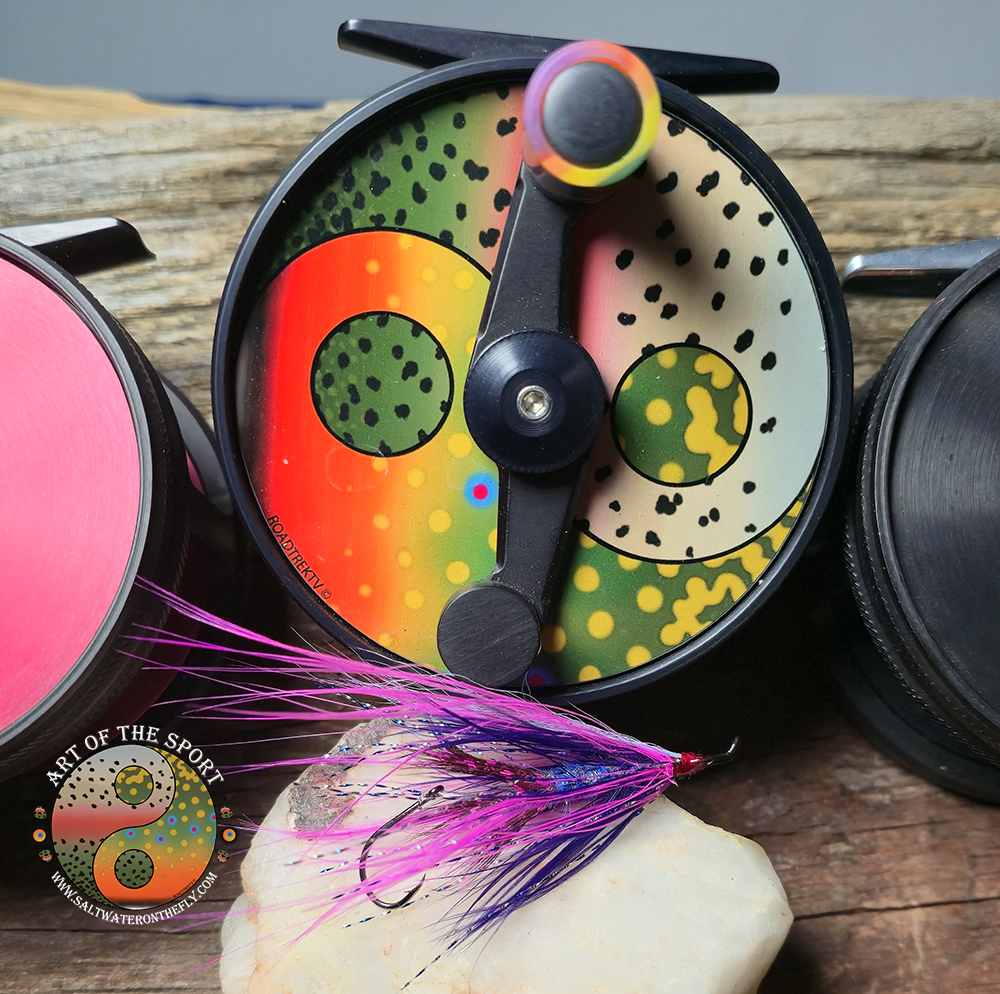
The Eleven Best Flies for Cowlitz River Steelhead Fly Fishing (Because Ten Would Be Too Normal)
Steelhead aren’t picky eaters—they’re more like moody teenagers who’ll grab whatever’s in front of them if they’re in the right mood. On the Cowlitz, swinging traditional wet flies, leeches, and attractors reigns supreme, especially with Skagit or Scandi setups. Here are eleven proven patterns that have earned their spot in every serious steelheader’s box. Sizes 4-8 work best; tie ’em heavy for winter, lighter for summer.
- Egg Sucking Leech — The undisputed king of winter steelhead. Purple or black body with a hot pink/orange egg—because nothing says “come eat me” like stolen salmon roe. Swing it deep; it’ll get hammered.
- Green Butt Skunk — Classic PNW hairwing. White body, green butt, silver tinsel. Bright enough for murky water, traditional enough to make purists nod approvingly. Works year-round.
- Purple Peril — Purple everything. Flashy, aggressive, and stupidly effective when the river’s off-color. If the fish are grumpy, this’ll wake ’em up.
- Steelhead Muddler — Natural deer hair head, marabou tail. The #8 on an intermediate tip is legendary on the Cowlitz—especially in soft water seams like Hinkley Drift.
- Skykomish Sunrise — Bright orange and pink with badger hackle. The “bright fly” in the dark/bright combo. Summer steelhead love it when they’re feeling showy.
- Undertaker — Black and purple menace. A staple for winter fish holding deep. Swing slow and low; watch your rod tip.
- Oregon Stater Tube — Tube flies are cheating (in the best way). Heavy, swimmy, and customizable. Purple or black for winter; brighter for summer.
- Lady Caroline — Classic spey pattern with teal and orange. Elegant, effective, and makes you feel fancy while your buddies chuck beads.
- Fish Taco — Modern attractor with rubber legs and flash. Looks ridiculous, catches fish like crazy. Great when traditional patterns get ignored.
- Double Down Leech — Heavy leech profile for getting down quick. Black or olive—because sometimes the fish just want something buggy and annoying.
- RT Stone — Local favorite from guides. Ice dubbing, guinea hackle. The “go-to” for summer steelhead on the Cowlitz. Tie a few extras; you’ll lose them to rocks.
Pro tip: Carry dark (black/purple) and bright (pink/orange) versions. Steelhead aren’t selective—they’re just inconsistent. Find one that’s in the mood, and the fly matters less than getting it in their face.
Imagine the thrill of that classic wet fly swing: the line comes tight, the rod loads, and suddenly you’re attached to 10-15 pounds of chrome that’s more interested in going downstream than posing for
Licenses, Regulations, And Staying Legal
Washington fishery rules change more often than most of us like. Bag limits, wild release requirements, and season shifts all matter if you plan more than a casual trip. Emergency rule changes can happen mid-season, so staying updated is critical.
Before you pack the truck, download and read the latest Washington fishing regulations pamphlet. The pamphlet covers state wide seasons, special rules, and notes for specific sections of the Cowlitz. It is also available in Spanish for easier access.
You can buy your license, steelhead catch card, and basin endorsements online at the WDFW online store. If you would rather walk into a shop, there is a current list of WDFW licensing retailers across the state. Keep in mind that if you buy online, WDFW notes it can take about ten days for paper documents to show up, so do not wait until the night before your trip.
Steelhead, Salmon, And Other Species On The Cowlitz
You might show up for steelhead and find salmon, trout, and more waiting. The Cowlitz really does fish like a mixed bag river for most of the year. This variety keeps things interesting even when the steelhead count is low.
Salmon Opportunities While You Swing For Steel
The Cowlitz River Salmon Hatchery produces millions of spring and fall Chinook along with large numbers of coho. Those fish run the same main stem lanes you swing for steelhead. While you might target steelhead, a Chinook will test your tackle to the limit.
Spring Chinook, often called springers, arrive starting in April. You can read more about their life cycle and status at NOAA’s Chinook salmon profile. Coho runs build later in the year, with solid background from sources like the National Park Service coho page.
If you do hook one of these while swinging for steelhead, you will feel the difference right away. They dig, bulldog, and sometimes go airborne. It is part bycatch, part bonus meal if harvest is open and your license and season allow it.
Trout, Cutthroat, And Other Surprise Fish
When steelhead traffic slows, you can target rainbow trout and cutthroat in the system. For a quick refresher on those fish, check out profiles for rainbow trout and cutthroat trout. These residents provide great sport on 4 or 5 weight rods.
Sea run cutthroat, in particular, offer fun action in late summer on lighter rods. They crush small streamers and dries in softer edges and around structure. These fish are aggressive and willing to chase a stripped fly right to your boots.
There are also whitefish and both white and green sturgeon in parts of the river. Articles like the Seattle Times piece on whitefish and the NOAA information on green sturgeon give you a feel for the full food chain at play. Whitefish can save the day when the steelhead have lockjaw.
Planning Your Trip, Lodging, And Access
The Cowlitz is one of those rare steelhead rivers where you can fish all year and stay in a motel bed every night. You do not have to sleep in your truck unless you really want to. This makes it an excellent destination for anglers who prefer a hot shower after a cold day of wading.
If you want to stay close to Blue Creek and the upper drifts, check places like the Country Cabins Motel and RV Park in Salkum. Staying close means you can beat the traffic to the boat ramp in the morning. For more hotel options in Castle Rock, this Castle Rock hotel list is a good place to start.
If you want help finding the right stretch, gear, or a guide that fits your style, directories such as the Cowlitz River Fishing Guides listing make it easy to compare options focused on this system. A guide can shave years off the learning curve by showing you exactly where fish hold at different water levels. They also manage the boat, so you can focus entirely on your cast and swing.
Using General Fly Fishing Resources To Sharpen Your Game
The Cowlitz will expose weak points in your casting, mending, and gear choices. You can learn on the river, or give yourself a head start with solid resources before you go. Preparation prevents frustration when you are standing in freezing water.
If you are just now getting serious about gear, this breakdown of fly fishing tackle is a good broad overview. It covers rods, lines, leaders, and more in clear language that fits anyone coming from other outdoor sports. Understanding the mechanics of your tackle helps you troubleshoot problems on the water.
If you like bigger life lessons hidden inside stories about fishing, there are even pieces that compare fly fishing and financial planning, or short notes like this one mixing backdoor Roth IRA tips and fly fishing mistakes. Odd pairing on paper, but both talk about patience, planning, and sticking to a system, which is exactly how you stay sane on a crowded hatchery river. Steelhead fishing requires a long-term mindset similar to investing; you put in the time for a future reward.
Real Talk About Crowds, Smelt, And Cowlitz Moods
The Cowlitz gives you steady runs, but you share them with plenty of others. Expect boats in the popular drifts and long lines of bank anglers in peak winter steelhead season. You have to bring a good attitude along with your waders.
Timing can help you find some elbow room. Midweek, gray weather, and shoulder seasons between main run peaks tend to thin out the pressure a bit. Avoid weekends if you can, as the boat ramps can resemble a parking lot at the mall.
Reading local news, like coverage of smelt run changes, can give clues about traffic, since smelt openings draw large crowds and shift pressure on nearby stretches. When the smelt are running, the river becomes a chaotic scene of dippers and seagulls. However, the presence of smelt can also draw in predators, changing the fishing dynamic.
If you want a full picture of statewide planning and why some runs change, the general site for the Washington Department of Fish and Wildlife explains broader goals, projects, and programs in simple terms. Understanding the management strategy helps you appreciate why the fishery exists in its current form.
Respect for other anglers is critical on such a popular river. If you are banking fishing, step downstream after every cast so others can rotate through the run. If you are in a boat, avoid anchoring right on top of bank anglers or in the middle of a prime drift.
Conclusion of Cowlitz River Steelhead Fly Fishing
Cowlitz River Steelhead Fly Fishing Washington is not about pretending the river is wild or untouched. It is about accepting a hatchery heavy system, then wringing the best fishing possible from it. Strong runs, easy access from Seattle in about two hours, and a deep bench of guides and fly shops all line up in your favor.
You have spey friendly water, winter and summer steelhead, mixed salmon and trout opportunities, and good data sources from river gauges, shops, and state sites. You also have enough crowds to remind you that great swing water in the Pacific Northwest draws people. The experience is social, active, and often loud, but it is rarely boring.
If you can live with that trade, the Cowlitz will give you the kind of steady, repeatable steelhead fishing that many other rivers struggle to offer. Bring a simple setup, a handful of proven flies, your license and pamphlet, and an honest plan to learn each run. The river will take care of the rest, one heavy grab at a time.