Craters of the Moon National Monument Idaho
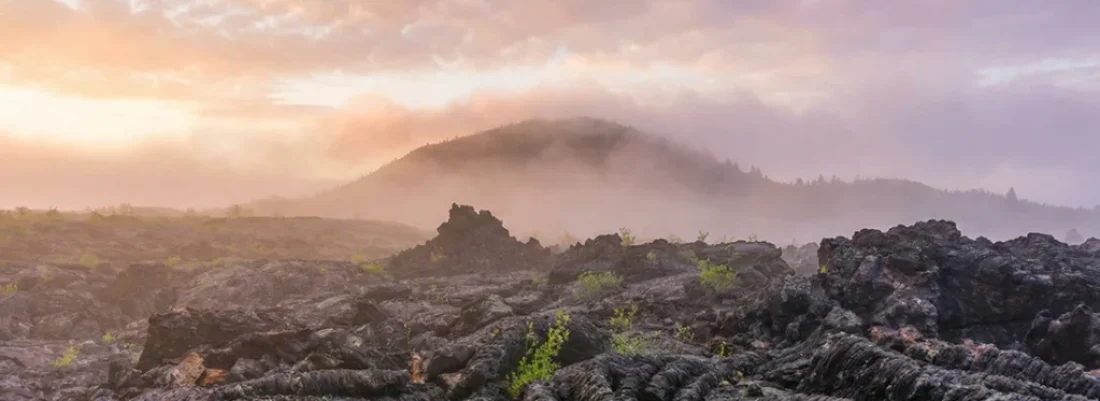
Craters of the Moon National Monument offers a stark, volcanic environment that defies the typical expectations of a national park. While visitors often anticipate towering waterfalls or dense forests, this protected area in Idaho presents a vast expanse of basaltic rock and geological history. It resembles a lunar surface so closely that it feels otherworldly. The terrain covers roughly 750,000 acres when combining the National Park Service monument and the Bureau of Land Management preserve. It provides solitude and raw beauty without the heavy congestion found in more famous western destinations. You can explore a massive volcanic sea without fighting for a parking spot. Over the past 30 years I have driven by Craters of the Moon over a dozen times and stopped and hiked about at least a half a dozen trips. I remember my first trip in the 70’s, how blown away I was at the site of it.
The monument sits centrally in the Snake River Plain of southern Idaho. The core area spans about 343,000 acres, but the entire volcanic region extends over 1,100 square miles. This was not formed by a single, explosive volcano like those seen in Hollywood films. Instead, the geological formations here resulted from fissure eruptions. Lava oozed from long cracks in the ground, creating a rugged surface that remains remarkably preserved today. It is a place where the earth opened up and reshaped itself in a slow, relentless process.
Table of Contents
Section Backpacking CDT-Williams Pass-Colorado
Geological Origins
The science behind Craters of the Moon is as fascinating as the visuals. Approximately 15,000 years ago, the ground separated along the Great Rift. This 52-mile-long fracture runs from northwest to southeast and served as the source for massive amounts of molten rock. The eruptions occurred in eight distinct episodes. The most recent activity concluded roughly 2,000 years ago, which is incredibly recent in geological time. The area contains over 60 mapped flows that blanket 618 square miles of the high desert.
You will encounter cinder cones standing up to 800 feet tall and deep rift cracks that drop nearly 800 feet into the earth. The variety of volcanic features is extensive. Spatter cones formed where lava was tossed into the air and piled up before cooling. Tree molds tell a more destructive story. These hollow cavities formed when molten rock encased standing trees. The wood burned away, but the rock hardened quickly enough to leave a permanent cast of the trunk. It serves as a geological snapshot of the moment the forest was consumed.
Human History and Conservation
Long before federal protection, this area was ancestral land for the Shoshone and Bannock peoples. They moved through the lava fields for thousands of years and likely observed the strange rock formations with great interest. European-American settlers generally avoided the area because the sharp rock made travel difficult for horses and wagons. It was not until the 1920s that Robert Limbert began exploring the region in earnest. He mapped the flows and photographed the dramatic scenery, eventually convincing authorities that the area deserved protection.
President Calvin Coolidge officially designated the monument in 1924 following Limbert’s advocacy. The name “Craters of the Moon” was coined by geologist Harold T. Stearns, who felt the strange scenery resembled a telescopic view of the lunar surface. Today, the National Park Service and the Bureau of Land Management jointly oversee the land. In 2000, the protected area expanded significantly to include the preserve, preventing mining and grazing from destroying the delicate geological features.
Life Among the Rocks
The environment appears barren at first glance, but it supports a surprising amount of wildlife. Over 60 mammal species inhabit the park, including mule deer, pronghorn, and bobcats. Mountain lions patrol the rocky ridges, while smaller animals like ground squirrels and marmots hide in the crevices. The lava tubes provide a critical habitat for 11 different species of bats. These caves offer a consistent temperature year-round, which is essential for their survival.
You might also spot pikas, small rock-dwelling rabbits usually found at much higher elevations. They have adapted to the cool microclimates within the lava piles. Birdwatchers can look for golden eagles, great horned owls, and prairie falcons. Conservation efforts focus heavily on protecting the fragile soil crusts and vegetation. Stepping off the trail can shatter delicate lava formations or kill plants that took decades to grow in this harsh environment.
Hiking the Lava Fields
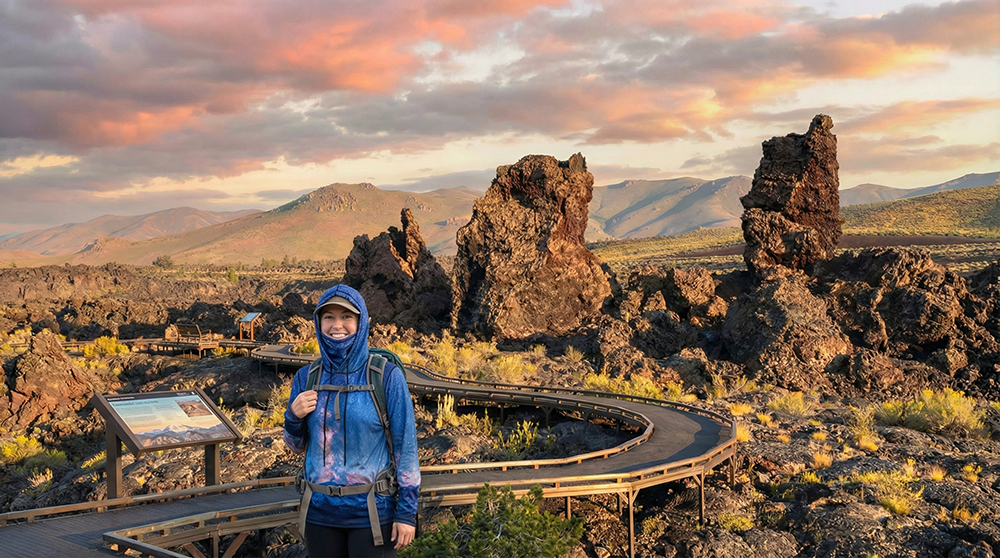
Hiking at Craters of the Moon requires preparation and the right expectations. The trails do not meander through soft grass; they traverse hard, abrasive rock that radiates heat. Sturdy footwear is mandatory, as the sharp lava can shred light sneakers. You must also carry ample water, as the black rock absorbs sunlight and raises ground temperatures significantly.
Other Cool Destinations
Notable Hikes
Inferno Cone Trail: This short but steep hike is a visitor favorite. The 0.4-mile round trip takes you to the top of a cinder cone. From the summit, you get a 360-degree view of the Great Rift and the distant Pioneer Mountains. It is often windy at the top, but the perspective helps you understand the scale of the eruptions.
North Crater Trail: For a closer look at the geology, take this 3.6-mile round-trip hike. The path winds through the North Crater flow, dropping into vents and climbing over crater rims. It offers some of the most dramatic “alien” scenery in the park. You will see colorful cinders and massive fragments of crater walls that were blasted apart.
Caves Trail: This trail leads to several lava tubes that are open to the public. You can descend into the dark tunnels where molten rock once flowed. The temperature inside drops dramatically, and ice can persist even in summer. You will need a flashlight and careful footing, as the floors are uneven.
Devil’s Orchard: This is an accessible, paved loop that is perfect for families. The 0.5-mile path winds through cinder beds where trees struggle to grow. Interpretive signs explain the environmental challenges facing the plants and animals in this area. It provides a good overview of the ecology without a strenuous climb.
Camping and Logistics
The Lava Flow Campground provides the primary accommodation within the monument. It features 42 sites situated directly among the volcanic rocks. These sites are available on a first-come, first-served basis from May through November, depending on snow levels. The campground does not offer electrical hookups, but it does provide vault toilets and picnic tables. You should arrive early in the day during the summer months, as spaces fill up quickly.
The experience of sleeping here is distinct from typical forest camping. The nights are incredibly dark, making it a prime location for stargazing. The silence is profound, interrupted only by the wind or occasional wildlife. For those seeking more solitude, backcountry camping is permitted in the wilderness area. You must obtain a free permit at the visitor center. This option requires hiking in with all your gear and sleeping on uneven lava surfaces, so a high-quality sleeping pad is essential.
Access and Navigation
The main entrance is located on US Highway 20/26/93. It is about 18 miles southwest of Arco and 24 miles northeast of Carey, Idaho. You should enter “Robert Limbert Visitor Center” into your GPS to avoid being routed down rough backcountry roads. The 7-mile Loop Road is paved and accessible for most vehicles, including RVs. This road connects all the major trailheads and scenic overlooks.
Regional Fishing and Activities
While the monument itself is a dry, volcanic desert, the surrounding region offers excellent angling opportunities. The porous lava rock actually plays a vital role in the local water system. Water sinks into the ground here and reemerges miles away in crystal-clear springs. This unique hydrology supports some of the best trout habitats in the West.
Silver Creek: Located west of the monument, this legendary spring creek is famous for its massive rainbow and brown trout. The water is slow-moving and clear, which makes the fishing technical and challenging. It attracts fly anglers from around the world who want to test their skills against selective fish.
Big Lost River: This river gets its name because it literally disappears into the lava rock north of the monument. The sections before it vanishes offer solid trout fishing. Flows can vary based on irrigation demand, so check current conditions before you go. It provides a nice contrast to the arid hiking environment.
Big Wood River: Further west near Sun Valley, the Big Wood River offers classic freestone fishing. It holds healthy populations of rainbow trout and is more accessible for intermediate anglers. Combining a morning of fishing with an afternoon of exploring lava tubes makes for a diverse Idaho road trip.
Frequently Asked Questions
Are pets allowed at Craters of the Moon?
Pets are allowed on the Loop Road and in the campground, but they are strictly prohibited on all hiking trails and inside the visitor center. The sharp lava rock can easily cut their paws, and the summer heat is dangerous for animals. You must keep them on a leash at all times in permitted areas.
When is the best time to visit?
Spring and fall are the most comfortable seasons to visit. Summer temperatures often exceed 90°F, and the black lava rock radiates heat, making midday hikes intense. Winter offers a unique experience with cross-country skiing, but the Loop Road closes to vehicles when the snow falls.
Do I need a permit to enter the caves?
You need a free cave permit, which you can get at the visitor center. Rangers will screen you to ensure you are not wearing gear that has been in other caves. This precaution helps prevent the spread of White-Nose Syndrome, a disease that is fatal to bat populations.
Is there cell service in the park?
Cell service is spotty and unreliable throughout most of the monument. You might get a signal near the visitor center or at high points like Inferno Cone, but you should not depend on it. Download offline maps and bring physical navigation tools before you arrive.
How much time do I need to see the park?
You can see the main highlights in about half a day. Driving the 7-mile Loop Road and doing two or three short hikes takes roughly 3 to 4 hours. If you plan to explore the backcountry or visit multiple caves, you should allocate a full day or an overnight stay.
Final Thoughts on Craters of the Moon National Monument
Craters of the Moon National Monument serves as a reminder of the violent forces that shape our planet. It is not a place for casual strolling in flip-flops or seeking lush, green scenery. It rewards those who appreciate raw geology and the resilience of life in harsh conditions. The stark beauty of the black lava against the blue Idaho sky creates a visual that stays with you long after you leave.
Whether you climb to the top of a cinder cone or crawl through a subterranean lava tube, the experience is distinct from any other park in the system. It offers quiet, space, and a direct connection to the volcanic history of the West. If you want to escape the crowds and walk on a landscape that feels foreign and wild, this high desert monument is worth the journey. Just remember to pack extra water and watch your step.