DIY Fly Fishing Penobscot River: Chasing Trout, Landlocked Salmon, and Atlantic Salmon with a Side of Maine Magic
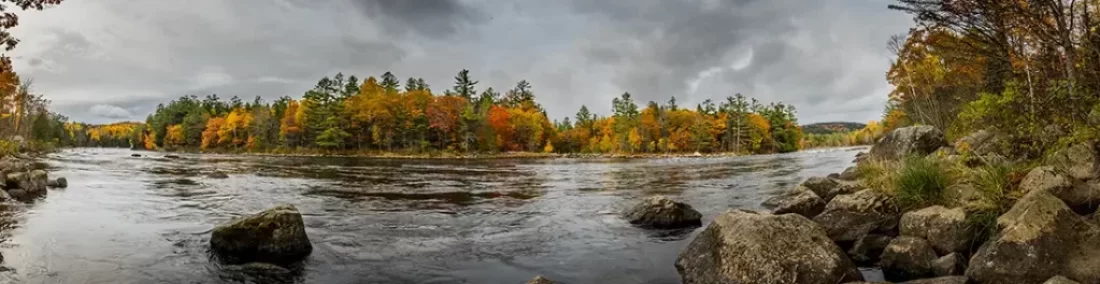
Picture this: you’re standing knee-deep in the cool, rushing waters of the Penobscot River, fly rod in hand, surrounded by Maine’s wild, forested beauty. The air smells like pine, the water sparkles like it’s showing off, and somewhere beneath the surface, a trophy brook trout, landlocked salmon, or maybe even an Atlantic salmon is eyeballing your fly like it’s the last donut at a family reunion. Welcome to fly fishing the Penobscot River, where the fish are feisty, the scenery is jaw-dropping, and the only thing you’ll regret is not packing more bug spray.
In this guide, I’m going to take you on a DIY fly fishing adventure through Maine’s Penobscot River, with a focus on landing brook trout, landlocked salmon, and the elusive Atlantic salmon. We’ll cover the best sections of the river to fish, the top flies to tie or buy, and some killer camping spots to make your trip feel like a proper wilderness escape. Ready to cast into the adventure? Let’s go!
Maine Misquotes the Size of B52's
Love Maine, its a beautiful state. I have driven the coast line, partied in Bangor on several occasions. Windows down listening to the surf singing along the coastline. Nothing like a fresh Maine Lobster either.
Fly fished many of the tributaries flowing into the Atlantic.
Table of Contents
Reason to Fly Fish the Penobscot River?
The Penobscot River is Maine’s crown jewel of fly fishing, stretching nearly 350 miles from its headwaters near the Canadian border to Penobscot Bay. It’s the state’s longest river, and it’s got something for every angler: wild brook trout that fight like they’ve got a personal vendetta, landlocked salmon that leap like they’re auditioning for the Olympics, and Atlantic salmon that are so rare you’ll feel like you’ve won the lottery if you hook one. The river’s got it all—deep pools, riffles, runs, and enough wildlife to make you feel like you’re in a National Geographic documentary. Eagles soar overhead, moose crash through the brush, and the occasional bear might photobomb your Instagram-worthy fishing shot.
The Penobscot is split into two main branches for fly fishing: the West Branch and the East Branch. Each has its own personality, fish populations, and challenges. The West Branch, especially below Ripogenus Dam, is the rockstar of the two, often called one of the best landlocked salmon fisheries in the U.S. The East Branch is a bit more remote, with a freestone vibe and trophy brook trout that’ll make your heart skip a beat. Both branches offer a mix of wild and stocked fish, but the wild ones dominate, thanks to healthy smelt populations and pristine water conditions.
Oh, and did I mention the history? Maine’s fly fishing tradition goes back over a century, with legends like Carrie Stevens crafting streamers that I tie and still use today. The Penobscot isn’t just a river; it’s a time machine, connecting you to generations of anglers who’ve chased the same fish with the same flies. Plus, recent dam removals have opened up the lower river, giving Atlantic salmon a fighting chance to return in fishable numbers. It’s an exciting time to wet a line here.
So, why the Penobscot? Because it’s wild, it’s challenging, and it’s got fish that’ll make you laugh, cry, and maybe cuss a little when they spit your hook. Let’s dive into the best sections to fish, the flies that’ll get the job done, and where to pitch your tent for the ultimate DIY adventure.

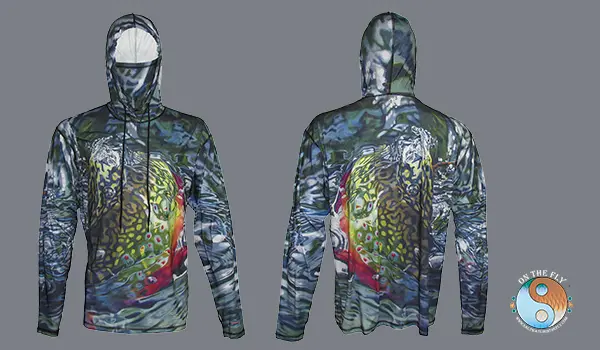
Maine is moose country. Outdoor apparel for hiking, backpacking, fly fishing a Moose Graphic Hoodie in a UPF-50 sun protection.
Best Sections of the Penobscot River for Fly Fishing
The Penobscot is a big river, and not every mile is created equal for fly fishing. Some sections are so fishy they practically beg you to cast, while others are better for kayaking or contemplating life’s mysteries. Here’s a breakdown of the top spots for targeting brook trout, landlocked salmon, and Atlantic salmon, with a focus on the West and East Branches.
West Branch: Ripogenus Dam to Abol Bridge
If the Penobscot River were a rock band, the West Branch from Ripogenus Dam to Abol Bridge would be the lead singer—flashy, popular, and always stealing the show. This 11-mile stretch is the heart of the Penobscot’s fly fishing scene, known for its wild landlocked salmon and brook trout. The water here is a mix of class V rapids, deep plunge pools, and long riffles that scream “fish live here!” The section below Ripogenus Dam, often called “Rip Dam,” is particularly hot, with trophy-sized salmon and trout lurking in the turbulent runs and deep pools.
Why It’s Great: The fast water and deep pools provide perfect cover for big fish, and the healthy smelt population keeps them well-fed and feisty. Landlocked salmon in the 18-20 inch range are common, with the occasional 25-incher to make your day. Brook trout here can hit 20 inches, too, especially in the fall when they’re bulking up for winter.
Access and Tips: Wading is possible at a few spots, like the campgrounds near Ripogenus Dam, but the deep pools and strong currents make floating the best way to cover water. Inflatable rafts or drift boats are your ticket to success here, letting you hit spots that shore-bound anglers can only dream of. Public access is decent near the dam and along logging roads, but watch your step—some areas are slicker than a politician’s promise. If you’re wading, stick to the edges of pools and riffles, and always use a wading staff. The whitewater rafters and kayakers can be a bit of a circus, but they don’t spook the fish as much as you’d think.
Best Times: Spring (May) is prime time, especially during the smelt run when salmon go nuts for streamers. Fall (September to October) is also excellent, as cooler water temps get the fish moving and feeding aggressively. Summer can be good, too, but you’ll want to focus on early mornings or evenings when the water’s cooler.
West Branch: Big Eddy
Just downstream from Ripogenus Dam, the Big Eddy is a legendary spot that’s like the VIP section of the Penobscot. It’s a deep, swirling pool where landlocked salmon and brook trout hang out, waiting for your fly to drift by. This spot is accessible by foot or raft, and it’s a favorite for anglers looking to hook a big one without floating the whole river.
Why It’s Great: The Big Eddy is a fish magnet, with strong currents and deep water that hold big salmon and trout year-round. It’s a great spot for swinging streamers or nymphing, and the fish here aren’t shy about smashing a well-presented fly.
Access and Tips: You can reach the Big Eddy via trails from nearby logging roads or by floating down from Ripogenus Dam. If you’re fishing from shore, bring a long leader (9-12 feet) to get your fly down deep. Watch out for the current—it’s strong enough to sweep you off your feet if you’re not careful. A raft with a guide like the legendary “Boz” (Greg Bostater) can make this spot a home run.
Best Times: Spring and fall are your best bets, with the smelt run in April/May and the fall spawn in October being peak seasons. Early mornings are prime for dry fly action during caddis hatches.
Lower Penobscot: Medway to Old Town
If you’re chasing Atlantic salmon, the lower Penobscot from Medway to Old Town is where the action’s at. This 50-mile stretch is slower and wider, with smallmouth bass dominating in the summer, but recent dam removals have opened up the river for Atlantic salmon runs. These sea-run fish are rare and heavily protected, so it’s strictly catch-and-release, but hooking one is like catching a unicorn.
Why It’s Great: The lower river offers a shot at Atlantic salmon, which are making a comeback thanks to conservation efforts. Smallmouth bass provide fast action in the warmer months, and you might even hook a stray brook trout or landlocked salmon in the cooler seasons. The slower water is perfect for beginners or anglers who prefer wading over floating.
Access and Tips: Access is easy from roads along the river, with plenty of spots to wade or launch a kayak. A small boat or canoe is ideal for covering more water, especially for smallmouth bass. Focus on deeper pools and current seams for Atlantic salmon, and use bright, flashy streamers to mimic their prey. Check Maine’s fishing regulations for Atlantic salmon, as they’re tightly managed.
Best Times: Fall (October to November) is prime for Atlantic salmon during their spawning run. Spring can also be good for early migrants. Smallmouth bass fishing peaks in summer (June to August).
Pro Tip for All Sections
No matter where you fish on the Penobscot, check the dam release schedules, especially on the West Branch below Ripogenus Dam. Water levels can change fast, turning a wadable riffle into a raging torrent. The Maine Department of Inland Fisheries and Wildlife website has current regulations and flow info. Always carry a wading staff, polarized sunglasses, and a healthy respect for the river’s power.
Top Flies for Penobscot River Fly Fishing
Now that you know where to fish, let’s talk about what to throw. The Penobscot’s fish aren’t picky eaters, but they’re not suckers either. You’ll need a mix of streamers, nymphs, and dry flies to cover all your bases. Here’s a rundown of the top flies for brook trout, landlocked salmon, and Atlantic salmon, with a nod to Maine’s rich fly-tying history.
Streamers: The Big Guns
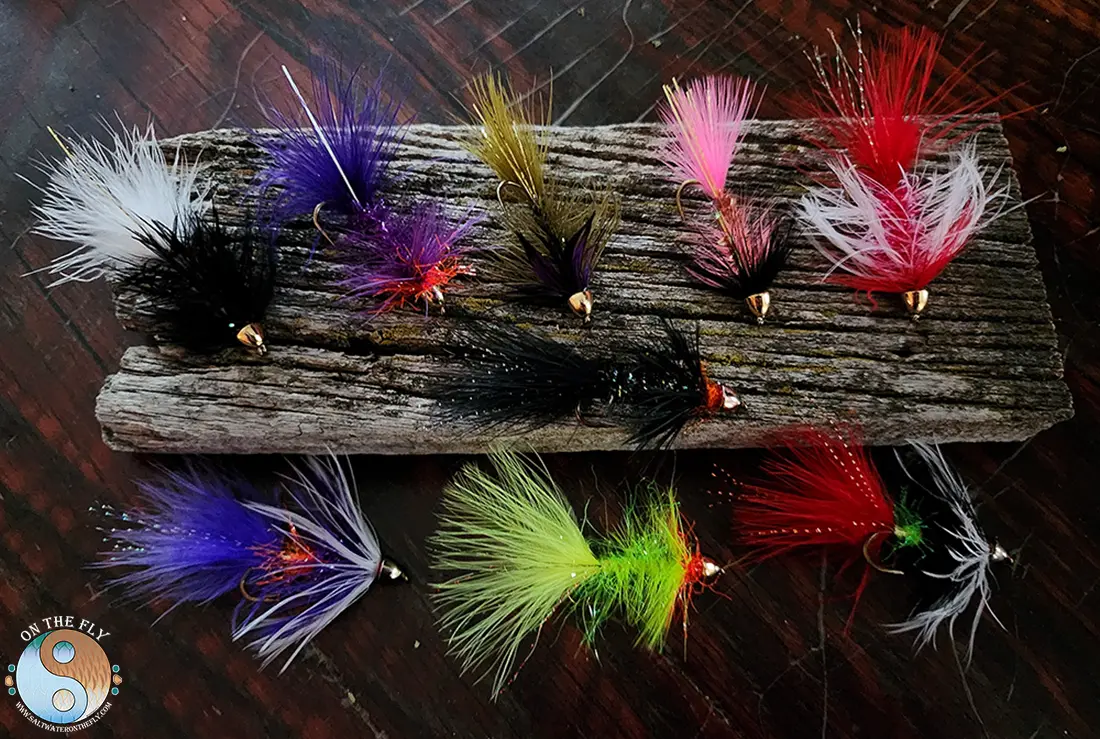
Streamers are the bread and butter of Penobscot fly fishing, especially during the spring smelt run and fall spawn. These flies mimic baitfish like smelt, which are the main course for big salmon and trout. Here are the heavy hitters:
-
Grey Ghost (Size 4-8): Invented by Maine’s own Carrie Stevens, this classic streamer is a must-have for landlocked salmon. Its white and grey feathers with a red throat scream “smelt” to hungry fish. Swing it through deep runs or strip it through pools for explosive strikes.
-
Magog Smelt (Size 4-8): Another smelt-imitating streamer, this one’s got a bright blue and silver body that lights up in the water. It’s deadly during the spring smelt run on the West Branch.
-
Blue Smelt (Size 6-10): A flashy, colorful streamer that’s perfect for low-light conditions or murky water. Salmon love it when it’s swung across current seams.
-
Muddler Minnow (Size 6-10): This versatile streamer works for both trout and salmon. Its deer-hair head gives it a lifelike swimming action, and it’s great for riffles and shallow runs.
-
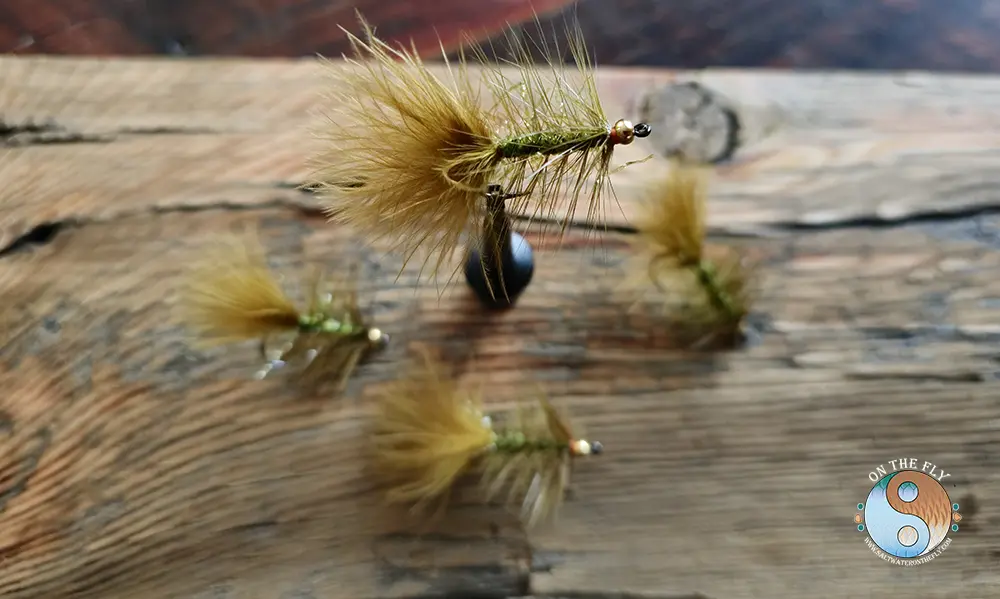
Woolly Bugger (Size 6-10): The Swiss Army knife of flies. Black, olive, or white versions with a marabou tail will tempt brook trout and salmon in any season. Add some weight to get it down deep.
Pro Tip: Use a sinking line or a sink-tip leader to get your streamers down to where the big fish hang out. A 0-2X tippet is strong enough to handle the hard-fighting salmon.
Nymphs: The Subtle Approach
When the fish aren’t chasing streamers, nymphs can save the day, especially in deeper pools or during summer hatches. These flies imitate aquatic insects and are deadly when drifted through riffles or along pool bottoms.
-
Stonefly Nymph (Size 8-12): Big, meaty stonefly nymphs are a staple for brook trout and salmon. Black or brown patterns with rubber legs work best. Drift them near the bottom of deep runs.
-
Caddis Nymph (Size 12-16): Green or tan caddis nymphs are great for mimicking the Penobscot’s abundant caddis larvae. Use a beadhead version for extra weight.
-
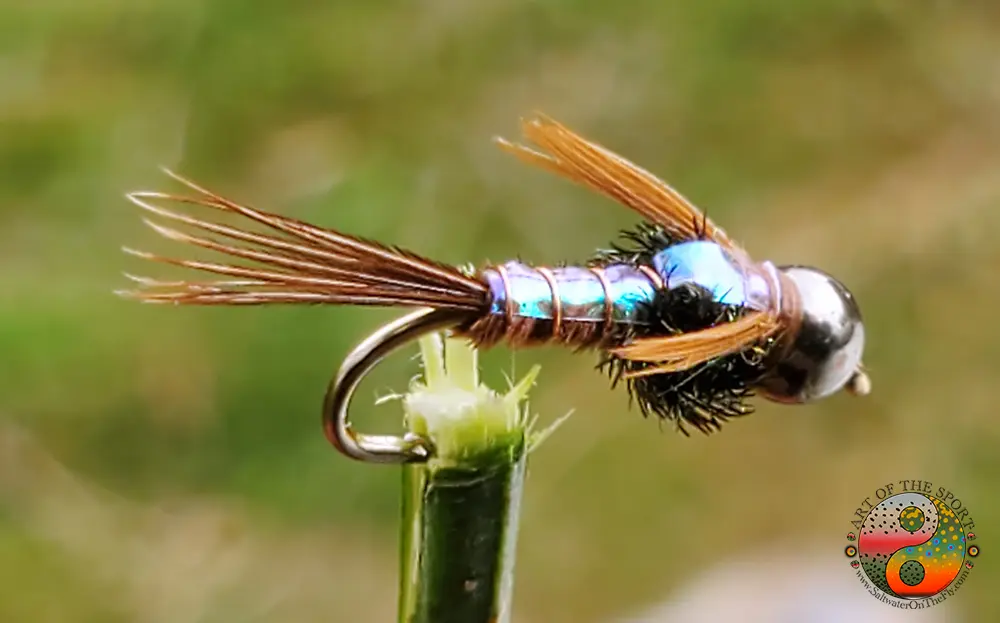
Pheasant Tail Nymph (Size 12-18): A classic all-purpose nymph that imitates mayflies and other small insects. It’s a go-to for picky trout in clear water.
-
Hare’s Ear Nymph (Size 12-16): Another versatile nymph that works year-round. Its buggy appearance fools both trout and salmon in riffles and pools.
Pro Tip: Use a 3-4X tippet for nymphing, and add a strike indicator to detect subtle takes. Focus on riffles and pool tails where fish feed on drifting insects.
Text content
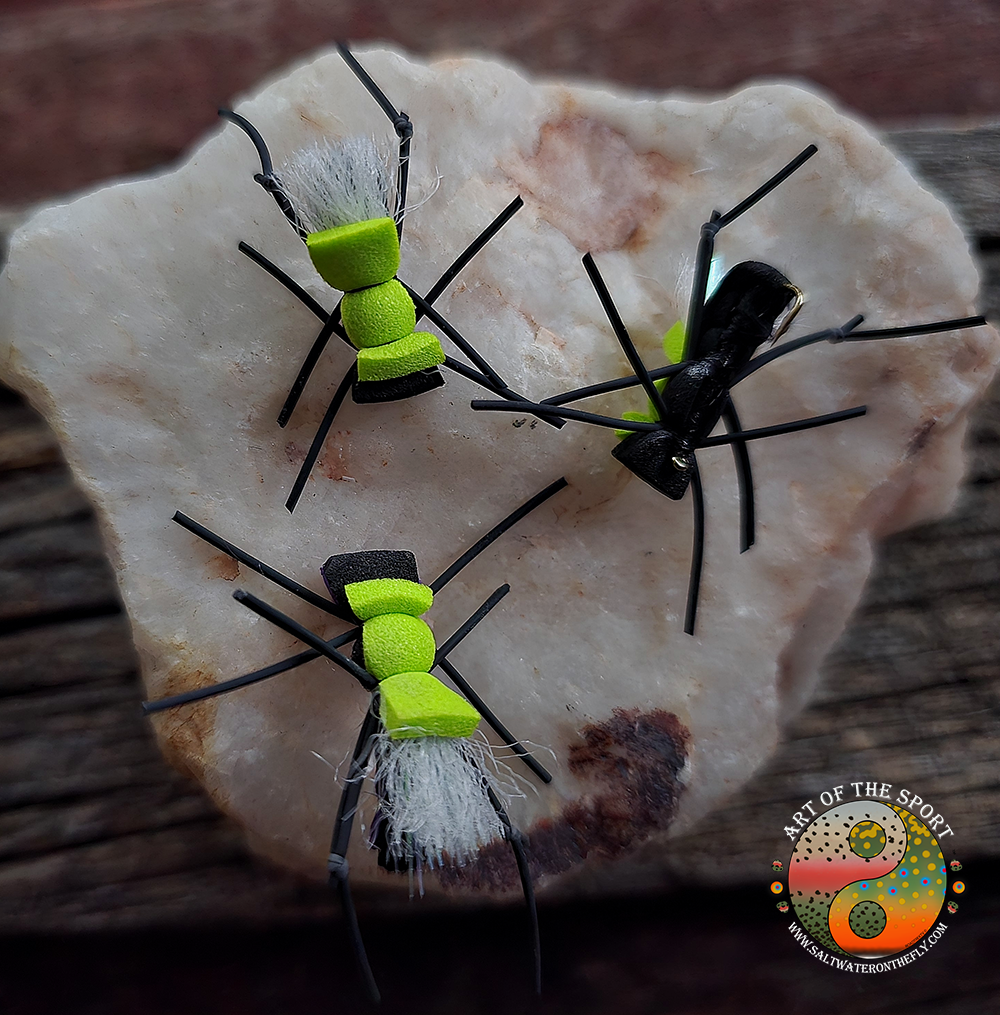
Dry Flies: The Surface Game
When caddis or mayflies are hatching, dry flies can produce heart-stopping rises. The Penobscot’s fast water makes dry fly fishing a bit tricky, but the rewards are worth it.
-
Elk Hair Caddis (Size 12-16): A buoyant, high-floating dry fly that’s perfect for caddis hatches in late spring and summer. Tan or olive versions work best.
-
Stimulator (Size 10-14): This attractor dry fly is great for prospecting on the East Branch, where trout are less spooky. Orange or yellow bodies stand out in fast water.
-
Adams (Size 12-18): A classic mayfly imitation that works during spring and fall hatches. It’s a great all-purpose dry fly for brook trout.
-
Royal Wulff (Size 12-16): A bright, visible dry fly that’s perfect for rough water. Its white wings make it easy to track in riffles.
-
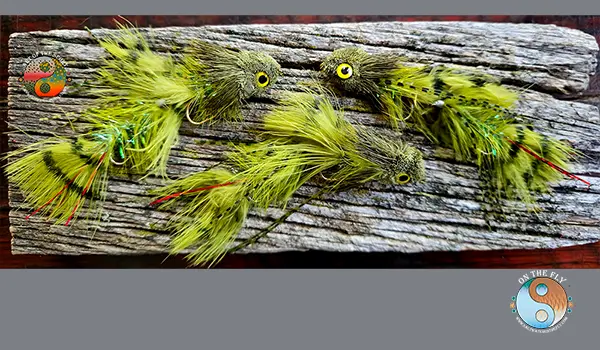
Fat Alberts & Chernobyl (10-12) Black to Pink ride the riffles.
Pro Tip: Use a 5-6X tippet for dry flies, and aim for drag-free drifts in riffles and pool edges. Early mornings and evenings during hatches are prime time.
Atlantic Salmon Flies
Atlantic salmon are a special case, requiring bright, flashy flies to grab their attention during spawning runs. These fish are rare, so check regulations before targeting them.
-
Green Machine (Size 4-8): A bright green streamer with a bushy tail that’s a favorite for Atlantic salmon. Swing it through deep pools in the lower river.
-
Silver Doctor (Size 4-8): A classic Atlantic salmon fly with a silver body and colorful wing. It’s deadly during fall runs.
-
Black Bear Green Butt (Size 4-8): A flashy streamer with a green butt that screams “eat me” to migrating salmon. Use a fast retrieve to trigger strikes.
Pro Tip: Atlantic salmon fishing is strictly catch-and-release, and you’ll need a special permit. Check with the Maine Department of Inland Fisheries and Wildlife for details.
Fly Fishing Gear Recommendations
For the Penobscot, a 4-6 weight fly rod is perfect for most situations, with a 5-weight being the sweet spot for versatility. Pair it with a reel that has a solid drag system—landlocked salmon can peel line like nobody’s business. Bring floating and sinking lines to cover different water depths, and pack leaders in 9-12 feet (5-6X for dries, 3-4X for nymphs, 0-2X for streamers). Don’t forget floatants, strike indicators, and a good pair of nippers for cutting tippet.
Camping Spots for the Ultimate DIY Experience
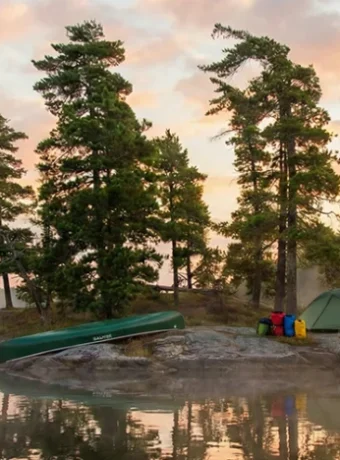
Nothing says “DIY fly fishing adventure” like pitching a tent next to the river, cooking over a campfire, and waking up to the sound of riffles. The Penobscot region is loaded with camping options, from established campgrounds to backcountry sites for the truly adventurous. Here are some of the best spots to set up camp, all within striking distance of prime fishing water.
Penobscot River Corridor (West Branch)
The Penobscot River Corridor, managed by the Maine Bureau of Parks and Lands, offers a network of campsites along the West Branch, many of which are perfect for anglers. These sites are rustic, with fire rings, picnic tables, and pit toilets, but you’ll need to bring your own water and supplies.
-
Big Eddy Campground: Located near the Big Eddy, this campground is a fly fisher’s dream. It’s got easy access to the river, with prime fishing spots just a short walk away. The sites are first-come, first-served, so arrive early during peak season (May to October). The sound of the river will lull you to sleep, unless you’re too excited about tomorrow’s fishing.
-
Nesowadnehunk Field Campground: A bit upstream from Ripogenus Dam, this site offers a mix of tent sites and lean-tos with stunning views of the West Branch. It’s a great base for fishing the upper stretches and exploring nearby Baxter State Park. Bring bug spray—the black flies don’t mess around.
-
Horserace Brook Campsite: A more remote option along the West Branch, this backcountry site is accessible by canoe or raft. It’s perfect for anglers who want to float and fish the river while camping in true wilderness. Pack light and be bear-aware—this is moose and bear country.
Pro Tip: The Penobscot River Corridor campsites require a reservation during peak season. Check the Maine Bureau of Parks and Lands website for details and book early. Bring a canoe or kayak to access more remote sites and fishing spots.
Baxter State Park (East Branch)
Baxter State Park is a wilderness paradise that encompasses parts of the East Branch. The park’s campgrounds are ideal for anglers targeting brook trout and landlocked salmon in the upper reaches.
-
South Branch Pond Campground: This campground requires a 1.4-mile hike from the Baxter State Park Perimeter Road, but it’s worth it for the access to pristine brook trout waters. Canoes are available for rent, letting you explore the pond and nearby East Branch tributaries. The views of Mount Katahdin are a bonus.
-
Kidney Pond Campground: A short walk from the park’s perimeter road, this campground offers canoe rentals and access to brook trout waters in the East Branch drainage. It’s a great spot for anglers who want a mix of river and pond fishing.
Pro Tip: Baxter State Park has strict regulations, including limits on group size and vehicle access. Reserve your spot well in advance, and be prepared for a true backcountry experience. No cell service, no Wi-Fi—just you, the fish, and the wilderness.
Private Campgrounds
If you prefer a few more amenities (like showers and a camp store), private campgrounds near the Penobscot offer a great balance of comfort and river access.
-
Evergreen Campground: Located near the Kennebec River but close enough to the West Branch for day trips, this campground has a ledge with ancient Abanaki petroglyphs nearby. It’s a great spot for wading anglers targeting the West Branch below Ripogenus Dam.
-
Chewonki Big Eddy Campground: Another option near the Big Eddy, this private campground offers tent sites, RV hookups, and easy river access. It’s a bit more developed than the Penobscot River Corridor sites, making it ideal for families or anglers who want a hot shower after a day on the water.
Pro Tip: Private campgrounds often have guided fishing trips or shuttle services for float trips. If you’re new to the Penobscot, these can be a great way to learn the river before going full DIY.
Backcountry Camping Tips
-
Gear: Pack a lightweight tent, sleeping bag, and pad for comfort. A portable stove is handy for cooking, but campfires are allowed at most sites (check fire regulations). Bring a water filter or purifier, as river water needs treatment.
-
Wildlife: Bears, moose, and raccoons are common. Store food in bear-proof containers or hang it high in a tree. Keep your campsite clean to avoid unwanted visitors.
-
Weather: Maine’s weather can be unpredictable, especially in spring and fall. Pack rain gear, warm layers, and waterproof boots. A good hat and polarized sunglasses are must-haves for fishing and sun protection.
Seasonal Strategies for Penobscot Fly Fishing
The Penobscot’s fishing season runs from April 1 to September 30, but each season offers different opportunities and challenges. Here’s how to plan your trip based on the time of year.
Spring (April to June)
Spring is prime time on the Penobscot, especially during the smelt run in April and May. Landlocked salmon and brook trout follow smelt from lakes into the river, making streamers like the Grey Ghost and Magog Smelt deadly. Focus on the West Branch below Ripogenus Dam and the Big Eddy for salmon, and hit the East Branch above Grand Lake Matagamon for brook trout. Water levels can be high from snowmelt, so floating is often the best approach.
Tactics: Swing streamers through deep runs and pools during the smelt run. As water temps rise in late May, switch to nymphs and dry flies for caddis and mayfly hatches. Wading can be tricky, so use a wading staff and stick to riffles.
Summer (July to August)
Summer brings warmer water and more stable flows, but the fishing can slow down in the heat. Focus on early mornings and evenings when fish are active. Smallmouth bass take center stage in the lower Penobscot, while brook trout and salmon retreat to deeper pools or shaded areas. The East Branch is a good bet for trout, as it stays cooler than the West Branch.
Tactics: Use sinking lines to get streamers and nymphs down deep. Dry flies like Elk Hair Caddis can work during evening hatches. Target smallmouth bass in the lower river with poppers or Woolly Buggers for fast action.
Fall (September to October)
Fall is a magical time on the Penobscot, with cooler temps, vibrant foliage, and aggressive fish. Landlocked salmon and Atlantic salmon make their spawning runs, while brook trout feed heavily before winter. The West Branch from Ripogenus Dam to Abol Bridge is a hotspot, and the lower river near Medway is prime for Atlantic salmon.
Tactics: Swing big, bright streamers like the Green Machine for salmon. Brook trout will hit nymphs and dry flies in riffles and pool tails. Focus on deeper runs for spawning fish, and be ready for hard fights—fall fish are full of energy.
DIY Fly Fishing Tips and Tricks
Going DIY on the Penobscot is rewarding but requires some planning. Here are some tips to make your trip a success:
-
Do Your Homework: Study maps and flow data before you go. The Maine Department of Inland Fisheries and Wildlife website has up-to-date regulations and river info. Google Earth is great for scouting access points and potential fishing spots.
-
Pack Smart: Bring a variety of flies, leaders, and tippets to cover different conditions. A small tackle box with streamers, nymphs, and dry flies will keep you prepared. Don’t forget a first-aid kit, bug spray, and a waterproof bag for your gear.
-
Learn to Read the Water: Look for current seams, pool tails, and riffles where fish hold. Landlocked salmon love fast water, while brook trout often hang in slower eddies. Atlantic salmon prefer deep pools during their runs.
-
Hire a Guide (Just Once): If you’re new to the river, consider a half-day guided trip to learn the ropes. Guides like those at Maine River Guides or Northern Rivers Fly Fishing can show you the best spots and techniques, saving you time on future DIY trips.
-
Respect the River: The Penobscot is a wild place, so follow Leave No Trace principles. Pack out all trash, respect private property, and handle fish carefully for catch-and-release. Atlantic salmon, in particular, need gentle handling to ensure their survival.
A Word on Atlantic Salmon
Atlantic salmon are the unicorns of the Penobscot, and their story is one of hope and caution. Once abundant, these sea-run fish nearly vanished due to dams and overfishing. Recent dam removals have opened up the lower river, and conservation efforts are helping their numbers rebound. Hooking an Atlantic salmon is a rare treat, but it comes with responsibility. You’ll need a special permit, and all fish must be released unharmed. Use barbless hooks, keep fish in the water, and handle them as little as possible. The thrill of catching one is worth the effort, but the real reward is knowing you’re part of their comeback story.
Wrapping It Up: Your Penobscot Adventure Awaits
The Penobscot River is more than just a fishing spot—it’s a wild, beautiful escape that’ll test your skills, reward your persistence, and maybe make you laugh when a brook trout spits your fly faster than you can say “fish on!” Whether you’re swinging streamers for landlocked salmon below Ripogenus Dam, drifting nymphs for brook trout on the East Branch, or chasing the dream of an Atlantic salmon in the lower river, this place has it all. Add in some cozy campgrounds, a starry night sky, and the occasional moose sighting, and you’ve got the makings of an unforgettable DIY adventure.
So, grab your fly rod, pack your tent, and hit the Penobscot. The fish are waiting, the river’s calling, and the only thing standing between you and a trophy catch is a good cast (and maybe a little luck). Just don’t forget the bug spray—those Maine black flies are no joke. Tight lines, and happy fishing!