Fly Fishing Road Trip: Utah, Idaho, Montana Wander Blue highways
Picture this: it’s 105 degrees in Moab, Utah. I’m sweating in a campsite, pounding out client work on a laptop. The heat was relentless, but the real prize came in the evening. As the sun dipped, I’d make trips into Arches and Canyonlands National Parks, watching the red rock formations glow. Those moments made every drop of sweat worth it.
This was the start of my incredible journey, a late spring, early summer fly fishing road trip from Utah to Idaho, then into Montana, and finally back to Idaho. It was a search for cool rivers, hungry trout, and the freedom you find with a fly rod and a full tank of gas. This isn’t just a travel log; it’s a guide to an unforgettable experience and a detailed trip report of my fishing adventures.
Get ready for an amazing fly fishing road trip Utah- Idaho-Montana-back to Idaho, filled with dusty roads, clear water, and lasting memories. This great adventure was a long time in the making. The road was calling, and I was ready to answer.
Living in Moab during June feels like you’re inside an oven, especially without good air conditioning. But it is also an amazing place for anyone who loves the outdoors. During the day, I was confined to my camp chair, finishing up articles that paid for gas and new flies. Once the sun began its descent, I was free to explore the wild landscapes of Arches, where rock formations look like they were carved by giants. Or I would hike through Canyonlands, a place so vast it makes you feel tiny and completely in awe of nature.
This was the perfect way to get ready for what was coming next. My real mission was a fly fishing journey through some of the West’s most famous rivers. When the last client file was sent, a huge wave of relief washed over me. It was time to pack up my gear and really hit the road for some good fishing.
The route was straightforward: head north out of Moab, stop in Park City for some bass fishing, then cross into Idaho and Montana. I planned to fish legendary waters like the Salmon, Bitterroot, Lochsa, and the St. Joe. This was never meant to be a quick trip, but a slow, winding adventure filled with casting, campfires, and the kind of quiet moments that stay with you forever.
Table of Contents
From Red Rocks to Cool Mountain Reservoirs
Leaving Moab behind is tough. The desert beauty is captivating, but the heat is draining. The drive north on US-191 is a spectacle, with the red desert slowly giving way to green hills as I climbed in elevation towards Park City. It’s a trip of about four hours, and when I arrived, the temperature had thankfully dropped to a pleasant 80 degrees.
Park City is mostly known for its world-class ski resorts and the Sundance Film Festival. I was there for a different reason. I wanted to fish a southern reservoir known for its healthy population of smallmouth bass. This was a great way to break up the long drive and get my line wet before the main trout-focused part of the journey.
Warming Up on Park City Bass
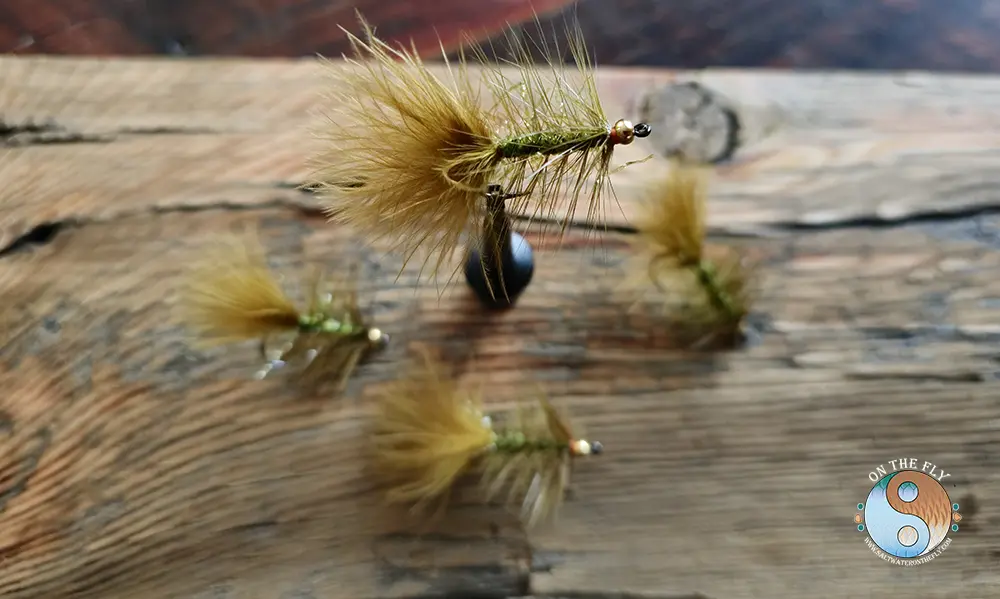
I set up one of my fly rods with a sinking line and tied on an olive balanced leech. These flies have a jigging action that bass find hard to ignore. The water of the reservoir was sparkling in the early afternoon sun as I began to wade fish the cool shallows. I started casting toward the rocky shorelines where smallmouth bass love to hide.
The first strike happened almost immediately. A lively 12-inch smallmouth bass smashed the a balance leech and put up a great fight. For the next couple of hours, it was just me and the steady rhythm of casting and retrieving. I caught about a half dozen fish, none huge, but all energetic smaller fish that made for a fun afternoon.
The sun began to set behind the mountains, casting long shadows across the water and offering beautiful views. It was the perfect stop, a fun fishing session before continuing north towards the legendary trout rivers of Idaho. My final destination for the day was still a few hours away.
With my fishing gear packed away, I pointed my truck toward Idaho. The drive to Blackfoot, Idaho, takes about three hours on I-15. The Wasatch Mountains faded behind me, replaced by the vast Snake River Plain. Blackfoot is a simple, working town, but it was a great place to stop for the night. The campground was quiet, and the stars were incredibly bright in the clear night sky. I made camp, enjoyed a cold drink, and fell asleep dreaming of the fish I would soon be chasing.
Idaho’s River of No Return
The next morning in Blackfoot was crisp and cool, a welcome relief after the Moab heat. This was my first full travel day focused purely on getting to the fish. After a quick breakfast, I broke camp and headed northwest on ID-26. My route took me through Arco, a small town with a unique claim to fame as the first community in the world powered by atomic energy. A strange and interesting sight is the old submarine sail in a town park.
Near Arco lies the Craters of the Moon National Monument. While I didn’t stop on this trip, this vast ocean of lava flows and cinder cones is a worthy detour. The stark, otherworldly landscape of the Moon National Monument is a powerful contrast to the lush river valleys I was heading towards.
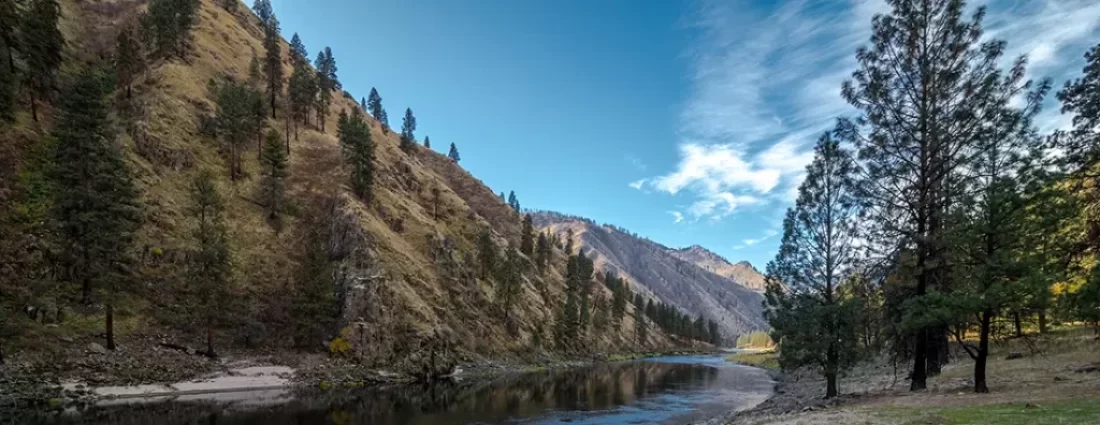
From Arco, I followed US-93 north toward Salmon, Idaho, a route often considered part of the famous Rocky Mountain Fly Highway. This three-hour drive took me through sagebrush country and into increasingly rugged mountains. The landscape was getting wilder, and my excitement was building. Salmon is a true fly fishing town, sitting on the banks of the mighty Salmon River, known as the “River of No Return.” The Middle Fork of the Salmon was my destination, a river famous for its clear water and native cutthroat trout.
Late spring is a tricky but rewarding time to fish these rivers. The winter snow is melting fast, which can make the rivers high and muddy, a phenomenon known as spring runoff. I was hoping my timing was right, that the runoff was starting to slow down. According to the latest USGS streamflow data I’d checked before losing cell service, the water levels
Fly Fishing the Middle Fork of the Salmon
I took a scenic detour to North Fork, Idaho. This tiny outpost is where the North Fork of the Salmon River joins the main stem. It’s about 20 miles from the town of Salmon, down a bumpy but beautiful road. The extra effort to get there is usually worth it because fewer people make the trip, offering better fishing opportunities.
I rigged my 6-weight fly rod with a classic dry-dropper setup. This involves using a large, buoyant dry fly that acts as a strike indicator, with a weighted nymph tied on a short leader below it. I chose a Chubby Chernobyl for my dry fly and a beadhead pheasant tail nymph for my dropper. This combination is effective at imitating the stoneflies and mayflies common in these waters, and it’s a great setup for wade fishing in varied currents.
The Middle Fork was running cold and clear enough to see the rocks on the bottom. I waded carefully into the current and started casting to the softer water behind large boulders. It didn’t take long for the action to start. My Chubby suddenly dipped under the surface, and I lifted my rod to feel the satisfying weight of a fish. It was a beautiful 10-inch cutthroat trout, its bright red slash under its jaw giving it its name. I smiled, feeling the pure joy of being connected to such a wild place.
Over the next hour, I caught several more cutthroat and one small rainbow trout. They were not large fish, but their spirit and beauty were more than enough. The towering Rocky Mountain peaks on either side of the river made me feel like I had found a piece of paradise. I spent the night at a riverside campsite near North Fork. The air grew cold as the sun went down. The crackling of my campfire and the constant murmur of the river were the perfect sounds to fall asleep to.
A Hit and Run in the Bitterroot Valley
The drive from North Fork, Idaho, into Montana’s Bitterroot Valley is one of the most scenic drives in the West. I climbed up and over Lost Trail Pass on US-93. The pass sits on the border between Idaho and Montana. Snow was still clinging to the high peaks, and the air smelled fresh with the scent of pine trees.
As I descended into the Bitterroot Valley, I headed for the West Fork of the Bitterroot River near the town of Darby. I decided to use a strategy I call “hit-and-run” fishing. This means I fish a promising spot for an hour or so and then move on to another. This approach is great for road trips because it lets you see and fish a lot of different water in a single day, exploring various access points.
The West Fork is a stunning river. It flows cold and clear through a beautiful forested canyon, offering plenty of fishable water. The water levels were low enough that I felt confident fishing with just dry flies. I tied on a classic Parachute Adams, a fly that can imitate a variety of mayflies. I found a public fishing access site and started to wade fish.
I started casting into the seams where fast and slow water meet. A handsome 12-inch brown trout rose gently and sipped my fly from the surface. The fight was energetic, and I carefully brought the fish to my net. After releasing it, I spent the next hour working my way upstream, covering about a half-mile of river. I landed a few more brown trout and a couple of feisty rainbow trout. The fishing was good, but it was time to move on and explore more of the valley.
From the West Fork, I drove north along the main stem of the Bitterroot River. The valley is breathtaking, with the jagged Bitterroot Mountains to the west and the rolling Sapphire Mountains to the east. I stopped at a few more access points, catching a couple of small but eager fish at each one. By late afternoon, it was time to cross another mountain pass and head back into Idaho to explore one of its most celebrated rivers.
Before leaving Montana, I made sure to check the latest Montana fishing regulations. Each state has different rules, so it’s important to be informed. This helps protect the amazing fisheries we all enjoy and is a crucial part of any fishing road trip.
The Wild Heart of Idaho: A Fly Fishing Road Trip Utah Idaho Montana and back to Idaho
Lolo Pass is a historic mountain pass on the Idaho and Montana border. The winding road drops down into the Clearwater National Forest in Idaho. It follows the path of the Lochsa River, a powerful freestone river famous for its whitewater rapids and its thriving population of Westslope cutthroat trout. This area of the Rockies has it’s own magical mists of whispering on the breezes.
The drive itself is an adventure. The road is surrounded by dense forests, and there are no signs of civilization or cell service for miles. It feels like you are entering a truly wild part of the country. This area is also prime grizzly bear habitat, so I made sure I carried bear spray and knew how to use it; a smart precaution for any angler in this region.
I pulled over at several spots along the Lochsa to do some more hit-and-run fishing. These short stops allow you to quickly assess productive water without committing to a full day in one spot. It’s a great way to cover ground on a fly fishing road trip.
Chasing Cutthroats on the Lochsa
The Lochsa River is fast and powerful, but its water is exceptionally clear. This is perfect water for fishing big attractor dry flies. These are large, easy-to-see flies that don’t necessarily imitate one specific insect but instead trigger an aggressive feeding response from the fish. I tied on a Royal Wulff, a classic attractor pattern that any angler fly box should contain.
I started casting to the pockets of softer water along the banks and behind rocks. The cutthroat trout in the Lochsa are not shy. A beautiful 14-inch cutthroat smashed my fly and immediately jumped out of the water. I spent the next couple of hours working my way down the river, catching a half-dozen of these gorgeous fish. Each one had the signature orange slash on its throat and was covered in black spots.
The Lochsa is a river that fills you with energy and excitement. I was tempted to stay longer, but another famous river, the St. Joe, was calling my name. This river trip was turning into a series of incredible fly fishing adventures.
That night, I found a remote campsite in the upper part of the Clearwater River drainage. It was a simple spot with a fire ring and a stunning view of the night sky. With the trout fishing being so good, I decided to try something different. I rigged my rod for steelhead, a type of large, sea-run rainbow trout that sometimes travels this far inland. I swung big, colorful flies called intruders through the deep pools, but I didn’t get any strikes. A few small trout did take my fly, though, so the evening wasn’t a total loss. I sat by my warm campfire, enjoying a small glass of whiskey and the deep silence of the wilderness.
The Crown Jewel: Fishing the St. Joe River
The last leg of my fishing adventure took me to Avery, Idaho. Avery is a tiny town on the banks of the St. Joe River. This historic logging town feels like a place that time has forgotten. The St. Joe River itself is a fly fisher’s paradise. It flows crystal clear out of the Bitterroot Mountains and is home to one of the purest strains of Westslope cutthroat trout in the world.
I planned to spend two and a half days here. This would give me plenty of time to explore different parts of the river and really soak in the experience. I found a great campsite right next to the river and quickly set up my camp. I was ready for the grand finale of my trip.
Day One: Exploring and Nymphing
My first day on the St. Joe was all about exploring. I started with a mile hike along the river, stopping at different access points to fish the riffles and deep pools. The river is surrounded by lush green forests, and the water is so clear you can count the rocks on the bottom. For a comprehensive look at access, you can check maps from the Idaho Fishing Planner, a great resource for any fishing road trip.
I started with a double-nymph rig. This setup allows you to fish two different flies at two different depths, increasing your chances in the clear water. The cutthroat were very willing to eat my nymphs. They would hit the flies aggressively, often just as they started to drift through a run. I landed over a dozen fish that day, mostly in the 10 to 14 inch range. I also lost a much bigger fish that bent my rod almost in half before it managed to spit the hook, a moment that gets your heart pounding.
The river was alive with insect activity, mostly caddisflies and mayflies. The trout were clearly taking advantage of the bounty, making for some great fishing. I knew the next day had the potential for an epic dry fly session.
Day Two: A Legendary Dry Fly Day
My second day on the St. Joe was even better. The weather was perfect, and the insect hatches were in full swing. I decided to switch from nymphs to dry flies. I started with a large Stimulator fly and added an Elk Hair Caddis as a trailer. The cutthroat went absolutely crazy for this combination of dry flies.
It felt like every cast was getting a rise. Sometimes, a fish would slash at the Stimulator. Other times, one would gently sip the smaller caddis pattern. I found myself laughing out loud at how incredible the fishing was. By the middle of the day, I had completely lost count of how many fish I had caught. This was one of those days that makes all the driving and planning worthwhile; it was a good day on the water.
The highlight was a magnificent 16-inch cutthroat. It rose slowly to my Elk Hair Caddis and ate it with confidence. That evening, I grilled one of the smaller trout I had kept for dinner. As I sat by the campfire, I raised a glass to thank the river for such an amazing day.
My final half-day on the river was a little sad. I knew I had to pack up and start the long drive home soon. I fished a new stretch of water, catching a few more beautiful cutthroats before the clouds started to roll in. It was time to go. The St. Joe had left a deep impression on me. This river, and this whole trip, was a reminder of why I always keep a fly rod ready to go.
Trip Planning: Gear and Wisdom
A trip like this requires some planning. You’ll need the right gear and a good sense of timing to make the most of it. Here’s a little of what I learned along the way.
Essential Gear Checklist
You don’t need a truckload of equipment, but having the right tools makes a big difference. A reliable set of fly rods and a quality fly reel can change your experience. This list covers the basics for a successful multi-state fishing trip.
- Fly Rods: A versatile 9-foot, 6-weight rod is perfect for almost every situation you’ll find. I also brought a 4-weight for delicate dry fly presentations on smaller streams like a spring creek.
- Reels: A reliable fly reel with a smooth drag is important. Make sure it’s balanced with your rod to avoid fatigue.
- Fly Lines: A weight-forward floating line is the most versatile. A sink-tip line can also be useful for bass or streamer fishing in deep pools or dealing with warm water conditions.
- Waders and Boots: Breathable waders and comfortable wading boots with good grip are a must. Felt-soled boots are banned in some areas to prevent the spread of invasive species, so check regulations and opt for rubber soles for good wade fishing.
- Pack or Vest: You need something to carry your fly boxes, leaders, tippet, and other accessories. A small waterproof backpack is also a great idea for carrying extra layers and a water bottle.
- Safety Gear: I always carried bear spray, especially in Montana and Idaho. A grizzly bear encounter is unlikely but possible, so it’s better to be prepared. I also carry a first-aid kit and a couple of ways to purify water. A pocket rocket to make a cup of coffee on those cool mornings streamside.
Flies That Work
You could bring hundreds of flies, but a few key patterns will catch fish on almost any river in this region. Don’t overcomplicate it. Stopping at a local fly shop for advice is always a good idea.
- Dry Flies: Chubby Chernobyl (sz 8-12), Parachute Adams (sz 12-18), Elk Hair Caddis (sz 12-16), Stimulator (sz 8-14), Royal Wulff (sz 10-14). Having patterns for a potential drake hatch is also smart.
- Nymphs: Beadhead Pheasant Tail (sz 12-18), Prince Nymph (sz 12-16), Hare’s Ear (sz 12-18), Copper John (sz 12-18).
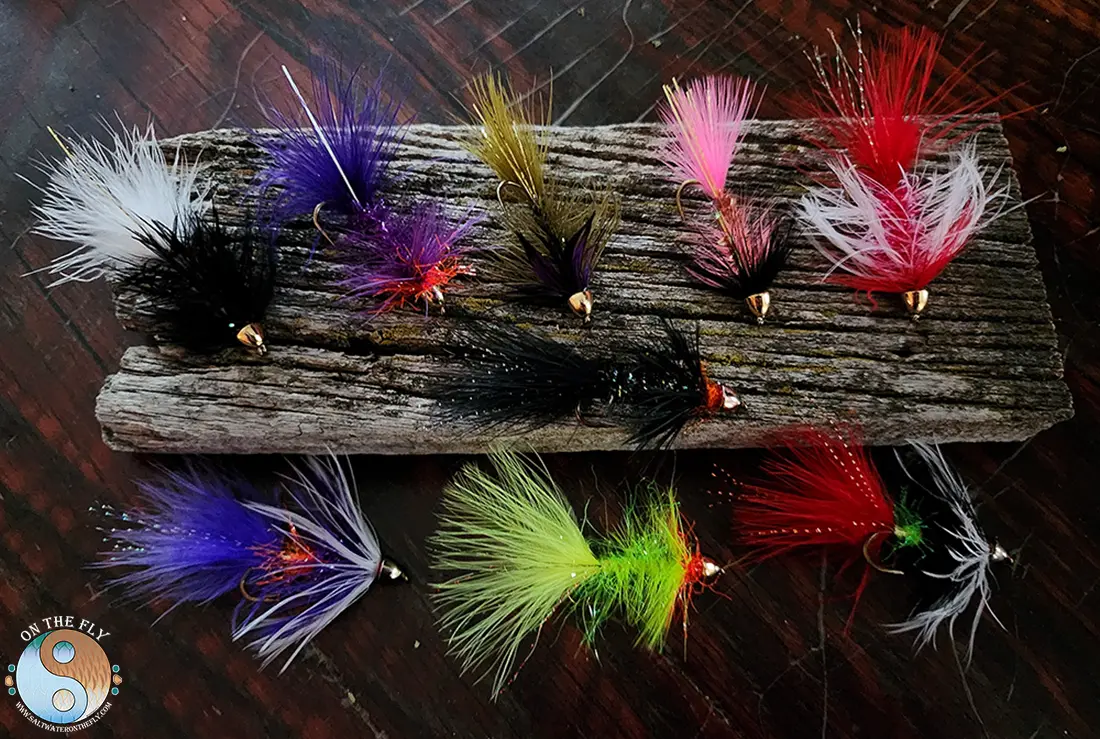
- Streamers: Olive or Black Woolly Bugger (sz 4-8), Olive Balanced Leech (sz 8-12) for bass. These are great for searching for big browns.
Route Planning and Other Destinations
While my trip focused on specific rivers, the Rocky Mountain region is full of incredible fly fishing opportunities. If you have more time, consider adding some of these legendary waters to your itinerary. Many of these locations are accessible via the Rocky Mountain Fly Highway (or simply Fly Highway), a network of roads connecting world-class trout streams.
For example, from eastern Idaho, you could easily plan day trips to the famous Henrys Fork of the Snake River. Known for its large rainbow trout and technical dry fly fishing, the Henry’s Fork is a bucket-list destination for many anglers. The Harriman Ranch section is particularly famous for its challenging spring creek style fishing.
A little further north, you enter the Greater Yellowstone ecosystem. From West Yellowstone, Montana, you have access to the Madison River, the Gallatin River, and all the waters within Yellowstone National Park. A stop at Cliff Lake or a soak in some natural hot springs can be a great way to break up the fishing. Keep in mind that fishing inside Yellowstone National requires a separate park fishing permit.
Further south, the Snake River near Grand Teton National Park offers spectacular scenery and great fishing for cutthroat trout. For a unique experience, consider a float trip with a local fishing guide. It is important to check fishing reports for any of these areas, as conditions can change quickly, especially around early July when water levels can still be high. Some waters like Silver Creek offer fantastic fishing but may have special regulations or require access through private water, so do your research.
Conclusion of Fly Fishing Road Trip Utah Idaho Montana
From the fiery red rocks of Moab to the cool, clear waters of the St. Joe, this road trip was an amazing journey. I fished for bass in Park City. I chased wild trout on the Salmon, Bitterroot, and Lochsa rivers. I found a kind of perfect peace on the St. Joe.
The American West is a vast and beautiful place, crisscrossed by roads and rivers just waiting to be explored by people like us. I hope this trip report gives you the push you need to plan your own great adventure. A fishing road trip like this one offers endless opportunities for discovery and a chance to connect with nature on a profound level.
If you’ve ever dreamed of a fly fishing road trip Utah- Idaho-Montana-back to Idaho, my advice is simple: just go. Pack your gear, fill up the tank, and hit the road. The fish are out there, and new stories are waiting for you to create them.