Fly Fishing the Clackamas River for Steelhead and Trout
Fly Fishing the Clackamas River for Steelhead and Trou brings out the best and worst in an angler. Fly Fishing the Clackamas River for Steelhead and Trou also shows you exactly how patient or stubborn you really are.
The Clackamas has the hype. You will find chrome fish close to Portland, emerald water, canyon walls, and enough boat traffic to qualify as a freeway.
Some days it hands you magic. Other days it hands you a sore shoulder and a bruised ego. That is simply the nature of chasing anadromous fish in a river that sits within an hour of a major metropolitan area.
You are here because you want the truth about fishing this river for steelhead and trout. You need to know how to time it, where to go, and how to mix in camping, hiking, and maybe a high country lake or two.
You will get a full, no fluff guide, with sarcasm included. This information is backed by real resources that live and breathe the Clackamas.
Table of Contents
The Clackamas Steals So Much Attention
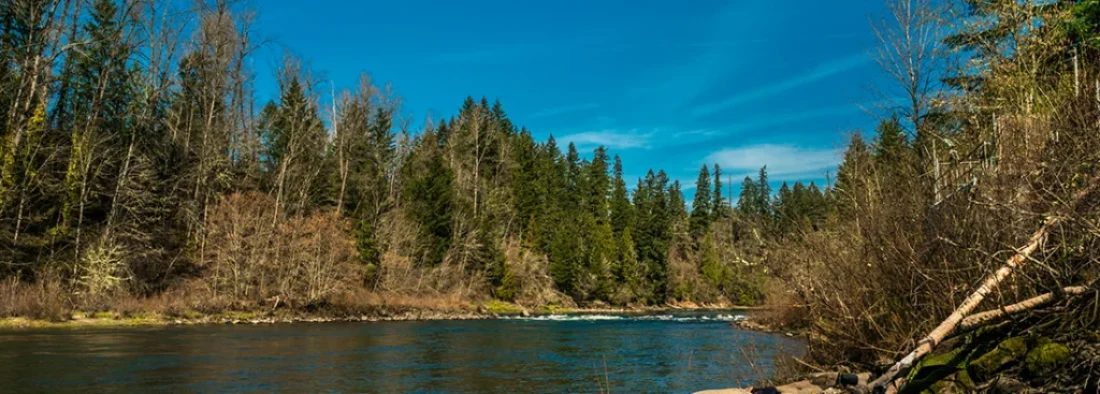
The Clackamas starts high on the west side of the Cascades. It cuts down through forest and basalt before dumping into the Willamette near Portland.
A forty seven mile stretch is officially listed as a Wild and Scenic River. This designation explains why you see so many drift boats and Subarus crammed along its banks.
You get both winter and summer steelhead here. You also find coho and Chinook, then resident trout once you head upstream above the reservoirs.
That variety, this close to a major city, is why it ranks with the better known places people talk about in national fly fishing roundups.
The river offers a specific type of challenge. The water can be big and intimidating to the uninitiated. It requires you to learn how to read broad runs and pocket water alike.
Is it perfect? No. Is it crowded? Often. But it can still ruin you in the best way the first time a wild winter fish tears down a run.
The Clackamas Steals So Much Attention
The Clackamas starts high on the west side of the Cascades. It cuts down through forest and basalt before dumping into the Willamette near Portland.
A forty seven mile stretch is officially listed as a Wild and Scenic River. This designation explains why you see so many drift boats and Subarus crammed along its banks.
You get both winter and summer steelhead here. You also find coho and Chinook, then resident trout once you head upstream above the reservoirs.
That variety, this close to a major city, is why it ranks with the better known places people talk about in national fly fishing roundups.
The river offers a specific type of challenge. The water can be big and intimidating to the uninitiated. It requires you to learn how to read broad runs and pocket water alike.
Is it perfect? No. Is it crowded? Often. But it can still ruin you in the best way the first time a wild winter fish tears down a run.
Seasons For Steelhead On The Clackamas
The river gives you almost year round shots if you know what to look for. You must also know when to stop pretending it will fish well at eight thousand cfs chocolate brown.
Timing is everything here. You cannot force the river to cooperate, but you can be ready when it drops into shape.
| Season | Main Target | Best Window | Typical Method |
|---|---|---|---|
| Late Fall | Late coho, early winter steelhead | Nov to early Dec | Swung flies, nymphs |
| Winter | Hatchery and wild winter steelhead | Dec to April | Skagit heads, sink tips, nymphing |
| Spring | Late winters, early summers | April to June | Swung flies, indicator rigs |
| Summer | Summer steelhead, trout | June to August | Scandi heads, dry lines, trout tactics |
If you want receipts, Portland General Electric posts daily counts of steelhead and salmon headed through the Clackamas dams. You can stare at the numbers on the PGE fish counts page while pretending you are “strategically planning” instead of avoiding work.
Those numbers will not guarantee fish. They simply help you know whether the river is in a dry spell or seeing fresh arrivals after a bump in flow.
Winter steelhead generally arrive in waves. The early hatchery fish show up first, followed by the larger, wild native fish that make this river famous.
Summer runs are a different game entirely. These fish are aggressive but spooky in the low, clear water of July and August.
Gear For Clackamas Steelhead And Trout
The Clackamas rewards simple, smart gear far more than complicated science projects. You do not need four tippet rings and a bobber the size of a golf ball to catch fish here.
The bottom of this river is notoriously slippery. It is filled with greased bowling ball sized rocks that love to twist ankles. Good wading boots with studs are almost mandatory.
If you are new to gear selection or just love obsessing, there is a helpful breakdown of modern fly fishing gear setups that will give you a good baseline.
Rod And Line Choices
For winter and high water days, a twelve and a half to thirteen and a half foot spey rod in seven or eight weight feels right at home. This length helps you manage line over the unpredictable currents.
Pair it with a Skagit style head. You will need a selection of ten to twelve foot sink tips from light to very heavy.
This setup allows you to cover most buckets from McIver down to Carver. You need to get the fly down to the fish, as winter steelhead are rarely looking up.
For summer steelhead and trout, a switch rod or even a nine foot six weight works. These are effective on the upper river or softer edges in the lower reaches.
Summer allows for Scandi heads and lighter presentations. You might even wake a dry fly on the surface if the stars align.
Flies That Actually Pull Their Weight
The pattern list is pretty simple. This is great because the Clackamas will steal a bunch of them on rocks anyway.
You do not need to overthink the menu. Presentation usually matters far more than the specific feathers.
- Intruders in purple, black, blue, and pink for winter swings.
- Smaller leeches and soft hackle speys for lower water conditions.
- Stonefly nymphs and egg patterns under an indicator for insurance.
- Woolly buggers and leech patterns for upper river trout searching.
- Summer steelhead wets and skaters on warmer evenings.
Fly size often matters more than the exact shade of purple. Start larger on a rising, off color river.
Scale down as the flow drops and clears. If the water is gin clear, a small, dark fly often outproduces a flashy intruder.
Where To Fish: Lower, Middle, And Upper Clackamas
Everyone wants GPS coordinates to the exact boulder that holds one gullible steelhead willing to eat on a Saturday. That is not how this works.
You will not get exact pins here. However, you will get a solid breakdown by reach, with access points that locals talk about without whispering.
Where To Fish: Lower, Middle, And Upper Clackamas
Everyone wants GPS coordinates to the exact boulder that holds one gullible steelhead willing to eat on a Saturday. That is not how this works.
You will not get exact pins here. However, you will get a solid breakdown by reach, with access points that locals talk about without whispering.
Lower River: McIver To The Mouth
The stretch from River Mill Dam near Estacada down to the mouth at the Willamette holds the heaviest pressure. It also holds the largest concentration of steelhead water.
McIver Park gives you boat launches and walking paths. It offers long runs and nice swing lanes if you are willing to hike away from the parking lot.
The Dog Creek area inside McIver is popular for a reason. It is often the terminal destination for hatchery fish returning home.
Below there, Barton, Carver, and Riverside parks all offer a mix of riffles and tailouts. These spots provide great access for bank anglers willing to wade.
Expect competition, especially on winter weekends. Do yourself a favor by covering water instead of camping in one run waiting for a miracle.
Middle Clackamas: Reservoir Zone
The stretch broken by North Fork and Faraday reservoirs is more of a mixed game area. Hatchery trout are stocked in the stillwaters during the season.
There are scattered opportunities in the flows around them. The scenery changes here as the river steps up into the foothills.
This is where a lot of folks start family fishing days. It is a good place to mix camping with an evening session.
You can introduce new anglers to casting without much current to manage. The lakes provide a forgiving environment for learning.
If you get burned out on the crowds and pressure of winter steelheading, poking around here in spring can feel pleasantly low key.
Upper Clackamas: Trout Country
Above North Fork Reservoir, you slide into colder, steeper country. This area is defined by pocket water, small rapids, and wild trout that still have an attitude.
The crowds thin out significantly up here. The water is often crystal clear and cold.
This reach tends to favor light gear. Use small dries in summer and streamers pulled through pools in the shoulder seasons.
The resident cutthroat and rainbow trout are beautiful. They are not huge, but they are eager and wild.
It is more hike, less sit. This is great if your brain does not love standing shoulder to shoulder at a boat launch hoping a fish chooses your swing.
Dialing In Flows, Weather, And Conditions
The Clackamas has a mind of its own. Rain can send it from sweet green to muddy brown in hours.
Monitoring the river gauges is an essential skill. You want to see the river dropping and clearing after a storm.
Good steelhead conditions usually mean enough color to make them feel safe. It should not be so murky that you cannot see your boots.
A recent full Beaver Moon has even been blamed for slower bites during night bright phases. Fish can feed comfortably after dark when the moon is full.
The writeup about that on the Beaver Moon cycle shows why some guides groan when the forecast shows clear nights and big glowing orbs. Bright nights often mean sleepy fish during the day.
Is the moon everything? No. But when you stack it with heavy pressure, low water, and a hangover from yesterday’s storm, it explains those humbling days a bit better.
Local Help, Clubs, And Guides Who Live On This River
Trying to crack the Clackamas alone can turn into an exercise in creative swearing. Tapping into the local community helps a ton.
The Clackamas Fly Fishers club has spent two decades fishing this drainage. They run clinics and share reports that do more than just say “you should have been here yesterday.”
If conservation matters to you, groups like Trout Unlimited stay very involved. They work on restoration and access on the river, with local leaders who flat out love this drainage.
On the guide side, swing focused anglers can look to outfitters such as fishtheswing.com for expert instruction. Booking a trip means learning more than just which color intruder worked that morning.
You learn how to read the water. You learn safe wading paths and proper casting angles.
For women looking for a crew that gets it, the Stonefly Maidens Fly Fishing Club is a supportive community. They treat the river as both playground and classroom.
Clackamas Wilderness, Hiking, And High Lakes
If you are going to pretend you are out here for the full outdoor experience and not just swinging flies, the surrounding wild areas help you sell that story.
The scattered units that make up the Clackamas Wilderness sit just upstream. They wrap some of the cleaner tributaries and old growth valleys that keep this river cold enough for salmon and steelhead.
Several trailheads once fed steady hiking pressure. As sections reopen after recent fires, the mix of blackened trunks and pockets of green makes the place feel stubborn and alive at the same time.
Classic Trails For Anglers Who Like Punishment
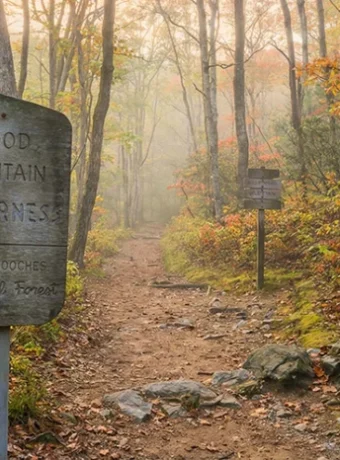
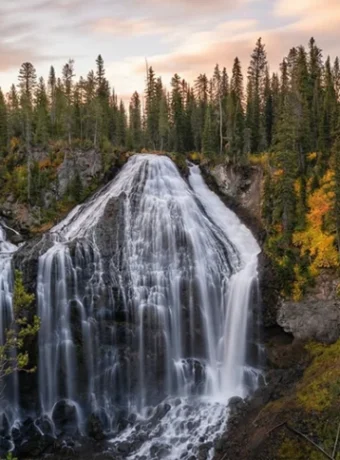
The Clackamas River Trail offers long views of pools and rapids you probably want to fish. It features side trips to falls that appear in a lot of local photo feeds.
Closer to campgrounds, the Riverside Trail gives you quick water access from your tent. Expect company in peak months as this is a popular spot.
If you want something quieter, trails into lakes near the South Fork or around Memaloose move you into smaller water. This is classic Cascades forest, with chances to cast in solitude if you beat the crowds.
Olallie Scenic Area And High Country Trout
Sometimes you just want a break from big flows and mystery steelhead. You want to see trout actually eat your dry fly where you can see it.
The Olallie Scenic Area is perfect for that. It is a patchwork of more than two hundred lakes situated north of Mount Jefferson.
Olallie Lake itself has non motor boat traffic restrictions. It offers rental rowboats and stunning mountain views.
Nearby waters like Monon or Head Lake hold a mix of rainbows and brookies. These fish respond well to basic summer dry and streamer setups.
This is classic backpack or car camp water. It is a place to slow down and remember that fly fishing can be simple before you go back to double handed winter hero swings.
If your travel brain is wired for big trip planning, the wider Oregon tourism site under the Visit the USA hub is full of route ideas. It includes multilingual options in Français and Deutsch if you are building an international journey.
Camping, Lodging, And Escaping The Boat Ramp Circus
River side campgrounds fill quickly, especially when fish counts bump. Flows look right, and the weekend warriors refresh their weather app every ten minutes.
Planning ahead is crucial if you want a prime spot. Some sites are first come, first served, but many require reservations months in advance.
Spots like Riverside, Armstrong, and others close to the main channel give easy walking access. You get morning and evening fishing right from camp, though you trade quiet for proximity.
If you want to explore beyond official sites or list your cabin or lodge for traveling anglers, tools like the Oregon lodging listing page at Submit Your Lodging Listing can put your place on the radar of river chasers planning their trip.
Staying in a real bed after a long day of wading in forty degree water is a luxury. Sometimes it is exactly what you need to keep your morale high.
And if you get totally burned out on the Clackamas and feel like testing a stillwater program, note that the private Justensen Ranch Lakes in central Oregon also open seasonally to fly anglers looking for a different pace.
Combining Fly Fishing And Real Life
For a lot of readers, time on the Clackamas is the outlet. It keeps business and family life from melting the brain.
The river forces you to disconnect. You cannot answer emails while wading waist deep in a swift current.
There is an interesting take on how financial planning for business owners parallels fly fishing. It explains how the patience, timing, and risk management you use when chasing steelhead can mirror what you should be doing with money.
Basically, swinging for chrome on this river might teach you more about delayed reward than any book. Steady planning often beats a frantic chase.
Common Mistakes On The Clackamas
The Clackamas will happily point out your weak spots. It is nice that way.
Beginners often struggle with the speed of the water. They also struggle with the patience required for winter fish.
- Fishing the same tiny bucket all day while fresher water sits empty just downstream.
- Ignoring flows and water clarity, then blaming luck instead of poor timing.
- Rigging up with random gear and flies that work great on tiny spring creeks in another state.
- Sleeping in and missing low light bite windows in winter and summer.
- Wading too deep and taking a swim in dangerous, cold currents.
- Forgetting a wading staff on a river known for slick, unstable rocks.
The fix is pretty boring. Watch the gauges and fish counts carefully.
Talk to people who are on the river more than you are. Move your feet, and remember this river owes you absolutely nothing.
When it finally gives you that fish you dreamed about, you will realize all that stubborn work is what made it matter.
Frequently Asked Questions
There are always questions that come up before a first trip. Here are a few answers to save you some searching.
Do I need a guided boat trip to catch fish?
No, but it significantly increases your odds. A boat covers more water and gets you away from the bank access crowds, especially in the lower river.
What is the best CFS flow for fishing?
For winter steelhead, a dropping trend between 12 and 14 feet on the Estacada gauge is often prime. If it drops below 11 feet, the water gets very clear and fish get spooky.
Is the Clackamas safe for wading?
It can be treacherous. The rocks are large and coated in algae, so a wading staff and studded boots are highly recommended for anyone entering the water.
Conclusion of Fly Fishing the Clackamas River
Fly Fishing the Clackamas River for Steelhead and Trou will not feel like a grip and grin factory line. It will feel more like a long, slow negotiation where you occasionally get paid in silver.
This river runs through heavy use and serious conservation history. It contains scattered wilderness and even connects you to high country lakes when you want a break from big flows.
With the right timing and reasonable gear, you can find success. A bit of help from local clubs and shops goes a long way.
The willingness to explore beyond the first crowded turnout is essential. You can build your own chapter of Fly Fishing the Clackamas River for Steelhead and Trou that goes beyond the social media highlights.
The crowds, moon phases, and blown out days are part of the story. But so are quiet swing runs at dawn and wild trout on dry flies up high.
There are those rare mornings when everything lines up. In those moments, you wonder why you ever thought this river was overhyped.