Fly Fishing the Owyhee River: A 3-Day Adventure in Oregon’s Brown Trout Paradise
Alright, folks, grab your rods, pack your waders, and maybe toss in a couple of granola bars (because, let’s be real, you’re gonna be too busy hooking monster trout to cook a gourmet meal). We’re diving into a 3-day fly fishing extravaganza on Oregon’s Owyhee River, a tailwater gem that’s got more brown trout than a hipster coffee shop has beard wax. This isn’t just a fishing trip—it’s a full-on desert canyon adventure with epic hatches, sneaky rattlesnakes, and enough solitude to make you feel like you’re starring in your own Western movie. In this guide, we’ll cover everything you need for a killer 3-day trip: where to camp on National Forest and BLM land, what flies to chuck at those finicky fish, and how to use ‘em like a pro, all while keeping the vibe light and the laughs flowing.
Oregon Years
Oregon years are fill with disillusion. I went here for 2 years expecting so much more out of the state then what it really offered. The best part of the experience was all the great fly tyers I connected with. And what they taught me. A special shout out to tyer-author John Shewey “Spey Flies Their History and Construction”
Table of Contents
Why the Owyhee River? Because It’s a Trout-Filled Unicorn
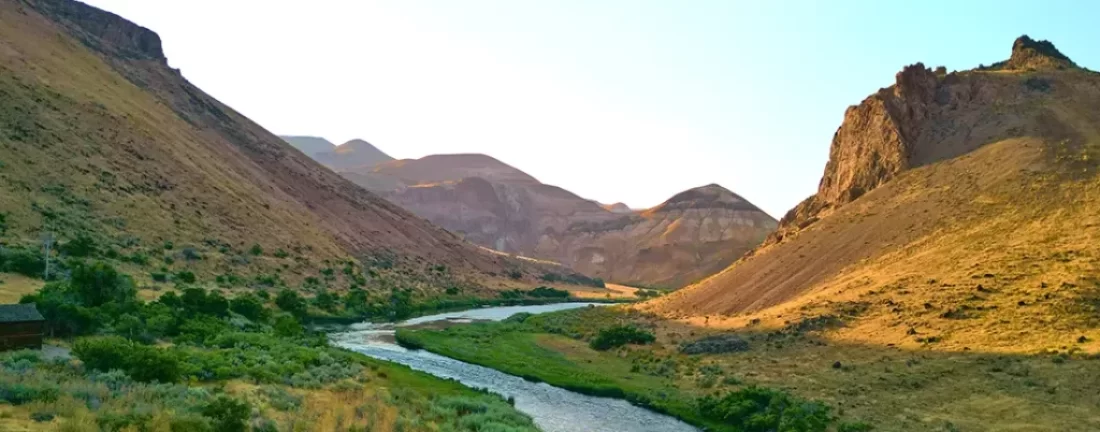
Tucked away in the high desert of southeastern Oregon, just a stone’s throw from Boise, Idaho, the Owyhee River is like that secret dive bar you don’t tell your friends about. It’s remote, it’s gorgeous, and it’s absolutely stuffed with trophy brown trout that’ll make your Instagram followers jealous. The 10-mile tailwater section below Owyhee Dam is the sweet spot, a dry fly angler’s dream where browns averaging 16-20 inches (and some pushing 10 pounds!) slurp bugs like they’re at an all-you-can-eat buffet. Add in some feisty rainbow trout and the occasional redband, and you’ve got a fishery that’s as diverse as it is epic.
The Owyhee’s magic lies in its bug life. We’re talking hatches so prolific you’ll think the river’s hosting an insect convention. Skwala stoneflies, Blue-Winged Olives (BWOs), caddis, midges, and grasshoppers galore keep the trout fat and happy year-round. But don’t let the bug buffet fool you—these fish are picky, and you’ll need to bring your A-game to fool ‘em. The river’s gentle gradient and clear, slow-moving water mean drag-free drifts are non-negotiable, unless you want to spend your trip waving at trout instead of catching them.
Pronunciation tip: It’s “Oh-AH-hee,” not “Oh-WHY-hee.” Say it right, or the locals might make you buy the first round at the nearest bar (which, by the way, is a long drive from this remote paradise). The river’s named after Hawaiian trappers who met a mysterious end here in 1819, so let’s honor their legacy by catching some fish and not getting lost in the desert.
Text content
Planning Your 3-Day Owyhee River Fly Fishing Adventure
A 3-day trip to the Owyhee is the perfect way to soak in the scenery, tangle with some lunker trout, and maybe even spot a bald eagle or two (because nothing says “I’m living the dream” like a bald eagle photobombing your fishing selfie). Here’s a loose itinerary to keep you on track without feeling like you’re punching a time clock:
-
Day 1: Arrive, set up camp, and fish the evening hatch. Focus on getting the lay of the land and dialing in your dry fly game.
-
Day 2: Go all-in with a full day of fishing. Mix up your techniques—dry flies, nymphs, and streamers—and target those riffles and runs where the big boys hide.
-
Day 3: Chase the morning hatch, maybe swing some streamers for a trophy brown, then pack up and head home with stories to tell.
Before you hit the road, check the Owyhee’s flow levels (aim for 100-300 cfs for ideal wading) and weather conditions. The Bureau of Reclamation controls the dam, so flows are more about irrigation than fishing, which means summer can get high and spring might be low. Also, pack for the desert: polarized sunglasses (amber lenses are clutch), a wide-brim hat, sunscreen, and waders (the water’s cold, even if the air’s toasty). Oh, and watch for rattlesnakes—those sneaky buggers love to crash your fishing party in the evenings.
Getting There
The Owyhee’s remoteness is part of its charm, but it also means you’re not popping into a Starbucks for a quick latte. From Boise, it’s about a 1.5-hour drive. Take I-84 to Nampa, then head south on Highway 201 from Ontario, Oregon, following signs to Owyhee Reservoir. Owyhee Lake Road tracks the river for the first 10 miles below the dam, giving you easy access to public land. If you’re flying in, Boise Airport (BOI) is your best bet. Rent a car (preferably with decent clearance—some camping spots laugh at low-riding sedans) and stock up on supplies in Boise or Nampa.
Text content
National Forest and BLM Camping Areas: Your Home Away from Home
The Owyhee’s tailwater section runs through a mix of Bureau of Land Management (BLM) and National Forest land, offering plenty of primitive camping spots to pitch your tent or park your rig. These sites are first-come, first-served, so if you’re eyeing a prime spot near a hot fishing hole, get there early—especially on weekends when Boise anglers swarm like moths to a porch light. Here’s the lowdown on where to camp:
-
Owyhee State Park (BLM): Open April 15 to October 31, this spot’s got primitive campsites right by the river. Some are only accessible by 4WD, so if your ride’s more “city slicker” than “rugged adventurer,” stick to the main sites. Day use is available year-round, and the views of the desert canyon are worth the price of admission (which, by the way, is free).
-
Snively Hot Springs Area (BLM): Just downstream from the dam, this area has dispersed camping spots along Owyhee Lake Road. The hot springs are a nice bonus after a long day of casting, but don’t expect a five-star spa—think “rustic soak” instead. Public access starts to thin out below Snively, so this is your last good camping zone before private land takes over.
-
Dispersed Camping Along Owyhee Lake Road (BLM): For 13 miles below the dam, you’ll find pull-offs and primitive sites on public land. These are perfect for anglers who want to camp close to their fishing spot. Pack in, pack out, and leave no trace—nobody likes a litterbug, especially in this pristine canyon. Some spots are tucked into sagebrush, so watch for snakes and bring extra water (there’s no potable water out here). Chasing trophy brown trout in a stunningly beautiful desert setting, the Owyhee River is tough to beat. Stretching 280 miles across three states and draining 11,049 square miles, it’s fair to say that this Snake River tributary offers some of the best brown trout fishing in the Northwest. · The Owyhee’s sterling reputation rests almost entirely on a 10-mile tailwater section below Owyhee Reservoir in Oregon, where hefty brown trout grow fat on ample insect populations. That being said, in addition to brown trout fly fishing, Idaho’s portion of the Owyhee River also offers some compelling fishing opportunities of its own · Flowing through a picturesque desert canyon—technically it’s a steppe canyon, but we’ll save the geography lesson for another day—the lower Owyhee River is home to monster brown trout that average 14 to 17 inches. It’s possible to tangle with browns in the 10-pound class here.
-
Upper Owyhee River Wilderness Area (National Forest): If you’re feeling extra adventurous, head to the upper Owyhee in Idaho’s 267,000-acre wilderness area. This is remote with a capital “R,” so bring extra fuel, water, and a good map. Camping is dispersed, and access points are sparse, but the solitude and native redband trout make it worth the trek. Just don’t expect cell service or a quick Uber back to civilization.
Pro tip: Weekdays are your friend. Summer weekends can see up to 90 cars near the dam, which is basically the fly fishing equivalent of a Black Friday sale. Hit the river midweek for a quieter experience, especially in fall or early spring. And if you’re bringing kids, the Owyhee’s a great spot to teach them the ropes—just keep ‘em close and snake-aware.
Brown Trout: The Big, Bad Bosses
-
What’s the Deal?: These are the Owyhee’s rock stars, averaging 16-20 inches with some pushing 10 pounds or more. They’re wild, wily, and love to sip dries in the tailwater section below the dam. They hang out in pools, riffles, and near the bottom, chasing bugs and the occasional minnow. Avoid fishing during their October-November spawning season to keep the fishery healthy.
-
Where to Find ‘Em: Focus on riffles, runs, and the heads of pools. Skip the slow, deep water unless you’re swinging streamers for a trophy. The 10-mile stretch from the dam to Snively Hot Springs is prime brown trout territory.
-
Flies and How to Use ‘Em:
-
Skwala Stonefly (#10-12, Olive): March and April are Skwala season, and these big stoneflies get browns all riled up. Fish a Skwala dry with a 9-foot 5X leader for a natural drift. Cast to riffles and let it skate across the surface like it’s auditioning for a bug ballet. If the fish are picky, drop a #18-20 Pheasant Tail nymph 12-18 inches below.
-
Blue-Winged Olive (BWO) (#16-18): BWOs hatch year-round but peak in spring and fall. Use a Parachute BWO or Sparkle Dun with a 6X tippet for delicate presentations. Aim for drag-free drifts in slow water—think “zen master” patience.
-
Caddis (#14-16, Tan): Mid-April through September, caddis are everywhere. An Elk Hair Caddis on a 5X leader is your go-to. Skitter it across riffles in the afternoon for explosive takes. If they’re ignoring the dry, try a #16-18 Beadhead Caddis Pupa as a dropper.
-
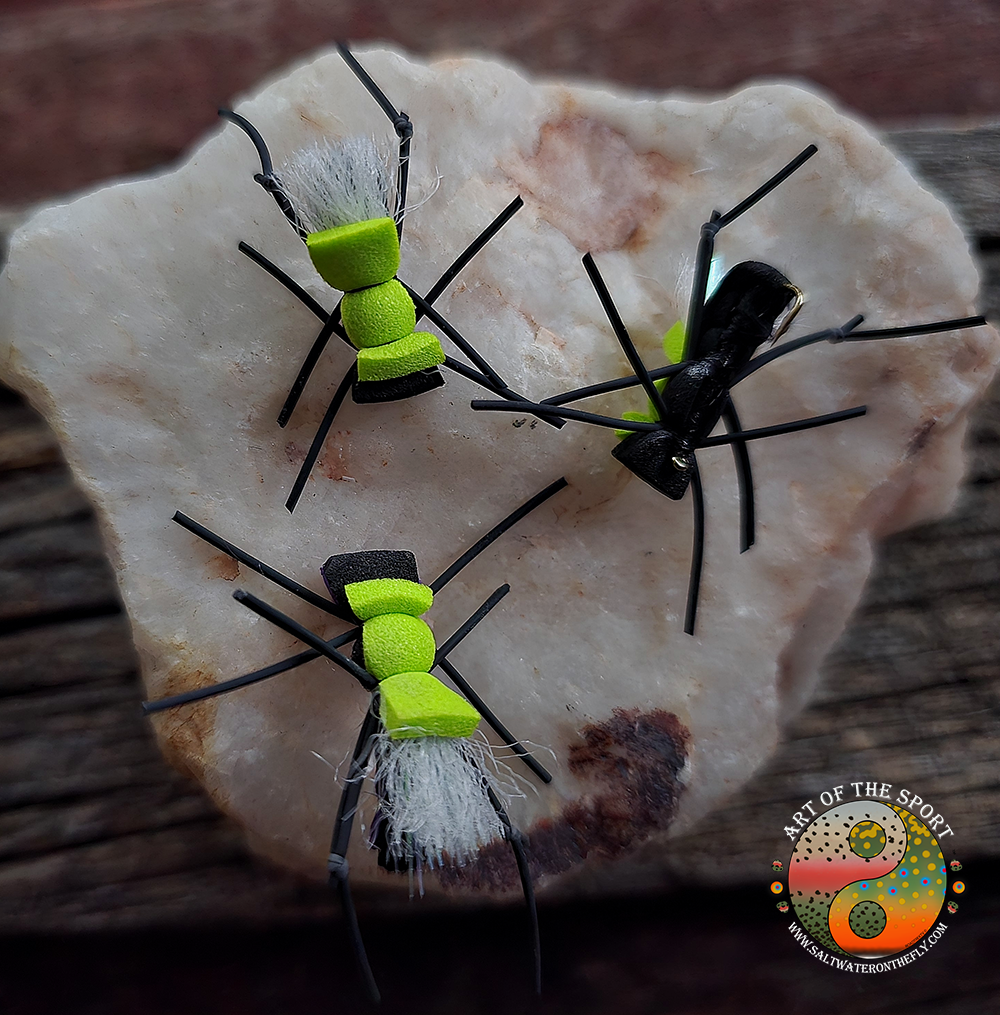
Grasshopper (#10-12, Tan): From July to September, hoppers are the Owyhee’s cheat code. A Fat Albert or Chubby Chernobyl with a #20 Zebra Midge dropper is deadly. Slap that hopper down in riffles or near grassy banks and brace for impact—browns hit these like a linebacker.
-
Zebra Midge (#18-22, Black or Red): Midges are a year-round staple. Nymph ‘em under an indicator in deeper pools or as a dropper under a dry. Keep your drifts smooth, or the trout will give you the cold shoulder.
-
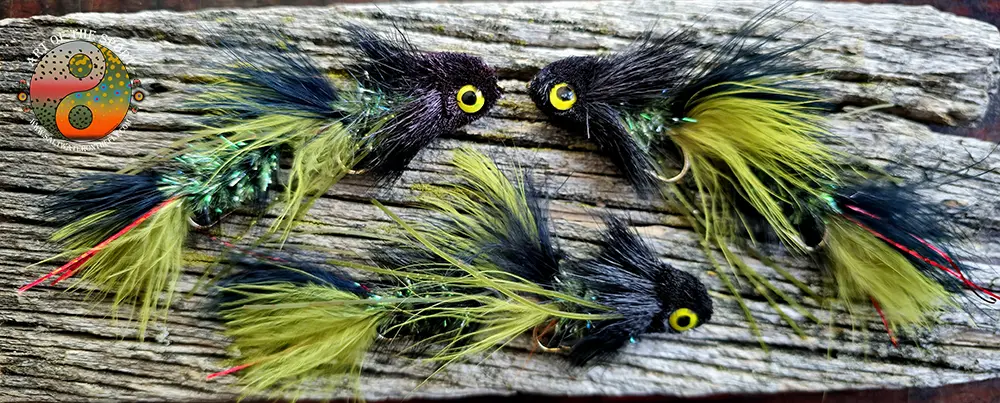
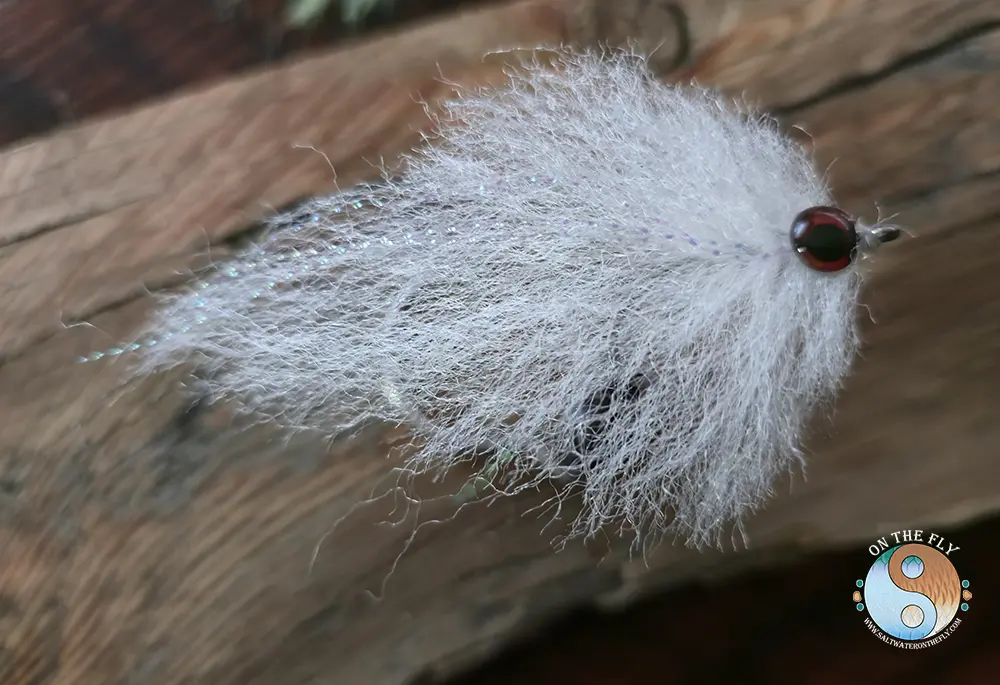
Streamers (Sculpin, Leech, #4-8): For big browns, swing a weighted sculpin or leech pattern in low-light conditions (dawn or dusk). Use a 4X leader and strip it through pools or riffles. Be ready for a fight—these fish don’t mess around.
-
Rainbow Trout: The Feisty Footballs
-
What’s the Deal?: Rainbows in the Owyhee are nicknamed “football rainbows” for their chunky, hard-fighting build. They’re less common than browns but still plentiful, especially near the dam. Some are wild, some are stocked, but all are a blast to catch.
-
Where to Find ‘Em: Look for rainbows in faster water—riffles and runs near the dam. They’re not as picky as browns, but they’ll still test your presentation skills.
-
Flies and How to Use ‘Em:
-
Parachute Adams (#14-16): A classic attractor pattern that rainbows can’t resist. Fish it dry with a 5X leader in riffles or pocket water. Twitch it slightly for extra sass.
-
Pheasant Tail Nymph (#16-20): A go-to for subsurface action. Rig it under an indicator or as a dropper in runs. Keep your drifts natural, and don’t be afraid to add a split shot for deeper water.
-
Caddis Pupa (#16-18): Fish these in the afternoon when caddis are popping. A 6X tippet and a swing through riffles will get you into fish.
-
Hopper/Dropper Setup: Same as for browns—use a Fat Albert with a Zebra Midge or Pheasant Tail dropper. Rainbows love the hopper’s splashy entrance.
-
Redband Trout: The Desert Survivors
-
What’s the Deal?: Native to the upper Owyhee in Idaho’s wilderness area, redbands are smaller but scrappy. They’re a Species of Concern, so handle with care and practice catch-and-release. They love shady pools and woody debris.
-
Where to Find ‘Em: Head to the upper Owyhee River or tributaries like Battle Creek or Deep Creek. These areas are remote, so pack for a backcountry adventure.
-
Flies and How to Use ‘Em:
-
Parachute Adams (#14): Redbands are suckers for this dry fly. Fish it in pocket water or shady pools with a 5X leader. Keep your casts short and precise—these fish spook easily.
-
Terrestrials (#12-16, Beetles/Ants): Ants and beetles are redband candy in summer. Fish them dry near overhanging vegetation. A gentle plop and a slow drift will do the trick.
-
Pheasant Tail Nymph (#16-18): Nymph these in slower water under an indicator. Redbands aren’t as fussy, so a slightly less-than-perfect drift still gets bites.
-
How to Fish the Owyhee: Tips, Tricks, and a Few Laughs
The Owyhee’s trout are smart, so you’ll need to channel your inner fly fishing ninja. Here’s how to fish each technique like you’ve been doing it since you were in diapers:
-
Dry Fly Fishing: This is the Owyhee’s bread and butter. The slow, clear water demands a drag-free drift, so practice your reach casts and mend like your life depends on it. Use a 9- to 12-foot leader with 5X or 6X tippet for dries. Early morning and late afternoon are prime time—midday is for napping or dodging rattlesnakes. If a fish refuses your fly three times, switch to a smaller pattern or add a dropper.
-
Nymphing: When the hatch isn’t popping, go subsurface. Use a 7.5-foot 3X or 4X leader for nymphs, and add a split shot if you’re not ticking the bottom. Indicator nymphing works great in deeper pools, but keep your drifts smooth—trout here have PhDs in spotting fake bugs.
-
Streamers: For trophy browns, swing streamers in low light. A 4X leader and a slow strip through pools or riffles will tempt the big boys. Be ready for a heart-stopping strike—it’s like hooking a small shark.
-
Hopper/Dropper: This is the Owyhee’s secret weapon in summer. Tie a hopper or Chubby Chernobyl to a 4X leader, then drop a #18-22 nymph 12-18 inches below. Cast to riffles or grassy banks, and don’t be surprised if a brown trout tries to eat your rod tip.
Gear-wise, a 9-foot 4- to 6-weight rod with a weight-forward floating line is perfect. Bring extra tippet (5X and 6X), nippers, forceps, and a net—those big browns don’t land themselves. Wading boots with studs are a must for slippery rocks, and clean ‘em thoroughly to avoid spreading invasive species.
A 3-Day Itinerary: Fish, Camp, Repeat
Day 1: Settle In and Slay the Evening Hatch
-
Morning: Drive in from Boise or Nampa, aiming to arrive by noon. Set up camp at a BLM site along Owyhee Lake Road or Owyhee State Park. Check flows (call a Boise fly shop like Idaho Angler at 208-389-9957 for the latest intel).
-
Afternoon: Scout the river along the 10-mile tailwater section. Look for riffles and runs near the dam. Rig up a Skwala dry or BWO with a 6X tippet and practice your drag-free drift.
-
Evening: Fish the caddis hatch at dusk. An Elk Hair Caddis or X-Caddis will get you into fish. Watch for rising trout and cast just upstream—patience is key. Afterward, soak in Snively Hot Springs (if you’re near it) and keep an eye out for snakes. Crash under the stars with dreams of lunker browns.
Day 2: Full-On Fishing Frenzy
-
Morning: Hit the river at dawn for the BWO or midge hatch. Use a #18-20 Parachute BWO or Zebra Midge under an indicator. Target riffles and pool heads where browns and rainbows lurk.
-
Afternoon: Switch to a hopper/dropper setup as the sun climbs. A Fat Albert with a Pheasant Tail or Zebra Midge dropper is a killer combo. Work grassy banks and riffles, and don’t be afraid to move spots if the fish aren’t biting—20 minutes without action means it’s time to relocate.
-
Evening: Swing a sculpin streamer through deeper pools for a shot at a trophy brown. Use a 4X leader and strip slowly. Back at camp, swap stories over a campfire and maybe crack open a cold one (just don’t tell the bald eagles).
Day 3: Last Casts and Epic Memories
-
Morning: Chase the morning hatch with BWOs or midges. Focus on runs and riffles near your camp. If you’re feeling adventurous, hike to a less-pressured spot upstream. A Parachute Adams or caddis dry will keep you busy.
-
Afternoon: Try a streamer or hopper/dropper one last time for a big brown. If you’re in the upper Owyhee, target redbands with a #14 Parachute Adams in shady pools. Pack up by early afternoon to beat the heat.
-
Evening: Head back to Boise or Nampa, stopping at a fly shop to brag about your catches and restock flies. Plan your next trip—because once you fish the Owyhee, you’re hooked for life
Pro Tips and Parting Chuckles
-
Avoid Spawning Season: Skip October and November to let brown trout do their thing. Nobody wants to be the jerk who messes with a trout’s love life.
-
Check Conditions: Call Boise fly shops or check Owyhee Water Flow before you go. High flows can make wading tricky, and low flows mean stealth is key.
-
Guides Are Worth It: If you’re new to the Owyhee, book a guide through outfits like Boise River Guides or Owyhee Fly Fisher. They’ll show you the ropes and maybe even pack a gourmet lunch.
-
Leave No Trace: Pack out all trash, and don’t be that guy who leaves beer cans for the eagles to judge. Keep the Owyhee pristine for the next angler.
-
Have Fun: Fly fishing’s supposed to be a blast, so don’t take it too seriously. If a trout outsmarts you, tip your hat and try again. They’re just fish, not rocket scientists (though they might have a PhD in snubbing your flies).
Wrapping It Up: The Owyhee Awaits
The Owyhee River is more than just a fishing spot—it’s a wild, beautiful escape where you can tangle with trophy trout, camp under a star-filled sky, and maybe even outsmart a rattlesnake or two. With its epic hatches, monster browns, and remote desert vibes, a 3-day trip here is the stuff of fly fishing legends. So pack your gear, tie on a Skwala, and get ready to make memories that’ll have you grinning like a kid with a new rod. Just don’t forget the sunscreen—and maybe a backup pair of nippers, because the Owyhee’s got a way of eating those like candy.
Happy fishing, and may your drifts be drag-free and your trout be massive!