Guide to Fly Fishing the Trinity River California
Picture this: crystal-clear water rushing through the wilderness of Northern California, rainbow trout rising to your fly, and steelhead making heart-stopping runs that test every bit of your gear. Fly fishing the Trinity River in California delivers all this and more to anglers willing to make the trip. The river carves through some of the most stunning country you will find anywhere, offering both solitude and seriously productive water.
This destination is far from average. Since 1981, this waterway has held protected status as part of the National Wild and Scenic River system. That designation speaks volumes about the quality of the experience waiting for you.
Table of Contents
Reason the Trinity River Stands Out for Fly Fishing
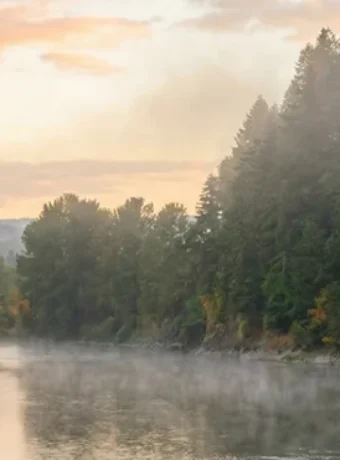
The Trinity River flows for over 165 miles through the rugged Shasta-Trinity National Forest. Cold, clean water fed by mountain snowmelt creates perfect conditions for trout and steelhead generally. The backdrop consists of sweeping evergreen forests and dramatic rocky canyons.
What sets this place apart is the diversity. You can target different species depending on when you visit, ranging from resident brown trout to massive anadromous fish. The Trinity River area offers a long season that keeps rods bent nearly year-round.
Summer brings consistent dry fly action for resident rainbows in the upper stretches. Fall ushers in the famous runs that draw anglers from across the country. Ongoing restoration efforts have helped maintain the habitat, allowing wild stocks to persist alongside hatchery fish.
Best Times to Fish the Trinity River
Timing your trip right makes a huge difference in your success rate. Each season brings specific advantages and challenges to fly fishing the Trinity River in California.
Spring Season
Late March through May sees the river come alive after winter. Flows start dropping to more manageable levels, and trout become increasingly active as water temperatures rise. This is a great time to avoid the crowds often seen in the fall.
Caddis and mayfly hatches pick up steam as the days get longer. You will find fish rising with increasing frequency, especially during the warmer parts of the day. Nymphing produces consistently, and dry fly opportunities improve as the season progresses.
Summer Fishing
June through August offers the most accessible conditions for wading. Lower water levels make it easier to reach spots that might be impossible during higher flows. Summer-run steelhead begin to show up during this time, offering a distinct challenge.
Golden stonefly hatches in June and July bring big fish to the surface. These are some of the most exciting dry fly opportunities of the year. While the midday heat can be intense, mornings and evenings provide excellent river fishing.
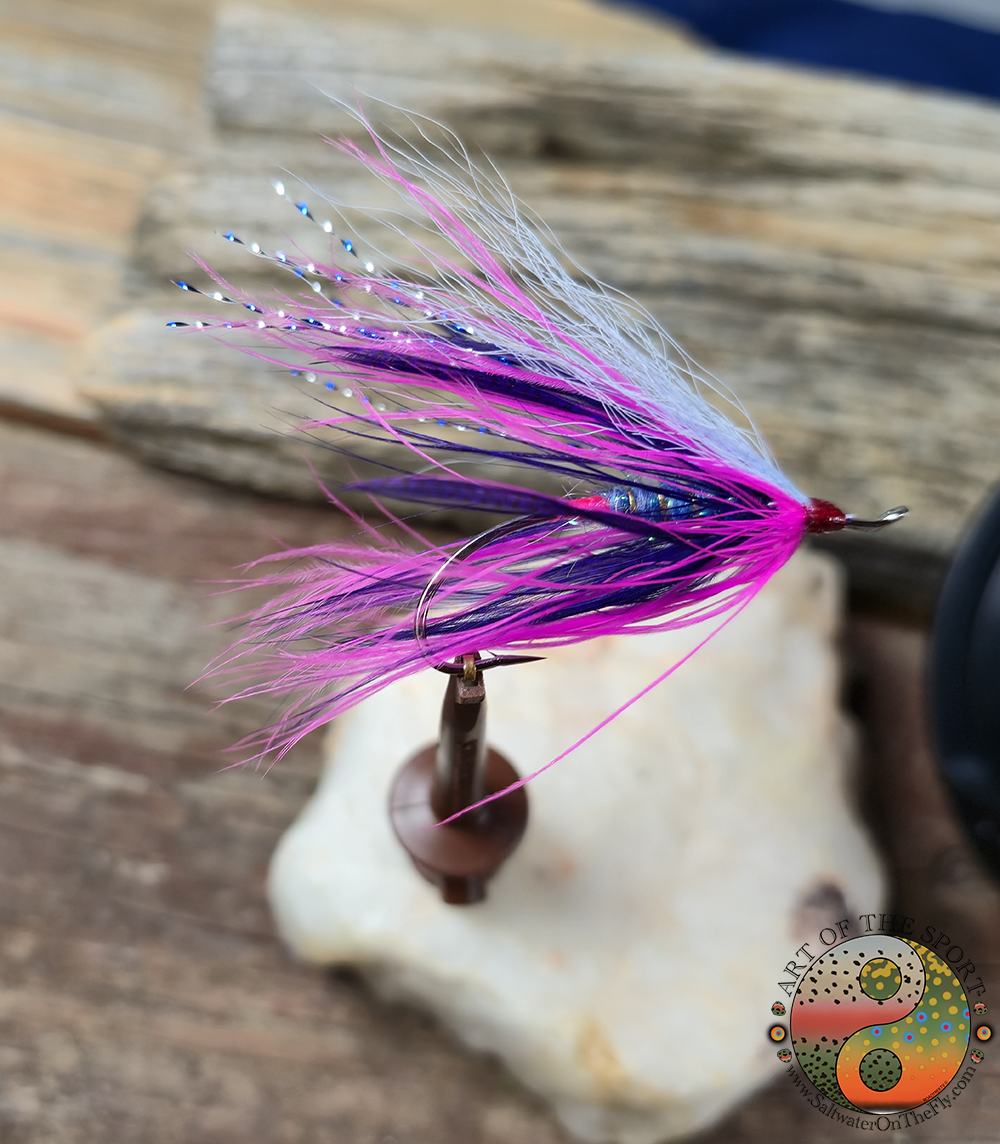
Fall Steelhead Run
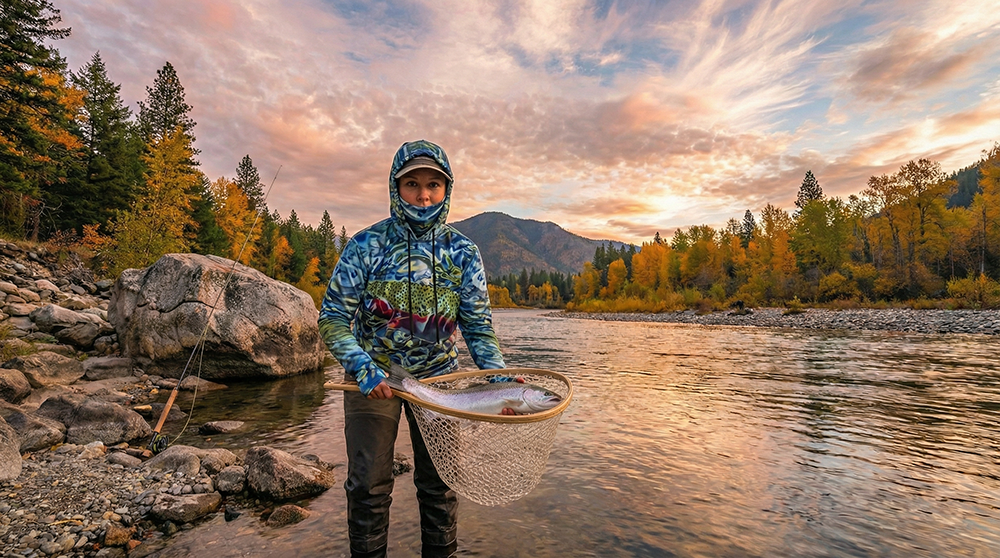
September through November transforms the valley into a premier steelhead destination. Fresh fish push up from the ocean, bringing raw power and explosive strikes. This is often considered the peak time for the fall season.
Early fall offers the best combination of pleasant weather and fish numbers. October typically sees peak returns, according to reports from Confluence Outfitters regarding the main migration. These fish are aggressive and will test your gear.
Winter Opportunities
December through February keeps dedicated steelhead anglers coming back. The winter steelhead season is for those who do not mind the cold. Fish remain in the system, though fishing pressure drops off significantly compared to October.
Cold weather and occasional rain keep the casual crowds away. You might have entire river stretches to yourself on weekdays. Winter steelhead are often larger and brighter than their summer counterparts.
Dress appropriately and focus on slower, deeper water where fish hold during winter. Swinging flies through classic steelhead runs produces consistent action for those willing to brave the elements.
Essential Gear for Trinity River Fly Fishing
Having the right setup makes a massive difference in your day. The Trinity demands specific gear depending on what you are targeting and the current water conditions.
For resident trout, a 5-weight rod works perfectly. Match it with a floating line and a 9-foot leader tapered to 4X or 5X. This setup handles dry flies and light nymph rigs with ease.
Steelhead fly fishing requires more muscle. Step up to an 7 or 8-weight rod with a good reel that holds plenty of backing. You need the power to turn a fish that decides to run back to the ocean.
Your fly selection should cover both nymphs and dry flies. Stonefly nymphs, caddis larvae, and mayfly patterns all produce well. For dries, keep elk hair caddis, stimulators, and mayfly comparaduns in various sizes.
Steelhead flies are different beasts altogether. Stock up on intruder patterns, egg-sucking leeches, and classic steelhead wets in sizes 2 through 6. Egg patterns are particularly effective when salmon are spawning in the system.
Wading gear is non-negotiable. The rocky bottom and strong currents demand felt-soled or studded boots. Chest waders give you the most flexibility to reach productive fishing water.
Don’t forget polarized sunglasses. They are critical for spotting fish and reading water structure in the clear flows. If you are looking to upgrade your setup, check out this comprehensive gear guide that covers everything from rods to accessories
Top Stretches of the Trinity to Fish
The river offers many river miles of fishable water. Knowing where to focus your efforts saves time and increases your success. The character of the water changes significantly as you move from the Lewiston Dam downstream.
Lewiston Section
Below Lewiston Dam, the river runs cold and clear year-round. This tailwater section offers some of the most consistent fishing on the entire system. It is famous for its “fly fishing only” section immediately below the dam.
Trout thrive in the stable flows and temperatures provided by the Lewiston dams. You will find rainbows and browns cruising the runs and rising to hatches. The town Lewiston is right nearby, making access incredibly convenient.
Junction City Area
This section consistently produces quality fish and is a favorite for drift boat access. Easy public access points and productive runs make it popular. You will find everything from fast riffles to deep pools here.
Junction City works well for both trout and steelhead. The variety of water types holds fish in all conditions. It is a central hub for the Trinity River area.
Douglas City Stretch
Douglas City shines during steelhead season. Classic runs and perfect holding water attract fish as they push upstream from the Klamath River. The river widens here, offering plenty of room to cast.
The water spreads out, creating numerous channels and braids. Fish these side channels carefully, as steelhead often rest in them. Local guides from NorCal Fishing Guides know this water intimately and can help you navigate the braided sections.
The North Fork Trinity River
The North Fork Trinity River offers a different experience than the main stem. The North Fork is a tributary that enters near Helena and provides colder water during summer. This section is known for its wild trout and rugged beauty.
Fishing the Fork Trinity River requires more hiking and rock hopping. The North Fork Trinity is not influenced by the dam, so it flows naturally. It is a gem for those willing to explore.
Techniques That Work on the Trinity
Success on this river comes down to presentation and reading water correctly. The techniques that work here apply across many rivers national forest lands. You must adapt to whether you are targeting resident trout or migratory fish.
Nymphing Tactics
Dead drifting nymphs accounts for more fish than any other method. Use a strike indicator and split shot to get your flies down to the zone. This is often the most productive way to catch numbers of fish.
Focus on the seams between fast and slow water. That is where trout position themselves to grab drifting food. Adjust your depth until you find where fish are holding.
Dry Fly Fishing
When bugs are hatching, nothing beats watching a trout sip your dry fly. The Trinity offers excellent surface action during warmer months. Late afternoons can provide magical moments.
Match your fly size and color to what is coming off the water. Fish can be selective when naturals are abundant. Present your fly drag-free and mend your line as needed.
Swinging for Steelhead
Swinging flies remains a classic and deadly technique on the Trinity. Cast across and downstream, letting your fly swing through the run under tension. The strikes are often aggressive and violent.
Take a step downstream after each cast, covering all the water systematically. Steelhead generally grab right at the end of the swing or on the “hang down.” It is a methodical and relaxing way to fish.
Hiring a Fishing Guide vs. Going Solo
This decision depends on your experience level and what you want from your trip. A professional guide service can make a significant difference, especially if you are short on time. They provide the boat, the gear, and the knowledge. Their expertise can turn a good trip into an unforgettable one. They will usually arrange a specific meeting location in the morning.
Going solo offers freedom and the satisfaction of figuring things out yourself. You will learn the water intimately and develop problem-solving skills. Drifting the river in your own pontoon or drift boat is a popular option for experienced rowers.
Check current conditions through a local fishing report before heading out. Knowledge is power when you are exploring new water.
Lodging: Where to Stay
You have options ranging from rustic cabins to comfortable hotels. Your choice depends on your budget and desired amenities. Many anglers prefer staying close to the water to maximize fishing time.
Indian Creek Lodge
Indian Creek Lodge offers full-service accommodations right on the river. It is located near the confluence of Indian Creek, a major tributary. The Creek Lodge provides a great atmosphere for anglers to swap stories at the end of the day.
Historic Options
The Old Lewiston Inn provides a historic setting with modern conveniences. Its proximity to the Lewiston Dam downstream section makes logistics easy. It sits right in the heart of the historic district.
Budget Friendly
For budget-conscious anglers, the Lewiston Valley Motel delivers clean rooms at reasonable rates. You are still close to the best fishing near the dam. There is also an RV park nearby for those traveling with campers.
Central Locations
The Weaverville Hotel works well if you want to explore multiple sections of the river. It is centrally located for accessing different areas. Weaverville also has more dining options than the smaller river towns.