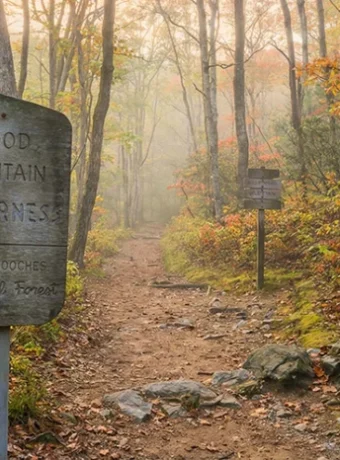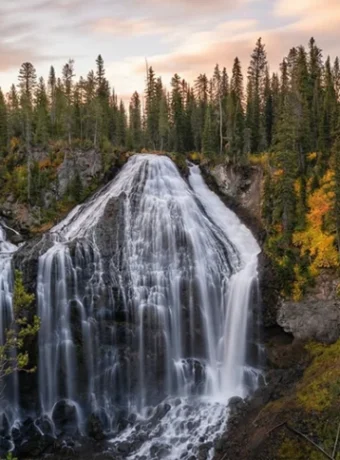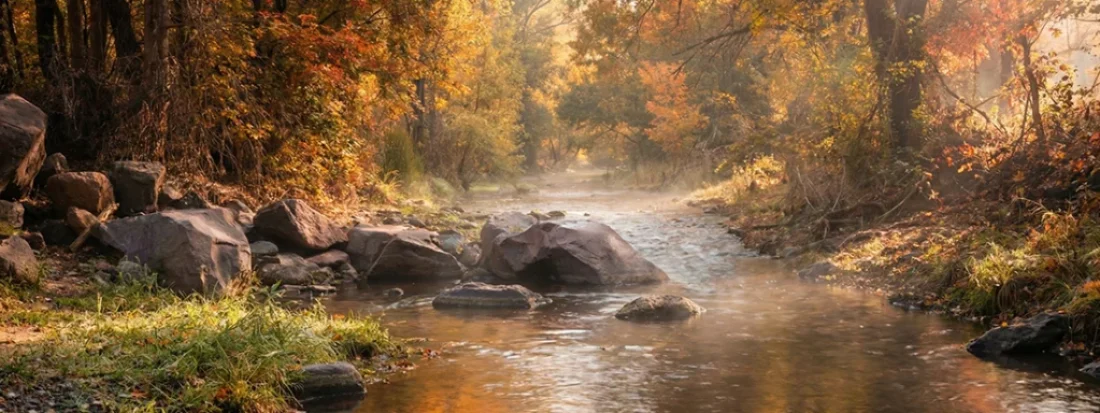
Explore Galiuro and Aravaipa Canyon Wilderness Arizona
Galiuro Wilderness and Aravaipa Canyon Wilderness Arizona are where you go when you are tired of polished overlooks and souvenir shops. These are the rough around the edges parts of Arizona, where trails vanish, maps lie, and silence actually hums. Galiuro Wilderness and Aravaipa Canyon Wilderness Arizona are made for people who want scratched shins, wet boots, and stories you cannot get from a tour bus.
If that sounds like your idea of a good time, you are in the right place. You will learn what makes each area different, how they connect, and how to hike them without wrecking yourself. We will discuss the history you are literally walking over in this native desert landscape.
You will also get straight talk about permits, seasons, and safety so your trip feels like an adventure and not an emergency. This guide covers the essential wilderness skills you need. We will explore the best ways to access this stunning part of southeast Arizona.
Table of Contents
Reason These Two Wilderness Areas Are Arizona’s Backcountry Heavyweights
Most people have never even heard of Galiuro Wilderness. It sits out in southeastern Arizona as part of the sky islands, about midway between Tucson and Safford Arizona. The mountains rise steep from the desert and hide deep canyons, oak and pine forest, and some very lonely old ranches and mines.
Aravaipa Canyon Wilderness cuts through the northern edge of those same mountains. Congress set it aside as a protected area in 1984, and it covers about 19,410 acres of tight canyon and desert slopes. You can see the exact boundaries on this detailed map of the Aravaipa Canyon Wilderness, which gives a good sense of how the creek slices through the land.
That creek is the whole show in Aravaipa. It runs year round through the main canyon, which is rare in Arizona desert environments. According to the official Aravaipa Canyon Wilderness breakdown of 19,410 acres, much of that acreage hugs a thin riparian corridor lined with cottonwoods and willows.
Above it, dry canyon walls rise like a fortress. Down in the water, native fish, frogs, and a ridiculous number of birds treat it like prime real estate. The contrast between the lush creek bottom and the arid slopes is striking.
The best part for backpackers is how these two spots balance each other. Galiuro is dry, steep, and scratchy. Aravaipa is cool, green, and wet.
You can punish your legs on Galiuro ridges one day and then soothe your brain walking through Aravaipa’s laughing waters the next. It offers a complete package for those who visit Aravaipa Canyon.
The Wild History: Ranchers, Massacres, And Too Many Cows
If you only come for views, you are missing half the story. These canyons hold more drama than most documentaries. The land management history here is complex and fascinating.
Let us start with Aravaipa. The name comes from Indigenous languages, and a widely shared meaning is laughing waters. A writer in the New York Times talked about this origin back in 1982 in an essay on the canyon’s water and its meaning to desert travelers.
You can still read that piece in the New York Times article on the land of laughing waters, which is a good pre trip read if you like a little philosophy with your gear list. It helps frame the mindset required for this primitive area.
Before the current boundaries, this area supported farms, orchards, and ranches. By the early 1900s, the canyon was getting chewed up. One local account described the heavy damage from more than 50,000 cattle crowding the area.
It is wild to picture that many hooves in a place that now feels so fragile and quiet. Today, careful wildlife conservation efforts help the land recover. The scars of the past are slowly fading under the growth of native grasses.
Galiuro’s past is rough in a different way. The mountains sheltered Apache bands, prospectors, and families who wanted distance from everyone else. The most famous story is the Power family, who built a homestead in Rattlesnake Canyon.
A draft raid during World War One led to a shootout at their cabin and the death of three lawmen. That event is still talked about as one of the worst gunfights in Arizona history. You can still feel the weight of that history in the silence of the woods.
Hiking past ruins and old cabin sites today, it hits you that these are not museum sets. People raised kids here, hunted, fought, and argued with the same sun and wind you are dealing with. Nature erased a lot of their traces with fire, erosion, and simple time.
Ecology, Wildlife, And Why This Place Matters For More Than Photos
If you care about conservation or you just like seeing wild animals on trail, both Galiuro and Aravaipa will hook you. They sit inside what Arizona biologists call conservation opportunity areas. These are places where protecting water, habitat, and corridors can make a big difference for a wide mix of species.
The Arizona Game and Fish Department keeps track of conservation highlights statewide, and their planning documents point out just how important riparian areas are in a dry state. Perennial creeks like Aravaipa act like magnets for wildlife. This is especially true for sensitive amphibians and fish that cannot handle dry stretches.
The creek flows sustain rare species that are federally listed. Two of the most notable are the loach minnow and the spike dace. These small native fish rely on the consistent Aravaipa Creek flows to survive in an otherwise arid region.
The agency also maintains lists of amphibians, fish, bird species, mammals, reptiles, and invertebrates that are considered Species of Greatest Conservation Need. Many of those rely on mountain sky islands and canyon streams that look a lot like what you walk through in Galiuro and Aravaipa. The variety of life here is staggering compared to the surrounding flats.
If you are the type who likes to read the big picture before a trip, their long range wildlife plan lays it out clearly. You can skim the statewide strategy by grabbing the Arizona Wildlife Conservation Strategy and download the report PDF. It gives context on how corridors, fire patterns, and recreation all fit together in Arizona’s backcountry.
What does this mean for you in the canyon wilderness? Watch where you step in pools, do not camp right on the water’s edge, and treat these creeks as lifelines. The coatis, desert bighorn sheep, songbirds, and native fish using them need them a lot more than we do.
Non-native species are also a concern here. Managers work hard to keep invasive plants and animals from taking over these delicate riparian habitats. Your attention to leave-no-trace principles helps this effort.
Galiuro Wilderness: The Brutal Beauty You Have To Earn
Now let us talk actual boots on dirt. Galiuro Wilderness sits within Coronado National Forest. You reach it from rough dirt roads that get worse with storms, and the fun starts long before the trailhead.
The area has more than one hundred miles of legacy trails, many laid down by ranchers and miners. Do not expect groomed tread or clear signs. You need to be comfortable reading a topo map and backing it up with a GPS track.
Top Routes To Consider In Galiuro
These paths fade in and out under grass and brush. Having a reliable navigation method is critical for safety.
| Route | Distance | Highlights |
|---|---|---|
| Powers Garden from Deer Creek | 12 to 16 miles round trip | Historic ranch, spring, cabin sites |
| Powers Garden loop with East Divide | 20 to 25 miles | Big views, history, full body workout |
| Bassett Peak summit | 10 to 14 miles | Highest point, sky island forest |
| Turkey Creek approach | Varies by route | Solitude, dense vegetation, creek crossings |
The classic backpack is a loop from the Deer Creek area. You work your way up canyons and ridges to Powers Garden, a surprisingly green basin with springs and old rock walls. Many hikers add the short side trip to the old Power Cabin site.
If you want more elevation gain, tack on the East Divide Trail and climb up near Bassett Peak. The summit itself offers sweeping views over the San Pedro Valley, Mount Graham, and desert plains stretching to the horizon. It is the kind of place that makes the scratches from catclaw thorns feel like a fair price.
Water, Navigation, And Safety In Galiuro
Water is your main constraint here. Springs exist in canyons and near Powers Garden, but they can run low late in a dry year. A filter is a given, and many experienced hikers carry extra capacity.
Stashing water along access roads before a long loop is a smart move. Trail signs are minimal and old. Many intersections look like a cow path maze.
Download satellite layers and keep paper maps handy as a backup. Using tools like Google Earth before you go can help you visualize the ridges. This is not the place to rely only on an app with a half charged phone.
Season wise, fall and early spring are ideal. Summer can turn slopes into an oven. Winter storms can drop snow near Bassett Peak, which is pretty but brings cold nights and ice on shaded north aspects.
Aravaipa Canyon Wilderness: Wet Feet And Green Walls
Aravaipa is the flip side of Galiuro. Here the challenge is not route finding on ridges, but following a creek runs that almost never give you dry shoes. You will be in the water constantly.
From either the west trailhead or east trailhead, the route is simple. You step into the water and follow the canyon for about 10 to 12 miles. High cliffs press in from both sides, creating a stunning visual corridor.
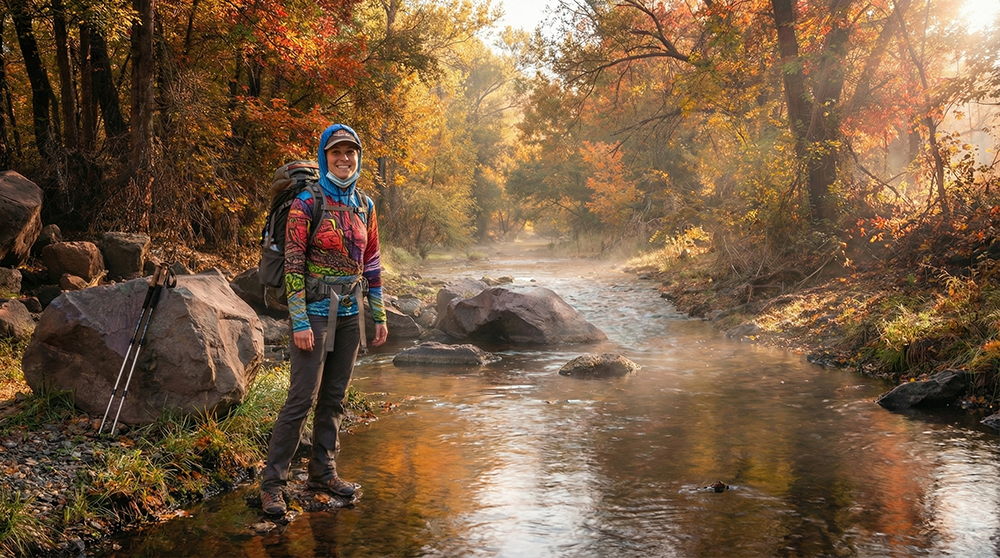
There is no official trail on land, so your track is whatever mix of sandbars, game paths, and riverbed feels easiest. Hiking poles are highly recommended here. They help you gauge depth and keep your balance on slippery rocks.
The constant water, tall trees, and cool air can feel almost shocking if you came straight from the Sonoran desert outside Phoenix or Tucson. Birds chatter in the canopy, dragonflies skim the surface, and bighorn sheep sometimes stare down at you from slopes above. It feels more like a secret garden than the dry Arizona many people expect.
Permits And Daily Limits
The reason Aravaipa still feels this wild is strict control on use. Only a limited number of people can enter each day, split between the two ends of the canyon. You get those spots by booking in advance on the usual federal reservation system for wilderness permits.
Agencies track use and funding at a big picture level through budget and performance reports and yearly agency financial reports. You never see those numbers on the trail, but they help explain why permits and caps are now standard in high value riparian areas. There is simply more pressure on fewer quiet places.
If you like following the policy side of land management, the Bureau of Land Management shares contacts, mapping tools, and forms through its online services section. That is also where you can find their geospatial tools and state level offices for planning bigger road trips across Arizona and beyond. The Safford Field Office is the specific entity managing this land.
Trail Conditions, Water Level, And Flash Flood Risk
Conditions in Aravaipa change with seasons and storms. In late spring and fall, water levels often hover around ankle to knee deep in most stretches. Muddy hiking is a guarantee, so accept it early.
In winter, flows can feel colder but still very manageable, if you bring warm layers for breaks. However, monsoon season in late summer is the dangerous time. Thunderstorms miles east can send a surge through the canyon without warning.
Sandbars vanish, and the current can pick up fast around bends. This is where good judgment matters more than gear. Always watch weather days before your trip, not just on the morning you drive out.
If storms are in the forecast over the wider watershed, shift plans. There is no safe place to be in a slot section during a flash flood. You do not want to try racing a wall of water down a narrow canyon.
Planning Your Trip To Galiuro Wilderness And Aravaipa Canyon Wilderness Arizona
You could hit these two as separate trips. But the best experience is to connect them into a single backcountry hit list over four to seven days. You get contrast, challenge, and enough variety to stay stoked the whole time.
Sample Long Weekend Itinerary
-
Day one. Drive to the Deer Creek area on the east side of Galiuro. Backpack to Powers Garden, set up camp near the old ranch site, and wander around ruins before sunset.
-
Day two. Pack light and tag Bassett Peak from camp, or explore higher parts of the East Divide. Return to camp or move to a ridge camp for star watching.
-
Day three. Hike out, then drive around to the Aravaipa west trailhead. Camp outside the wilderness boundary or stay nearby, since entry is date specific on your permit.
-
Day four. Do a long out and back into Aravaipa, reaching Horse Camp or beyond before turning around. Drive home wet, tired, and very happy with your life choices.
If you have more time and strong legs, you can turn Aravaipa into an overnight traverse between west and east entries. You will need a shuttle or two vehicles. The drive around between trailheads runs many miles on slow desert roads.
Gear Tips For This Specific Combo
-
Footwear. Bring sturdy trail runners or boots for Galiuro, plus separate mesh water shoes or older runners for Aravaipa. Trying to do both in one pair is a good way to wreck them.
-
Packs. Aim light for Galiuro. Long climbs and brush make every extra pound hurt. For Aravaipa, a smaller pack that handles getting wet is ideal if you only go in for a day.
-
Clothing. Long pants or gaiters are your friends in Galiuro to block catclaw and prickly things. Quick drying shorts or leggings work better for Aravaipa where your lower half stays wet.
-
Safety. A small first aid kit, map and compass, and satellite communicator make sense in both places. Cell service is spotty at best in canyons and deep drainages.
Land Management, Tribes, And Doing Right By The Place
Galiuro and Aravaipa are not theme parks. They are pieces of public lands with layers of meaning, history, and living cultures connected to them. We must respect the natural resources present here.
Aravaipa and the surrounding valleys intersect with the homelands and histories of several tribes. Modern federal policy requires direct government to government tribal consultation on decisions that could affect cultural sites or traditional use. It is one more reason you will see certain places closed or treated with extra care on maps.
The same agencies that handle recreation also juggle contracting, grants, and compliance through offices that may sound boring at first glance. But pages like the BLM’s financial assistance and grants or their Office of Civil Rights show another side of how access and protection stay balanced. Equal access, fair treatment, and community involvement are part of what keeps wild places available to everyone.
In addition to federal land, The Nature Conservancy manages the Aravaipa Canyon Preserve. This area of private land protects key sections of the creek and works in conjunction with public agencies. It is a vital buffer that helps maintain the health of the creek.
If you ever see suspicious damage, poaching, or serious abuse of wildlife in Arizona, you can also contact programs such as Operation Game Thief. Silent tips have helped catch people who thought rules did not apply once they left the pavement. Arizona Game laws are strictly enforced here.
Important FAQs for Aravaipa and Galiuro Visitors
Do I need a special vehicle to reach the trailheads?
Yes, high-clearance vehicles are strongly recommended for the roads leading to both wilderness areas. The Aravaipa Road and the tracks leading to Galiuro can be rough, sandy, or washed out. A standard sedan might not make it, especially to the east trailhead or Turkey Creek.
Is Aravaipa Canyon Arizona considered public land?
The canyon wilderness itself is on public land managed by the BLM Safford Field Office. However, the Aravaipa Canyon Preserve is private land owned by The Nature Conservancy. You must respect private property rights and stick to the allowed corridors when passing through preserve lands.
Where can I find a map?
You should purchase a physical topographic map for navigation. However, for planning, looking at the canyon on Google Earth is very helpful to understand the terrain. Maps can also be obtained from the Safford Field Office.
What is the privacy policy when booking permits?
When you book through Recreation.gov, you are subject to their standard privacy policy. They collect your data to manage the quota system. This ensures that the primitive area does not become overcrowded.
Can I see desert bighorn sheep?
Yes, Aravaipa is one of the best places in central south Arizona to see desert bighorn sheep. They often graze on the steep canyon walls. Bring binoculars for the best wildlife viewing experience.
Best Seasons And Who This Trip Is Really For
Timing is everything here. Get it wrong and you will swear off desert trips for a decade. Get it right and you will start planning your return while you are still driving home.
For most hikers, March through May and October through early December hit the sweet spot. Days are mild, nights are cool, and flowing water sources hold up better. Cottonwoods in Aravaipa light up in gold in late fall, which might be the single best time of year for photos.
Summer is rough. Galiuro bakes, and afternoon storms build toward August. Aravaipa can feel steamy and risky under heavy storm forecasts.
Winter brings cold stream crossings and possible snow higher up. However, hard core backpackers may enjoy the silence if they come well prepared. It creates a different kind of wilderness Aravaipa experience.
So who should put Galiuro Wilderness and Aravaipa Canyon Wilderness Arizona on their short list? Anyone who is already comfortable with navigation, desert survival basics, and moving for hours without markers every hundred yards. These areas reward experience, patience, and the kind of personality that laughs when trails fade into game paths.
Conclusion of Galiuro Wilderness and Aravaipa Canyon Wilderness
If you have made it this far, you already know Galiuro Wilderness and Aravaipa Canyon Wilderness Arizona are not easy wins. They are not for folks chasing quick selfies or trying to check every national park off a bucket list by car. They are for the ones who want their adventures with a side of grit, history, and maybe a little suffering that feels earned.
In Galiuro, you grind up lonely ridges, trace the lives of ranchers and outlaws, and drink from the same springs that kept those stories going. In the canyon wilderness Aravaipa, you trade dust for clear water and share a narrow corridor with herons. You learn what a real desert oasis feels like under your boots.
Put them together and you have one of the best backcountry pairings left in Arizona, hiding in plain sight between busier icons. The wilderness Aravaipa Canyon protects is a treasure that demands respect. Whether you visit Aravaipa or climb Bassett Peak, the land will leave a mark on you.
Pack smart, respect the land and its history, and give yourself time out there. These places do not hand out easy views, but they pay you back in silence, perspective, and the feeling that you earned every mile. The Galiuro mountain range and the deep Aravaipa cuts are waiting for those ready to meet them.