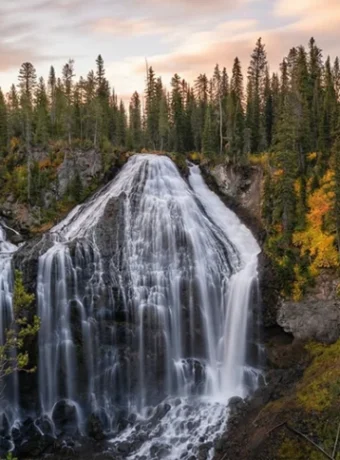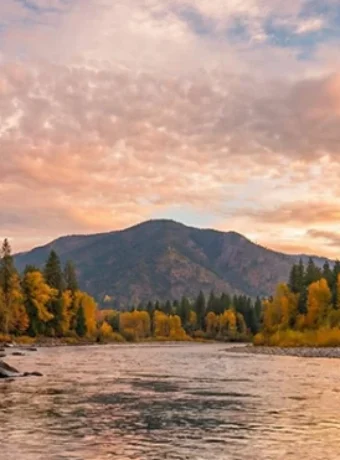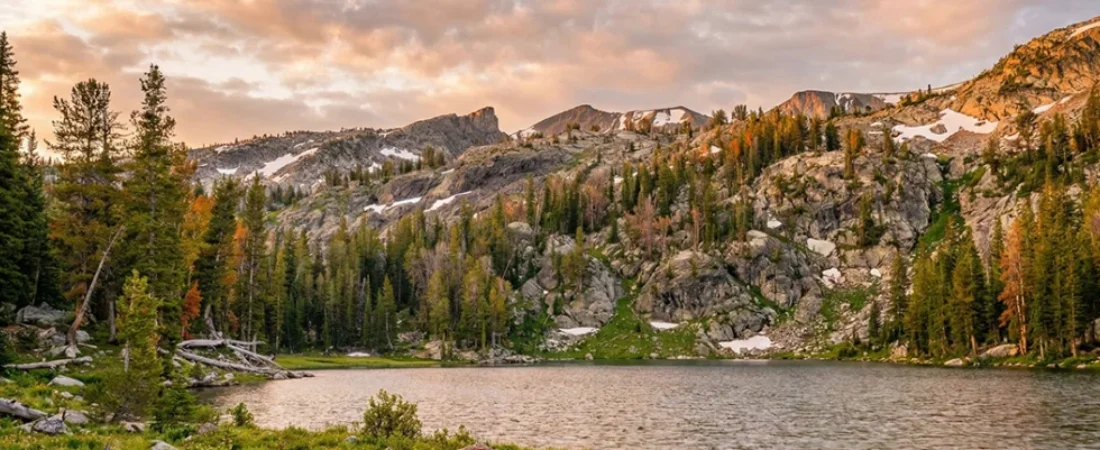
Gros Ventre Wilderness Wyoming
If you are tired of dodging selfie sticks at Grand Teton National Park, look east. The Gros Ventre Wilderness offers solitude where the only observer might be a grizzly bear wondering if you are edible. This 287,000-acre area sits within the Bridger-Teton National Forest, providing a rugged alternative to the busy trails of Jackson Hole. You will find fewer crowds, more moose attitude, and terrain that survived a massive mountain collapse.
The region is defined by its raw geology and deep history. It lacks the manicured feel of nearby parks, offering instead a challenge for those willing to work for their views. From the scars of the Gros Ventre Slide to the peaks of the Gros Ventre Mountain range, this place demands respect. If you want a wilderness experience that feels earned, this is where you pack your boots.
Table of Contents
History and Geologic Fury
Human presence in this region stretches back over 10,000 years. Native peoples, including the Gros Ventre (Atsina) tribe, hunted these valleys long before European maps existed. French fur trappers later arrived in the 1800s and applied the name “Gros Ventre” to the river and range. This term translates to “big belly” and was a misinterpretation of the sign language used by the Hidatsa and Atsina people.
Settlers eventually moved in, establishing homesteads like Grovont in the late 19th century. They envisioned a ranching paradise, but the harsh winters and difficult terrain had other plans. The defining moment for the local geology occurred on June 23, 1925. After weeks of rain and heavy snowmelt, a massive section of Sheep Mountain gave way.
This event, known as the Gros Ventre Slide, moved over 50 million cubic yards of rock into the valley. The debris dammed the river and formed Lower Slide Lake, which remains a prominent feature today. The natural dam held for two years before failing catastrophically in 1927. The resulting flood destroyed the town of Kelly, reminding everyone that nature dictates the terms here.
Terrain and Wildlife
The Gros Ventre Wilderness Area is part of the Greater Yellowstone Ecosystem, a critical zone for wildlife connectivity. Unlike the jagged granite of the Teton National range, this area features rounded limestone peaks and colorful badlands. You will see reds, purples, and yellows in the rock layers that date back to the Laramide orogeny.
Conservation efforts here focus on maintaining corridors for elk and moose migration. The Gros Ventre River drainage provides essential habitat for these large mammals, as well as for grizzly bears. This wilderness area acts as a buffer against development, keeping the ecosystem functional and wild. It is less trafficked than its neighbor, Grand Teton, but equally vital for biodiversity.
You must be aware that this is prime bear country. Grizzlies and black bears roam freely across the Gros Ventre Mountain slopes and valleys. Carrying bear spray is mandatory for your safety, not just a suggestion. The dense willows along the waterways are favorite spots for moose, so keep your eyes open.
Hiking the High Country
Trails in the Gros Ventre Wilderness will humble you quickly with their steep grades and lack of amenities. You will not find boardwalks or handrails here, only rugged paths that lead to incredible vistas. The Goodwin Lake Trail is a popular choice for a moderate day hike. It climbs through pine forests to a stunning alpine lake beneath Jackson Peak.
For those seeking a tougher challenge, the summit of Jackson Peak offers 360-degree views. You gain over 4,000 feet of elevation to see the Tetons and the sweeping Gros Ventre range. Another iconic route is the trail up Sheep Mountain, also known locally as the Sleeping Indian. This ridgeline hike is grueling but rewards you with one of the best perspectives in Wyoming.
If you prefer solitude, explore the trails around Shoal Creek or Brewster Lake. These areas see fewer boots and offer a quieter backcountry experience. The Granite Creek area provides early-season access when snow still chokes the higher passes. Always check conditions with the Bridger-Teton National Forest office before heading out.
Pro Tip: Start your hikes early to avoid afternoon thunderstorms, which are common in the summer. Lightning on exposed ridges like Sheep Mountain is a serious danger. Seems to be a theme in the Rocky Mountain High Country, 14er’s in Colorado were wild.
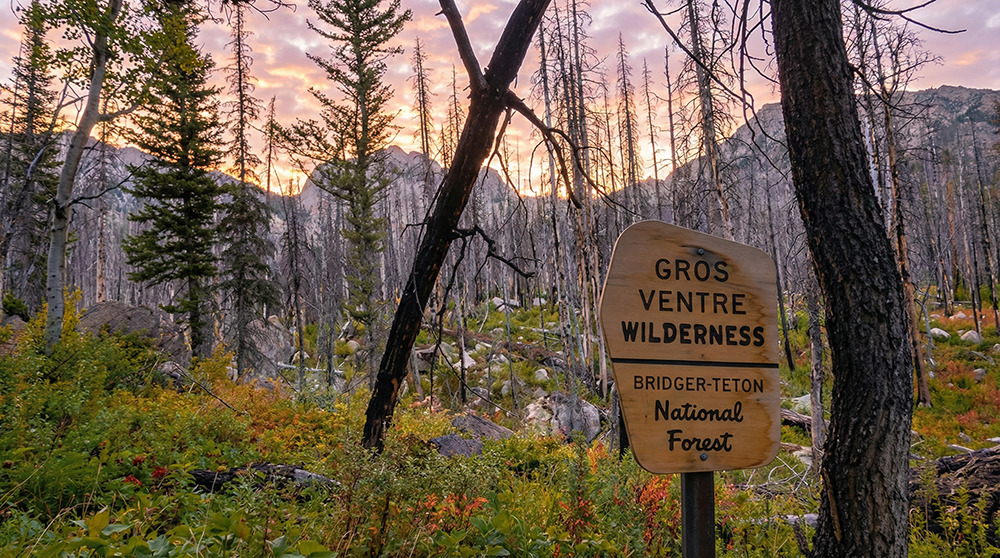
Camping and Access Logistics
Camping in the Ventre Wilderness is a dispersed, backcountry affair with no reservations required. You must camp at least 200 feet away from lakes and trails to protect the fragile environment. Leave No Trace principles are strictly enforced to keep the area pristine. Group sizes are typically limited to 15 people to minimize impact on the land.
For those who prefer a developed site, the Gros Ventre Campground lies just outside the wilderness boundary. It serves as a good base camp if you are not ready to backpack deep into the mountains. From there, you can access trailheads along the Gros Ventre Road. This road transitions from pavement to gravel and can be rough in spots.
Access points vary depending on your vehicle and destination. The road past Lower Slide Lake leads to several key trailheads but can get wash boarded. High-clearance vehicles are recommended for the deeper access points like Crystal Creek. You will not find vacation homes or luxury lodges once you cross the wilderness boundary.
Fishing the Wild Waters
The Gros Ventre River is a stronghold for the Snake River fine-spotted cutthroat trout. These native fish are known for their willingness to rise to dry flies during the summer months. Anglers can find success wading the river from the Crystal Creek confluence up to Upper Slide Lake. The water here is faster and more technical than the flat water of the valley floor.
Fly fishing in the Ventre Wilderness Area offers a chance to catch wild trout in a spectacular setting. Hopper and caddis patterns are effective from July through September. Tributaries like Shoal Creek offer small-stream action for those who enjoy technical casting in tight quarters. You will likely have the water to yourself, a rarity in modern Wyoming.
Slide Lake itself holds fish, though the shoreline access can be tricky due to steep banks. The lake’s history, formed by the Ventre Slide, adds a geological element to your fishing day. Always carry bear spray while fishing, as the noise of the water can mask your approach to wildlife. It is a wild place, and the trout are not the only locals.
Brewster Lake Guide: Gros Ventre Wilderness Hidden Gem for Backpacking, Views, and Cutthroat Fishing
Saltwater on the Fly—”Brewster Lake is one of those Gros Ventre Wilderness spots that delivers big on solitude, alpine scenery, and solid fly fishing without the Tetons-level crowds. This high-elevation tarn (around 9,500–9,800 ft) sits in a dramatic basin surrounded by jagged ridges, wildflower meadows, and the kind of quiet that makes you question why anyone fights for parking at Jenny Lake. It’s a prime backpacking destination, often combined with nearby Lunch Lake and Shoal Lake for loops, and it’s got native cutthroats that rise to dries like they’re on a schedule.”
Location & Overview Brewster Lake is in the southern Gros Ventre Wilderness (Bridger-Teton National Forest), part of the Shoal Creek drainage. It’s a classic alpine lake—clear, cold, fed by snowmelt and small streams—with stunning reflections of surrounding peaks (including parts of the Gros Ventre Range and distant Tetons on clear days). The area feels remote despite being “only” 10–15 miles from trailheads. Wildlife is abundant: moose in meadows, elk, black bears (grizzlies possible), bighorn sheep higher up. Mosquitoes peak July–early August; pack bug dope.
Best Ways to Reach Brewster Lake Multiple access points, but most hikers approach via southern or eastern trails for the classic loop or out-and-back. Expect strenuous hiking—big elevation gains, rocky sections, and potential late snow (check Bridger-Teton NF conditions; trails often clear mid-July).
- Shoal Creek / Swift Creek Loop (Most Popular & Scenic – 18–25+ miles)
- Trailhead: Swift Creek or Shoal Creek trailheads (off Highway 189/191 south of Jackson or Gros Ventre Road extensions—high-clearance vehicle recommended for rougher access roads).
- Route: Counterclockwise common—climb Swift Creek to Shoal Falls (impressive waterfall framed by forests/meadows), connect to Shoal Creek drainage, pass wildflower fields and jagged peaks, reach Brewster Lake via side trails or highline connectors. Loop back via Gros Ventre River drainage or Big Balls of Cowtown Trail (yes, real name—Wyoming trail naming at its finest).
- Mileage & Elevation: Full loop ~19–25 miles (some reports up to 37 miles for extended highline versions); 3,000–5,000+ ft gain total. Out-and-back to Brewster from Swift/Shoal ~15–20 miles RT.
- Time: 3–5 days for the loop (2–3 for focused out-and-back).
- Highlights: Shoal Falls (great lunch spot), multiple lakes (Lunch Lake nearby for extra camping/fishing), solitude even in peak summer.
- Dry Fork Trail to Brewster Lake (Direct Out-and-Back – Shorter Option)
- Trailhead: Dry Fork trailhead (near south end, updated access may shave distance; check recent maps).
- Route: Follow Dry Fork Trail #4098/98 uphill through forests and open areas to Brewster Lake basin.
- Mileage & Elevation: ~7–12 miles one-way (older reports ~11–12 miles; newer trailhead possibly ~7–10 miles), ~2,000–3,000 ft gain (steep pitches).
- Time: 2–4 days round-trip.
- Highlights: More direct to the lake; combines well with side trips to Lunch or Shoal Lakes.
Fishing at Brewster Lake
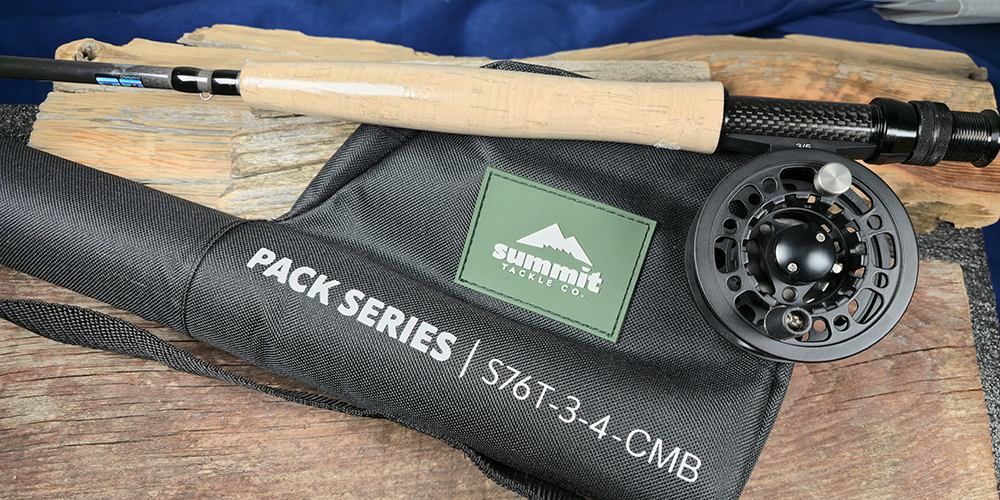
Native Snake River fine-spotted cutthroats (10–16″ common, occasional bigger) cruise the clear water. Shore fishing from rocky points, inlets, or outlets works best—pack a light 4–5 wt rod for the hike.
- Prime Tactics: Dry flies (elk hair caddis #12–16, PMDs, ants, hoppers) near shorelines/inlets during hatches (July–September best). Streamers (small woolies, sculpins) for deeper water or aggressive fish. Dry-dropper rigs shine around drop-offs.
- Best Times: Dawn/dusk for rises; midday can be slow if sunny. Low pressure means spooky but eager fish—long casts and stealth help.
- Bonus: Nearby Lunch Lake and Shoal Lake offer similar cutthroat action—hike between for variety.
Campsites & Backcountry Notes Dispersed camping—no designated sites or reservations (non-commercial). Follow wilderness rules: 200 ft from water/trails, pack out everything, group limit ~15.
- Prime Spots at Brewster: Flat benches and meadows around the lake shores—great views, water access, bear-aware (hang food 10 ft high/4 ft from trunk or use canister). Exposed in wind; choose sheltered spots.
- Nearby Alternatives: Lunch Lake (short side trip, more protected), Shoal Lake, or meadows en route for multi-night stays.
- Regulations: Standard WY fishing license; voluntary catch-and-release on natives. No fires during restrictions (check FS). Bear country—make noise, store food properly.
Unique Points of Interest
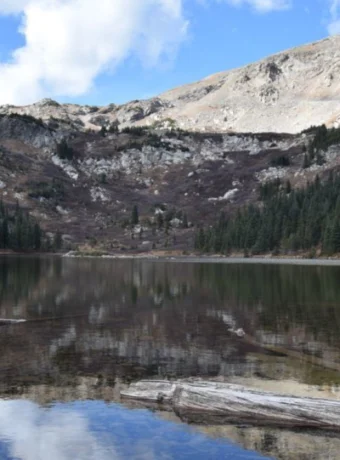
- Mirror reflections of peaks at calm dawn—photographer’s dream.
- Wildflower explosion (paintbrush, lupine, columbine) in July/August.
- Remarkable solitude: Hikers rave about feeling like the only people for miles, even near Jackson Hole.
- Geological drama: Views into drainages, colorful badlands nearby, and the wilderness’s headwaters vibe.
- Wildlife: Moose grazing meadows, potential elk herds, bear sign—keep eyes open.
Pro Tips for Your Trip
- Maps/GPS: Use Gaia, CalTopo, or Bridger-Teton NF maps—trails can be faint in places; some loops involve connectors like Big Balls of Cowtown.
- Season: Mid-July–September/October ideal (snow lingers early, flows high).
- Prep: High-clearance for trailheads, bear spray, layers (nights cold at elevation), bug net/headnet.
- Why Go: If you’re after Gros Ventre backcountry fishing without extreme mileage, Brewster is a sweet spot—earn the views, hook cutts in peace, and brag about the solitude back at home, but don’t tell anyone where you were exactly.
Tight lines and safe trails—Brewster’s worth the hike. If you need fly patterns or loop variations, hit me up!
Official Resources and Safety
Before you commit to a trip, especially if you plan on horseback riding or deep backcountry travel, verify current conditions. The official website for the Bridger-Teton National Forest is your most reliable source. When you search for information, check that you are on a gov website to ensure the data is accurate. An official government organization site will provide real-time updates on fire restrictions and road closures.
You can identify these sites easily because the website belongs to the federal agency and uses a secure websites protocol (https). This means you remain safely connected while browsing maps or regulations. You generally do not need to share sensitive personal information just to access visitor guides. Look for the “main content” or “alerts” sections for the most critical safety warnings.
Relying on an official government source helps you avoid outdated info from third-party blogs. Since this area is a designated National Forest and wilderness, rules can change based on bear activity or fire danger. Always double-check the official websites before you lose cell service in the canyon.
Frequently Asked Questions
Do I need a permit to hike in the Gros Ventre Wilderness?
No, you do not need a permit for day hiking or private overnight camping in the Gros Ventre Wilderness. However, organized groups and commercial outfitters must obtain a special use permit from the Forest Service.
Are dogs allowed in the Gros Ventre Wilderness?
Yes, dogs are allowed, but they should be kept under strict voice control or on a leash. This is active bear and moose habitat, so loose dogs can create dangerous situations for wildlife and owners.
Is bear spray really necessary?
Yes, absolutely. The Gros Ventre Wilderness is home to a significant population of grizzly and black bears. You should carry bear spray where it is easily accessible, not buried in your pack.
Can I drive to Slide Lake?
Yes, you can drive to Lower Slide Lake via the Gros Ventre Road. The road is paved initially but turns to gravel. It is accessible by most passenger cars during the summer months.
When is the best time to visit?
July through September is the prime season. Snow often lingers in the high country until late June, making high-elevation trails difficult to pass without special equipment.
Final Thoughts on Gros Ventre Wilderness Wyoming
The Gros Ventre Wilderness remains one of Wyoming’s most impressive secrets. It delivers a raw, unfiltered experience that is becoming harder to find in the modern West. Whether you come for the history of the Gros slide, the challenge of the trails, or the silence of the backcountry, this place delivers. Just remember to respect the wildlife, prepare for the elements, and leave the selfie stick in the car.