Guide to Fly Fishing Camping and Hiking Around Hungry Horse Reservoir
If you’re reading this Guide to Hungry Horse Reservoir, you probably have a dream. It involves clear Montana water and a fly rod in your hand. You’re thinking about trout that pull hard and views that make you forget about spreadsheets.
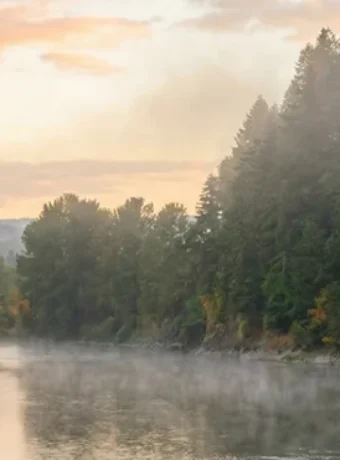
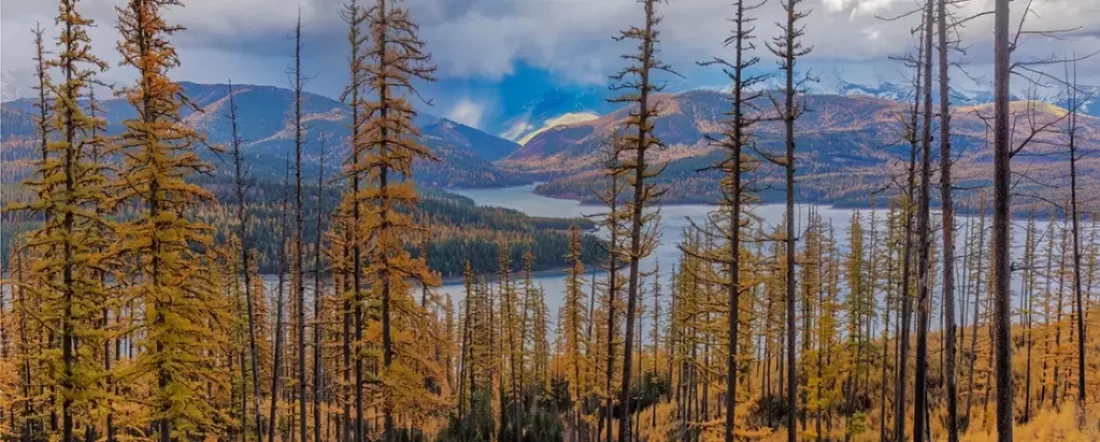
This is your complete guide to fly fishing camping and hiking around Hungry Horse Reservoir. It’s a place where the scenery is epic and the fish are hungry. Imagine standing beside a massive 23,800-acre reservoir, surrounded by the tall peaks of the Flathead National Forest.
The air smells like pine trees and pure adventure. This isn’t just a big body of water; it’s your doorway to some of Montana’s best fishing and a portal to the Great Bear Wilderness. This ultimate guide to fly fishing camping and hiking around Hungry Horse Reservoir will show you the way.
We’re talking about alpine lakes filled with native westslope cutthroat trout. You’ll find rainbow trout that jump like tiny acrobats. There are even arctic grayling and the occasional massive bull trout, making for some truly great fishing. And wildlife viewing. It’s a cool experience to be hiking around the Hungry Horse Reservoir in late May and encounter a small herd of satellite bull elk all in velvet.
Table of Contents
Text content
Best Fly Fishing Spots Around the Reservoir
These spots are where you’ll find true fishing bliss. Just remember to pack your bear spray and know how to use it. The grizzlies here are not shy, and this is their home first and foremost.
Bug spray is also your best friend against the local mosquitoes, especially in the early summer months. Being prepared will make your time fishing much more enjoyable. Now let’s explore some of the top destinations.
1. Lion Lake: The Perfect Warm-Up Spot
Located on the west side near the Hungry Horse Dam, Lion Lake is incredibly easy to get to. There’s no long hike involved, so you can just drive up and start casting. The shore access is fantastic, making it a great spot for beginners, families, or a quick evening session.
The lake is stocked with rainbow trout that get up to 14 inches. You’ll also find feisty native westslope cutthroat trout that put up a great fight. This mix of fish provides plenty of action.
During evening hatches, cast an Elk Hair Caddis or a Parachute Adams. Let them float naturally on the surface. If fish aren’t biting, give your line a gentle twitch. For the cutthroat, a Royal Wulff works wonders, while nymphs like the Pheasant Tail are great for deeper water.
2. Handkerchief Lake: Float Tube Heaven
This west side lake is a short walk from the road. It’s famous for its beautiful arctic grayling, a species not found in many other places. A float tube or small pontoon boat will really help you explore the entire lake and reach the best holding water away from the bank. And where Gray Creek enters Handkerchief Lake, this one of my favorite places. I don’t think I can remember a trip in with out seeing or encountering a bear here.
Arctic grayling are the main attraction here. They eagerly rise to dry flies, often with a delicate sip. You’ll also find plenty of westslope cutthroats that are equally willing to take a fly from the surface.
Grayling absolutely love small dry flies. Try an Elk Hair Caddis or a small Adams pattern in sizes 16-20. For cutthroat, hopper patterns in the late summer are a big hit. You can also swing a small streamer like a Sparkle Minnow for the bigger fish.
3. Beta Lake: Pure Native Cutthroats
You’ll find this lake on the west side, but it requires a bit of a hike. The three-mile round-trip trail is moderately difficult, which helps keep the crowds down. The reward is total solitude and beautiful, pure-strain native fish in a pristine alpine setting.
This lake is all about native westslope cutthroat trout. They average between 12 and 18 inches and are absolutely beautiful, with vibrant red slashes under their jaws. Catching one of these fish in its native habitat is a true Montana experience.
Dry flies are the way to go here. A Royal Wulff or Parachute Adams presented with a perfect, drag-free drift is deadly. In the late summer, terrestrial patterns like ants and beetles can trigger explosive strikes near the shore as fish patrol for an easy meal.
4. Doris Lakes: A Cluster of Gems
Accessed from the Doris Creek Trail on the west side, this spot is actually a group of small lakes. The hike is moderately strenuous, about four to six miles round-trip, depending on how many of the lakes you explore. This extra effort keeps the area quiet and the fishing pressure low.
You will find a healthy population of both cutthroat and rainbow trout. Each small lake offers a slightly different experience, with varying depths and structure. It’s a fun area to explore, moving from one small body of water to the next.
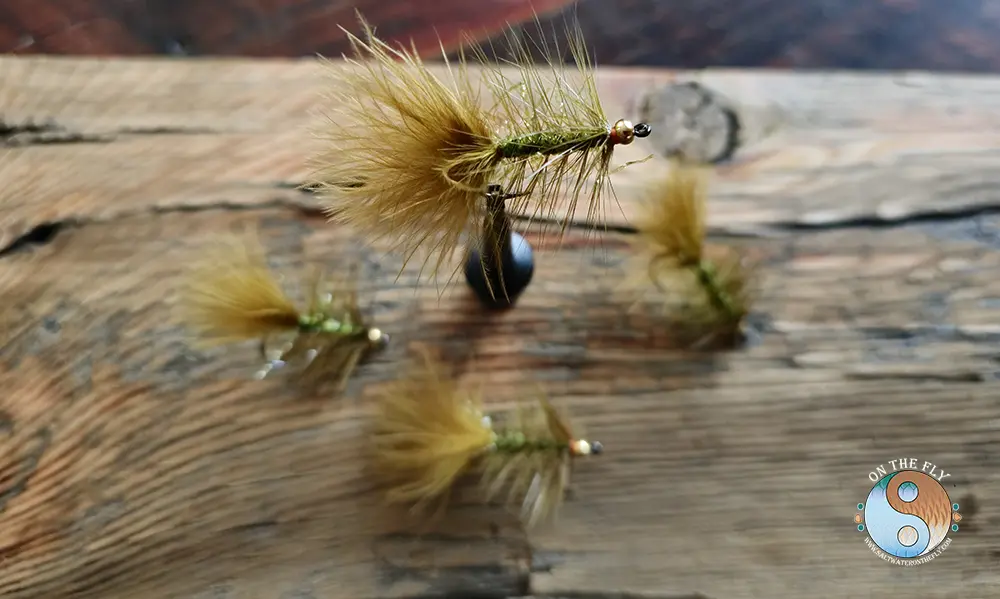
Standard dries like caddis and mayfly imitations work well in the evenings. For deeper spots, try a Prince Nymph or a Hare’s Ear under an indicator. Small olive or black Woolly Buggers can also be effective when stripped slowly through the deeper sections.
5. Birch Lake: Attractors and Views
This lake is on the east side of the reservoir. You’ll take the Birch Lake Trail #196 to get there. It’s a 4.8-mile round-trip hike with some switchbacks, but the scenery overlooking the vast Hungry Horse Reservoir is worth every step.
This is another great spot for native cutthroat trout. The fish here are very willing to eat attractor patterns, making it a fun place for anglers who enjoy fishing big, visible dry flies. The backdrop of the Swan Range adds to the spectacular experience.
A size 12 Royal Wulff is often all you really need. Cast it along the edges of the lake, near drop-offs or submerged logs. Make sure you get a good, drag-free drift. Hopper and beetle patterns are also very effective, especially on windy days in late summer.
6. Clayton Lake: Nymphing in Clear Water
You can find this east side lake via the Clayton Creek Trail. It’s a relatively easy hike of about 4.6 miles round-trip. The water is exceptionally clear, making it a great spot for sight fishing for cruising trout.
Cutthroat trout are the primary residents of Clayton Lake. You can often see them cruising along the shoreline drop-offs, making for an exciting visual fishing experience. Patience is key as you wait for a fish to swim into casting range.
Because of the clear water, nymphs often work best. A well-placed Pheasant Tail, Hare’s Ear, or a small Chironomid can be irresistible. You can also swing small streamers through the deeper sections of the lake to entice a larger fish.
7. Quintonkon Lake: Trophy Cutthroat Territory
This east side lake requires a serious commitment. The hike is eight miles round-trip and can be strenuous, with significant elevation gain. But if you’re looking for big westslope cutthroat trout, this is the place to be.
This lake is known for its large westslope cutthroat trout. Fish up to 18 inches are common, and larger specimens are possible. These fish grow big in the cold, nutrient-rich water, providing a true trophy opportunity.
Terrestrials are king here, especially in late summer. Use hopper, ant, and beetle patterns. Cast them close to the bank and wait for a big, splashy take from an aggressive fish.
8. Wildcat Lake: A Remote Dry Fly Dream
Located on the east side, this lake is accessed by the Silvertip Trail. The hike is about five miles round-trip and is moderately difficult. The seclusion and quiet setting are a major part of its appeal for those looking to escape the crowds.
You will find both cutthroat and brook trout in this remote lake. They are often eager to come to the surface for a well-presented dry fly. The combination of two species adds variety to the day’s fishing.
This is a dry fly purist’s paradise. Small Adams or caddis patterns will work all day long. Just focus on a good presentation and a natural drift to fool these wild fish.
9. Bradley Lake: Wilderness Fishing
Near the north end of the reservoir, you’ll find Bradley Lake. The trail is six miles round-trip and moderately difficult. It takes you into some beautiful meadow country, offering a different landscape from the dense forests surrounding other lakes.
Native cutthroat trout are the prize here. They are often found cruising the edges of the meadows, sipping insects from the surface. The fish are healthy and put up a strong fight.
Big hopper patterns are the name of the game. Skitter them across the surface in the meadow sections to imitate a struggling grasshopper. Ant patterns also work very well, especially during mid-day.
10. South Fork Flathead River: World-Class Catch-and-Release
This premier section of river is located at the north end of the reservoir. A short but steep trail takes you down to the water from the road. This area is famous for its healthy population of native trout and its designation as a Wild and Scenic River.
Expect to find westslope cutthroat averaging 14 to 16 inches. This is also a prime location to find large bull trout, especially in the deep pools. This stretch of the South Fork Flathead is a special place for anglers.
Attractor dry flies like the Royal Wulff work great for cutthroats. For bull trout, you’ll need large, heavy streamers. A Dali Llama or a big sculpin pattern swung through the deep pools can produce the fish of a lifetime.
11. Larch Lake: High Altitude Sight Casting
This is an extension of the Bradley Lake trail. It’s a long, strenuous hike of eight to ten miles round-trip. The lake sits at a high elevation, and the water is gin-clear, offering incredible visibility.
The lake holds a good population of cutthroat trout. Their colors are especially vibrant at this high altitude. This is a challenging but highly rewarding destination for the adventurous angler.
This is the ultimate sight-casting destination. You will see the fish before you cast, allowing you to target specific trout. Use small, delicate dry flies and long leaders to avoid spooking them in the clear water.
12. Finger Lake: A Rewarding Remote Trip
Near Spotted Bear, the Finger Lake trail is seven miles round-trip. The hike is moderately strenuous. It offers a rewarding fishing experience far from any crowds, deep within the Flathead National Forest.
This lake has both cutthroat and rainbow trout. They are both eager to rise to a well-presented fly, providing consistent action throughout the day. The remote setting makes every catch feel special.
You can pretty much fish dry flies all day long here. Bring a good selection of caddis, mayflies, and attractor patterns. Be ready for consistent action in one of the more remote parts of the park area.
An In-Depth Guide to the River Systems
Beyond the individual lakes, the rivers in this area are spectacular. The South Fork of the Flathead River and the Spotted Bear River are legendary among fly fishers. They offer miles of incredible water to explore as they flow out of the Bob Marshall Wilderness.
Fishing the Spotted Bear River
The Spotted Bear River is a beautiful tributary. It flows into the South Fork near the Spotted Bear Ranger Station. It is perfect for anglers who love fishing smaller water with dry flies.
The river is full of 10 to 14-inch cutthroat trout. There are also bull trout in the lower sections, particularly near the confluence with the South Fork. You can easily access the river from several pullouts along the road leading to the ranger station.
Stealth is important here as the water is very clear and the fish can be spooky. Wade carefully and make long casts to avoid being detected. It’s a classic dry fly stream where presentation matters more than pattern.
Fishing the South Fork of the Flathead River
The 18-mile stretch of the South Fork Flathead from the reservoir upstream to the wilderness boundary is simply amazing. This is classic Montana freestone river fishing at its best. There’s no continuous trail, so you’ll be wading and rock-hopping to find the best runs and pools. I love this stretch of the South Fork River almost as much as the Bob Marshall Stretch.
Use attractor dry flies for the eager cutthroats. A dry-dropper rig with a nymph below can also be very effective, especially during mid-day when fish may not be looking up. The variety of water types, from deep pools to riffles, allows for multiple techniques.
Remember, this is serious bear country. Make plenty of noise as you move through the brush along the fork flathead river. The local U.S. Forest Service office has great safety information, and carrying bear spray is essential.
Camping Around Hungry Horse Reservoir
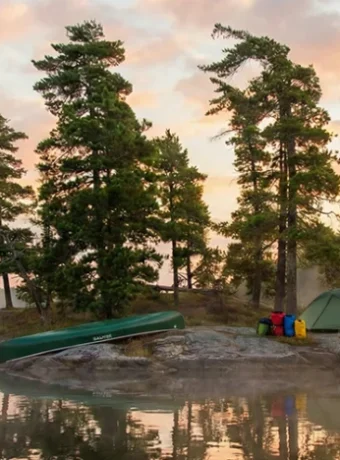
You have plenty of great options for camping, from developed campgrounds to dispersed sites. Most are managed by the Flathead National Forest. You can also find dispersed camping spots along the forest roads, but always check for current fire restrictions and follow Leave No Trace principles.
Finding a campsite can be part of the adventure. Whether you prefer a site with potable water and a boat ramp or a more primitive experience, the Hungry Horse area delivers. Many sites are pet friendly, but always check the specific campground rules.
| Campground Name | Location | Amenities | Notes |
|---|---|---|---|
| Emery Bay Campground | West side | 26 sites, toilets, potable water, boat ramp | Great for RVs and easy reservoir access. Reservations at Recreation.gov. |
| Lost Johnny Point Campground | West side | 21 sites, pit toilets, water, fishing access | This is a popular spot, also known as Johnny Point. Ideal for boaters and hikers. |
| Riverside Campground | East side | 6 sites, toilets, picnic tables | Great access to east side fishing trails. First-come, first-served. |
| Spotted Bear Campground | North end | 16 sites, water, toilets, river access | The best basecamp for fishing the South Fork and Spotted Bear rivers. |
| Lakeview Campground | West shore | 5 sites, pit toilets, great views | Quiet spot with access to the reservoir. Less crowded than Emery Bay. |
| Murray Bay Campground | East side | 20 sites, toilets, boat ramp, swimming area | Good for families and provides excellent access to the reservoir’s open water. |
Handkerchief Lake Campground Flathead National Forest
Looking for a great spot to camp near Hungry Horse Reservoir? Check out Handkerchief Lake Campground. It’s located in Flathead National Forest. This place is awesome for those who love fly fishing. You can find Arctic grayling and cutthroat trout here. The campground is near the reservoir’s south end. You can get there from West Reservoir Road. It’s also close to other campgrounds. Handkerchief Lake is known for its easy access and pretty scenery. The short hike to the lake makes it great for families. What makes Handkerchief Lake special? * Arctic Grayling: These fish are beautiful. Their flashy fins make them look like underwater peacocks. * Float Tubes: Get out on the water! A float tube lets you reach the deeper spots where the fish hang out. * Easy Hike: The trail is short. This makes it good for all skill levels. * Clear Water: You can see the fish swimming around. This makes sight-fishing a lot of fun. To get the most out of your fly fishing trip, remember a few things. Be stealthy because the water is clear. Grayling like to hang out in the shallows. Polarized glasses can really help you spot them. During the summer, try using chironomids under an indicator. If you’re after cutthroat trout, use a balanced leech while nymphing. There are campgrounds nearby, which makes it easy to plan a multi-day trip. Keep an eye on the wind. It can pick up fast and turn the lake choppy. But if you’re prepared, Handkerchief Lake Campground offers a fantastic fly fishing experience in the Montana wilderness. So, pack your gear and get ready for some fun at Handkerchief Lake in Flathead National Forest.
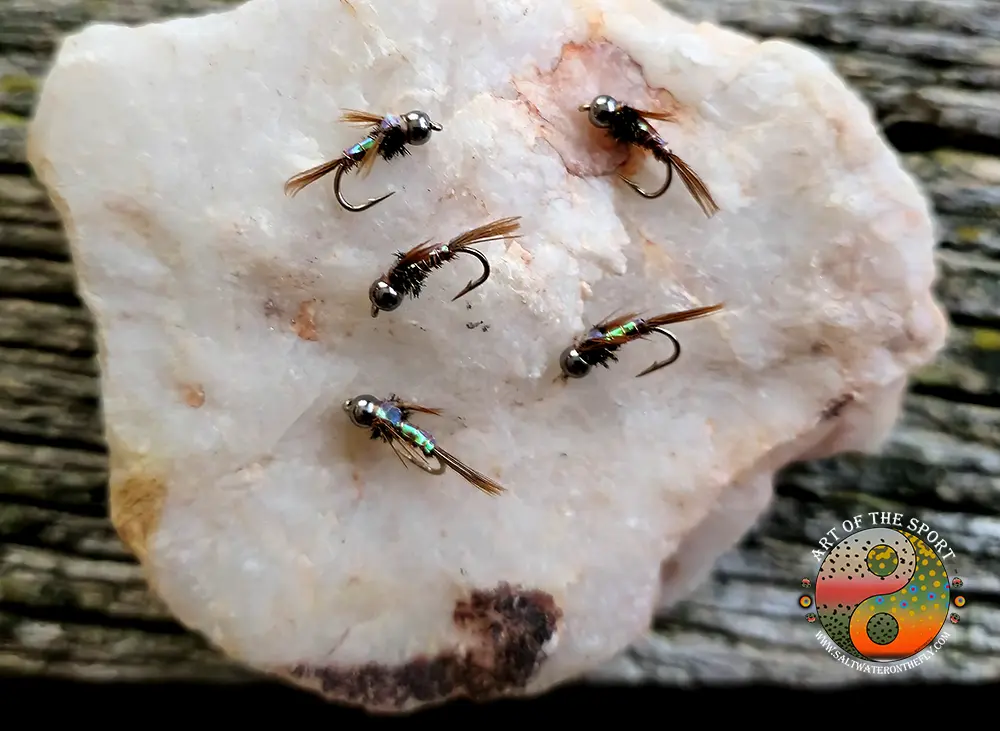
Have successfully fished Handkerchief Lake with all the old stand by nymphs, like pheasant tails, chironomids, prince nymphs, but my favorite is a prince nymph with a throat of the blue feathers from a blue peacock. An absolute must have pattern for Handkerchief Lake.
Elk Island and Fire Island Campground Hungry Horse Reservoir
Looking for a great camping spot near Hungry Horse Reservoir? Check out Elk Island and Fire Island Campgrounds! These spots give you amazing access to the lake. You’ll also be close to awesome fly fishing and hiking. The campgrounds are on the east side of the reservoir. That means you’ll get killer views of the water and surrounding mountains.
Elk Island Campground
Elk Island Campground is a sweet spot if you love being on the water. It’s only accessible by boat or kayak. This makes launching your fishing boat or kayak super easy. There are 7 campsites. You can reserve sites ahead of time. It’s a good idea, especially during peak season. Imagine waking up to the sound of lapping waves! Then, you can start your day with some prime Montana fly fishing.
- Boat ramp for easy lake access
- 7 campsites
- Reservations recommended
Fire Island Campground
Fire Island Campground gives a more rustic feel. It’s smaller, with only 15 sites. This campground is perfect if you want peace and quiet. The sites are more spread out. That means you get more privacy. It’s a bit more basic than Elk Island. But, it still has pit toilets and drinking water. Plus, you’re right on the water. So, you can walk to the shore for fly fishing or swimming.
- Smaller campground with 15 sites
- More private and spread out
- Basic amenities, close to the water
Both campgrounds are close to hiking trails. This lets you explore the Flathead National Forest. Be sure to bring your bear spray! Grizzlies live in the area. These campgrounds provide a great base. From here, you can experience all that Hungry Horse Reservoir offers. This includes some of the best fly fishing lakes Montana has.
Hiking Trails for Anglers and Adventurers
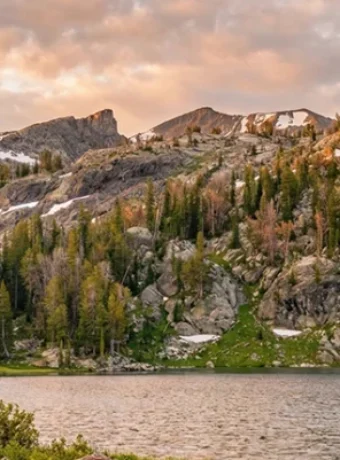
Fishing is great, but sometimes you need to stretch your legs and see the landscape from a different perspective. The hiking around here is world-class, with trails leading to stunning vistas, secluded lakes, and through pristine wilderness. Here are a few trails that offer incredible rewards.
- Spotted Bear River Trail: A relatively flat trail that follows the beautiful river deep into the backcountry. It’s a great way to access more remote sections of the river for fishing without a huge climb.
- Meadow Creek Trail: This trail follows the rim of a stunning gorge carved by Meadow Creek. The views of the river and waterfalls below are absolutely breathtaking. It is a must-do hike in the South Fork area.
- Columbia Mountain Trail: This one is a leg burner with significant elevation gain. But the panoramic views of the entire Flathead Valley, Flathead Lake, and the peaks of Glacier National Park from the top are completely worth the effort.
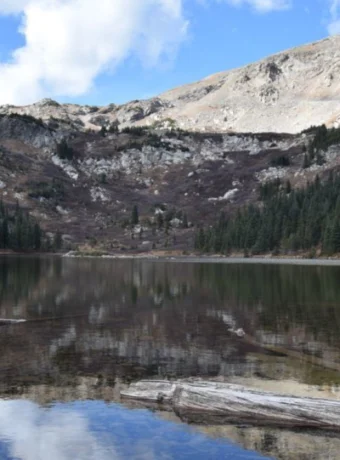
- Doris Ridge Trail: A moderate hike that takes you up to Doris Lake. It’s a great way to combine a hike with some high-mountain lake fishing. The trail offers excellent views of the Hungry Horse Reservoir along the way.
- Great Bear Wilderness Access: For the truly adventurous, trails leaving from the Spotted Bear area provide access to the immense Great Bear Wilderness. This is part of the Bob Marshall Wilderness Complex, offering multi-day backpacking trips and unparalleled solitude.
Planning Your Trip to the Flathead National Forest
A successful trip requires good planning. The area around Hungry Horse Reservoir is remote, and services are limited once you leave the main highways. The nearest town with full services is Columbia Falls.
The best season to visit for fishing and hiking is generally from late June through September. Roads to higher elevation trailheads may not be clear of snow until July. Always check with the Hungry Horse Ranger District office for current road and trail conditions before you head out.
For those flying in, Glacier Park International Airport (FCA) in Kalispell is the closest option. You will need to arrange for car rentals to explore the area; several companies, including budget car rentals, operate from the airport. A high-clearance or 4WD vehicle is recommended if you plan to explore the less-traveled forest roads.
While camping is popular, you can also find other lodging options. Look for vacation homes or consider finding the perfect cabin getaway in nearby communities. For more traditional lodging, guest ranches and breakfast & inns can be found throughout the Flathead Valley.
Conclusion of Guide to Hungry Horse Reservoir
There you have it—a comprehensive look at an angler’s and hiker’s paradise. The area around the reservoir is where you go to find solitude, adventure, and hungry trout against the backdrop of some of America’s most stunning landscapes. This is where you can explore Glacier National Park one day and the secluded south fork flathead river the next.
This guide to fly fishing camping and hiking around Hungry Horse Reservoir has hopefully given you the tools to plan an epic trip. The combination of pristine lakes, rivers, and falls offers something for every outdoor enthusiast. It is one of those great outdoor destinations that stays with you long after you leave.
So pack your gear, tie on a fly, and get ready to make some memories. Whether you’re casting for cutthroat in an alpine lake or hiking to a dramatic overlook, Montana is waiting for you.