Klamath River Steelhead Fly Fishing in California
Klamath River Steelhead Fly Fishing in California sits at this weird intersection of magic and masochism. The scenery is unreal, the history is heavy, and the steelhead will absolutely expose any weakness in your game. Yet you still plan your year around that next swing, that next grab, that next silver blur cartwheeling in the current.
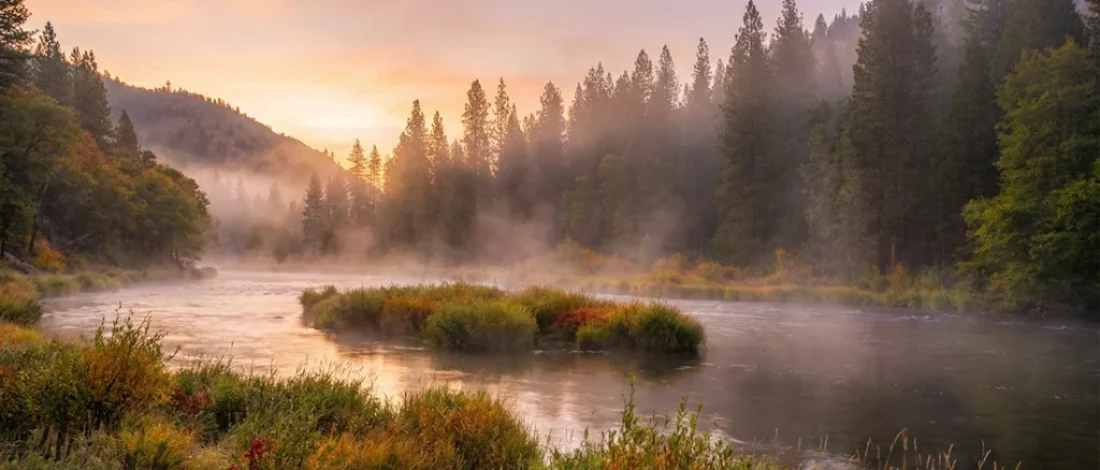
The mighty Klamath River flows from Southern Oregon down through the rugged mountains of Northern California to the sea. It demands respect, preparation, and a willingness to adapt to conditions that shift with the weather. If you have been dreaming about this river, or you are trying to figure out whether the rumors live up to the hype, you are in the right place.
You will get real talk on runs, flies, gear, access, and timing, without sugarcoating what this river demands from you. The main content of this guide focuses on actionable advice to help you hook fish. By the time you are done here, you will know how to approach this river with a real plan.
Table of Contents
Reason The Klamath River Has Fly Fishers Obsessed
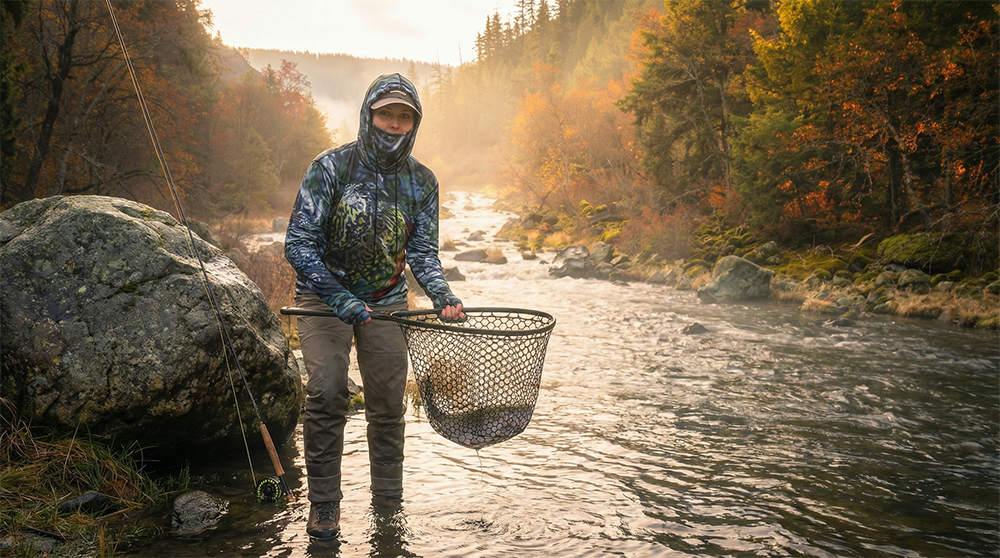
The Klamath is one of the big Pacific Coast rivers that shaped steelhead fishing culture in the West. Long before you could look up reports online, this place already had a reputation for swing friendly runs and wild fish. It draws steelhead anglers who want to connect with a fishery that feels ancient and untamed.
For decades, four hydro dams strangled the system and cut fish off from hundreds of miles of historic spawning ground. That damage showed up as algae blooms, warm water issues, and heartbreaking die offs. Drought pressure has hit hard too, with the state tying the river into broad drought emergency orders.
Then everything changed. The recent removal of the four big dams, including the massive Iron Gate Dam, reopened long lost spawning areas. This monumental effort is flushing decades of built up sediment and reshaping the Klamath River Basin.
The removal of the Gate Dam structures has started a healing process that is stunning biologists and guides alike. Salmon and steelhead are pushing farther and in bigger numbers than recent memory can offer. Seeing these fish returning to waters they haven’t touched in a century is nothing short of miraculous.
Where The Klamath Fits Among Western Fly Destinations
If you scroll lists of top Western fly fishing spots, the Klamath usually sits alongside names like the Rogue, Trinity River, and Deschutes. Those rivers might get more press, but serious steelheaders know the Klamath checks boxes few rivers do. It is truly a great river for those who value solitude and challenge.
It offers a long migratory corridor, year ’round potential in various sections, strong tribal culture, and long swing runs that Spey junkies dream about. Angling magazines that spotlight global destinations, like Fly Fisherman Destinations, keep circling back to Northern California steelhead for a reason. The allure of the Klamath area is hard to ignore once you have experienced it.
This river punishes people who pack light on the wrong things. You need equipment that can handle a big fish in heavy current.
Understanding Klamath Steelhead Runs And Seasons
The first step in fishing this river well is to line up when and what you are actually targeting. Different runs show at different times and parts of the watershed. The result is a season that feels more like a series of chapters than a short window.
Summer And Early Fall Steelhead
In a typical year, the first waves of adult steelhead slip into the lower river during mid to late summer. However, the action isn’t limited to anadromous fish. Late June and early July offer excellent opportunities for resident trout in the upper reaches.
By late September, cool nights start dropping flows and bring fish deeper into the canyons above Weitchpec. The Orleans to Happy Camp stretch turns on as water drops below roughly 2,500 cubic feet per second. That level gives enough depth for a drift boat and swings, yet keeps fish holding in obvious travel lanes.
This is classic two hander water with plenty of broad tailouts and gentle riffles. If you like light jackets, camp coffee, and rising fog on morning runs, this is your season. Good numbers of fish move, grab on the swing, and give you that traditional West Coast experience.
Prime Fall Swing Window
Early October through early November is often the sweet spot for Klamath River Steelhead Fly Fishing in California. Days are cooler, leaves are turning, and river traffic spreads out. Fall runs of adult steelhead nose through the middle Klamath and upper reaches, resting on soft seams behind structure.
This is where planning runs and rhythm starts to matter. Cover broad runs on the swing with hairwings and small intruders. Then slow things down with nymphs in deeper holding lies, especially once the sun climbs and fish grow cautious.
Guide logs from outfits that work nearby rivers and lakes, including reports on Mt Shasta area fishing, point out how flexible fall fish can be. Some years you get grabby conditions from daylight to dusk. Other years, ninety percent of your shots might compress into the first hour of light.
Winter Steelhead And Half Pounders
Winter on the Klamath can be wet, raw, and perfect. Winter storms cycle through, flows bump and drop, and new fish arrive in short pushes. Adult winter steelhead mingle with the river’s famous half-pounder steelhead.
Half-pounders are sexually immature steelhead that return to freshwater after only a couple months in the ocean. They typically fall into the one to three pound range. While they aren’t the biggest fish in the system, targeting half-pounders on light tackle is incredibly fun.
March and April are great months for these scrappy fighters. They often sit in shallower tailouts and mid river slots that swing well with lighter tips. They are perfect for refining your Spey cast because they grab often and forgive less than perfect presentations.
If you plan a trip for this time of year, build some weather buffer into your schedule. River levels can bounce around quickly. Checking regional reports, like these archives from 2011 or posts from 2015, gives you a feel for how storms shift conditions through a typical winter.
Best Sections To Fish And How To Reach Them
The Klamath covers a lot of ground, from its mouth at the Pacific to high elevation reaches. For most traveling fly anglers, a few key sections stand out. Knowing where to go saves you from driving aimlessly down the highway.
Lower River: Estuary To Weitchpec
The lower river is broad and often colored, especially early in the season. It carries strong runs of Chinook salmon and steelhead that stack up before pushing higher. Swing fishing from boats is common here, as is side drifting nymphs through travel lanes.
When the river clears after a rain, the fishing can be spectacular. This area also sets you close to the coast. That makes it easy to blend river steelhead days with hikes, surfing, and coastal camping.
Middle River: Orleans To Happy Camp
Many steelheaders think of this as the core Klamath steelhead swing corridor. The road hugs the river along Highway 96, with countless pullouts that hint at runs you could work for hours. This reach has boulder gardens and classic riffle sequences that Spey anglers crave.
Bank access is better than many canyon rivers, but boats still give a huge edge. Drift trips help you fish water you would never see on foot and let you stack many runs in a single day. Local guides often include everything from gear to streamside lunches, like these fishing packages.
Upper River: Newly Reopened Water
The removal of the major hydro dams opened a fresh frontier in the upper sections. Habitat work and monitoring are still underway in the Iron Gate area. Fish have already shown a quick instinct for new spawning ground.
The Upper Klamath is transforming before our eyes. If you lean more toward exploration than guaranteed numbers, this emerging water will call to you. The trade off is fewer established access points and surface water conditions that are still stabilizing. I am looking forward to fishing this section soon.
Eleven Best Flies For Klamath River Steelhead ( Because Twelve Would Be Excessive)
Klamath fish can be generous or brutal. They can crush your river fly on the hang or refuse everything for three runs in a row. That is why it pays to carry patterns that cover different water levels and light.
Most anglers fish sizes 6 to 10 for adults and 10 to 12 for half-pounders. You want a mix of dry flies, wet flies, and nymphs. The famous Silver Hilton is a staple for a reason.
| Fly | Best Use |
|---|---|
| Assassin | Low light and cloudy days in the swing runs |
| Silver Hilton | Bright conditions and medium speed tailouts |
| Herniator | Heavier flows and shots at bigger adults or Chinook |
| Mr. Pimp | Searching big water, both swung and dead drifted |
| Green Butt Skunk | Classic all around producer on most West Coast rivers |
| Pat’s Rubber Legs | Stonefly nymph under an indicator or tight line rig |
| Brindle Bug | Bumpy, broken water with a buggy profile |
| Muddler Minnow | Surface or sub surface skated or swung fly |
| Woolly Bugger | All purpose leech or baitfish, good in off color water |
| Psycho Prince | Cold water nymphing through deeper slots |
| Emperor | Sparse swing fly for picky fish and half pounders |
If you are the kind of angler who likes cross checking your boxes against what magazine editors are actually fishing, resources like Fly Fishing Made Easy can spark ideas. But the truth here is simple. Klamath steelhead eat clean hairwings, simple buggers, and basic nymphs if they are in a taking mood.
Don’t forget the salmon fly hatch in the late spring. Large stoneflies bring big fish to the surface. It is one of the few times you can reliably target large trout on a dry fly in the upper river.
Dialing In Your Gear For The Klamath
You do not need fancy rigs to enjoy fly fishing here, but a few choices make the experience much smoother. Think of your kit as your toolbox. Too light or too heavy, and the job turns ugly fast.
Rods, Reels, And Lines
Most swing anglers favor 6 or 7 weight Spey rods between eleven and thirteen feet for the middle Klamath. These lengths make casting sink tips and medium flies a breeze while still protecting lighter tippet. If you prefer a single hand fly rod, an 8 or 9 foot 7 weight works for mixed swing and nymph days.
Quality reels with solid drag are worth the money. You will see backing with large steelhead, and you want that first run to feel smooth. Some local outfits even furnish appropriate sticks, like the Sage Z axis rods mentioned by local services.
On lines, carry a floating Scandi head for traditional swings. Add sink tip setups for deeper winter work or when the water is high. That mix covers at least eighty percent of real situations you will hit.
Leaders, Tippet, And Extras
Leaders between nine and twelve feet in 10 to 15 pound strength handle most conditions. Shorten things with tips and bigger flies. Many locals keep things simple by tying level sections from quality mono.
Pack more flies, tips, and tippet than you think you need. The Klamath has a talent for stealing gear. Fallen trees, sunken rocks, and old log jams grab sloppy swings with ease.
Along with that, throw in polarized glasses, rain gear, and a real wading belt. River levels can change quickly. You want safety baked into your habits before a bad step wakes you up.
Fishing Techniques That Work Here
This river rewards anglers who fish with intention instead of simply casting and praying. You do not have to be fancy, but you should have a method in mind. Every time anglers cast, they should have a plan.
Classic Swing Approach
Start at the head of a likely run with your fly landing at a forty five degree angle downstream. Mend as needed so your fly swims broadside across the holding lane. Take a few steady steps between each cast to methodically cover new water.
Most Klamath steelhead eat near the middle or end of the swing. Build that pause into every presentation. It feels slow at first, but you will learn to live for the gentle bump or sudden wrench.
Nymphing Deeper Lanes
In colder water, a two fly nymph rig below an indicator can keep your day moving. Stonefly patterns such as Pat’s Rubber Legs combined with a small Psycho Prince work well. Adjust depth often so your flies drift near the bottom without hanging every cast.
If you dislike big bobbers, try tight line methods through mid depth seams and slots. Shorter casts and high rod tips give direct feel. This is very effective when fishing guide waters that have been pressured.
Surface Play And Skaters
Few things match the rush of watching a steelhead rise behind a waking fly. Warm fall afternoons are perfect for experimenting with Muddlers and other surface patterns. Skate flies broadside with a light tension and steady pull.
You will miss grabs, and fish will slap at the fly instead of eating cleanly. But once you see that first boil under your bug, it is hard to go back to deeper presentations. Dry flies work best when the sun is off the water or during overcast days.
Other Species You Might Tangle With
Although you probably show up for chrome, the Klamath is far from a single species system. Salmon runs, resident trout, and the quirky native species all share this corridor.
Chinook Salmon
Fall Chinook salmon enter the river in meaningful numbers from late summer through autumn. Anglers who gear up correctly can swing for them on flies in many of the same runs as steelhead. Heavier tips and robust patterns like Herniators are standard.
Large fish can run you well into your backing on their first surge. Take your time and apply steady pressure. Once you fight one on the swing, every headshake from then on will feel a little different.
Resident Trout And Half Pounders
Resident rainbows and redband trout offer a completely different type of day. In late June and early July, they are often the main show in the upper sections. These trout are aggressive and fun on lighter gear.
Half-pounder steelhead deserve special respect here. They are the wild teenagers of the Klamath. Treat them like full adults, keep them in the water as much as you can, and enjoy the fact that they make every trip more interesting.
Also, don’t be surprised if you hook a hatchery steelhead stray. While many fish are wild, strays do happen. Treat every fish with care regardless of its origin.
Planning Your Trip: Logistics, Lodging, And Extras
You can sleep in the back of your truck under the stars or book a bed. The Klamath corridor and nearby towns give you a range of choices. Finding an RV park with hookups is easy in towns like Happy Camp or Orleans.
Road trip anglers often use the Super 8 by Wyndham as a base camp. Others pair time on the Klamath with luxury at spots like Mount Shasta Resort. If you want a guide service, book well in advance.
When booking online, you might gloss over the fine print, but check the cancellation terms and privacy policy of the lodge. Also, verify if the river section is open year ’round or subject to seasonal closure. An open year for regulations can change due to environmental factors.
Don’t just rely on a quick search search engine query to find spots. Local fly shops are your best resource for current intel. They can tell you where the mighty Klamath River is fishing best right now.
Conservation, Culture, And Long Term Outlook
Fishing this river responsibly means understanding that it is more than just another scenic background. Tribal nations, rural communities, and farmers all have deep ties here. The wild country surrounding the river is their home.
The steelhead works hard to survive here. Wild steelhead numbers are fragile, and every fish matters. The recent dam removals reflect generations of push from these groups to give fish a real shot at recovery.
You can help by respecting private property and Forest Service regulations. Thoughtful catch and release practices are simple ways to show you care. Keep fish wet, limit grip and grin shots, and listen when local anglers tell you an area is sensitive.
Outdoor media continues to cover this story. Titles like the In-Fisherman Guides and Game and Fish magazine highlight these issues. Even general interest pieces in Forbes have discussed the intersection of lifestyle and conservation.
We are watching a steelhead river be reborn. It will take time for the sediment to settle and the habitat to fully restore. But the steelhead return is already happening, and being part of that history is special.
Conclusion of Klamath River Steelhead Fly Fishing
Klamath River Steelhead Fly Fishing in California is not gentle or easy, but that is exactly why it hooks so many of us. The river will hand you blown anchors, missed grabs, and maybe one unforgettable fish that resets what you think is possible. When you finally catch fish here, it feels earned.
If you build a simple plan, pack the right gear, and time your trip with the seasons you care about, this river can treat you very well. Klamath upstream adventures or lower river swings both offer magic. Good decisions up front lead to better stories later.
So pack those hairwings and nymphs, grab a fly rod that can throw real tips, and head for Northern California. Whether you are swinging through emerald runs or watching rain bead on your jacket, the Klamath river fly fishing experience gets under your skin. The steelhead works its magic on you, and you will be planning your return before you even leave.