McKenzie River Steelhead Fly Fishing Oregon
McKenzie River Steelhead Fly Fishing Oregon sounds like a mouthful, but if you love wild places and grabby fish, it is your next obsession. McKenzie River Steelhead Fly Fishing Oregon combines clear water, fast currents, and hard hitting summer runs that make you question your life choices in the best way possible.
You might be tired of searching for scraps of scattered info about flows, flies, seasons, and access. You found the right place to get clear answers. This guide shows you how to time the run, read this quick moving river, pick the right flies, and stay legal.
Spending less time doom scrolling regulations means you spend more time standing in the current. Get ready to learn what makes this river a premier destination for anglers chasing chrome.
Table of Contents
Why The McKenzie Belongs On Your Steelhead Bucket List
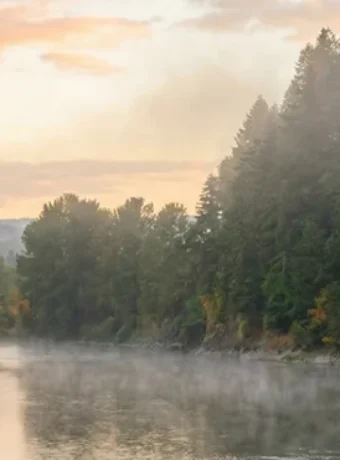
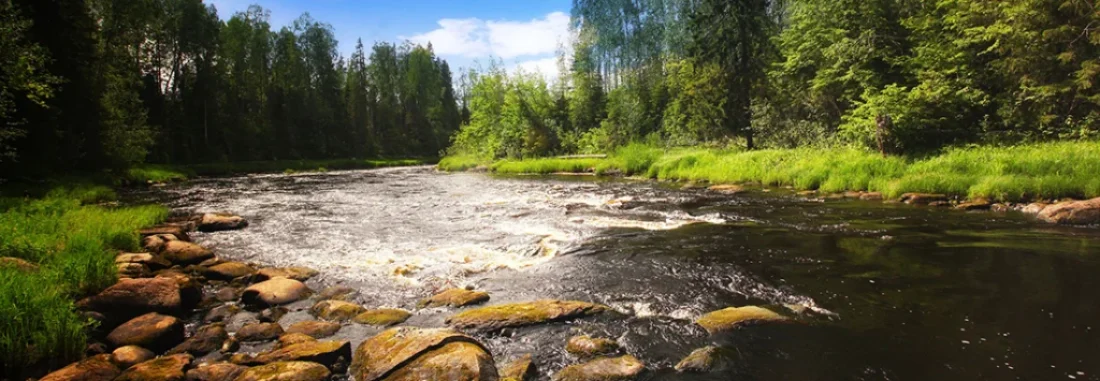
The McKenzie is one of those rivers that looks fishy even before you rig a rod. Classic emerald runs, boulders, riffles, and perfect tailouts sit under a corridor of big evergreens inside the beautiful Willamette National Forest.
This river is a famous trout stream, but below Leaburg it becomes a serious summer steelhead game. It is close to Eugene Springfield yet still feels like a road trip adventure rather than a city outing.
The water here is often crystal clear, which adds a visual thrill to every cast. You can get real time river data before you leave home using USGS gauges like the station near Vida or the site below Leaburg Dam at USGS Real Time Stream Flow Near Vida and the gauge Below Leaburg Dam. This helps you know if flows are fishable instead of guessing at the ramp.
A Quick Look At Seasons And Runs
The McKenzie is mainly a summer steelhead river. Hatchery fish enter from spring through fall, with a long window to swing flies during the warmest summer months.
You get the best mix of fish numbers and comfortable weather from late June through September. Shoulder months can still fish well, but flows and temperatures move more during the spring McKenzie season.
Overcast days are often better than bright sun, as lower light encourages fish to move aggressively. If you visit in late summer, early mornings and late evenings are prime times.
| Time of year | What to expect | Best tactics |
|---|---|---|
| April to June | First summer steelhead, higher flows | Swing sink tips, larger patterns |
| July to September | Peak hatchery runs, good clarity | Skagit heads with light tips, smaller flies |
| October | Lingering fish, cooler nights | Cover water, focus on softer edges |
For daily water conditions and clarity across the larger basin, it also helps to check tools like the McKenzie River Water Flow Chart. On some days this data is the difference between finding a nice swing or blowing out your trip in chocolate milk water.
Regulations And Licenses You Really Do Need To Read
The McKenzie has several different regulation sections. That is where many new visitors slip up.
Before you fish, review the current statewide and zone rules in the online Oregon Sport Fishing Regulations. Pay attention to special rules around Leaburg and below, which the Oregon Department of Fish and Wildlife manages closely.
You also need a valid license and the right validations. Non residents can pick up their license online through the State of Oregon licensing system, and new updates for winter steelhead validations are described in the 2026 Winter Steelhead validation notice.
Regulations and access rules shift by fishing season, section, and target species. It takes five minutes to double check and it can save you a ticket.
McKenzie River Steelhead Fly Fishing Oregon: River Layout And Access
Most fly anglers chasing summer steelhead focus on the lower river. The stretch from the confluence with the Willamette River upstream to Leaburg Dam is prime water. This section mixes fast glides, buckets, and riffles where steelhead stack up as they move.
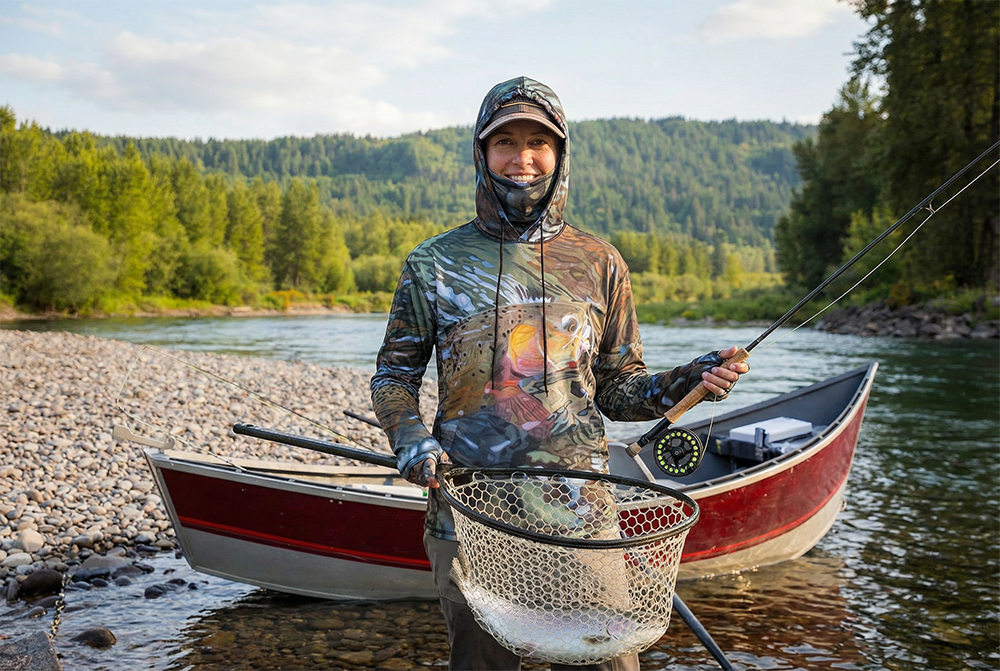
Boat anglers have an edge because banks are steep and there is quite a bit of private property. A river drift boat lets you cover many good runs in one day.
The upper river, closer to McKenzie Bridge, is more of a trout playground but still worth knowing. Weather snapshots for that part of the valley, such as the McKenzie Bridge conditions and forecast from services using Apple WeatherKit data, help you plan layers and timing before driving into the hills.
Key landmarks like Eagle Rock serve as good reference points when floating or driving McKenzie Hwy. Understanding where the Blue River flows into the main stem also helps you gauge water temperatures and clarity.
Bank Access And Quick Hit Options
If you are on foot, you still have some options. One simple starting point near Eugene is Armitage Park, which offers bank access where the McKenzie meets the Willamette.
Upstream, you can find pocket access by hiking segments of the McKenzie River Trail. It takes more work and walking, but that is part of the charm if you enjoy mixing fishing with trail miles.
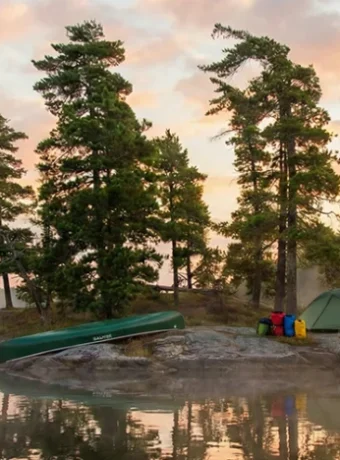
Overnight anglers can match river fishing time with nearby camping by searching Willamette National Forest campgrounds. Waking up close to the ramp gives you the first shot at rested fish in low light.
Reading Flows, Weather, And Conditions Like A Local
Steelhead are moody. Small shifts in flow or clarity change where they hold and how they eat a fly.
Serious McKenzie anglers live by flow charts and weather tools. They also watch how long each trend lasts rather than just checking a single number.
The combined overview of river gauges on the current USGS flow page for the McKenzie gives you that big picture. For flow forecasts and snowmelt driven swings, the NW River Forecast Center tools offer short term predictions.
On very hot or very cold days, cross checking valley level information helps. If the air feels bitter at dawn, fish often slide into slower holding water rather than staying high in the riffles.
Gear For McKenzie Summer Steelhead
This is classic swung fly water. You want tools that let you cover runs with control, reach, and enough backbone for heavy currents.
Rods, Lines, And Leaders
Many locals use a seven or eight weight spey or switch fly rod in the eleven to thirteen foot range. This helps you throw sink tips and control swings without overworking.
If you like a single hand setup, an eight weight around nine and a half feet can still handle these fish. A Skagit style head, matched running line, and a few sink tips cover most depth needs.
Your fly reel should have a solid drag system to stop a hot fish running downstream. If you are new to specialized fly fishing gear, take time to read about fly rods, lines, and reels before buying.
Must Have Fly Patterns
Steelhead on the McKenzie can be stubborn, but they still fall for well presented classic and modern fly patterns. It helps to think about three categories.
- Leech and sculpin profiles for deeper and colder flows.
- Traditional wet flies and spey patterns for medium depth swings.
- Smaller baitfish or attractors for clear summer water.
For bigger profiles, articulated streamers that suggest a sculpin are great. Patterns such as the Brown Sculpin and White Belly Sculpin in size 6 or 4 are hard to beat.
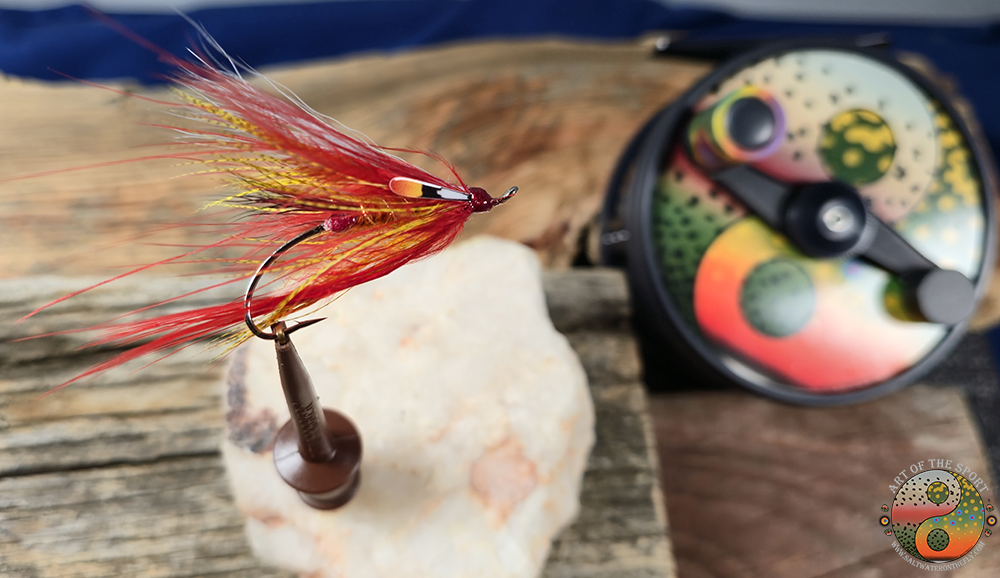
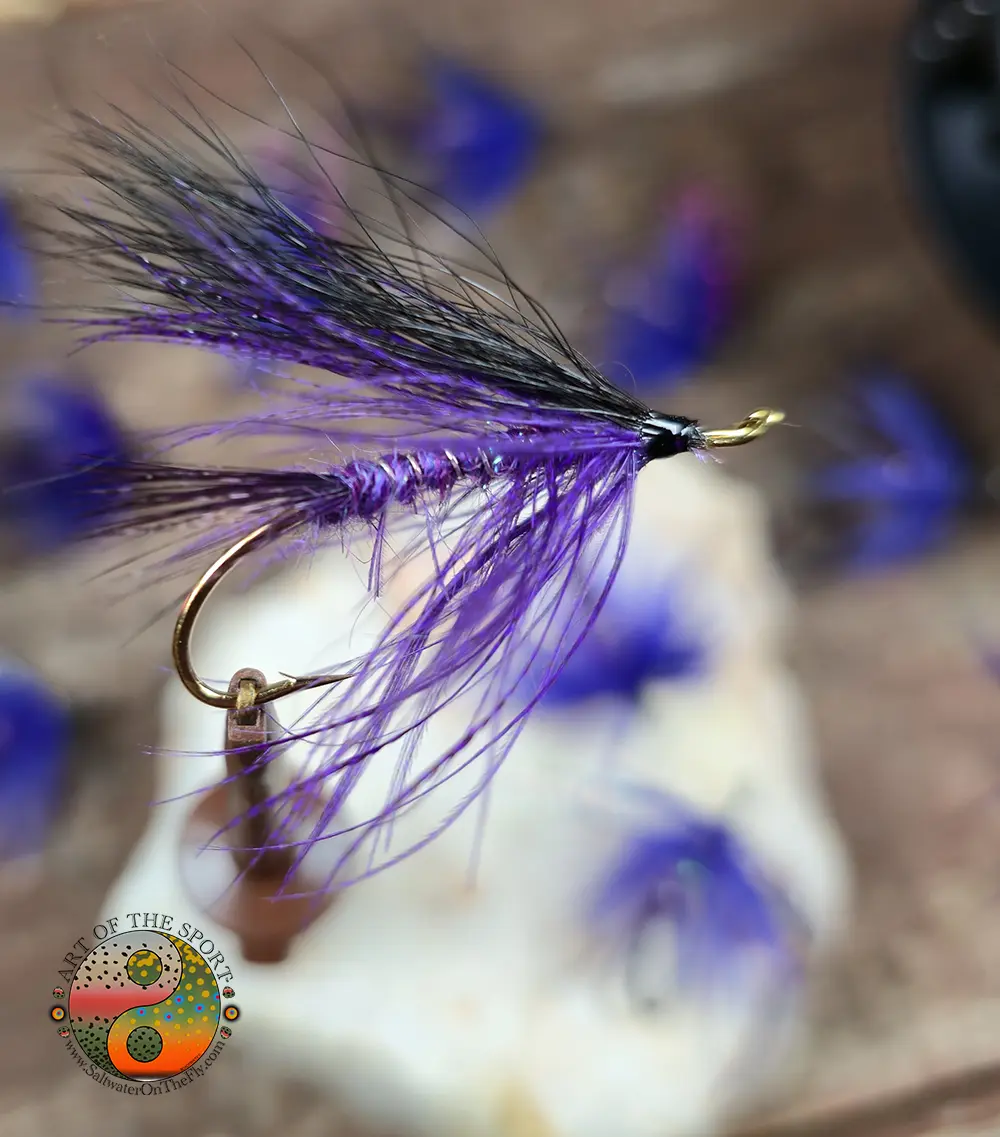
Fish them on a moderate sink tip through buckets and mid run drop offs. You can round out your fly boxes with classics like the Green Butt Skunk, Silver Hilton, or Purple Peril.
Tube style intruders in black and blue or purple and pink round out a simple McKenzie set. If you enjoy fly tying, creating a custom McKenzie River fly can be very rewarding.
How To Fish A Typical McKenzie Steelhead Run
Standing at the top of a fast McKenzie run can feel overwhelming. Current tongues and boulders compete for your attention.
Rather than casting at random, break each run into lanes. Fish from near to far, working across the current in an organized grid.
- Start near the top of the run and close to shore. Make a short cast, mend, and swing your fly through the soft near seam.
- Take a couple steps downstream. Add a bit of distance to the cast, then repeat the swing.
- Keep walking and lengthening casts until you have covered the run from the inside out.
Keep your fly just above mid depth. You want it ticking along through travel lanes, not dredging bottom like a snag magnet.
If a steelhead grabs and misses, stay calm. Make the same cast again before changing flies or depth, because these fish often come back for a second swipe.
Patience with your rod fish connection is vital. Do not set the hook too fast; let the fish turn with the fly.

Staying Safe On A Fast Mountain River
The McKenzie looks friendly from the road, but it moves with serious force once you wade in. Deep slots, ledges, and boulder drops hide under even smooth looking glides.
Always wear a wading belt and sturdy boots. A staff is more than an old guy tool here; it saves spills.
Having good rain gear is important even in summer, as mountain storms can roll in quickly. Good polarized sunglasses are essential for wading safety so you can see where you are stepping.
If you row your own drift boat, spend time studying flows and hazard notes. Shops that know the area such as the local caddis fly shop or the listings at McKenzie River Guides Association can walk you through common trouble spots.
The McKenzie River drift requires attention to detail. Rapids change with water levels, and new wood can appear after storms.
Beyond Steelhead: Trout, Travel, And Trip Planning
The McKenzie is too good to only visit once for steelhead. Its trout fishing, hiking, and camping give you reason to keep returning.
If you love matching hatches, keep an eye on regional bug notes through local fishing reports and photos. You might see blue winged olives or golden stoneflies popping on the surface.
Trout options upstream mix wild redsides with some stocked fish near easier access zones. The occasional bull trout may show up, so be sure to identify your catch before handling.
Dry fly purists will enjoy casting a caddis fly or winged olives to rising trout. If you enjoy travel planning, larger regional sites like Visit The USA give broad ideas for pairing this trip with other Pacific Northwest stops.
You can also handle lodging through tools such as the local booking portal at Book Your Trip when you are ready. Day river trips are easy to arrange from town.
If you want to make this river part of a larger fishing life list, check out guides to other top waters. National lists of the best places for fly fishing in the United States show how the McKenzie stacks up next to famous waters. The short answer is that it belongs right there with the better known names.
Ethics, Conservation, And Invasive Species
Many steelhead on the McKenzie are hatchery origin, and you can usually keep marked fish where open. Still, some wild fish pass through, and how we treat them matters.
Fish barbless hooks when rules require it and handle wild steelhead gently. Keep them wet and reduce grip and grin sessions so they can finish their migration.
If you spot unusual aquatic plants, odd snails, or strange fish that look out of place, it might be an invasive issue. The state asks anglers to report suspect species through the Oregon Invasive Species hotline so biologists can respond early.
It can also help to rinse or dry waders and boats between basins to avoid moving hitchhikers. One minute at the takeout can save many future runs from invasive problems.
This is especially true given the Willamette Falls counts, which help biologists track run health. Every fish that makes it upstream counts.
How Fly Fishing On The McKenzie Fits Your Bigger Life
Chasing steelhead on this river is addictive, but it also has a way of clearing your head. Long swings and quiet boat rides force you to unplug from daily noise.
There is an interesting parallel between the focus of fly fishing and the planning you put into other parts of life, including your work or business. Even finance writers have compared the mindset needed to long term money planning to the patience of fly fishing for business owners.
Many anglers find that trips here act as reset buttons. You return home a bit calmer, more patient, and maybe even more ready to build a life that leaves space for chrome bright river days.
It is about finding your own success fly fishing rhythm. Whether you land a trophy or just enjoy the cast, the McKenzie River Oregon delivers.
Trip Planning Details You Do Not Want To Skip
Before you throw bags in the truck, walk through a simple checklist. First, confirm dates and regulations for your target section with the latest Oregon Fish and Game updates.
Next, grab your license, harvest tags, and any new validations through the online license sales portal. Print or download copies so you can show them even with spotty service.
Finally, recheck flows the night before your trip on the main USGS flow chart. A small drop or bump can point you to softer seams or deeper slots for your first run of the morning.
Conclusion of McKenzie River Steelhead Fly Fishing
You came here searching for McKenzie River Steelhead Fly Fishing Oregon, probably hoping for clear answers instead of vague advice. Now you know when to go, how to watch flows, which flies to pack, and where to find guides, camping, and gear.
The McKenzie gives you classic steelhead swings, clear water, and enough challenge to keep you coming back. You do not need to be an expert to hook fish here, but you do need to pay attention to regulations, flows, and safe wading practices.
If you are dreaming of a season where early light, tight lines, and good company replace your usual routine, start sketching your dates. Get your license lined up, skim those Oregon Sport Fishing Regulations, book a day with a local guide, and let this river show you why McKenzie River Steelhead Fly Fishing Oregon has such a hold on anglers who experience it once.