North Fork John Day Wilderness: Oregon’s Hidden Gem
Everyone posts the same shot of Painted Hills and calls it their big John Day adventure. But a couple of hours north, tucked into Oregon’s Blue Mountains, sits something wilder. It is quieter and honestly way more hardcore for hikers and anglers who like to earn their views.
The North Fork John Day Wilderness Oregon’s Secret Backcountry Beast is where the real obsession starts. This rugged landscape is for people who scroll past crowded trailheads. You toss the guidebook and ask a better question.
Where can I find big country, real rivers, serious wildlife, and almost no crowds, all in one hit?
Table of Contents
North Fork John Day Wilderness Oregon’s Secret Backcountry Beast Belongs On Your Short List
This place covers more than 121,000 acres spread across the Umatilla and Wallowa Whitman National Forests. It is massive. Think long ridgelines, deep forested drainages, and a Wild and Scenic river that feels almost too good to share.
The protected area spans a massive range of elevation. You might start your day in a deep canyon at 3,000 feet and end it standing on a rocky peak over 8,000 feet. That vertical gain creates distinct zones of life.
It was officially protected back in 1984, long before social media found the “PNW aesthetic.” Four separate units make up the wilderness. The main north fork drainage sits at the center.
The Greenhorn, Tower Mountain, and Baldy Creek units sit like satellites around the main river corridor. You get Douglas fir, grand fir, and lodgepole pine at mid-elevations. Higher up, you step into subalpine meadows and scattered larch.
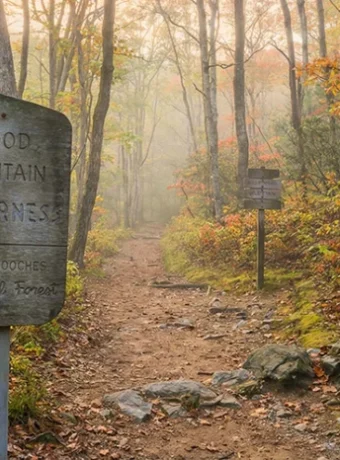
Rocky ridges dominate the skyline where you can actually hear your heartbeat because it is that quiet. Solitude here is physical. You feel the space around you in a way you simply do not in places like the Columbia Gorge.
Where This Beast Actually Is, And How To Reach It Without Losing Your Mind
Pull up a map of northeast Oregon. The wilderness sits southwest of the city of La Grande and north of John Day. Most people launch from tiny towns like Ukiah, Granite, Sumpter, or Baker City.
From Portland, expect about four to five hours by car. This depends heavily on your route and coffee stops. From Bend, it is similar if you cut across central Oregon’s high desert.
You will spend time on smaller highways like 395 or 244. Eventually, you hit forest roads. This is part of the charm and also part of the test.
These roads can be washboarded, dusty, and confusing. Cell coverage drops to zero fast. This is where old-school planning matters.
GPS units are great, but a paper map never runs out of batteries. The US Forest Service page for Umatilla or Wallowa Whitman is worth reading before you roll in. You should also check general backcountry safety tips that groups like Wilderness Volunteers share under their Backcountry Safety section.
Wild Rivers, Old Gold, And The Elk That Run The Place
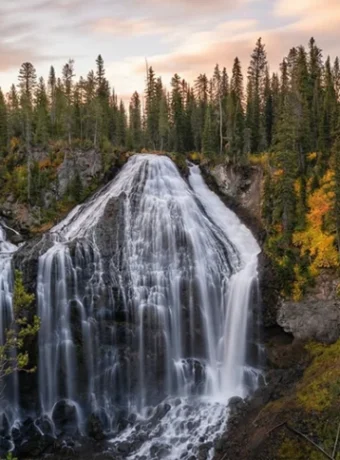
The star here is the river itself. The north fork of the John Day River is protected as a National Wild and Scenic River. It runs right through the core of the wilderness.
It threads together deep forest, gravel bars, and cold pools perfect for wild trout and steelhead. This is not a lazy river. It pushes through the canyon with purpose.
This drainage holds critical habitat for chinook salmon, steelhead, and bull trout. These fish need cold, clean water to survive. The wilderness designation helps keep the sediment down and the temperatures low.
Work crews and volunteers have spent years on trail and habitat projects here. You can get a sense of that ongoing care from trip notes in this older North Fork river history write-up. It details the constant river soundtrack that accompanies you.
Look up from the water and you are in classic Blue Mountains wildlife country. Rocky Mountain elk bugle across drainages in fall. This area has one of the largest elk herds in the state.
Black bears roam the draws looking for berries and grubs. In the shoulder seasons, you are more likely to hear hooves in the brush than human voices. Mule deer are also common, often seen bounding up the steep slopes.
Layered Human History: From Tribes To Dredges To Wilderness
Long before miners swung a pick here, tribal nations moved through this landscape. The Cayuse, Umatilla, and Walla Walla peoples traveled these corridors. Later joined under the Confederated Tribes of the Umatilla Indian Reservation, they hunted, fished, and gathered across this basin.
They followed the seasonal rounds of food. First foods like salmon and roots were harvested here for generations. In the 1860s, everything changed for this landscape.
Gold strikes in places like Granite, Greenhorn, and along the north fork sparked a massive rush. Men flooded the canyons. The river corridor still carries the scars and stories of that era.
You can spot old mining cabins sinking back into the soil. Rusted equipment sits silent in the woods. Long rows of river rock left from old dredge operations line the banks.
These tailings piles are stark reminders of how industrial this quiet place once was. Nature is slowly reclaiming them, but the rocks remain. One comment in that same North Fork history discussion mentions the powerful sound of the river against this history.
Best Time To Visit So You Catch The Good Stuff And Miss The Misery
The season here changes fast with elevation. Trails climb from about 4,000 feet to well above 8,000 feet. Snow lingers on north slopes and high passes long after town feels like summer.
Spring brings vibrant green growth but also serious challenges. River crossings can be deadly during peak snowmelt. Trails are often muddy messes until late June.
For most hikers and backpackers, July through September is the sweet spot. Streams are lower but still flowing nicely. Most high trails are open by mid-July.
Mosquitoes can be thick in early summer but usually fade by August at higher camps. Heat is a factor in the canyon bottoms. The mid-day sun can bake the lower sections of the north fork.
Fall is magic in the Blue Mountains. Larches flare brilliant gold along higher ridges. The underbrush turns red and orange.
Elk start bugling in the timber, echoing off the canyon walls. Mornings come with that sharp chill that makes coffee taste better. Winter and early spring belong to folks on skis or snowshoes.
How To Camp In The North Fork John Day Wilderness Without Wrecking It
This is real designated wilderness. That means no bikes and no motorized access past trailheads. There are no new mining claims and absolutely no creature comforts.
You are your own plumber, maid, and trash service. You need to pack everything out. Group size is usually capped around 12 people to protect the solitude.
Rangers and partners talk a lot about Leave No Trace. You can read about this under sections like Backcountry Ethics. Heavy use can trash sensitive rivers fast.
Camp at least 100 feet from streams and lakes. This protects the vegetation and keeps the water clean. Use a trowel to bury human waste six to eight inches deep.
It feels basic, but it is amazing how many folks still skip this part. Protecting the water quality in the north fork is everyone’s job. If you pack it in, you must pack it out.
North Fork John Day Campground: A Soft Landing On The Edge
If you want a warm-up before disappearing into the backcountry, try the main campground. North Fork John Day Campground sits near the eastern boundary off Forest Road 52. You camp in tall lodgepole pines.
It is a short walk from the Wild and Scenic river itself. The sound of the water is constant here. There are roughly 20 sites available.
They come with picnic tables and fire rings. You also get vault toilets, which is a luxury compared to the backcountry. There is room for horse trailers in some loops.
Water is not piped here. Plan to treat river water with a filter or treatment drops. You can use it as a base camp for day hikes.
Weekends in midsummer can see more people. But once school is back in, this place shifts. Mornings turn crisp and it becomes a quiet river hub.
Backcountry Camping: The Real Wilderness Payoff
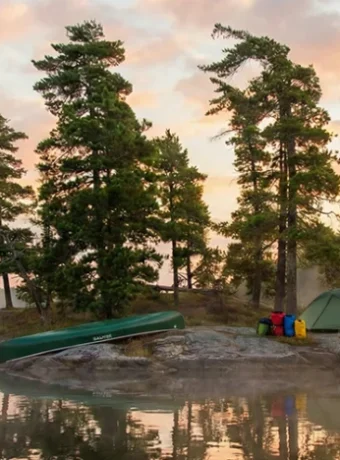
If you came for big nights under the stars, this is where things get good. You can legally camp almost anywhere inside the wilderness that meets basic setback rules. This freedom is what draws many people.
Popular backcountry spots sit along the North Fork John Day Trail. Baldy Lake and Crawfish Basin are also favorites. Meadows up off Elkhorn Crest offer high-elevation sleeping options.
Established fire rings show where people tend to stop. Sometimes that helps minimize impact. Other times you will want to step away a bit for privacy.
Food storage matters greatly. Black bears roam this country and are always hungry. Hang your food properly or use a canister.
Check current guidelines in general safety resources such as the Wilderness Volunteers Resources page. You must understand basic best practices before heading out. A fed bear is a dead bear, so keep a clean camp.
The North Fork John Day Wilderness Oregon’s Secret Backcountry Beast: Six Adventures You Cannot Skip
You have more than 130 miles of trail here. Some are wide enough for horses and well-maintained. Others are thin lines through high grass.
Some paths fade into elk tracks if you stop paying attention for five minutes. Navigation skills are mandatory. If you like loop hikes and ridgeline traverses, you are going to feel spoiled.
| Trail Name | Approx. Distance | Key Feature |
|---|---|---|
| Elkhorn Crest Trail | 23+ Miles (One Way) | High alpine ridge views |
| North Fork River Trail | 27 Miles (Point-to-Point) | River proximity & mining history |
| Crawfish Basin Loop | 5-8 Miles (Loop) | High lakes & granite scenery |
| Baldy Creek/Lake | 8 Miles (Round Trip) | Shady climbing to alpine bowl |
| Crane Creek Loop | Varied | Old cabins & solitude |
| Peavy Trail | 6 Miles (Steep) | Fast vertical gain |
1. Elkhorn Crest Trail: The Spine With Endless Views
The Elkhorn Crest Trail rides the main ridge of the Elkhorn Mountains. It runs for roughly 23 to 24 miles. It is a National Recreation Trail for good reason.
Views stack up in every direction. To the east, you see the Baker Valley. To the west, the drainages of the north fork drop away steeply.
Most hikers start at Anthony Lake on the south end. The lake already sits high, so you pop above the tree line fast. The route runs a serrated spine with meadows and talus.
Mountain goats frequent this ridge. Keep your camera ready but give them space. You can thru-hike with a shuttle or do sections.
Expect some lingering snow patches on north aspects early in the season. People swapping route beta online often mention these issues. You see this in certain trip discussions on other peaks regarding late snow.
2. North Fork John Day River Trail: Long Miles With Constant Water
This one is a dream for people who love the steady sound of current beside them. The river trail follows the north fork for more than 27 miles. It runs point-to-point between trailheads like the main campground and Crane Creek.
You move through big forests and open burn scars. The sections packed with old mining artifacts are fascinating. You walk past history while hiking through nature.
Side creeks add even more water to the flow. Fishing holes stack up if you bring a rod. Know the current fishing rules for steelhead and trout.
Fords are a big part of this experience. You will get wet feet. This is especially true in the early season.
Study recent trip reports where people describe conditions. Look for trail crew style stories shared by volunteers. They often comment things like “lots of river sound” after a hard project.
3. Crawfish Basin And Hoffer Lakes Loop: Fast Hit Of High Country
Starting from Anthony Lake again, this loop serves up a quick fix. You get high alpine lakes and flowered basins. Best of all, you get the views without the huge mileage.
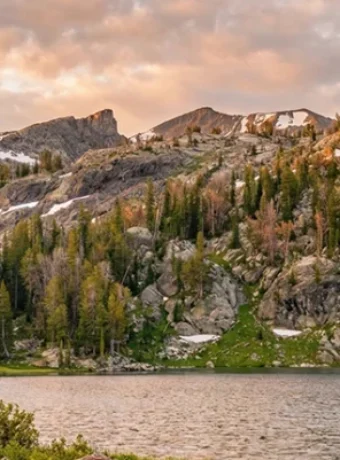
Trails wrap around the small Hoffer Lakes. Then they climb steadily to Crawfish Basin. The granite scenery here is top-tier.
The route brushes wilderness boundary signs before breaking into open country. Expect cold water if you swim. Even on hot August days, those tarns hold chill snowmelt temps.
You can tag a piece of the Elkhorn Crest on this outing. Alternatively, keep it short for families. It is great for day hikers warming up for longer trips.
4. Baldy Creek To Baldy Lake: Shady Forest To Subalpine Bowl
This is the hike you pick on a hot day. Baldy Creek carves a cool corridor of shade up to Baldy Lake. The air temperature drops noticeably in the trees.
Early on, the grade is kind. The creek stays near you the whole time. You move under mixed conifers that smell like fresh pine and earth.
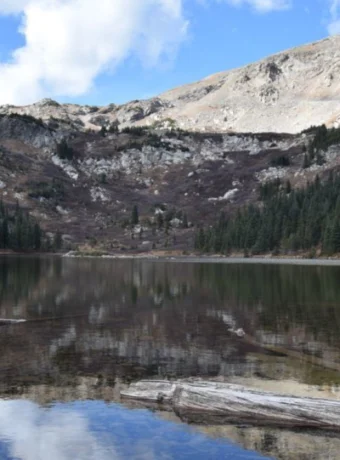
By the time you reach Baldy Lake, you pop out into a shallow bowl. It is rimmed by rocky slopes and silence. Tent sites dot the edges.
Small brook trout in the lake are willing if you carry a light fly setup. Remember your basic alpine lake ethics. Fragile shorelines need protection.
You can stop here or keep pushing up to the ridges above the lake. Big panoramas over the wilderness units await. If you do climb higher, carry good navigation tools.
5. Crane Creek Loop: Mining Ghosts And River Fords
For people who like some history in their hike, this loop is perfect. Utilizing Crane Creek and the river trail scratches that itch. Start up or down Crane Creek depending on your preference.
Climb through grassy clearings that were once active sites. Watch for remnants of cabins or old claims along the way. These ghosts of the gold rush are everywhere.
Once you hit the river, you tie in with that main corridor trail. This completes the loop back to your trailhead. Expect ticks in grassy sections during spring.
Pay attention to game trails pulling you off the main route. Elk trails look just like hiking trails here. This loop can feel remote fast, which many hikers crave.
The mix of terrain means you want strong route skills. Studying “tips and tricks” style prep lists is smart. Look at lists under Tips and Tricks for a useful systems checklist.
6. Peavy Trail To The Crest: Short, Steep, And So Worth It
Peavy starts near river level and does not waste any time. It climbs steeply with switchbacks that gain real vertical in a short span. The vegetation changes rapidly as you ascend.
If you like lungs and quads on fire, this is your climb. It is an efficient workout with a massive reward. Once you break the tree line, you catch wide-open looks.
You can see deep into the wilderness and surrounding Blue Mountains. From the junction with Elkhorn Crest, options open up. Tag a nearby high point or stroll a mile on the ridge.
This one is great as a big day hike from a camp along the river. You sleep beside the current and wake early. Power up to the crest, then soak tired legs back in the river by late afternoon.
Fishing, Wildlife, And Real Quiet: Why This Feels Different From Tourist Country
If you are used to packed parking lots at national parks, the emptiness here will feel surreal. It is not that people do not come. They just spread out over a large area.
There are fewer trailheads built for tour buses. This keeps the casual crowds away. The north fork remains a haven for those willing to work for it.
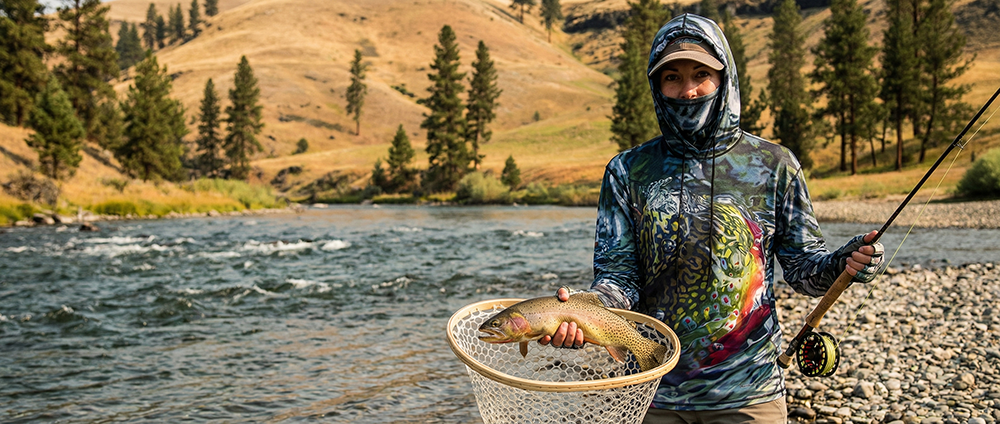
Anglers find runs, pockets, and pools with wild trout. Migratory fish like steelhead also make the long journey here. Many stretches of the upper river require careful catch and release.
Study Oregon regulations before you even pack your fly box. Bull trout are threatened and must be handled with extreme care if caught. Leave them in the water and release them instantly.
For wildlife viewing, patience pays off. Dawn and dusk are prime times for elk on open slopes. You might see black bears in the berry patches.
Watch from a distance. Keep food and trash locked down in camp. You do not want to be part of the problem by habituating animals.
How To Get Ready For This Trip So It Does Not Chew You Up
This country does not care how many likes your last summit selfie pulled. It cares if you have real legs and real skills. It tests your preparation level.
Training your body before a long mileage trip here is smart. Organizations working with volunteers highlight basic fitness. You can find this advice in pages like their Get in Shape section.
Heat, cold, elevation, and water crossings can all hit in one day. You need layers that work wet or dry. Your footwear must be broken in.
Studying basic health notes is also critical. Look at those collected in a general Health and Illness Guidelines document. This can spark your own medical kit list.
Leaving an itinerary with a friend is common sense. Some groups even formalize that using an Emergency Contact form. You do not need a fancy form, just a reliable friend.
Using The Wilderness As A Classroom, Not Just A Playground
One cool thing about the north fork is how often people come back as part of projects. It is not just about personal trips. Trail crews and volunteer groups run multi-day sessions out here.
They fix tread and pull invasive weeds. They help with restoration while camping along the river. This creates a deeper connection to the land.
You see that mix of work and wonder reflected in notes online. Check out FAQ and resources style pages. Folks talk through basic gear and staying healthy.
Thinking like a steward changes your trip. Suddenly, that fallen log is not just an obstacle. It is something you might clear for the next person.
That smashed campsite fire ring is not someone else’s problem. It is something you can spend five minutes improving before you move on. Small actions add up to keep this place wild.
Conclusion of North Fork John Day Wilderness
Oregon has plenty of popular spots, but very few carry this same mix. You get deep quiet, rich history, and rugged terrain. You get live river energy that vibrates through the valley.
The North Fork John Day Wilderness Oregon’s Secret Backcountry Beast asks a little more from you. It demands planning, grit, and care. Then it pays you back every single mile.
You get gold rush stories rusting away along gravel bars. You hear elk bugling across dark timber. You get fly casts under a pink September sky.
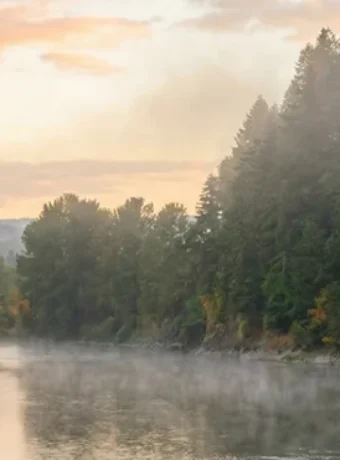
Mornings here mean fog lifting off the river. There is often nobody else for miles. It is a rare feeling in the modern world.
If you have been craving real backcountry with strong character and zero hype, mark your map. Sharpen your skills and head for the north fork. This beast does not shout for attention.
It waits. It rewards the people who are willing to come meet it on its own terms. Pack your bag and go find out for yourself.