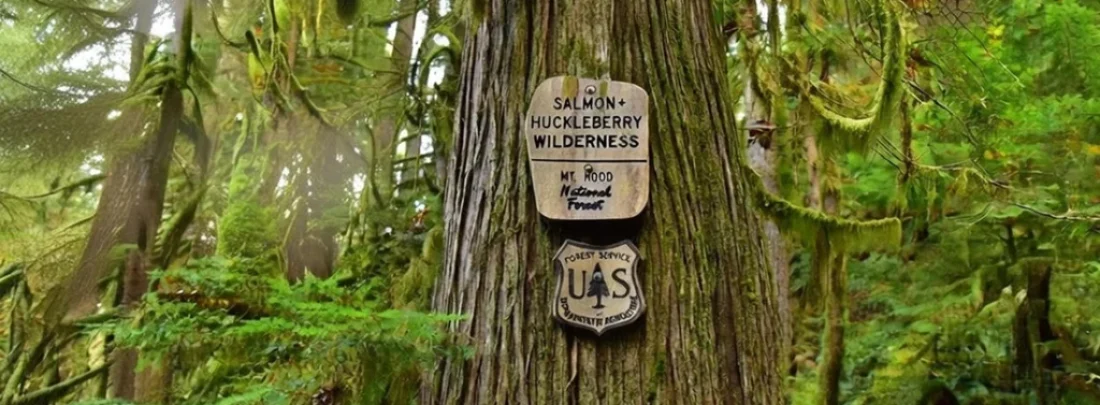
Salmon-Huckleberry Wilderness Hiking Camping Fly Fishing
Salmon-Huckleberry Wilderness Hiking Camping Fly Fishing sounds like a keyword soup until you drive past Welches, look south, and see that deep green wall of forest. Then it hits you. This 62,000-acre chunk of old-growth forest, steep canyons, and steelhead water is as real as it gets.
If you are tired of crowded trailheads and campsites ten feet apart, this place feels like a reset button. Salmon-Huckleberry Wilderness Hiking Camping Fly Fishing is for people who do not mind dirt under their nails, wet waders in the truck, and a bit of Type 2 fun on a long climb.
The Salmon-Huckleberry Wilderness offers a rugged escape just an hour from the city. It defines the rough and beautiful character of the Mount Hood region.
Table of Contents
Why Salmon Huckleberry Feels Like Mount Hood’s Secret Side
Congress set this area aside in 1984, and maps show it at just over 62,000 acres of protected land. You can see that size and layout in this detailed map of the Salmon Huckleberry Wilderness.
Acreage breakdown numbers back that up and confirm the full 62,139-acre footprint that stretches from the Salmon River canyon up to high ridges. You can look at that summary here under the Salmon Huckleberry Wilderness breakdown of 62,139 acres and start to see how much ground there is to wander.
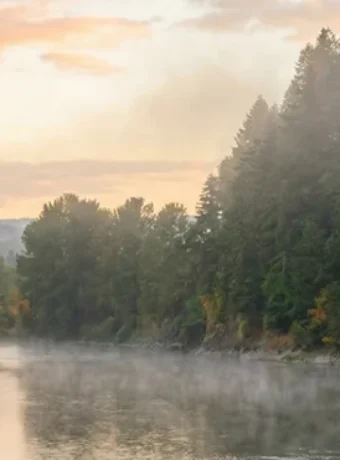
The character of the place is pure western Oregon. Mossy Douglas firs, western red cedar, hemlock, dripping creek gullies, and pockets of big old-growth forest that feel almost prehistoric define the landscape. In summer the underbrush explodes, huckleberry bushes fill in, and suddenly the name makes sense as you stand there with purple fingers.
Unlike the high alpine skiing areas near Timberline, this zone stays lush and green. The Hood National Forest manages this area, preserving its wild character. It serves as a vital habitat for native wildlife.
Geologically, the area is fascinating. You might spot ancient volcanic plugs rising from the ridges, remnants of the area’s fiery past. These formations create dramatic backdrops for your photos.
Getting There, Passes, and Basic Logistics
Most visitors come in off Highway 26 near Welches and Rhododendron. From Portland, the drive is usually under ninety minutes if traffic cooperates.
You will pass Mount Hood ski traffic and then slide off on side roads toward the Salmon River, Boulder Ridge, or Hunchback trailheads. Many of these pullouts are signed, but they come fast, so plan ahead and mark your turns on a map app before you lose cell service.
Before you go, check the Zigzag Ranger District website for current conditions. They often have reports updated December through summer regarding road closures.
The Forest Service requires a Northwest Forest Pass at most developed trailheads. On top of that, some entry points need a free self-issued wilderness permit between mid-May and late October. Those forms live at the kiosks, and filling them out helps search and rescue if things go sideways.
If you forget your pass, you can sometimes buy a day pass at local merchants in Hood River or Welches. However, buying a Northwest Forest Pass online beforehand is highly recommended. It saves you the stress of finding an open shop early in the morning.
Nearby, the Wildwood Recreation Site offers a gentle introduction to the area. It features the Cascade Streamwatch exhibit, where you can see fish in their natural habitat. It is a great stop before heading deeper into the wild.
Best Hikes: From Salmon River Strolls To Quad Burning Climbs
If your plan is a full weekend of hiking and camping, the trail network here can keep you busy for many trips. The big win is that you can pick your pain level, from a mellow moderate hike to climbs that make your lungs swear at you.
This wilderness area caters to all ability levels. You just need to choose the right trailhead.
Salmon River Trail: Old Growth, Swimming Holes, Easy Miles
The Salmon River canyon is the spine of this wilderness, and the classic walk along it is the Salmon River Trail. The Forest Service notes that the first two and a half miles from the west trailhead are especially friendly for new hikers.
That lower three-mile segment sticks close to the river and stays mostly gentle. You weave between big trees, hear constant white noise from the water, and pass side trails to gravel bars where you can sit and watch currents fold over boulders.
Start your hike at the Salmon River West Trailhead. This entry gives you immediate access to the river’s scenic beauty. The Salmon River Oregon experience here is hard to beat.
If you keep going past the easy section, the grade starts to tilt up and you gain more than four thousand feet if you take it to its high points. Bluff viewpoints appear above the gorge and you start to understand why so many photographers return to this corridor again and again. A nice write up of the canyon and its rain forest feel shows how special this walk is for seeing salmon in season, which you can read in this feature on the Salmon River trail from the Statesman Journal travel section.
This route is miles long if you push through to the end. Make sure you have enough water and daylight. It is a dedicated day trip for the full length.
Boulder Ridge Trail: Steep, Rugged, Worth It
If you want a training hike that doubles as scenery therapy, head for the Boulder Ridge Trail. The Forest Service lists this one as a seven-point-four-mile out and back.
You gain more than two and a half thousand feet as you climb past rock outcrops, pockets of old forest, and short ridge sections with big views. On clear days the Salmon River Valley falls away below you, and Mount Hood rises like a wall of snow and rock in front of you.
The panoramic views from the top are spectacular. You can see across the National Wild and Scenic river corridor. It gives you a sense of the vastness of the Hood Wilderness.
This trail stays fairly direct the whole way, so bring trekking poles if you have tricky knees. It is one of those routes that can feel punishing on the climb yet strangely worse on the way back down if you rush it.
Cool Creek, Hunchback, and Other Solid Leg Day Options
The other big conditioning hike near here is the Cool Creek Trail. It covers roughly six miles round trip with an honest three thousand foot elevation gain according to Forest Service stats.
Cool Creek lives up to its name early as you switchback through shady forest near the drainage, but as you gain the ridge you will feel the work. It is a good warmup for larger Cascade climbs and a way to escape crowds closer to Mount Hood ski areas.
The longer ridge walk is the Hunchback Trail. This trail follows a high spine for miles with big drops on either side. With a small detour west at one junction you can reach the historic , an old fire lookout that still offers rustic overnight shelter on a first come basis.
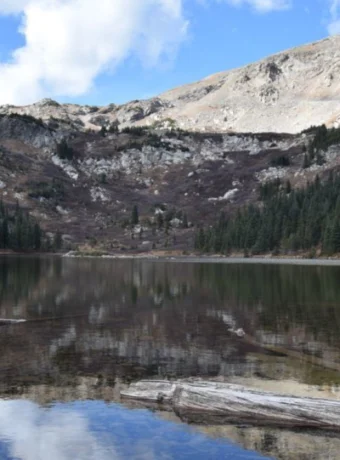
For a different flavor, consider the Kinzel Lake Trail. It drops you into a quiet basin that sees fewer visitors. The solitude at Kinzel Lake is profound.
Shorter Scenic Hikes and Photo Stops
If you want more casual mileage or are traveling with family, there are gentler options near this wilderness too. The popular Mirror Lake Trail sits on the Mount Hood side and serves up classic postcard reflections of the peak.
The Forest Service describes this route as a go to spot for photographers because you can frame Mount Hood over still water on calm days. This does mean heavier use, so consider early starts or shoulder season visits.
Further inside the boundary, you will find lesser-known options near Plaza Lake and smaller creeks. Many of these trails do not make Instagram as often, which is exactly why they are worth your time. A quick creek trail ramble can be just as rewarding as a summit push.
Salmon Huckleberry Camping: How To Sleep Out Here Without Being That Person
This wilderness does not have developed campgrounds, picnic tables, or hook ups. You are stepping into a classic backcountry setup that the Forest Service describes as dispersed camping.
That means you choose your site within a broad set of rules. Camp at least one hundred feet from trails or roads, and two hundred feet away from streams and lakes so banks and riparian plants stay intact.
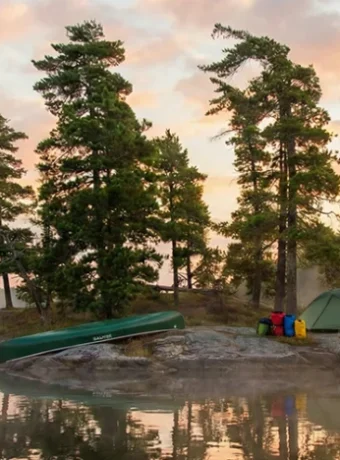
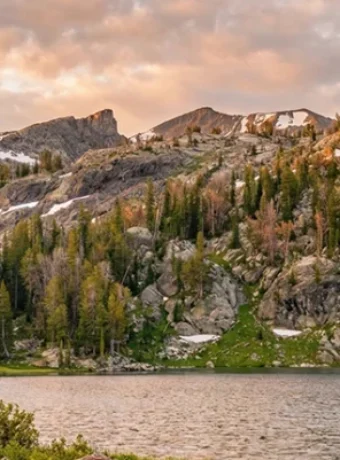
Popular tent spots appear along the lower Salmon River Trail where flat ground meets access to water and sandy bars. Go a bit past the first big clusters if you want more quiet. Up high near places like Kinzel Lake or on the ridges off Hunchback, camps feel more alpine with thinner forest and big sky above.
You can also find spots near the Green Canyon campground just outside the boundary. It serves as a good base camp. Always verify current conditions with the Zigzag Ranger station.
Leave No Trace That Actually Works In Real Life
Backcountry camping is amazing until someone leaves behind trash, fire scars, or unburied waste. None of that has to happen. Following trace principles protects these natural resources.
Plan on packing out everything, including used toilet paper, since wildlife can dig shallow cat holes and spread things around. Many people carry small wag bags now because they make cleanup simple.
Check seasonal fire restrictions at the trailhead and do not rely on campfires for warmth or cooking during summer. Small stoves are easier to manage, faster, and much lower risk during dry spells.
Respect wildlife by keeping a clean camp. This keeps the ecosystem healthy for everyone. Future generations deserve the same mountain views we enjoy today.
Where Fly Fishing Fits Into Your Trip
Now to the piece that draws many anglers to this region. Salmon Huckleberry and the rivers nearby give you serious shots at trout, salmon, and steelhead while you are already out hiking and camping.
The Salmon River is special because it holds federal National Wild and Scenic river status along its entire length. The canyon inside the wilderness feels tight and remote, with emerald runs, pockets, and boulders that just beg for a swung fly.
Below the wilderness boundary, the river feeds into the Sandy River system, which has become one of Oregon’s more important steelhead rivers. Removal of Marmot Dam over a decade ago reopened large stretches of habitat, and fish now move through more freely than before.
Know Your Regulations Before You Rig Up
Rules change more often these days as agencies adjust to run strength, hatchery plants, and wild fish recovery goals. Oregon Department of Fish and Wildlife keeps an updated list of regional rules for every major basin.
Before you fish this area, check current angling regulations for the Salmon and Sandy rivers, plus nearby high lakes. Many sections in or near the wilderness run on artificial lure or fly only, and some salmon or steelhead segments are catch-and-release fishing only to protect wild fish.
You also need a valid license and Columbia River endorsement for anadromous fish in this basin, even if you plan to release everything you touch. It is your responsibility to know the policy terms for each stretch of water.
Sometimes you can find these details on the ODFW website footer menu or sidebar. Make sure you read the specific notes for the Central Zone. Ignorance of the law is not a valid defense.
Rivers, Lakes, and What To Expect On The Water
The main game inside the canyon is swinging for steelhead or casting for trout. Bank access is patchy in spots, so be ready to scramble down faint angler paths and wade across slick boulders.
Just outside the core wilderness, the Sandy River broadens and offers drift boat water plus bigger swinging runs. If you want a bigger view of American river options while you are at it, this broader look at the best places to go fly fishing in the United States gives context on how the Sandy and similar rivers stack up nationally.
If you prefer smaller still water settings, high elevation lakes nearby like Mirror Lake and Plaza Lake see periodic stocking of brook, rainbow, and cutthroat trout. Those plants, listed by the Forest Service, mean you have solid odds at bends, headlands, and inflow points, especially during dawn or dusk.
The South Fork of the Salmon also holds surprises for those willing to explore. Look for Coho salmon in the lower reaches during the fall. Always check river flows before wading deep.
Picking Your Fly Fishing Gear Without Going Broke
If you already spend evenings rearranging your fly boxes, you likely have this dialed in. For newer anglers who want to mix backpacking and swinging for fish, it helps to simplify.
A four or five weight rod handles most trout duties on smaller creeks and lakes, while an eight weight single hand or light spey rod covers steelhead on the Salmon and Sandy. Simple boxes of nymphs, attractor dries, and a few classic streamers work for resident trout in most conditions.
If you are trying to figure out which lines, reels, or leaders actually matter for trips like this, it is worth reading an overview such as this breakdown of modern fly fishing gear for different conditions. That style of guide walks through waders, packs, rods, and more so you can sort the true essentials from shiny distractions.
Pack light if you are hiking the Salmon River Trail West. A heavy vest is a burden on a hot day. Stick to the basics for a better day river experience.
Steelhead, Money, And Why The Obsession Runs So Deep
Anyone who has chased steelhead for long learns that these trips rarely pencil out logically. You put in long cold days for a small chance at a short explosive hookup.
Yet there is something about swinging an intruder through a broad Salmon River run at dawn that keeps people coming back. It often sits at the same emotional level as big life planning decisions, oddly enough.
One writer even put chasing fish and personal finance lessons side by side in a story on fly fishing and long term planning. That piece reads half like a money case study and half like a river diary, and it captures how anglers think in long arcs while still enjoying one cast at a time.
Packing List For The Wilderness
Packing for a multi-day trip into the Salmon-Huckleberry Wilderness requires attention to detail. The weather in Hood National Forest can shift rapidly. Here is a table to help you organize your gear.
| Category | Essential Items | Notes |
|---|---|---|
| Shelter & Sleep | Lightweight tent, sleeping bag (20°F), pad | Nights get cold near the river. |
| Clothing | Rain shell, merino layers, extra socks | Avoid cotton; hypothermia is a risk. |
| Navigation | Physical map, compass, GPS | Download maps; “save preferences” for offline use. |
| Safety | First aid kit, bear spray, headlamp | Check batteries before leaving. |
| Food & Water | Water filter, stove, fuel, bear canister | Hang food or use a canister. |
| Fishing | Rod, reel, nippers, license | Pinch your barbs for easy release. |
Review this packing list carefully. Forgetting a rain shell in the Pacific Northwest is a rookie mistake. Being prepared guarantees a better experience.
Best Seasons For Salmon Huckleberry Hiking And Fishing
Season choice shapes your entire experience. Trails here see heavy snow in winter and stay muddy for a while once melt out begins.
Roughly late May through October works well for higher ridges, though actual timing moves year to year. June can hold lingering snowbanks, while late July through September usually gives dry footing, warm days, and ripe huckleberries at mid to higher elevations.
Winter and early spring favor steelhead instead. Storm cycles blow out rivers sometimes, then drop to fishable flows. You get moody skies, fog curling between trees, and long sessions of swinging dark flies on sink tips.
If you visit in summer, Timothy Lake is a great nearby addition for swimming. It offers warmer water than the snow-fed creeks. Central Oregon heats up fast, so the shade of the forest here is welcome.
Safety, Wildlife, And Not Making The News
This area feels remote once you get past the first couple miles from most trailheads. There is no cell service in many canyons, and rescues can take hours.
Let someone know your plan, carry a simple first aid kit, and toss in a small emergency blanket in case weather shifts fast. Trail tread can get slick in the rain, and rivers that looked friendly on the way in can rise overnight after mountain storms.
Black bears and cougars live here, yet both usually avoid people when they hear you coming. Make some noise, store food in a bear safe way, and treat your kitchen area as a separate spot from your tent. Rodents cause more gear damage than large wildlife in most backcountry zones anyway.
Before heading out, review the privacy policy and terms of any mapping app you use to understand data sharing. It is a small digital step for better physical safety. Always check rights reserved notes on maps to respect private property boundaries near the wilderness edge.
Planning Your First Salmon Huckleberry Weekend
To make this less abstract, picture a simple three day loop for your first trip. You drive in Friday afternoon, park at the Salmon River West Trailhead, fill out a self-issued wilderness permit if required, and head a few easy miles down canyon.
You pitch camp on an established bench a few hundred feet from the river, walk back to the water with a headlamp and a tenkara or short fly rod, and fish soft edges at dusk. Next morning you stash the big pack, walk with a light day kit up canyon as far as your legs feel like going, and turn around at some high bluff overlook.
On Sunday you can either wander out slowly, hitting side channels with the rod again, or drive across Highway 26 and check out an easy loop near Mirror Lake before heading home. You might also stop by Multnomah Falls on the way back if you take the long route through the gorge. One weekend is never enough, but it will show you how much more this region holds once you move beyond ski parking lots.
Conclusion of Salmon Huckleberry Wilderness
If you like your trips with a little grit and a lot of payoff, this underrated slice of Mount Hood country delivers. Salmon-Huckleberry Wilderness Hiking Camping Fly Fishing rolls together deep old growth, honest climbs, quiet camps, and real chances at trout and steelhead in one compact zone.
The mix of protected acreage, simple access, and National Wild and Scenic river miles means you can still find places here that feel untouched. Bring a solid plan, respect for the land, a handful of flies, and an open schedule, and this place will probably hook you harder than any fish you hook inside it.
Salmon-Huckleberry Wilderness Hiking Camping Fly Fishing might sound like a long string of words in a search box. But once you shoulder a pack and hear that river echoing through the canyon, it just feels like a good way to live.