Sol Duc River Steelhead Fly Fishing Washington
Sol Duc River Steelhead Fly Fishing Washington hits a very specific nerve for anglers. You want rainforest chrome, real chances at wild steelhead, and maybe a cabin where you can dry your gear after another soaking day on the Olympic Peninsula. You are likely trying to figure out if this river is worth your time, money, and vacation days.
It certainly is worth the effort. However, this river will test your patience, your gear choices, and your sense of humor. Let’s review what Sol Duc River Steelhead Fly Fishing Washington actually looks like in real life, covering runs, regulations, flies, and seasons.
This guide helps you plan without feeling like you are guessing. We will cover everything from river flow gauges to the best patterns for catching fish. Prepare yourself for an honest look at this incredible fishery.
Table of Contents
Performance Graphic Hoodie Magic Waters is perfect for any adventure. For Perfectly Tied Flies Ewing Hackle handles the request.
Reason The Sol Duc Is Obsessive-Level Steelhead Water
The Sol Duc is part of the larger Quillayute system rivers, which also includes the Bogachiel River and Calawah River. It sits near the Hoh River, Queets, and Quinault glacial systems. You can see how these rivers connect through the Quillayute system overview at Native Fish Society, which helps explain why this corner of Washington remains a stronghold for wild fish.
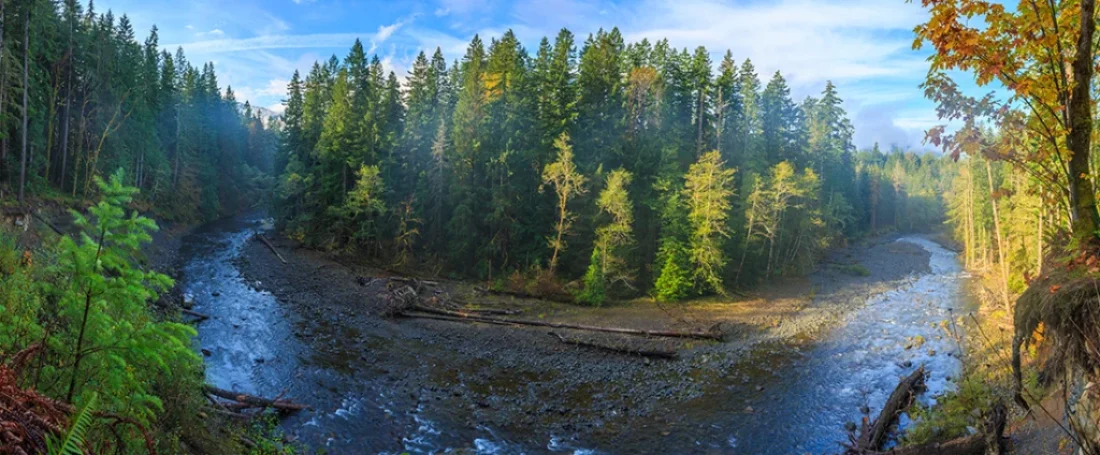
Unlike many rivers in the Pacific Northwest, the Sol Duc flows free without big dams to block migration. It rises high in Olympic National Park, rolls through dense rainforest, passes by Sol Duc Hot Springs, and then joins the Bogachiel to form the Quillayute River. Steep gradients, massive boulders, and historic log jams keep flows fast and create endless buckets and slots.
This is not gentle meadow water suitable for lazy wading. It is grabby, broken, short-swing water that demands attention. The river drops quickly after rain, so it can be brown one day and a perfect green the next.
That fast clearing ability is why many fishing guides and anglers love it. When other rivers like the Hoh River are blown out, the Sol Duc might be the only fishable option. It allows you to maximize your fishing time even during stormy weather.
A Quick History Lesson: Old School Spey To Modern Skagit
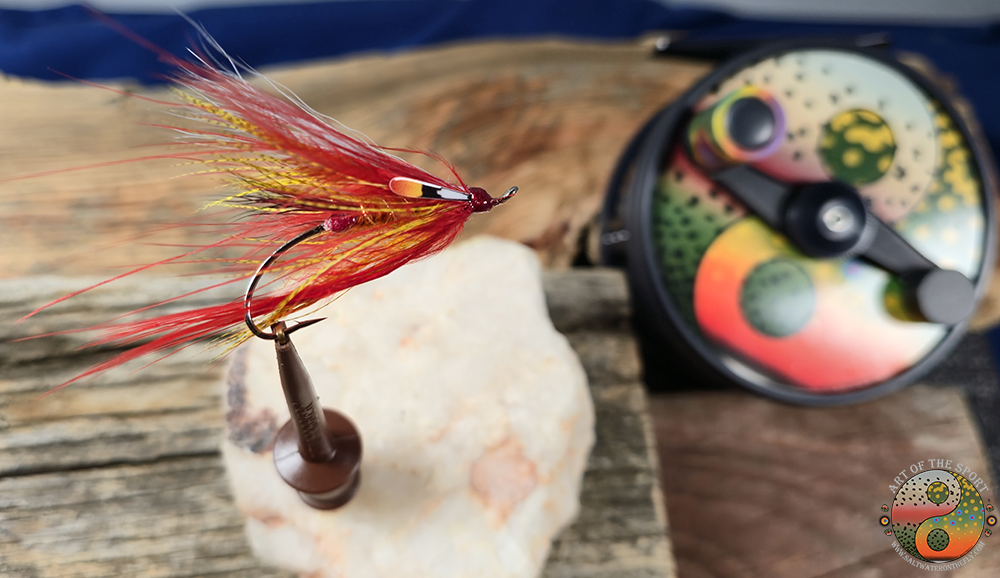
Modern Sol Duc steelheading on the fly really took off in the 1950s and 1960s. Forks Washington schoolteacher Syd Glasso became famous for his sparse winter steelhead spey patterns, including the Sol Duc Spey and his Heron series. His influence still shows up in modern intruders and hybrid patterns that blend tradition and new materials.
If you want to read about the culture and old school tactics of Olympic Peninsula rivers, Doug Rose’s archived work at Doug Rose Fly Fishing gives context on early seasons, access, and how this fishery changed. You will see how runs went from high numbers to more fragile populations. This history explains the strict rules regarding wild steelhead you find today.
Today’s typical setup looks very different from Glasso’s era, even though the goal is the same. Most anglers fish Skagit heads with heavy sink tips on seven or eight weight spey rods. These tools are built to turn over big flies and cut into fast currents.
It is classic winter work involving big tips and heavy casts. However, you are often swinging the same slots the old timers fished with long single-handers. The history here is deep, and locals have spent decades learning these runs.
Regulations, Licenses, And Wild Steelhead Reality Check
Before you even think about stringing up, you need a Washington fishing license. Non residents can get a license through the State of Washington licensing page. Check the options for annual, multi-day, and punch card rules so you know what applies for steelhead and salmon seasons.
Regulations on the Sol Duc change often, especially with wild steelhead concerns, emergency closures, and season tweaks. Do not assume what was legal three years ago still applies today. You must read current regulations and pay attention to gear rules, bait bans, wild release, and any closed sections.
The river sometimes faces emergency closures if flow gauges show water is too low or numbers are down. It helps to track current fishing reports, which give you both flow clues and recent rule changes.
You should also check the Waters West fishing report for local details. Additionally, the Gig Harbor Fly Shop Olympic Peninsula report keeps anglers updated on water levels and current action. Always know where the National Park boundary sits, as rules differ inside the park.
Sol Duc Water Types And How To Approach Them
The Sol Duc is short on broad flats and long runs compared to the lower Hoh River. You get broken pocket water, deep ledges, drop-offs, and short but sweet tailouts. These spots seem made for steelhead to rest during upstream pushes.
Boats let you cover water across many miles, but wade fishing still matters. At normal or low flows, walking anglers can find plenty of success. However, having a floating device helps you cross to the best gravel bars safely.
Most swings are short and targeted. You are hitting narrow slots under walking speed, then stepping and repeating rather than casting for the far bank. Sink tips in the T11 to T14 range help cut through heavy currents.
Heavy tips keep intruders in the zone long enough to tempt a grab. With heavy wood and structure, losing flies is just part of the deal. Bring more flies than you think you need.
Do not fall in love with any one pattern, because the river bottom claims many victims. This river rewards anglers who keep flies in scary places. Sometimes that means breaking off to reach holding fish.
Best Season For Sol Duc River Steelhead Fly Fishing Washington
The Sol Duc sees fish most of the wet months, but there are clear peaks. Early winter usually brings in hatchery runs and the first small trickle of wild fish. Things build as rain cycles stabilize and flows bump in regular patterns.
The real draw for most traveling anglers is the late winter to early spring window. January through early April is usually prime for wild steelhead, with many guides focusing trips during that slice. Water is cold, flows pulse with storm fronts, and every swing can feel like a lottery ticket.
Steelhead entering the system in winter are large, aggressive, and bright. Here is a simple seasonal overview to keep expectations realistic:
| Month | Steelhead Activity | Notes |
|---|---|---|
| December | Building | Hatchery focus, unstable flows, shorter days |
| January | Good | Mix of hatchery and early wild fish arrival |
| February | Strong | Key month for wild steelhead and winter steelhead season |
| March | Peak | Big wild fish and more consistent grabs in the river |
| Early April | Late run | Can be lights out or slow, highly weather dependent |
Always watch weather and flow trends. For accurate rain and forecast info around Forks, the National Weather Service Forks page gives hourly details that matter more than generic app icons. River conditions also show up in local shop reports through Waters West, which tracks gear and swing conditions for OP rivers.
Summer steelhead are also present in the Sol Duc, though they are harder to find than winter fish. Good summer steelhead numbers depend heavily on snowpack and rain. When conditions are right, a good summer day offers aggressive fish on lighter tackle.
Sol Duc River Steelhead Fly Fishing Washington: Top 11 Flies That Actually Catch
Steelhead on the Sol Duc do not eat because they are hungry. They eat because something pushed a button or triggered a territorial response. Your job is to keep bumping those buttons with different sizes, profiles, and colors.
You need patterns that catch steelhead by annoying them or stimulating a strike. Here are eleven patterns that show up again and again in guide boxes for this river. Think two to four-inch range, fished on strong hooks with stout wire.
-
Sol Duc Spey
This classic Glasso pattern is sparse, classy, and deadly in clear water. A dark body, soft hackle, and light wing move in a way that still looks fresh decades later.
-
Black and Blue Intruder
The standard winter confidence fly for catching steelhead in high water. Large profile, heavy eyes, and loads of movement make it visible in low light and green water.
-
Purple and Pink Intruder
Perfect for slightly colored water when you want pop without going neon. The contrast between dark and light elements helps steelhead pick it out fast.
-
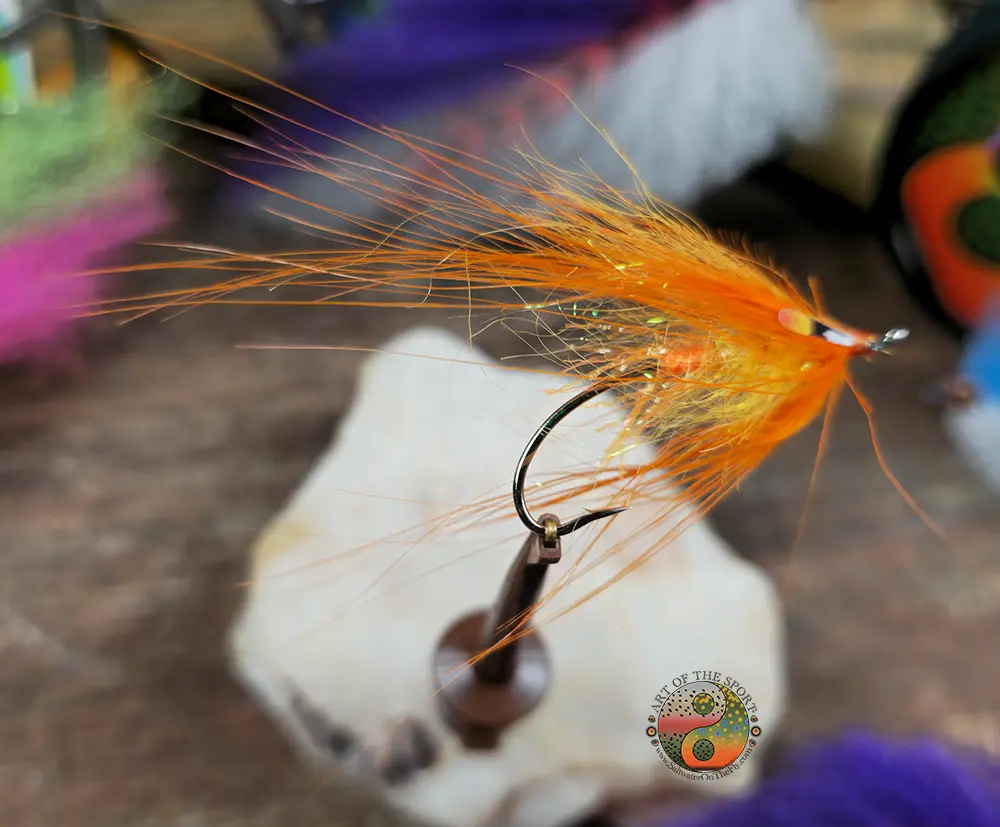
General Practitioner
The GP has serious history as a steelhead shrimp style pattern. Orange, buggy, and spiky, it can be tied on shanks or tubes for deeper swings.
-
Purple Peril
A legendary PNW pattern with a purple body, black wing, and silver rib. Many anglers switch to this fly in dim light or when rain starts again.
-
Green Butt Skunk
Simple and bold. That little flash of chartreuse on the tail end makes this more visible to fish.
-
Mega Moal Leech
A rabbit or marabou style sucking leech that swims like a real creature. Long, wiggly patterns shine in deeper boulder slots and slow tailouts.
-
Morrish Trailer Trash
This pattern focuses on maximum movement with minimal materials. Lots of flash and a slim front let it cut into the water easily.
-
Metal Detector
Great for pushing into heavier flows after rain or high river flow events. This fly comes heavy out of the box, offering depth without heavier tips.
-
Pick Yer Pocket
Compact intruder that really shines in pocket water. It is small enough to turn over on shorter casts but still offers a clear profile.
-
Egg Sucking Leech
Call it old school, but a black or purple leech with an egg head works. An egg sucking leech connects with both steelhead and bonus coho or trout.
You will hear a lot of different fly theories from social media experts. What matters more is confidence and consistency on the water. Pick two or three you really trust for each condition and fish them well.
Gear Setup: Rods, Lines, And What Actually Works Here
The Sol Duc is tighter and more technical than many wide-open PNW rivers like the lower Elwha River. Long bomb casting distance matters far less than quick change angles and swing control. Short head Skagit setups excel in this kind of water.
Seven and eight weight spey rods between eleven and thirteen feet feel ideal for most anglers. Many also bring shorter switch rods for low flows or bank bound days. These shorter rods handle roll casts under tree cover more easily.
If you are just starting with gear choices, guides and deep reviews in general fly fishing gear guides help explain equipment. They break down why certain rods, lines, and sink tips pair better with heavy winter flies. You want heads that turn over weighted patterns smoothly.
Some anglers also bring a single-hand rod for nymphing egg patterns. This technique catches trout fishing targets like rainbow trout and cutthroat trout. It is a fun way to pass time if the steelhead are not cooperating.
Planning Your Trip: Weather, Lodging, And Simple Logistics
First thing you accept with a Sol Duc trip is the rain. It will be wet, and then it will get wetter. Layering is not a luxury here; it is survival and sanity protection.
Since Sol Duc River Steelhead Fly Fishing Washington usually centers on Forks Washington as your base, most anglers stay there. You need lodging that keeps gear drying and hot coffee flowing. A solid example near key water is the cedar cabin option highlighted at Olympic Peninsula Waterfront Cabins.
At these cabins, anglers can stash gear, crash hard, and walk out ready for more cold hours. As you map your travel and pack lists, think about what you will do on blown-out days. The OP is also prime country for surfing and storm watching.
It pairs well with an overall adventure trip rather than a narrow fishing-only agenda. Visiting the nearby Olympic National Park boundaries is always a great backup plan. You can hike or explore the coastline if the river closed due to flooding.
When you plan how to access Sol Duc runs, be respectful of private property. Public access points exist, but they can be crowded. Finding a quiet place often requires a bit of hiking or floating.
Salmon Season Bonus: Coho And Chinook On The Fly
Although steelhead get the glory, the Sol Duc also hosts all five Pacific salmon species. Fall coho salmon offer some of the rowdiest fly grabs you can experience. They often travel up after big fall rains.
Post-storm drops can be prime time for swinging bright streamers for these fish. Many steelhead fly patterns work fine for coho. However, a shift to flashier patterns and stripping the fly often triggers more eats.
Chinook salmon, or King salmon, are trickier customers. Dedicated salmon fishing anglers treat them as the trophy target. Fall and spring chinook windows both offer shots for those who can handle long hours.
Spring Chinook are incredibly strong and fight hard in the heavy current. While you might not see salmon sockeye in fishable numbers, the diversity is amazing. Steelhead populations share the river with these powerful cousins.
Using egg sucking leech patterns during salmon season can be very effective. Trout and char sit behind spawning salmon to eat drift eggs. This is a great way to catch fish when the main run is slow.
Learning Curve: Steelheading Skills Transfer Everywhere
Chasing Sol Duc steelhead builds a type of mental and technical toughness. You can take these skills to many rivers across the country. If you love travel-based fishing, you can carry lessons from this river anywhere.
Travel-focused anglers who like variety often start comparing trips in different regions. You can use overviews of the best United States fly fishing destinations to plan. You start to see patterns in what makes one river worth the drive versus another.
Whether it is fish size, scenery, or nearby non-fishing fun, the criteria are similar. If you run a business, you might even like takes that link fly fishing and financial planning. That kind of thinking fits steelheading well.
You invest tons of time and patience up front for small but intense payoffs. Good summer fishing or a great winter steelhead winter day makes it all worth it. The return on investment is the memory of a wild fish.
Extra Reading, Gear Nerd Fun, And Where To Shop
Once you get hooked on this river, reading season hits hard every off-season. Print junkies who want travel and technique in magazine form can find content. Look for pieces like 2025 Fly Fisherman Destinations.
You can also find technique approaches in 2025 Fly Fishing Made Easy. On the gear side, anglers who like browsing lures and lines can shop online. Regional retailers such as Northwest Fishing Shop are excellent resources.
This type of resource keeps you from wasting a day because you left one sink tip at home. It also helps to stock up on fly tying materials before the trip. You might need to tie more egg sucking patterns at night.
If you want a broader mix of technique ideas, look for magazines covering other species. Reading about kayak fishing, bass, and walleye helps balance your steelhead obsession. It is a nice mental reset from watching river flow gauges constantly.
Conclusion of Sol Duc River Steelhead Fly Fishing
Sol Duc River Steelhead Fly Fishing Washington gives you rainforest drama, angry chrome, and more than a few skunk days. You will work for every grab here. But the payoffs have a way of rewiring your standards for what good fishing looks like.
Imagine short, fast swings through deep green seams and one clean pull. Then, you battle a fish trying hard to leave the county. If that sounds like your kind of suffering, this river belongs on your travel list.
Get the right license and keep up with current reports. Respect the wild steelhead focus and bring fish to hand quickly for release. Bring gear that can take day after day of cold rain.
If you do that, the Sol Duc might ruin you for every other river. It is a special place that demands your best effort. Access Sol Duc water with respect, and it will reward you.