Teton-Bridger Wilderness Wyoming
Teton Wilderness in Wyoming—yeah, that vast chunk of untamed land in the Bridger-Teton National Forest—is basically the spot where Mother Nature decided to flex and say, “Hold my beer, I’ll make something that’ll make Grand Teton National Park look like a crowded parking lot.” Clocking in at over 585,000 acres, it’s one of those places where you can actually escape the selfie-stick hordes and pretend you’re the only human for miles. Spoiler: you probably are, because most people are too busy fighting for parking at Jenny Lake to venture this far north and east.
If you’re the type who thinks “vacation” means bug spray, bear spray, and questioning your life choices while humping a 50-pound pack uphill, welcome home. This region offers a raw, unfiltered experience that tests your limits and rewards your efforts with views that haven’t been filtered through a thousand Instagram edits. We are going to look at the history, conservation efforts, brutal hiking trails, backcountry camping, access points, and fly fishing opportunities that define this area.
We will keep it real, sarcastic, and packed with the kind of details that matter to serious adventurers. Buckle up; this is going to be a comprehensive look at one of the last truly wild places in the lower 48 states.
Table of Contents
A Quick History Lesson: From Native Trails to “Hey, Let’s Not Ruin This”
Humans have been messing around in this area for a ridiculously long time. Archaeological digs around Jackson Hole and the broader region show evidence of Paleo-Indians hanging out here as far back as 11,000 years ago. They were likely chasing big game and wondering why the weather couldn’t make up its mind. These early inhabitants established the first trails, following migration routes that animals still use today.
Fast-forward through the fur trappers of the 1800s—those guys were basically the original off-grid influencers, smelling worse than your last backpacking trip—and you get to the territorial days. Wyoming was still figuring out if it wanted to be a state or just a really big ranch. The modern story kicks off in the early 20th century. In 1908, President Teddy Roosevelt reorganized forests, creating chunks that would become the Teton and Wyoming National Forests. These were later merged into the Bridger-Teton in the 1970s.
The area received its official wilderness designation in 1964 under the Wilderness Act. This move protected 585,238 acres from roads, chainsaws, and most forms of civilization. It borders Yellowstone to the north, Grand Teton National Park and the Rockefeller Parkway to the west, the Washakie Wilderness to the east, and more forest to the south. Being part of the massive Greater Yellowstone Ecosystem, it remains one of the last truly intact big wild spots in the country.
In 1987, the Teton-Yellowstone tornado ripped through like an angry vacuum cleaner. It flattened a 20-mile by 2-mile swath of forest at high altitude. This was nature’s way of saying, “I can redecorate whenever I want.” The scars remain visible in places, featuring twisted trees that look like bad modern art. It serves as a reminder that wilderness operates on its own schedule, regardless of your itinerary.
Conservation: Because Someone Has to Keep the Grizzlies Fed and the Tourists Out
Conservation here isn’t some feel-good bumper sticker; it represents serious business. The U.S. Forest Service manages the Teton Wilderness as part of the Bridger-Teton National Forest, emphasizing minimal intervention so wildlife can do its thing. This place serves as prime habitat for grizzly bears, black bears, wolves, moose, elk, trumpeter swans, sandhill cranes, and enough songbirds to make you question if you’re in a Disney movie.
Groups like the Greater Yellowstone Coalition fight to keep logging, mining, and over-development at bay. Meanwhile, the Forest Service enforces rules like no motorized vehicles or bikes in the wilderness (sorry, e-bike bros). You do not need permits for most day use or backpacking, unlike the overcrowded Grand Teton NP next door. However, you must pack out everything, camp 200 feet from water or trails, and practice Leave No Trace principles unless you want rangers to give you the stink-eye.
The wilderness protects critical corridors for migrating animals and pristine watersheds. It also houses that elusive “most remote spot in the contiguous U.S.” near Bridger Lake and the Thorofare/Yellowstone River confluence. At that specific coordinate, you are farther from a road than anywhere else in the lower 48. It is basically the continental “middle of nowhere.” Conservation wins here mean fewer roads, fewer crowds, and more chances for actual solitude.
Detailed Hiking Guide
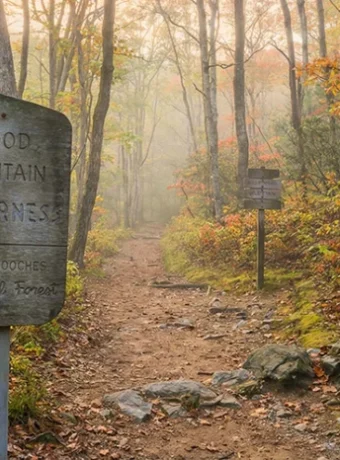
Hiking in the Teton Wilderness is not like strolling the manicured paths of Grand Teton NP. This is real-deal backcountry, featuring 450+ miles of trails ranging from easy meadow strolls to multi-day epics that make you earn every blister. The trails are rugged, often muddy, and sometimes covered in snow well into July.
South Fork Buffalo Fork
This route serves as a classic entry point for accessing the heart of the wilderness. It is moderate to hard in difficulty, winding through meadows and rivers with high chances to spot wildlife. It works great for ambitious day hikes or as the start of a multi-night expedition.
Huckleberry Mountain via Sheffield Creek
Expect a steep but rewarding climb on this trail. It leads to killer views and alpine lakes that look unreal in photographs. Fall colors here are stupidly pretty, making the burning in your quads acceptable.
Breccia Peak
This one is for the masochists who like scrambling. The terrain is rocky, exposed, and panoramic. You get a view of the Tetons that most people only see on postcards, without the crowds blocking your line of sight.
Two Ocean Pass
This spot is famous because the waters here split to the Atlantic and Pacific oceans. It presents a mind-bending geography lesson and sits right on the Continental Divide Trail. Seeing a creek divide into two separate destinies is a geographical oddity you won’t find just anywhere.
Longer routes connect to Yellowstone or the Thorofare region. Think 20-50+ mile loops with lakes, rivers, and zero services. Expect grizzly country, so bear spray and food storage are non-negotiable. The payoff includes solitude, wildflowers, and views that make Instagram look fake.
Detailed Guide for Backpacking Two Ocean Pass Loop Teton Wilderness
The Two Ocean Pass Loop offers an incredible journey into the heart of Teton Wilderness Wyoming. This trip is perfect for those who want real remote wilderness travel. It combines the challenge of backpacking Teton Wilderness with stunning scenery.
This multi-day hike usually takes three to five days. It covers about 30 miles. You will follow parts of the Continental Divide Trail. This means you get to see some incredible geographic features. Waters here famously split to the Atlantic and Pacific oceans. It is a cool fact to think about while you are hiking.
Start your adventure from the Turpin Meadows trailhead. This trailhead gives good access to the southern part of the wilderness. Expect to gain and lose elevation. But the views make the hard work worth it. You will walk through open meadows and dense forest.
Backcountry trails Wyoming can be rough. Be ready for muddy spots, especially in early summer. Wildflowers bloom everywhere in July and August. This adds beauty to your trip. Wildlife viewing Wyoming is a big draw here. Keep an eye out for moose, elk, and deer. Grizzly bears Wyoming live here too. So carry bear spray and know how to use it.
Wilderness camping Wyoming is simple. Pick a spot 200 feet from water and trails. No Wyoming wilderness permits are needed for backpackers. But follow Leave No Trace principles strictly. Fly fishing Teton Wilderness is excellent along the way. Bring your rod if you enjoy catching native cutthroat trout.
This loop truly shows the wild beauty of the Bridger-Teton National Forest. It is a key part of the Greater Yellowstone Ecosystem. This adventure gives you deep solitude and a chance to truly disconnect. Prepare well for this outdoor adventure Wyoming. It is a trip you will not forget.
Backcountry Camping Logistics
Backcountry camping in the Teton Wilderness is gloriously unregulated compared to national parks. You will find no reservation systems, no designated sites, and no quotas. You just find a spot at least 200 feet from trails, water, and streams, on durable surfaces.
Campfires are generally allowed, but you must check current fire restrictions before you strike a match. You must pack out all trash and human waste; wag bags are highly recommended in high-use areas to keep the place pristine. It is perfect for multi-day trips where you set up base camps near lakes or rivers and day-hike from there.
Stock users (horses/mules) need permits for groups or overnight stays, but solo backpackers can just go. Follow Leave No Trace principles or face the wrath of rangers and bad karma. Also, mosquitoes in early summer are biblical. Bring a headnet and DEET, or suffer like the rest of us amateurs.
Best Access Points
Getting in isn’t as easy as driving to Jenny Lake. Most access comes from the east/south via USFS roads. You need to be prepared for gravel, dust, and washboards that will rattle your fillings loose.
Turpin Meadows serves as a primary hub. Located off Highway 26/287 near Moran, it offers great access for the Buffalo Fork trails. It is also a popular spot for horse access and provides quick entry to the southern wilderness.
Brooks Lake offers a scenic drive and trailheads to Pinnacles and falls. It remains popular for day hikes or longer treks into the higher elevations. The views from the parking area alone are worth the drive.
South Fork Buffalo Fork trailhead provides direct access to core areas. This is where you go if you want to get deep into the wild quickly. Other entry points exist from the west (via Yellowstone) or north, but expect rough roads. High-clearance vehicles are recommended because no paved paradise exists here. It is part of the charm, or torture, depending on your vehicle’s suspension.
Fly Fishing Teton Wilderness Wyoming
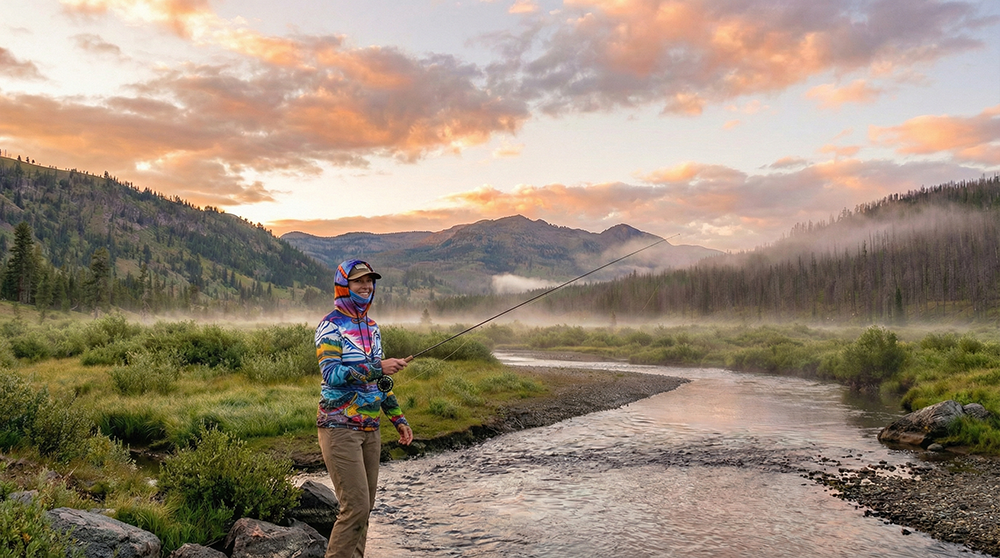
The Teton Wilderness has world-class fly fishing in pristine rivers and lakes. We are talking about native Yellowstone cutthroat, brook trout, and rainbows in settings that make Patagonia look basic. The water here is clear, cold, and full of fish that haven’t seen a thousand artificial flies this season.
Yellowstone River headwaters and Thorofare Creek offer remote, stunning waters with dry-fly action for cutthroat. You have to hike or ride a horse to get here, which filters out the casual anglers. Solitude is practically guaranteed.
Buffalo Fork and its tributaries feature clear waters and eager fish. In the summer, hoppers and stimulators work like magic. The fish here are often looking up, waiting for a terrestrial meal to drop in.
Alpine lakes near Two Ocean Pass are crystal clear and hold hungry trout. These are often brookies or cutts that are aggressive and fun to catch. The hike up keeps the pressure low.
Most fishing here is wade or hike-in; you won’t find drift boats like on the Snake River. Terrestrials (ants, hoppers) kill in summer, while nymphs and streamers work for deeper runs. Bear country means fishing with one eye on the rod and one on the woods. A Wyoming fishing license is required, and catch-and-release is strongly encouraged for natives.
Fly Fishing Yellowstone River from Yellowstone Lake to Headwaters and Beyond
Yellowstone River from Yellowstone Lake up to its headwaters in the Thorofare is basically the fly fishing equivalent of winning the lottery, then realizing the prize is a 30–40 mile hike through grizzly country just to collect it. Oh sure, it’s stunning—pristine meadows, massive cutthroat trout that have probably never seen a human before, and the kind of solitude where you start talking to your rod like it’s your best friend. But let’s be real: most folks read “remote wilderness” and think “sounds fun,” then bail when they see the mileage. Congrats if you’re still reading—you might actually do this.
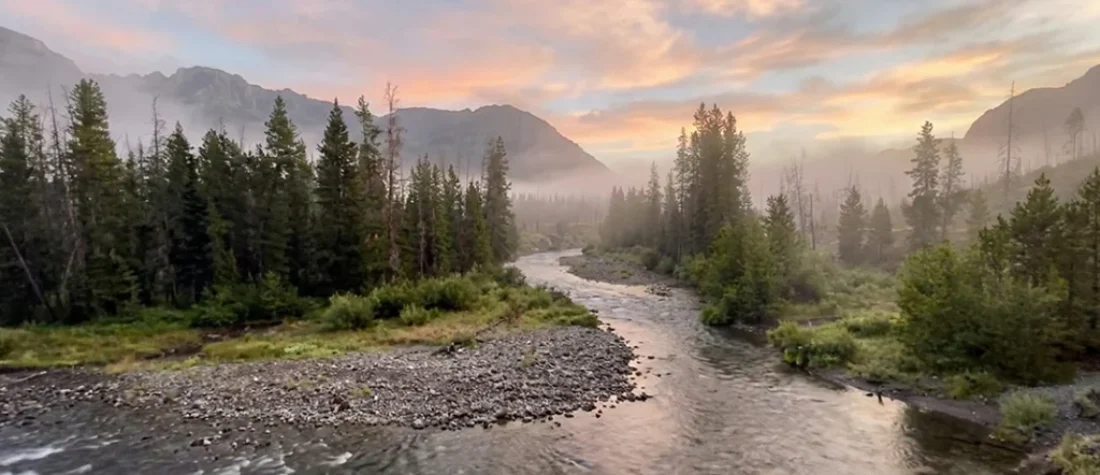
This stretch starts (or ends, depending on your masochism level) at the outlet of Yellowstone Lake and heads south into the Thorofare region, the farthest point from a road in the Lower 48. The river here is more of a classic mountain stream than the big freestone beast it becomes downstream—think pocket water, riffles, and the occasional deep run loaded with native Yellowstone cutthroat. The fish are beautiful, willing (when they’re not ignoring you), and often in the 16–20+ inch range if you earn it. But thanks to some genius who dumped lake trout into Yellowstone Lake back in the day (illegal intro, shocking, I know), the cutthroat spawning runs got hammered for years. The Park Service has been gillnetting those invasive jerks like it’s their full-time job, and the cutthroats are rebounding—slowly, but noticeably. So yeah, you’re fishing a recovering legend. No pressure.
History? The Yellowstone River starts high in the Absaroka Range, with forks off Younts Peak and Thorofare Mountain merging into what becomes the park’s namesake waterway. It flows north into Yellowstone Lake, then out and over the famous falls. The Thorofare itself was a historic travel corridor for mountain men and Native Americans—easy pass over the divide before roads ruined everything. Fly fishing here? It’s always been epic in theory, but the lake trout debacle turned the upper reaches into a ghost town for spawning cutts until the suppression efforts kicked in. Fires in ’88 added silt and headaches, but nature’s tough. The cutthroats are hanging on, and the ecosystem needs them—grizzlies, otters, birds, they all chow down on these fish. Mess it up, and the whole food web feels it.
Conservation is the sarcastic part: Don’t be that guy. Catch-and-release only for cutthroat (check regs—it’s strict in the park), no felt soles to stop spreading invasives, pack out everything including your ego, and maybe skip the trip if you’re not bear-aware. The Native Fish Conservation Program is grinding away on lake trout removal, and it’s working—cutthroat numbers in tributaries are climbing. Support it by donating to Yellowstone Forever if you feel guilty about all the gear you bought for this one trip.
Fishing Locations — Good luck getting there without blisters:
· Thorofare proper (headwaters area): Epic pocket water and runs. Hike in via Continental Divide Trail from the east or south (Heart Lake trailhead). Fish the main stem and tributaries—pure wilderness, low pressure, big fish potential during spawn migrations.
· Upper river just above Yellowstone Lake (Southeast Arm delta): Meandering through willows, great for sight-fishing cruisers. Access via long boat shuttle across the lake or multi-day trek.
· Near the Thorofare Ranger Station/Patrol Cabin: Classic spot—river views, side channels, and that “I’m really out here” feeling.
Camping Locations — Because sleeping in your truck at Bridge Bay doesn’t count:
· Backcountry sites along the Thorofare Trail (e.g., near Three Mile Bend, or lakeside spots like Brimstone Bay on Yellowstone Lake for the approach).
· Popular ones: 6Y6 (Three Mile Bend—mosquito hell but river views), or sites in the meadows south of Heart Lake if you’re looping.
· Reserve through the park’s backcountry office—permits required, and spots fill fast. Boat shuttles to lake sites are an option if you’re feeling fancy (or lazy).
Fifteen Best Flies for Fly Fishing Yellowstone River-Teton Wilderness Wyoming
15 Best Flies for this stretch (because nothing says “I’m serious” like carrying 47 variants of the same pattern):
1. Yellow Stimulator — Attractor dry for choppy water.
2. Chubby Chernobyl (tan or olive) — Hopper-dropper king.
3. Parachute Adams — PMD/Gray Drake imitation.
4. Elk Hair Caddis — Classic for evenings.
5. Pale Morning Dun (PMD) patterns — Size 14–16 for summer hatches.
6. Green Drake — When those big boys show up.
7. Hoppers (foam) — Late summer terrestrial game.
8. Ant patterns (CDC or foam) — Underrated killer.
9. Beetles — Another terrestrial must.
10. Woolly Bugger (black/olive) — Streamer for deeper runs.
11. Zonker or similar baitfish streamer — For aggressive fish.
12. Pheasant Tail Nymph — Classic dropper.
13. Hare’s Ear Nymph — Versatile subsurface.
14. Stonefly nymph (Pat’s Rubber Legs) — For pocket water.
15. Prince Nymph — Attractor when nothing’s hatching.
Tie on light tippet (5–6X for dries), go small when picky, and swing streamers if it’s high or off-color. Best window: Late July through September after runoff, when bugs pop and fish are looking up.
So there you have it—the Yellowstone River from lake to headwaters in the Thorofare: gorgeous, grueling, and genuinely special if you survive the hike, bears, bugs, and your own questionable life choices. If you’re the type who thinks “remote” means “Instagram gold,” stay home. If you’re ready to earn those fish, pack light, respect the resource, and maybe leave a six-pack at the trailhead for the ranger. Tight lines—or whatever sarcastic equivalent works when you’re alone for 40 miles.