Trask River Steelhead Fly Fishing Oregon: Angler’s Guide
Trask River Steelhead Fly Fishing Oregon sounds like a dream search phrase, but it is also a test. The Trask will show you how patient you really are, how dry your rain jacket stays, and how much you actually love wild steelhead. If you are chasing chrome in Oregon and want a river that feels raw and real, Trask River Steelhead Fly Fishing Oregon is exactly that place.
You are not coming here for easy access or high hatchery counts. You are coming for the moment when a bright winter fish crushes a swung fly in green water and your reel starts to scream. If that is what you want from a steelhead trip, keep reading.
Table of Contents

Reason The Trask River Hooks So Many Steelheaders
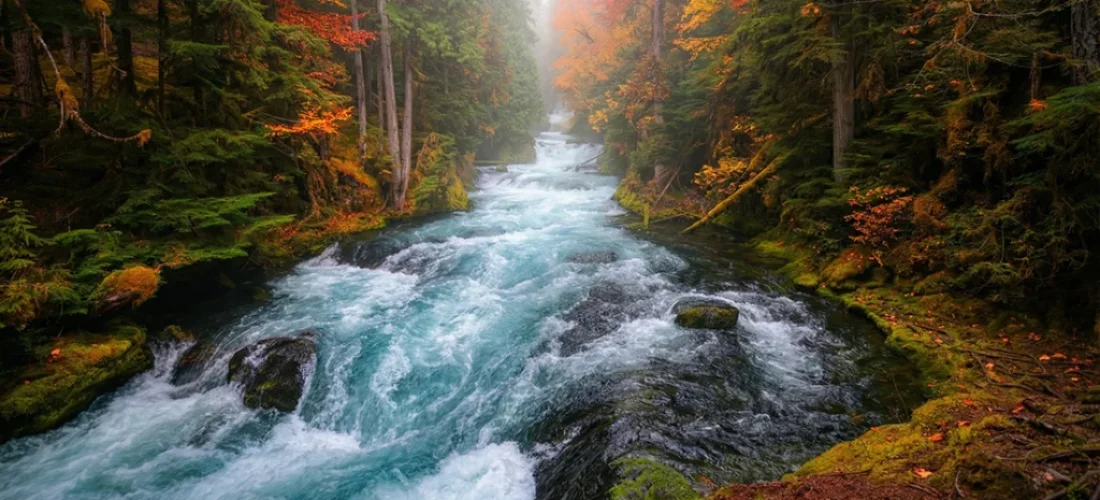
The Trask flows out of the northern Oregon Coast Range and feeds Tillamook Bay with cold, fast water. The watershed still has heavy timber use, but much of the upper basin keeps that dark forest feel that makes coastal rivers so addictive. You can read more about the basin layout in the Trask River Watershed Analysis.
Unlike the nearby Wilson River or the Kilchis River, the Trask does not lean hard on planted winter steelhead anymore. Most winter fish here are native and still know how to fight. You might see a hatchery stray now and then, but the star of the show is a wild, unclipped fish that has seen some things in the Pacific.
That choice means fewer fish overall, but a better quality experience if you care about wild runs. Many North Coast reports describe how conditions can change fast across rivers like the Trask, Wilson, and Kilchis. You can track that kind of talk through regional fishing shops such as the crew behind North Coast steelhead reports.
The Trask sits geographically in the middle of several major rivers that drain into the Tillamook Basin. It shares characteristics with the Nestucca River to the south and the Nehalem River to the north. While the North Fork Nehalem stock is famous for early returning hatchery fish, the Trask focuses on wild genetics. This makes it a distinct challenge compared to the high-production hatchery systems.
Understanding Trask River Steelhead Runs And Conditions
If you only remember one thing, remember this. The Trask is a rain driven coastal river. Timing your trip around storms is half the battle.
Winter steelhead generally push in from late December through April, with the meat of the run often arriving as the season peaks January through March. Each rain pulse pulls new fish into the system and spreads them through different reaches. You want that magical window after a blowout when the river drops, turns green, and still carries good push.
Gauge levels matter here, but you also need to actually look at the water. Think clear but slightly tinted, not chalky brown or summer clear. Many anglers pair gauge watching with up to date Northwest zone reports on ODFW channels so they do not drive out for chocolate milk or low clear misery.
Early winter runs can sometimes bring surprises. While the system is not known for huge numbers of early returning hatchery fish like Big Creek or Gnat Creek, strays do happen. However, the bulk of the action heats up during the winter months when the wild fish move. The river creates a different fishing experience than the Columbia River tributaries.
During low water years, the fish may hold low in the system near the bay. In high water years, they shoot straight for the upper tributaries. Watching the flow charts for the nearby Wilson River and Miami Rivers can give you a clue, as they all react to the same weather patterns.

Regulations, Licenses, And Wild Fish Ethics
Because this is mainly a wild steelhead river, the rules tend to protect those native fish. Most years that means catch and release only for any steelhead with an intact adipose fin. If you see a fin clipped hatchery fish you may be allowed to keep it, but always check that current year rule book first.
Oregon updates its fishing rules through an online regulation system, which includes details such as new steelhead validations that start with recent seasons. If you plan to chase fish across zones or seasons, this matters more than you think.
Residents and visitors both need an Oregon license before they swing flies on the Trask. The Oregon Department of Fish and Wildlife lays out those options at its online license portal where you can get fishing license details and then jump straight to the page to buy license products.
Be aware of specific closures. Some areas might be closed Oct 31st to protect spawning Chinook salmon or fall Chinook. Always verify the boundaries, especially near the North Fork or South Fork confluences. The regulations in the Northwest Zone can differ significantly from the Southwest or Columbia Zone.
Access And Sections: Where You Can Actually Reach The River
On paper, the Trask looks like a perfect fly stream with boulder gardens, tailouts, and classic glides. In reality, some banks are tight, some land is private, and some stretches need a drift boat to fish well. If you enjoy exploring, that mix can feel fun rather than limiting.
The lower river near Tillamook gets heavier pressure from gear anglers targeting salmon and winter steelhead. It still offers fly water in softer runs and longer bends. As you move upstream along Trask River Hwy, the river tightens and feels more like classic swing water with less boat traffic on some days.
Finding a good boat ramp can be competitive during the peak season. The lower drifts are popular for those chasing fresh fish leaving tidewater. The upper drifts require more skill on the oars. If you are not confident rowing, do not attempt the upper stretches.
If this is your first visit and you want to skip some trial and error, you can lean on experienced guide outfits. For example, Bob Rees and other local guides through The Guide’s Forecast run trips on many North Coast systems.
Access points are scattered. Pull-outs along the road often lead to trails down to the water. Look for well-worn paths but be mindful of private property signs. The Trask shares this limited access trait with the Necanicum River and parts of the Siletz River.
Gear For Trask River Steelhead Fly Fishing Oregon
This is a coastal steelhead river with enough swing room for both single hand and two hand rods. Which setup you carry depends on how you like to fish and how much bank access you have for your style.
A solid base kit looks something like this simple table.
| Gear Piece | Typical Choice | Why It Works On The Trask |
|---|---|---|
| Rod | 7 or 8 weight, 10 foot single hand | Good for nymph rigs or short swings in tighter spots |
| Spey rod | 12 to 13 foot, 7 or 8 weight | Handles big tips, longer casts, and classic swing style |
| Lines | Skagit head with sink tips | Lets you throw big weighted flies in winter flows |
| Sink tips | T 8 through T 14 | Adjust depth to hit fishy lanes from knee deep to chest deep |
| Leaders | 8 to 12 pound fluoro | Strong enough for native fish yet thin enough in clear water |
If you are newer to gear choices and want a wider overview, several broad guides break down setups and options. Travel focused guides like us take a long form look at fly fishing gear can help you sort through rods, lines, and waders for more than one river. You can then tune that base kit for winter work on the Trask.
For anglers interested in lighter setups during the off-season or for sea-run cutthroat trout, Trout Spey gear is becoming popular. A lightweight two-handed rod allows you to swing smaller soft hackles in the estuaries or lower river. This mimics the style used on the Alsea River or Nehalem River for smaller quarry.
Best Seasons And Conditions For Swinging Flies
Steelhead have a gift for making you show up on the wrong day. The river looks good on paper and the photos from last week look unreal. You show up to either chocolate water or a trickle that might float a leaf but not your sink tip.
To hedge that pain, build your trips around a flexible window rather than a fixed day. Watch weather systems, watch local snow lines, and compare flows across nearby North Coast rivers. If the Wilson or Kilchis spike with a big storm, the Trask will too, so reading all of them at once can clue you into regional changes that reports such as the recreation report often cover.
That green window is your gold. The river drops out of flood, loses its muddy stain, and lands in a sweet spot that pulls fresh fish. Fish spread through lower and middle sections and often sit in travel lanes and soft edges that scream swing a fly here.
While summer steelhead are not the primary target on the Trask compared to the North Fork Nehalem or Siletz River, there is occasionally a small summer component or strays. However, the river gets low and warm in summer. It is often better to focus on the Alsea River or Columbia River tributaries during July and August.
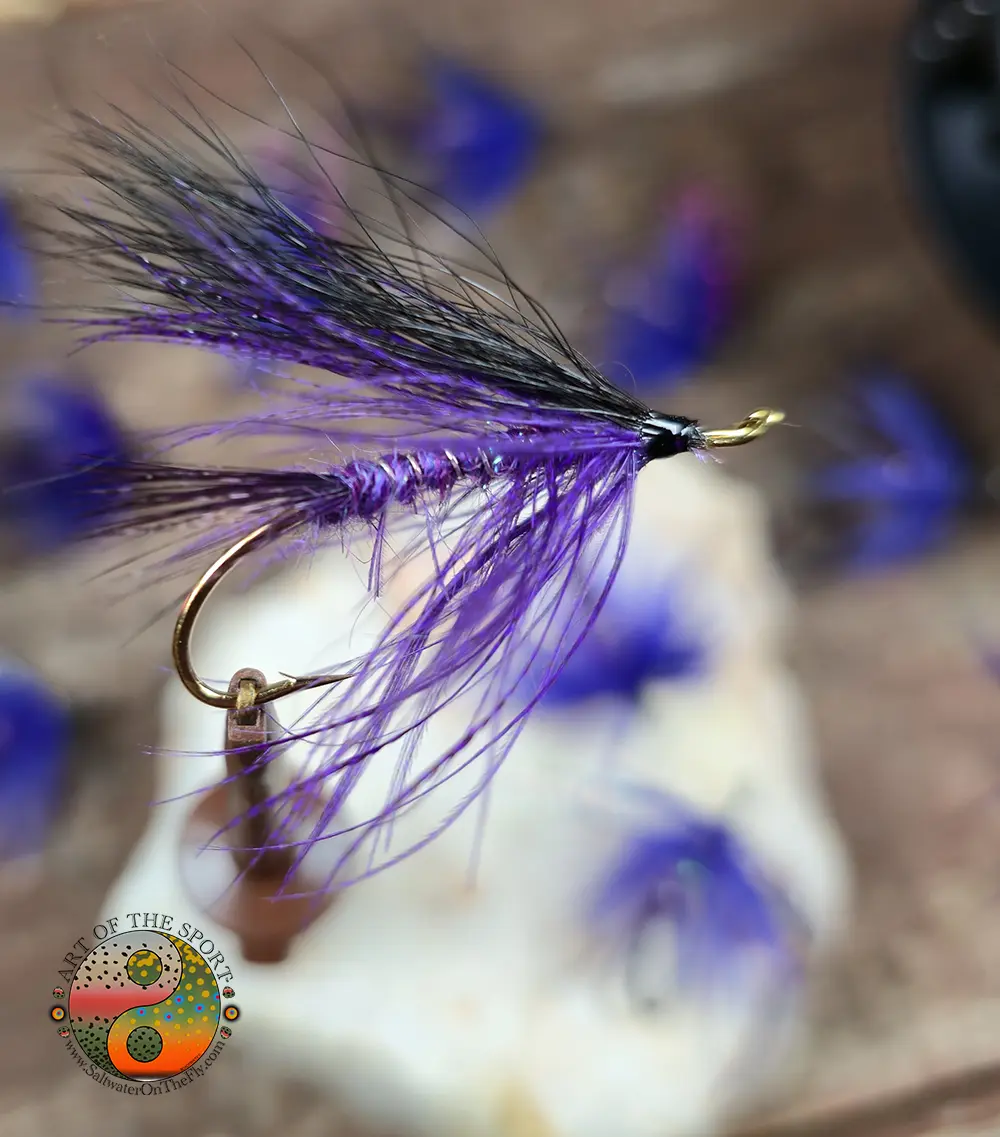
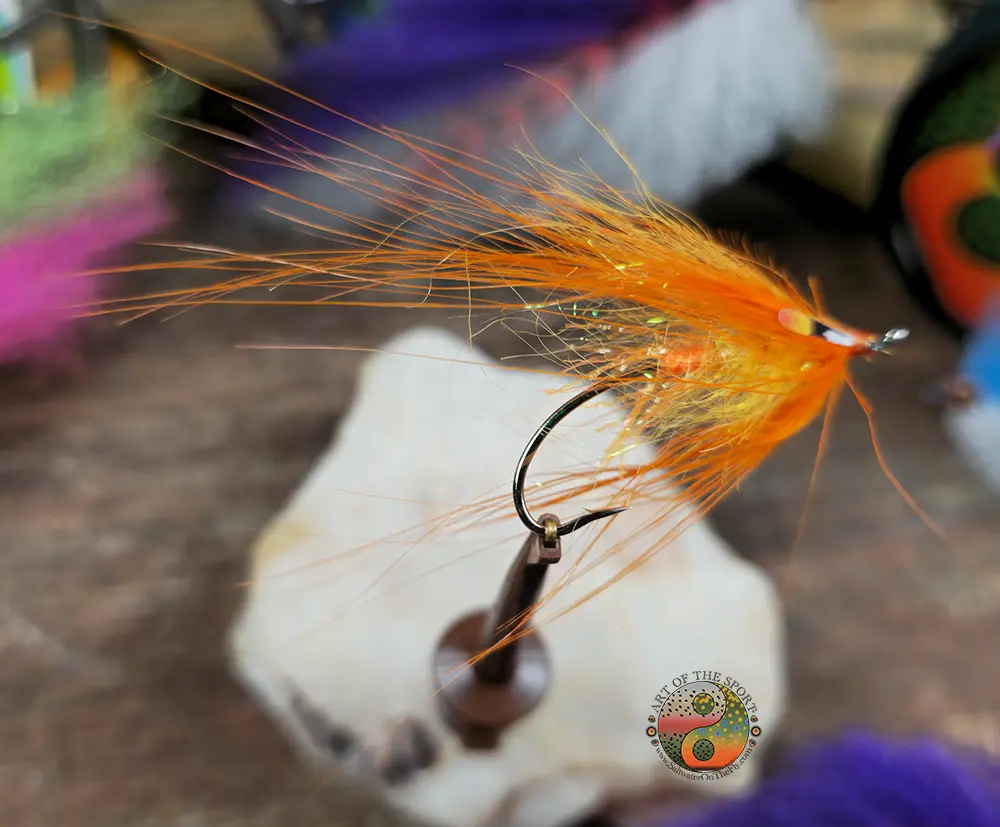
Eleven Proven Fly Patterns For Trask Winter Steelhead
Fly choice on the Trask matters, but maybe not as much as some fly shop boards suggest. Confidence is what you really need, because this river will hand you plenty of empty swings. Still, a focused box helps.
Here is a simple look at eleven flies that give you solid coverage for typical Trask winter conditions.
| Fly Name | Style | Best Use |
|---|---|---|
| Black and Blue Intruder | Large profile swing fly | Colored water, overcast days, deep travel lanes |
| Purple and Black Intruder | Large profile swing fly | Low light, steelhead with attitude, mid depth swings |
| Green Butt Skunk | Hair wing classic | Medium flows with decent clarity, traditional swings |
| Egg Sucking Leech | Leech with hot bead | Fish hanging below spawning beds or colored tailouts |
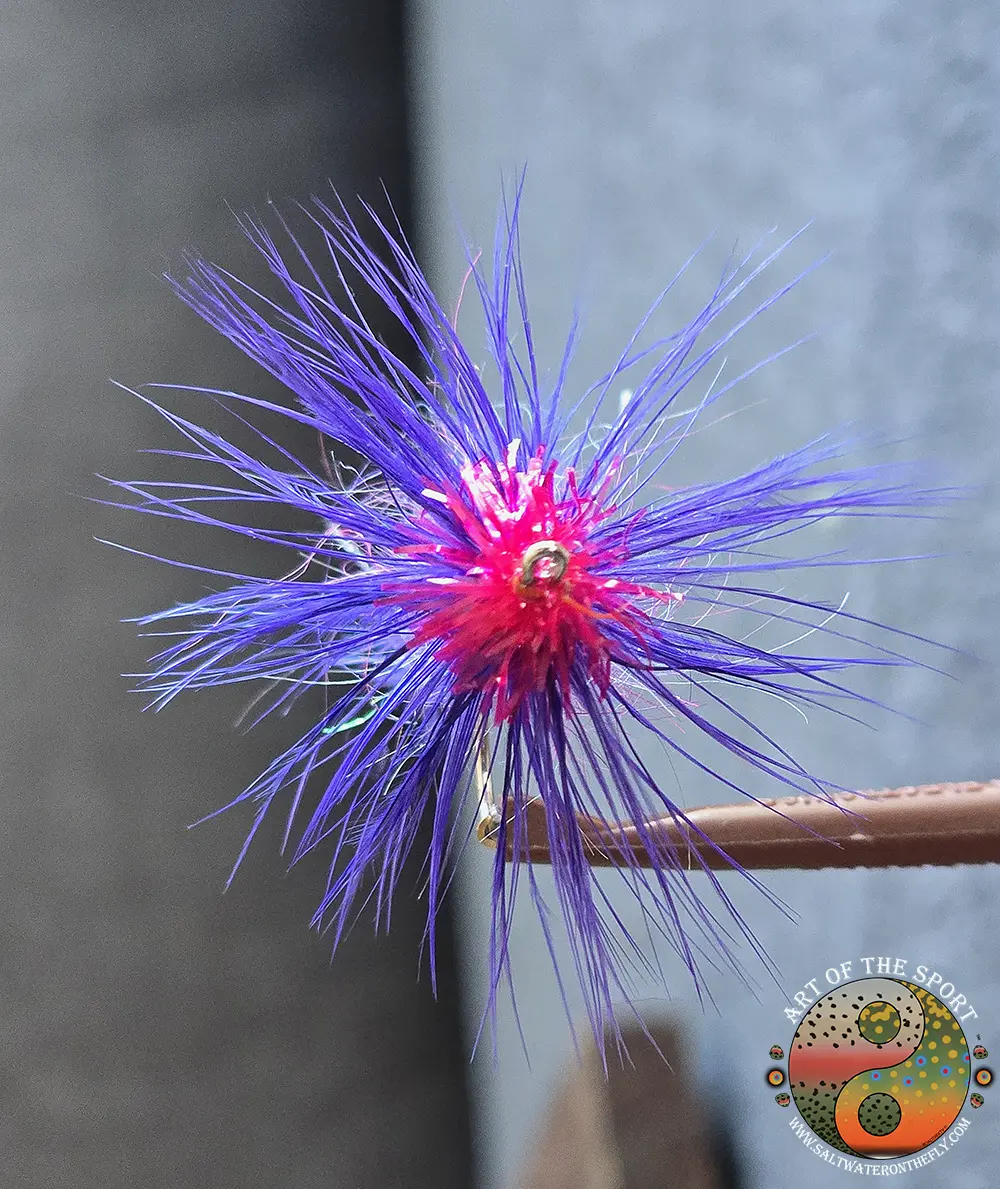
| Hot Pink Intruder | Bright big pattern | Post storm fresh fish, off color water, cloudy days |
| Orange and Black Moal Leech | Articulated leech | Tannic green flows, late afternoon swings |
| Pick Yer Pocket | Slim modern steelhead fly | Clearing water when fish get skittish |
| Winter’s Hope | Classic steelhead pattern | Overcast winter days, mid river slots |
| Blue Charm | Traditional wet fly | Warmer clear days when you want smaller profile |
| Muddler Minnow | Bucktail and deer hair | Skating summer stray fish or swinging sunk versions in low water |
| Beadhead Pheasant Tail | Heavy nymph | Indicator setups in cold, clear winter pools |
Fish these on tips that fit the run depth you are fishing. T 11 and T 14 for deeper tanks, T 8 for softer water where you do not want to hang every rock on the bottom. Longer leaders in clear water help your fly swing clean instead of looking tied to a cable.
You can also adapt patterns used for North Fork Nehalem stock if you are targeting fresher, aggressive fish. Sometimes, smaller flies that work on the Salmon River or South Coast streams can trick a Trask fish when the water gets low. Don’t be afraid to experiment with patterns that mimic cutthroat trout prey.
If your day job pulls you away from fishing and into spreadsheets and balance sheets, you might even smile at how some writers link casting to business choices. One Forbes piece connects fly fishing and planning in a way that reminds you that both fish and money hate rash moves.
How To Fish The Trask With Confidence
The basic swing pattern on this river stays pretty simple. Cast slightly down and across, mend upstream to give your fly time to sink, then let it come under tension and swing in a smooth arc across the holding water. Keep light contact so you can feel subtle grabs but avoid dragging the fly too fast.
Most anglers cover water by stepping a short pace between casts. This river rewards movement. Rather than camp on one spot and pray, treat each run like a path. Work top to bottom and then move on.
If the swing bite is dead and flows are stable, you can always switch to a nymph setup. An indicator, a couple split shot, and that beadhead nymph or a small egg pattern can pick up fish in cold slots where a big fly on a swing might slide right over their heads. Some steelhead fans hate this, but your rod bending tends to soften opinions.
Reading the water is critical. In the lower river, the tide influences the current. Fresh steelhead caught on the incoming tide often fight harder. In the upper sections past the forks, look for boulder gardens that break the flow. These pockets hold fish resting on their way upstream.
Salmon On The Trask: Bonus Round For The Fly Angler
Your first focus might be Trask River steelhead fly fishing Oregon style, but you should know that salmon show up here in serious numbers too. The basin carries both spring Chinook and fall Chinook salmon runs along with wild coho during some fall seasons. Gear pressure can get heavy during prime fall Chinook, yet there are still chances to work a swung fly through quieter pieces of water.
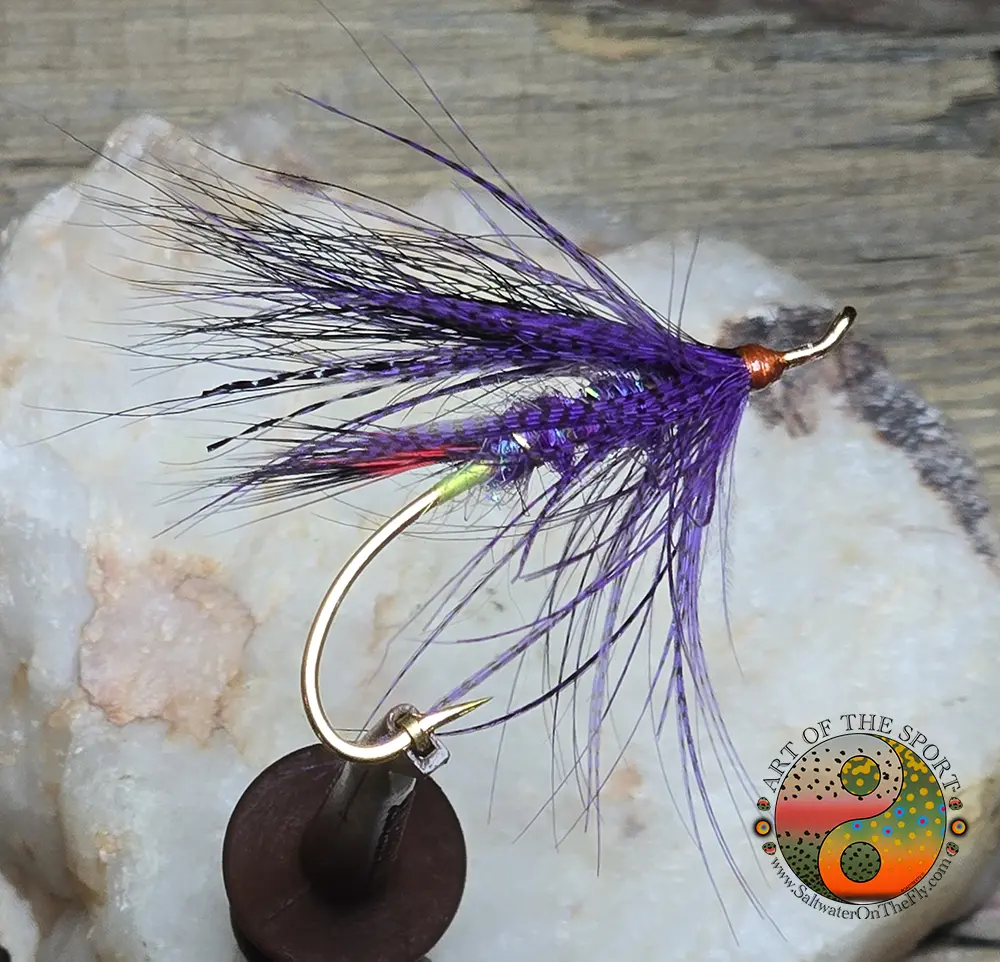
For salmon on the fly, think bigger and often brighter. Intruder type flies in black and blue or black and purple cover deeper lanes where Chinook roll through. For coho, colors like pink and chartreuse draw reaction grabs, and you can swing or even strip those flies with short pulls that trigger chasing behavior.
Returning hatchery coho can sometimes crowd the lower river in early autumn. This is a great time to practice your strip-set hook ups. Keep in mind that many coho are wild and must be released. Always identify your fish species quickly before removing it from the water.
Because seasons and retention rules shift with run forecasts, always line up your trip with current agency notes. The main ODFW hub at the department site can connect you to updated Northwest reports, rule changes, and contacts. That way you stay legal while still making the most of strong salmon runs on a mixed target trip.
Other Species And Nearby Opportunities
The Trask is part of a larger ecosystem that offers more than just steelhead. The river is home to resident cutthroat trout, which can be a blast on a 4-weight rod during the summer months. Sea-run cutthroat also enter the river in late summer, offering sport similar to the Nehalem River or Salmon River populations.
If the Trask is blown out, you have options nearby. You might check out Cape Meares Lake or Meares Lake (also known as Cape Meares). These standing water options can save a trip when the rivers are too high. Lost Lake and Town Lake are other stocked options in the region for trout anglers.
For those interested in hatchery steelhead specifically, nearby rivers like the North Fork Nehalem or the Klaskanine River might offer better retention chances. The Trask is for the wild fish enthusiast, but the surrounding Tillamook Basin and North Coast area has a diverse menu of water.
Big game is also common in the forests surrounding the Trask. It is not uncommon to see elk or deer crossing the river early in the morning. This adds to the wild atmosphere that separates the Trask from urban fisheries.
Staying Legal, Safe, And Aware On The Trask
Most of your safety here boils down to classic river sense. Do not wade beyond your comfort level in high flows, give drift boats room to pass, and keep an eye on fast rising water after sudden coastal storms. The steep terrain around the Trask sheds water quickly.
If you boat the river, you can keep up with Oregon boating rules and changes through the marine board. Their tools and alerts sit under pages where you can also subscribe to receive email updates that cover navigation rules and rule changes that might matter if you row through new closures.
Be especially careful during the transition from the marine zone to the freshwater zone. The regulations change, and so does the boat traffic. The lower river can be busy with power boats, while the upper river is strictly drift boat and raft territory.
Finally, treat wild fish and private property with real respect. Oregon maintains a program to turn in poachers, and coastal communities tend to remember which anglers respect fences and which cut corners. Being one of the careful ones helps keep access open for everybody who loves these rivers.
Planning Your Trask Trip As An Adventure Traveler
Maybe you are not coming to Oregon just for one river. Maybe this is one piece of a bigger swing through coastal forests, surf checks, and hikes on rugged trails. If that is your story, the Trask fits perfectly as the moody steelhead chapter in a longer trip.
Oregon offers hundreds of miles of coastline with rivers, bays, and nearshore access that keep anglers busy all year. It is easy to combine a Trask day with side trips for hiking, camping, or checking other well known fly fishing destinations in the United States if you plan a multi state loop.
If you want to keep growing in the craft, reading broadly on fly fishing topics from travel magazines, local shops, and even state agency guides such as the steelhead flyer gives you more context before you even lace your boots on the river.
You can stay in the town of Tillamook, which serves as a central hub. From there, you can hit the Wilson River, Kilchis River, or even drive south to the Nestucca River or north to the Nehalem River. This central location makes it easier to dodge bad weather and find fishable water somewhere in the Northwest Zone.
Conclusion of Trask River Steelhead Fly Fishing
At some point, Trask River Steelhead Fly Fishing Oregon stops being a search phrase on your laptop and becomes that moment you remember all year. Maybe it is the first time you stand on wet cobble under dripping trees while your spey rod hums through a cast. Maybe it is the run where you almost gave up and then a chrome wild fish hammered your fly on the hang down.
The Trask is not a numbers game. It is a river that trades easy fish for real ones and makes you earn your pulls. If you time your trip around dropping flows, stay current on rules, rig for winter water, and show this basin the respect it deserves, it will give you those bright flashes of payoff that keep steelheaders coming back, year after year.