Exploring Wind River Steelhead Fly Fishing in Washington
Wind River Steelhead Fly Fishing Washington is one of those phrases that usually gets whispered rather than shouted across the angling community. Experienced anglers talk about it like a secret they almost regret sharing with the broader public. Yet if you love dry lines, wild fish, and raw canyon country, Wind River Steelhead Fly Fishing Washington is about as real as it gets.
You will not find glossy lodges lined up on the banks here. You will not see a parade of drift boats crowding every bucket along the river. What you will see is cold green water, basalt walls, a few stubborn anglers, and maybe that one fish that changes your perspective.
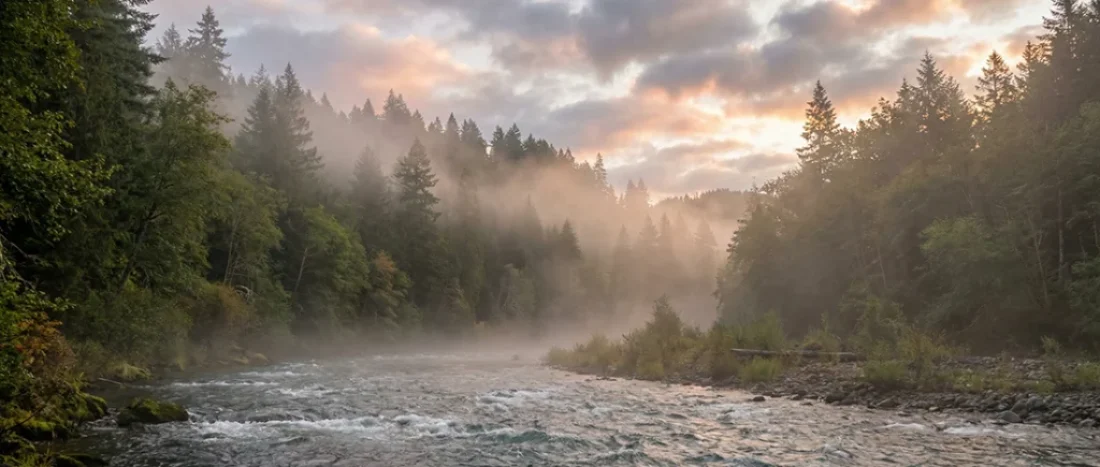
This is the Columbia River Gorge at its most dramatic and rugged. The Wind River starts up near Mount Adams, races through thick forest, and finally crashes into the Columbia River near the town of Carson. It serves as a vital cold water refuge above Bonneville Dam on the Washington side.
Wild summer steelhead nose into this system once the big river warms up significantly. The basin provides critical habitat for these native fish during the hottest months of the year. It creates a challenge that fly anglers dream about all winter long.
Table of Contents
Reason Wind River Is The Quiet Outlier For Summer Steelhead
If you have spent any time searching for Northwest steelhead content, you know the usual famous names. Rivers like the Klickitat, Deschutes, and North Umpqua dominate the conversation. They show up in almost every regional rundown, including broad pieces like the Game and Fish look at Northwest steelhead fishing in the West.
Wind River does not headline that kind of article typically. That lack of fame is part of the draw for those who prefer solitude. While famous rivers see daily crowds, the Wind keeps rolling under the radar in Western Washington.
The river sits just far enough from Portland and Vancouver to deter the casual masses. You have to really want to fish here to make the drive and the hike worth it. The location in the Columbia River Gorge also funnels a ton of wind up this drainage.
Gusts can make casting difficult for even the most experienced casters. You will fight brush, slick rocks, and the mental grind of swinging long stretches with nothing to show. But you also get real shots at abundant wild fish that have never seen your favorite skater.
Many fly anglers overlook this gem in favor of easier water nearby. They often head to the White Salmon or Klickitat instead. That leaves more room for you to explore the Gifford Pinchot National Forest waters.
The Wild Rollercoaster History Of Wind River Steelhead
To understand why this river feels sacred to many steelheaders, you have to look back at the history. For decades before modern dams and stocking programs, the Wind was famous among locals for thick summer runs. Old stories talk about fish stacking up under Shipherd Falls in ridiculous numbers.
Those days were not gentle on the ecosystem. Logging ripped through the basin, impacting places like Trout Creek Flats heavily. Old splash dams blocked migration in the 1930s, devastating the returns.
It took until the late 1940s for some barriers to be removed. This allowed steelhead to reach upper gravel areas once again. However, the management challenges were just beginning for this system.
Heavy hatchery plants in the 1960s and 1970s put Skamania stock all through the watershed. Wild fish had to compete with big numbers of hatchery returns for limited space and food. The result showed up in sliding wild counts and genetic dilution.
From Hatchery Focus To Wild Steelhead Gene Bank
By the early 1980s, managers knew they had a major problem. Wild runs were shrinking in a basin that had huge biological potential. The Washington Department moved the Wind toward wild management early, but then backed off.
They restarted stocking for a period, making the recovery messy and slow. Years later the shift finally stuck for the benefit of native fish. Hatchery releases ended for good in the late 1990s to protect the wild lineage.
Since then, state and federal partners have treated the basin as a premier recovery project. You can see this through detailed Wind River project documents in the Bonneville Power Administration Columbia Basin Fish and Wildlife Program reports. These documents highlight the effort to restore natural production.
In 2014, the Wind was officially set aside as a Wild Steelhead Gene Bank. This designation locked in the focus on wild steelhead genetics and habitat. Habitat work and monitoring ramped up significantly under this new status.
For a taste of that research world, you can look at background on the nearby USGS Columbia River Research Laboratory at this page. They track a lot of regional fish work and wild fish abundance data. This science helps confirm that wild populations are stabilizing.
Reason This History Matters To Your Time On The Water
All that context is not just a nice story for biology nerds. It shapes the way you should fish here today. These runs are wild only and face pressure from ocean cycles and climate swings.
Tagged fish data has shown that a large chunk of steelhead passing Bonneville Dam never make it back. Harvest in lower Columbia zones is a major factor reducing returns. Project reports posted on Columbia Basin Fish and Wildlife project pages go deep on those numbers.
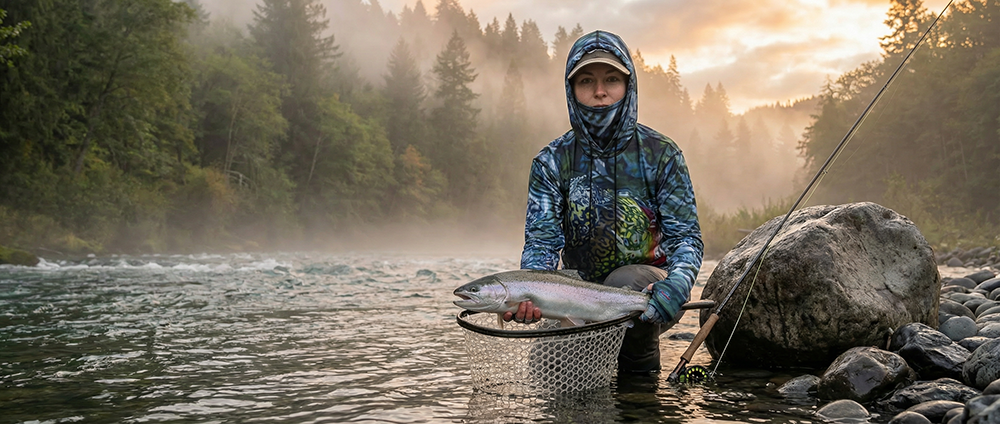
You step into the Wind River Washington with a conservation mindset. You swing barbless hooks to minimize harm. You release fish quickly to allow them to spawn successfully.
Anglers must respect the Endangered Species Act protections in place. You pick your shots during open fishing windows carefully. When regulations call a timeout, you let the fish rest without complaint.
Season, Flows, And Regulations You Really Need To Watch
Steelhead are not a one month show in this river system. Traditional summer runs enter from late spring through early fall. They hold in the basin until winter storms pull them into spawning tributaries.
Access for anglers is often tighter than the natural migration timing. Washington updates seasons based on in season run forecasts and dam counts. One year might offer several months of open water.
Another year might see strict limits or full closures. This is done to protect a weak run or low wild juvenile steelhead numbers. The sport fishing rules can change rapidly.
Before you pack the truck, check the current rules. You can read the current Washington fishing pamphlet online through the eregulations fishing rules portal. You can also pick up a paper copy from license dealers.
Watching Emergency Rules And Local Impacts
Managers in this region do not hesitate to close fisheries mid season. This is true for Columbia River fisheries as well as smaller tributaries. The priority is always the long-term survival of the stock.
You see the same caution with other species like Spring Chinook Salmon. For example, Washington delayed parts of the Columbia sturgeon retention fishery and explained the reasoning on their WDFW Medium blog. That conservation mindset carries over to steelhead calls.
Keep a habit of checking for rule updates close to your trip date. If you spot poaching or snagging, you can report that activity immediately. Use the official Washington poaching portal at this WDFW enforcement page.
Reporting violations is a real part of protecting a small wild run. Active anglers act as guardians for the resource. Your eyes on the water matter.
Reading The River: Key Sections Of The Wind
The Wind River looks simple on a map of Central Washington or the Gorge. Drive east on Highway 14 along the Columbia River. Turn north on Wind River Highway near Carson and follow the pavement upstream.
On the ground, however, the river is complex and layered. You have a lower valley stretch close to the Columbia Basin confluence. This area sees a mix of species and higher traffic.
Then you enter a narrowing canyon as you approach Shipherd Falls. Above the falls, the character tightens significantly. You find steep banks and classic swing water under the canopy of the Gifford Pinchot National Forest.
Here is a quick table to help you frame the river in your head.
| Section | General Character | Typical Approach |
|---|---|---|
| Lower river near Columbia | Bigger flows, mixed species, easier access | Boat and bank, heavier tips, larger flies |
| Canyon below Shipherd Falls | Fast slots, ledges, long runs under cliffs | Spey rods, dry lines early or tips later |
| Above Shipherd Falls | Smaller water, classic pools and boulders | Foot access, dry line swings, tight wading |
Each piece feels like its own distinct river environment. Flows rise fast with rain and drop quickly in summer heat. The combination of access points and Forest Service roads makes it an adventure.
Rugged trails and thick brush mean you work for every single cast. If that sounds intense for your first trip, consider hiring a guide. Regional outfits such as NW River Fishing can help.
Another great option is Hookup Guide Service. These experts spend time on Columbia tributaries daily. They can talk through seasonal plans and local secrets over the phone.
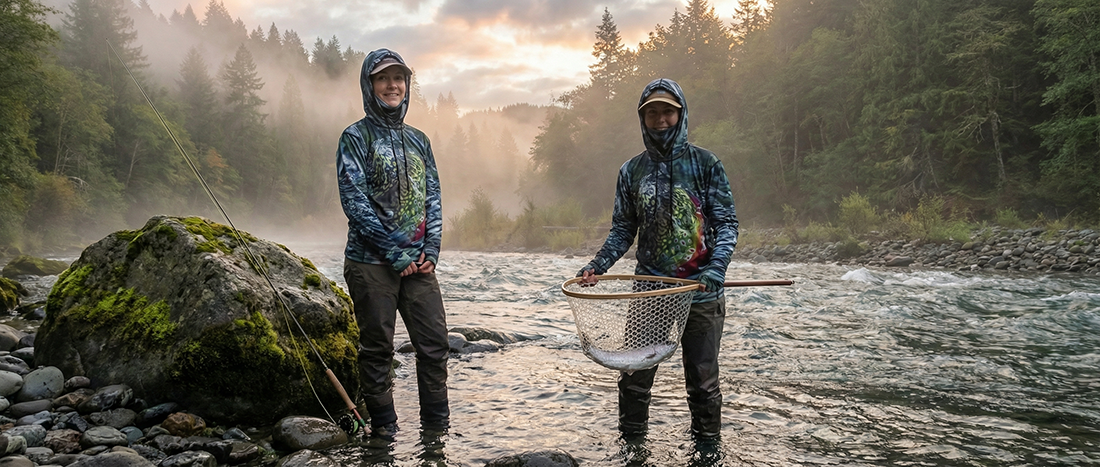
Wind River Steelhead Fly Fishing Washington: Gear That Fits The Water
The gear conversation is where things get fun for gear junkies. Yes, you can show up with any seven or eight weight rod. But some tools match this river better than others.
Most summer fishers like a seven or eight weight switch rod. Alternatively, a short spey rod around eleven to thirteen feet works wonders. The longer rod helps manage tight backcasts under tree lined banks.
It also adds line control when your fly needs to slow in fast current. You are mainly dealing with dry line or light tip setups here. Think floating Scandi heads for delicate presentations.
Longer belly lines work if you enjoy old school swings. Keep a wallet of poly leaders handy. You also need light tips for mornings when the fish stay deep.
Leader, Tippet, And The Dry Line Game
For pure dry line work, many anglers stretch their leaders out. Twelve to fifteen feet is common for spooky wild fish. Taper this down to ten or twelve pound mono.
The extra length helps your skater land softly on the surface. It lets the line sit far enough from the fly to avoid spooking fish. However, that leader does you no good if your fly rides low.
Keep real fly floatants handy in your vest. Use it often to keep your pattern high and dry. Change flies when the pattern refuses to stay on top.
Dry line fishing is stubborn by nature. But you do not have to torture yourself with sinking dry flies. New to swing gear for steelhead?
It can help to scan an all around guide to fly fishing gear. This covers leaders, tippet, packs, and layers. You might forget these essentials before a long drive to the river. If you can find a copy of Dry Line Steelhead by Bill McMillan
Sink Tips And Weighted Flies For Shoulder Seasons
There are times on the Wind when dry lines are not effective. High early season flows often demand depth. Cold snaps or storm pulses in fall push fish to the bottom.
On those days, carry a compact Skagit style head. Pair this with a short set of sink tips. Ten foot T8 or T11 tips are usually sufficient.
Pair these with small intruders or sparse marabou flies. This setup allows you to dig through structure effectively. You do not need to dredge the bottom heavily.
The river is not huge like the mainstem Columbia River. Stay reasonable with your fly rods and terminal tackle. You do not need heavy anchor chains for flies here.
The Joy And Pain Of Dry Line Steelhead On The Wind
If you are chasing Wind River steelhead, you likely crave surface grabs. This river lines up almost perfectly with that obsession. It is a premier destination for the waking fly enthusiast.
During late summer and early fall, clear flows set the stage. Warm afternoon temps create ideal skating conditions. You will see foam lines gliding under broken cliffs.
Shade covers entire banks as the canyon tightens in the afternoon. Every inch looks like a spot where a fish should slide up. You also get plenty of clean refusals to test your sanity.
Swirls, bumps, and flat rejections are part of the game. They send you back to the truck talking to yourself. But they also keep you coming back for more.
Dry Line Fly Patterns for Steelhead: Because Who Needs Sink Tips When You Can Watch Explosions?
Oh, dry line fly patterns for steelhead – the holy grail of frustration and ecstasy. If you’re chasing summer-runs on a floating line, skating or waking a fly across the surface while praying for that heart-stopping rise, you’ve come to the right sarcastic corner of the internet. Steelhead on the dry isn’t about nymphing under an indicator like a bobber fisherman in disguise; it’s about visual violence, wakes that tease, and grabs that make you question why you ever fished any other way. Sarcasm alert: It’s super easy. You’ll hook one on your first cast. Yeah, right – more like 500 casts for one player that swirls and ghosts you. But when it happens? Pure magic. Let’s dive into the best dry line patterns that actually work for skating, waking, and riffle-hitching steelhead. These are the classics and modern foam cheats that turn stubborn chrome into surface missiles.
The iconic Muddler Minnow variants – spun deer hair heads that push water like a mini wakeboard. Tie ’em big and buggy for maximum disturbance.
The Classics: Hair, Feathers, and Pure Tradition
First up, the old-school heroes. These are the patterns your granddad’s steelhead guide swore by – natural materials, no foam shortcuts (because foam is for quitters… or smart people who hate reapplying floatant every cast).
Greased Line Bomber (or just Bomber): The Atlantic salmon crossover that steelheaders stole and never gave back. Tied with deer hair body and tail, calf tail wings, and hackle for legs. Colors? Natural gray, white, or black. Sizes 2-6. Fish it dead-drifted or lightly skated. It’s buoyant as hell, pushes a subtle wake, and steelhead smash it like it’s insulting their mother. Pro tip: Riffle hitch it for extra action – loop the leader around the hook shank to make it dart.
The Bomber in action – fluffy, floaty, and infuriatingly effective when steelhead are in the mood.
Harry Lemire’s Grease Liner: The grandfather of waking flies, invented in 1962 by the legend himself. Sparse deer hair tail, peacock herl body, calf tail wing. Often in black or orange. Low-riding and buggy – it skates with a subtle V-wake that drives fish nuts. Bill McMillan raved about it in Dry Line Steelhead. If you’re a purist, this is your jam. No foam, just hair and attitude.
Grease Liners: Simple, sparse, and responsible for more surface grabs than your ex’s bad decisions.
Steelhead Caddis: Orange body, deer hair wing – mimics a big October caddis. Tie on sizes 4-8. Great for evenings when real bugs are out. Skate it aggressively or dead-drift. It’s buggy, floats high, and steelhead rise to it like it’s happy hour.
Muddler Minnow Variants: The spun deer hair head is key – it pushes water and creates a wake. Steelhead Muddlers in natural or black/orange. Trim the bottom flat for better skating. Classic for a reason: It looks alive, even when you’re half-asleep from all those skunked swings.
Modern Foam Cheaters: Because Tradition is Great Until Your Fly Sinks
Look, purists hate foam, but steelhead don’t care. These wake flies stay on top in choppy water, push a massive V, and turn refusals into explosions. Sarcastic me loves ’em because they actually work when conditions suck.
Ska-Opper or Foam Gurglers: Foam lip, deer hair tail, rubber
legs. Pops and bobs like it’s mocking the fish. Scott Howell’s design –
aggressive wake, spits water. Sizes 4-8. Perfect for rougher runs where
traditional hair sinks.
Pompadour Skater or Pom Skater: Foam body, high-vis. Black, purple, or natural. Deschutes favorites – smaller sizes for picky fish.
Foam wake monsters – they skate forever, wake like a boat, and steelhead can’t resist the commotion.
Waller Waker or FlashBack Bug: Tube versions with foam or deer for eternal float. Riffling hitch tubes force the fly up – genius for consistent waking.
Riffle Hitch Magic: Turn Any Fly Into a Skater
Not a pattern, but a technique: Tie your leader to the hook head with a loop (riffle hitch). Makes the fly skate sideways, creating turbulence. Works on Bombers, Muddlers, even wet flies like Purple Peril hitched dry.
Bonus Classics That Skate When Hitched
Purple Peril: Hairwing wet, but hitch it and wake it. Purple body, silver rib – deadly silhouette.
Purple Peril: Looks innocent, wakes angry.
Steelhead Bee or October Caddis imitations: Big, buggy – dead-drift or skate.
Tying Tips and When to Use ‘Em
Sizes: Early season big (2-4), late smaller (6-10).
Colors: Dark for clear water, bright for glare.
Floatant: Gink or paste – reapply often on hair flies.
Best conditions: Low light, warm water, aggressive fish.
Pro Tip Confidence matters more than pattern. Swing 1,000 times, then blame the fly.
There you have it – your dry line arsenal. Tie a dozen, lose
half to trees, and chase those surface eats. Because nothing beats watching a
steelhead commit felony assault on your skater. Tight lines, and may your wakes
be violent!
Trip Logistics: Getting There, Fishing Smart, Staying Out Of Trouble
The nice part about this basin is the ease of travel. You are only about an hour from Portland on most days. Yet the canyon feels remote once you arrive.
You leave cell service behind quickly in the trees. Most anglers base out of Carson or nearby Stevenson. These towns offer gas, food, and basic supplies.
Both sit right off Highway 14 near the river mouth. This gives you a short morning drive up to your chosen stretch. From there you simply head north along the Wind River Highway.
Pull off at public turnouts and hike down where safe. Steep slopes and slick mud can make access sketchy. This is especially true during shoulder seasons or rain.
Watching Flows, Weather, And Regional Reports
You already know steelhead hate surprises as much as you do. Major rain or heat swings will change fish behavior overnight. The best move is to track trends for a few days.
Do not rely on a single flow number from one morning. There are several regional networks that publish river and fishing reports. Platforms grouped under sites like Washington Fish Reports keep tabs on conditions.
These sites track conditions across the Northwest and beyond. They also link out to other areas like Idaho Fish Reports. You might also find broad fly fishing report hubs useful.
Pair those notes with the actual USGS flow gauges. Use your own eyes to judge water clarity. Use simple common sense regarding wading safety.
Being A Good Guest On A Small River
Wild gene bank rivers do not have room for sloppy behavior. That goes for littering on the bank or in the water. It also applies to burning secret holes online.
Crowding people on a short piece of swing water is poor etiquette. Give other anglers plenty of space to work. If you see water quality issues, report them.
Fuel spills, strange colors, or dumping must be addressed. The Washington Department of Ecology has a portal at this report an environmental problem page. Use it to protect the river.
The same logic applies to wildlife you might encounter. If you see dead or sick birds while hiking, report it. You can look up current guidance on the avian influenza page.
This page points you to a simple online reporting form. Helping monitor the ecosystem is part of the sport. We are stewards of the places we visit.
Why Wind Fits The Adventure Traveler Mindset
If you are here, you likely care about more than just fish numbers. You want wild country and real physical effort. You seek that buzz you feel when your quads burn.
The Wind River lines up well with that adventure style. The canyon banks make a perfect base camp for a long day. Fish the morning hard, then stash the rod.
Hike side trails up to overlooks for amazing views. Check out nearby waterfalls in the afternoon. Drive deeper into Gifford Pinchot National Forest for a trail run.
Then there is the mental crossover that long days bring. Many business owners who fish talk about this clarity. Articles like the Forbes look at the art of fly fishing and financial planning make that link clear.
Combining Travel, Fishing, And Long Term Plans
Trip planning can go much deeper than one long weekend. Serious anglers treat it like part of their annual calendar. They map savings and schedule windows carefully.
They build skill year after year to find success. There are some great long form reads on trip planning. The 2026 Yellow Dog Angling Travel Guide is one such resource.
It walks through travel timing and logistics around many destinations. That sort of mindset fits a Wind River project perfectly. Even if the drive is short, the planning matters.
You can even smile at the way finance and fishing blend. Small pieces like this write up on the Finger Financial Five on backdoor Roth mistakes tie retirement to casting. Your life off the river shapes your time on it.
Beyond The Wind: Broader Context For Western Steelheaders
The more you fish the Wind, the more you see patterns. Reading water in a tight basalt canyon teaches you skills. You can apply these to similar slots on other tributaries.
Large regional platforms cover these broader contexts. Pages like Game and Fish regional pages cover options across the country. They spotlight the East, Midwest, South, and West.
While those articles rarely spotlight tiny Columbia Gorge feeders, they help. They put your local missions in a bigger picture context. You may even build out a loose life list.
One year you might drive north after reading Montana Fish Reports. Another year you might use Florida Fish Reports for warm water. It is all part of the angling journey.
Frequently Asked Questions About Wind River Steelhead
When is the best time for Wind River Steelhead Fly Fishing Washington? The season depends on the return, but late summer is prime. July through September offers the best dry line opportunities. Always check the current pamphlet for open dates.
Are there hatchery fish in the Wind River? No, hatchery steelhead releases ended in the late 1990s. The river is now a Wild Steelhead Gene Bank. All wild fish must be released immediately.
What fly rods should I bring? Single hand rods in 7 or 8 weight work well. Switch rods or short spey rods are even better for tight quarters. They help manage line in the wind.
Is the Wind River good for beginners? It is physically demanding and technically difficult. The wading is tough and fish are scarce. Hiring a guide is recommended for new fly anglers.
Can I fish for other species? Yes, Spring Chinook Salmon and Summer Chinook also use the river. Rainbow trout and small game fish are present. Be sure to identify your target species correctly.
How can I help the river? Join local groups like the Clark-Skamania Flyfishers. Look for volunteer opportunities for habitat restoration. Respect all rules and report violations.
Do I need a special permit? You need a Washington fishing license and a Columbia River Salmon/Steelhead Endorsement. A catch record card is also mandatory. Check parking requirements for National Forest lands.
Where can I find lodging? Camping is available in the Gifford Pinchot National Forest. Hotels and rentals are found in Carson and Stevenson. Book early during peak season.
Is the Wind River crowded? It is generally less crowded than the Klickitat or Deschutes. However, prime runs can see pressure. Weekdays are your best bet for solitude.
Are there Winter Steelhead in the Wind? Yes, Winter Steelhead also return to the basin. However, weather and water conditions make fishing very difficult. The summer run is the primary draw for fly fishing.
Conclusion of Wind River Steelhead Fly Fishing
Wind River Steelhead Fly Fishing Washington will never feel like an easy, numbers driven game. This place is too small, too wild, and too bruised by history for that. You work hard, swing a lot, and often go home fishless.
Yet those rare moments when a chrome summer fish rockets at your dry fly change you. That experience in a narrow canyon resets your expectations. You learn patience, respect, and the art of finding joy in the hunt.
If you are an adventure traveler who loves hiking boots as much as wading boots, this river works. Check current regulations and study the project data through resources like the Wind River project documents. Gear up with a solid kit and go meet this little Columbia Gorge steelhead river on its own terms.