Wyoming Wilderness History: Winegar Hole Wilderness Designation
The Winegar Hole Wilderness is a 10,715-acre expanse of protected Wyoming wilderness that defies the typical tourist experience, as not being it. Located in the Caribou-Targhee National Forest on the southern border of Yellowstone National Park, this area serves a specific purpose. Congress designated this land in 1984 to provide a sanctuary for the grizzly bear, ensuring wildlife management takes absolute precedence.
Most visitors to the Greater Yellowstone Ecosystem drive right past this area without knowing it exists, which is exactly how the managers want it. There are almost no trails, no signs, and no boardwalks to guide the casual traveler through the dense timber. The terrain consists of rolling hills and wetlands that are difficult to cross, requiring visitors to accept they are entering prime grizzly bear habitat.
Table of Contents
Another cool adventure waits to the west, Craters of the Moon National Monument. If you have the time it’s a must do.
Wyoming Wilderness History: Winegar Hole Wilderness
Before 1984, the Winegar Hole area was simply another section of the national forest open to logging and grazing activities. However, biologists and conservationists recognized the area was crucial for the survival of the threatened grizzly bear population. The bears needed a secure place to forage and den without the constant pressure of human development or traffic.
The Wyoming Wilderness Act of 1984 changed the status of this land permanently to prioritize ecological function over economic extraction. Sponsored by Senator Malcolm Wallop, Public Law 98-550 granted federal protection to ensure this remained a premier grizzly habitat. This legislative victory for wildlife conservation created a quiet zone that supports the broader health of the Yellowstone region.
Today, the U.S. Forest Service manages the land with strict regulations to maintain its primitive and undeveloped character. You will not find motorized vehicles, bicycles, or chainsaws here, as the management strategy focuses on minimizing human impact. This commitment to preservation keeps the ecosystem intact for the diverse species that call the Caribou-Targhee National Forest home.
Protecting Grizzly Bear Habitat in Winegar Hole Wilderness
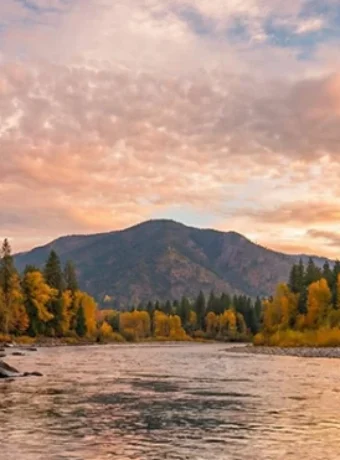
The Winegar Hole Wilderness functions primarily as a vital buffer zone for the southern reaches of Yellowstone National Park. The geography features low rolling hills and extensive wetlands that provide an abundance of natural food sources for bears. This rich environment allows predators to move south from the park without immediately encountering dangerous roads or human subdivisions.
The absence of livestock grazing is a critical component of this conservation strategy to reduce conflicts between bears and ranchers. Bears can forage on natural food sources like roots, berries, and small mammals without the temptation of domestic livestock. This intentional separation helps keep the bear population wild and appropriately wary of human presence in the backcountry.
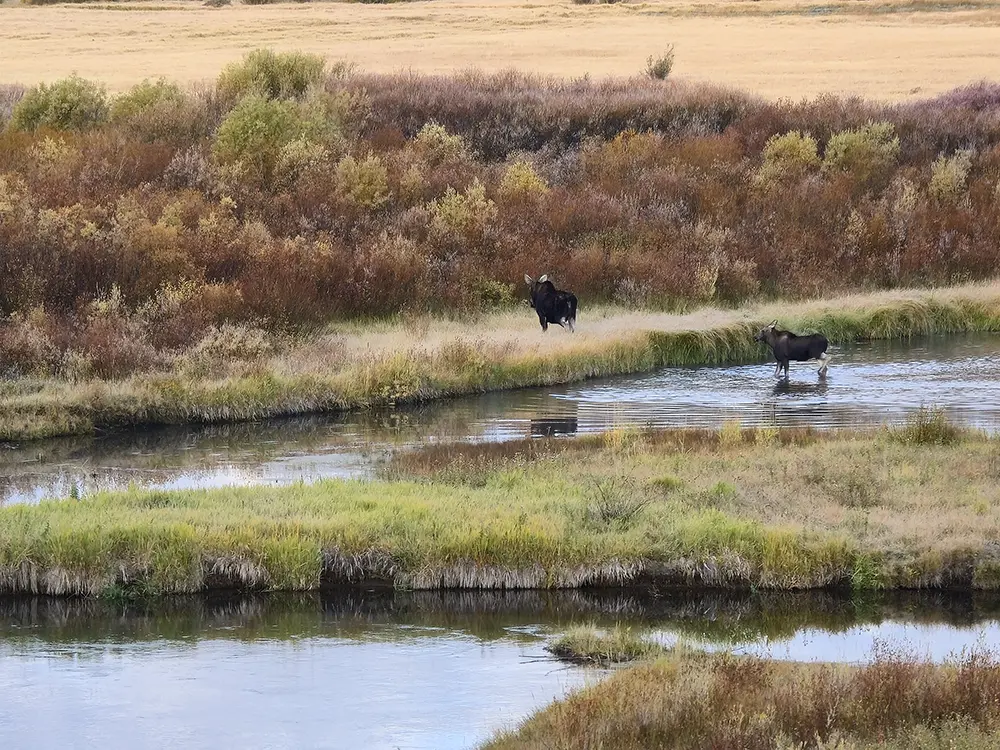
While it lacks the dramatic peaks of the Tetons, these quiet forests are essential for regional wildlife connectivity and genetic health. Elk, moose, and wolves also utilize this corridor to travel between seasonal ranges throughout the Greater Yellowstone Ecosystem. The protection of Winegar Hole ensures these populations can roam freely across a landscape that remains largely untouched by modern development.
Jedediah Smith Wilderness is on the other side of the road and the Teton Wilderness is on the South East Corner of the Park. Snag a Yellowstone Grizzly Hoodie Click Here,
Backcountry Hiking Conditions and Challenges in the Wilderness
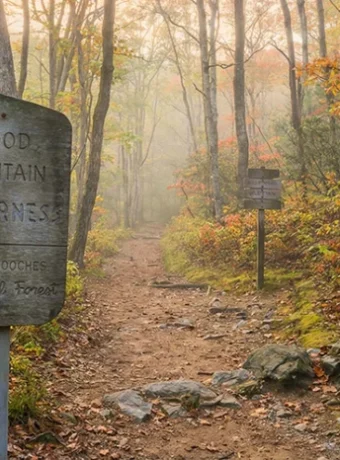
If you plan to hike in Winegar Hole, you should know that maintained trails are virtually nonexistent within the boundary. The Forest Service does not maintain a network of paths here, which effectively discourages casual day hikers from entering. You must rely on your own navigation skills to find your way through the dense lodgepole pines and marshy meadows.
Proficiency with a map and compass or a reliable GPS unit is mandatory for anyone venturing into this remote wilderness area. The terrain is deceptive, with few distinct landmarks to guide you through the thick timber or around impassable wetlands. It is remarkably easy to get turned around in the forest without constant attention to your backcountry navigation tools.
The physical environment presents its own set of challenges, including relentless mosquitoes during the wet summer months. You will also likely encounter wet feet, as there are no bridges over the numerous streams crossing the landscape. This is a place for those who seek true solitude and are willing to work hard for their wilderness experience.
Pro Tip Warning: This is high-density grizzly country. Carry bear spray on your belt (not in your pack) and know how to use it instantly. Hiking in groups of three or more is strongly recommended.
Union Falls Trail Connection and Hiking Route
There is one significant exception to the trailless nature of the Winegar Hole region that attracts dedicated hikers. A connector trail leads from the Fish Creek Trailhead north into Yellowstone National Park toward the spectacular Union Falls. This route is popular because it offers access to one of the most impressive waterfalls in the entire region.
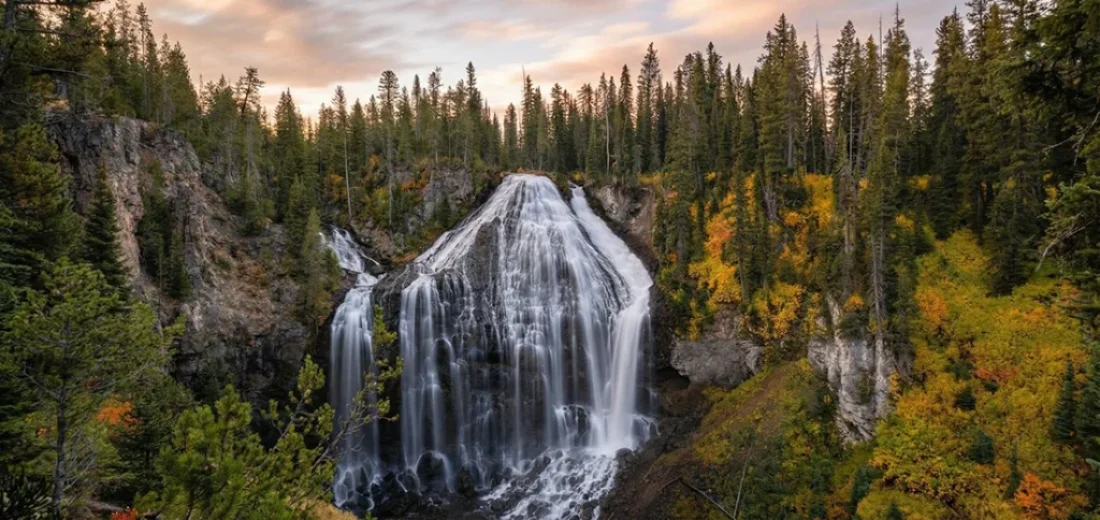
Union Falls drops approximately 250 feet, making it the second-tallest major waterfall within the boundaries of Yellowstone National Park. The falls are formed by the convergence of two creeks, which fan out over a massive, tiered rock face. Few visitors see this sight because of the 18-mile round-trip distance required to reach the destination on foot.
The hike crosses into the park but starts in the national forest, passing through open meadows with views of the Tetons. While the destination is within Yellowstone, the approach through Winegar Hole gives you a taste of the primitive wilderness. It remains a quieter alternative to the crowded trails found along the main park loop roads.
The Hike: Long, But Not Soul-Crushing (Mostly)
The standard route starts from the Cascade Creek Trailhead (sometimes called Mountain Ash or nearby access points). Round-trip? About 15.8–17 miles depending on exactly where you park and how much you wander. Elevation gain is surprisingly tame—around 800–2,000 feet (varies by route and how you measure “gain”), with a couple of noticeable climbs and drops but nothing like scaling a peak. Most people rate it moderate to hard purely because of the distance—expect 7–8 hours if you’re cruising, longer if you’re stopping to gawk, snack, or recover from the existential dread of another mile of forest.
The trail winds through classic Yellowstone backcountry: thick lodgepole pine forests, meadows, stream crossings (a couple can be thigh-deep in early season or after rain—bring water shoes or accept soggy socks), and the occasional open view of the Falls River basin. It’s forested most of the way, so don’t expect constant panoramic drama. But that’s part of the charm—it’s quiet, uncrowded, and feels like you’re actually earning the payoff. Near the end, you drop down to the viewpoint where the falls explode into view. There’s a short scramble to get closer (careful on wet rocks), and many people dip into the cold pools below or the nearby Scout Pool (a natural hot-ish soak spot) for a post-hike reward.
Primitive Wilderness Camping Regulations and Safety
Camping in Winegar Hole is a primitive experience with no amenities like picnic tables or established fire rings. You are free to camp where you choose, provided you strictly follow Leave No Trace principles to protect the environment. This means camping on durable surfaces and keeping your site at least 200 feet away from all water sources.
You must obtain a free permit from the Forest Service for any overnight stay to help rangers track wilderness usage. The primary concern is always bear safety, so maintaining a clean camp and proper food storage is absolutely non-negotiable. You must sleep well away from your cooking area to minimize the risk of attracting curious wildlife.
Stock use is prohibited in this specific wilderness area to protect the soft soil and sensitive riparian vegetation. This rule preserves the quiet atmosphere and prevents trails from getting churned up by heavy horse or mule traffic. For backpackers, this restriction guarantees a level of quiet and solitude rarely found elsewhere in the national forest system.
Pro Tip: Use a bear-resistant canister for all food and scented items. Hanging food is difficult here due to the size and spacing of the lodgepole pines.
Native Yellowstone Cutthroat Trout Fishing Opportunities
Anglers who enjoy small stream fishing will find the Winegar Hole area offers incredible solitude and wild beauty. The area is not famous for trophy trout like the Madison River, but it provides a unique backcountry experience. The streams here hold native Yellowstone cutthroat trout that are often eager to rise to a well-placed dry fly.
The fishing experience here is about exploration and the joy of casting into beaver ponds or small forest runs. The nearby Fall River also offers excellent fishing opportunities as it flows toward the Yellowstone National Park boundary. You will likely have the water entirely to yourself, far from the crowds of more famous western rivers.
Standard Wyoming and Idaho fishing regulations apply, and catch-and-release is highly encouraged to protect the native cutthroat population. You should use barbless hooks to make releasing the fish easier and faster for their continued survival. Remember that you are fishing in high-density bear country, so stay alert while focused on the water.
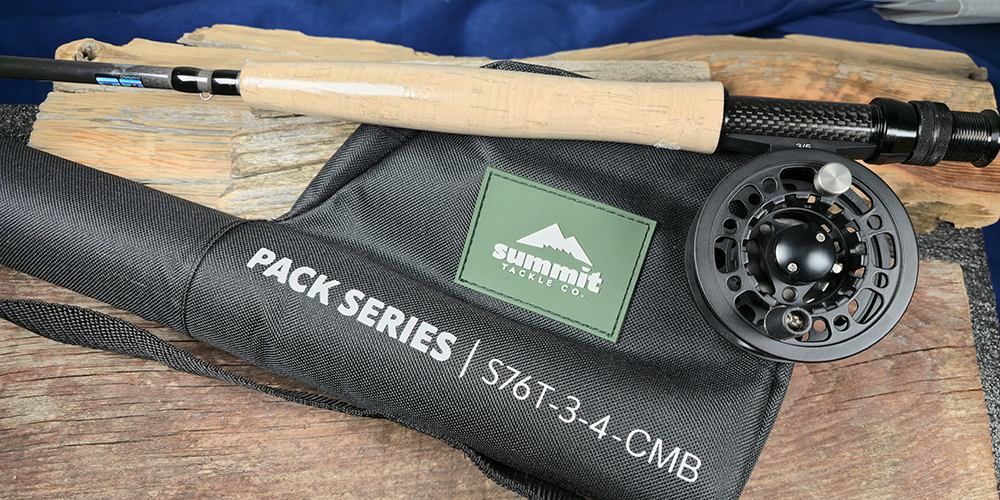
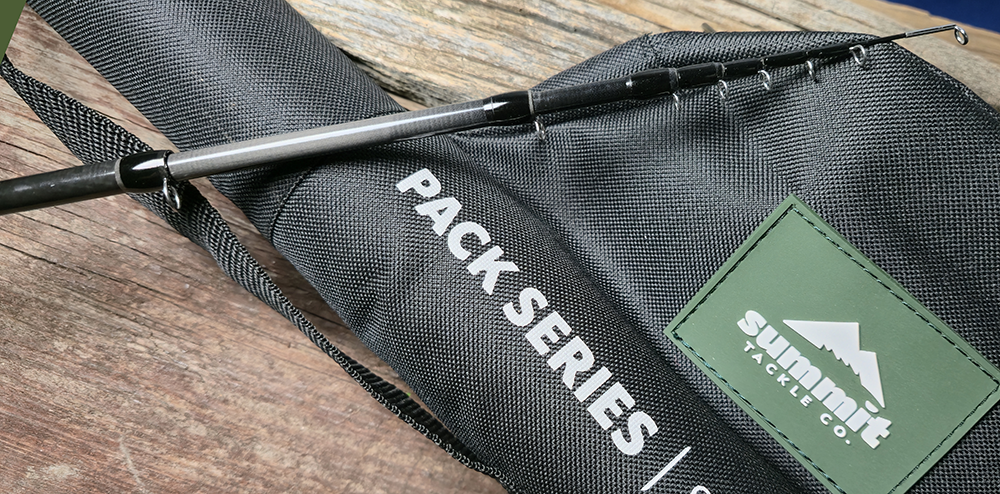
Back country fly rod I ‘ve been using of late has been a telescoping traditional style fly rod. Learn more Click Here.
Thirteen Best Flies for Winegar Hole Wilderness Fly Fishing
Ah, Winegar Hole Wilderness—that glorious, trailless bear buffet in southern Yellowstone where the fishing is as uncrowded as your ex’s DMs after you ghosted them. We’re talking small creeks, wetland trickles, beaver ponds, and the occasional tributary to the Fall River drainage, all loaded with native Yellowstone cutthroat trout. These fish aren’t picky snobs like those spring-creek browns; they’re wild, willing, and often in the mood for anything that looks remotely edible. But since you’re hiking miles through mosquito clouds and grizzly territory just to wet a line, you might as well pack flies that actually work instead of your entire box of experimental hipster patterns.
Here are the thirteen best flies to carry into Winegar Hole. This list draws from what crushes cutthroats in the Greater Yellowstone Ecosystem, especially on small streams, meadows, and beaver ponds. It’s a mix of attractors, hatch-matchers, and confidence flies that keep things simple—because the last thing you need is decision paralysis while a moose is eyeballing your lunch.
Dry Flies (Because Cutthroats Love Looking Up)
- Elk Hair Caddis (#14–18, tan, olive, or brown) The undisputed king of small-stream dry flies. Caddis are everywhere in these wet meadows and sedge-lined creeks, especially summer into fall. Cast it anywhere—plop it in a beaver pond, twitch it across a riffle—and watch cutthroats explode. If you’re only bringing one dry, make it this.
- Parachute Adams (#14–18) The “I don’t know what’s hatching, but this will work” fly. Imitates mayflies (PMDs, BWOs) and just about anything buggy. Cutthroats in the Greater Yellowstone eat these like candy, especially on overcast days or when spinners are falling.
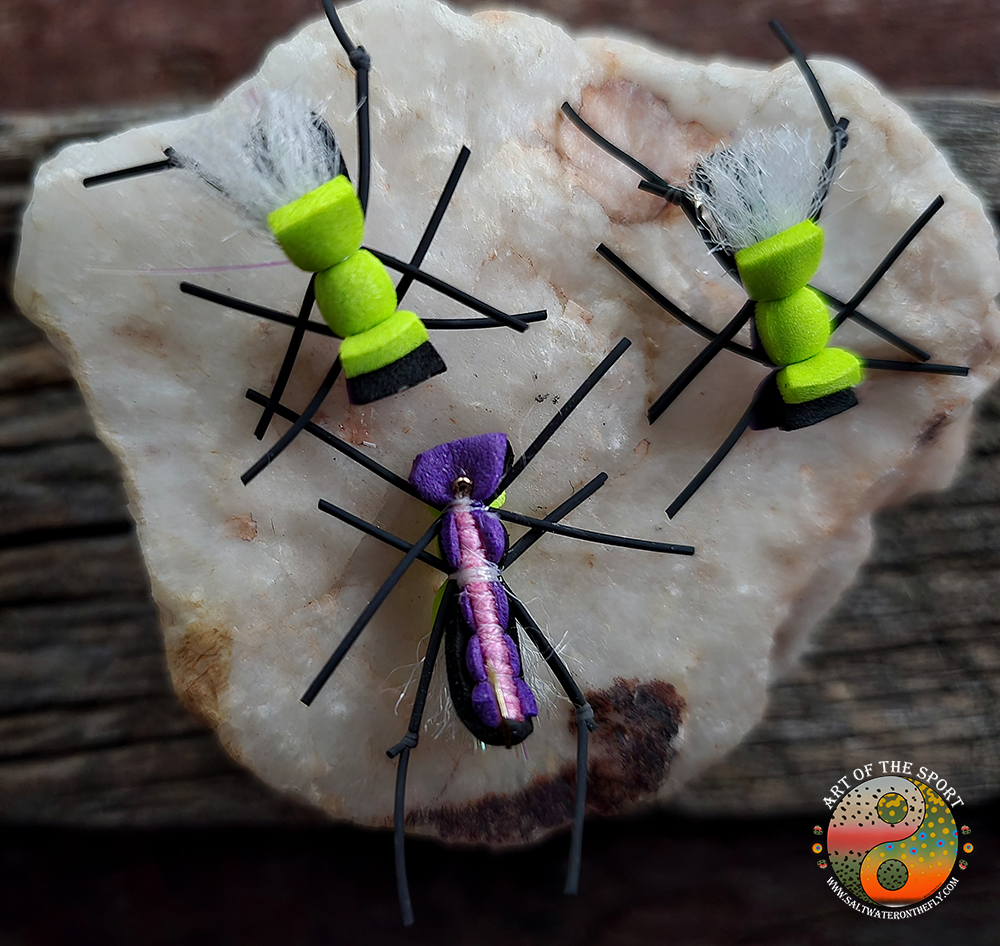
- Chubby Chernobyl (#8–12, tan/black or hi-vis) Foam-bodied attractor that floats like a cork and is visible from space. Perfect for Winegar’s meadow streams where you need something buoyant for fast water or wind. Drop a nymph off the back and you’ve got a deadly duo. Cutthroats smash it like it’s free beer.
- Royal Wulff or Royal Trude (#10–16) Classic attractor with that royal red butt—cutthroats can’t resist it. Great for prospecting small creeks when nothing’s rising. The Wulff variant is extra bushy and floats forever, ideal for beaver-dammed pools.
- Stimulator (#10–16, yellow or olive) Yellow Stimulators rule in summer for stoneflies and caddis. It’s big, buggy, and skitters well—perfect for waking up lethargic cutthroats in the warmer months. Throw it along undercut banks or in pocket water.
- Hopper (foam or Dave’s, #8–12) Terrestrials are huge in Winegar’s grassy meadows from June through fall. Grasshoppers, crickets, ants—cutthroats ambush anything that plops in. A foam hopper is indestructible and visible; add legs for extra splash.
- Purple Haze (#14–18) Wyoming’s secret weapon for cutthroats. Purple phase mayflies or just a killer attractor—fish crush it. If the fish are being finicky on small streams, this often turns the switch.
Nymphs (For When They’re Being Subtle… or Not)
- Beadhead Pheasant Tail (#14–18) The universal nymph. Matches BWOs, mayfly nymphs, and general “bugginess.” Swing it, dead-drift it, or drop it under a dry—cutthroats eat it year-round. Sizes 16–18 shine in the skinny water.
- Prince Nymph or Psycho Prince (#12–16) Flashy, heavy, and deadly in pocket water or deeper runs. The white tail and peacock body scream “eat me” to aggressive cutthroats. Great for prospecting when dries aren’t producing.
- Hare’s Ear Nymph (beadhead, #12–16) Classic buggy nymph that imitates mayflies, caddis pupae, or stoneflies. Gold bead version gets down quick in any current. Reliable when the fish are holding deeper in beaver ponds.
Streamers (For the “I Want a Bigger Fish” Moments)
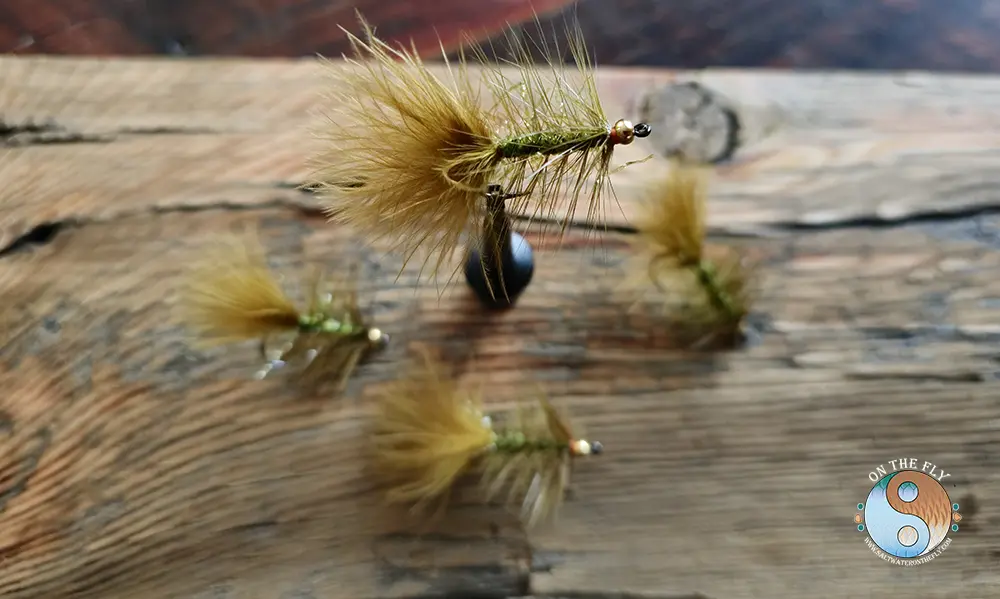
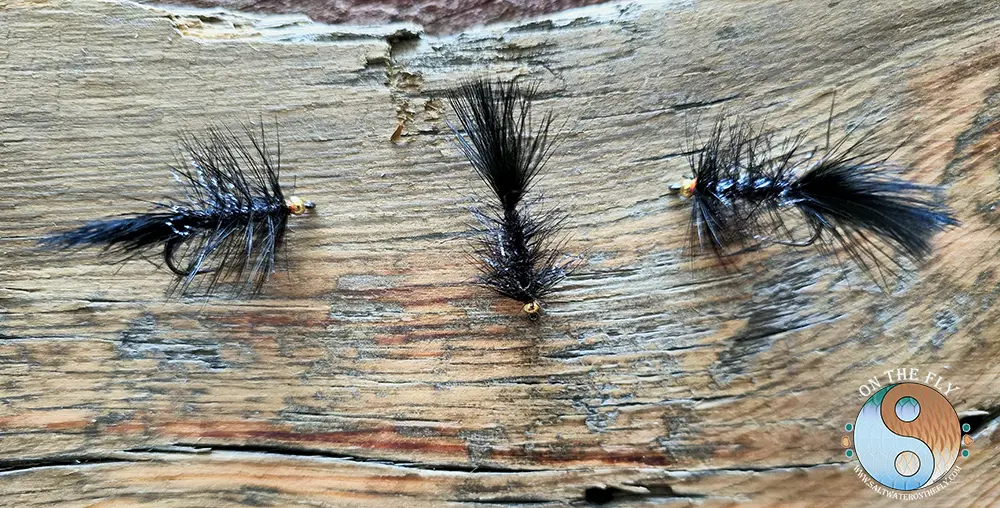
- Woolly Bugger (black or olive, #6–10) The undisputed MVP of Yellowstone-area fishing. Strip it, swing it, or dead-drift—cutthroats (and the occasional bigger hybrid) hammer it. Black for low light, olive for clearer water. Park rules ban articulated flies, but single-hook buggers are fair game and deadly.
- Muddler Minnow (#6–10) Sculpin/leech/minnow imitation. Great for deeper pools or when cutthroats are keying on baitfish. Deer hair head pushes water—strip it erratically and hold on.
- Sparkle Minnow or similar minnow pattern (#6–10) Flashy, simple streamer that moves well. Perfect for prospecting larger pools or slow water in the wetlands. Cutthroats in these remote creeks love chasing something shiny.
Quick Tips for Winegar Hole Success
- Keep it simple: These 13 cover 95% of scenarios. Focus on sizes 10–18; small streams mean smaller flies often win.
- Match the season: Early summer—PMDs and attractors. Mid-summer—caddis, terrestrials, hoppers. Late summer/fall—BWOs, midges, terrestrials.
- Beaver ponds rule: Plop dries on the edges, let them sit, or twitch. Nymph dropper rigs kill in the deeper sections.
- Bear spray > extra fly boxes: You’re in grizzly country. Fishing with one hand on spray is multitasking at its finest.
- Regulations: Wyoming or Idaho license (check boundaries), barbless hooks encouraged, catch-and-release for natives.
Pack these, hike light, and enjoy the solitude. Winegar Hole isn’t about numbers—it’s about that one perfect cast to a wild cutthroat in a place where the only traffic is elk. If you get skunked, blame the mosquitoes… or the bears. Never yourself.
-

- Brass Beadhead Olive
-
- Brass Beadhead Black
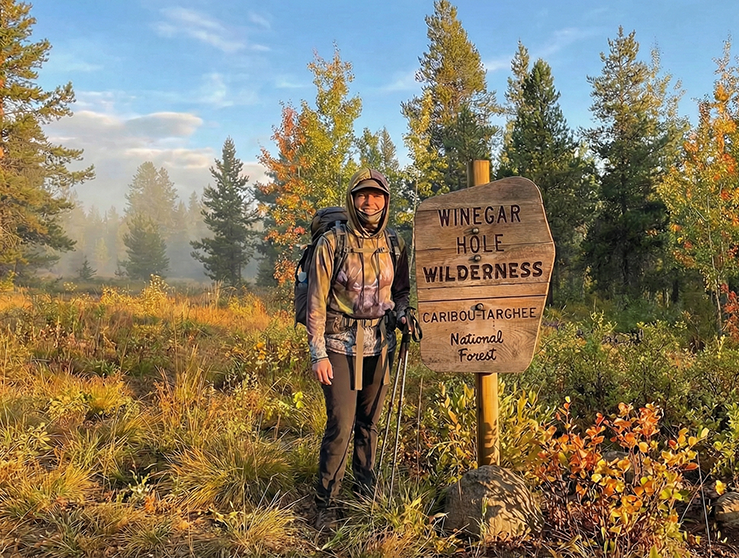
Caribou-Targhee National Forest: Trailhead Access Points
Getting to the Wineger Hole Wilderness requires significant effort and a vehicle capable of handling rough gravel roads. The most direct access is via the Fish Creek Trailhead, reached by turning off the John D. Rockefeller Jr. Memorial Parkway. The road is unpaved and often requires high-clearance vehicles to navigate the deep ruts and seasonal mud.
Another option is the Cave Falls area, located just across the border in Idaho near the southern edge of the wilderness. You can access the perimeter from the Cave Falls Campground, which serves as a good base camp for shorter explorations. This route allows you to experience the wilderness fringe without committing to the deep, trailless interior of the forest.
Snow often lingers on these access roads well into June, so check current forest conditions before you attempt to travel. There is no cell service in most of this area, making self-sufficiency a critical requirement for all visitors. You should bring a full spare tire and emergency supplies, as help is a long way off if you break down.
Frequently Asked Questions
Do I need a permit to hike in Wineger Hole?
Day hiking does not require a permit. However, if you plan to camp overnight in the wilderness, you must obtain a free permit from the Caribou-Targhee National Forest office. This helps rangers monitor usage and safety.
Are dogs allowed in the Wineger Hole Wilderness?
Yes, dogs are allowed, but they should be kept under strict control. Because of the high density of grizzly bears, bringing a dog can be risky. An unleashed dog may aggravate a bear and lead it back to you.
Is it safe to hike alone?
Hiking alone is not recommended in this specific area. The density of grizzly bears and the lack of trails make solo travel dangerous. Groups of three or more are safer and can make enough noise to alert wildlife.
Can I ride my mountain bike on the trails?
No, Grizzlies love moving targets. As a federally designated wilderness area, all mechanized travel is prohibited. This includes mountain bikes, game carts, and any motorized vehicles. Travel is restricted to foot or horseback only (though stock is restricted in Winegar Hole specifically).
When is the best time to visit?
Late summer and early fall are the best times to visit. July can be extremely buggy with mosquitoes. September offers cooler temperatures, fewer bugs, and active wildlife, though you must be extra vigilant during hunting season. And the bears are bulking up, as elk herd there harems, and moose antlers glistening in the morning mist.
Conclusion of Winegar Hole Wilderness
The Winegar Hole Wilderness offers a rare experience in a world that is increasingly paved and managed by human hands. It is not a destination for everyone, especially those who require groomed paths and comfort stations during their travels. But if you value silence and the thrill of wild country, this protected landscape delivers an unforgettable experience.
This land serves as a reminder that some places are best left alone to function as nature intended. It prioritizes the needs of the grizzly bear over the convenience of the hiker, preserving a piece of the American West. By visiting, you accept the terms of the wild and enter on nature’s schedule, not your own.