Fly Fishing, Bears, Moose, Coyotes, Fox and Madison Campground Camp
Table of Contents
Gardiner Montana to West Yellowstone
-
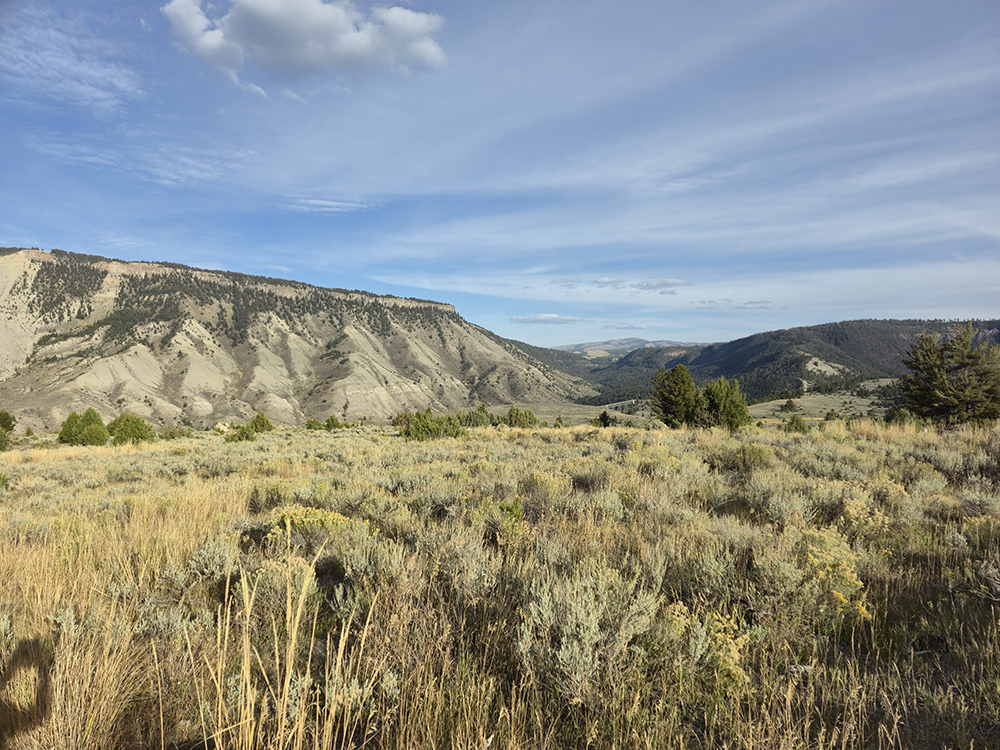
- From Gardiner Montana rolling towards Fort Yellowstone.
-
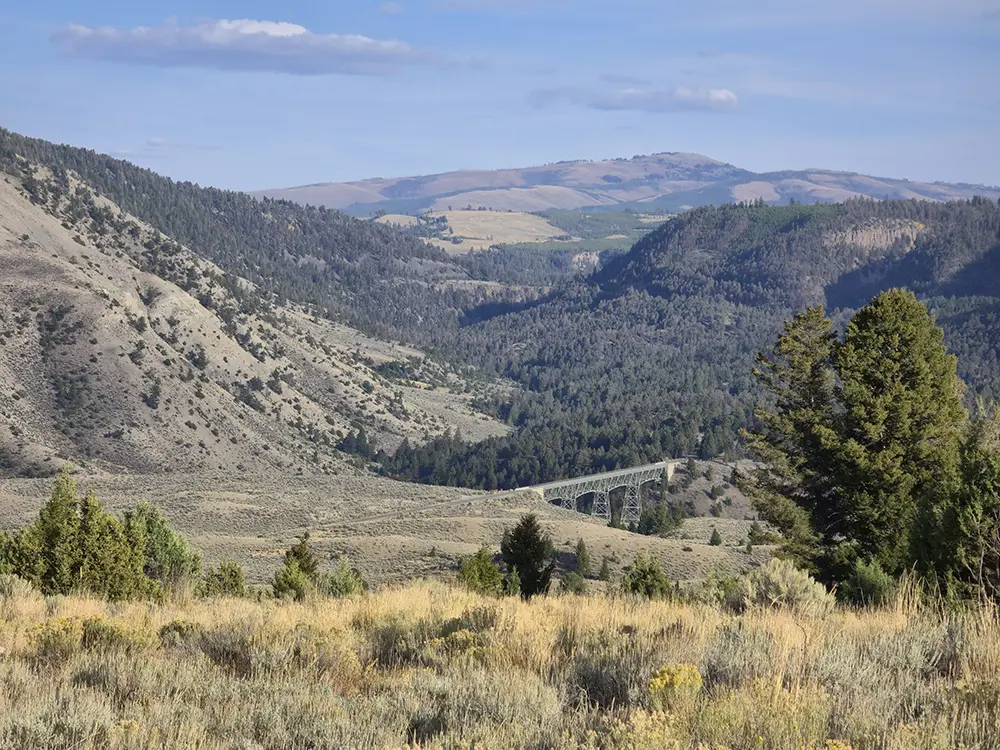
- Gazing down on the bridge over the Gardiner River heading towards Lamar Valley
-
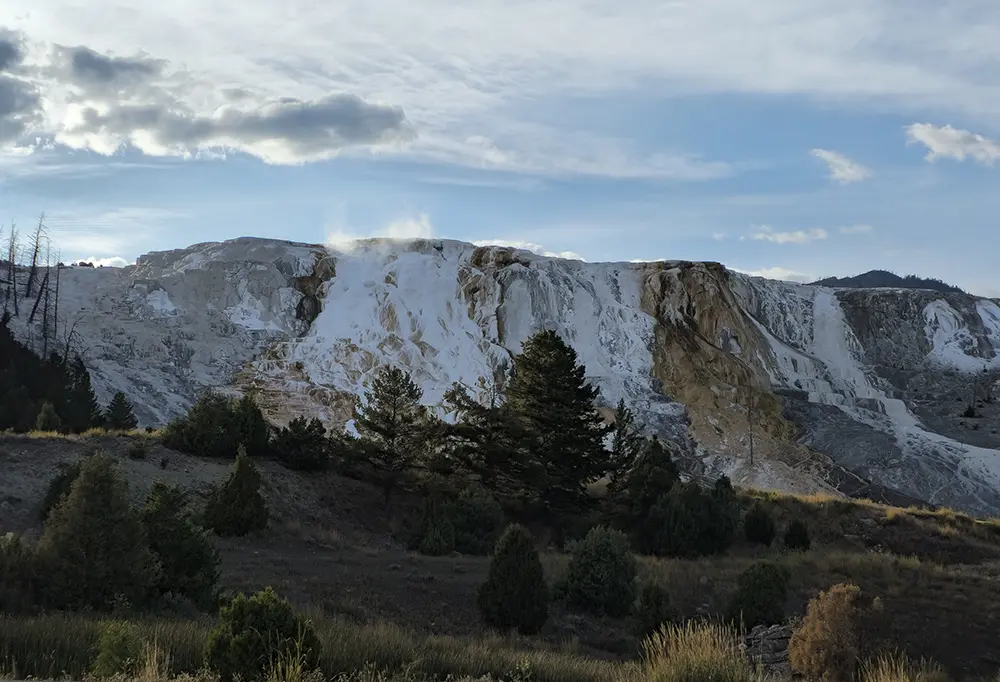
- Rolling past Terrance Geyser Basin, Mammoth Hot Springs.
-
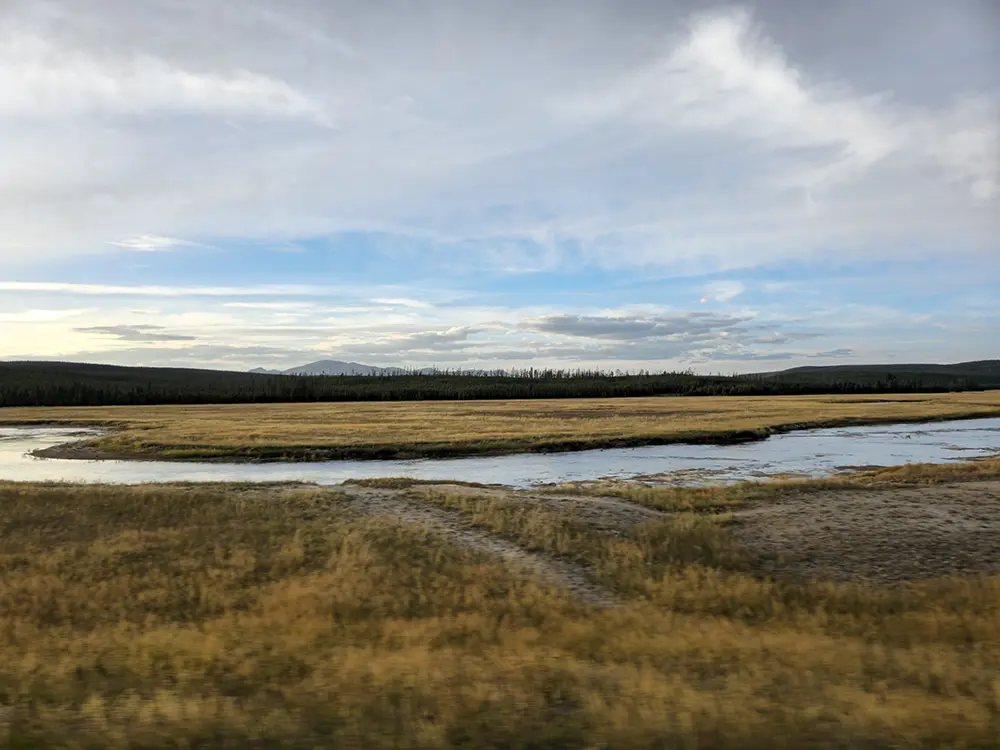
- Along the road south, meadows of elk, and grizzly bears and few mule deer.
Oh, West Yellowstone, Montana: Where the Bears Outnumber the Wi-Fi Signals and “Roughing It” Means No Cell Service
Picture this: You’re cruising down a dusty road in your overpriced rental SUV, dodging tumbleweeds like they’re auditioning for a bad Western flick, and suddenly—bam!—you’re in West Yellowstone, Montana. Population? A whopping 1,189 souls as of 2025, give or take a few grizzlies who wandered in for the free parking. Yeah, that’s right, folks.
Couple Fall Days in Yellowstone-Rolling into West Yellowstone
This isn’t some booming metropolis; it’s a blip on the map that’s basically the doormat to Yellowstone National Park’s west entrance. Founded in 1908 because some railroad tycoon thought, “Hey, let’s slap a town here so tourists can pretend they’re pioneers,” West Yellowstone has been milking that golden goose ever since. And in 2025? It’s still the same charming chaos, just with fancier snowmobiles and a median household income of $57,167—enough to afford those “I Survived a Bison Stare-Down” T-shirts, but not quite a yacht.
Let’s talk tourism, because if you’re not here to gawk at Old Faithful’s steamy tantrums (just 30 miles away, folks—closer than your last bad blind date), why bother? West Yellowstone is the ultimate gateway drug to Yellowstone’s 2.2 million acres of geothermal drama, where half the world’s geysers bubble up like Mother Nature’s indigestion. In modern times, it’s all about that four-season hustle. Summer? Hike trails that make your calves scream mercy, fly-fish in rivers teeming with trout who laugh at your fancy lures, or mountain bike like you’re fleeing a horde of caffeinated squirrels. But oh, the sarcasm drips when you hit winter: Snowmobiling on 400 miles of groomed trails? Sounds epic until your toes go numb and you’re questioning every life choice that led to -66°F temps—the coldest ever recorded in the lower 48, because why not add hypothermia to the adventure bingo card? Pro tip: Rent a snowcoach tour for wildlife spotting; nothing says “luxury” like spotting elk while sipping cocoa and pretending you’re not freezing your assets off.
And the attractions? Where do I even start with this quirky carnival of the wild? The Grizzly & Wolf Discovery Center is a must—because nothing screams “family fun” like staring down a grizzly who’s probably plotting your demise while you munch on overpriced popcorn. Or hit the Yellowstone IMAX Theater for a giant-screen geyser explosion that makes your Netflix queue look like child’s play. Feeling historical? The Museum of the Yellowstone dishes out exhibits on park lore, complete with that one snowcoach from the 1940s that’s basically a relic from when “off-roading” meant not dying in a blizzard. For the thespians among us, the Playmill Theatre cranks out musicals in a rustic barn—think “The Sound of Music” but with more flannel and fewer… It’s been entertaining families for 50 years, proving that even in 2025, some things refuse to update their playlist. Recent X chatter? Locals are buzzing about grizzly moms with cubs roaming the west entrance like entitled soccer moms at a PTA meeting, and fall foliage drives to the Grand Canyon of the Yellowstone that look like God’s own Instagram filter.
Now, the economy—ah, the beating heart of this tourist trap. It’s 100% fueled by you, the wide-eyed visitor dropping cash on branded merch and overpriced gas. More than half the business comes from Chinese tourists, so stroll down the main drag and you’ll see Mandarin signs everywhere, plus six—count ’em, six—Chinese spots slinging dumplings amid the cowboy hats. It’s like cultural fusion on steroids: Moo shu pork next to bison burgers. Dining scene? Solid for a town smaller than your average Walmart parking lot. Grab a burger at the Slippery Otter Pub (yes, that’s the name—because beavers are apparently funnier than otters), or chow down at Chicago Steakhouse if you want to pretend you’re in the Windy City while surrounded by actual wind-whipped pines. Lodging? From rustic cabins to amenity-packed hotels like the Holiday Inn (because nothing says “wilderness” like a continental breakfast), it’s all steps from the park entrance. Just don’t expect five-star spa vibes; the “spa” here is a hot spring that’s probably boiling your regrets.
Look, West Yellowstone isn’t for the faint of heart or the faint of signal—cell service drops faster than a tourist’s jaw at their first bison jam. But in this modern mishmash of megafauna and Mandarin menus, you’ll find raw beauty that no filter can fake. Come for the geysers, stay for the sarcasm (yours truly included). Just remember: In bear country, you’re the punchline. Pack bear spray, not pepper spray—unless you want to become the main course. Welcome to the wild side, where “modern day” means Wi-Fi in the lodge and wolves at the door. What’s not to love? Learn more about the History of West Yellowstone Montana.
Early Morning in the Yellowstone Eco System
-
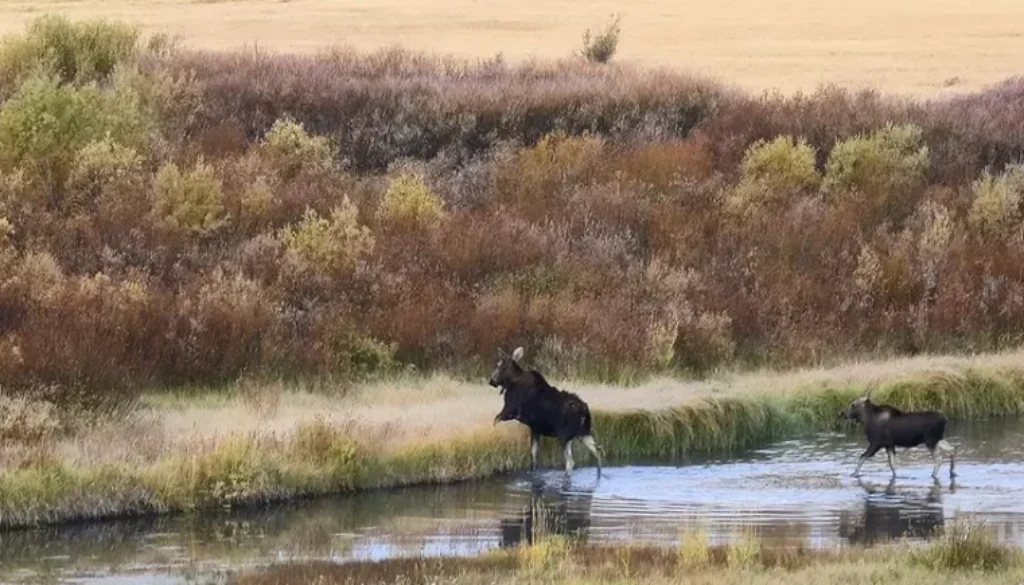
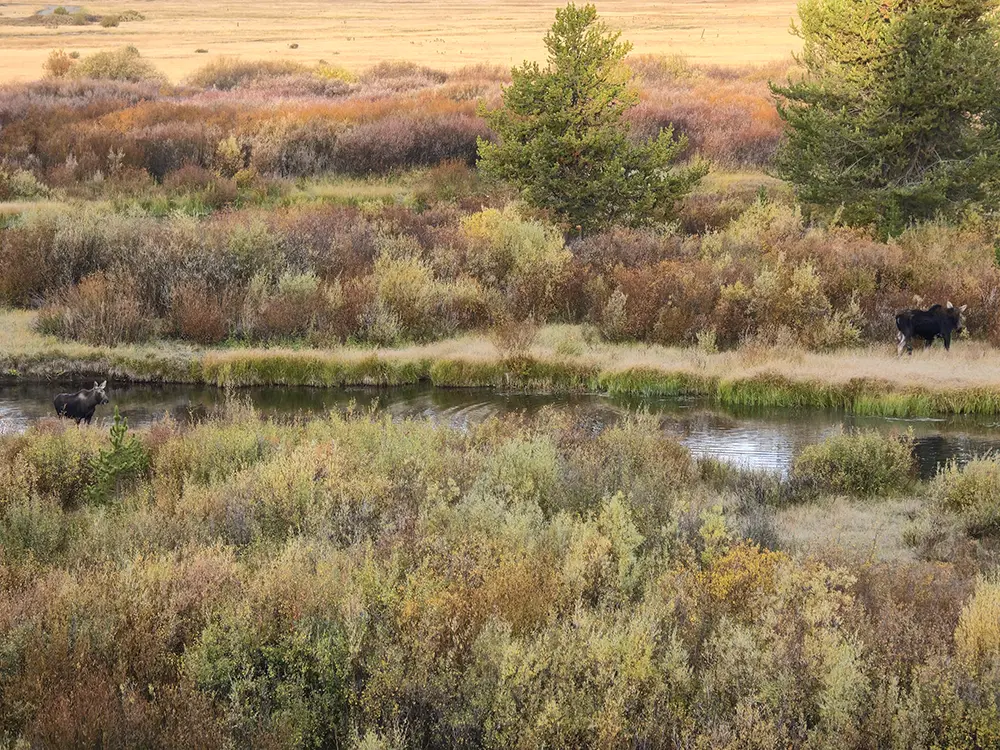
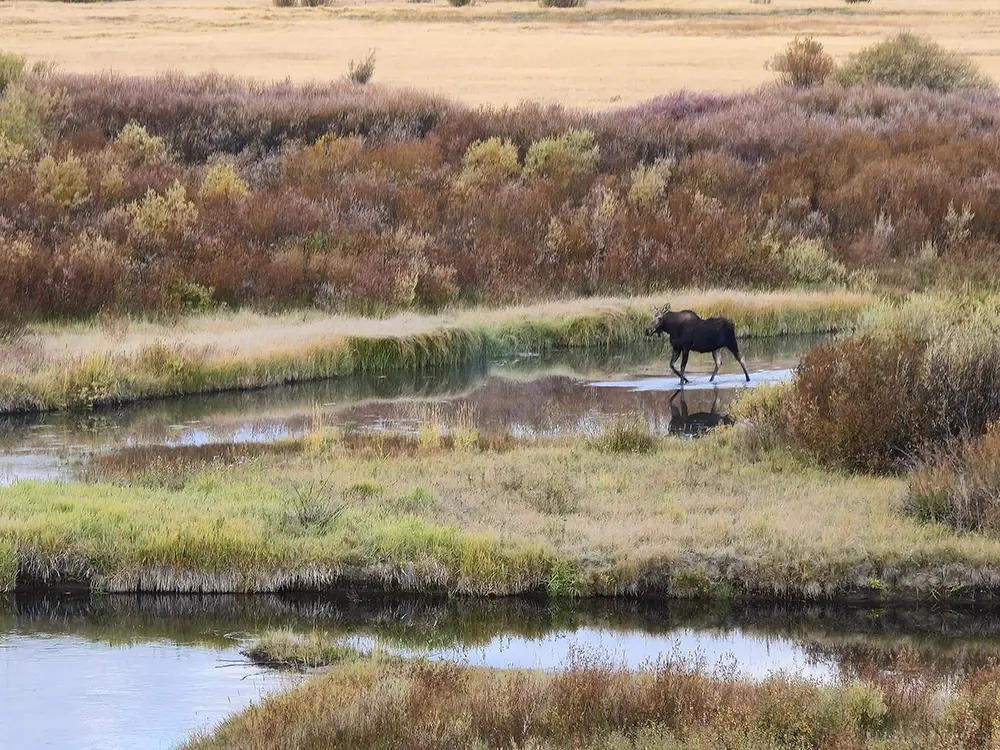
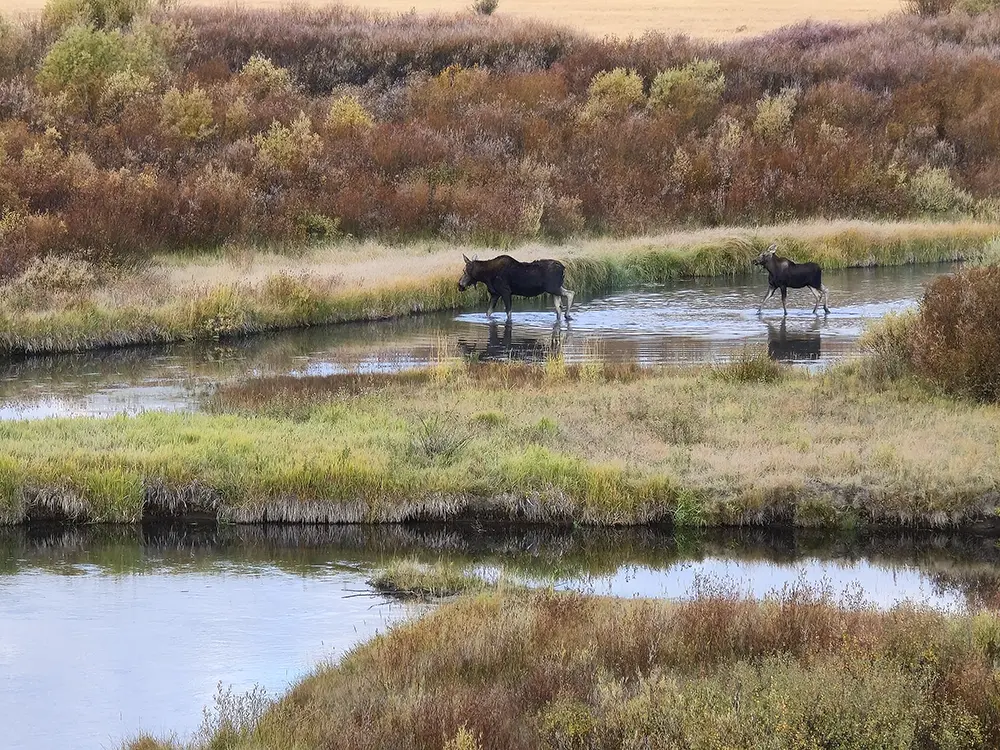
- Cow and Calf were both in the river feed and walking in my direction. Got out and they turned to an island.
-
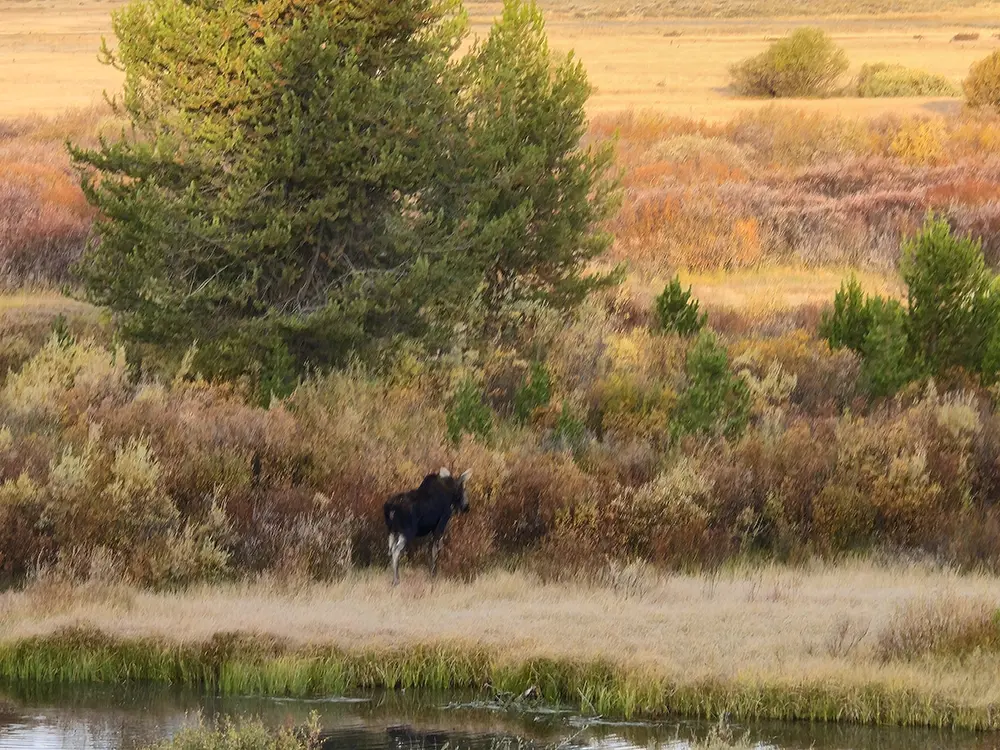
- Cow moose on island heading into brush.
-
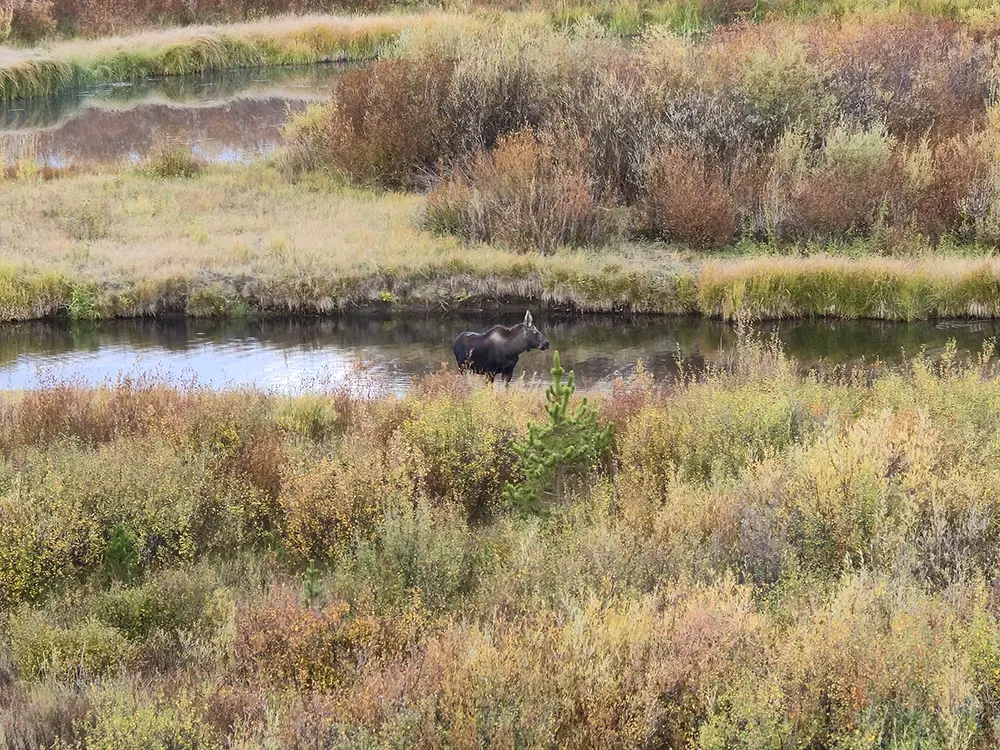
- Calf moose working on making a decision to follow mom.
-
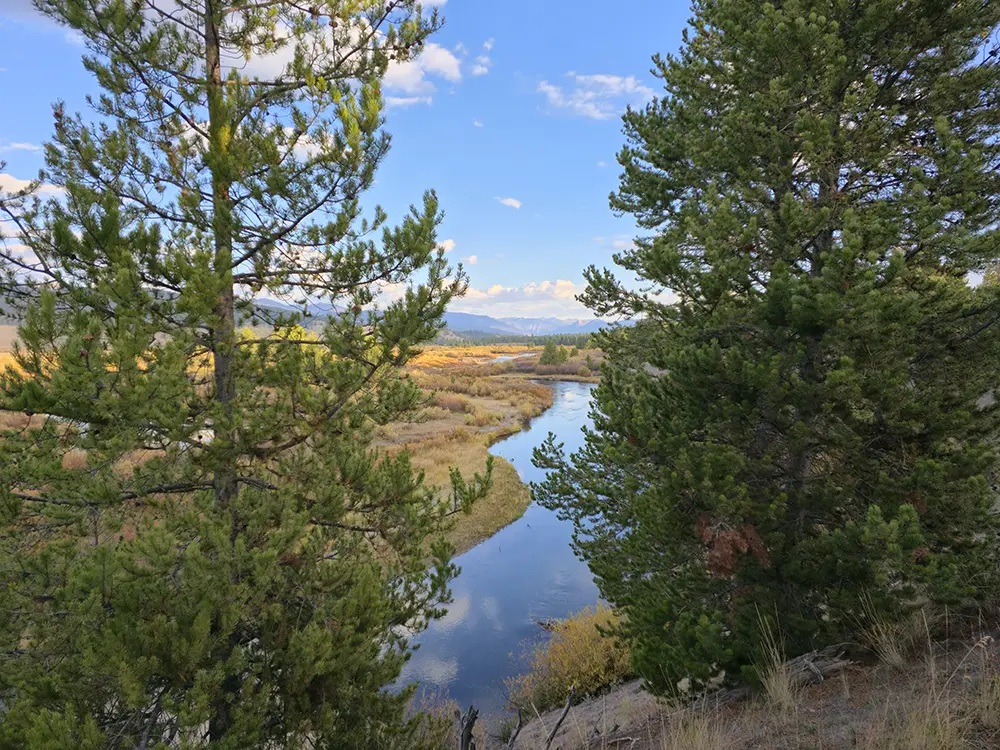
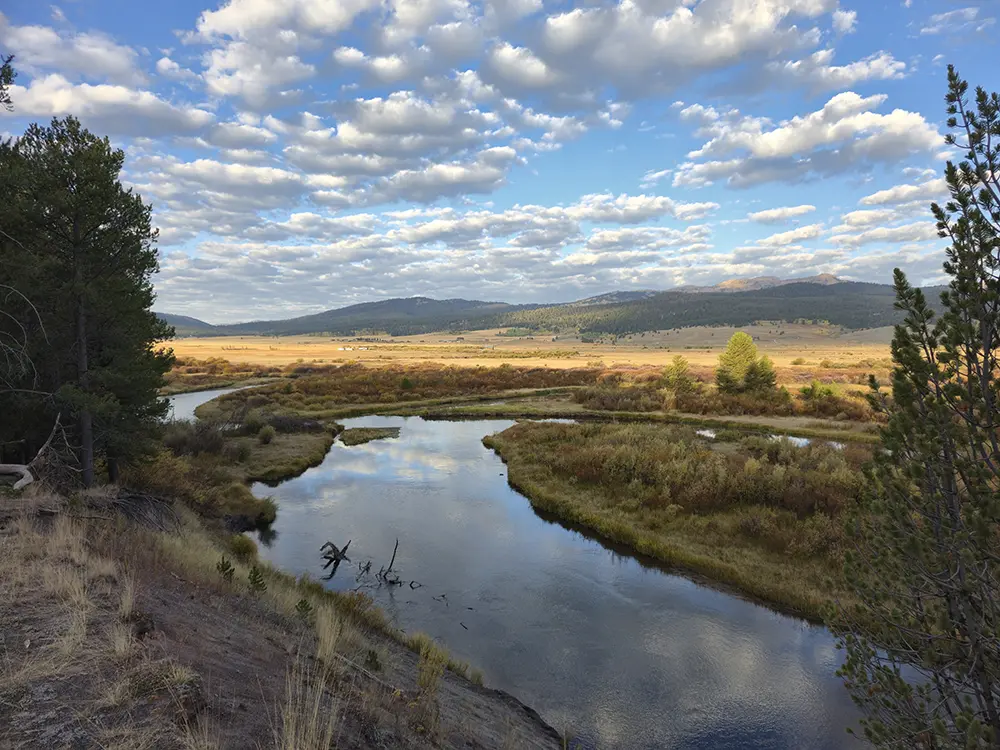
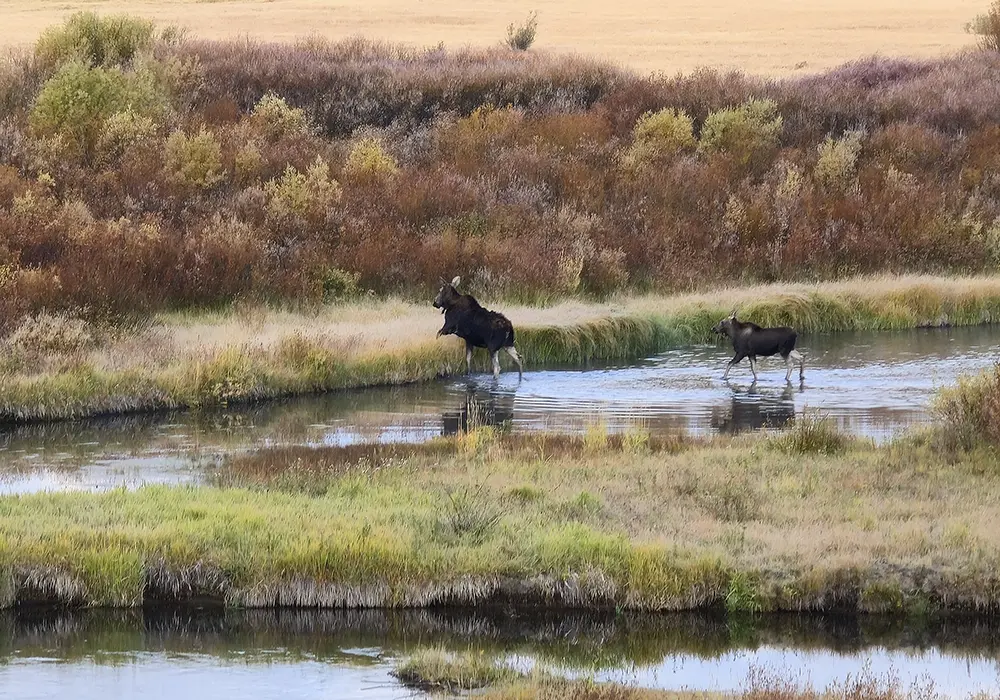
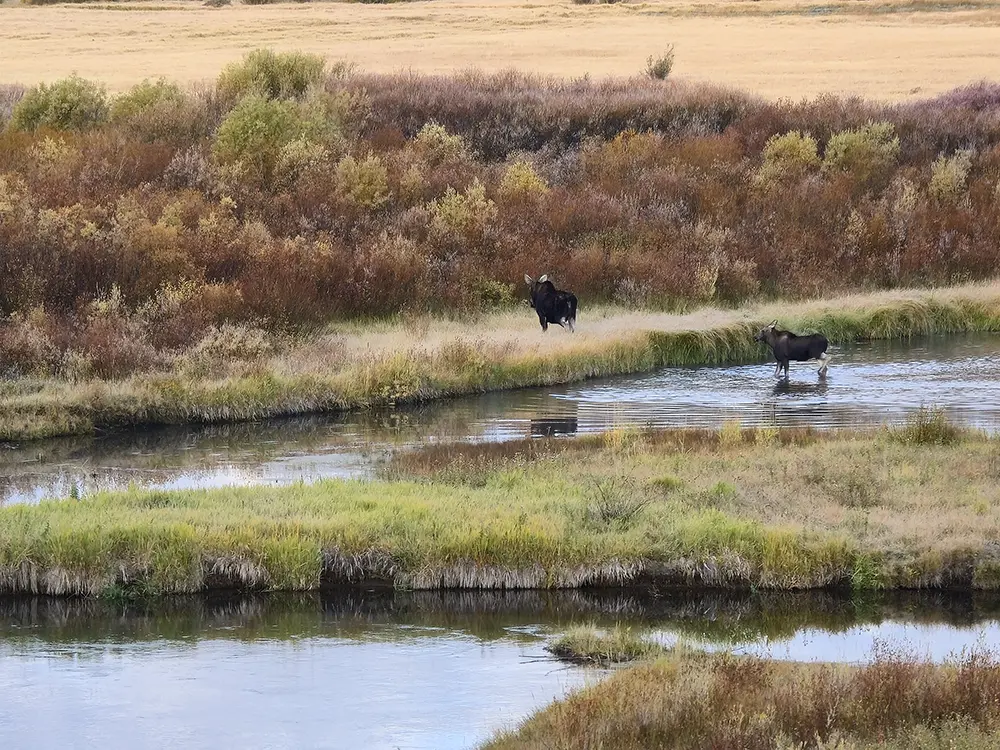
- Cow Moose with this years calf crossing the river. The moose were more interested in my flies than the Trout. Leaving the island and crossing after they checked out the flies.
Yellowstone Moose: The Unsung Giants of the Park
Oh, Yellowstone National Park—land of geysers, grizzlies, and tourists who think “wildlife” is just a fancy term for “photo op.” But let’s talk about the real MVPs of this natural wonderland: the Yellowstone moose. These lanky, antlered behemoths are like the park’s awkward teenagers, lumbering around with zero regard for their own size or your Instagram aesthetic. So, buckle up for a sarcastic, moose-filled ride through the wilds of Yellowstone, optimized for all you hungry nature nerds out there.
Why Moose Are Yellowstone’s Unsung Heroes
First off, let’s address the elephant in the room—or rather, the moose in the meadow. Yellowstone moose (Alces alces shirasi, for you Latin lovers) don’t get the same hype as wolves or bears. Why? Because they’re not out there howling dramatically or swiping picnic baskets. Nope, moose are just chilling in wetlands, munching on willows like they’re at an all-you-can-eat salad bar. But don’t let their laid-back vibe fool you—these guys are massive, standing up to 6.5 feet at the shoulder and weighing as much as a small car (think 1,200 pounds of pure vegetarian muscle).
Want to spot one? Head to the park’s northern range, like Lamar Valley, or check out the marshy areas near Willow Park. Just don’t expect them to pose for your selfie—they’re too busy being nature’s most nonchalant supermodels. Pro tip: early morning or dusk is prime moose o’clock. Bring binoculars, not your ego.
Moose Behavior: Socially Awkward and Proud
Moose are the introverts of Yellowstone’s wildlife scene. They’re solitary creatures, except during the fall rut when the bulls turn into antler-waving Casanovas, grunting like they’re auditioning for a bad rom-com. The ladies? They’re not impressed unless you’ve got the biggest rack—antlers, people, antlers. This mating season drama (September to October) is peak moose entertainment, but don’t get too close. A charging moose is like a freight train with bad brakes—zero chill and all chaos.
Oh, and let’s talk about their diet. Moose are basically the vegans of the ungulate world, chowing down on aquatic plants, willow twigs, and whatever else they can strip from the landscape. They’ll wade into ponds like they’re auditioning for a nature documentary, dunking their heads underwater for a snack. It’s not glamorous, but it’s effective.
Why Yellowstone Moose Deserve Your Attention
Look, bears are cool, and wolves have that whole “lone wolf” mystique, but moose? They’re the underdogs you didn’t know you needed to root for. Their population in Yellowstone has been declining—down to about 100-200 in recent years—thanks to habitat changes, predators, and climate shifts. So, seeing one is like spotting a unicorn, except this unicorn could accidentally step on your car and not even notice.
Plus, moose are just… weirdly majestic. Those gangly legs? Built for wading through snow and swamps. That goofy snout? Perfect for sniffing out the best greens. And those antlers? They’re like nature’s version of a midlife crisis sports car—big, bold, and shed every year for a fresh start.
Tips for Moose Spotting (Without Becoming a Pancake)
Want to see a Yellowstone moose without ending up on the wrong side of 1,200 pounds of attitude? Keep your distance—100 yards, minimum. Especially with a calf, I have been charged twice over the last 30 years. Moose don’t mess around, especially moms with calves or bulls in rut. Use a telephoto lens, not your bravery, for that perfect shot. Stick to trails, respect park rules, and maybe don’t blast your Spotify playlist while hiking. Moose aren’t fans of your “Wilderness Vibes” mix.
So, next time you’re in Yellowstone, skip the geyser obsession and hunt for these awkward giants. They’re the park’s unsung heroes, proving you don’t need claws or fangs to steal the show—just a whole lot of moose-titude. Learn more about the Greater Yellowstone Eco-System. A great fly fishing opportunity is the Hebgen Lake Recreation Area, which is part of the Greater Yellowstone Eco-System.
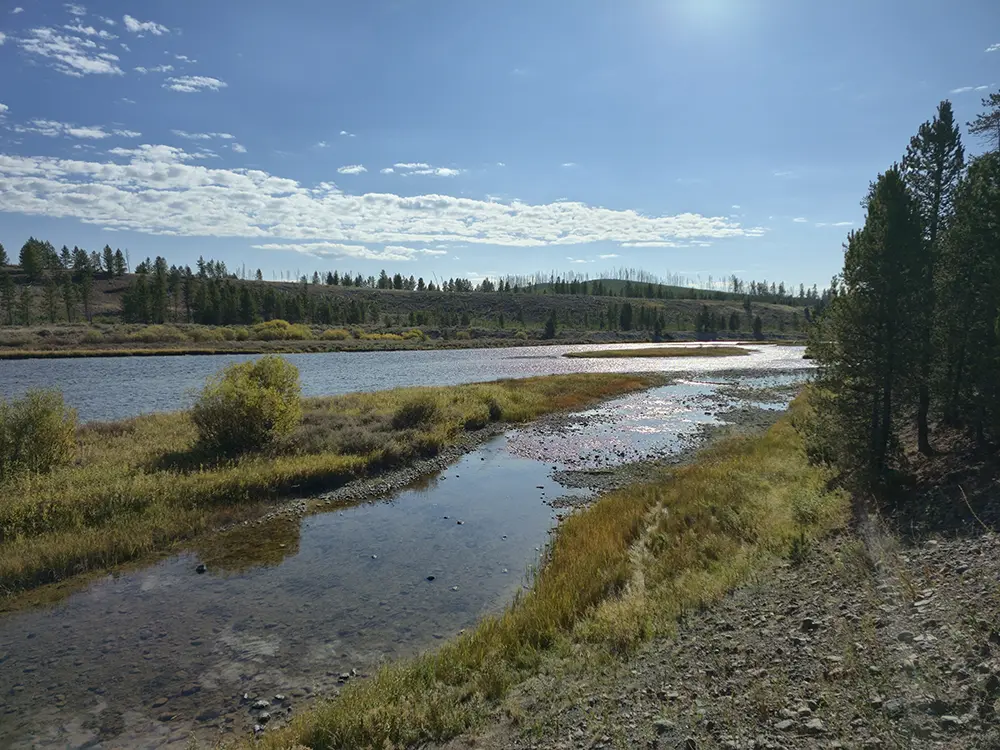
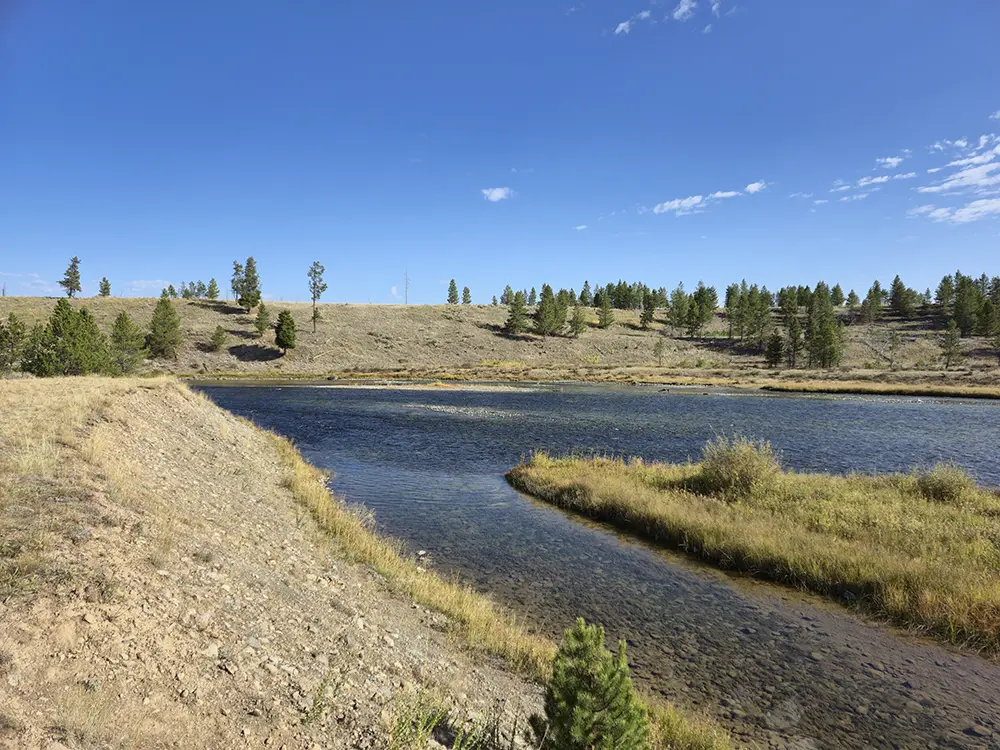
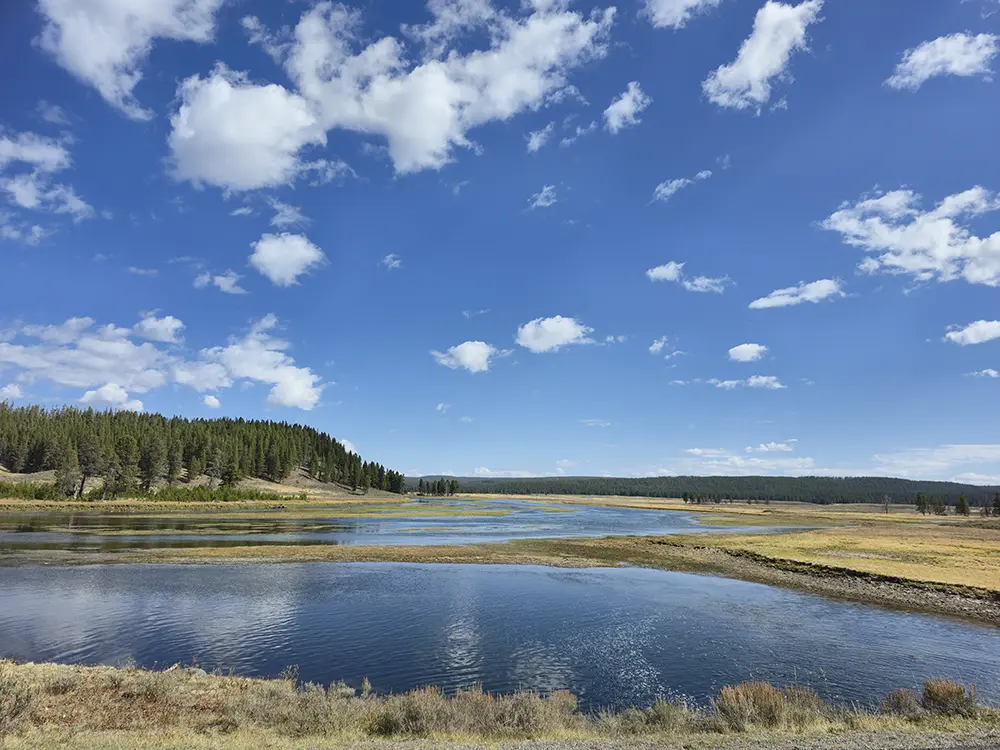
Madison River Yellowstone National Park
Bison in Yellowstone: The Beefy Kings of the Park Who Don’t Care About Your Selfie
Let’s talk about the real MVPs of Yellowstone National Park: the bison. These fluffy, tank-like behemoths are the park’s unofficial mascots, strutting around like they own the place—and honestly, they kind of do. If you’re planning a trip to Yellowstone and dreaming of snapping that perfect Instagram shot with a bison, buckle up for a wild ride through the world of these shaggy icons. Spoiler alert: they’re not here for your photo op.
Why Bison Are Yellowstone’s Rockstars
Yellowstone National Park is basically the last VIP lounge for wild bison in the lower 48 states. Once upon a time, millions of these furry freight trains roamed the Great Plains, but by the late 1800s, they were nearly wiped out because humans thought “buffalo hunting” was a personality trait. Thanks to conservation efforts, Yellowstone’s bison population is now thriving, with around 4,000 to 5,000 of them wandering the park’s sprawling 2.2 million acres. That’s a lot of beef on the hoof, and they’re not shy about taking up space.
Bison Herd
-
- Bison Herd
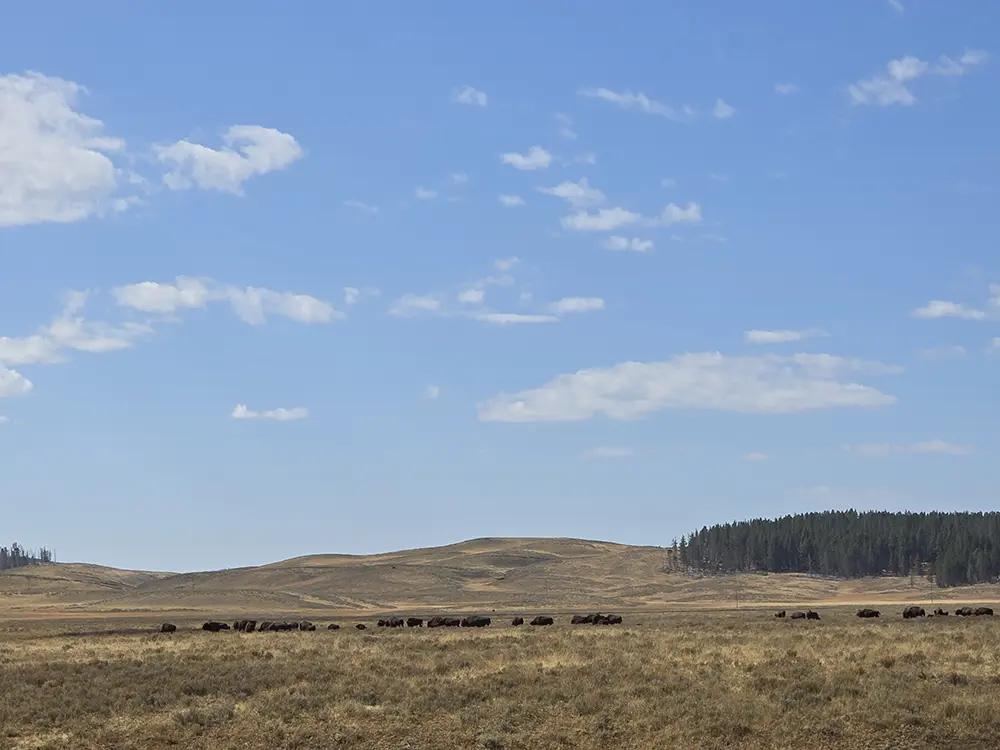
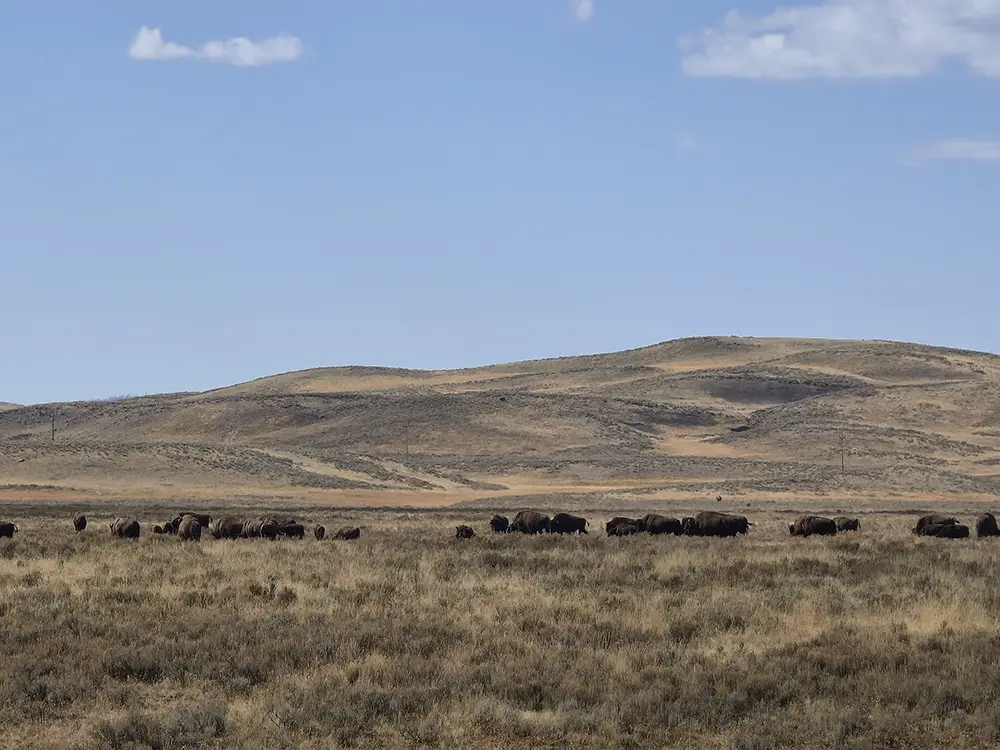
These guys are the ultimate survivors, shrugging off Yellowstone’s brutal winters like it’s just another Tuesday. They use their massive heads like snowplows to dig through feet of snow for grass, because apparently, salad is worth the effort. Meanwhile, tourists are out here in their rented RVs, whining about a little frost on their windshield. Bison don’t have time for your complaints—they’re too busy being the poster children for “zero cares given.”
Where to Spot Bison (Hint: They’re Not Hiding)
If you’re wondering where to find bison in Yellowstone, the answer is… everywhere. Lamar Valley and Hayden Valley are like the bison’s favorite hangout spots, where they graze, nap, and occasionally cause epic traffic jams known as “bison jams.” Picture this: you’re driving along, late for your geyser-watching appointment, and a herd of 2,000-pound bison decides to stage an impromptu parade across the road. Good luck, buddy—your schedule just got canceled.
Pro tip: don’t try to nudge a bison out of the way. They’re not your neighbor’s golden retriever. These animals can weigh as much as a small car and run up to 35 miles per hour, which is faster than you sprinting away from your bad decisions. Keep your distance—100 yards is the park’s rule, but let’s be real, some of you are out here thinking 10 feet is “close enough.” Spoiler: it’s not. Google “bison goring Yellowstone” if you want a reality check.
Bison Behavior: Grumpy, Gassy, and Glorious
Bison have a vibe, and that vibe is “leave me alone.” They’re not aggressive unless you’re dumb enough to invade their personal space, but during mating season (July to August), the bulls get extra spicy. You’ll hear them bellowing like they’re auditioning for a monster truck rally, and trust me, you don’t want to get in the middle of their love triangle. Also, fun fact: bison burp. A lot. Their methane emissions are like nature’s middle finger to your eco-friendly hybrid rental car.
These guys are also eco-engineers. Their grazing habits help keep Yellowstone’s grasslands healthy, and their wallowing (rolling in dirt like giant, hairy toddlers) creates mini wetlands for other critters. So, yeah, they’re basically saving the planet while you’re struggling to set up your tent.
Tips for Bison-Watching Without Becoming a Viral Video
Want to enjoy Yellowstone’s bison without ending up on the evening news? Here’s the deal:
-
Stay far away. That 100-yard rule isn’t a suggestion. Bison don’t care about your zoom lens.
-
Don’t be “that guy.” Every year, some genius tries to pet a bison or take a selfie with one. Spoiler: it never ends well.
-
Bring binoculars. You’ll see more details and stay safe. Plus, you’ll look like a legit wildlife nerd.
-
Respect the jams. If you’re stuck in a bison jam, just chill. They’re not moving for you, Karen.
Why Bison Are the Real Yellowstone Influencers
Yellowstone’s bison are more than just photogenic livestock. They’re a symbol of the American West, a reminder of what we almost lost, and a lesson in resilience. They’ve been through worse than your bad Wi-Fi signal and still come out looking majestic. So, when you visit Yellowstone, give these fuzzy titans the respect they deserve. Watch from a distance, soak in the vibes, and maybe don’t try to make them your new bestie.
In short, bison are the ultimate Yellowstone flex—grumpy, gassy, and gloriously unbothered. They’re living their best lives, and we’re just lucky to witness it. Now go plan your trip, pack some snacks, and get ready to bow down to the real kings of the park. Just don’t expect them to follow you back on Instagram.
Yellowstone Grizzly Bears: The Furry Kings of Chaos
Oh, Yellowstone National Park—land of geysers, hot springs, and grizzly bears that basically run the show like furry mob bosses. If you’re planning a trip to this geothermal wonderland, you’re probably dreaming of spotting a Yellowstone grizzly bear. And why not? These 600-pound fluffballs are the rockstars of the wild, strutting through the park like they own the place. Spoiler alert: they kinda do. Let’s dive into the world of Yellowstone’s grizzly bears with a hefty dose of sarcasm and some SEO-friendly facts to make sure you’re ready to meet (or avoid) these majestic beasts.
Meet the Grizzly: Nature’s Grumpiest Neighbor
Picture this: you’re hiking through Yellowstone’s backcountry, marveling at the scenery, when suddenly you spot a grizzly bear. It’s not a teddy bear picnic, folks. These guys are the real deal—massive, powerful, and equipped with claws that could shred your favorite camping chair like it’s tissue paper. Yellowstone’s grizzly population, estimated at around 700-800 bears, has been thriving since they were nearly hunted to extinction in the 1970s. Thanks to conservation efforts, these bears are now the poster children for wildlife recovery. But don’t expect them to send you a thank-you note—they’re too busy rummaging through berry bushes or napping like they’ve got no cares in the world.
Where to Spot These Furry Overlords
If you’re on a mission to see a grizzly in Yellowstone, head to areas like Lamar Valley or Hayden Valley. These spots are basically the bear equivalent of a trendy coffee shop—always buzzing with activity. Dawn and dusk are prime bear-watching times, so set your alarm early or stay out late (but not too late, unless you want to be a bear’s midnight snack). Bring binoculars, keep your distance (at least 100 yards, per park rules), and for the love of all things wild, don’t try to take a selfie with one. Grizzlies don’t do Instagram, and they’re not here for your follower count.
What’s on the Menu? Spoiler: Not You (Usually)
Grizzly bears are omnivores with a menu that puts your local buffet to shame. They’ll munch on berries, roots, fish, and the occasional elk like it’s just another Tuesday. Fun fact: these bears can eat up to 40,000 moths in a single day when they’re bulking up for hibernation. Yeah, you read that right—moths. Imagine the look on their face when they realize it’s not a gourmet meal but still commit to the grind. Humans aren’t typically on the menu, but if you leave your picnic unattended, don’t be surprised if a grizzly swings by for a taste test.
Staying Safe: Don’t Poke the Bear
Here’s where the sarcasm gets real: if you think you can outrun a grizzly, you’re adorable. These bears can hit 35 mph, so unless you’re secretly Usain Bolt, just don’t. Carry bear spray, make noise while hiking (no, your playlist doesn’t count), and travel in groups. If you do encounter a grizzly, stay calm, avoid eye contact, and back away slowly. Don’t drop your backpack—it’s not a peace offering. Yellowstone’s rangers are basically bear-whisperers, so follow their advice and you might live to tell the tale.
Why Grizzlies Are the Real MVPs
Despite their grumpy reputation, Yellowstone’s grizzly bears are ecological superheroes. They help control prey populations, spread seeds (yes, through their poop), and remind us humans that we’re not always the top dog. Their comeback from near-extinction is a testament to what happens when we stop being jerks to nature. So, next time you’re in Yellowstone, give a nod to these furry overlords—just don’t expect them to nod back. They’re too busy ruling the wilderness.
Coyote Hunting
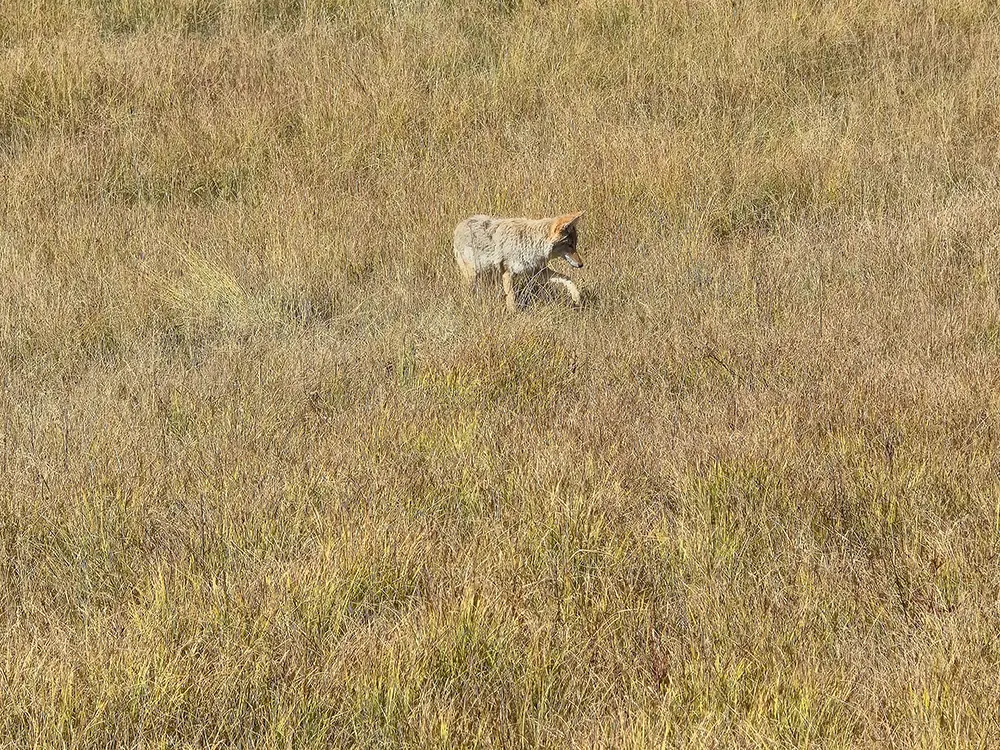
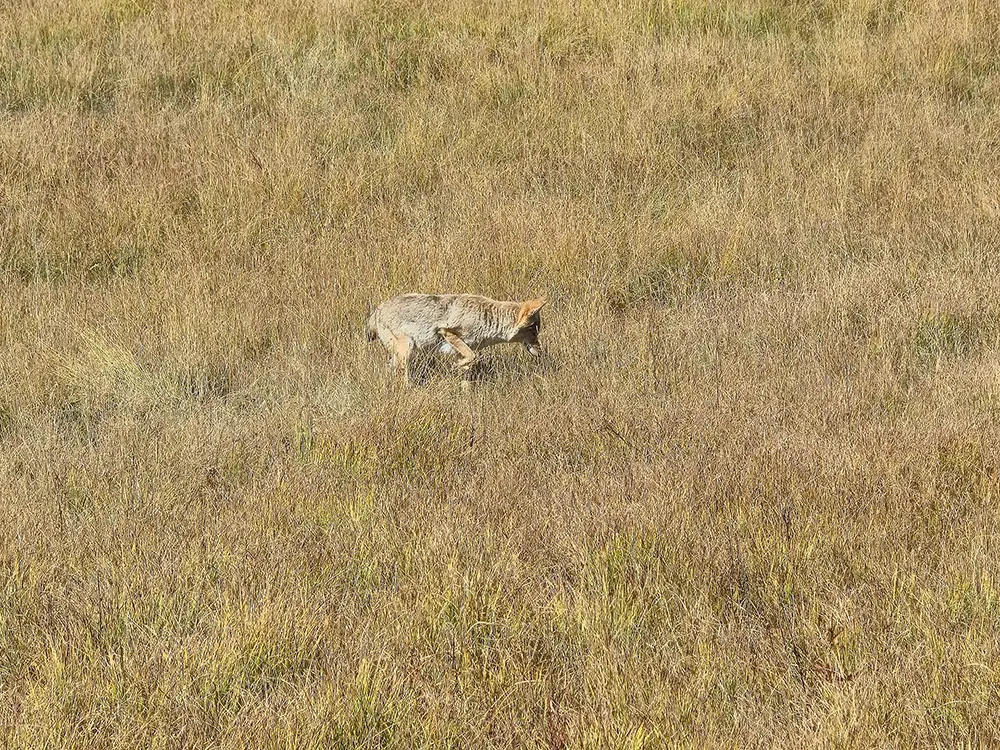
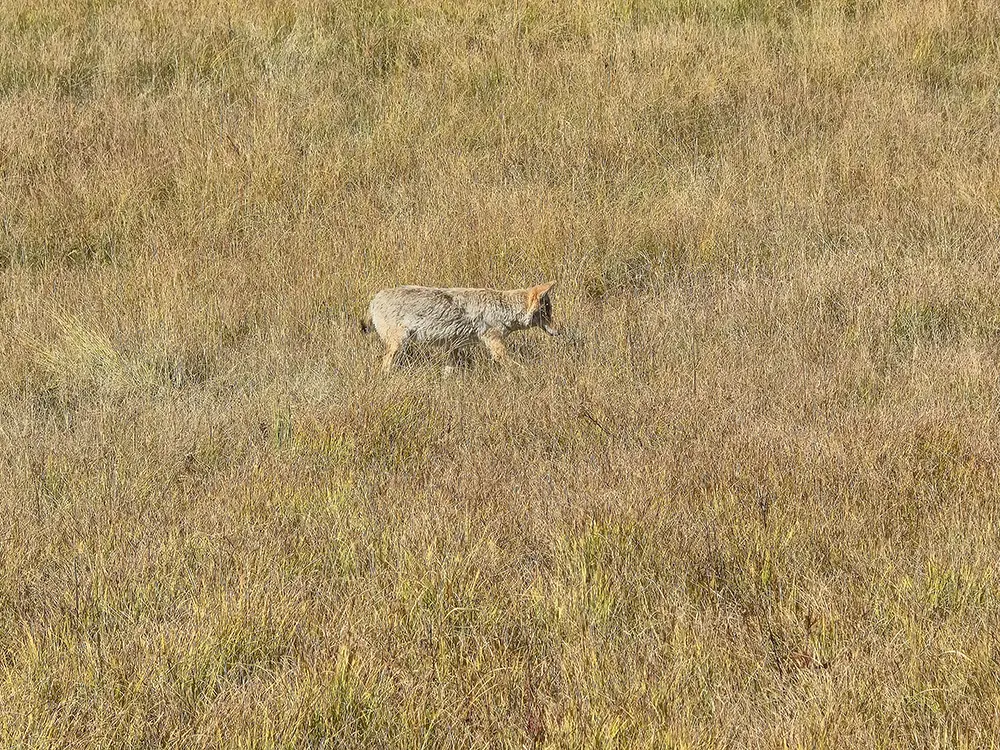
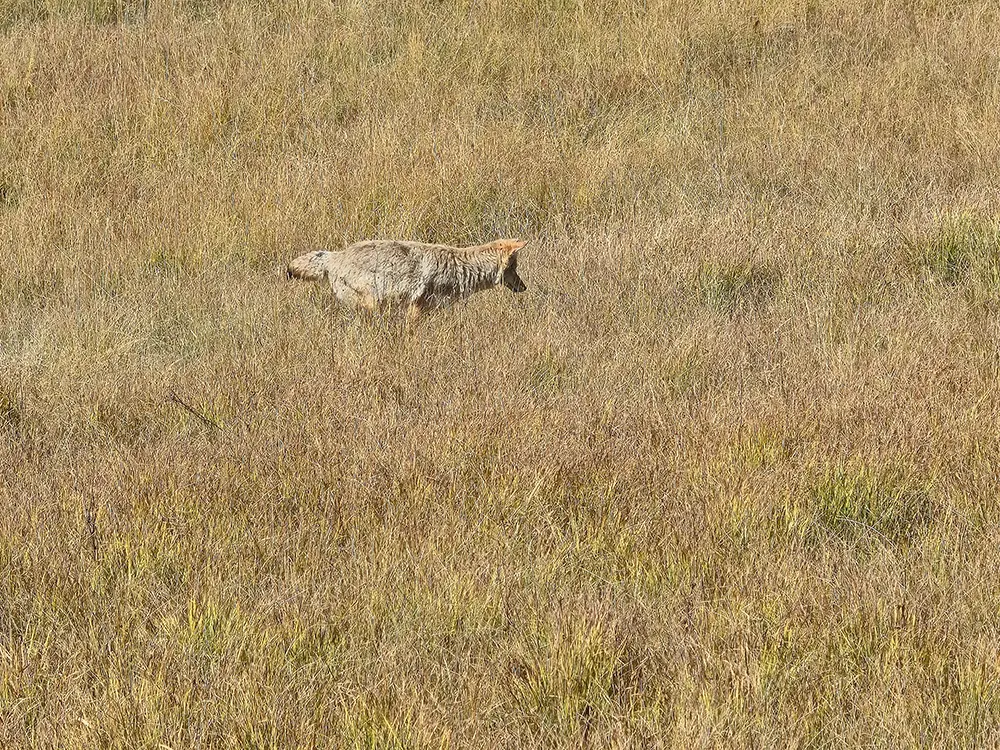
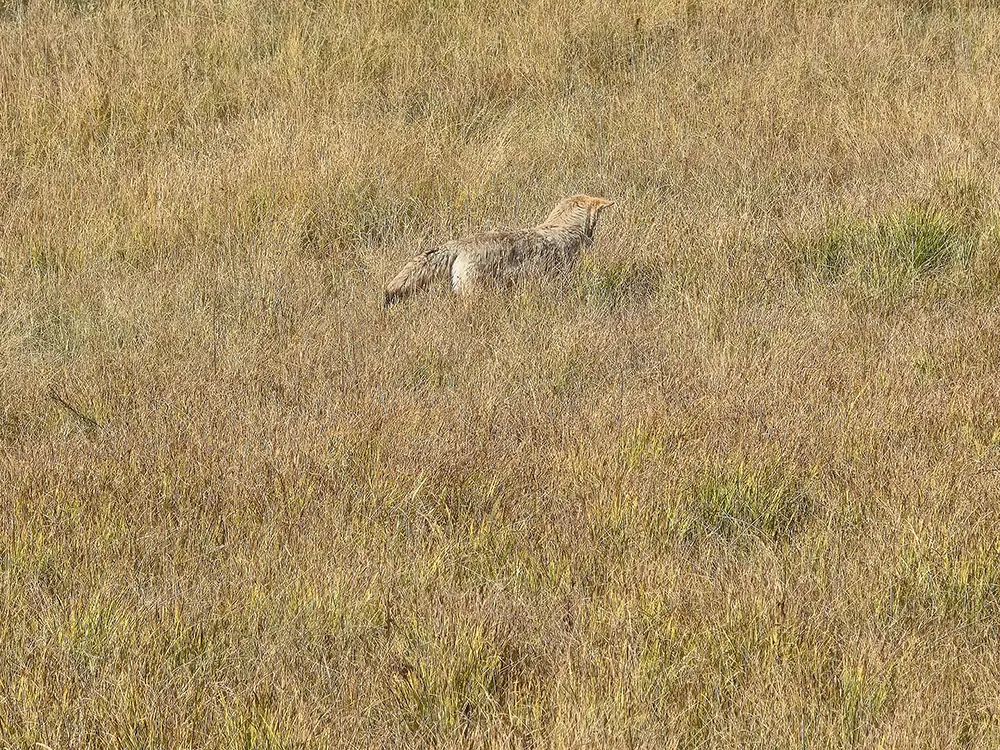
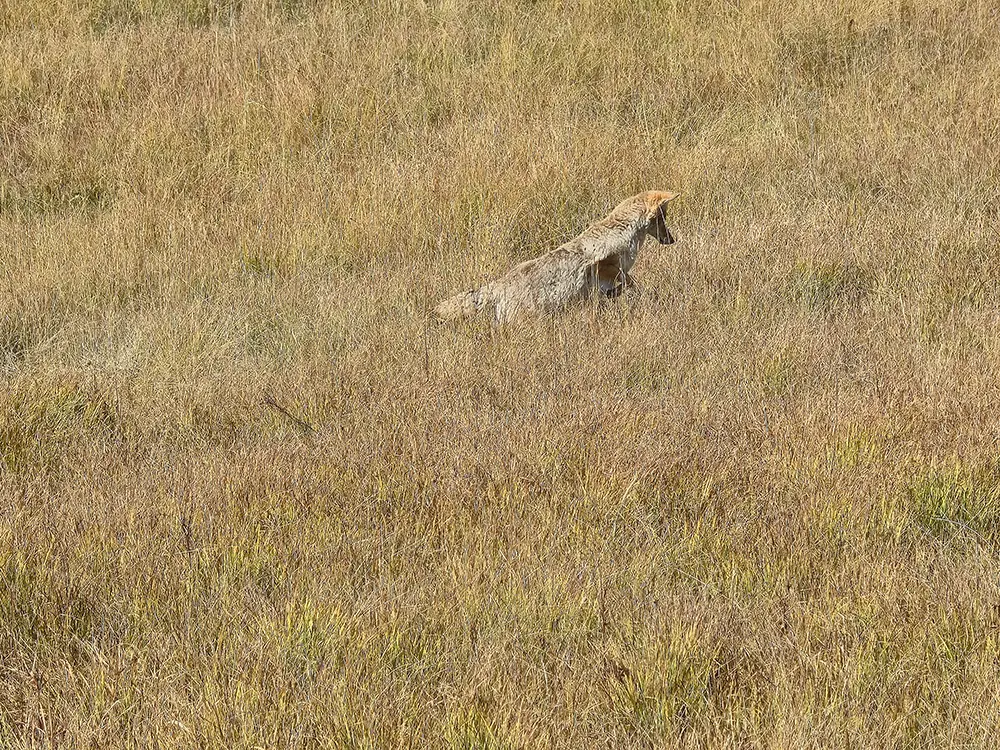
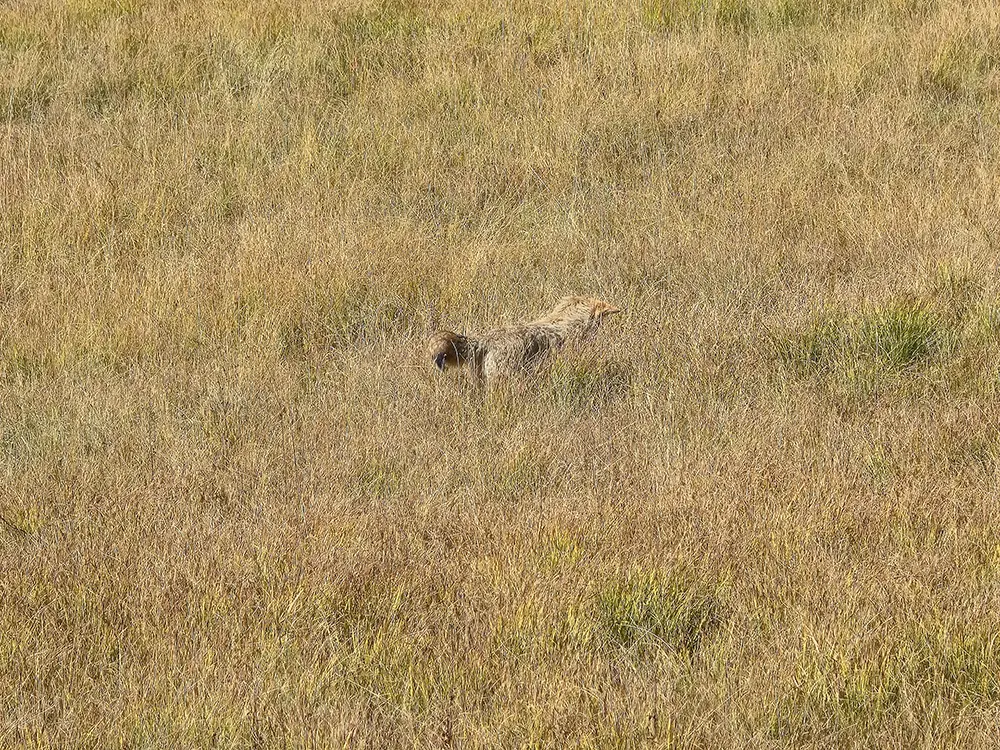
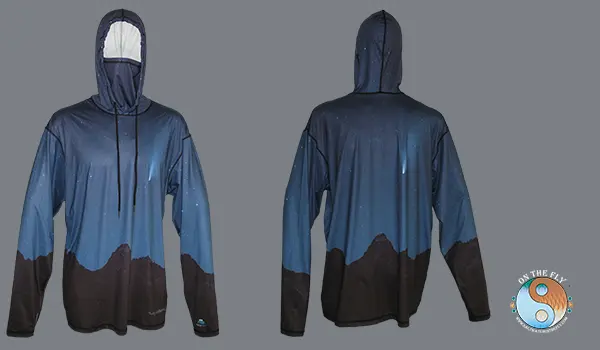
Coyotes in Yellowstone National Park: The Sneaky Underdogs Who Outsmart Everyone (Including You)
Oh, Yellowstone National Park – land of geothermal fireworks, bison traffic jams, and wolves that pose like supermodels for every Instagrammer with a zoom lens. But let’s talk about the real MVPs: coyotes. Yeah, those scrappy, pointy-eared hustlers who slink around like they own the place but get zero fanfare. While you’re elbowing tourists for a grizzly sighting, these clever canines are probably plotting their next snack heist right under your nose. If you’re searching for “coyotes in Yellowstone National Park,” buckle up, because we’re diving into the hilarious, sarcastic truth about these furry opportunists. Spoiler: They’re smarter than your average park visitor.
Who Are These Furry Roadside Philosophers, Anyway?
Picture this: A coyote struts into Yellowstone like it’s auditioning for a low-budget Western. These guys (and gals) are the ultimate survivors, weighing in at a svelte 25-35 pounds and standing about 16-20 inches at the shoulder – basically, a wolf’s annoying little brother who ate all the junk food. Don’t let the size fool you; Yellowstone’s coyotes are the beefiest in the U.S., tipping the scales up to 40 pounds if they’ve hit the buffet hard. They’re not fussy about real estate either – forests, meadows, grasslands, even the occasional swamp if they’re feeling adventurous. In Yellowstone, you’ll find them lounging in mesic meadows or sage-grasslands, basically anywhere there’s a decent mouse buffet or a dumb tourist with snacks.
Fun fact (because who doesn’t love a coyote fun fact?): These tricksters can hit speeds up to 40 mph and leap 13 feet like they’re auditioning for the park’s high jump team. And their lifespan? Average six years in the wild, but in Yellowstone’s cushy setup, they can stretch it to 13 – probably because they’ve mastered the art of dodging park rangers and begging for road treats. Speaking of which, their home range? Anywhere from 3 to 60 square miles, depending on how lazy they feel that day. Talk about living large on a shoestring budget.
Coyote Behavior in Yellowstone: Smarter Than Your GPS
If coyotes had a LinkedIn profile, it’d read: “Highly adaptable opportunist seeking endless snacks. Expert in yips, howls, and side-eye glares.” These aren’t your pack-hunting wolves; coyotes roll in loose family groups, hunting solo like lone wolves (ha!) but teaming up for the big scores. They’re omnivores with zero shame – mice one minute, berries the next, and if you’re dumb enough to drop a sandwich, bon appétit, human.
But here’s the kicker: Coyotes are way too smart for their own good. They pick up bad habits faster than you learn to parallel park in a bison herd. Roadside begging? Check. Staring down hikers like they’re the main course? Double check. And their communication? A symphony of yips and howls that sounds like a drunk karaoke night. It’s adorable until you’re trying to sleep in your tent and they’re serenading the stars about last night’s rabbit kill. Pro tip: If you hear that at 3 a.m., just laugh it off – they’re basically the park’s unpaid DJs.
Pup survival’s on the upswing too, thanks to Yellowstone’s buffet of meadows and fields. Mom and Dad coyote raise the kids like mini-moguls, teaching them to pounce on voles with the precision of a caffeinated cat. It’s family bonding at its finest – or most chaotic, depending on your view of “quality time.”
The Great Coyote vs. Wolf Showdown: Underdog Edition
Remember 1995? Wolves waltz back into Yellowstone like they own the joint, and suddenly our coyote pals go from top dogs to sidekicks. Pre-wolf era, coyotes ruled the roost, filling every niche from scavenger to small-game assassin. Now? Wolves have chomped through about half the coyote population – brutal, right? But plot twist: It’s a win for the ecosystem. Fewer coyotes mean more pronghorn fawns survive, and the park’s biodiversity gets a high-five. Coyotes, ever the adapters, just slink off to new turf, muttering, “Fine, you take the spotlight; we’ll handle the comic relief.”
It’s like a bad reality TV reunion: Wolves are the dramatic alphas, coyotes the witty side characters who steal every scene. And honestly? We’d miss them if they bailed. They’re the unsung heroes keeping things spicy.
Best Places to Spot Coyotes in Yellowstone (And Not Get Yelped At)
Dreaming of coyote watching in Yellowstone? Skip the wolf jams and head to the real gems. Lamar Valley is prime real estate – early mornings or dusks, and you’ll catch them mousing around like it’s an Olympic sport. Hayden Valley’s another hotspot, especially from Grizzly Overlook where you can scan both ways without breaking a sweat. Mammoth Hot Springs? Elk and bison galore, but coyotes crash the party too, trotting roadsides like casual strollers.
Pro tips for your Yellowstone coyote adventure:
Go dawn or dusk – they’re not morning people, but neither are you after that park coffee.
Binoculars over selfies; respect the “no feeding” rule unless you want a lifetime ban (or worse, a sassy stare-down).
Pack patience – these ghosts appear when they feel like it, not on your itinerary.
Wrapping Up: Why Coyotes Deserve Your Yellowstone Bucket List
So, next time you’re in Yellowstone National Park chasing “majestic” wildlife, give the coyotes a nod. They’re the sarcastic survivors turning habitats into their personal playground, outsmarting wolves, and reminding us that size isn’t everything – wit is. Whether you’re into coyote facts, behavior quirks, or just a good laugh at nature’s underdogs, these guys deliver. Head to Lamar or Hayden,

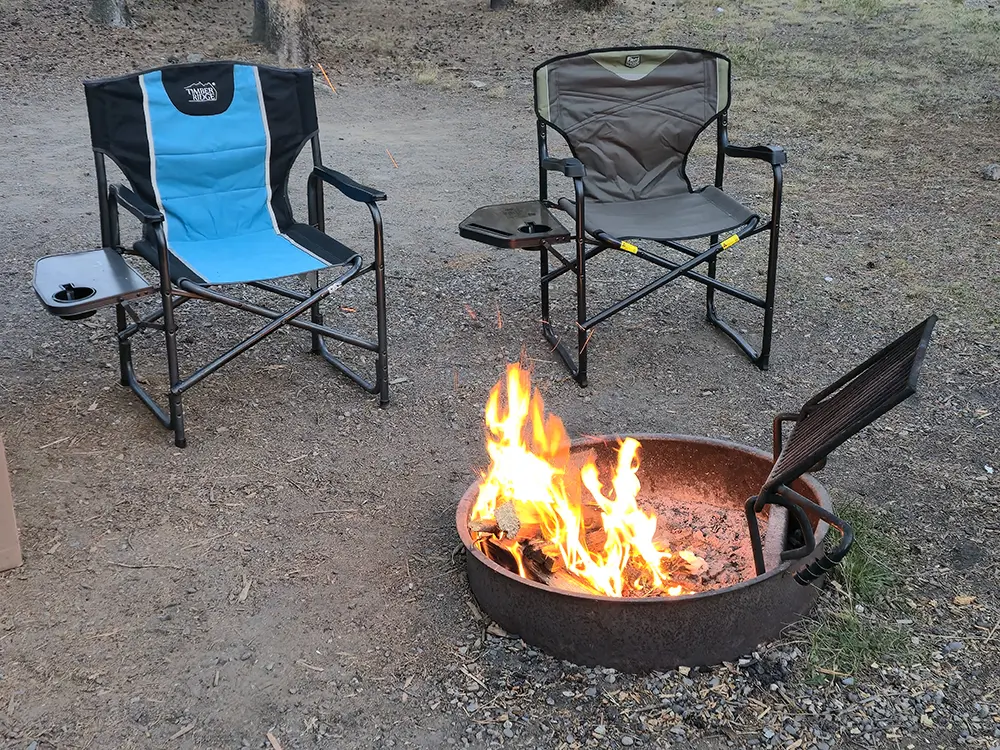
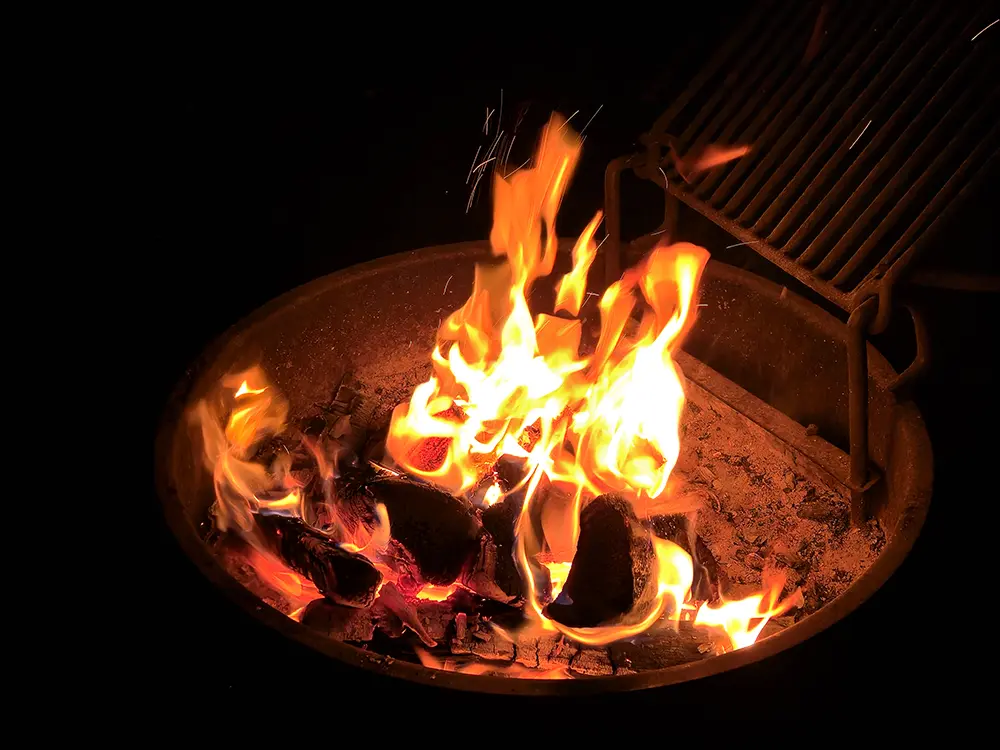
Couple Fall Days in Yellowstone-Madison Campfire
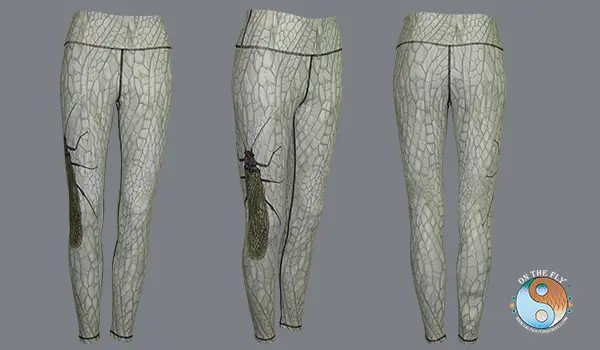
Yellowstone River in Yellowstone Park Above Rapids
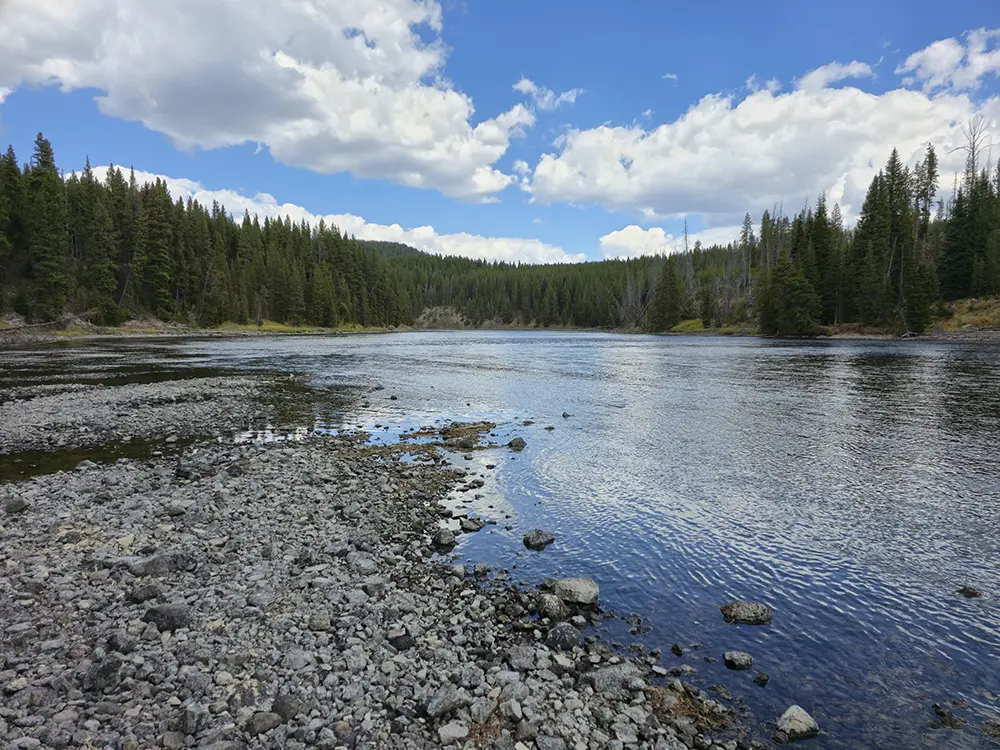
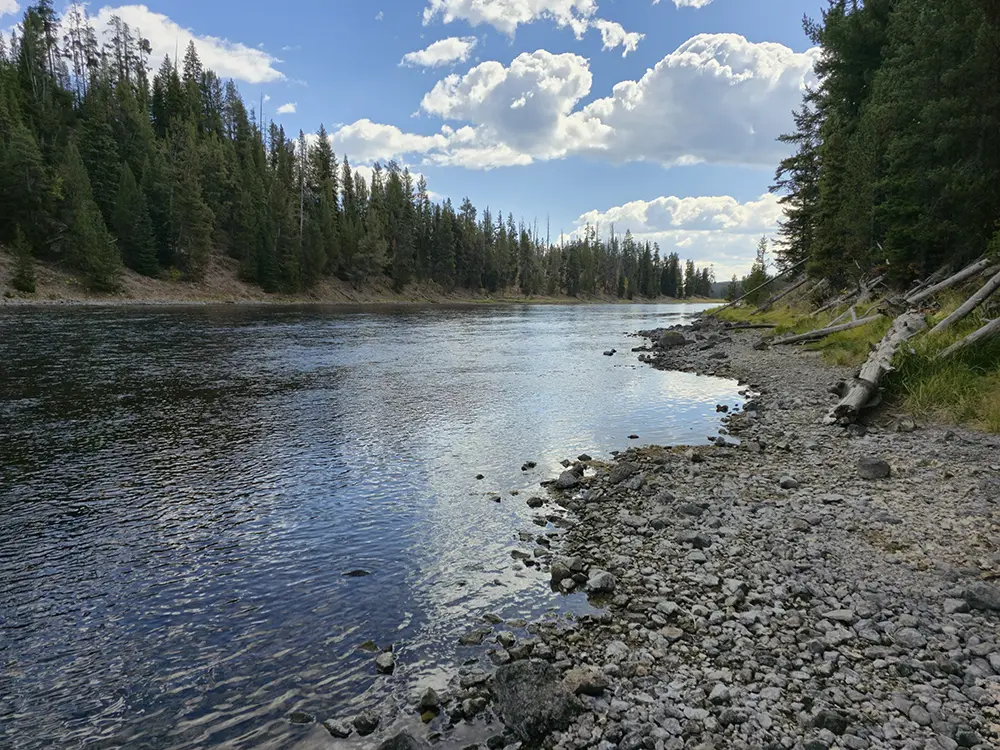
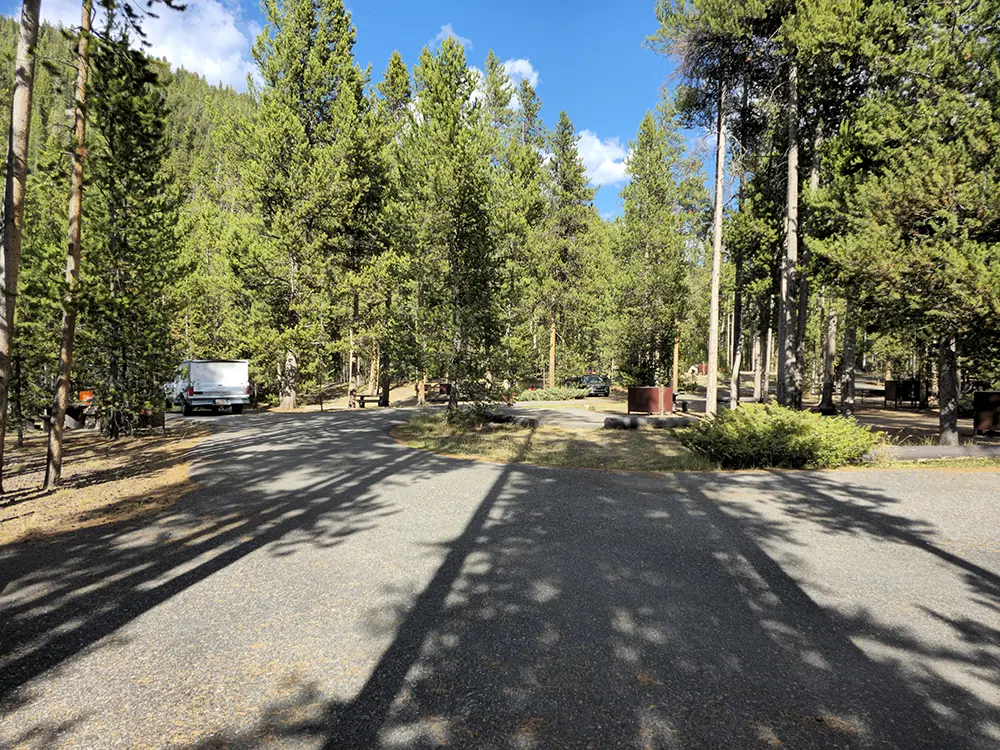
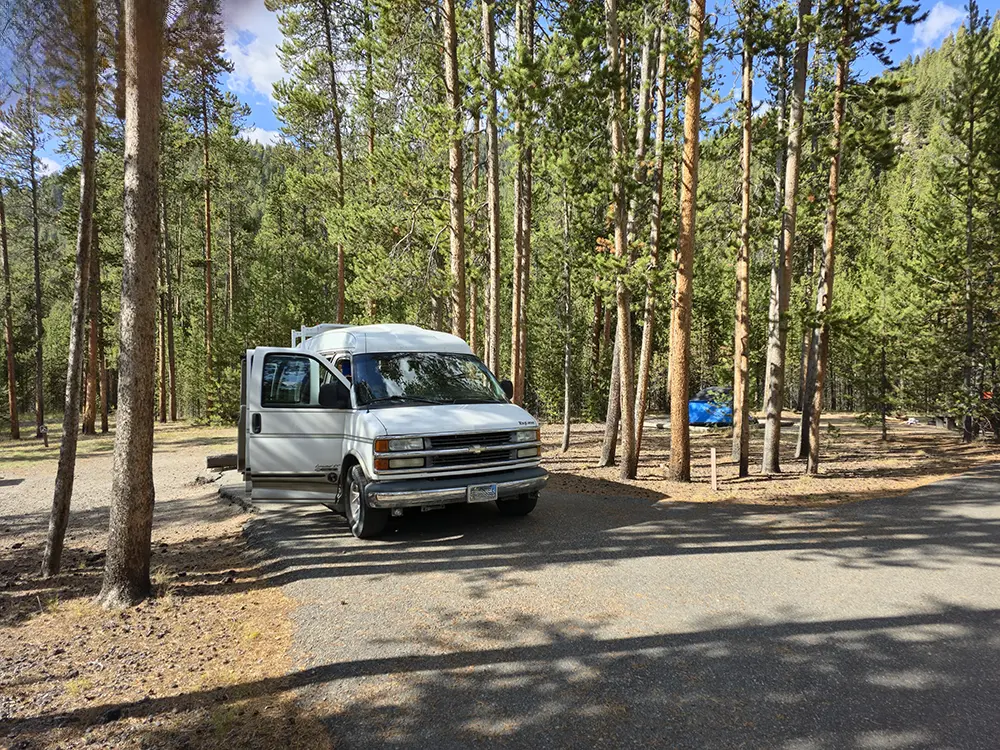
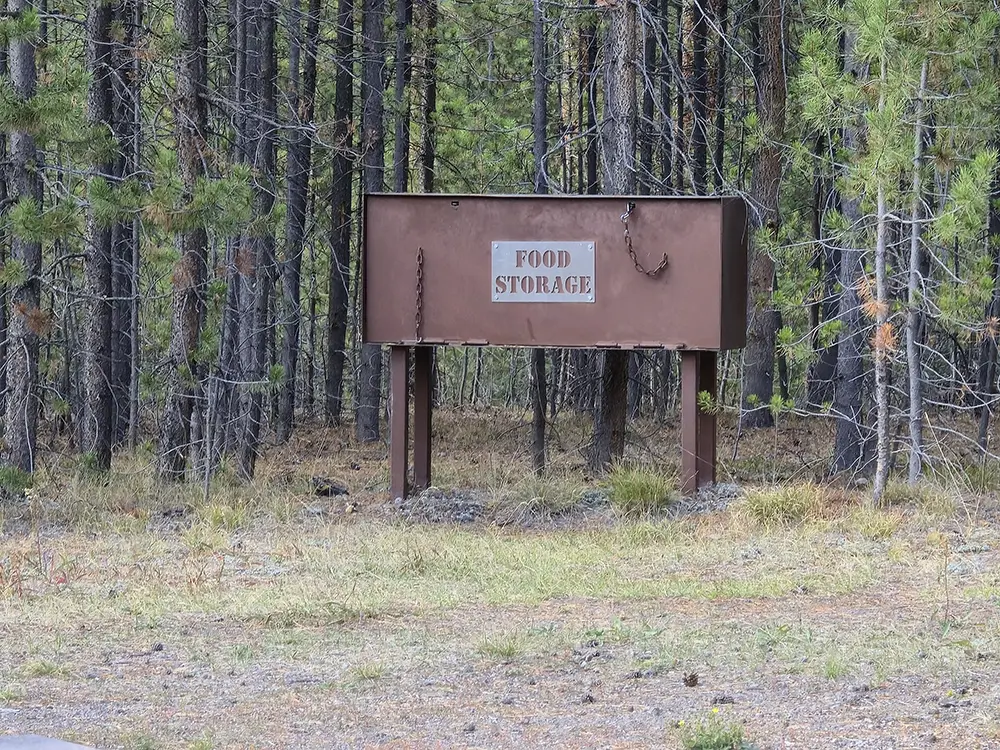
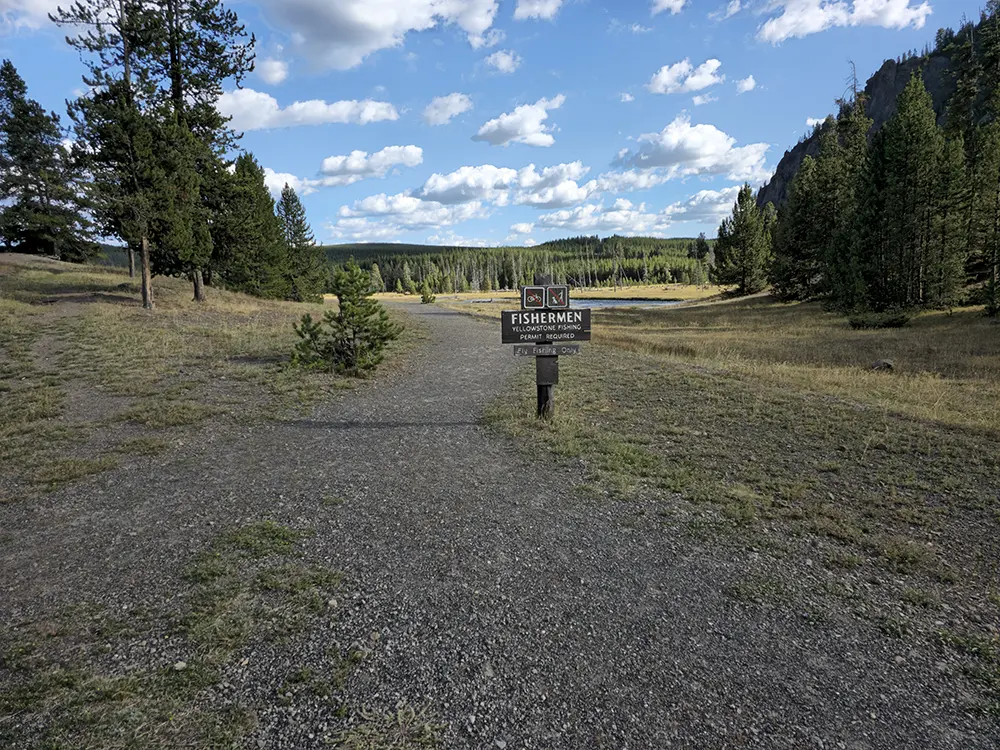
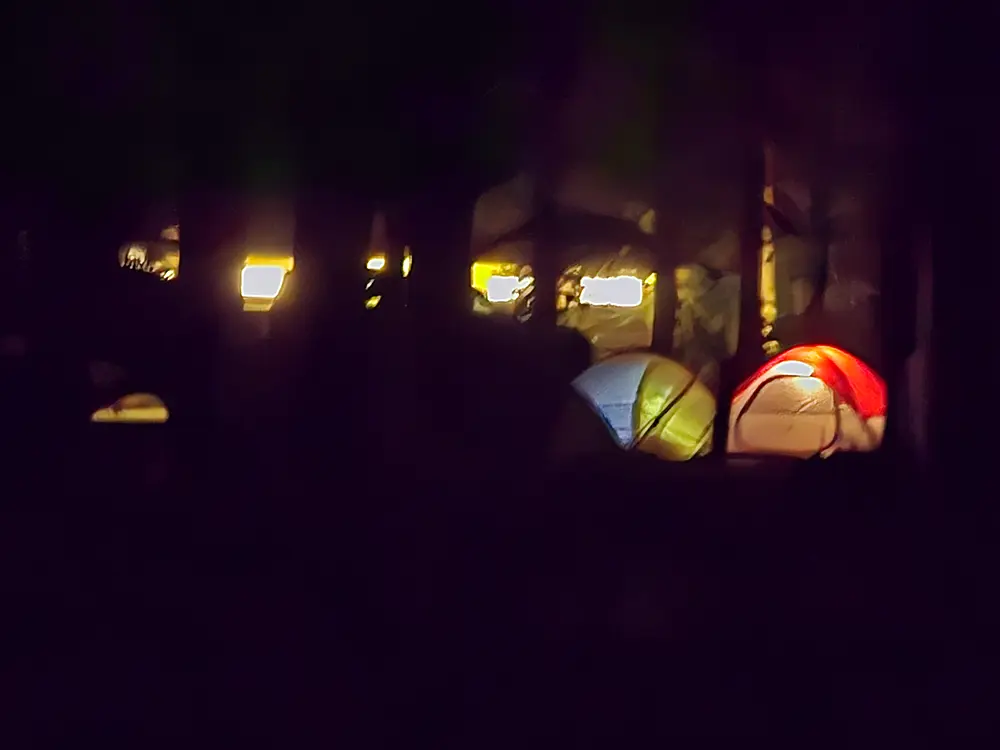
Madison Campground & Fly Fishing Madison River
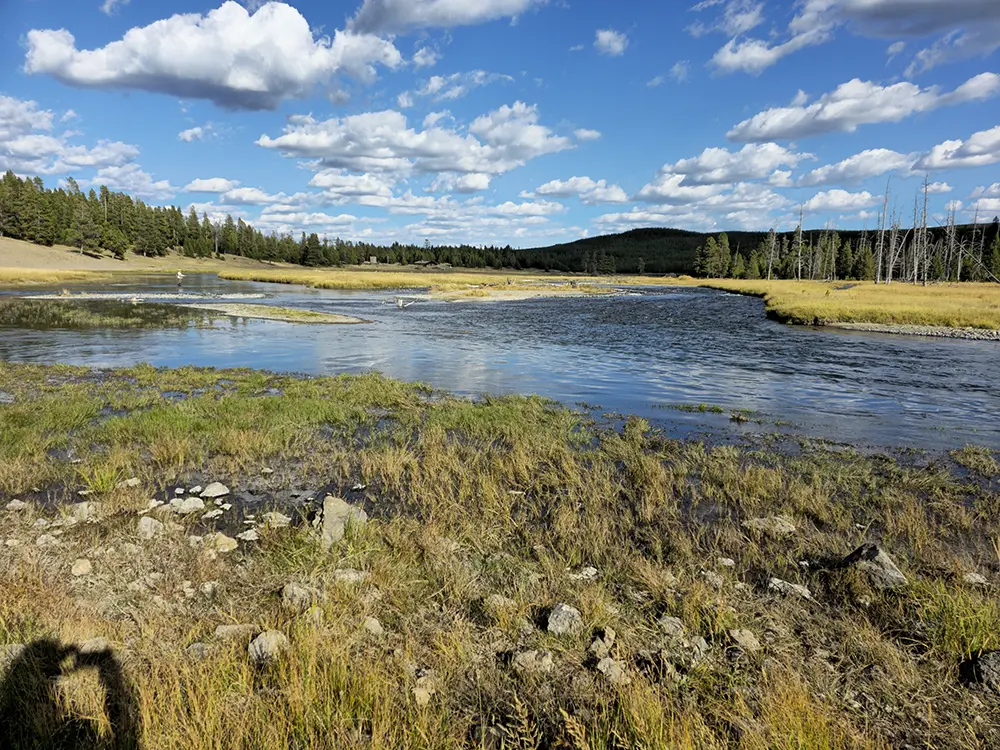
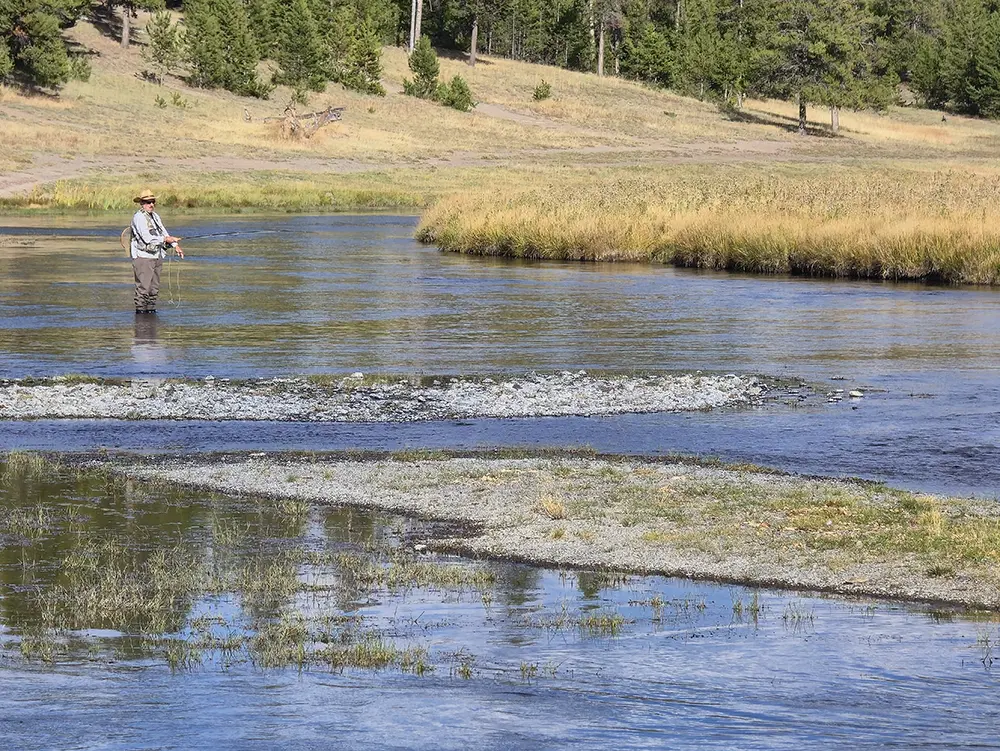
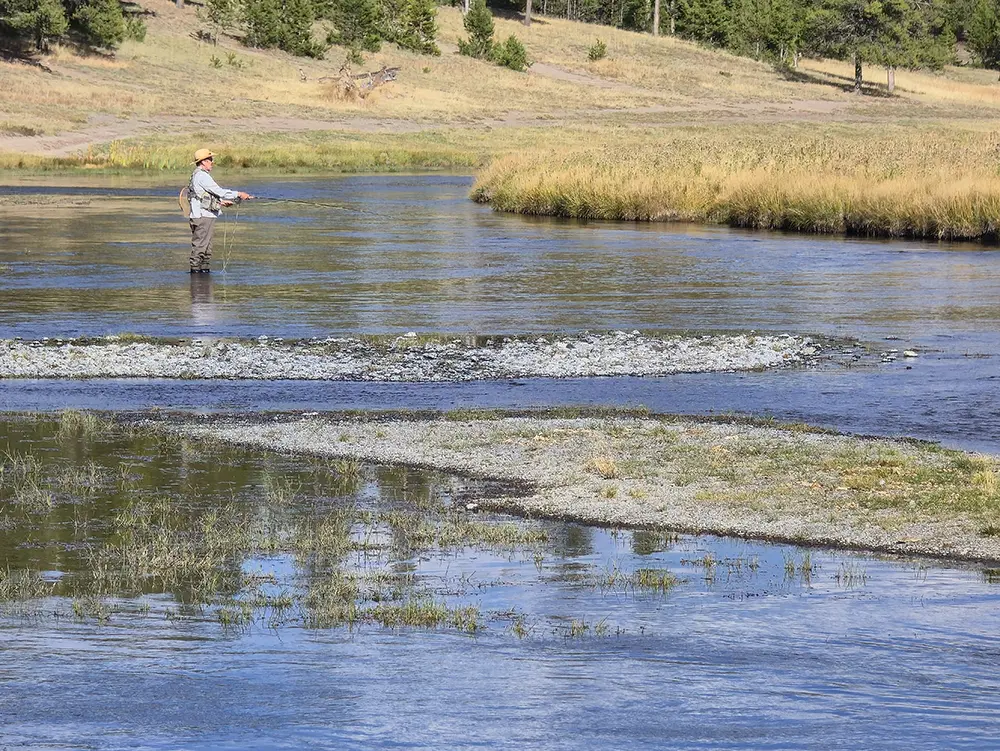
Morning on Madison River
-
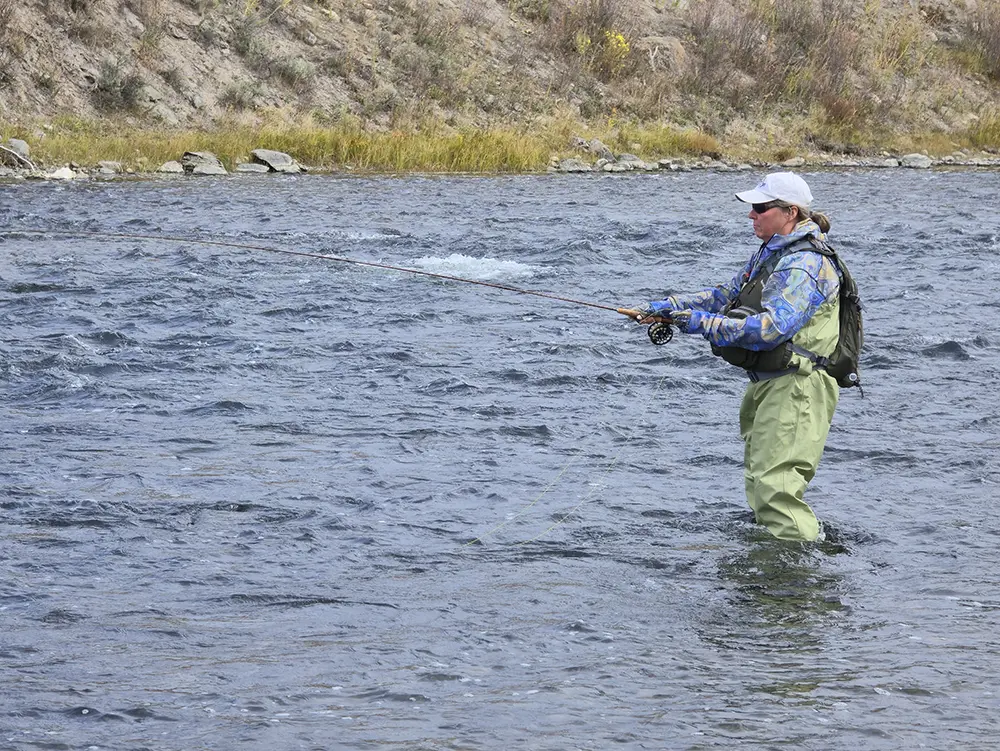
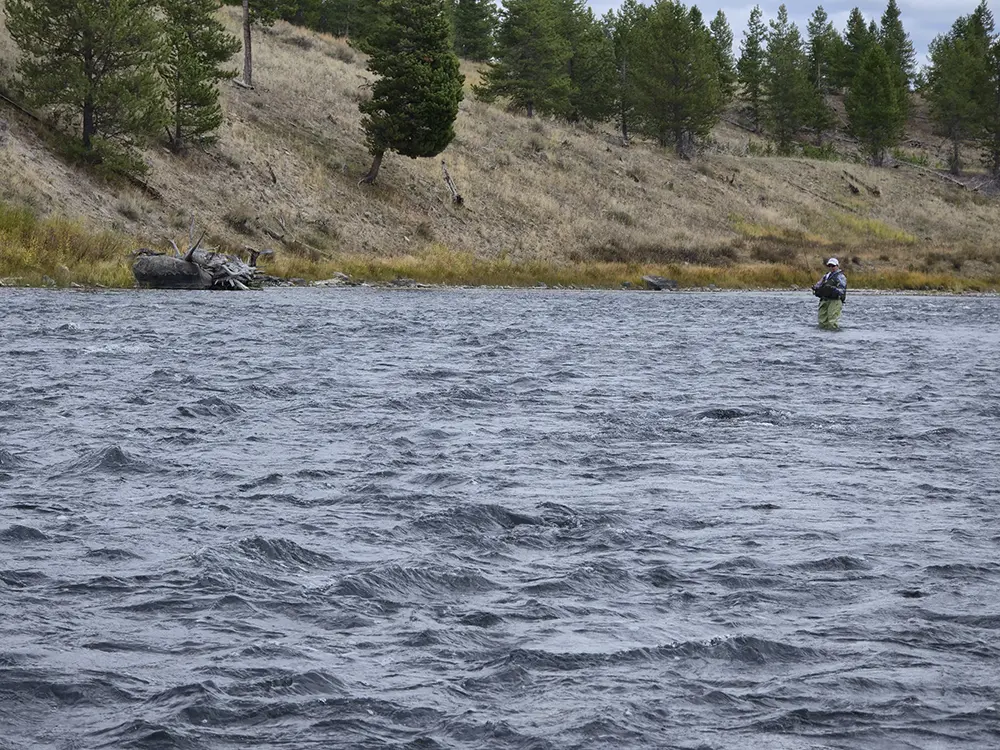
- Nymphing Madison River
-
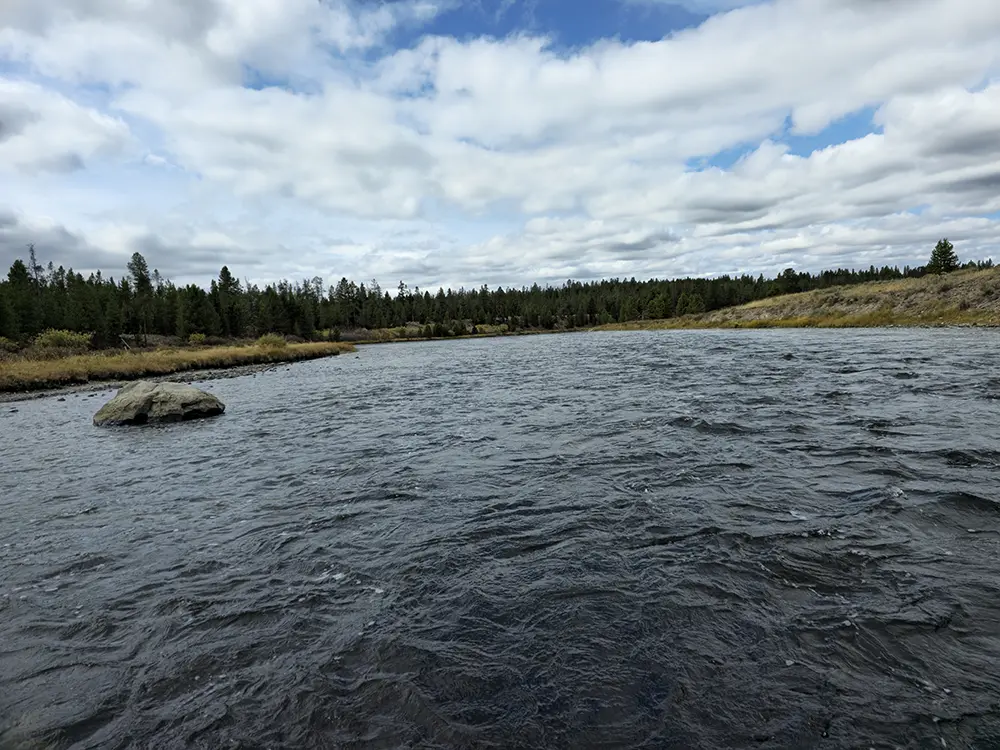
- Looking down Madison River
-
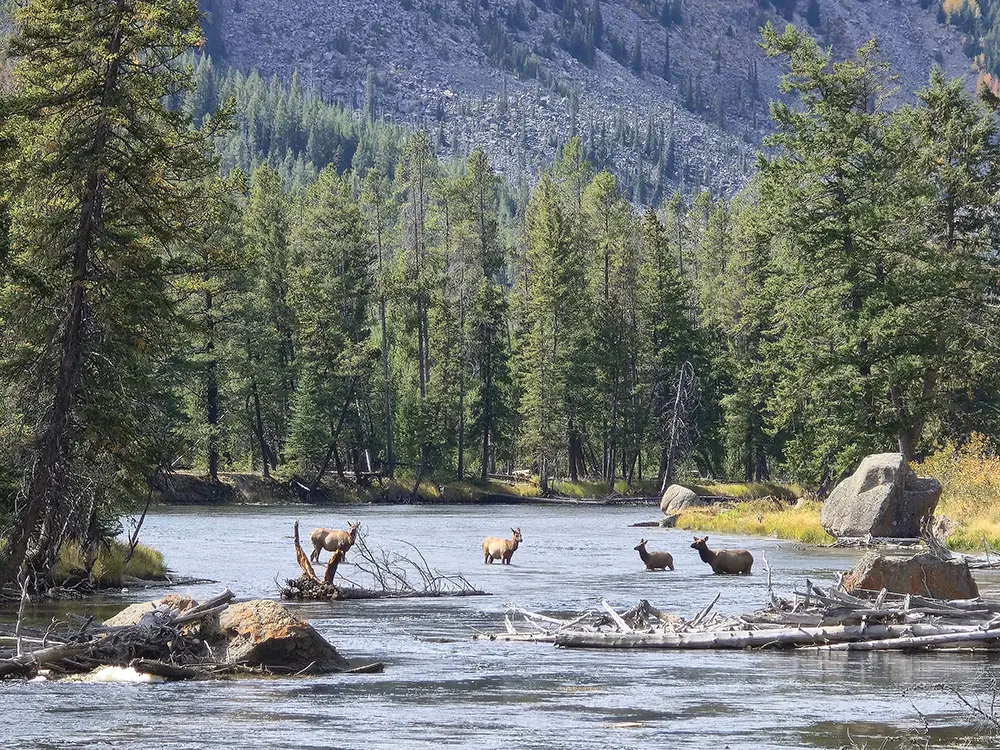
- Elk cooling down in the Madison River, they are in heat this time of year.
-
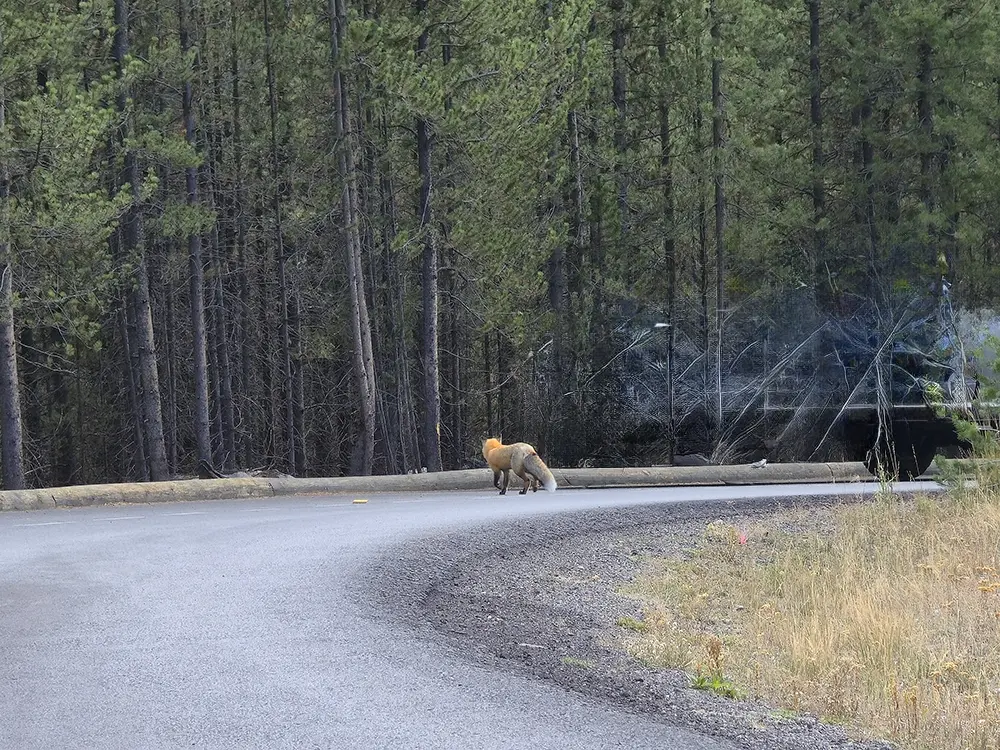
- Red Fox crossing
Elk in Yellowstone National Park: The Majestic Drama Queens of the Wild
Picture this: you’re cruising through Yellowstone National Park, windows down, feeling like you’re in a nature documentary narrated by David Attenborough. Suddenly, you spot them—elk, the undisputed divas of the park, strutting their stuff like they own the place. And honestly? They kind of do. These majestic, antlered beasts are Yellowstone’s A-listers, and they’ve got the attitude to match. Let’s dive into why elk in Yellowstone National Park are the wildlife equivalent of a reality TV show, complete with drama, glamour, and a touch of “who even asked you?”
Why Elk Are Yellowstone’s VIPs
Elk, or Cervus canadensis if you’re feeling fancy, are basically the poster children of Yellowstone. With a population hovering around 10,000 to 20,000 (depending on who’s counting and how many wolves are snacking), they’re everywhere—grazing in meadows, blocking traffic, and posing for your Instagram like they’re auditioning for Nat Geo. Yellowstone’s Lamar and Hayden Valleys are their red carpets, where they flaunt their velvety antlers and doe-eyed stares. Fun fact: those antlers can grow up to an inch a day. Talk about overachieving.
But let’s not get too starry-eyed. Elk are the ultimate freeloaders, munching on grasses, shrubs, and whatever else they can find without so much as a “thank you” to the park’s ecosystem. They’re like that friend who raids your fridge and leaves crumbs everywhere. Yet, somehow, they’re still charming, with their gangly legs and that “I’m too cool for this” vibe.
The Elk Soap Opera: Mating Season Madness
If you want drama, show up during the fall rut. From September to October, Yellowstone turns into The Bachelor: Elk Edition. Bull elk transform into testosterone-fueled divas, bugling their hearts out in a mix of love songs and “fight me” challenges. That iconic bugle? It’s less a sweet serenade and more a primal scream that says, “I’m the king, and you’re not!” Males clash antlers, lock horns (literally), and strut around to impress the ladies. The cows (female elk) just roll their eyes and graze, like, “Ugh, Steve, not this again.”
This mating season chaos is peak Yellowstone entertainment. You’ll see tourists parked along roads, binoculars glued to their faces, whispering about “the big one” like they’re scouting talent for a wildlife blockbuster. Pro tip: don’t get too close. Elk may look like oversized deer with a superiority complex, but they’re not here for your selfie. A charging bull elk is not the souvenir you want.
Elk vs. Yellowstone’s Food Chain: The Real Hunger Games
Elk aren’t just living their best lives; they’re also the main course for Yellowstone’s predators. Wolves, grizzlies, and mountain lions see elk as nature’s all-you-can-eat buffet. The reintroduction of wolves in the ‘90s turned the park into a high-stakes drama where elk play the role of “prey with a side of panic.” This keeps their population in check, which is great because otherwise, they’d eat every blade of grass and probably start demanding room service.
But it’s not all doom and gloom for our antlered friends. Elk are survivors, dodging predators with a mix of speed, agility, and sheer “I’m out!” energy. Watching an elk herd bolt across a meadow is like seeing a Black Friday stampede, except with more fur and fewer flat-screen TVs.
Where to Spot These Antlered Influencers
Want to catch elk in their natural habitat? Head to Mammoth Hot Springs, where they lounge on lawns like they’re at a spa. Or try the Gibbon Meadows at dawn or dusk—elk are crepuscular, which is a fancy way of saying they’re too cool for midday. Just don’t expect them to pose politely. They’ll probably give you the side-eye and saunter off, because, you know, they’re elk.
Why Elk Are Yellowstone’s Unsung Heroes
Despite their diva antics, elk are ecosystem MVPs. Their grazing shapes the landscape, their poop fertilizes the soil (you’re welcome, plants), and their existence keeps predators fed. They’re like the coworker who annoys you but secretly keeps the office running. Plus, they draw millions of tourists, boosting the local economy. So, next time you’re in Yellowstone, give a nod to these sassy, antlered icons. Just don’t expect them to nod back—they’re too busy stealing the show.
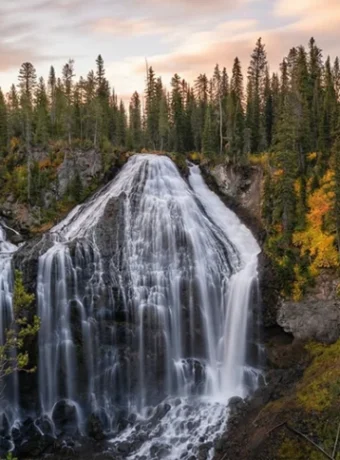
Gibbon Falls: Yellowstone’s Underrated Watery Whoopsie That Even Bison Roll Their Eyes At
Picture this: You’re cruising through Yellowstone National Park, dodging RVs the size of small houses and tourists snapping selfies with zero regard for bison traffic jams. Suddenly, bam—Gibbon Falls sneaks up on you like that one friend who photobombs every group pic. Tucked right off the Grand Loop Road, about 4.7 miles upstream from where the Gibbon River high-fives the Firehole to birth the Madison River, this 84-foot drop is basically the park’s polite “excuse me” to the Yellowstone caldera. Yeah, it’s plunging over a remnant of the world’s largest active volcano’s rim, but let’s be real—it’s no Old Faithful, stealing the spotlight with its every-15-minutes ego trip. Gibbon Falls? It just… flows. Casually. Sarcastically, even, like it’s whispering, “Hey, I’m here if you care, but don’t trip over your flip-flops gawking.”
Couple Fall Days in Yellowstone Gibbon Falls
Let’s rewind to the drama, because nothing says “epic adventure” like 19th-century explorers bumbling around like they invented hiking. Discovered in 1872 by Colonel John Gibbon—yep, the same Civil War vet who later chased Nez Perce warriors but couldn’t quite conquer a pesky river—this cascade got its name from a guy who basically failed at exploring it. Gibbon and his posse heard juicy gossip about a “new geyser basin” (spoiler: Norris) while chilling in Mammoth Hot Springs, so they hightailed south for a shortcut to the Firehole. Instead, they bumped into Ferdinand Hayden’s Geological Survey crew, fresh off the 1871 trek that basically guilted Congress into creating America’s first national park. Poetic, right? The falls were named after Gibbon not for heroism, but for his epic flop at mapping the whole stream. Talk about a participation trophy. By the mid-1880s, guidebooks were all like, “Oh, Gibbon Falls, that roadside charmer,” with Henry J. Winser calling it a “reward for the stalwart tourist” in his 1883 manual. Stalwart? Buddy, it’s a pull-off parking lot now.
Fast-forward to today, and accessing Gibbon Falls is about as strenuous as choosing between overpriced park lodge coffee or lukewarm vending machine swill. Park in the designated lot midway between Madison Junction and Norris Geyser Basin—pro tip: arrive before 8 a.m. or prepare to circle like a vulture at a roadkill buffet. From there, it’s a breezy 0.5-mile out-and-back paved trail with a whopping 32 feet of elevation gain. Easy peasy for anyone not hauling a stroller full of energy bar wrappers. The overlook dishes panoramic views of the falls tumbling into that misty abyss, with the Gibbon River carving through a narrow canyon like it’s auditioning for a moody nature documentary. And the wildlife? Oh, please. Bison lumber by, pretending not to notice your Instagram pose, while elk graze in the distance, rolling their eyes at your audible awe. Birds chirp mockingly overhead, and if you’re lucky (or unlucky), a trout leaps just to remind you this isn’t some tame aquarium show.
But here’s the kicker: In a park bursting with geothermal fireworks and canyon-carving drama, Gibbon Falls plays the humble sidekick. It’s that reliable buddy who shows up on time while the stars throw tantrums. Geologically, it’s a boss—cascading over volcanic rock layers that scream “supervolcano survivor!” The upper Gibbon was once a fish-free zone, thanks to the falls blocking upstream migrations like a watery bouncer. No Pacific slope connections here, folks—just barren streams until 1920, when rangers stocked Arctic grayling from below the falls into Grebe Lake headwaters. Now? It’s a trout haven, because why not turn a natural barrier into a fly-fishing frat party? Below the drop, the river’s a chill spot for spotting native grayling doing their stream-dwelling dance, while the caldera views stretch out like nature’s flex.
Why bother with this “lesser” Yellowstone waterfall, you ask? Because in a world of overhyped geysers and elbow-to-elbow viewpoints, Gibbon Falls is the breath of fresh, misty air. It’s quick—five minutes tops for that perfect pic—yet packs enough punch to make you forget the 45-minute wait at Firehole Falls downriver. Families love it for the no-sweat accessibility; photographers geek out over the light play on those basalt cliffs; and anyone burnt out on Yellowstone’s chaos finds a sarcastic solace here. “Not bad for a failure’s namesake,” the falls seem to say, as water roars eternally. Next time you’re looping the park, skip the crowds at Undine or Lewis Falls and let Gibbon school you in understated glory. Who needs drama when you’ve got drops like this? Just don’t blame me if a bison photobombs your shot—it’s their park, after all.