Wild Wonders of Dry Tortugas National Park: History, Camping Shenanigans, Epic Hikes, Fly Fishing, and Quirky Spots You Won’t Believe Exist
If you have ever felt tired of the usual vacation spots, I get it. You are looking for an escape that is more than just another crowded beach. Imagine a place 70 miles from Key West, floating in the Gulf of Mexico, where history and wild nature crash into each other. This is Dry Tortugas National Park, a remote cluster of seven small islands that most people only dream of visiting. Learning about the full scope of the history of Dry Tortugas National Park of interest gives you a real picture of this incredible place.
This is not your average park with paved roads and gift shops on every corner. Getting here is part of the adventure, as you can only arrive by boat or seaplane. Once you land, you will find a massive 19th-century fort, water so clear it looks unreal, and a sense of peaceful quiet you just can’t find anywhere else. You will learn about the history of Dry Tortugas National Park camping best hiking trails fly fishing opportunities and unique points of interest, so you can plan the trip of a lifetime.
Florida Home Away From Home
I’ve been wandering Florida since “59” as infant and still going. The Keys, South Beach, and South Florida before the invasion was one of the best experiences. St. Augustine is my favorite city and the gulf side.
Or pool side bar days of Bikini contests and waking to sunrises on the beach.
Table of Contents
Rich History of Dry Tortugas National Park
The story of this national park begins long before it received its designation. In 1513, the Spanish explorer Ponce de León sailed into these waters. He and his crew were amazed by the huge number of sea turtles, so he named the islands Las Tortugas, which means The Turtles. The “Dry” part of the name was added later on nautical charts to warn sailors there was no fresh water to be found here.
For centuries, these islands were a perfect hideout for pirates and a dangerous trap for ships. The powerful currents and hidden reefs of the Florida Straits caused many shipwrecks, including those of a 17th-century Spanish galleon. Stories of buried treasure from a wrecked Spanish galleon and pirate ghosts still linger around the islands, adding a layer of mystery to the salty air. These natural wonders are also natural hazards.
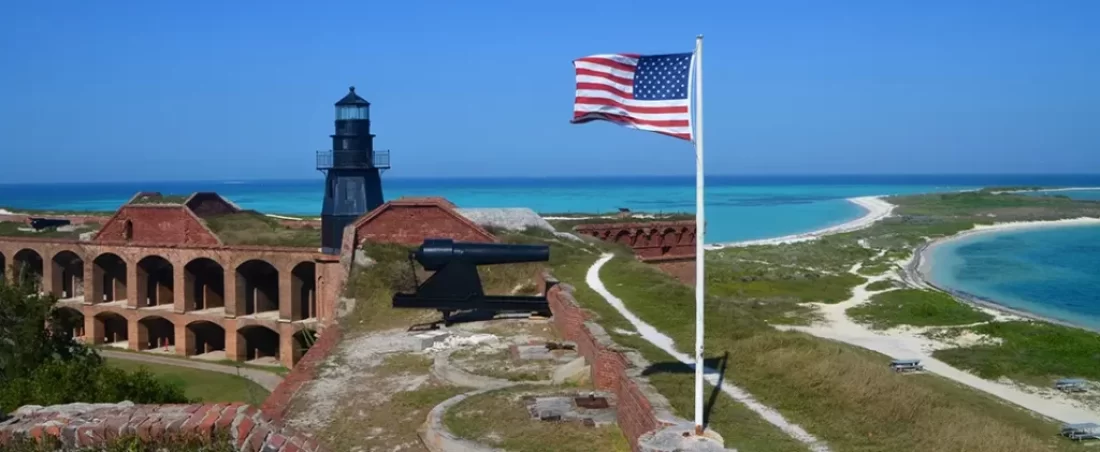
The most visible piece of history is Fort Jefferson on Garden Key. The United States recognized the strategic significance of the area and started building this colossal fort in 1846 to protect the vital shipping channel into the Gulf of Mexico. It’s the largest masonry structure in the Western Hemisphere, constructed with over 16 million bricks that had to be shipped from the mainland. The government wanted a powerful naval station to control the gateway to the Mississippi River and protect American shipping.

The fort’s design is an impressive six-sided structure surrounded by a wide moat. It was built to hold over 400 heavy cannons, although not all were ever installed. Despite its intimidating appearance, Fort Jefferson never fired a single hostile shot; its sheer presence was enough to deter any attacks, serving as a silent guardian of the seas.
When the Civil War broke out, the fort remained in Union hands and became a military prison. It housed Union deserters and Confederate prisoners. Its most famous prisoner arrived after the war: Dr. Samuel Mudd. Mudd was convicted for his part in the plot to assassinate President Abraham Lincoln because he set the broken leg of assassin John Wilkes Booth.
Life at the Jefferson Fort Jefferson was incredibly harsh. The isolation, intense heat, and threat of diseases like yellow fever made it a difficult place to live. In 1867, a yellow fever epidemic swept through the fort, and Dr. Samuel Mudd stepped up to treat the sick after the fort’s doctor died. For his heroic actions, he was eventually pardoned by President Andrew Johnson in 1869.
After the Civil War, the fort was slowly abandoned as the invention of more powerful, rifled cannons made its thick brick walls obsolete. The Army officially left in 1874, and the Fort Jefferson fort was used intermittently as a naval coaling station and quarantine area. But mostly, it was left to the birds and the sea, and today, the Fort Jefferson remains are a ghostly reminder of the past.
Naturalists, including the famous artist John James Audubon, visited the islands to study the abundant bird life. Recognizing its historical and natural value, President Franklin D. Roosevelt designated the area as Fort Jefferson National Monument in 1935. This act protected the historic fort and the surrounding marine environment, a precursor to the modern Tortugas National Park.
In 1992, Congress elevated its status even more, creating Dry Tortugas National Park. This act by the National Park Service expanded the protected area. Today, the park encompasses the precious coral reefs and underwater cultural heritage that make visiting Dry Tortugas so special.
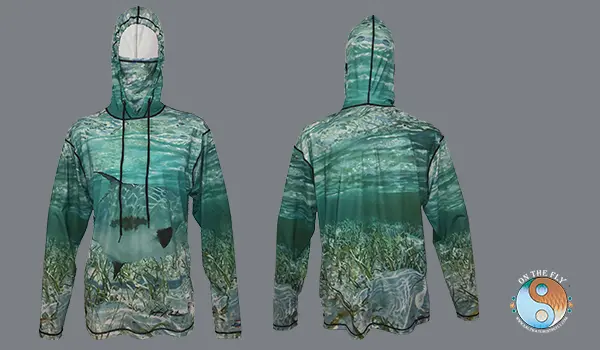
Legging are important piece of saltwater fly fishing apparel. Stretches for great mobility and a UPF-50 sun protect, Click Image Get Yours Today.
A Guide to Camping in Dry Tortugas National Park
Camping in the Dry Tortugas National is an experience you will never forget. It’s primitive, meaning there are no showers, no stores, and very few comforts of home. What you get in return is a front-row seat to one of the most beautiful and remote places in the country. It is just you, the stars, the sea, and a giant historic fort.
Securing Your Spot in Paradise
First, camping is only allowed on Garden Key, the same island where Fort Jefferson is located. There are only about eight regular campsites available for individuals and small groups. These sites are strictly first-come, first-served for people who arrive on the public Yankee Freedom ferry.
You cannot reserve a specific site in advance, so arriving prepared is very important. Your campsite is confirmed when you book your transportation on the Yankee Freedom III ferry. This ferry is the primary way for campers to get to this national park.
When you book your ferry ticket with the Freedom Ferry, you must add the camping option. Because spaces are so limited, you need to book your trip months, or even a year, in advance, especially for popular weekends or holidays. A few spots on the Dry Tortugas island are sometimes held for people arriving by private boat, but these are also very limited.
What to Pack for Your Adventure
Since you have to bring everything with you, packing smartly is critical. The Yankee Freedom ferry has weight and size limits for your gear, so you cannot bring everything. You are generally allowed around 60 pounds of gear per person, not including your water. All campers must be self-sufficient.
| Category | Essential Items |
|---|---|
| Shelter | A sturdy, free-standing tent; sleeping bags and pads suitable for the season. |
| Food & Water | All food for the entire stay; at least 1 gallon of water per person, per day; cooler. |
| Cooking | Camp stove (self-lighting charcoal or Sterno only); cookware; dishes; utensils. |
| Personal Items | Sunscreen; sunglasses; wide-brimmed hat; insect repellent; prescription medications. |
| Safety & Utility | Headlamp or flashlight with extra batteries; first-aid kit; trash bags (pack-it-in, pack-it-out). |
| Recreation | Snorkeling gear; camera; binoculars for bird watching; fishing gear (if applicable). |
Bringing everything you need is vital for a safe and enjoyable trip. There is no store on the island to buy forgotten supplies. Make a checklist and double-check it before you depart from Key West.
Life Around Camp
Once you arrive on the Dry Tortugas island, you will choose an available campsite. Each site has a picnic table and a grill for your charcoal. The sites closest to the water offer incredible views but are more exposed to the wind; sites closer to the fort walls offer more protection.
The campground has composting toilets, but that is it for amenities. There is no running water for washing dishes or for personal use. You will feel a bit grubby by the end of your stay, but it is all part of this remarkable experience.
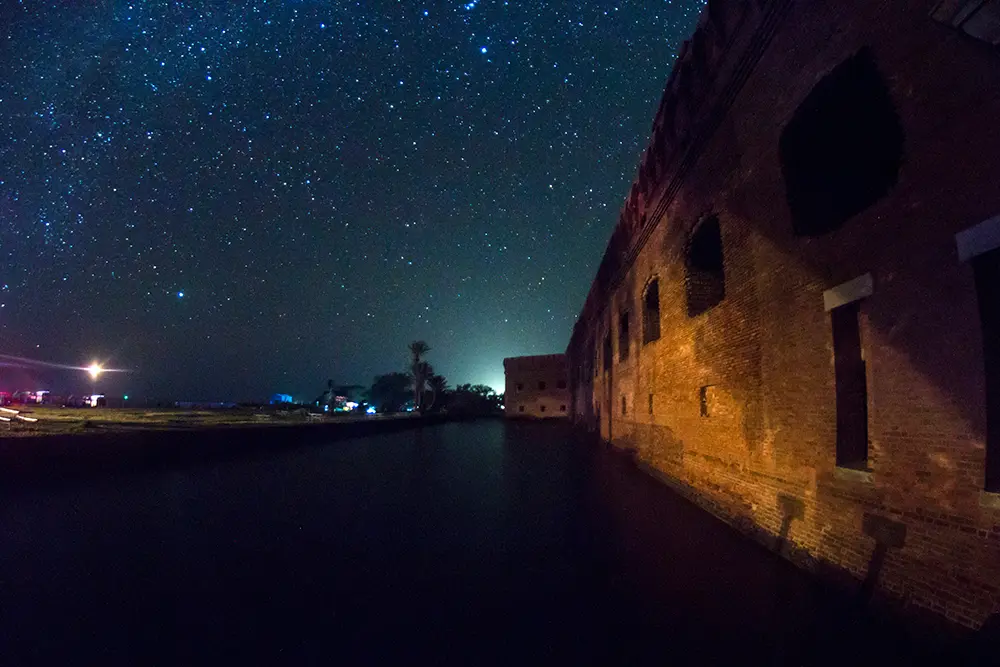
After the day ferry leaves in the afternoon, the island becomes incredibly quiet. You get to explore the fort at sunset and watch the stars come out in a sky free from city lights. The Milky Way is so bright here it looks like a cloud. The sounds you will hear at night are the gentle lapping of waves and the calls of seabirds, a truly peaceful experience that feels worlds away from everyday life.
Exploring the History of Dry Tortugas National Park Camping Best Hiking Trails Fly Fishing Opportunities and Unique Points of Interest on Foot
While this national park is not known for challenging mountain hikes, it offers several beautiful walks. These “hikes” are more like strolls that let you soak in the history and natural beauty of the islands Las Tortugas. You do not need heavy hiking boots, but good walking shoes or sandals are a must.
1. The Fort Jefferson Moat Wall Trail
This is perhaps the most iconic walk in the park. It is a nearly one-mile loop that takes you along the top of the massive sea wall surrounding Fort Jefferson. From up here, you get stunning 360-degree views of the fort on one side and the sparkling ocean on the other.
As you walk, you can look down into the clear moat and spot tropical fish, crabs, and maybe even a nurse shark. You will also see the different bastions of the fort and get a real sense of its immense scale. This walk is especially beautiful at sunrise or sunset when the light paints the old bricks in warm colors. Just be careful, as there are no railings along the edge.
2. Garden Key Perimeter Loop
This is a casual walk around the sandy shores of Garden Key. The loop is less than a mile long and takes you past the campground, the snorkel beaches, and the seaplane beach. It is a great way to see the different parts of the island.
You can stop along the way to look for seashells and corals washed up on the beach. Remember to only look, as collecting anything from the park is prohibited. This trail gives you fantastic photo opportunities of Fort Jefferson from a distance, showing how it dominates the small island.
3. Bush Key Trail
This trail offers a chance to explore the neighboring island, Bush Key. A narrow sandbar sometimes connects Garden Key to Bush Key, letting you walk across. But this trail is only open seasonally.
From about February to September, the trail is closed because Bush Key is a major nesting site for sooty terns and brown noddies. Over 80,000 sooty terns nest here, and the closure protects the birds, and potential endangered species, during this sensitive time. When the trail is open, it is a lovely one-mile walk around a truly wild island where you feel like a real castaway.
4. Loggerhead Key
Getting to Loggerhead Key requires a private boat or kayak, so not everyone gets to see it. It is the largest island in the park, located about three miles west of Garden Key. If you can make the trip, you will be rewarded with a feeling of true isolation far from the continental United States.
The island is home to the historic Loggerhead Lighthouse, built in 1858. You can also explore the ruins of the Carnegie Laboratory for Marine Biology. A simple walking path takes you around the island, where you might see sea turtle nests in the sand during the summer, a nod to the islands’ original name given by the Spanish explorer.
Casting a Line: Fly Fishing in Paradise
For anglers, Dry Tortugas National Park is a dream destination. The park’s remote location and protected status have created a thriving marine environment. The crystal-clear waters, shallow flats, and deep water channels are home to some of the most prized game fish in the world. It is a place where you can test your skills against wary, powerful fish.
You need a Florida saltwater fishing license to fish anywhere in the park. You can get one online before your trip from the Florida Fish and Wildlife Conservation Commission. The park also has specific rules to protect the fish populations and their habitats. For instance, fishing is not allowed within the Research Natural Area or in the swimming and snorkeling areas around Fort Jefferson.
Catch and release is strongly encouraged for all species to preserve this incredible fishery for the future. Some visitors hire a tour guide for fishing excursions, which can improve success rates. A good guide knows the local waters and can offer an amazing experience.
The Thrill of the Hunt: Best Fishing Spots
The beauty of fishing here is the variety of environments. The shallow sand and turtle grass flats around Garden and Bush Keys are prime hunting grounds for bonefish. These “ghosts of the flats” are notoriously spooky, and sight-casting to a tailing bonefish is one of the ultimate challenges in fly fishing. A quiet approach and a perfect cast are needed to trick these fish.
The deeper channels and drop-offs around the islands are where you will find permit and tarpon. Permit are incredibly strong fighters and are known to be very picky eaters. Landing one is a true badge of honor for any angler. Tarpon, the “silver king,” migrate through the area in the spring and early summer.
Hooking into a hundred-pound tarpon in these remote waters is a memorable battle. I remember one trip where a buddy of mine spent an hour fighting a huge permit. He did everything right, but just as he got it close, the fish gave one last powerful headshake and broke the line. He just stood there, smiling; it is a place where even the ones that get away create lasting memories.
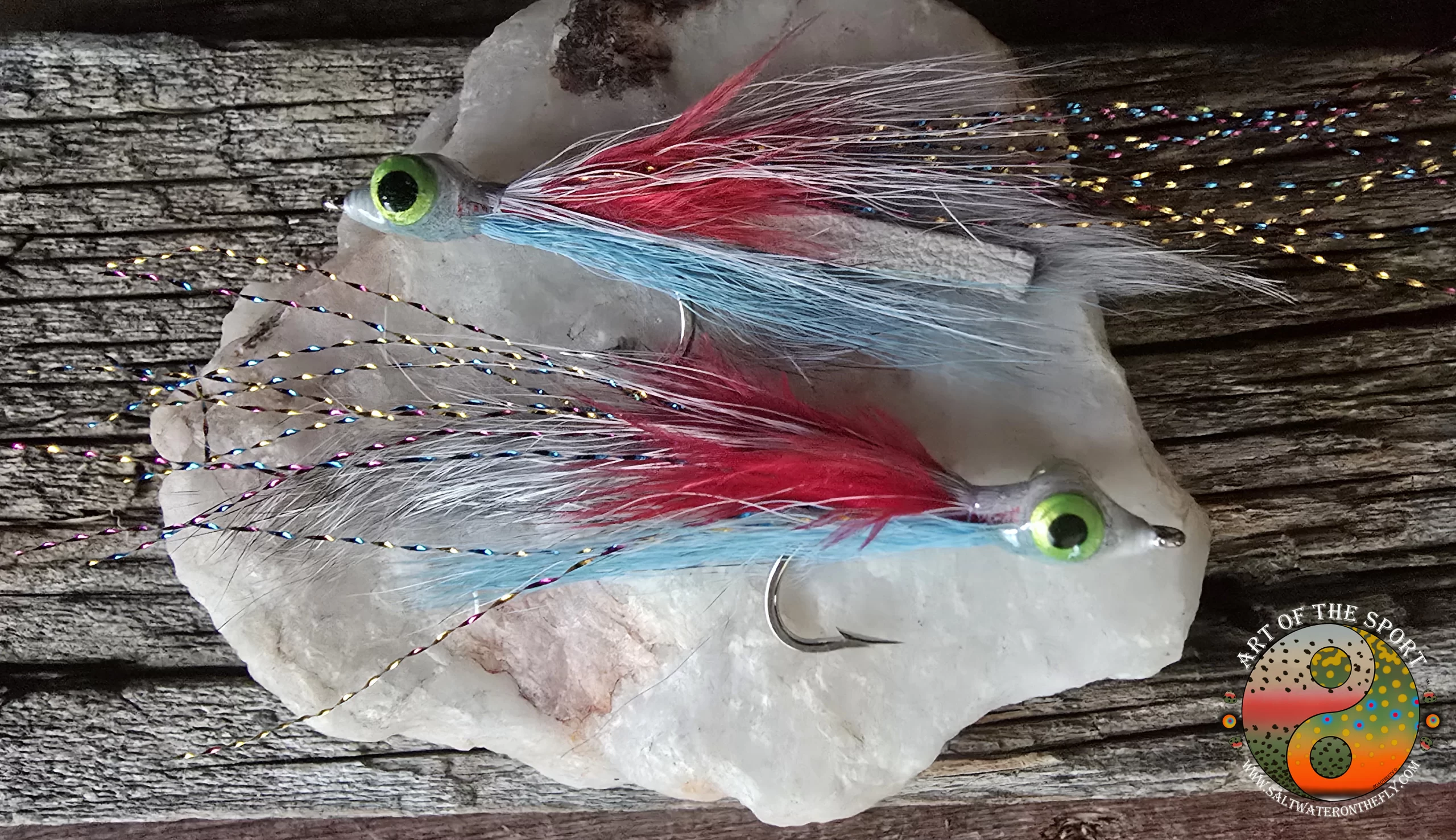
Dry Tortugas Fly Patterns
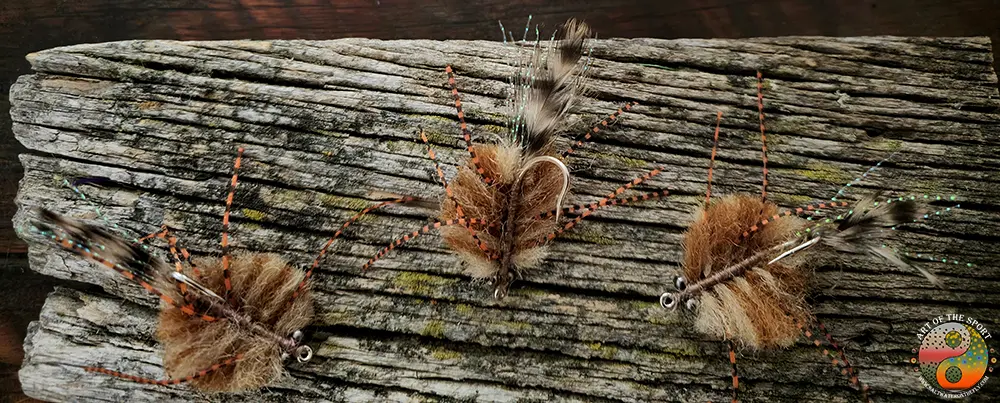
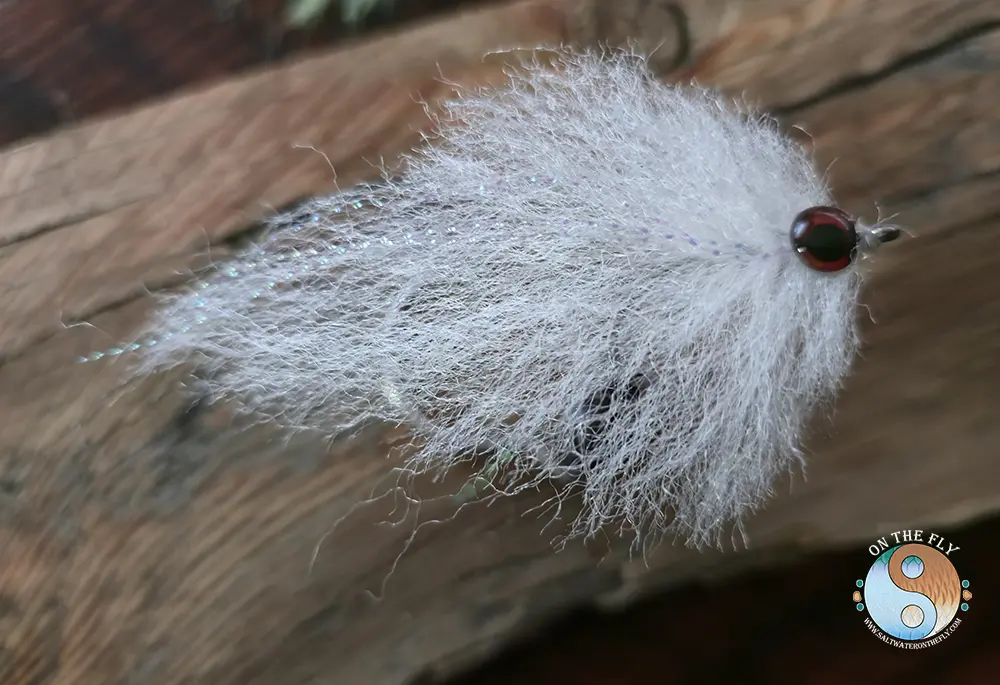
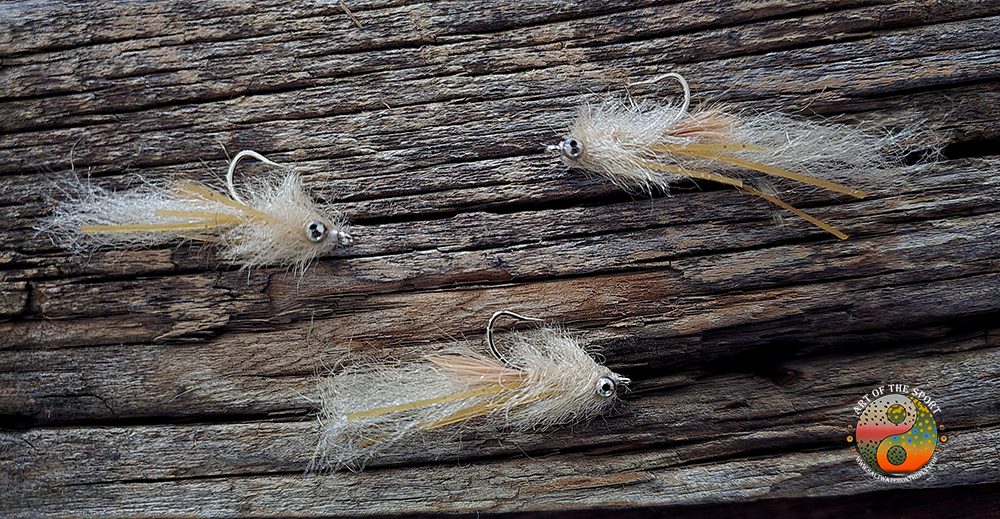
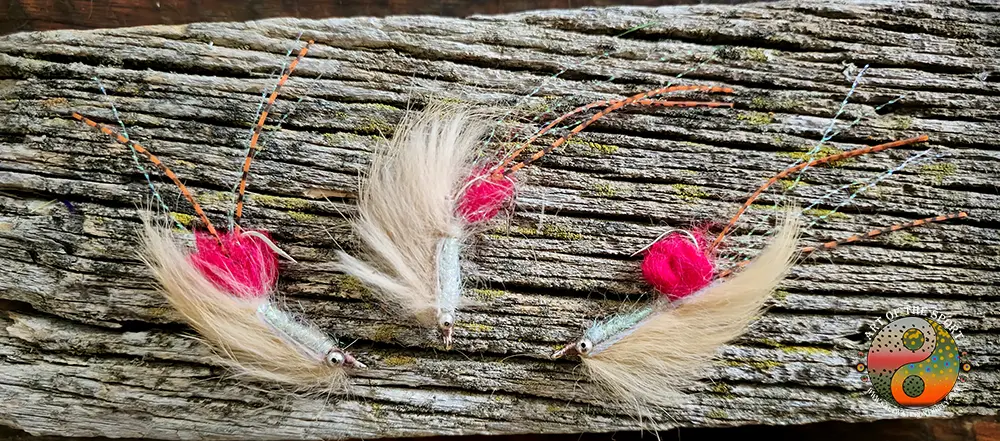
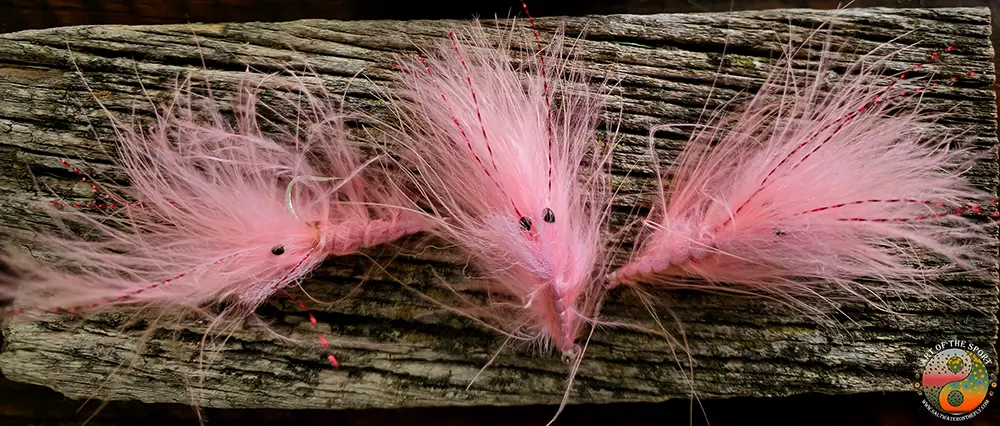
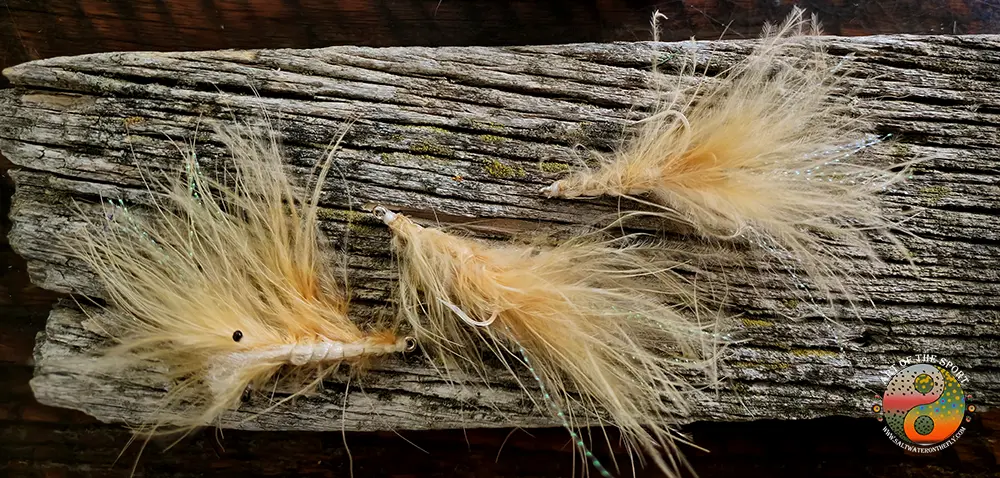
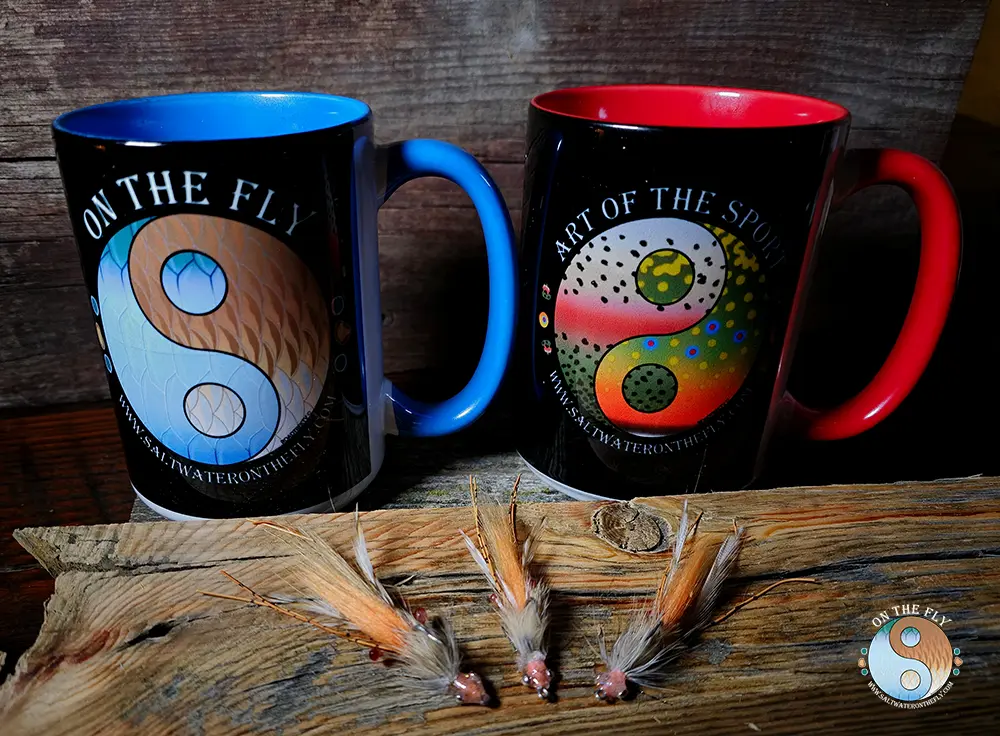
Fly Selection for the Dry Tortugas National Park and Surround Area & Florida Click Here Get Yours Today.
Gear and Tactics for Success
For fly fishing, an 8 or 9-weight rod is a good all-around choice for bonefish and permit. If you plan to target tarpon, you will want to step up to a 10 or 12-weight rod. A high-quality reel with a smooth drag is essential, as these fish will take you deep into your backing.
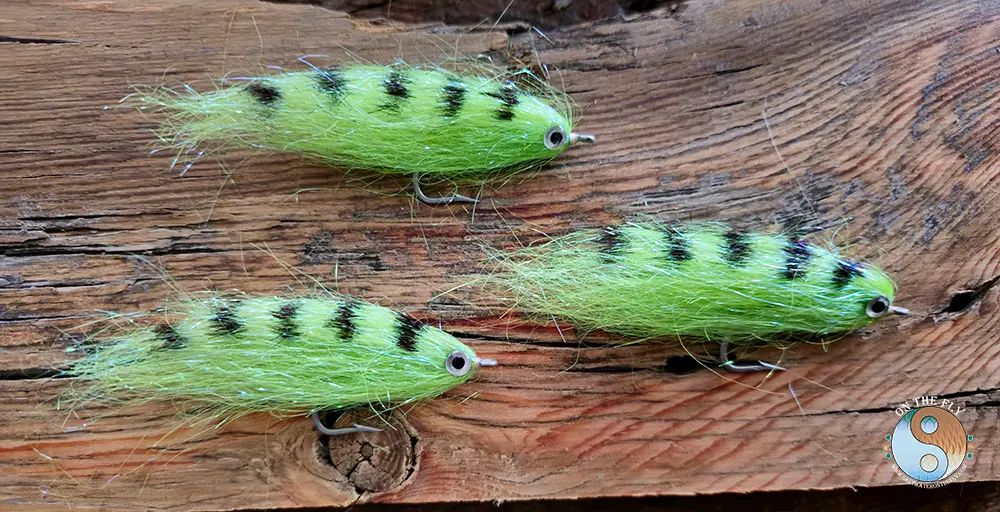
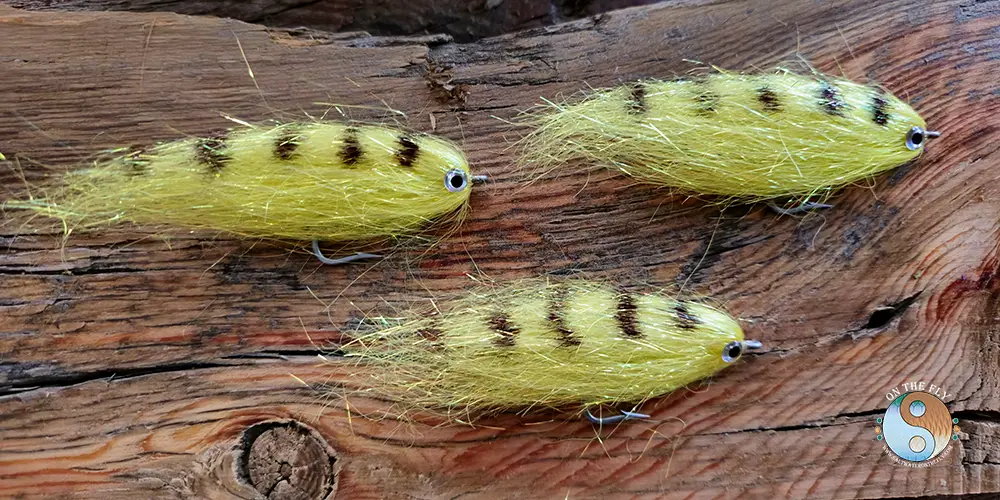
Your fly selection should focus on imitating the local marine life. Small crab and shrimp patterns are deadly for bonefish and permit. For tarpon, larger baitfish patterns can be effective. Studying the local baitfish and crustacean populations will give you an edge when selecting your flies.
Can’t-Miss Sights and Quirky Spots
Beyond the main attractions, the Tortugas National Park is full of smaller details and sights that make a visit so special. These are the things you will talk about long after you get home from your visit to Dry Tortugas National. This includes the vibrant coral reefs teeming with life.
The Fort’s Living Moat
Take some time to just stand and stare into the moat that surrounds Fort Jefferson. It is like a natural aquarium. You can see colorful reef fish, schools of silvery jacks, and maybe even a stray barracuda hanging out in the shade of the walls. It is a living, breathing part of the fort’s ecosystem, showcasing a glimpse of the vibrant coral found just offshore.
A World of Birds
Even if you are not a bird watcher, you will be amazed by the birdlife here. The park is a globally important bird area, especially for migrating birds. The real stars are the nearly 100,000 sooty terns that nest on Bush Key each year. The sound of the colony is a constant, almost overwhelming hum during the nesting season. It is a chaotic and beautiful spectacle of nature.
Underwater History
The waters around the park are a graveyard for ships that fell victim to the treacherous reefs. Several historic shipwrecks lie in the surrounding waters. Snorkelers can explore the wreck of the Windjammer, a large sailing vessel that sank in 1907. Its iron skeleton lies in about 20 feet of water, and it is now a bustling artificial reef teeming with fish.
The Lighthouses
There are two lighthouses in the park. The Garden Key Lighthouse sits right next to Fort Jefferson. It is no longer in use, but it is a beautiful historic structure. Farther out on Loggerhead Key is the more impressive Loggerhead Lighthouse. For over a century, its light warned sailors away from the dangerous reefs.
A Note on Modern History
As you walk the beaches, you might come across remnants of “chugs.” These are rustic, homemade boats used by refugees from Cuba to make the dangerous journey across the Florida Straits. The park service has preserved some of these vessels near the campground. They are a powerful and somber reminder of the human stories that continue to unfold in this remote stretch of sea, just beyond the nearby Marquesas Islands.
Snorkeling Paradise
One of the top activities when you visit Dry Tortugas is snorkeling. The designated snorkel areas around the fort’s moat wall and the south and north beaches are perfect for beginners and experienced snorkelers alike. The clear, shallow water is home to a stunning variety of marine life. You can swim alongside schools of tropical fish, spot graceful sea turtles, and admire the vibrant coral formations.
Junior Ranger Program
For families visiting Dry Tortugas National Park, the Junior Ranger program is a fantastic activity. Children can pick up an activity book at the visitor center contact station upon arrival. The book is filled with fun and educational activities that encourage kids to explore the fort and the natural area around it. Once completed, they can earn a Junior Ranger badge, a great souvenir from their trip.
Frequently Asked Questions
Here are answers to some frequently asked questions to help you plan your trip. A visit to Dry Tortugas requires more planning than other national parks. Understanding the logistics beforehand makes for a smoother journey.
- How do I get to Dry Tortugas National Park?
Access is limited to boat or seaplane. The most common method is the Yankee Freedom III ferry, which departs daily from Key West. Seaplane charters also offer quicker trips and breathtaking aerial views of the islands and Fort Jefferson.
- What is the best time of year to visit Dry Tortugas?
The best weather is typically from November through April, with calmer seas and cooler temperatures. The summer months can be hot and humid, with a higher chance of storms. Bird watchers might prefer the spring when migratory birds and the sooty tern nesting colony are most active.
- Are there any food or water sources on the island?
No. You must bring all of your own food and water. The park service recommends at least one gallon of water per person per day. The ferry provides breakfast and lunch for day-trippers, but campers must be completely self-sufficient.
- Can I bring my own boat to the park?
Yes, private boaters are welcome, but you must acquire a boat permit upon arrival at the Garden Key visitor center contact station. Boaters must be prepared for open-ocean conditions and be completely self-sufficient with fuel, water, and supplies.
- What facilities are available on Garden Key?
Facilities are very limited. There are composting toilets for all visitors and campers. There is a small visitor center and gift shop, but no running water, electricity, or food service available for purchase on the island.
- Is there cell service or Wi-Fi in the park?
No. There is no cell service or Wi-Fi available. Prepare to be completely disconnected, which is part of the appeal for many who visit Dry Tortugas National Park. It is a chance to step away from modern distractions and connect with history and nature.
Conclusion of Dry Tortugas National Park
Dry Tortugas National Park is more than just a destination; it is a true adventure. It demands effort to get here and to stay here. But the rewards are immense, offering an unforgettable experience.
You get to walk through history at Fort Jefferson, camp under an ocean of stars, and connect with nature in a raw and powerful way. A trip that covers the history of Dry Tortugas National Park camping best hiking trails fly fishing opportunities and unique points of interest is a journey you will carry with you forever.
This trip to a remote and beautiful natural area is a reminder that some of the most beautiful places on Earth are the ones that are hardest to reach. Your visit Dry Tortugas will be a story worth telling for years to come. The blend of history and untamed nature is what makes the Tortugas National so compelling.