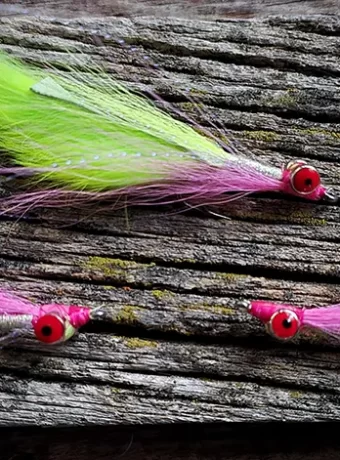
Create Mini Brushes for Leech, Dragonfly & Baitfish Patterns
Let’s be honest, fly fishing on lakes can feel a little one-sided. You’re casting your heart out, while the fish are just chilling, probably judging your technique from their underwater recliners. To win them over, you need something special in your fly box.
This is where creating your own mini brushes for leech, dragonfly, and baitfish patterns can change the entire game. It’s a skill that gives you ultimate control over what you present to those picky lake dwellers. Many experienced fly fishers will tell you that custom flies make all the difference.
Think about it. You get to play mad scientist at your tying desk, cook up custom colors, and build flies that move with an almost magical wiggle. Plus, there is nothing quite like the feeling of catching a fish on a fly you designed from scratch. It is time to stop just buying flies and start building legends.
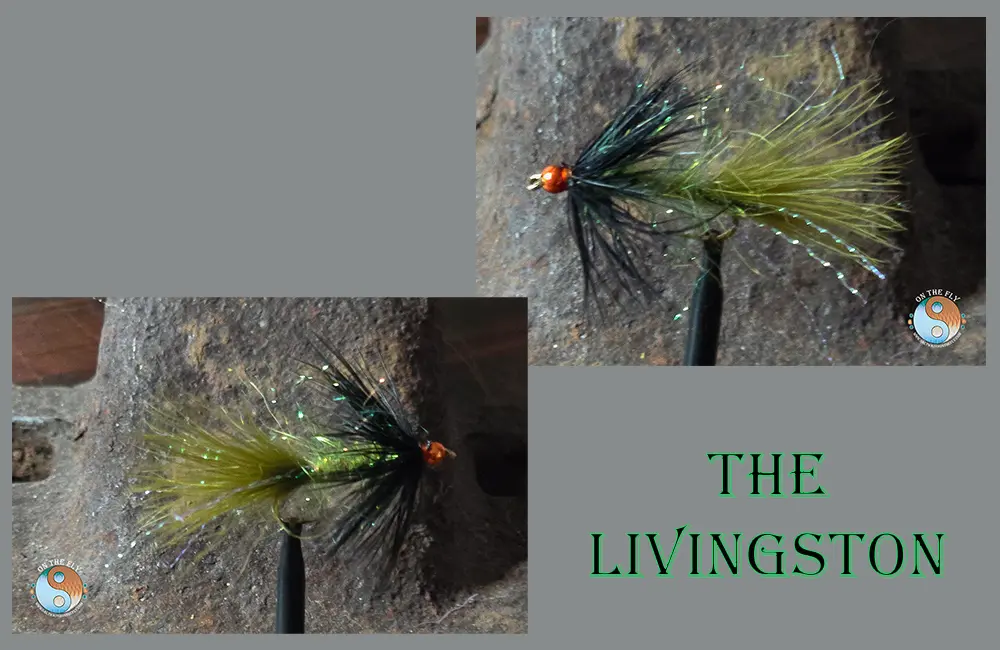
Table of Contents
Why Bother with Mini Brushes?
You might be wondering what all the fuss is about. Brushes, a creation from fly tying genius Enrico Puglisi. bundles of synthetic fibers spun into a thin wire core. This simple construction creates an incredibly versatile material. It adds bulk to a fly pattern without soaking up water and becoming heavy, which means your fly casts well and sinks at your desired rate.
The real action happens in the water. The fibers undulate and breathe with every strip or twitch of your line, perfectly mimicking living creatures. A well-made custom brush moves with a life of its own.
Mini brushes are just smaller, slimmer versions perfect for lake flies where fish often have a long time to inspect your offering in clear water. A bulky, over-caffeinated fly can spook them. A subtle, slinky mini brush fly just looks like an easy meal.
Making your own lets you break all the rules. You can blend colors that no shop sells, matching the exact hue of the local forage. You can control the density, the length, and the amount of flash, fine-tuning your patterns until they are irresistible.
What You’ll Need to Get Started
Before you turn your tying area into a fluff-covered disaster zone, you will need to gather a few key materials. Most of this stuff is probably already on your desk or easy to find at a local shop. You do not need a high-tech lab to make these workhorses.
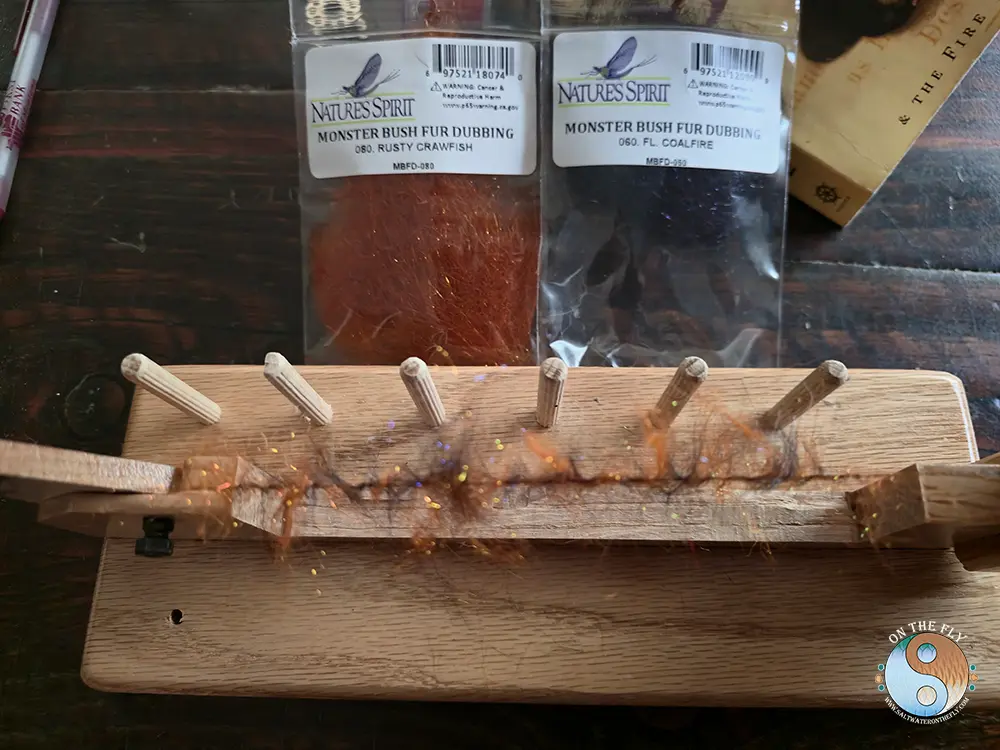
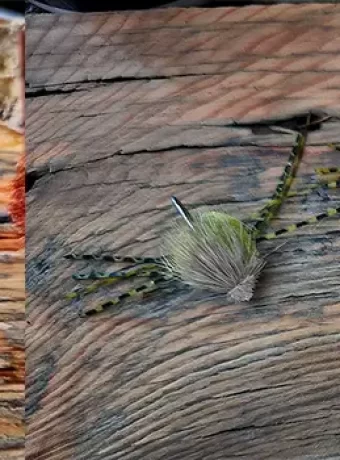
Start of an Mini Brush using Natures Spirt Monster Bush Fur.
- Synthetic Fibers: The star of the show is the fiber you choose. Nature’s Spirit monster bush fur or Semperfli Predator fibers are the classic choices for their translucence and movement, but you have a wide range of options. For a different look, you can use materials like Angel Hair for sparkle, Flashabou for bright flash, or even soft craft fur for a meatier profile. A popular a material is Craft Fur, which provides excellent movement and can be blended easily. Though I still prefer the above choices and Hemingway’s Streamer Fibers with flash mixed with Semperfli Predator Fibres.
- Stainless Steel Wire: You will need a very thin, flexible wire for the core. A gauge between .010 and .015 inches is ideal. It is strong enough to hold the fibers but flexible enough to be wrapped around a hook without breaking.
- Tools of the Trade: Get yourself a good pair of wire cutters and small pliers for handling the wire. A rotary vise or even a simple power drill with a hook in the chuck is necessary for spinning the brush. And please, use sharp scissors; trying to cut synthetic fibers with dull ones is a path to pure frustration.
- The Little Things: Strong tying thread is important for securing the brush to the hook shank. You will also want some head cement or UV resin to lock everything in place and add durability to the fly’s head.
Text content
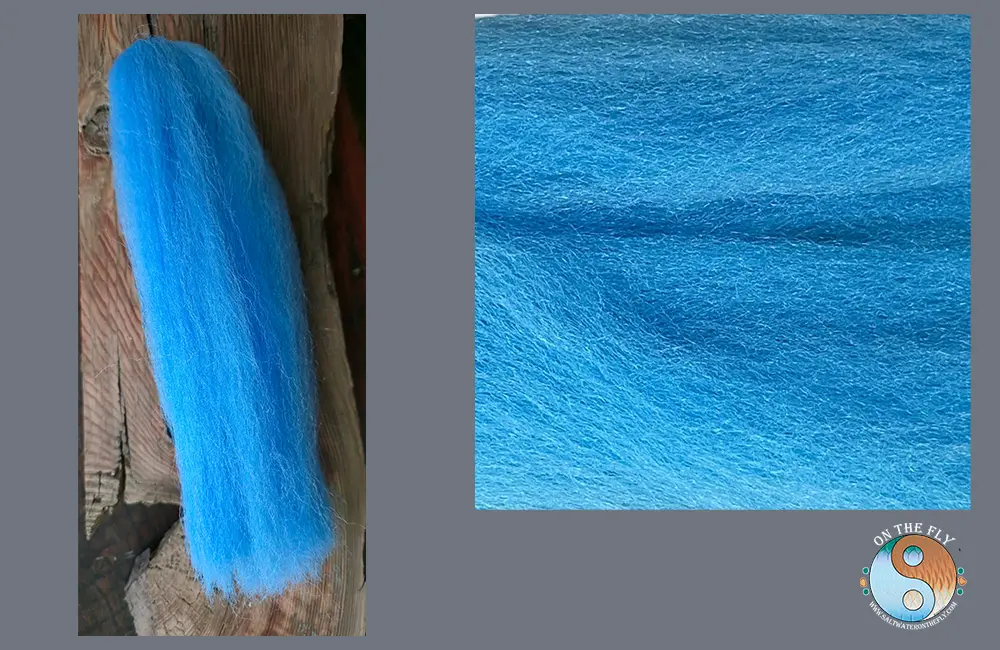
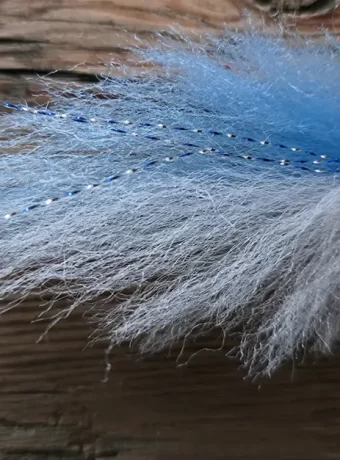
Semperfli Predator Firbres
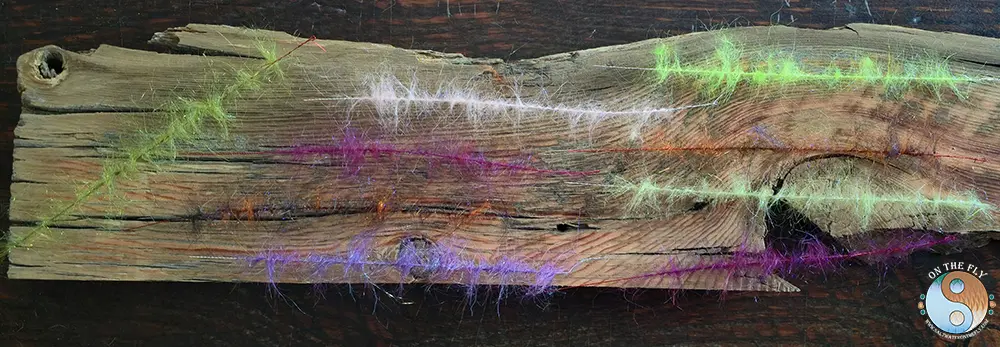
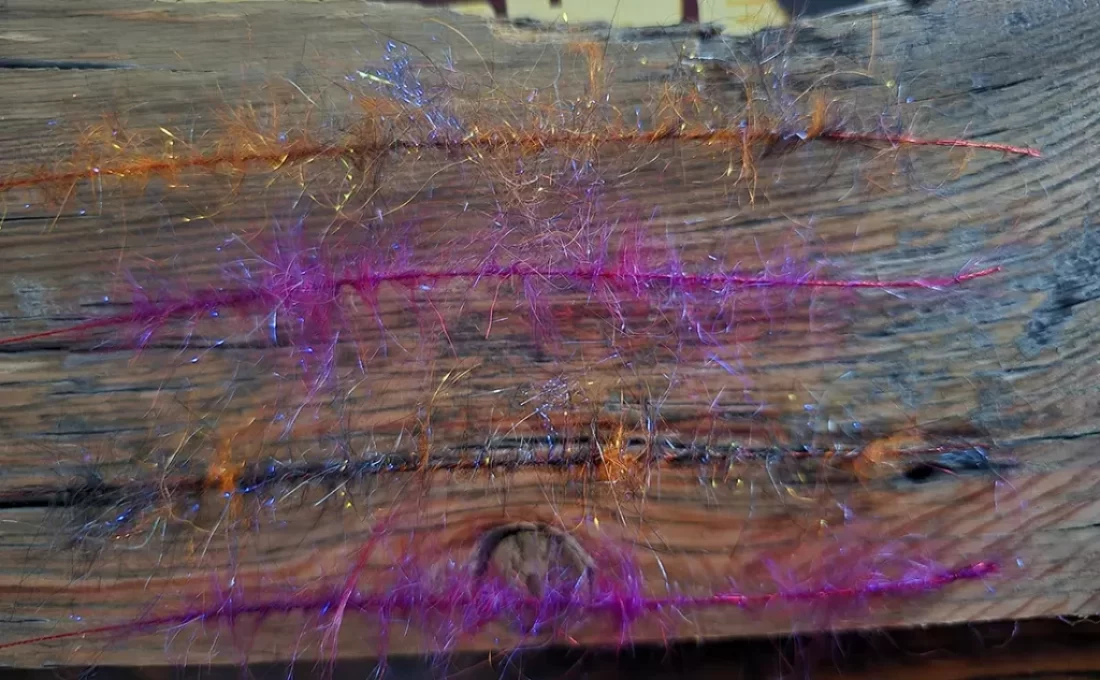
Brushes Created From Monster Bush Fur
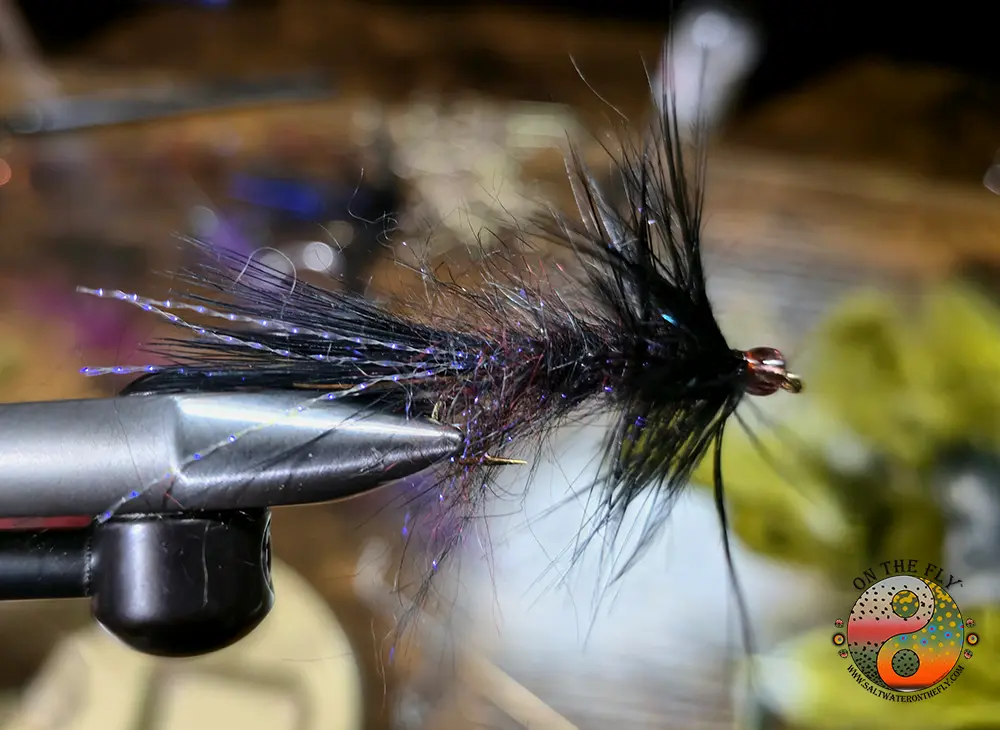
A Guide to Creating Your Mini Brushes
Ready to make some magic? The process is surprisingly simple. Put on some good music, grab a drink, and follow these steps. You will have a pile of custom brushes in no time.
- Cut the Wire: Start by cutting a piece of stainless steel wire about 12 inches long. Bend it perfectly in half, creating a long V-shape. Hook the bent end into your rotary vise or the chuck of your drill so it’s held securely.
- Prep Your Fibers: Cut your synthetic fibers into small bunches. For most lake flies, a fiber length of one to two inches is plenty, giving you a finished brush diameter of two to four inches. Remember, you can always trim them down later, but a shorter fiber length will result in a stiffer, more compact fly body.
- Create Your Fiber Blend: This is the fun part where creativity takes over. Lay out your different colored fibers on your desk and don’t be afraid to mix things up. A little flash goes a long way for baitfish patterns, while subtle color shifts with olive, brown, and black make leech patterns look much more realistic.
- Load the Fibers: Now, take a small pinch of your fiber blend. Pull the two strands of wire apart and lay the fibers between them, perpendicular to the wire. Spread them out evenly along the wire, and remember this very important tip: use way less fiber than you think you need for better movement.
A sparse brush has much better movement in the water, while a dense brush creates a fuller profile.
| Brush Density | Characteristics | Best Use Case |
|---|---|---|
| Sparse | Excellent movement, translucent appearance, sinks faster. | Leeches, small baitfish, clear water conditions. |
| Dense | Fuller body, more water push, sinks slower. | Large baitfish, sculpin heads, stained water. |
- Add a Dubbing Loop: To keep the fibers from sliding out and to maintain tension, many tiers use a dubbing loop tool at the open end of the wire. Hook the two wire ends into the tool to keep them taught and parallel. This also gives you a handle to hold onto while spinning.
- Spin It to Win It: Hold the dubbing loop tool with one hand, keeping light tension on the wire. With your other hand, slowly turn the handle of your rotary vise or lightly tap the trigger of your drill. The wire will start to twist, capturing the fibers and forming a fuzzy caterpillar-like brush. Keep spinning until it’s tight and secure, but avoid over-spinning, which can snap the wire.
- The Finishing Touches: Once spun, take the brush out of the vise. Use your scissors to trim any wild fibers that are sticking out too far to create an even shape. Now you can secure the loose wire ends with a bit of thread and a drop of UV resin or super glue to stop the whole thing from unraveling later.
That’s it. You have made your first custom mini brush. Now make a dozen more in different colors and blends. Your fly box will thank you.
Tying Flies with Your New Custom Brushes
Now that you have an arsenal of custom brushes, it’s time to put them to use. Tying with these brushes is all about building a body. The basic method involves tying in one end of the brush near the hook bend and wrapping it forward in tight, touching turns. It is a fast and efficient way to create buggy, durable fly bodies.
Tying Leech Patterns
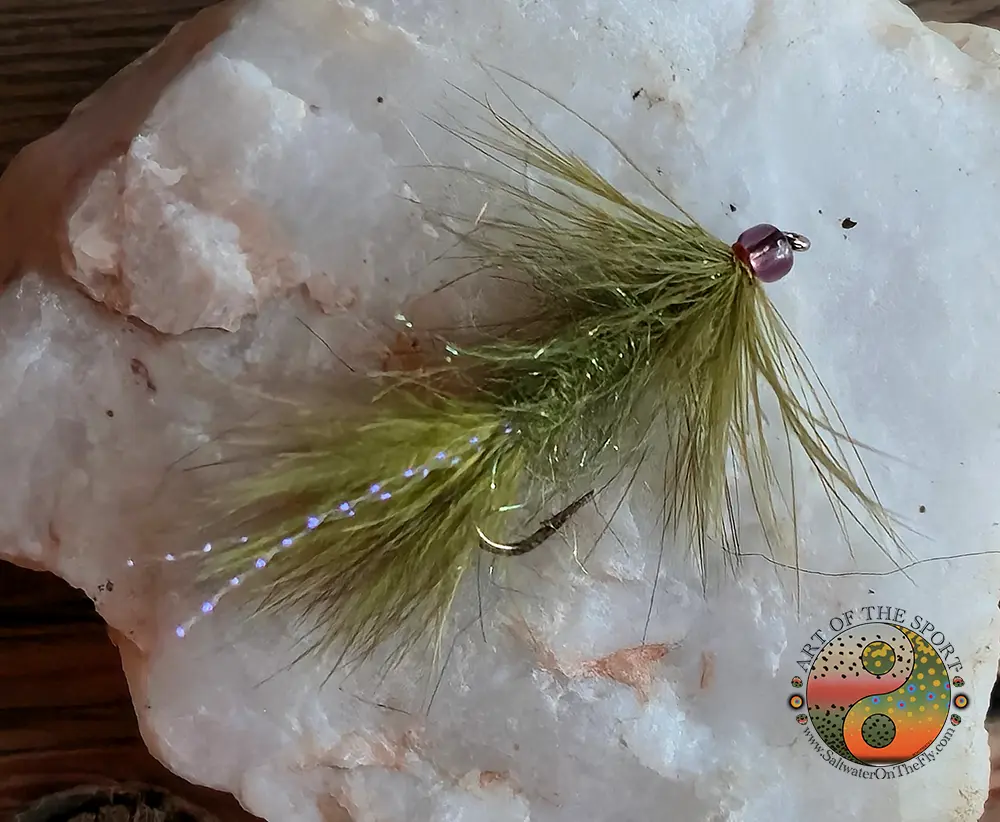
Leeches are a staple food for lake-dwelling trout and bass. They are slow, wiggly, and just scream “protein.” To tie a simple leech, start a thread base on a hook, typically a size 6 to 10. You can add a bead head for weight first if you like.
Tie in a short tail of marabou for extra movement. Then, tie in your custom black, olive, or maroon brush and wrap it forward to the bead. Secure it with your thread, build a small head, whip finish, and you are done. The result is a simple but deadly pattern that fish can’t resist.
For an even more lifelike fly, consider building a brush with a softer material like a synthetic foxy brush blend for unparalleled flow in the water. The combination of a marabou tail and a flowing brush body is a classic for a reason.
Tying Dragonfly Nymph Patterns
Dragonfly nymphs are another key food source, especially in lakes with lots of weed beds. These bugs are a bit more active, so your fly should reflect that. Use a hook in the size 8 to 12 range for these fly patterns.
An olive, brown, or black brush works wonders for the body. Wrap the brush to create a tapered abdomen, which you can achieve by trimming the brush before wrapping it. You can add rubber legs along the sides for more realistic movement and maybe some flashabou on the back to imitate a wing case.
Fish these with short, jerky strips to mimic a nymph’s natural swimming motion. The pulsating fibers of the ep brush will flare and contract, perfectly suggesting life.
Tying Baitfish Patterns
Predatory fish love to ambush schools of small minnows. A good baitfish pattern needs to be flashy and have the right profile. Using a hook from size 4 to 8, tie in a silver, white, or pearl brush.
After wrapping the brush to form a body, you can add stick-on eyes and coat the head with UV resin for durability. Adding a small red throat with thread or a dab of red material can simulate gills and create a trigger point. A custom chromatic brush with multiple flashy colors spun together can be particularly effective for these patterns.
A fast retrieve with these flies often produces explosive strikes from aggressive fish. This is where your custom creations can truly outshine store-bought flies.
The 15 Must-Tie Patterns for Lake Glory
Here’s a list to get you started. Tie these up, experiment with them, and get ready to have your best season on stillwater yet. These patterns are designed around your custom brushes.
- The Wiggle Wizard Leech: #6 hook, black and red brush, tungsten bead head. This fly sinks fast and dances near the bottom.
- Slinky McSlinkface: #8 hook, dark maroon brush, matching marabou tail. A pattern so effective, it’s almost cheating in murky water.
- Dragonfly Disco Nymph: #10 hook, olive brush with gold flash fibers, tan rubber legs. Jig this one near weed edges and hold on.
- Baitfish Bling King: #4 hook, silver and white brush blend, big holographic eyes. A confidence fly for when you need to trigger an aggressive bite.
- Fuzzy Wuzzy Leech: #6 hook, brown and olive brush over a chenille underbody. A great pattern for clear lakes where fish are extra picky.
- The Ninja Nymph: #12 hook, dark olive brush, a few strands of peacock herl for the thorax. A subtle pattern perfect for sight fishing to cruising trout.
- Glitter Guppy: #6 hook, all-white brush with lots of pearl flash, red thread throat. A fantastic searching pattern for open water.
- Leechy McLeechface: #8 hook, purple and chartreuse brush, gold bead head. A ridiculously bright pattern that gets noticed from a long way away.
- The Dragonfly Dazzler: #10 hook, light brown brush, dubbed peacock herl thorax. This fly has just the right amount of flash to suggest a nymph ready to hatch.
- Shimmer Shad: #4 hook, pearl brush body with a light blue lateral line tied in, UV resin head. The perfect fly for fishing during low light at dawn or dusk.
- The Woolly Worm Leech: #6 hook, black brush with grizzly hackle palmered through it. It’s an old-school hybrid that absolutely still works. Though I prefer mixing Monster Bush Fur Colors Crawdad Orange and Fl. Coal Fire. And a red bead head.
- Flashing Floyd: #8 hook, silver and blue chromatic brush, a thin epoxy shell back. A durable pattern designed to be ripped fast through deep water.
- The Swamp Thing Nymph: #10 hook, mottled black and olive brush, a thin black rubber tail. Fish this one slowly right on the bottom; it looks like pure bug.
- Rainbow Raver: #6 hook, multi-color rainbow flash brush, pink marabou tail. Use this fly in stained water or when you just feel like having fun.
- The Minnow Maniac: #4 hook, chartreuse and white brush, red 3D eyes. An attractor pattern that can pull fish in from a distance and make them angry.
How to Fish the Flies You Just Tied
Having the perfect fly is only half the battle. You also need to fish it correctly. Your retrieve is critical, as different flies need different presentations to look natural. Many fly fishers overlook the importance of matching their retrieve to the fly.
Your choice of fly line is also important. A full sinking line is great for dredging leeches along the bottom in deep water. An intermediate or sink-tip line is better for presenting nymphs and baitfish in the middle of the water column, just above the weeds.
Fly Fishing Leeches
Your goal is to imitate a leech swimming slowly and vulnerably. Use a slow, steady retrieve with lots of pauses. A leech does not swim fast, so your stripping hand should not either.
Use a sinking or intermediate line to get your fly down near the lakebed where leeches live. Let the fly sink, then begin a series of short, 2-to-6-inch strips, pausing between each pull. The fish often strike during the pause as the materials on the fly pulse and breathe.
Fly Fishing Dragonfly Nymphs
Dragonfly nymphs move in short, quick bursts. Your retrieve should match this behavior. Use short, sharp strips of about a foot, followed by a pause to let the fly sink back down.
The fish will often hit the fly when it stops moving. Target areas around weed beds, submerged logs, and drop-offs, as this is their preferred habitat. A floating line with a long leader can work well in shallower water, while an intermediate line is great for covering water just off the bottom.
Fly Fishing Baitfish Flies
When fishing a baitfish pattern, you are imitating prey that is trying to escape. Use a fast, erratic retrieve. Vary the speed, throwing in quick strips and sudden stops to make it look like a wounded minnow.
A continuous stripping motion with varied speeds keeps the fly looking alive and panicked. According to some tips from Field & Stream, this unpredictable movement is a huge trigger for predatory fish like trout and bass. An intermediate line is often the best choice for keeping your fly in the strike zone where baitfish are found.
Conclusion of Create Mini Brushes
Stepping up to the vise and crafting your own flies is a deeply rewarding part of the fly fishing journey. It connects you to the sport on a much deeper level. The process of creating your own mini brushes for leech, dragonfly, and baitfish patterns gives you a powerful tool to fool even the wisest old fish in the lake.
You now have the knowledge to select a wide range of materials, from Fibres, Dubbing, Craft Fur to flashy synthetics, and spin them into custom brushes. By mastering the techniques for tying and fishing these flies, you move beyond just using what is available. You become the architect of your own success on the water.
So go ahead, make a mess, experiment with wild colors, and tie flies that are truly your own. The fish are waiting for the special presentation you can now offer them. Good luck on the water.