Montana Fly Fishing: The Unsung Hero of the Madison River Drainage: Fly Fishing South Fork Madison River Montana
Most anglers picture the famous sixty-mile riffle between hebgen lake and ennis lake when they hear about the madison river. You probably imagine a floating parking lot packed with a drift boat parade on a Saturday in July, where the competition for every pocket of water is fierce. However, you have decided to engage in Fly Fishing South Fork Madison River Montana instead, seeking a more intimate connection with the landscape. This quirky tributary quietly holds its own with willing fish and far less fishing pressure than the upper madison, providing a sanctuary for those who value solitude over social media highlights. The South Fork represents a different era of angling, one where the rhythm of the water dictates your pace rather than the proximity of the next boat in line.
Welcome to fly fishing the smaller water, where you can escape the massive crowds entirely and rediscover the fundamental joys of the sport. This stream acts like the cool cousin who drinks cheap beer and still catches fish, offering a relaxed yet rewarding environment for novices and experts alike. We will explore this water with zero pretension and plenty of actual information about the madison river and its surrounding river drainage, ensuring your next trip to West yellowstone is both productive and peaceful. By understanding the nuances of this specific tributary, you can unlock a world of high-country angling that many visitors simply overlook in their haste to reach the more famous main stem.
Table of Contents
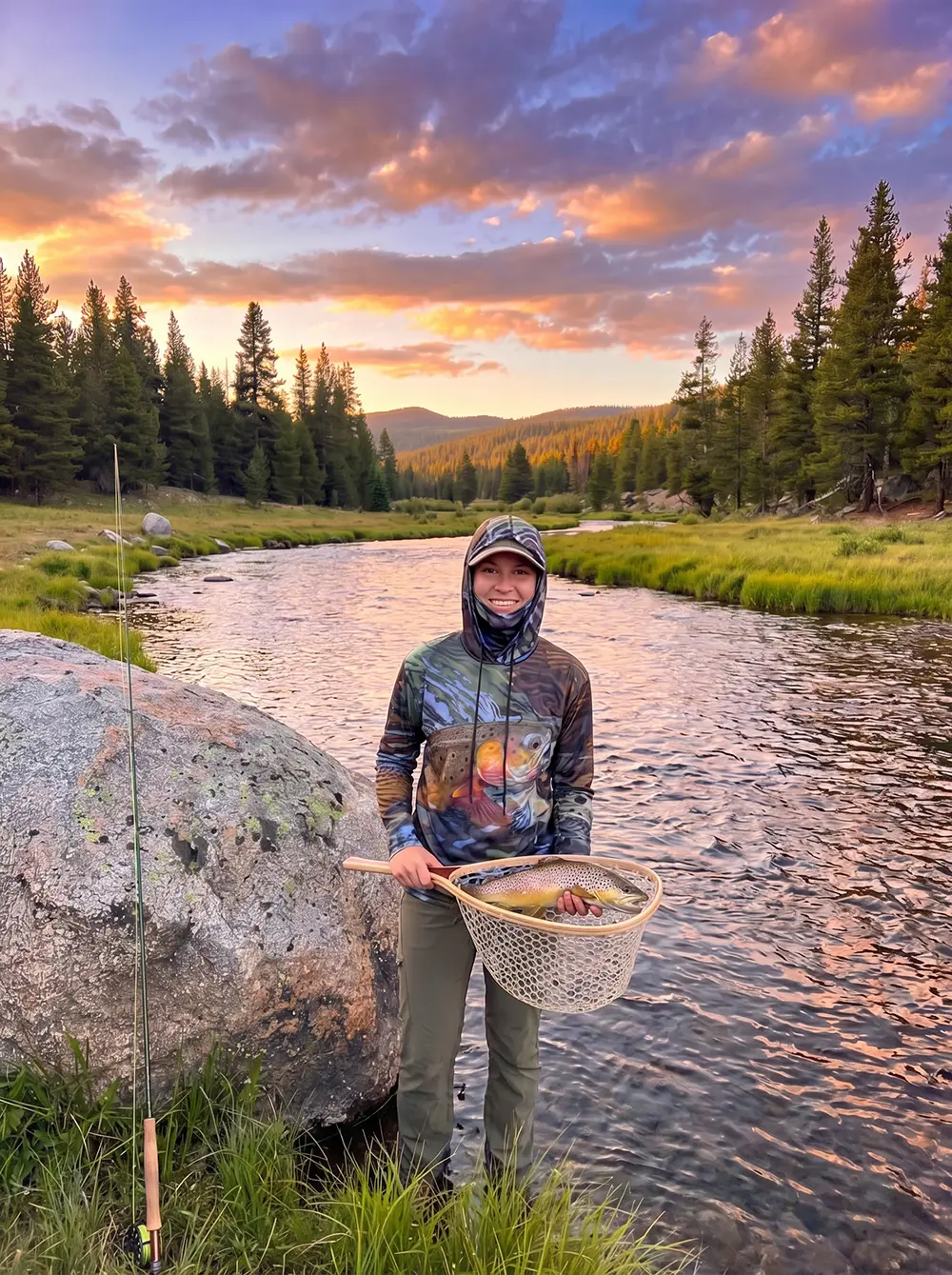
The allure of the South Fork lies in its understated beauty and the consistent quality of its wild trout populations. While the main river offers grand vistas and heavy flows, this smaller drainage provides a technical challenge that rewards stealth and precise presentation. Whether you are casting a delicate dry fly to a rising fish or swinging a small streamer through a deep undercut bank, the South Fork demands your full attention. It is a place where the mountains feel closer, the water feels colder, and the rewards feel much more personal than the crowded reaches downstream.
The water tumbles out of the mountains near Yellowstone National Park before feeding into the reservoir, creating a diverse aquatic habitat. It stands as a classic freestone tributary within the greater river drainage, characterized by its clear, cold flows and rocky substrate. That crisp Montana water makes trout happy while making anglers question their life choices during the frequent afternoon windstorms that sweep across the valley. Unlike the main stem’s pushy flows, which can be intimidating for those on foot, this water offers intimate opportunities to wade fishing in a more controlled environment.
You will find plenty of wild rainbow trout and aggressive brown trout hiding under the grassy banks and behind submerged boulders. The occasional cutthroat trout or mountain whitefish might also show up to ruin your dry fly drift, though most anglers welcome the diversity of the catch. These fish might lack the monster size of the lake-run giants, but they remain numerous and opportunistic throughout the yellowstone national park region. This south fork madison river experience is about quality of environment over the quantity of other anglers, allowing for a meditative approach to the sport.
The ecosystem here is incredibly resilient, supporting a healthy biomass of insects that keep the trout well-fed throughout the year. Because the South Fork is less impacted by the heavy boat traffic of the main river, the fish tend to be slightly less wary, provided you maintain a low profile. Native cutthroat trout often seek refuge in the cooler, oxygen-rich headwaters, reminding us of the historical heritage of these Montana waters. Protecting this habitat is essential, as the South Fork serves as a vital spawning ground for the fish populations that eventually migrate into the larger reservoir system.
As you navigate the willow-lined banks, you will notice the subtle changes in the river’s character, from fast-moving riffles to slow, deep pools. Each section of the river requires a different tactical approach, forcing the angler to adapt their technique to the specific needs of the water. The South Fork is not a river that gives up its secrets easily, but for those willing to put in the miles, the rewards are significant. It is a place where the journey through the landscape is just as important as the number of fish brought to the net.
Reason the South Fork Deserves Your Attention (Even If It’s Not “Famous”)
The South Fork Madison River tumbles out of the mountains near West Yellowstone, feeding into Hebgen Lake. It’s a classic freestone tributary with that crisp, cold Montana water that makes trout happy and anglers question their life choices when the wind kicks up. Unlike the main Madison’s big, pushy flows that demand a drift boat and strong rowing skills (or a guide who doesn’t hate you), the South Fork offers more intimate wade-fishing opportunities mixed with some floatable sections if you’re feeling adventurous.
It’s loaded with wild rainbow trout and brown trout, plus the occasional cutthroat or mountain whitefish that shows up just to ruin your dry-fly drift. The fish aren’t always monsters, but they’re numerous, opportunistic, and occasionally stupid enough to eat your fly even when you botch the cast. And let’s be honest: after a long winter in Billings or wherever you’re from, “numerous and occasionally stupid” sounds pretty damn good.
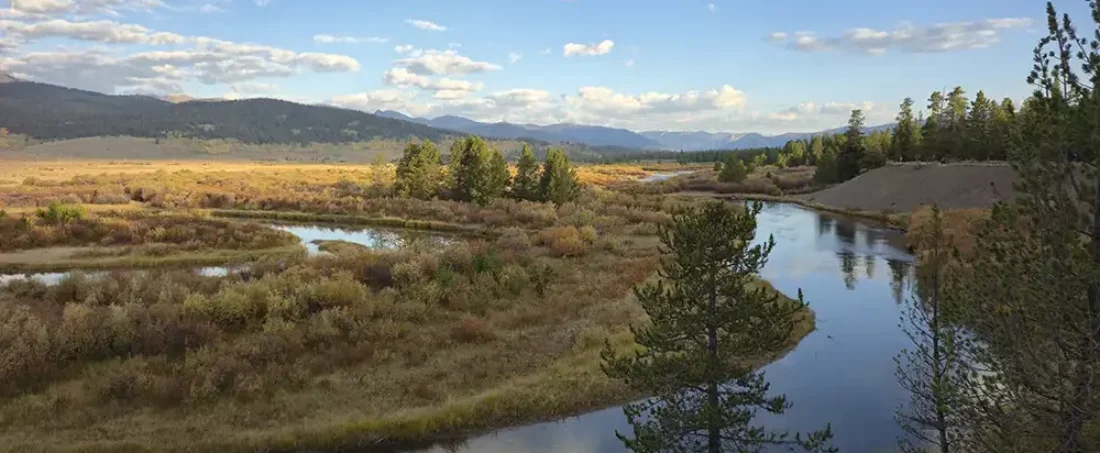
The scenery? Pure Montana porn—think pine forests, meadows, willow thickets that snag your backcast like they owe you money, and occasional glimpses of the Madison Range in the distance. It’s quieter than the main stem. Fewer boats. More solitude. More chances to mutter curses at overhanging branches without an audience.
Access is via Forest Roads 291 and 478 off Highway 20. It’s not paved luxury, but it beats fighting for a parking spot at Lyons Bridge on the main river during salmonfly season. Pro tip: bring a high-clearance vehicle or prepare to eat your words about “it doesn’t look that bad” when the ruts laugh at your rental car.
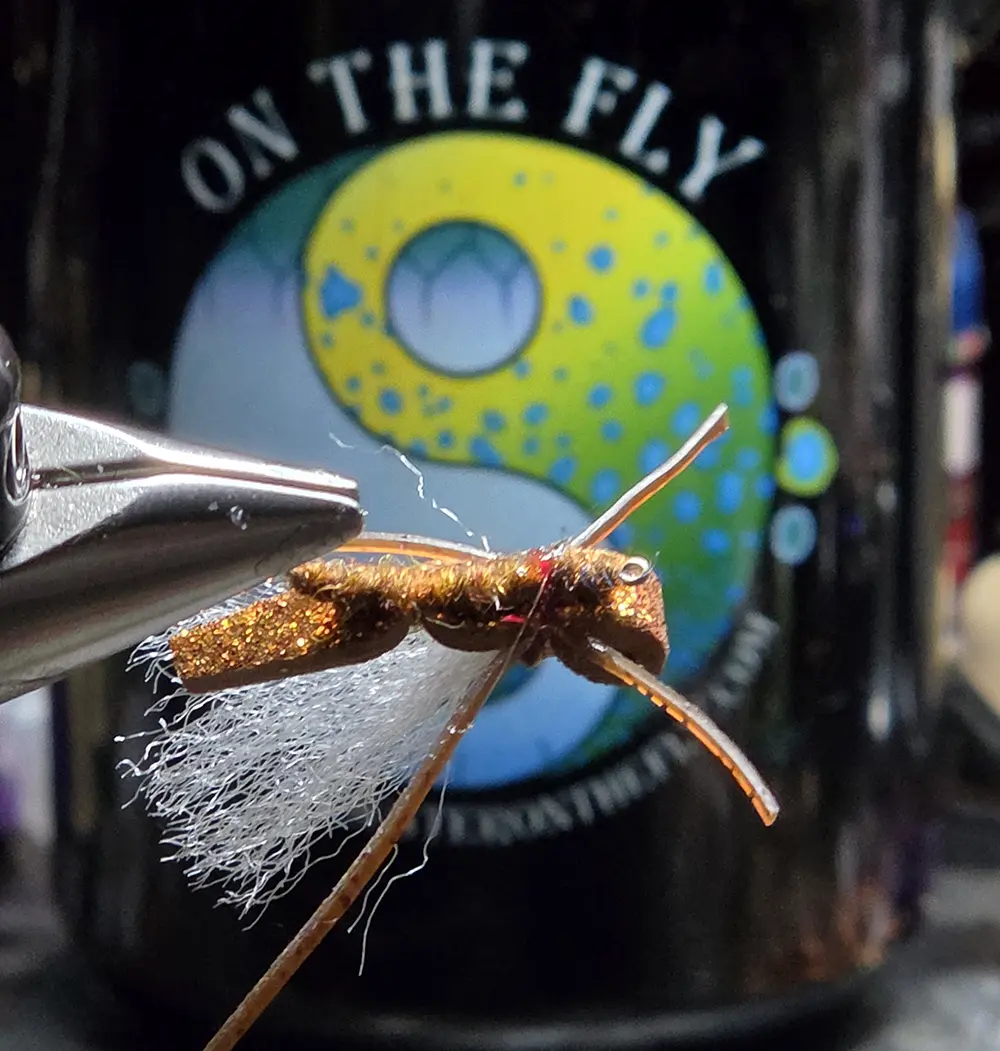
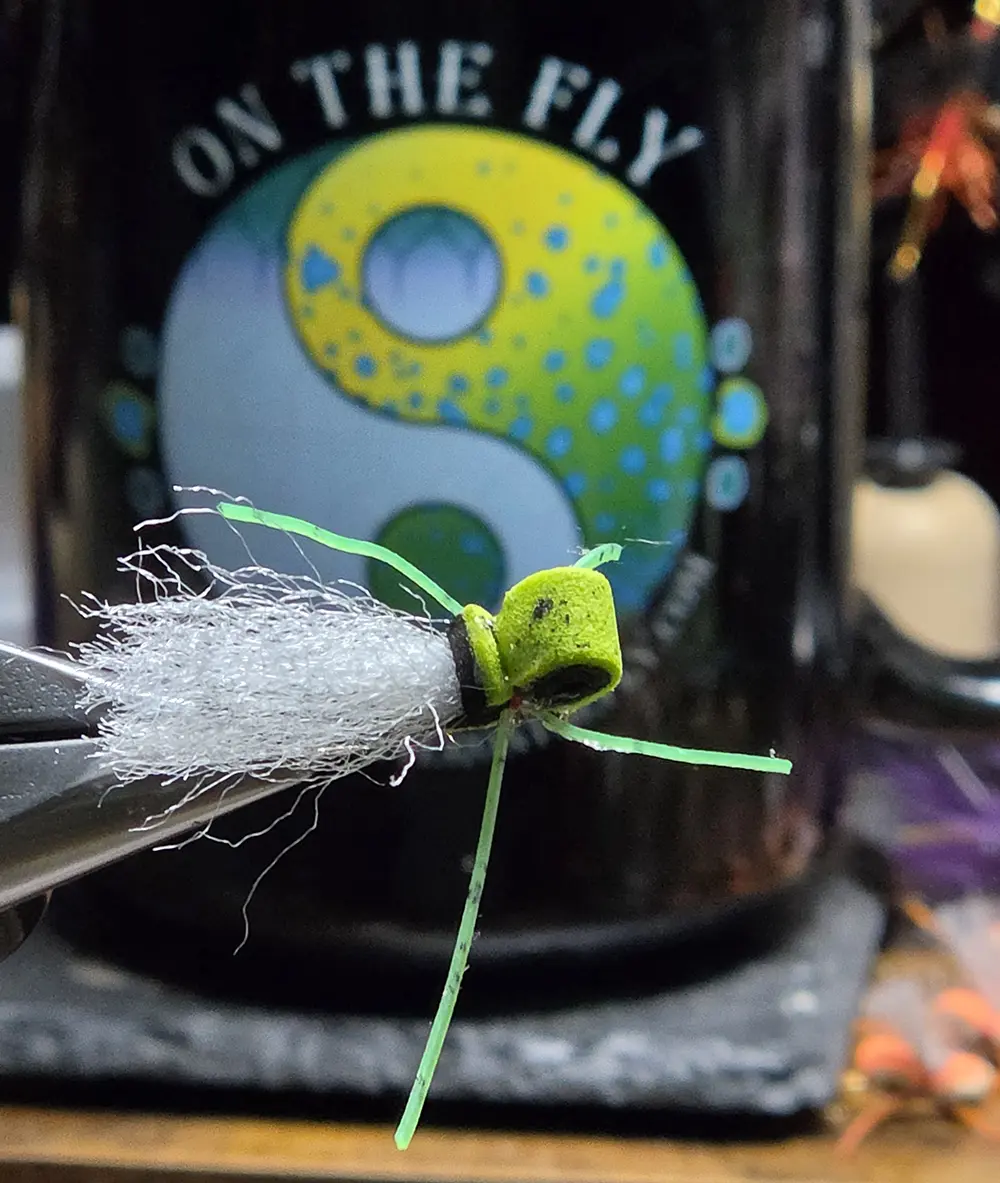
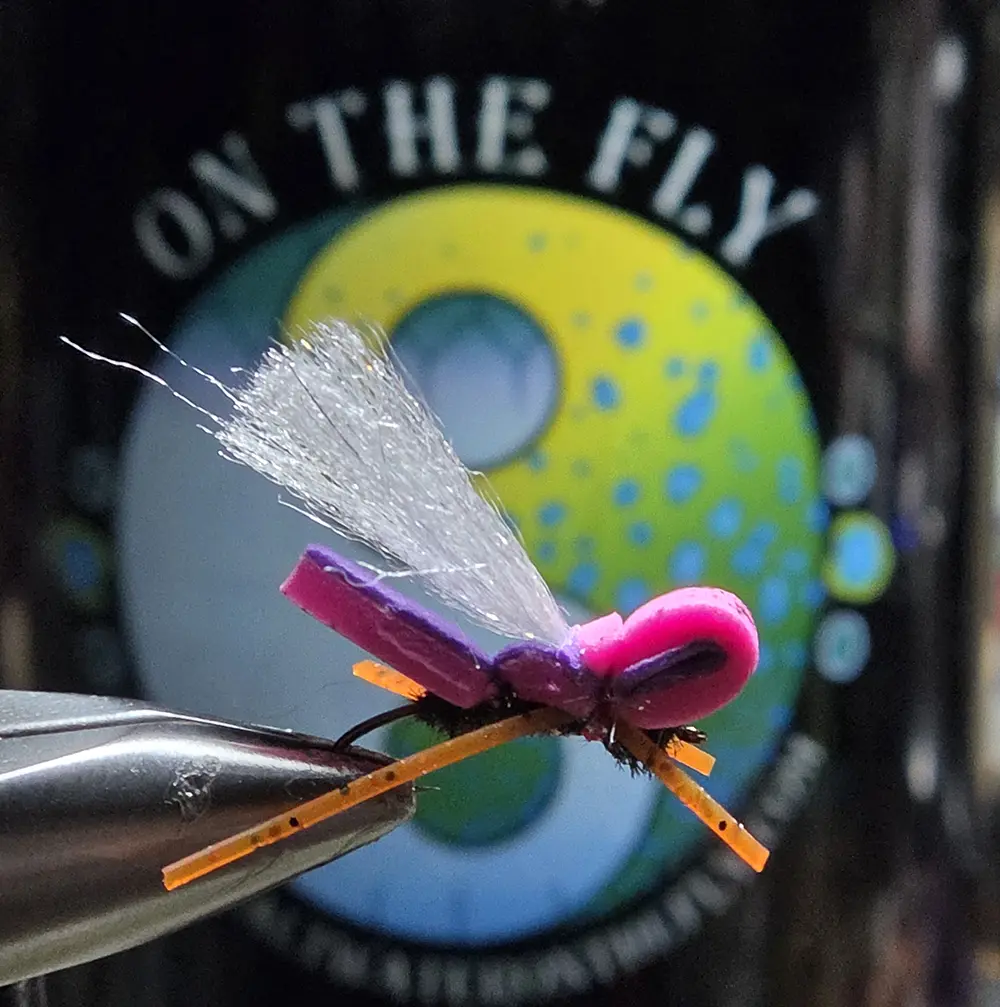
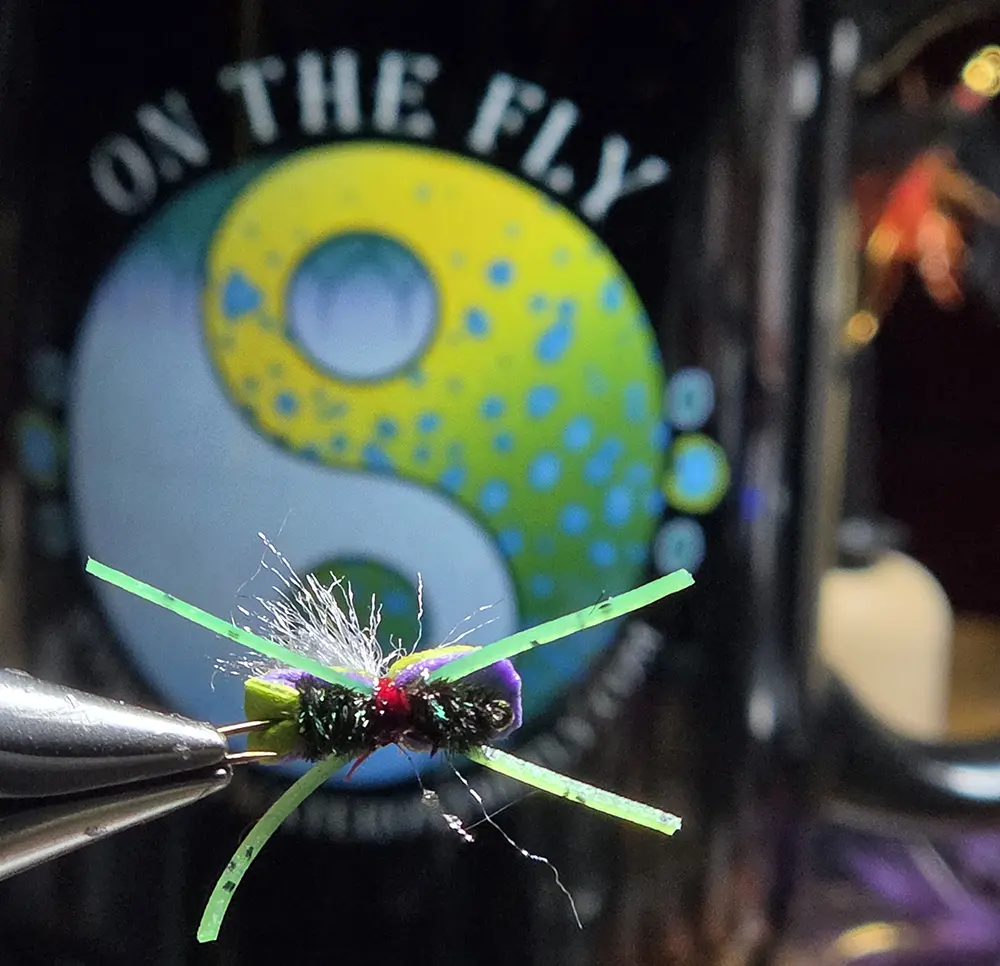
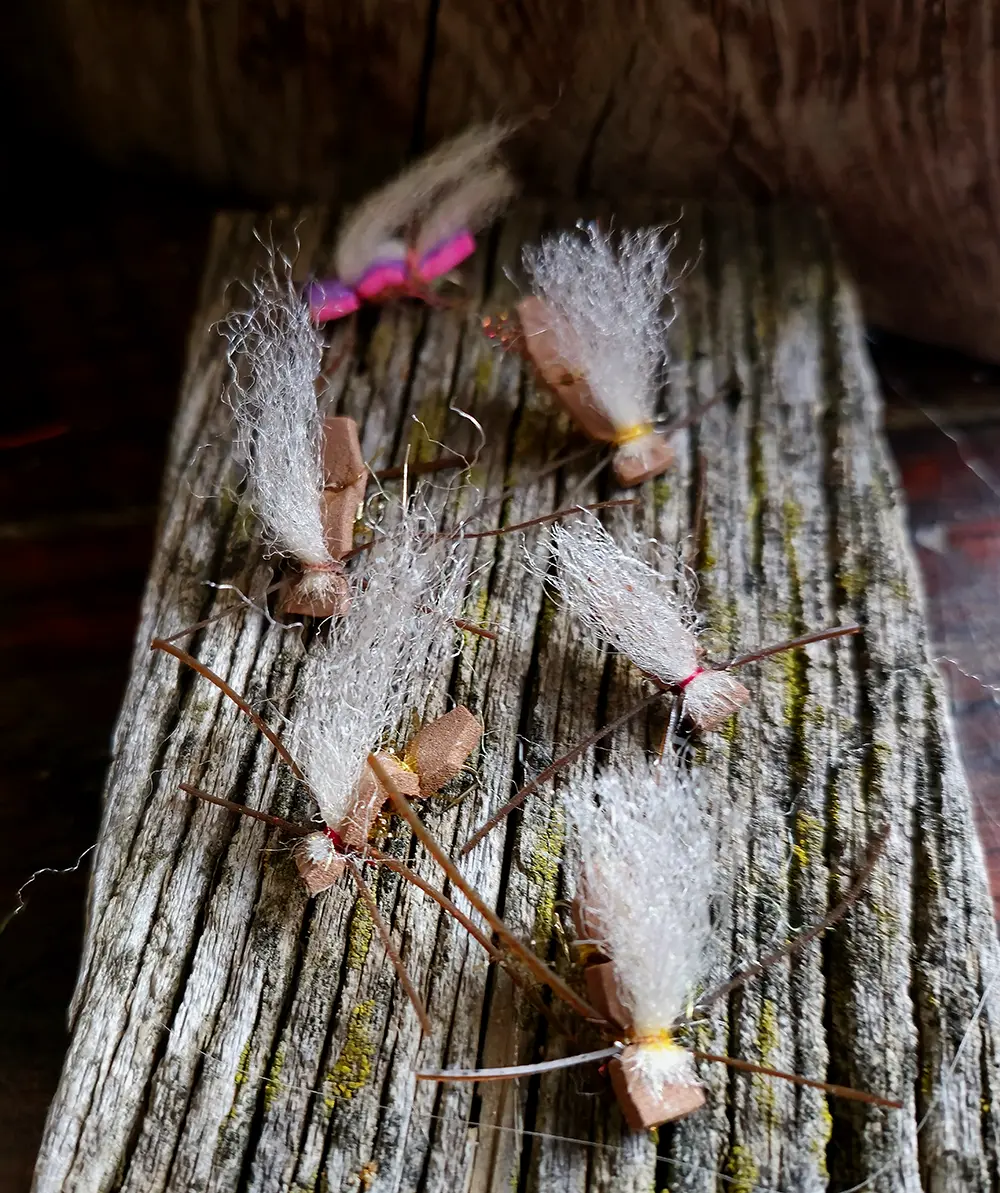
Madison River Terrestrial Patterns
Top Locations and Finding Your Way Around
Finding a good access site is key to a successful day on the water, especially in a region where private land boundaries can be confusing. While many people flock to Lyons bridge or Varney bridge on the main river, the South Fork offers a different experience that requires a bit more legwork. You can find an access point near the boundary of Yellowstone National Park where the water is smaller and more manageable for the wading angler. If you are looking for more variety, the west fork is nearby, or you could head over to the ruby creek area for a change of pace and different water types.
For those willing to drive a bit further, the big hole and the big hole river offer legendary status, but the South Fork remains a hidden gem for the local crowd. Don’t forget to check out quake lake for some eerie yet productive fishing among the drowned trees that were submerged during the 1959 earthquake. The fishing access here is generally excellent, with several well-marked spots to enter the water and explore the various reaches of the stream. You can spend a whole day exploring just a mile of stream if you fly fish slowly and carefully, picking apart every seam and eddy.
The area around the Hebgen lake inlet is particularly productive for those seeking kokanee salmon during their annual run in the late summer and early fall. This access site can get busy during the peak of the run, but the action is often fast and furious for those with the right patterns. If you prefer solitude, hike further upstream into the national park sections where the trail leaves the road and the river enters the timber. Here, the rainbow trout and cutthroat trout are smaller but much more eager to take a well-placed dry fly without the hesitation seen in more pressured waters.
Navigating the Madison river drainage requires a good map and an understanding of Montana’s stream access laws, which are among the best in the country. As long as you stay within the ordinary high-water marks, you can explore vast stretches of water that would be off-limits in other states. This freedom allows you to find your own private piece of the South Fork, far from the noise of the highway and the crowds of the main river. Always be respectful of private property when entering and exiting the river to ensure these access points remain open for future generations of anglers.
When to Go: Seasons That Won’t Completely Screw You Over
The South Fork Madison opens around the third Saturday in May and fishes through November 30, per Montana FWP regs. Pick up a Montana Fishing License online. That gives you a solid window before it freezes solid and the locals start ice fishing with dynamite (kidding… mostly).
Spring (Late May–June): Runoff can make things chunky, but once things settle, look for early stoneflies, caddis, and BWOs. The fish are hungry after winter and less picky than your ex. Water temps are cold, so nymphing or streamers rule the day. Expect moody weather—Montana spring is basically “four seasons in one afternoon.”
Summer (July–August): Prime time for dry flies if you time the hatches. Golden stones, yellow sallies, PMDs, and those delightful terrestrials (hoppers, ants, beetles) that make trout lose their damn minds. The river can fish technical in the clear low water, so bring your A-game or at least a decent 5-weight and some tippet that isn’t 5X spaghetti.
Fall (September–November): Brown trout get the spawning itch and turn aggressive. Streamers and egg patterns become your best friends. The foliage pops, the crowds vanish, and the fishing can be stupid good if you don’t mind shorter days and the occasional snow squall that reminds you why you own fleece.
Hatches on the South Fork mirror the main Madison but are often a tad less intense due to the smaller water. Expect BWOs in spring and fall, caddis in early summer, PMDs mid-summer, and stoneflies around June/July. Terrestrials are your summer savior when nothing else is happening.
-

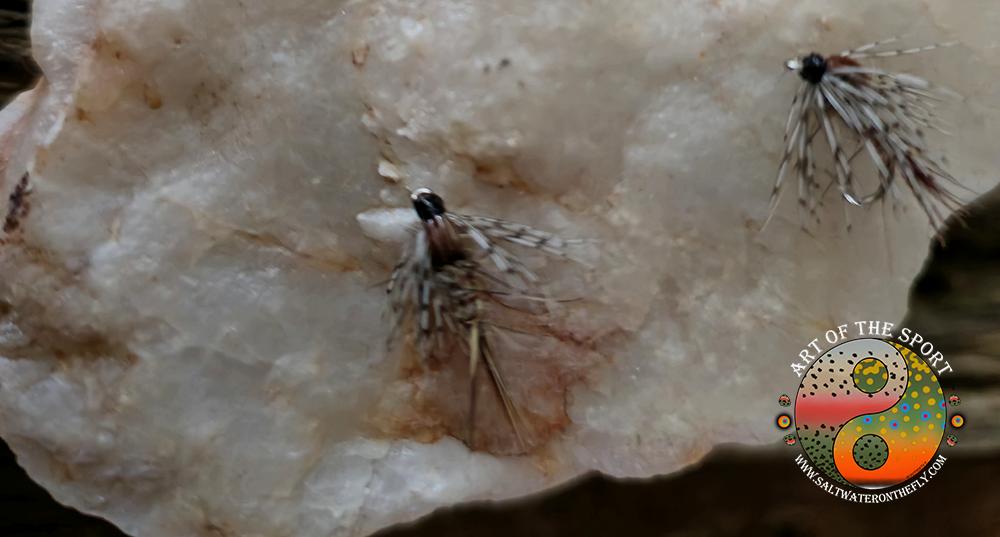
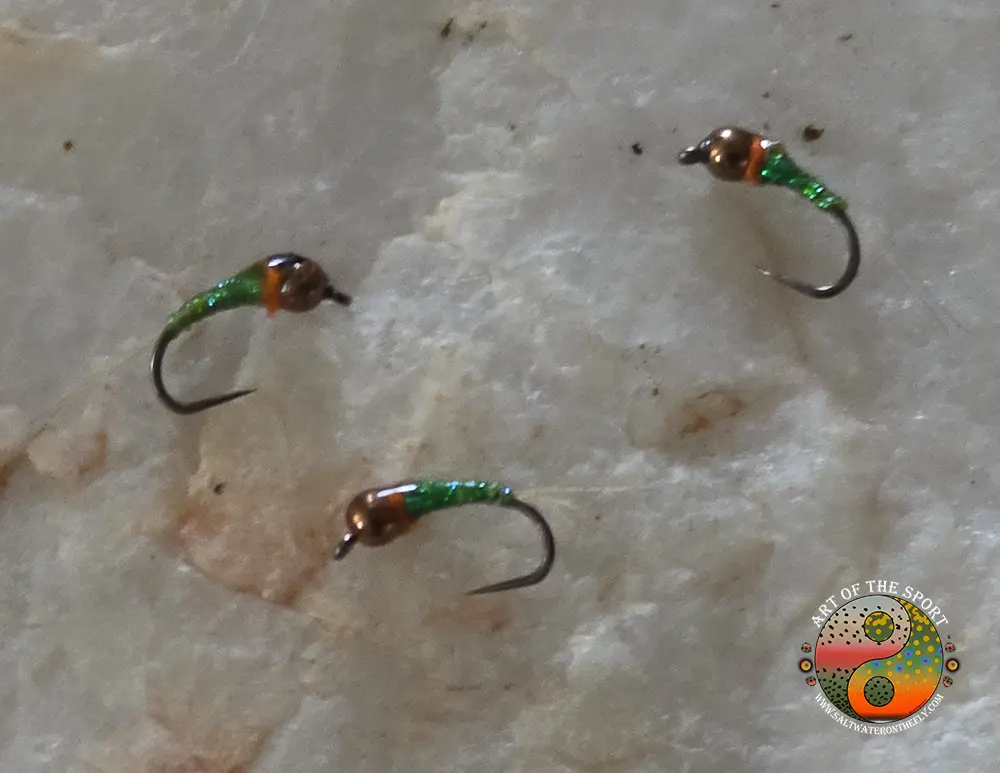
- Brass Beadhead Hot Pink a Spring & Fall Favorite
How to Fish It: Techniques for People Who Aren’t Robots
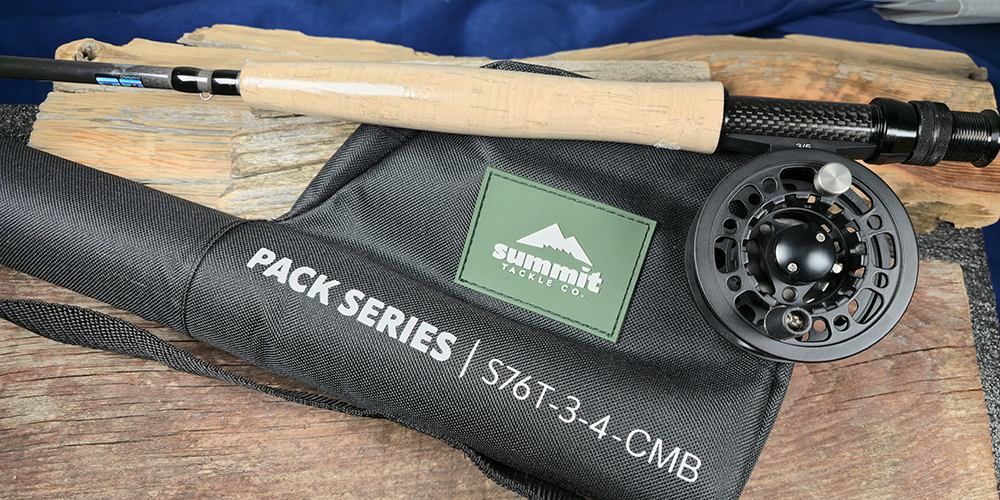
Wading is king here in many stretches. Short rods (8-9 feet, 4-6 weight) shine because of tight quarters and willow jungles. Long leaders and light tippet for spooky fish in clear water. Nymphing with a two-fly rig (stonefly dropper + smaller mayfly or midge) will save your ego on tough days. Dry-dropper setups when you see rising fish. Streamers for the “I’m done matching hatches” moments—strip ‘em like you mean it.
Floating is possible but more technical than the main stem. Smaller boats or rafts work in higher water; just respect private land and keep your inner tube fantasies at home.
Wind? Oh yeah, it blows here like it has a personal grudge. Practice your roll casts and maybe invest in a hat with a chin strap unless you enjoy chasing your favorite cap downstream.
Top 15 Fly Patterns for the South Fork Madison River (Because Your Box Needs Upgrading)
Let’s cut the crap: you don’t need 47 variations of the same mayfly. Here are the top 15 patterns that actually produce on the South Fork, ranked roughly by usefulness across seasons. I’ve included sizes and why they work, plus a note because that’s how we roll.
- Pat’s Rubber Legs / Girdle Bug (Black or Brown, sizes 6-10) The nymphing workhorse. Looks like a stonefly that survived a bar fight. Trout eat it when nothing else is moving. Dead-drift it deep and hang on.
- Prince Nymph (sizes 10-16) Classic peacock herl goodness. Flashy enough to get noticed in off-color water, subtle enough for clear days. If you only tie one nymph, make it this (or don’t, and buy some like a normal person).
- Pheasant Tail Nymph (sizes 14-20) The mayfly imitator that refuses to die. Natural, effective, and forgiving of sloppy presentations. Pair it with the Rubber Legs for a deadly tandem.
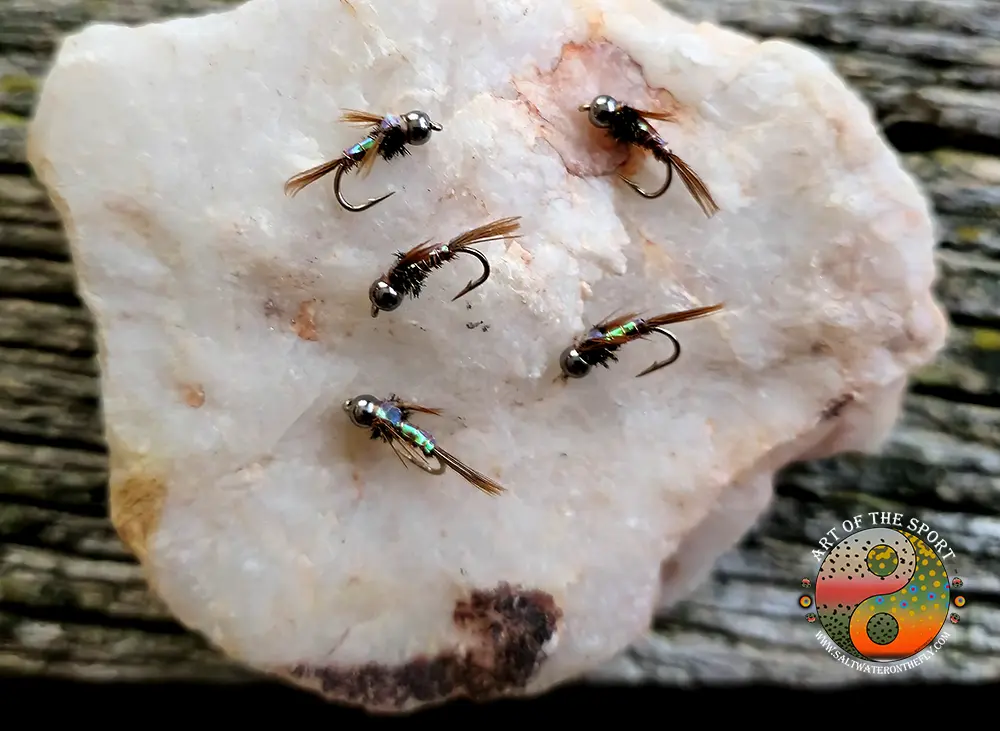
- Lightning Bug or Rainbow Warrior (sizes 16-20) Flashy midges and small baetis patterns for when the fish get picky. Because sometimes they want jewelry with their lunch.
- Zebra Midge (Black or Red, sizes 18-22) The tiny assassin. Fish it as a dropper under a bigger nymph or solo in slow seams. Trout inhale these like they’re going out of style.
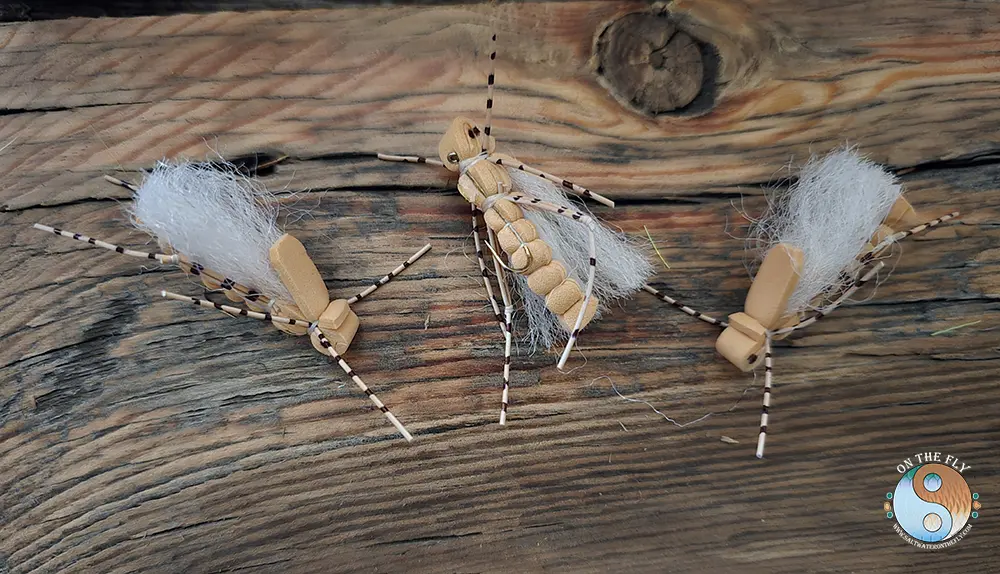
- Chubby Chernobyl (Orange or Tan, sizes 6-12) The ultimate attractor/terrestrial/stonefly fraud. Floats like a battleship and fools fish that should know better. Your dry-fly savior in summer.
- Elk Hair Caddis (Tan or Olive, sizes 14-18) Classic caddis imitation. Skate it, dead-drift it, or use it as an indicator. Works when the real bugs are fluttering around like drunk butterflies.
- X-Caddis (Tan, sizes 14-18) A more realistic caddis emerger. Great when fish are sipping in the film and ignoring your bushy dries.
- Parachute Adams (sizes 14-18) The mayfly generalist. PMDs, BWOs, whatever—tie it on and pretend you matched the hatch perfectly.
- Stimulator (Orange or Yellow, sizes 8-14) Stonefly and attractor dry that screams “big bug energy.” Perfect for the salmonfly/golden stone window or just when you want to go big or go home.
- Morrish Hopper or Chubby Hopper (sizes 8-12) Summer terrestrial madness. When grasshoppers are jumping like they owe the trout money, these are money.
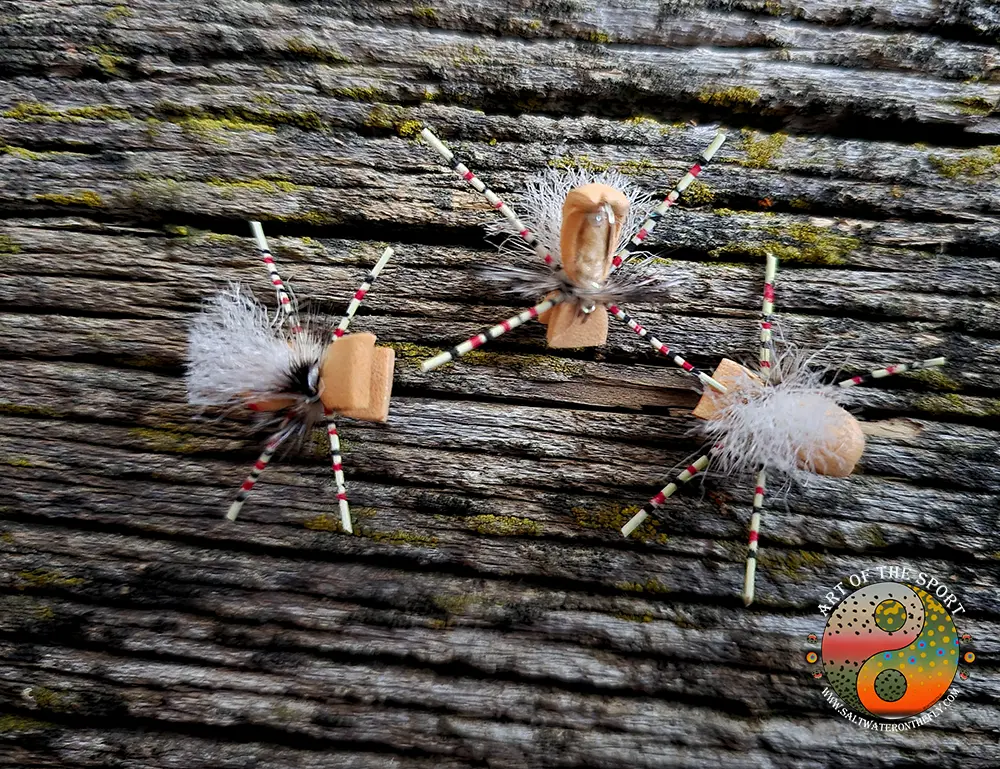
- Ant Patterns (Black or Cinnamon, sizes 14-18) Foam or CDC ants for technical summer fishing. Trout love ‘em when hoppers aren’t around. Bonus: easy to tie if you’re lazy.
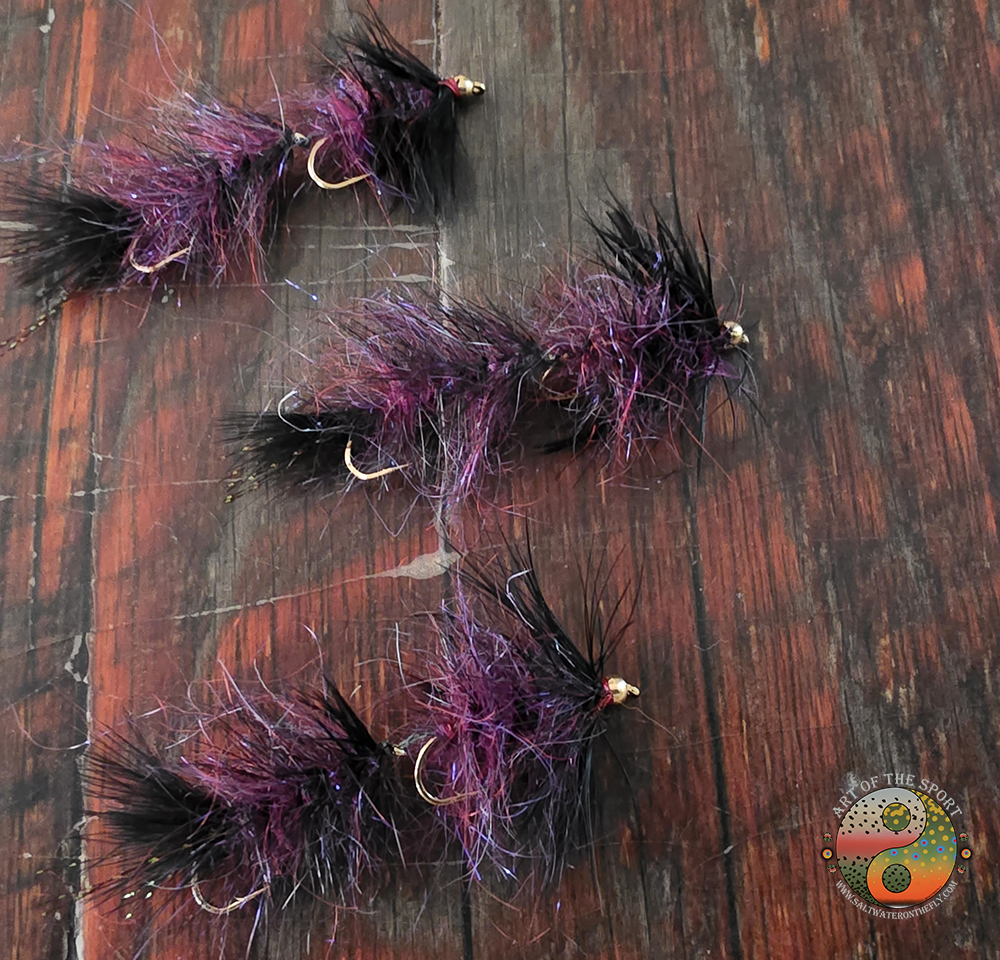
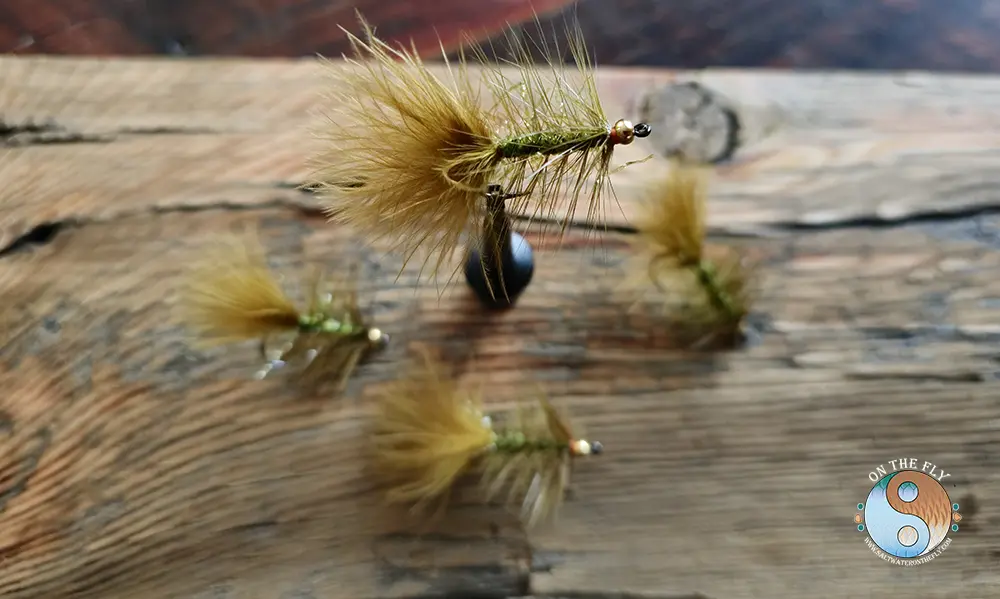
- Woolly Bugger (Black or Olive, sizes 4-8) Streamer classic. Swing or strip for aggressive browns, especially in fall. Add some flash if you’re feeling fancy.
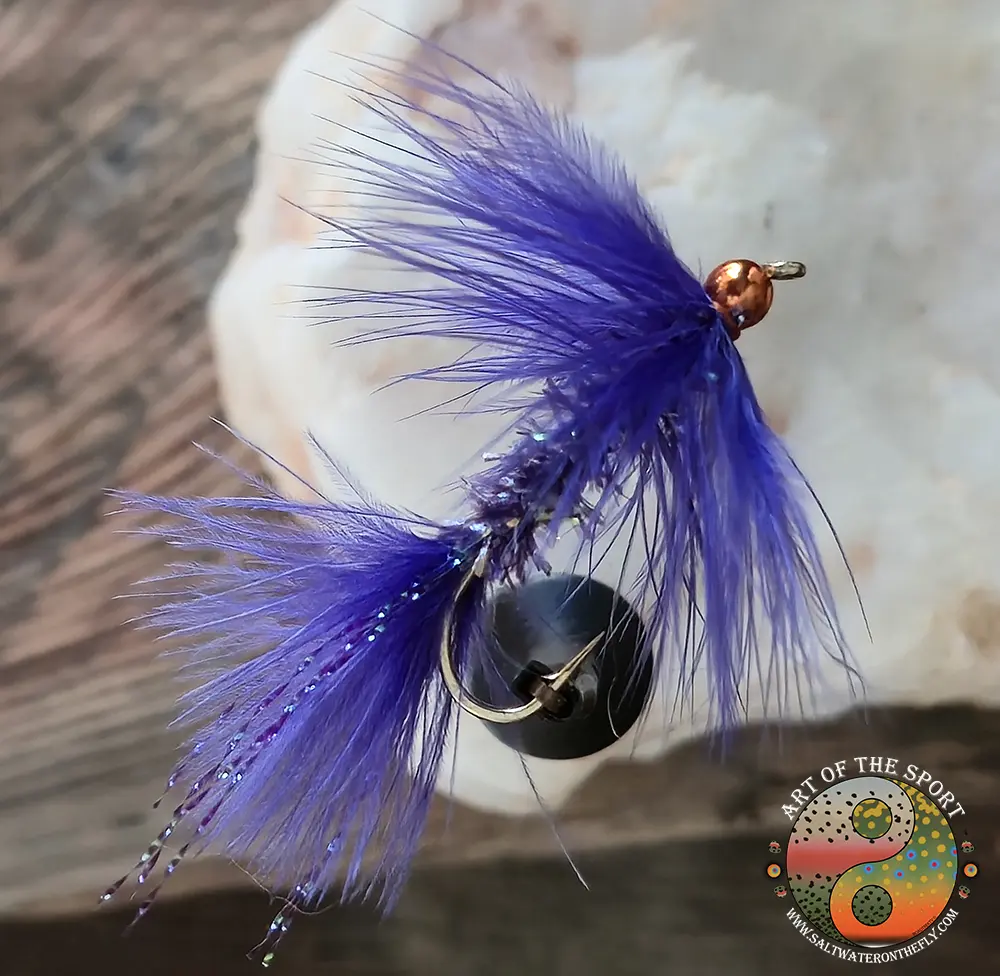
- Sculpin or Zonker Patterns (sizes 4-6) For when you want to imitate a baitfish and trigger that predatory instinct. Great in deeper runs or when the big boys are sulking.
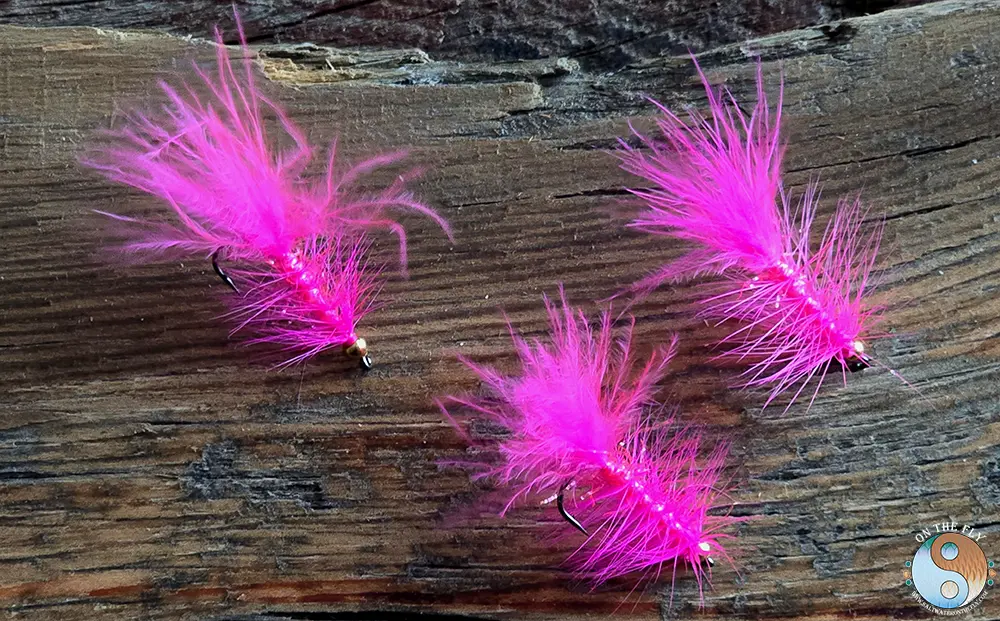
- Egg Patterns (Orange or Pink, sizes 12-16) Fall special for brown trout spawning runs and the rainbows that follow the eggs like free candy. Ethical note: don’t be a jerk about it.
Tie ‘em, buy ‘em, lose ‘em in trees. Just have a good assortment because the South Fork will humble you if your box is one-trick.
South Fork Madison River (Where to Actually Find Fish)
The South Fork isn’t one long uniform ribbon—different sections fish differently. Here are the standout spots worth your time (and driving on sketchy forest roads):
- Upper Reaches near the Headwaters Tight, technical water with meadow sections and willow tunnels. Short casts, spooky trout, big rewards for precise presentations. Best for solitude seekers who enjoy fighting vegetation more than people.
- Forest Road 291 Access Points Multiple pullouts and wade-in spots. Look for riffle-pool transitions and undercut banks. Good nymphing water early season.
- Mid-Section Meadow Stretches Slower, flatter water where dry flies shine in summer. Hoppers and ants produce ridiculous eats if you can sneak up without spooking the entire pool.
- Confluence Areas Approaching Hebgen Lake Deeper runs and lake-influenced water. Bigger fish possible, especially rainbows staging before or after lake time. Streamers and heavier nymph rigs work well.
- Canyon-ish Sections (Where It Roars Softly) Faster water with pocket water and plunge pools. Great for prospecting with big attractors or rubber-legs. Watch your footing—the rocks are slippery when wet (always, basically).
Other notable access: Look for USFS campgrounds and trailheads off the forest roads. Some stretches have private land mixed in, so respect boundaries or risk a polite (or not) conversation with a landowner who’s tired of seeing your tire tracks in their meadow.
Wade carefully—cold water, uneven bottoms, and the occasional surprise depth. If you’re floating the lower parts, keep an eye on wood hazards and changing flows from Hebgen Dam operations.
Gear, Etiquette, and Other Advice
Bring layers. Montana weather doesn’t care about your forecast app. Waders, good boots with felt or rubber soles (studs if you’re clumsy), polarized glasses, and bear spray because, well, grizzlies. A net is nice unless you enjoy chasing escaped trout downstream.
Etiquette: Leave no trace, don’t hog the good water, and for the love of all that is holy, don’t high-hole the guy who got there first. This isn’t the main Madison circus—keep the South Fork’s chill vibe alive.
Regulations: Check current Montana FWP rules before you go. Catch-and-release for rainbows in some connected sections, standard limits elsewhere. License required, obviously. No, your “I forgot” story won’t work on the warden.
Hire a guide if you’re new to the area or just want to fast-track the learning curve. They know the secret spots, the current hatch, and how to keep you from crying when the wind destroys your loop.
What’s Reason to Bother with the South Fork at All?
Because sometimes the famous water is overrated. The main Madison is incredible, sure, but it can feel like a trout factory with an audience. The South Fork Madison River gives you wilder feels, solid fishing, and that smug satisfaction of catching fish where fewer people look. It’s not always easy. It’ll tangle your line, test your casting, and occasionally make you question why you didn’t just go to the lake with a spinning rod.
But when that 16-inch brown sips your Chubby Chernobyl like it owes him money, or that rainbow inhales your Rubber Legs on the first drift, you’ll remember why we do this stupid, wonderful sport.
So pack the truck, tie some flies, and head to the South Fork. Tell the main stem we said hi—and that we’ll see it when the crowds die down. Tight lines, don’t be a tourist, and may your back casts stay out of the willows more often than not.
Now get out there before someone else discovers your “secret” spot. The South Fork of the Madison is waiting, and it doesn’t care if you’re ready—it’s Montana. It’ll make you ready. Or break you trying. Either