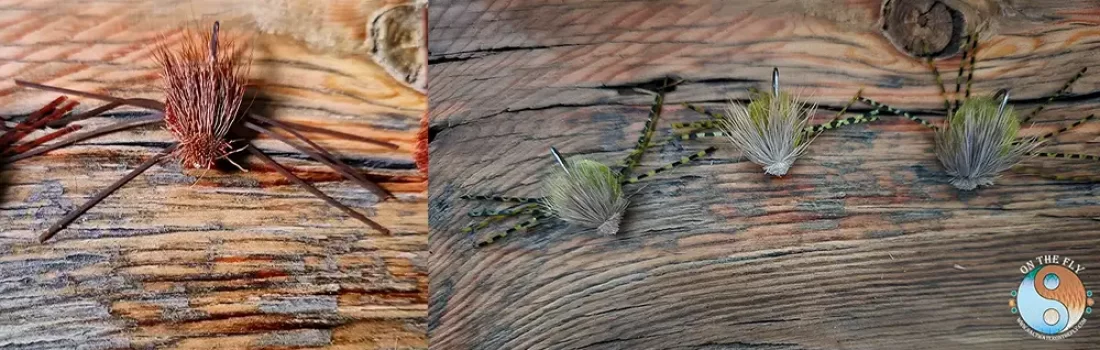
Evolution of Crab Patterns for Saltwater Fly Fishing
Where would you be without the Evolution of Crab Patterns? Picture this. You are standing knee-deep in saltwater with the sun beating down on you. A permit the size of a dinner plate is eyeing your fly, checking it out like the last crab cocktail at a buffet. You cast, your crab pattern lands softly, and bam; the fish is hooked, and you are grinning like you just won the lottery.
Crab patterns have come a long way to make moments like this possible. They evolved from glorified yarn clumps to hyper-realistic crustacean imitations that fool even the pickiest flats fish. Learning about the evolution of crab patterns for saltwater fly fishing will make you a better angler.
You’ll learn how they changed, how to fish them, and the top patterns you need. This change in crab fly design reflects a move from clunky flies to pure perfection. It was a slow process driven by determined anglers and innovative fly tiers who wanted to fish effectively.
Table of Contents
A Brief History of Crab Patterns: From Yarn to Masterpieces
Back in the day, before the 1970s, saltwater fly fishing was a different game. Anglers would chuck big, flashy streamers at tarpon, hoping for the best. Iconic patterns like the Lefty’s Deceiver, developed by fly fishing legend Lefty Kreh, or the Clouser Minnow from Bob Clouser, were the go-to flies for almost any saltwater game fish.
Early crab flies were, to put it nicely, a hot mess. Think of a clump of yarn tied to a hook with a few feathers for legs. They worked sometimes, as fish like bonefish and redfish were not always so picky, but they were far from a sure thing.
Then the 1970s came along, bringing a revolution in fly tying. Anglers like the legendary Del Brown started obsessing over permit, often considered the holy grail of flats fishing. Brown’s Merkin Crab, born in the Florida Keys, was a game-changer with its rug yarn body and lead eyes that let it get down into the water column.
Fast forward to the 1980s and 1990s, and materials got much fancier. Tiers like Bob Popovics pioneered the use of new synthetic fibers and epoxy resin, leading to creations like the Surf Candy that changed how we imitate small baitfish. This innovation spilled over into pattern creation for crabs, making flies incredibly durable and giving them lifelike movement.
By the 2000s, saltwater fly patterns were extremely specialized. There were patterns designed for bonefish on shallow flats and others for redfish in murky waters. Today, with pre-made crab shells and advanced resins, modern patterns are as much art as they are bait.
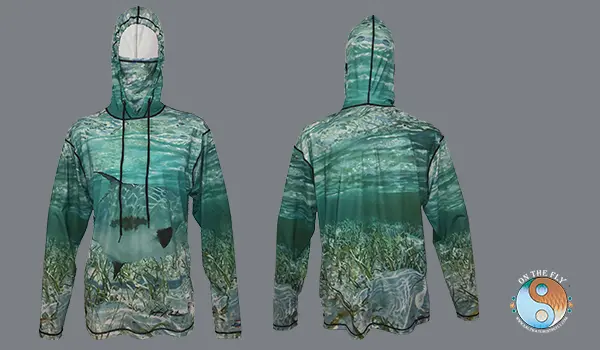
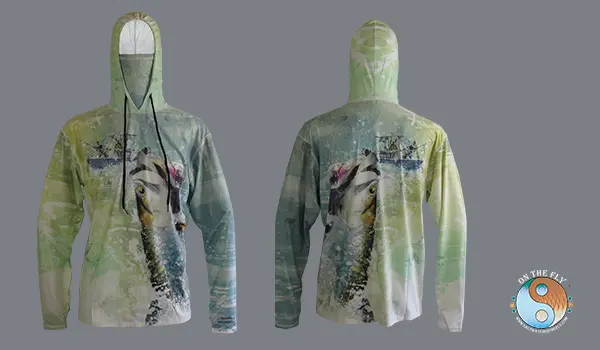
Permit Graphic Hoodie Prefect Performance on the Flats to the Trail. Click Image Get Yours Today!
Outdoor Performance apparel in a UPF-50 with a sewn in facemask and extended cuffs with thumb holes.
Reason Crab Patterns Matter in Saltwater Fly Fishing
You can think of crabs as the potato chips of the flats. Every game fish out there seems to want a crunchy bite. Crabs are a staple food source for so many species in saltwater environments, and the fish know their behavior very well.
They know crabs scuttle, pause, and puff up defensively when threatened. A good crab pattern mimics this natural action, triggering strikes from fish that might ignore a baitfish imitation. For a fly fisherman, presenting a crab fly is about fooling a fish that is keyed in on a specific prey item.
But here is the catch. Crabs do not swim like a small baitfish. They scuttle sideways along the bottom or sit still with their claws raised. This means your crab fly needs to sink fast, land softly, and stay put when you pause your retrieve, making finesse a critical skill.
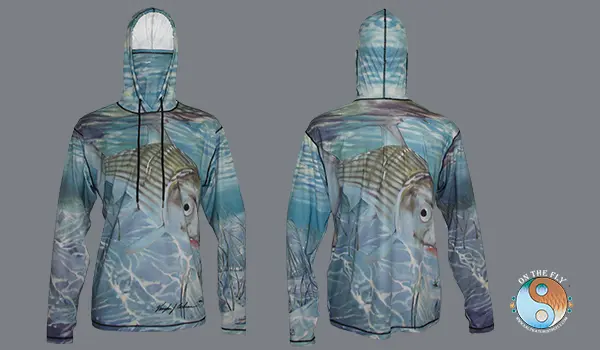
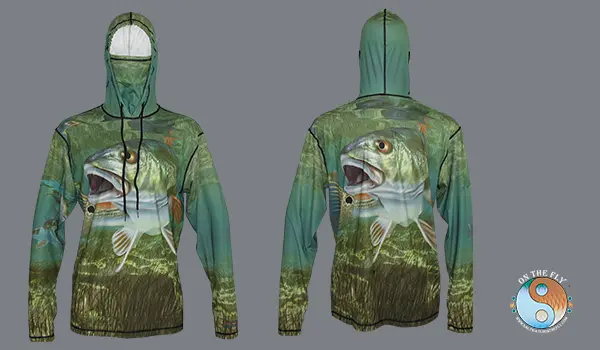
Cast to Hungry Cruising Bonefish Dressed in a Bonefish Graphic Hoodie with UPF-50 sun protection. Sewn in facemask for protection from the sun’s reflective rays.
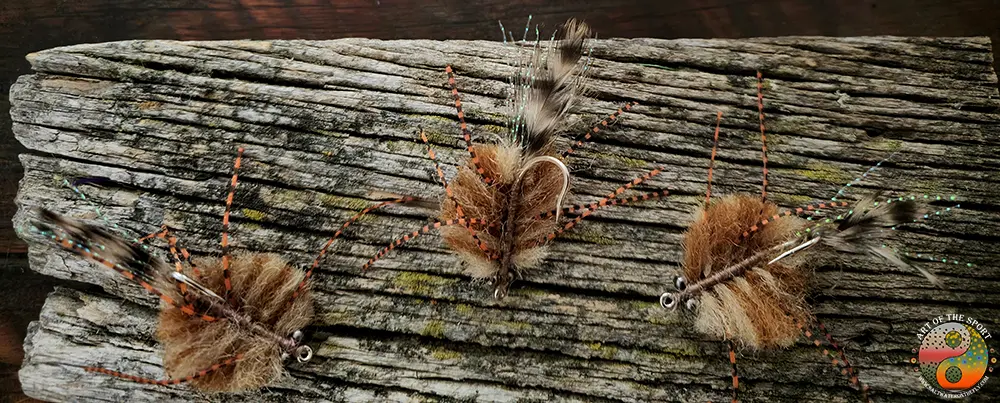

Fascinating Evolution of Crab Patterns for Saltwater Fly Fishing
The change in crab patterns reflects a deeper understanding of fish behavior. Early anglers just needed something that looked vaguely “crabby.” As anglers got better and fish got smarter, the fly designs had to improve, pushing fly tiers to get more creative.
Focus on Realism and Movement
The first major leap was adding lifelike movement. Old yarn flies were static, but innovators like Enrico Puglisi pioneered the use of synthetic fibers that breathed and pulsed in the water. A rabbit strip claw or wiggling rubber legs could be the key to getting a cautious fish to eat.
This subtle action is often what convinces a big fish to commit. The fly looks alive even when it is not moving, which is exactly how a real crab acts. This impressionistic pattern of movement is deadly.
The Sinking Game
Another critical development was weight. Fish feed on crabs on the bottom, so the fly had to get there quickly. The original Merkin used lead dumbbell eyes for this purpose, a feature still common on many patterns.
Today, tiers use a wide variety of materials. Tungsten beads offer more weight in a smaller package, letting a fly sink faster without a huge splash. Some modern patterns even use keel weights to make sure the fly sinks hook point up, helping avoid snags on coral or grass on the bonefish flats.
Matching Local Crabs
Anglers also learned that matching the local crab species was important. A tan crab might work in the Bahamas, but you might need an olive or blue pattern for striped bass in the Northeast. This led to a huge variety of color combinations and sizes in every serious angler’s fly box.
Tiers started creating flies that closely mimics specific crab species, from small mole crabs to larger blue crabs. This level of imitation is what fools the wariest fish, especially permit. Having a wide range of crab patterns is now standard for any fishing guide.
Essential Materials for Tying Modern Crab Flies
For those interested in tying flies, having the right materials is the first step. The right components can make the difference between a pattern that sinks properly and one that looks unnatural. Building a collection of these items will allow you to tie a wide variety of highly effective crab patterns.
| Material Component | Description and Use | Examples |
|---|---|---|
| Hooks | A strong, sharp, corrosion-resistant hook is the foundation. The hook shank length and gap size will vary based on the pattern. | Gamakatsu SL11-3H, Tiemco 811S, Owner AKI |
| Weight | Weight gets the fly to the bottom. The amount and type of weight depend on the target depth and desired sink rate. | Lead or Tungsten Dumbbell Eyes, Bead Chain Eyes, Keel Weights |
| Body | The body creates the crab’s shape and color profile. Materials range from natural fibers for a classic look to synthetics for durability. | Semperfli Predator Fibers, Craft Fur, Rug Yarn, Dubbing Blends, Flexo Tubing |
| Legs & Claws | These elements provide critical movement. The way they wiggle and pulse in the current is often the trigger for a strike. | Silicone or Rubber Legs, Rabbit Strip, Hackle Feathers, Micro Chenille |
| Shells & Adhesives | Modern patterns often use resins to create a hard, realistic shell. This adds durability and a lifelike appearance. | UV Cure Resins (like Semperfli No Tack Thin UV Resin), Pre-made Crab Shells, Epoxy Resin |
How to Fish Crab Patterns Like a Pro
Fishing a crab pattern well is not complicated, but it does require a different approach than fishing streamers. Here is a quick guide to help you look like you know what you are doing on the flats. Mastering these techniques will help you catch a wide variety of game fish.
Match What They Eat
Before you even make a cast, observe the local environment. Turn over a rock to see what scurries out. A good fishing guide will tell you that a fly that copies the size, color, and weight of the crabs fish are feeding on is paramount.
For picky permit, you need hyper-realism. For hungry redfish or even a summer flounder, a little bit of flash or a brighter color can sometimes work wonders. Having options in your fly box is a good reason to learn basic fly tying.
Cast with Precision
Flats fish are notoriously spooky. You have to cast well ahead of the fish’s path, allowing the fly to sink to the bottom before they arrive. Aim for a soft landing; think of a feather touching down, not a cannonball splashing.
Master Your Retrieve
Remember, crabs do not zoom around the flats. Use short, slow strips of just a few inches to mimic a scuttling crab perfectly. Then pause and let the fly sit on the bottom.
Many fish, especially permit, will strike when the fly is completely stationary. Do not rush it. If the fish is getting closer, a tiny twitch can be what seals the deal.
Use the Right Gear
Use a 9-weight rod for bonefish or redfish. You might need a 10 or 11-weight for stronger fish like permit or tarpon. A sinking or sink-tip fly line helps get the fly down fast, and a 12- to 16-pound fluorocarbon leader keeps things stealthy.
Have Patience
Fishing with crab patterns is a game of nerves. If a fish follows your fly but does not eat, resist the urge to yank the fly away. Let it sit there, give it a tiny strip, and hope for the best.
Text content
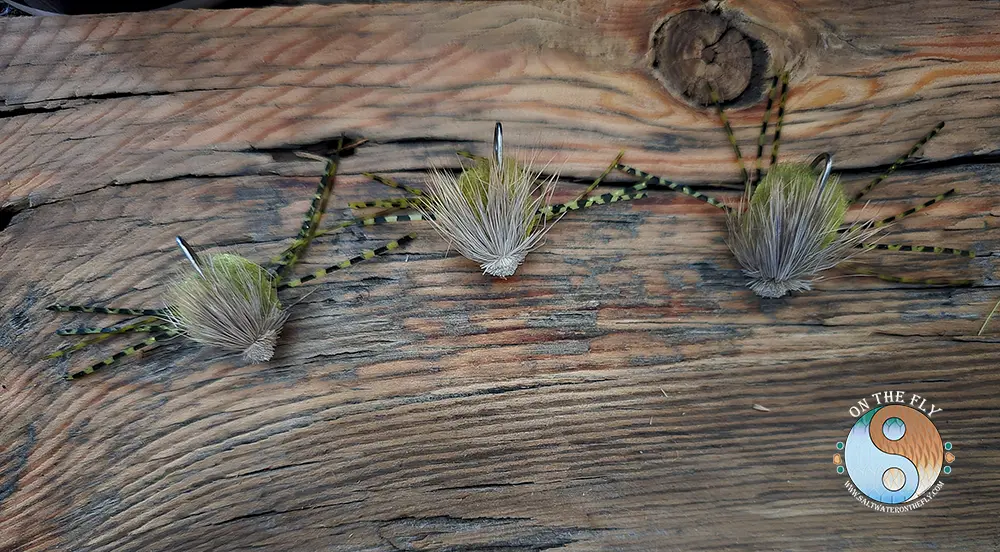
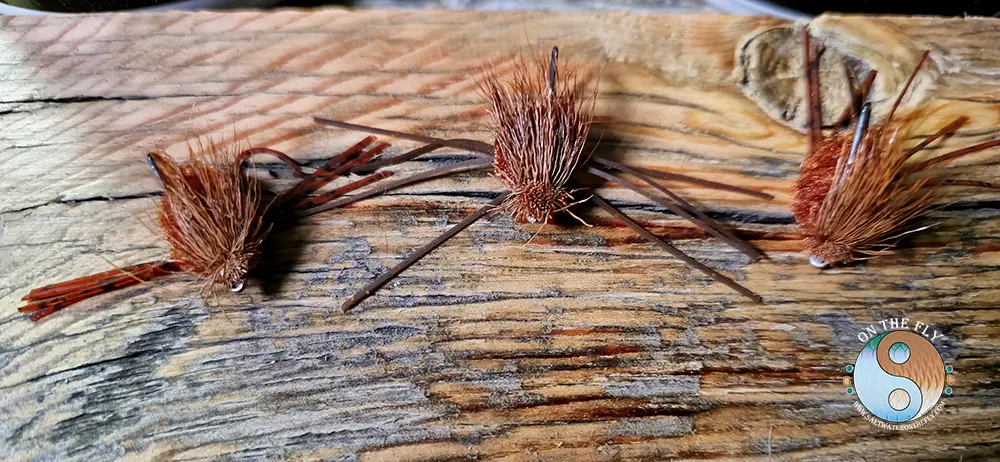
The Top 15 Crab Patterns to Stuff Your Fly Box With
Now, this is the moment you have been waiting for. Here are the top 15 crab patterns that will make fish drool and your buddies jealous. These are battle-tested flies, approved by fly anglers and guides, and are guaranteed to up your game on the flats.
- Del’s Merkin Crab: This is the granddaddy of all crab flies, created by fly fishing legend Del Brown. Its simple rug yarn body, hackle claws, and lead eyes make it sink like a stone, fooling both permit and bonefish. For a good reason, this iconic fly remains a staple in every saltwater angler’s fly box.
- Kung Fu Crab: This effective pattern is a step up from the Merkin. It features a synthetic body and rabbit strip claws that wiggle seductively. It is great for bonefish and redfish, and adding rubber legs provides extra action that big fish find hard to ignore.
- Borski’s Critter: Tim Borski’s creation is a minimalist masterpiece. It is sparse, an impressionistic pattern, and absolutely deadly in shallow water for permit and bonefish. Tie this angler’s fly small and light for a subtle presentation.
- Straight Shooter Crab: Inspired by juvenile blue crabs, this fly stands upright with claws that seem to dance in the current. It is perfect for redfish and sheepshead, and its unique design makes it a favorite among many fly anglers. Using pre-made crab shells makes tying flies like this one much easier.
- EP Fleeing Crab: This is Enrico Puglisi’s take on a crab in full panic mode. Its synthetic fibers give it lots of movement, making it a go-to fly for redfish and permit. Tie it in tan or sand to mimic common crab colors.
- Flexo (Alphexo) Crab: This is a newer pattern intended for very spooky fish, like Indo-Pacific permit or pressured striped bass. Its soft and lifelike body makes it an instant hit in calm water. The Flexo is incredibly durable and can stand up to multiple fish.
- Strong Arm Merkin: Think of this as a beefed-up Merkin. It has extra flash and durability for tough fish and saltwater environments. Striped bass and redfish cannot seem to resist it, and it’s best tied with a weedguard for fishing on grassy flats.
- Hammerhead Crab: This is a true permit magnet, using Wapsi Crab Coins and rubber legs for a very realistic profile. Its pattern creation is complex, but the results are worth it. Use UV resin for a tough, durable finish that big fish cannot crush.
- Ugly Crab: This is a Seychelles-born spin-off of the Merkin that uses tungsten beads and has bright eyes. It catches everything from bonefish to triggerfish. It might be ugly, but it is a highly effective fly pattern that deserves a spot in your box.
- Green Diablo: Alan Caolo’s striper-specific crab fly is a soft, impressionistic pattern with lifelike action when paused. It has become a must-have for anyone fishing the Northeast flats for striped bass. A version with a black body is also deadly in murky waters.
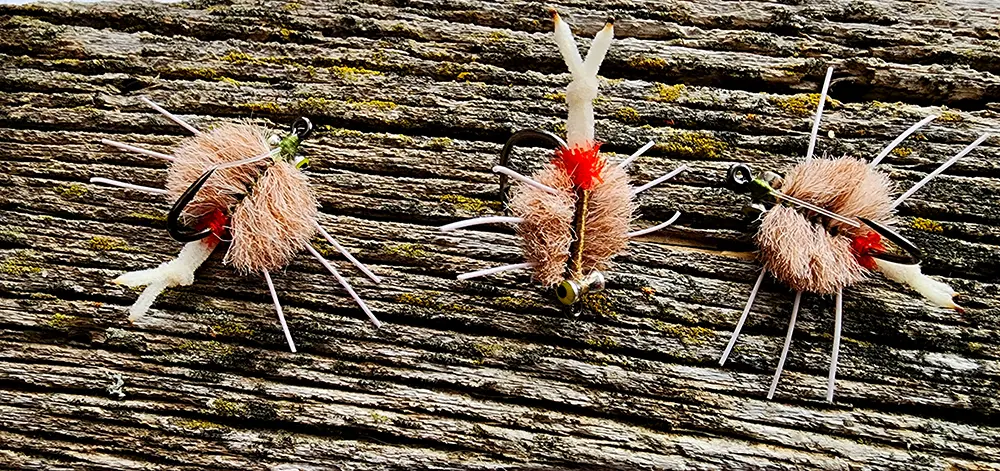
- EP Mole Crab: Another gem from Puglisi, this one closely mimics the small mole crabs found in the surf, a primary food source for many game fish. Big bonefish, redfish, and even false albacore will slurp it up. Tie it in sand or tan for the best results. I’ve been tying these with Semperfli Predator Fibres lately, I like the movement and easy which to manipulate while tying in.
- Redfish Crack: This is a Gulf Coast favorite for chasing redfish, but it can also tempt summer flounder and hickory shad. It is flashy, weedless, and very easy to tie. Fish it slowly when you need a fly that can be fished deep in channels. Crackenstien Family as I call them are quite an effective pattern. Blue’s Crab.
- Turneffe Crab: A staple pattern at many Belizean fishing lodges, this is a realistic and versatile fly that is a killer for permit and bonefish. Many a fishing guide owes their success to this redfish fly. Tie it with a mono weedguard to prevent snags on the bonefish flats.
- Simram: A hybrid of a shrimp and a crab pattern, this fly from Jack Gartside is the perfect choice when fish seem indecisive. Redfish and black drum love to eat it. Unlike the Tarpon Toad, this fly is meant to be crawled slowly on the bottom.
- Avalon Crab: This is a permit-specific tarpon fly that was developed for fishing in Cuba. It has a keel weight for stability and rides hook up, making it absolutely deadly on the deep flats of the Caribbean. It’s a technical pattern but a must-have for serious permit fly fisherman.
Conclusion of Evolution of Crab Patterns
From the simple yarn bombs of yesteryear to today’s hyper-realistic works of art, the evolution of crab patterns for saltwater fly fishing has transformed the sport. These flies are the key to unlocking the flats’ toughest customers, including permit, bonefish, and striped bass. These iconic patterns have a permanent place in the history of saltwater fishing.
By understanding how to match the local food source, cast with finesse, and master the art of the retrieve, you will be hooking into fish that make your buddies green with envy. Stock your fly box with these top crab patterns, and you will be ready for anything the flats can throw at you.
Crabs are a prime fly pattern for Texas Redfish and Louisiana Redfish. South East Coastline of South Carolina offers Redfish and Stripers.