Exploring Steelhead Fly Fishing North Umpqua River in Oregon
Alright, grab a coffee (or something stronger if you’re reading this after a skunked day on the water), because we’re about to dive deep into the glorious, maddening, soul-crushing, life-affirming world of North Umpqua steelhead. Yes, the North Umpqua—Oregon’s crown jewel of summer steelhead rivers that somehow manages to be both the most beautiful place you’ll ever fish and the fastest way to question every life choice that led you to stand waist-deep in 48-degree water swinging a fly into oblivion while a fish the size of your ego laughs at you from the depths.
Let’s do this chronologically, sarcastically, and with zero apologies.
Table of Contents

Where The River Originates And Why It Matters
Understanding this water starts with knowing where the North Umpqua River originates. The river flows from the high Cascade Mountains near Maidu Lake. This is high elevation territory sitting just north of Crater Lake.
Because the river originates in the High Cascade geology, the flows are incredibly consistent compared to other coastal systems. The volcanic rock acts like a giant sponge, filtering water and releasing it steadily throughout the fishing year. This results in the famous clarity that allows summer steelhead to spot a fly from yards away.
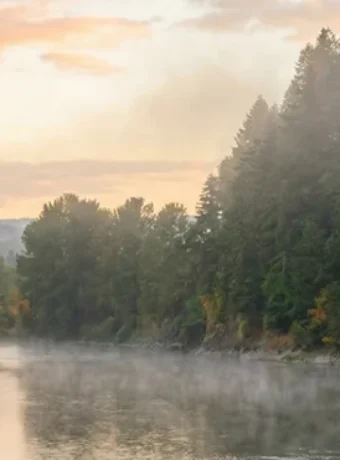
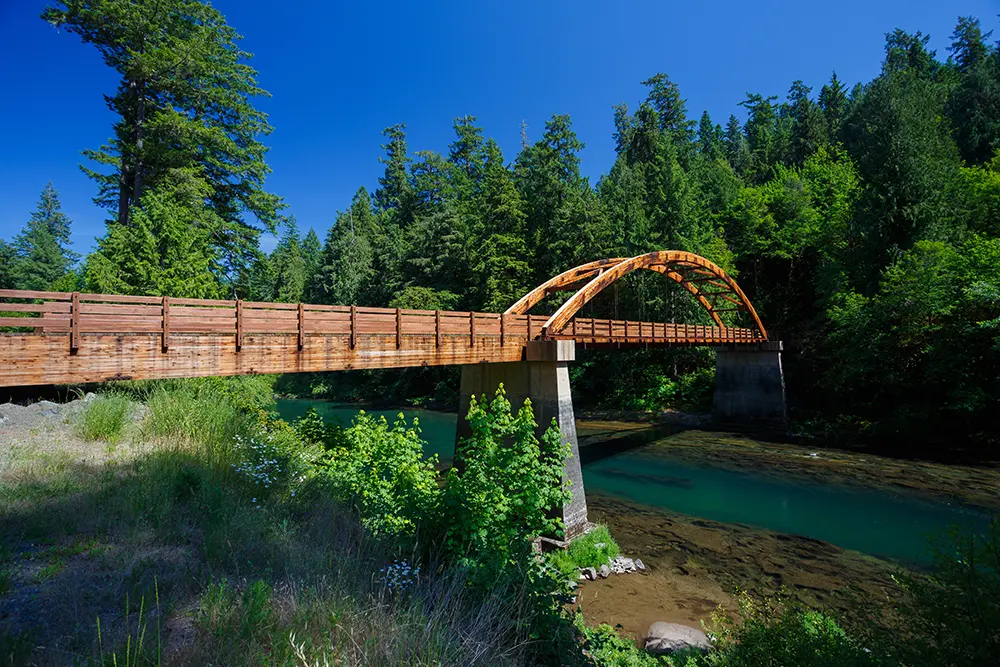
The scenery here is breathtaking, cutting through the dense Umpqua National Forest. Towering firs and basalt columns line the banks. It is a setting that makes even a fishless day feel productive.
Part 1: A Brief (and Slightly Bitter) History of North Umpqua Steelhead
Back in the day—think pre-1950s—the North Umpqua was basically steelhead Disney World. Native summer runs were so thick that old-timers swear you could cross the river on their backs without getting your boots wet. Logs were floated down the river, splash dams blew out entire runs, and yet somehow the fish kept coming back like that ex who just won’t take a hint.
Then came the big “improvements.” Winchester Dam (built 1890s, rebuilt 1950s) turned the lower river into a giant kiddie pool for hatchery brats. The summer steelhead above the dam? Those are the wild ones—the real deal, the ones that trace their ancestry back to when mastodons were still a thing. Below the dam? Mostly hatchery fish that were raised on Purina Steelhead Chow and released like aquatic participation trophies.
The wild summer-run legend really kicked into high gear in the 1930s and 40s when a guy named Zane Grey—yes, the Western novelist—started swinging flies with a 9-weight bamboo rod longer than your truck. He wrote about it, fly fishers lost their minds, and suddenly every dentist from Portland with a Orvis catalog was trying to figure out how to get to Steamboat Creek without dying on the logging roads.
By the 1970s, the runs were still strong enough that guides were turning clients away. Then… well, you know the drill: ocean conditions, hatchery strays interbreeding with wild fish, cormorants the size of pterodactyls, seals with PhDs in ambush tactics, and climate change doing its best impression of a drunk toddler with a flamethrower. Runs dropped. Hard.
Today? The North Umpqua is a shadow of its former glory hole, but here’s the kicker—it’s still one of the best summer steelhead rivers in the Lower 48. You just have to work harder, fish smarter, and accept that 1–3 fish days are now “epic,” whereas your grandpa considered anything under 10 a slow morning. Welcome to 2025, kids.
Part 2: When to Show Up (Because Timing Is Everything)
There are two distinct runs:
-
Summer steelhead (the famous ones) First fish show up in late May pushing 3–5 lbs—cute little half-pounders and early bright 6–8 lb fish. The real push hits July through September, with August being the traditional “money month.” Fish from 8–18 lbs are common, and every few years some mutant 20+ lb chrome unicorn shows up to ruin your Instagram credibility.
Peak fishing: July 15 – October 15 Best water temps: 48–56°F (If it hits 60+, go drink beer on the patio at Steamboat Inn and pretend you’re “resting the fish.”)
-
Winter steelhead (the redheaded stepchildren) December through April. Bigger fish on average (10–20+ lbs), but colder, higher water, and you’ll share the river with gear chuckers and centerpins. Most fly fishers pretend winter steelhead don’t exist because swinging a skagit head in a hailstorm isn’t “classic” enough for the bamboo-and-tweed crowd.
Pro tip: If you want the river to yourself, fish opening week of June or after Labor Day. Everyone else is either at work or pretending they have a life.
Part 3: The Holy Water – The Fly-Only Section
From the fly water sign above Steamboat Creek down to Rock Creek (about 31 miles), it’s fly-only, barbless, catch-and-release for wild steelhead. This stretch—known simply as “The Fly Water”—has been hallowed ground since Clarence Gordon stuck a sign in the ground in 1939 that basically said, “Gear fishermen not welcome, ya filthy animals.”
It’s broken into beats with romantic names like the Sawtooth, Station, Mott, Steamboat, Camp Comfort (lol, it’s not), and the legendary “Spawning Bed” riffle where you’ll see more Reddits than Reddit on a bad karma day.
Legendary Fly Water And How It Works
Now to the part everyone hears about first. The North Umpqua Fly Water is roughly thirty one miles of canyon from just above Steamboat Creek down to near Rock Creek. This whole stretch is fly only with barbless hooks and catch and release on wild steelhead.
Those rules again are laid out at Oregon fishing regulations and worth reading before you roll up. The banks are lined with named pools, some famous, some quiet, each with its own mood and flow. Names like Sawtooth, Station, Mott, and Spawning Beds have shown up in steelhead stories for decades.
Many of these runs sit right off the road, but the wading is no joke. Expect slick boulders, odd currents, and wading lines where a missed step will fill your waders and bruise your pride. This is one reason so many visitors hire local guides.
The crews at Holloway Bros Fishing and Renton River Adventures know exactly where your feet should be. They know when to linger and when to move on. Their knowledge of the canyon is unmatched.
Part 4: Flies – From “What Were They Thinking?” to Modern Wizardry
The Old-School Classics (1930s–1970s)
Back when men were men and graphite was something you used in pencils.
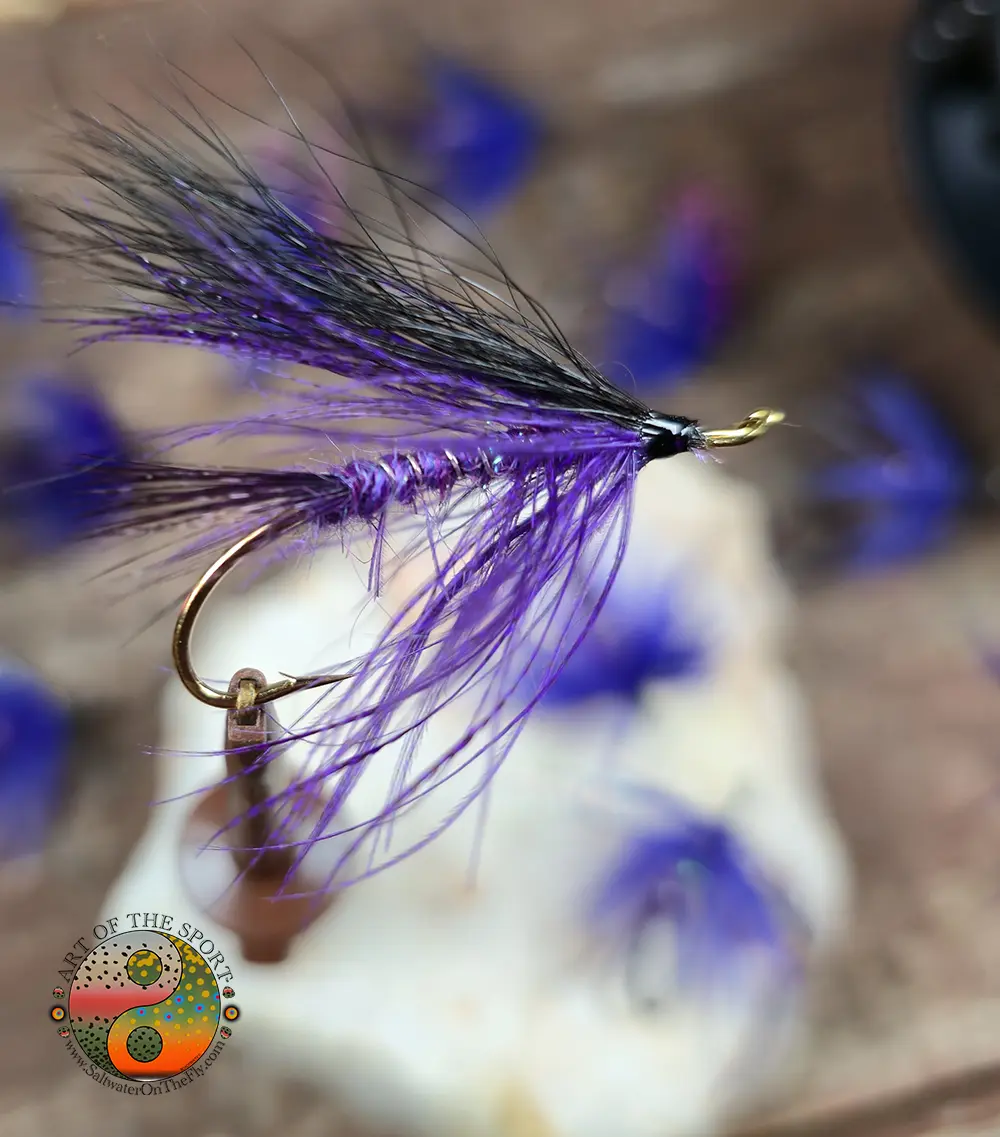
- Purple Peril: A purple-bodied, purple-hackled monstrosity that looks like Grimace’s mustache on a hook. Still works when fish are feeling nostalgic.
- Umpqua Special: Orange butt, orange hackle, because apparently steelhead in the 1940s had a thing for traffic cones.
- Skunk: Black bear hair wing, white calf tail underwing, red tail. Simple. Deadly. Still the #1 fly most old guides have tied on when they say “I’m just going for a quick evening swing.”
- Muddler Minnow (greased and floated): Yes, they floated Muddlers on the surface like a drunken bomber. Worked better than your dating life in college.
The 1980s–1990s Spey Revolution
Suddenly everyone had a 15-foot rod and an accent that wasn’t from Oregon.
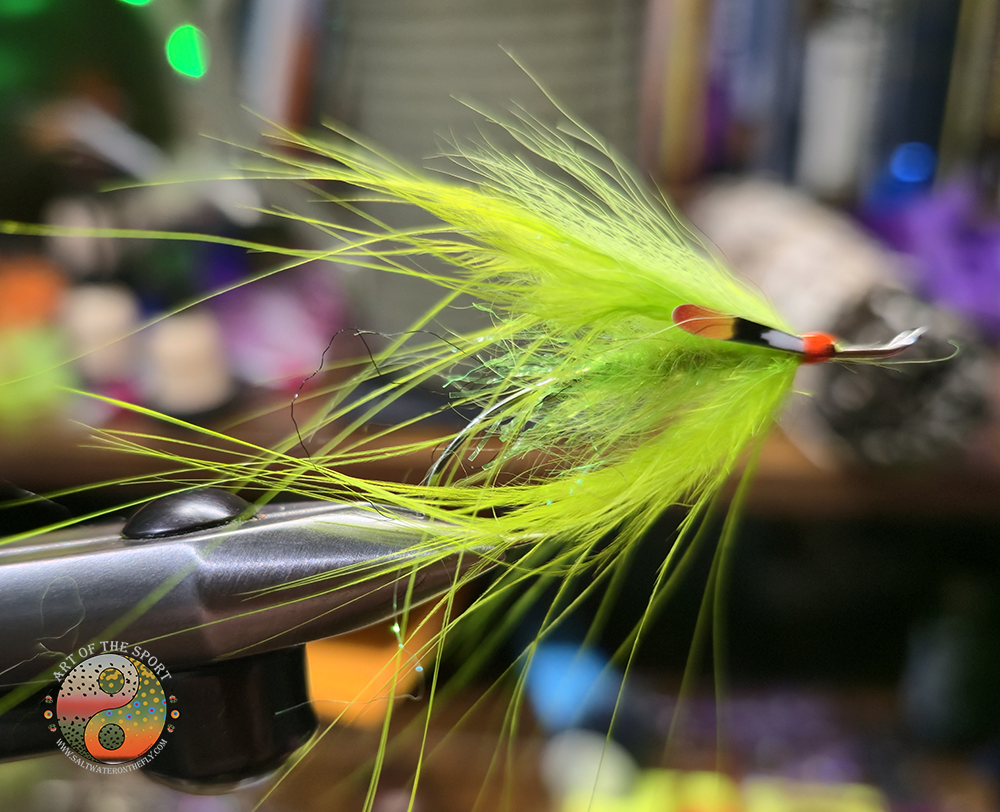
- Green Butt Skunk: Because someone decided the original Skunk needed a lime-green rear end. Surprisingly effective.
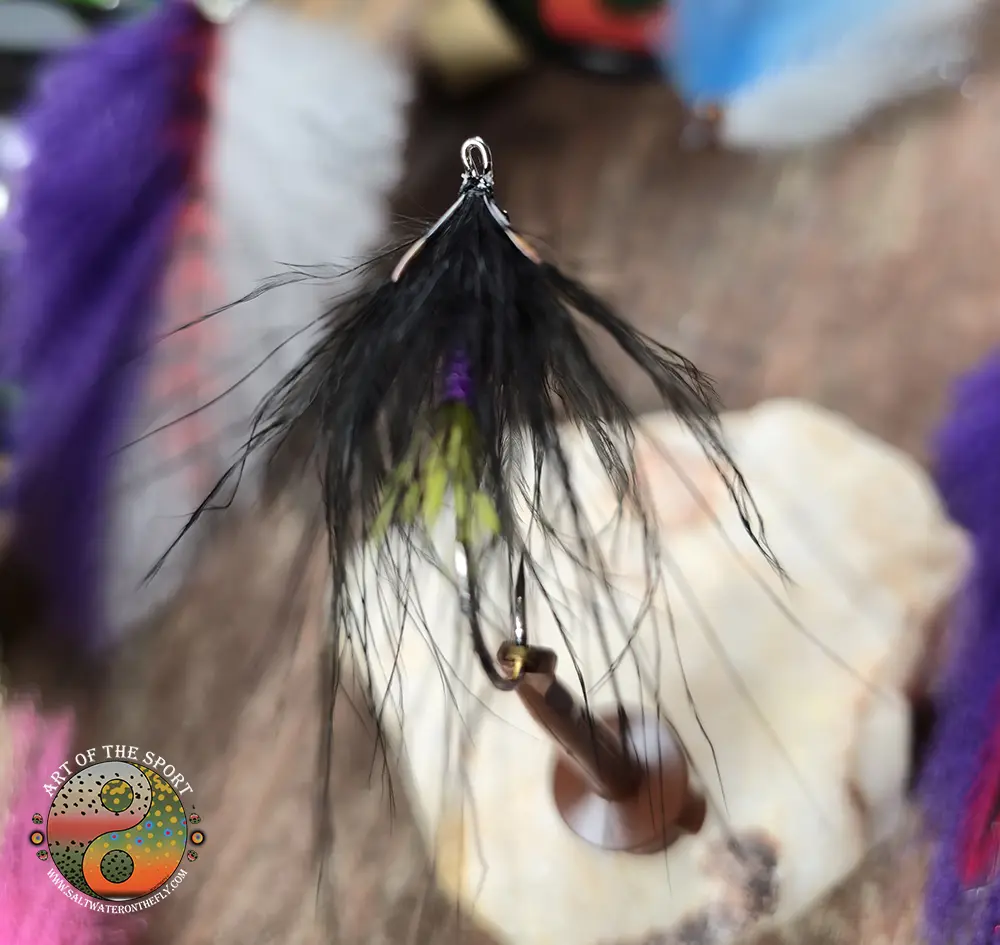
- Freight Train: Black and purple marabou with flash. Looks like a Vegas showgirl having a seizure. Fish love it.
- Silver Hilton: Because steelhead apparently summer at the same hotel as Paris Hilton.
Modern Era (2000–Today) – Intruders, Leeches, and Things That Look Like They Belong in an Aquarium
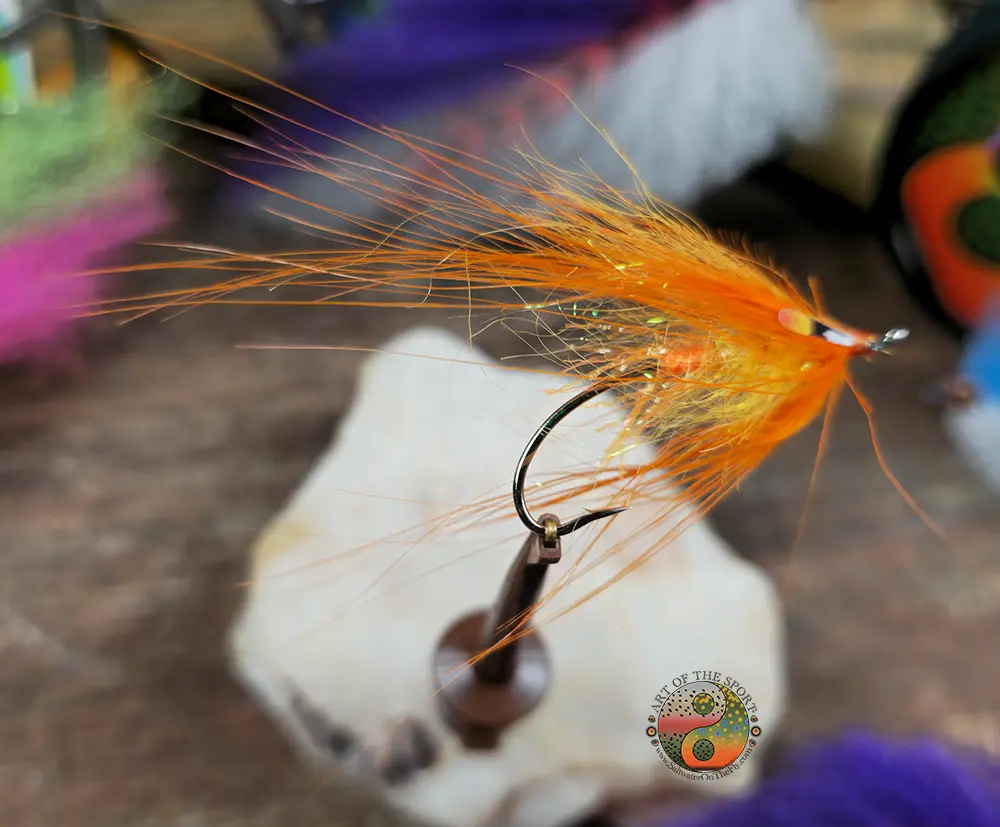
Welcome to the era of strung-out schlappen, Lady Amherst, ostrich herl, and enough flashabou to blind astronauts.
Top producers right now:
- Hartwick’s Marabou Tube (black/blue or purple/pink) – The North Umpqua crack cocaine.
- Moal Leech (any color, but black/olive and purple/blue are money)
- Pick-Yer-Pocket – A glorified string leech with a dumb name and dumber effectiveness.
- RIO’s Summer Squid – Looks like a jellyfish had a love child with a Muppet.
- Small traditional wets on 5–7 ip tips in low light: Signal Light, Fall Favorite, Purple Peril (yes, still).
Trend? Less is more in clear water. Big gaudy intruders when it’s tinted or high. Fish what you have confidence in, because steelhead can smell insecurity from three pools away.
Quick & Dirty Fly Tying Recipes (Because You’re Going to Lose 400 Flies Anyway)
- Classic Green Butt Skunk (size 2–6)
- Tail: White calf tail or Bucktail, squirrel tail
- Rib: Oval silver tinsel
- Body: Rear 1/3 fluorescent green floss, front 2/3 black seal or SLF
- Hackle: Black saddle
- Wing: Black bear or bucktail
- Simple String Leech (the “I’m too lazy for real tying” special)
- Hook: Alec Jackson or Partridge Bartleet size 3–7
- Thread: Black 6/0
- Tail/body: Black crosscut rabbit strip palmered forward
- Add: 10 turns lead-free wire underbody, hot orange or chartreuse estaz collar
- Done. Takes 3 minutes. Outfishes most of your ties.
Etiquette That Actually Matters Here
This river runs on rhythm and shared respect. If you treat it like a busy put in, people will let you know. The unwritten rules are simple to follow.
- One angler or party works a named run at a time.
- You start at the head, cast, swing, step down a few paces and repeat.
- You keep moving unless no one is around for miles.
- If someone is already working a pool, you wait at the tail until they finish.
If someone forgets that last part, a quiet word is usually enough. Everyone here cares about wild fish. Friction on the bank does not help them one bit.
Part 5: How to Actually Fly Fish Them (Without Crying… Much)
Step 1: Buy a Spey rod. 13–13’6” for a 7 or 8 weight is perfect. Scandi line early season, Skagit + tips late season or high water.
Step 2: Learn to cast without hooking yourself in the ear. Take a lesson. Seriously. Your ego will thank you.
Step 3: Fish the “Fly Water” etiquette:
- One angler per named pool at a time.
- Step down 3–5 steps between casts.
- If someone is in the head of the run, wait at the bottom like a civilized human.
- If they’re moving slower than a DMV line, politely remind them that steelhead are a finite resource and their grandma can rest later.
Step 4: Swing the fly perpendicular to current, mend once, let it hang for 5–10 seconds at the end (that’s where 60% of grabs happen), step, repeat. If you’re not occasionally hanging up on the bottom, you’re not fishing deep enough.
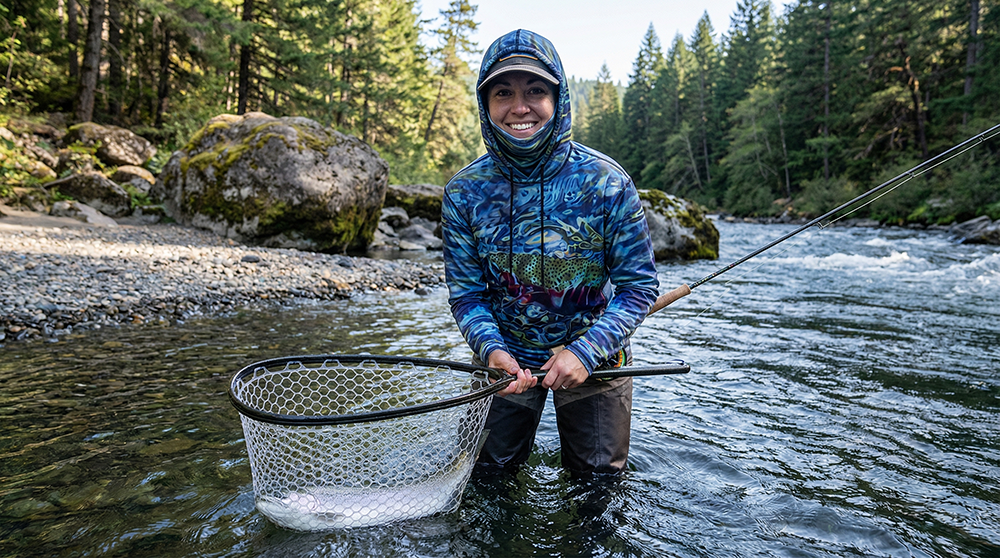
Step 5: When a fish hits—holy mother of chrome—don’t trout set. Point the rod at the fish, let the reel scream, and pray your knot holds. Side pressure, long fights, and wet hands for release photos only.
Part 6: The Beauty, Hiking, and Camping (Because You’ll Need Something to Do Between Fish)
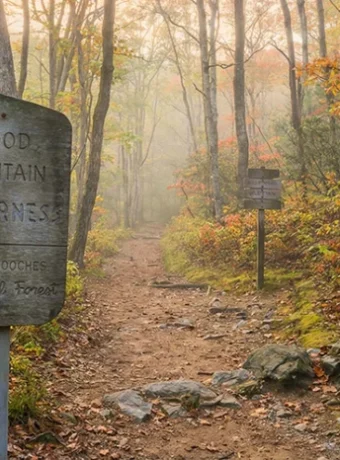
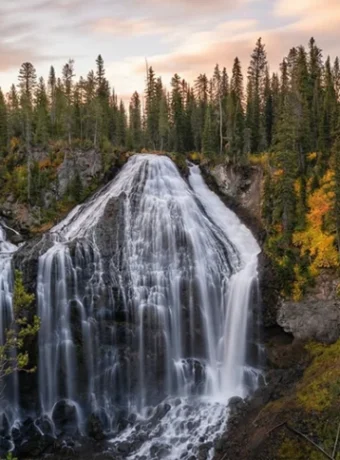
Look, if you’re not occasionally stopping just to stare slack-jawed at the river, you’re doing it wrong. The North Umpqua is stupid pretty. Emerald water, old-growth Douglas fir, waterfalls dropping straight out of the canyon walls, and air so clean it makes Portland feel like a gas station bathroom.
Hiking Highlights:
- North Umpqua Trail (NUT): 79 miles total, but the 31-mile section paralleling the Fly Water is world-class. Motoqua to Toketee segment? Chefs kiss.
- Fall Creek Falls: Easy 2-mile round trip. Looks like Avatar but with fewer blue people.
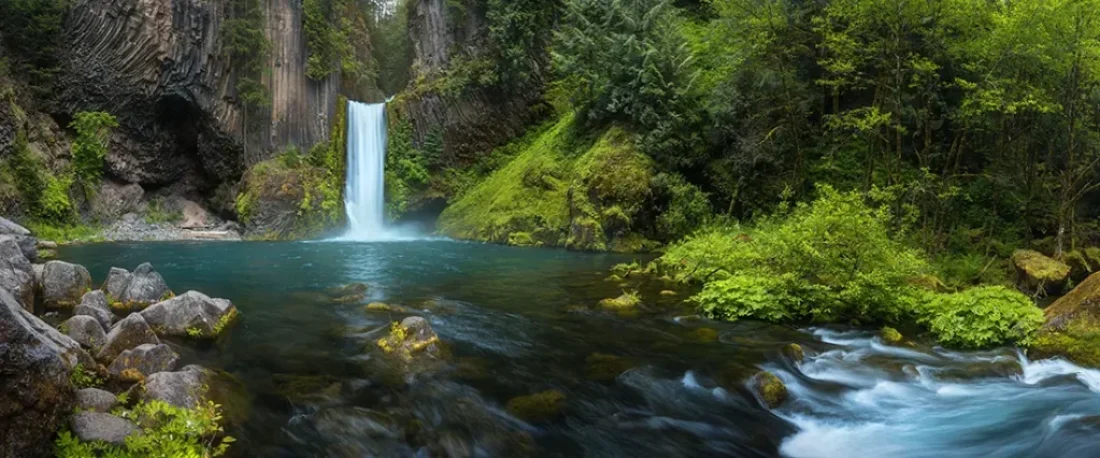
- Toketee Falls: That postcard two-tier waterfall you’ve seen on every Oregon calendar.
- Dread and Terror: Yeah, that’s a real trail section. Steep as hell, but the view from Panther Leap is worth selling your soul.
Camping:
- Susan Creek Campground: Close to the river, hot showers (fancy!).
- Boulder Flat: Right on the water, first-come-first-served. Get there Thursday if you want a spot in July.
- Steamboat Creek dispersed sites: Free, primitive, and you might wake up to elk bugling.
- Pro move: Stay at Steamboat Inn. Yes, it’s expensive. Yes, the wine-paired steelheader’s dinner is worth every penny when you’re 0/12 on the week.
Reading North Umpqua Water Like A Local
The biggest jump from trout or indicator steelhead to classic North Umpqua swinging is how you look at the river. Trout anglers hunt micro seams and pockets. Here, you think more about broad walking speed lanes.
You need to visualize how your fly will sweep through them from bank to hang down. Break each pool into zones to make it manageable.
- Head of the run where current first spreads and speeds up.
- Body where the depth is steady and speed smooth.
- Tailout where things flatten and shallows spread.
Summer steelhead water is often shallower than you think. They love holding along mid depth seams and soft inside edges during the day. At first light and last light, do not ignore skinny tailouts.
A lot of legendary North Umpqua grabs come from water you would swear is too thin to hold a ten pound steelhead. Trust the swing.
Basic Swing Step By Step
If you feel a little lost, keep this rhythm in mind. It works for both summer runs and winter fish.
- Stand where your fly can swing through that nice green lane just off mid river.
- Cast across or a bit down, then make one clean mend to set tension.
- Let the fly arc across on a steady swing, no rod tip dancing.
- At the hang down, wait a few seconds before stripping in.
- Take three or four steps down, then repeat.
That last little hang is where plenty of fish grab. It is boring right until it is not.
Quick North Umpqua Gear Checklist
| Category | Summer Setup | Winter Setup |
|---|---|---|
| Rod | 13 ft 7 wt Spey or 9 ft 7 wt single | 13 to 13.5 ft 8 wt Spey |
| Line | Scandi head and floating running line | Skagit head and heavy sink tips |
| Leader | 9 to 12 ft, 10 to 12 lb | 3 to 6 ft, 12 to 15 lb |
| Wading | Studded boots and wading staff | Same, plus heavy Rain Gear |
You also want real traction and a solid wading staff here. This river does not reward lazy footwork. The bottom is slicker than almost any other river in the state.
Final Thoughts (From a Guy Who’s Been Skunked More Than You)
The North Umpqua will break your heart, empty your wallet, and occasionally—when the stars align and the fish gods aren’t hungover—hand you a moment you’ll replay on your deathbed. One perfect grab in the evening light at the Sawtooth, a 12-lb wild hen cartwheeling across the surface while ospreys scream overhead… yeah, that’s the drug.
Come for the steelhead. Stay for the canyon, the hikes, the campfire whiskey, and the stories you’ll tell about the one that got away (because 97% of them will).
And if anyone tells you it’s “not as good as it used to be,” punch them in the soul. It’s still magic. You just have to earn it now.
Tight lines, ya filthy animals. See you on the water… or more likely, see you at the takeout lying about how many you hooked
Three Best Wadeable Runs for Fly Fishing Steelhead on the North Umpqua
Look, the North Umpqua’s 31-mile Fly-Only Water is a treacherous, slippery, soul-sucking beast of a river where “wadeable” is relative—think polished lava rock that laughs at your felt soles and current that wants to introduce you to the next county downstream. But if you’re stubborn enough to swing a fly while standing in it (no boats allowed, ya cheater), these are the three consensus classics for summer steelhead that won’t require a helicopter rescue most days. They’re iconic, productive, and accessible without a full-day death march.
1. The Camp Water (aka The Station or Mott Bridge area – the undisputed king)
This is the stretch right around Steamboat Inn and upstream a bit—the “Camp Water” that old ghosts like Zane Grey and Clarence Gordon turned into legend. Jack Hemingway flat-out called the water just upstream from the Inn “the greatest stretch of summer steelhead water in the United States.” Deep, long pools broken by ledge rock, perfect swing speed, and fish that stack up here before pushing into Steamboat Creek.
- Why it’s the best for wading: Easy access from the Inn or pullouts along Hwy 138, boulder-strewn but with plenty of spots to step in carefully and cover water without swimming. The classic runs here (like the Station) let you work a greased-line Skunk or Muddler from waist-deep positions.
- Pro sarcastic tip: If you’re staying at the Inn, you can literally roll out of bed, chug their coffee, and be first in line at dawn. Everyone else is driving from Roseburg pretending they’re hardcore.
- When to fish it: July–October prime; low light for skaters, midday for tips if it’s tinted.
2. The Boat Pool (Lower and Upper – the beginner-friendly money spot)
Yeah, the name’s ironic because you can’t fish from a boat here, but this one’s a rite of passage. It’s downstream from Steamboat, often the first big named run guides hit with clients.
- Why it’s wadeable gold: Relatively forgiving entry points, classic bucket structure with a nice head, belly, and tailout. You can wade out thigh-deep, make those textbook Snap-T or Double Spey casts, and cover holding lies without committing suicide on the rocks.
- Why it’s productive: Steelhead love the oxygen and structure; it’s where a lot of first-timers (and legends) hook their North Umpqua unicorn.
- Sarcastic reality check: The “Upper Boat Pool” is trickier and faster—save it for when you’re feeling invincible or have a guide to blame if you face-plant.
3. Susan Creek (the hike-in gem with easier wading)
About 10 miles downstream from Steamboat, this one’s got a trail from the campground/rest area that drops you into a coved, protected section.
- Why it’s top-tier wadeable: Less brutal bottom than the upper river, smaller coves and riffles where you can actually stand and fish without a wading staff welded to your hand. Great for practicing casts off both shoulders without the full canyon intimidation factor.
- Productivity: Solid holding water, especially in lower flows; fish slide in here and rest before pushing upstream.
- Bonus sarcasm: It’s got a bit of a hike through brush (and occasional poison oak ambush), so you’ll earn your swings—and probably have it to yourself after the parking-lot warriors bail.
Honorable mentions if these are occupied (because etiquette says one angler per named run): The Sawtooth (gorgeous but sketchy wading), Mott (classic but crowded), or anything in the Swiftwater area lower down for easier access.
General North Umpqua wading wisdom: Studded boots or aluminum bars are non-negotiable unless you enjoy unplanned swims. Wading staff = your new best friend. Fish early/late in summer, step down slowly, and respect the rotation—if someone’s in the head, sip coffee at the tailout like a gentleman. The river’s slippery as a politician’s promise, but when a chrome bright hen slams your fly in one of these runs… yeah, you’ll forget the bruises.
Tight lines, don’t die out there, and if you blank, blame the cormorants. They deserve it.