Chasing Chrome on the Smith: Angler’s Guide to Steelhead Runs, Flies, and Not Freezing Your Ass Off
Oh, the Smith River. You probably typed “Steelhead Fly Fishing on the Smith River California” into Google expecting a simple answer. You were looking for a magical spot on a map. Instead, you found a rabbit hole of obsession, rainfall charts, and dudes in waders who look way too serious.
Welcome to the club. California’s last major wild river doesn’t give up its secrets easily. This isn’t a gentle float trip for catching stocked trout; this is serious river fishing for powerful, wild fish.
It’s a gorgeous, brutal, emerald-green beast that will test your patience and your layering system. But if you’re serious about a true wild steelhead experience, you’re in the right place. Consider this your no-nonsense guide to successful Steelhead Fly Fishing on the Smith River California, written by someone who has spent enough time shivering on its banks to question their life choices
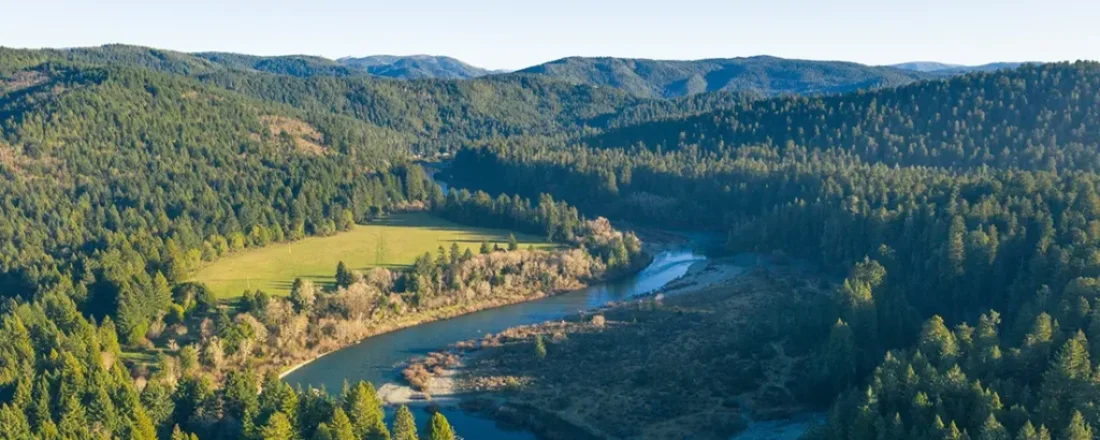
California’s last wild river, they say—like, the only major waterway in the state that hasn’t been neutered by a dam yet. It’s this emerald-green serpent slithering through redwood cathedrals and boulder-strewn gorges, mocking every other North Coast stream that’s been turned into a concrete bathtub. If you’re googling “Smith River steelhead fishing” because you’re tired of catching dinky trout in some stocked puddle back home, buckle up. We’re diving into the history of those legendary runs, how to actually hook one with a fly rod without looking like a total rookie, the best times to show up (spoiler: when it’s raining sideways), and a fly-tying crash course from the bush-league basics to the modern monstrosities that make fish leaders snap like twigs. All in a tone that’s equal parts helpful and “why are you even here?” Because let’s face it, steelhead fishing is 90% suffering in hip waders and 10% bragging about that one 12-pounder that got away. But damn, when it works, it’s poetry. Or at least haiku with hooks.
Table of Contents

The Epic (and Slightly Doomed) History of Steelhead Runs on the Smith River
Picture this: It’s the late 1800s, and the Smith River is basically the Wild West of anadromous fish porn. No dams, no strip malls, just pure, unregulated fury as half-pounders and full-grown chromers rocket up from the Pacific like caffeinated missiles, dodging grizzlies and whatever passed for logjams back then. Native tribes like the Tolowa Dee-ni’ had been living off these runs for millennia, netting steelhead that averaged 10-15 pounds and made Thanksgiving look like a snack bar. Fast-forward to the Gold Rush era, and white settlers show up, axes swinging, thinking redwoods make great toothpicks. But hey, the fish kept coming—impressive runs of steelhead, Chinook salmon pushing 50 pounds, and coho that were the endangered poster children before “endangered” was a buzzword.
By the early 1900s, the Smith’s steelhead were the stuff of legends. We’re talking runs numbering in the tens of thousands, fish so bright and acrobatic they’d leap like they were auditioning for a Cirque du Soleil underwater edition. Historical accounts from old-timers on the Eel and Russian Rivers (which got dammed to hell) paint the Smith as the last holdout—a free-flowing beast where steelhead could spawn without playing hopscotch over hydroelectric hurdles. No kidding, the river’s “flashy hydrograph” (fancy talk for “it floods like a drunk uncle at a wedding”) keeps it dynamic: 2,000 cfs one day, 50,000 the next, then back to gin-clear glory in 48 hours because bedrock doesn’t hold grudges. That’s why it’s the quickest-clearing river on the coast—while the Klamath’s still coughing up mud, the Smith’s inviting you back for round two
Enter the mid-20th century, and things get… complicated. Logging ramps up, roads bulldoze spawning tributaries, and suddenly those epic runs start looking a little ragged. By the 1950s, the Eel River—birthplace of California steelhead fly fishing—was a ghost town of runs, thanks to Coyote Dam blocking 50,000 winter steelies. The Smith? Still kicking, but not without help. In 1968, a plucky Kiwanis Club in Smith River (population: probably 15 guys and a dog) built the Rowdy Creek Hatchery to boost native Chinook and steelhead stocks. Noble, right? They pump out 100,000 smolts a year, partnering with the Tolowa Dee-ni’ Nation because, turns out, indigenous stewardship beats corporate timber any day. Hatchery fish now make up 17-34% of the runs, depending on the sub-basin—wild ones still dominate above the Forks, where the Middle and South Forks merge into that turquoise paradise.
The glory peaked in the ’70s. On December 22, 1976, Robert Halley hooked the California state record: a 27-pound, 4-ounce behemoth just above the Highway 101 bridge, a fish so chunky it probably had its own zip code. Kings hit 82 pounds at Rowdy Creek’s mouth in ’48—talk about a “feisty” catch for a 98-pound angler. But here’s the sarcastic kicker: Even as we romanticize the past, runs are declining. Coho are endangered, steelhead numbers dipped due to habitat loss and climate weirdness, and the Nature Conservancy’s wringing its hands over “concerns.” Restoration’s underway—1,600 acres of woody debris for coho and steelhead, beaver studies because apparently rodents are the new ecologists. The Smith’s still a stronghold, the only CA river where you can keep wild steelhead (adipose fin intact? Release it, genius). But history whispers: Cherish it, or it’ll join the ghosts.
Timing Your Trip: When to Chase Steelhead on the Smith
Let’s be brutally honest: showing up at the wrong time guarantees you will catch nothing but a cold. Timing is everything, and it’s all dictated by rain. Big storms in the Pacific push fresh waves of chrome-bright steelhead from the ocean to enter the river system.
You need to be there shortly after the water level, or flow, drops and starts to clear. The primary steelhead season for winter steelhead starts in December and runs through March. The peak is generally January and February, when the largest numbers of steelhead fish are moving through the system.
Forget about sunny, comfortable days; you want the miserable, cold, wet weather that gets these fish moving. Summer-run steelhead exist, but they are rare and elusive, so most anglers focus on the winter run. The fall months bring massive Chinook salmon, also called king salmon, which are an amazing quarry in their own right, but by Christmas, the river belongs to the steelhead.
Below is a simple breakdown of what to expect during the winter season.
| Month | Typical Conditions | What to Expect |
|---|---|---|
| December | Early rains, cooling water. | The first fresh fish arrive. This is the beginning of steelhead time, and the crowds are not here yet. |
| January | Cold, often wet, with peak flows. | The heart of the season. More fish are in the river than any other time, making for excellent steelhead fishing. |
| February | Still cold, with consistent storms. | Another peak month. Big numbers of fish are spread throughout the system, from the lower river to the South Fork. |
| March | Warming slightly, less rain. | The run starts to wind down. Water gets lower and clearer, demanding stealthy presentations and lighter tippets. |
Remember to check the USGS river gauge at Jedediah Smith Redwoods State Park before you even think about putting on your waders. Ideal flows are generally between 1,500 and 4,000 cubic feet per second (cfs) and, most importantly, dropping. Fishing a rising river is usually a waste of time as the fish are focused on moving, not eating.
Navigating the Smith River System
The Smith is not just one single channel but a network of tributaries that offer different experiences. Understanding the layout helps you decide where to focus your efforts based on current water levels. The river system’s major arms are the South Fork, the Middle Fork, and the North Fork.
The South Fork Smith River is a significant tributary and a popular fishery in its own right. It offers miles of classic steelhead water and can sometimes be fishable when the main stem is still a bit high. Access to the South Fork Smith can be found along South Fork Road.
The main stem, below the confluence of the Middle and South Forks, is the largest section of the river and where most drift boat trips focus. From the confluence down past the town of Crescent City, the river has broad, sweeping runs perfect for swinging flies. Access points like the Mary Adams Peacock Bar and the Jedediah Smith Campground are well-known starting points.
When planning your fly fishing Smith River trip, consider hiring a local guide service, especially for your first time. A good guide not only puts you on fish but also teaches you about the river’s moods, access points, and safe wading practices. They handle the rowing, allowing you to focus completely on fishing the Smith.
Gearing Up for Your Steelhead Fly Fishing on the Smith River California
Bringing the right gear isn’t just about success; it’s about survival. The Smith is a big, powerful river, and being unprepared is a terrible idea. This isn’t the place for your lightweight trout fishing rod; you need gear that can handle heavy flies, strong fish, and tough conditions.
Rods and Reels for the Smith
The two-handed Spey rod is king on the Smith. Its size and power make casting long distances with heavy sink tips almost effortless. This lets you cover the broad runs where river steelhead often hold.
A 12.5 to 13.5-foot Spey rod rated for an 8-weight line is the perfect all-around tool. It has the backbone to fight a big fish but isn’t so heavy that you’ll be exhausted after a day of casting. This setup is ideal for the classic swinging techniques used for smith river steelhead fishing.
For single-hand anglers, a fast-action 9.5 or 10-foot 8-weight rod can work. It is excellent for nymphing from a drift boat. However, it will feel very outgunned when you are trying to swing flies on foot across large runs.
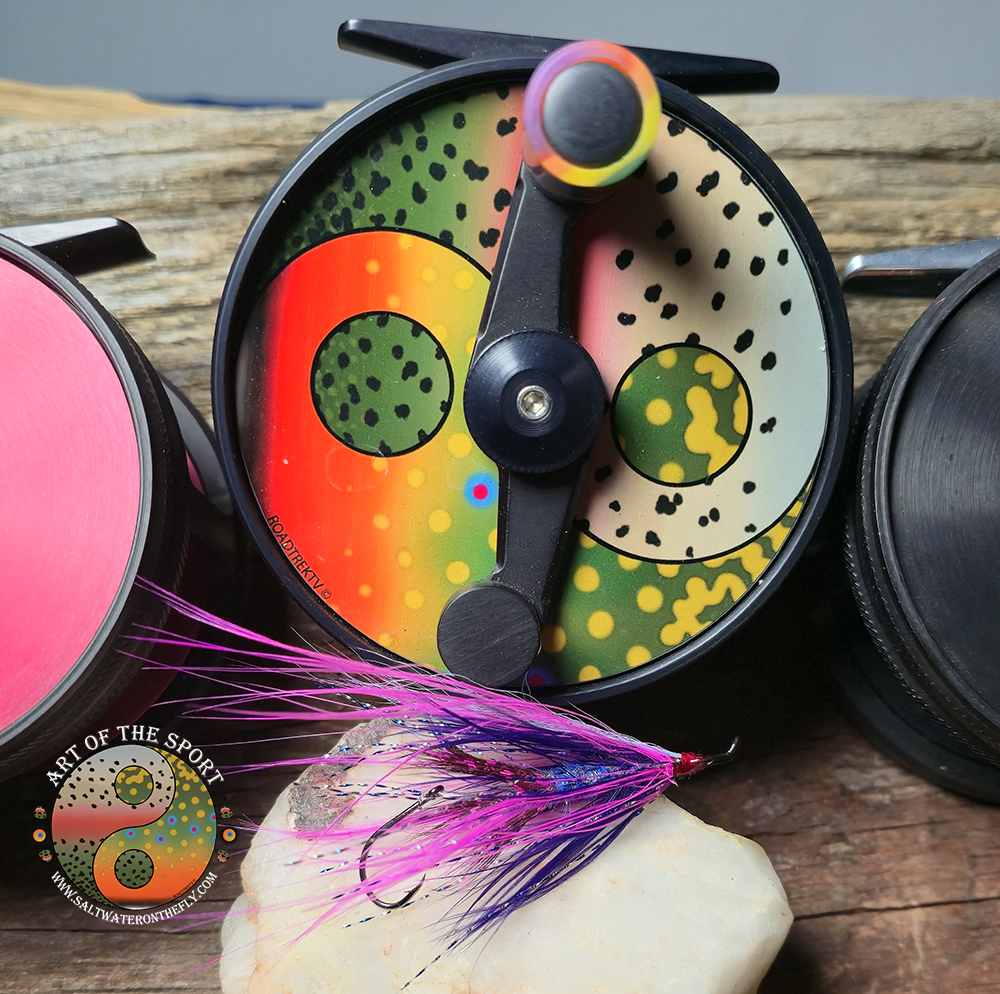
Your reel is just as important. It needs a smooth, strong drag system capable of stopping a powerful wild steelhead. A big fish will rip a hundred yards of backing off your reel in seconds, and a cheap reel with a jerky drag will lead to a broken tippet and a sad story.
Make sure your reel can hold your fly line plus at least 150 yards of 30-pound test backing. Many anglers even prefer 200 yards for extra security. This is not bass fishing; these fish will test your equipment to its absolute limit.
Lines, Leaders, and Tippet
Your line setup is what delivers the fly to the fish. For Spey casting on the Smith, a Skagit-style line is the standard. These are short, powerful shooting heads designed to cast heavy sink tips and big, weighted flies with ease.
You’ll pair your Skagit head with a selection of sink tips. Tips come in various densities, labeled from T-8 to T-14, which indicates how fast they sink in inches per second. Having a range of tips, from intermediate to heavy T-14, allows you to adapt to varying water depth and current speed.
A simple leader is all you need for swinging flies. A 3 to 6-foot section of 12 to 15-pound test fluorocarbon tippet is perfect. Fluorocarbon is nearly invisible underwater and is more abrasion-resistant than monofilament, which is a big advantage on a rocky river.
Don’t go too light with your tippet. These steelhead fish are not leader-shy, and breaking off a fish of a lifetime because you used 10-pound test is a terrible feeling. Stick to 12-pound test as a minimum, and don’t hesitate to go up to 15 if the water is a little off-color.
What to Wear: Staying Dry and Not Freezing
You will get wet, and you will get cold; it’s just part of the experience. But being dangerously cold is preventable with the right clothing. This is about staying safe so you can fish effectively.
- Waders: Breathable stockingfoot chest waders are essential. Don’t even think about hip boots. You need the full protection for deep wading and for staying dry in the boat. Neoprene can be good on the absolute coldest days, but breathable waders are much more comfortable for hiking to and from spots.
- Wading Boots: Get a pair of sturdy wading boots with good ankle support. The rocks on the Smith are large and slick. Sticky rubber soles with metal studs are an excellent choice for superior traction.
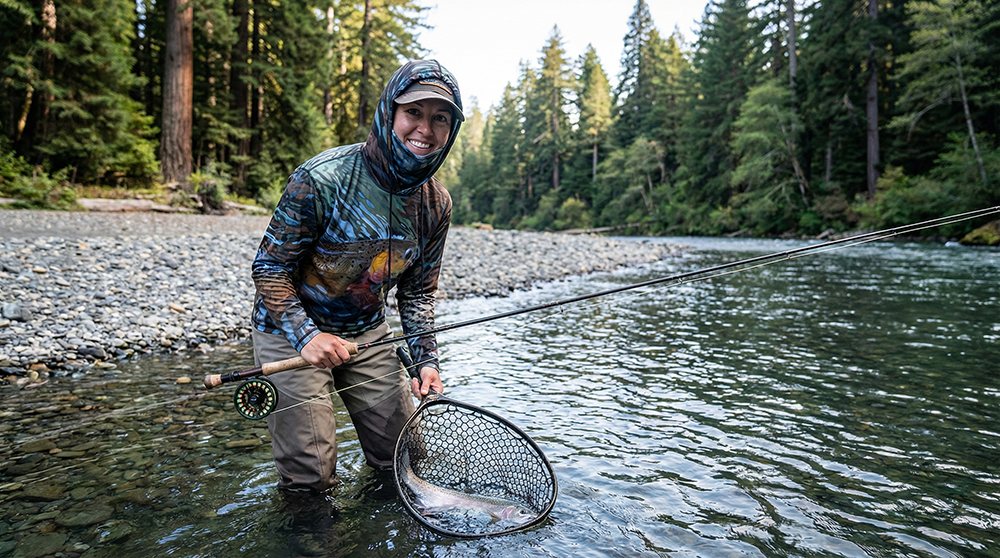
- Layering: Your comfort depends on a smart layering system. Start with a moisture-wicking base layer of merino wool or synthetic material. Avoid cotton at all costs, as it holds moisture and makes you cold. Add a mid-layer of fleece for insulation, and finally, high-quality rain gear, including a waterproof and windproof wading jacket, is your shield against the elements. A warm hat and gloves are non-negotiable.
Proven Techniques for Hooking Smith River Steelhead
There are two main ways to fly fish for steelhead on the Smith River. You can swing flies across the current, or you can drift nymphs under an indicator. Both methods are very effective, and often, the best approach depends on the specific run you’re fishing and the water conditions.
The Art of the Swing
Swinging flies is the classic, romantic way to catch steelhead. There’s nothing quite like the feeling of a sudden, violent grab from a steelhead as your fly swings through the current. It is an active, engaging way to fish where you are constantly casting and moving.
Here’s how it works: you cast your line across and slightly downstream, usually at about a 45-degree angle. After the cast, you make an upstream mend in your line. This allows the fly to sink and positions the line so the current can grab it and swing the fly in a slow, controlled arc across the river.
Your job is to manage the line and keep the fly moving at the right speed and depth. As the fly finishes its swing and starts to straighten out below you, be ready. This is when many strikes happen, often called the “dangle-down” strike, and it can be ferocious.
Nymphing Strategies for Cold Water
Nymphing, or dead-drifting flies under strike indicators, can be incredibly productive. This is especially true in colder water when fish are less likely to chase a swung fly. This technique presents the fly at the fish’s level, making for an easy meal.
This method is most commonly done from a drift boat. The guide will row to keep the boat at the same speed as the current. The angler casts a nymph rig with an indicator and a small amount of weight a short distance upstream of the boat.
The goal is to get a perfect dead drift; you want your flies to move naturally with the current, with no drag from the line. Watch your indicator like a hawk. Any pause, dip, or unusual movement could be a fish, so set the hook. It could just be a rock, but you will never know unless you set.
While fly anglers focus on these methods, it is worth noting that conventional gear anglers also have great success. The sight of boats with anglers where a guide has roe back-bounced through a deep slot is common. Understanding all techniques helps you understand the fishery better.
The Smith River Fly Box: Flies That Actually Work
Fly selection doesn’t have to be complicated. Smith River steelhead are not particularly picky eaters. They strike flies more out of aggression or reaction than hunger, as they do not actively feed once they enter fresh water.
Your focus should be on presenting a fly with the right size, color, and profile at the right depth. A small, well-curated fly box is much better than a huge one full of patterns you don’t have confidence in. Your fly selections should be based on water clarity and light conditions.
Classic Patterns That Never Fail
Some fly patterns have been catching steelhead for decades. They work because they have the essential triggers that provoke a strike. These flies belong in every Smith River steelheader’s box.
- The Green Butt Skunk: This is a simple, classic hairwing pattern with a black body, a tuft of bright green chenille at the back, and a white calf tail wing. It offers a great silhouette and works in almost any water condition, from clear to slightly stained.
- The Skykomish Sunrise: Another timeless pattern with a bright orange or red body and a fluffy wing. It’s a fantastic choice for slightly colored water after a rain. Its bright profile helps it stand out when visibility is low.
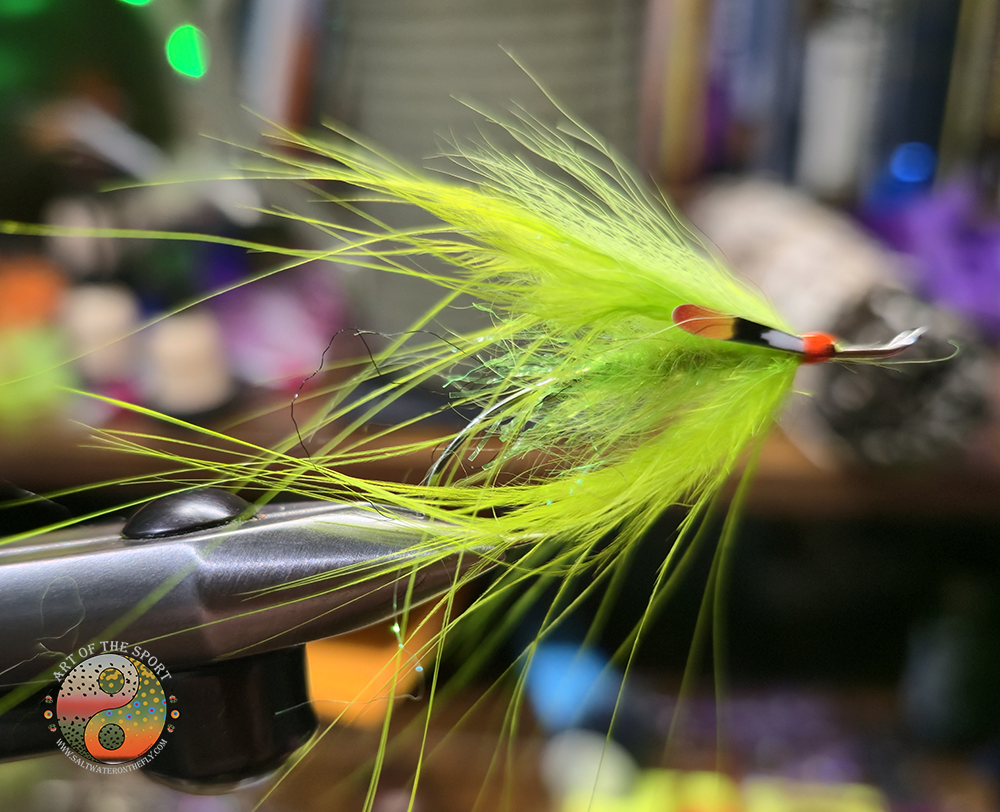
- Hobo Spey: These are modern Spey flies with long, flowing hackles that come alive in the water. They are available in various color combinations. Black and blue or orange and purple are great choices for the Smith, mimicking the profiles of squid or small baitfish.
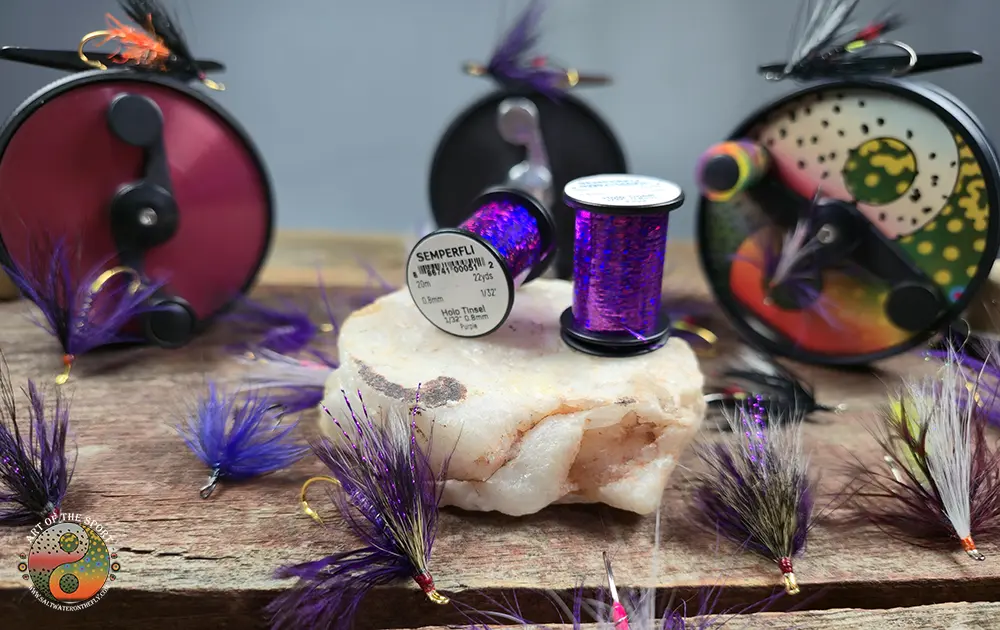
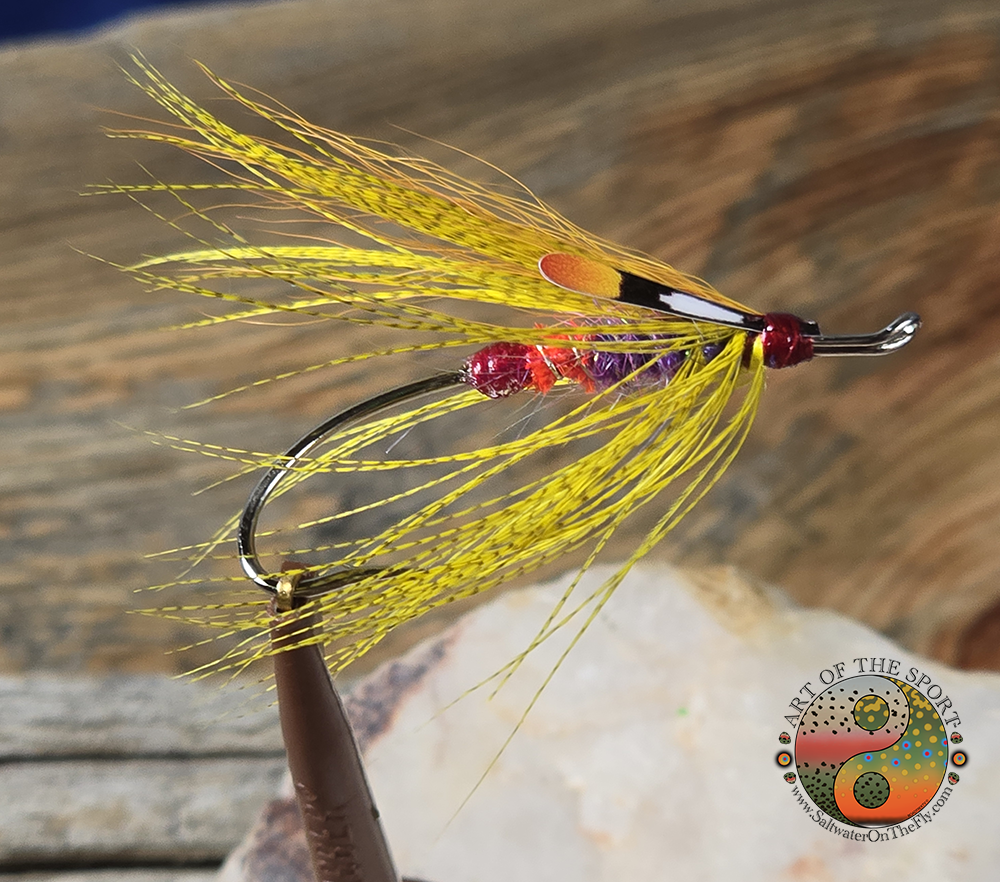
Flies Through the Ages: From Bushy Victorian Relics to Today’s Sculpin Wannabes
Steelhead flies? Born from Atlantic salmon snobbery, evolved into Pacific Northwest punk rock. Early days (1890s-1920s): Zane Grey’s crew on the Rogue adapted Spey and Dee flies—low-slung, heron-hackled beauties like the Lady Caroline, slim wool bodies ribbed in tinsel, no tails because who needs ’em? These crossed to NorCal via the Eel and Russian, where pioneers like Clark Van Fleet swung sparse hairwings in the ’50s—think Steelhead Coachman, bushy squirrel tails over chenille, tied on down-eye wets for winter chunkers. Syd Glasso in the ’30s-40s added flair: Polar Shrimp, orange and grizzly hackles evoking shrimp molts, simple enough for rookies but deadly. Washington boys chimed in with Skykomish Sunrise—chenille bodies, thick wings—while Ralph Wahl nymph-ed the Skagit in the ’40s.
Post-WWII boom: Hairwings dominate, like the Undertaker (black squirrel over purple chenille) for low-light gloom. But the ’80s-90s? Enter the Intruder revolution—Ed Ward’s Skagit legacy birthed bulbous, marabou monsters on tubes or up-eye hooks, profiles screaming “sculpin!” not “mayfly.” Modern era? Hybrids rule: Steelhead GP (Art Lingren’s black with hot orange flash), loop leeches for profile, and articulated beasts like the Basho that undulate like drunk eels. For the Smith, classics like Hobo Spey (yellow hackle, gold body) swing deep; modern Squidros (black rabbit strips) provoke grabs in pools. Evolution? From art to aggression—fish don’t care about aesthetics, just irritation.
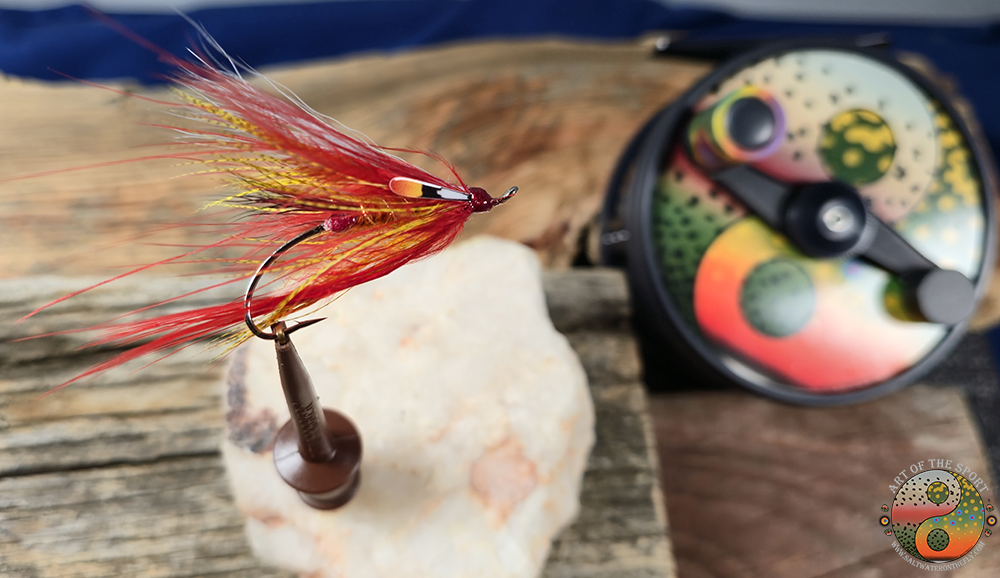
Tying and Fishing the Damn Things: Step-by-Step, Because You Asked
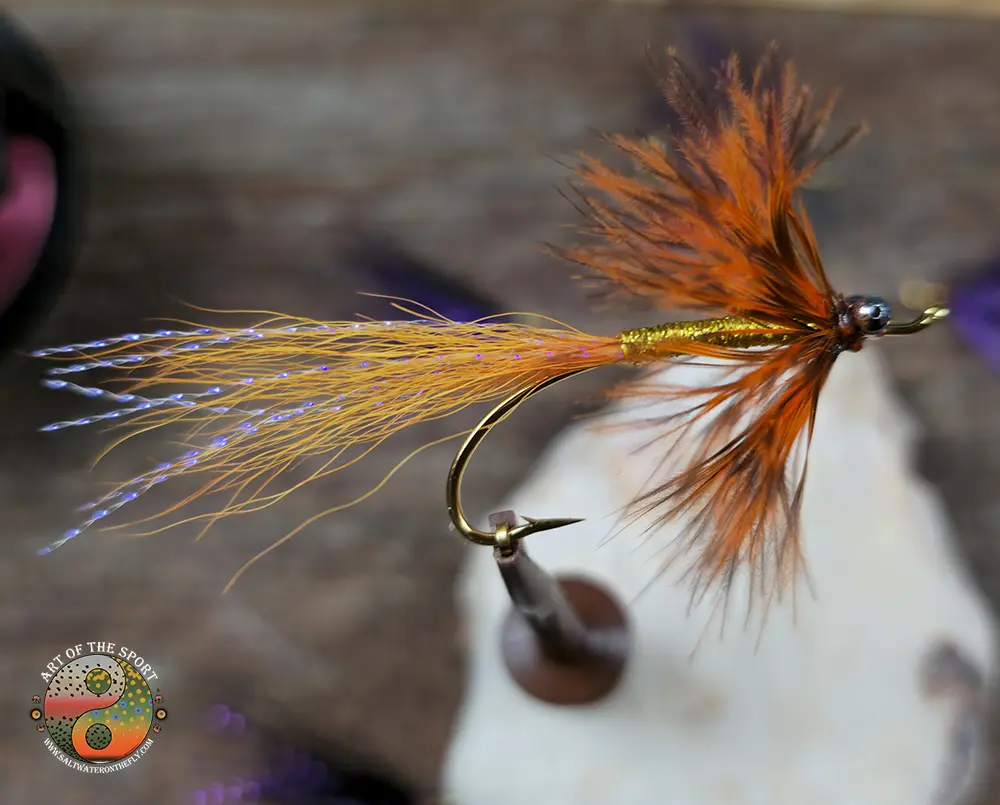
Grab your vise, or this’ll end in tears. Start simple: The Polar Shrimp, Glasso’s gift to lazy tiers.
Tying the Polar Shrimp (Size 4-8 hook):
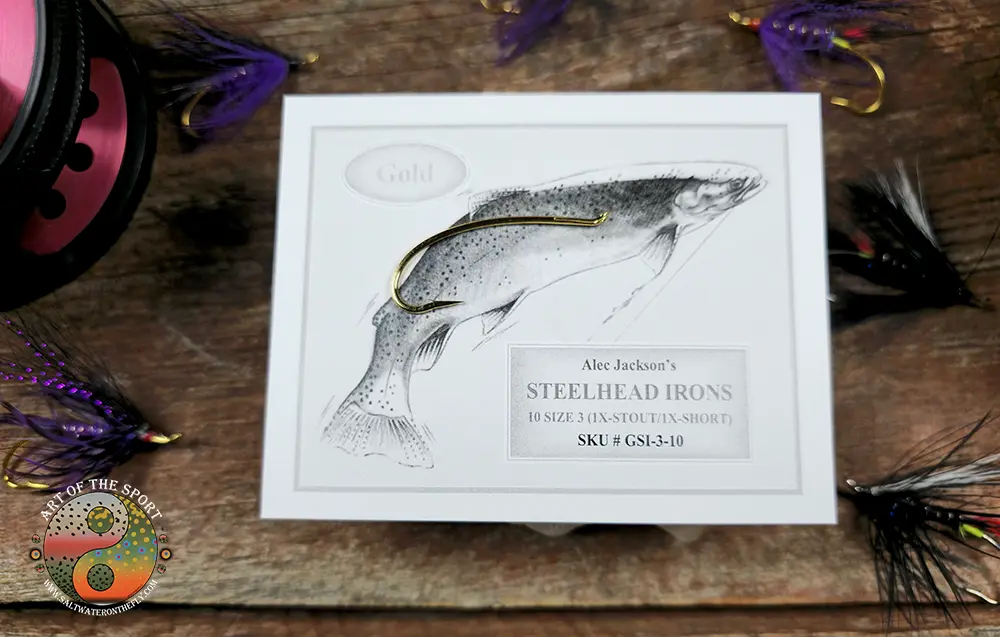
- Hook and Thread: Secure a Partridge-Alec Jackson or similar up-eye hook. Start rusty-brown 6/0 thread at the eye, wrap to bend. If your thread’s not taut, your fly’ll look like a drunk’s haircut.
- Tail: Tie in a pinch of orange squirrel tail hair (or SLF dubbing fibers) splayed like a bad attitude, 2-3 inches long. Why? Mimics eggs or shrimp—steelhead’s kryptonite.
- Body: Dub rusty chenille or floss forward to 2/3 shank. Counterwrap flat gold tinsel for flash—because fish are magpies in waders.
- Hackle: Palmer a ginger saddle hackle (webby side back) over the body—4-5 turns. Tie off. Pro tip: Wet it first; dry hackle = wind tunnel.
- Wing: Top with grizzly hackle tips or cal bird saddle, swept back low. Pinch and wrap—low wings swing sexier.
- Head: Whip finish, head cement. Total time: 5 minutes. Boom, rookie slayer.
Fish it: Swing on a 10-12 lb tippet, Type III sink-tip. Mend, step down, let it arc—grab at the hang-down, when steelies pounce like cats on lasers.
Now, modern: The Steelhead Intruder (Tube fly, 1/4-inch tube).
- Tube Setup: Slide a tube onto your tying thread (chartreuse 140-denier). Tie in black marabou plume at rear—plenty, for action.
- Butt: Purple dubbing ball at tail, then hot pink chenille for the “intruder” bulge—think cartoon bomb.
- Body: Slim black dubbing forward, rib with silver tinsel. Add a rabbit strip overhand loop for the trailing leach—undulates like it’s got ADHD.
- Collar: Front hackle—grizzly or purple, palmered. Optional: Jungle cock nail for that ’20s vibe.
- Finish: Conehead or dumbbell eyes for weight. UV resin the tube junction. 15 minutes, but it’ll snag more snouts.
Fish: Skagit line, T-11 tip, swing big water. High-stick in seams; these provoke strikes from 20 feet. For nymphs: Steelhead Nymph—Czech hook, chartreuse pheasant tail over SLF thorax, UV resin wingcase. Dead-drift under indicator, 1.5x depth.
Tie a dozen, fish ’em wrong, learn. Or hire a guide—Mario Gomez at Ironhead knows the Smith like your mom knows your excuses. Patterns evolve, but basics bag fish. You’re welcome.
Modern Intruders and Leeches
Modern steelhead flies are often large and designed to move a lot of water. These “intruder” style flies are meant to trigger the aggressive, territorial nature of steelhead. They are tied on shanks or tubes, with a short-shanked hook that trails behind, which improves hooking and landing percentages.
- The Intruder: The original pattern that started a revolution in steelhead flies. Typically tied with ostrich herl, marabou, and schlappen feathers, these flies have an undeniable presence. They push a lot of water and demand a fish’s attention, making them great for finding aggressive fish.
- Leech Patterns: Simple, buggy flies that imitate leeches are deadly for Smith River steelhead. Often just a rabbit strip or a wad of marabou tied to a hook, they pulse and swim in the current. You can swing them or dead-drift them with great success, and they work year after year. Black, olive, and purple are staple colors.
It’s also worth carrying a few egg patterns or beads when nymphing. After the fall salmon run, millions of eggs are in the river system. A well-presented egg imitation can be irresistible to a steelhead looking for an easy, high-protein snack.
Reading the Water: Where to Find Steelhead
Knowing where to cast is just as important as how you cast. Steelhead don’t just hang out anywhere in the river. They hold in very specific types of water where they can rest from the strong current while still watching for food or danger.
Learning to identify these spots will drastically increase your success. Steelhead need a place to rest and breathe. Look for water that moves at about walking speed; if the water is moving too fast, they will burn too much energy.
They will almost always be near some type of structure that breaks the current. This could be a big boulder, a ledge, a submerged log, or a drop-off. A perfect steelhead run will have a combination of depth, moderate current speed, and cover.
Look for a “seam,” which is the line where fast current meets slower current. Fish will often hold in the slower water just on the edge of the seam, darting out into the faster water to grab something before returning to their resting spot. Tailouts, the slower, deeper water at the end of a fast riffle or run, are classic holding spots and should never be overlooked.
A good pair of polarized sunglasses is your most important tool for reading water. They cut the glare off the surface, letting you see the riverbed’s contours, boulders, and depth changes. This helps you identify potential holding water before you even make a cast.
River Etiquette and Conservation
The Smith River is a treasure, a resource for all to enjoy. We all have a responsibility to take care of it and its precious fish. Practicing good river etiquette and proper fish handling ensures that this amazing fishery will be here for future generations.
Respect other anglers by giving everyone plenty of space. If someone is fishing a run, walk well behind them and start fishing a good distance downstream. Never cast into the water right above where someone is fishing, a practice known as “low-holing.”
If you’re floating in a drift boat, be quiet and respectful as you pass anglers on the bank. A friendly wave and keeping your distance goes a long way. The river is for everyone, and a little courtesy makes the experience better for all.
Handle the fish with care. The California Department of Fish and Wildlife regulations for the Smith require the release of all wild steelhead, which are identified by an intact adipose fin. You can learn more about these rules and acquire your mandatory fishing license on the CDFW website.
Keep the fish in the water as much as possible. Use a rubber mesh net to avoid harming their protective slime coat. Always wet your hands before touching the fish, and use barbless hooks for a quick and easy release that minimizes stress on these wild creatures.
Conclusion of Steelhead Fly Fishing on the Smith River California
So there you have it: the hard truth about chasing chrome on California’s last wild river. It’s a challenge that will push you, requiring planning, patience, and a healthy dose of insanity to stand in a cold river all day. But the reward, the electric pull of a wild Smith River steelhead, is something you will never forget.
Success at Steelhead Fly Fishing on the Smith River California is about embracing the whole difficult, beautiful process. It’s about watching the weather near the Oregon border, studying water levels, and making the perfect cast into a promising green run. It’s about respecting the wildness of the river and the power of the steelhead fish that call it home.
Wading Spots on the Smith River for Steelhead Fly Fishing: Because Who Needs a Boat When You Can Freeze Your Toes Off?
Ah, the Smith River—California’s sassy, undammed diva that laughs at drift boats while daring you to wade its boulder-strewn, emerald runs. If you’re a fly angler too stubborn (or too broke) for a guide’s pram, wading is your jam. But let’s be real: the Smith’s no gentle trout stream. It’s flashy, boulder-choked, and clears faster than your ex’s conscience after a rainstorm. Prime steelhead season (December-April, peaking Jan-Feb) means cold water, slippery rocks, and fish that treat your fly like an insult until they don’t. Wading works best when flows are dropping into the 1,500-4,000 cfs sweet spot—check the USGS gauge at Jedediah Smith Redwoods State Park, or you’ll be swimming instead of swinging.
The river splits into sections: lower (tidal-ish, wider, boat-heavy), middle (Forks down to Hiouchi, classic redwood pools), and upper forks (wilder, less pressured). Drift boats rule the deep gorges, but savvy wade anglers score big in gravel bars, tailouts, and seams. Here’s the sarcastic lowdown on the best wading sections—spots where you can actually reach chrome without a boat, ranked by accessibility and fish-holding potential. Pro tip: Felt soles, wading staff, and a death wish for slippery bedrock are mandatory.
Jedediah Smith Redwoods State Park Area (Park Hole and Campground Gravel Bars)
Top dog for wading newbies and veterans alike. The campground has a killer path through ancient redwoods leading to a wide, shiny gravel bar—hello, Park Hole. This broad tailout darkens to deep emerald as you wade out, perfect for swinging flies across traveling lanes where fresh steelies rest after pushing upstream. Easy access, parking, and even picnic tables for your post-skunk lunch. Fish the seams and softer inside bends at dawn before the boat parade starts. Bonus: Half-pounders and resident rainbows keep you entertained while waiting for a 15-pounder to cartwheel. Crowded? Sometimes, but the bar’s big enough to spread out—unless you’re antisocial.
2. Below the Forks (Main Stem Confluence Pools)
Where the Middle and South Forks smash together into the main stem—broad, sweeping runs ideal for Spey casts or single-hand overhead heroics. Access via South Fork Road or pullouts near the confluence. Gravel bars and riffle tails let you wade into position for swinging big water. Steelhead stack here post-rain, holding in bucket lines before pushing up. Less boat traffic than lower down, more wild fish vibe. Sarcastic warning: Boulders the size of SUVs—watch your ankles, or you’ll be hopping back to the car like a pogo stick.
3. Hiouchi Area and Highway 199 Bridge (Society Hole and Nearby Riffles)
Society Hole, just downstream from the 199 bridge, is a deep, fishy gem with shore access for wading the edges. Swing or nymph the tailout—steelies love the oxygen-rich riffles. Pullouts along 199 give bank access to classic redwood pools. Good for when flows are moderate; high water turns it boat-only. Nearby gravel bars let you quarter downstream without drowning. Popular, so arrive early or embrace the elbow-to-elbow charm.
4. Mary Peacock Bar (Lower River Access)
A well-known bar with public access—broad and wadeable for covering sweeping runs. Great for swinging in clearer water when steelhead are moving. Lower river means potentially bigger fish fresh from the salt, but tidal influence and wider channels make it tougher wading. Pair with nearby pulls for shore swinging.
5. Between Highway 199 and 101 (Shore Runs and Riffles)
Some solid bank access along frontage roads or pullouts. Good runs with wadeable gravel—target softer inside seams where fish rest. Less glamorous than the redwood stretches, but productive and less crowded. Boat traffic lighter here too.
Honorable Mentions for the Adventurous (or Masochistic)
- South Fork Road pulls: More secluded, classic pocket water for nymphing or short-line swinging. Wilder steelhead, fewer people.
- Upper sections above the Forks: Tougher access, but epic for wild fish if you’re hiking in. Think smaller water, spookier chromers.
- Avoid the deep gorges (Forks to Jed Smith core): Boat territory unless you’re part mountain goat.
General sarcasm: The Smith’s “best” wading spot changes yearly with floods reshaping holes—Sand Hole lower down is legendary but often boat-deep. Always scout, respect private land (most banks are public via high-water mark, but don’t be that guy), and release wild fish (adipose fin intact). Crowds? Yeah, it’s popular—share the water or fish midweek. If you blank, blame the boats plowing your swing. Tight lines, stay upright, and may your waders stay dry longer than your hopes.