What Are the Thompson Chain of Lakes? How to Fish Them, Plus a Deep Dive into Musky Fly Fishing on Horseshoe Lake and Fly Fishing the Thompson River
Alright, buckle up, anglers! We’re about to embark on a wild, fish-chasing adventure through Montana’s Thompson Chain of Lakes and the Thompson River, with a side quest for musky on Horseshoe Lake and a full-on expedition down the river from its headwaters to the Clark Fork. This isn’t your grandpa’s fishing guide—expect a hefty dose of humor, practical tips, and enough fly-fishing nerdery to make your waders quiver. By the time you’re done reading this wordy beast, you’ll be ready to sling flies like a pro and maybe even charm a musky or two.
This isn’t just another fishing spot; it’s an adventure waiting to happen in northwest Montana. Picture yourself surrounded by stunning mountains, clear water, and the promise of a tight line with various fish species. We’ll cover the essentials, share some secrets, and get you prepped for a fantastic experience with game fish, making sure your trip to the thompson chain is memorable. Understanding what are the Thompson Chain of Lakes how to fly fish them with a deep dive into Musky fly fishing in Horseshoe Lake is your first step to an unforgettable angling trip, potentially even landing a record fish. Let’s dive in!
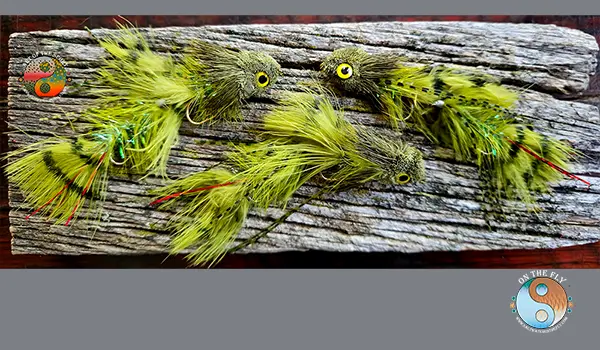
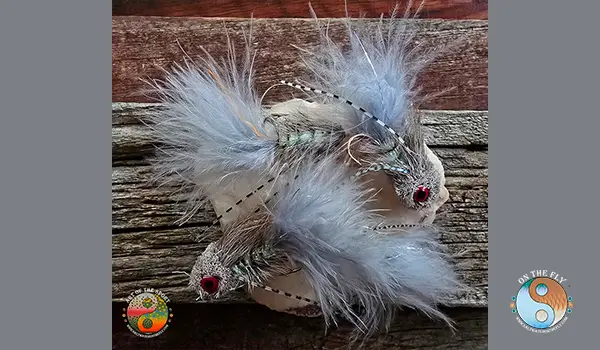
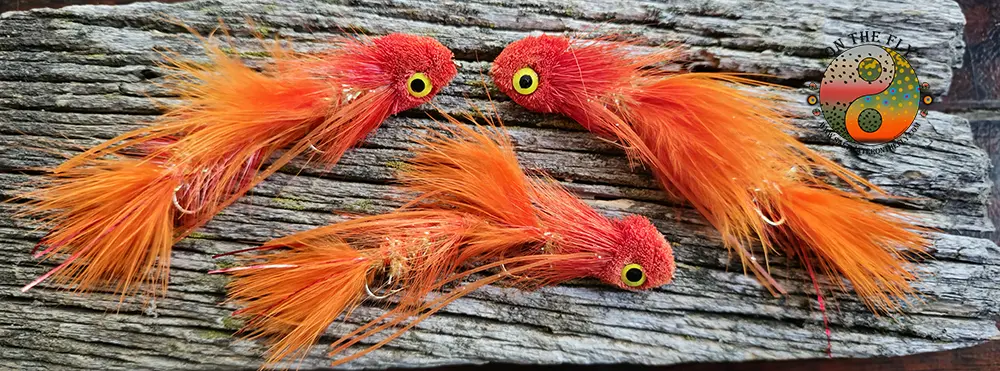
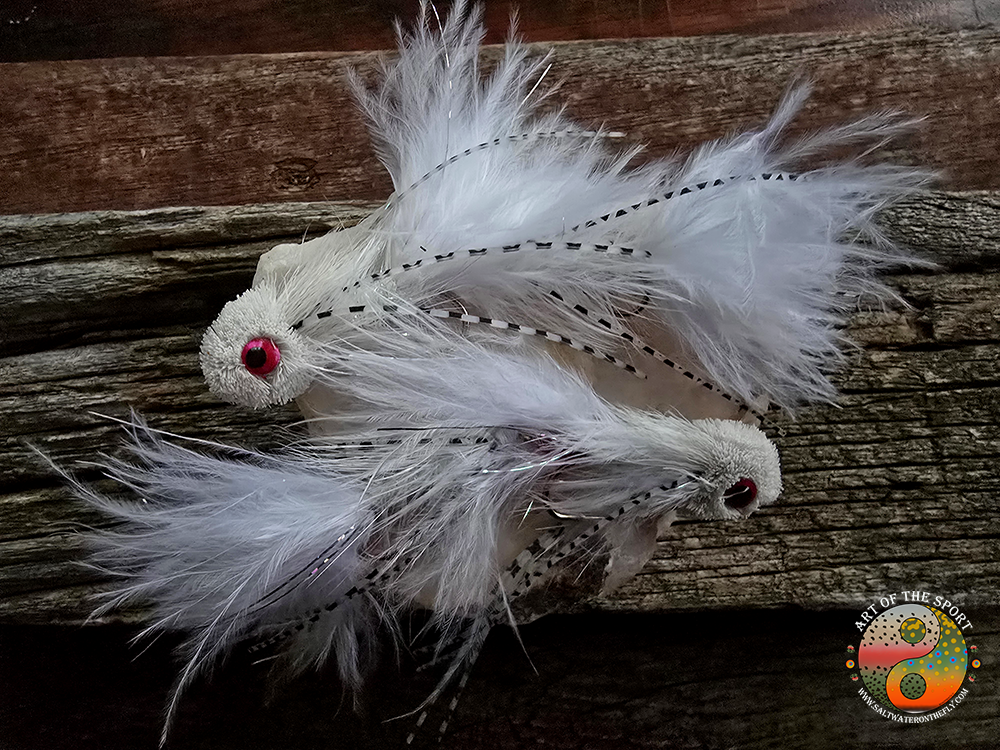
Table of Contents
What Are the Thompson Chain of Lakes?
Picture this: a string of 18 sparkling lakes tucked into the northwest corner of Montana, about 40 miles from Kalispell, nestled in the Cabinet Mountains like a secret stash of fishing gold. The Thompson Chain of Lakes stretches across Lincoln and Sanders counties, offering over 3,000 acres of fishable water. These lakes—ranging from big hitters like Upper, Middle, and Lower Thompson Lakes to smaller gems like Horseshoe Lake—are connected by a mix of streams, marshes, and pure Montana magic.
The chain is a haven for anglers chasing everything from trout to perch to the elusive musky. Surrounded by the Lolo National Forest and private timberlands, it’s got that “middle-of-nowhere” vibe, but don’t worry—access is easier than convincing your buddy to split the gas money. Thompson River Road (#56) runs parallel to the chain, and plenty of public access points, boat ramps, and campgrounds like Copper King make it a breeze to get on the water.
The lakes vary in size and personality. Upper Thompson Lake kicks things off at the top, feeding into Middle and Lower Thompson Lakes, which are the heavyweights for size and fish variety. Smaller lakes like Horseshoe are quieter but pack a punch for specific species (yep, we’re talking musky). The chain’s waters are clear, the scenery is jaw-dropping, and the fish? Well, they’re just waiting to make your day.

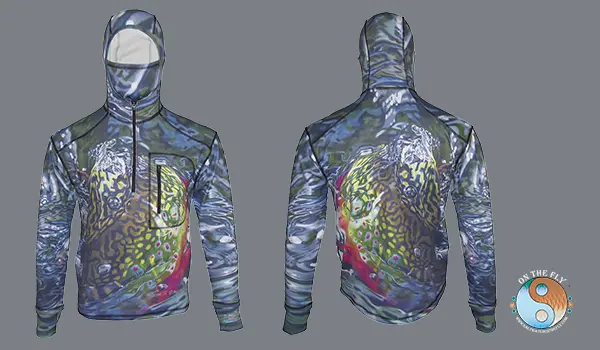
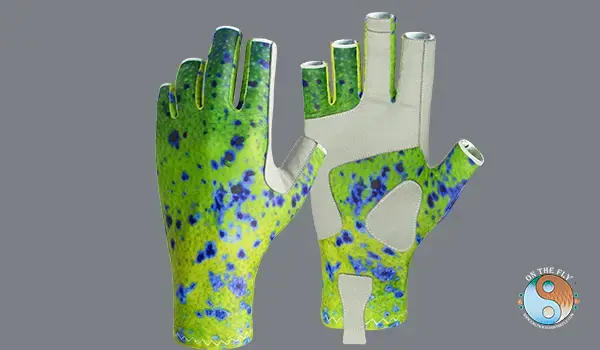
On a fly fishing adventure or a backpacking weekend, your performance apparel is one of the most important things, other than having the right flies. Take for instance the Mount Rainier Graphic Hoodie is a UPF-50 sun protection, extended cuffs with thumb hole and a sewn in facemask for added protection. Makes a great base layer under our Heavy Weight Hydrophobic Brook Trout Graphic Hoodie.
Fly Fish the Thompson Chain of Lakes?
Why fish here? Because it’s like a buffet for anglers. You’ve got rainbow trout, cutthroat trout, brook trout, bull trout, whitefish, largemouth bass, yellow perch, northern pike, and—drumroll, please—muskellunge in select lakes. Whether you’re a fly-fishing purist, a spin-casting weekend warrior, or a musky fanatic with a closet full of oversized flies, there’s something here for you.
The chain’s diversity is its superpower. You can spend the morning tossing dry flies for feisty rainbows on Lower Thompson Lake, switch to a spinning rod for perch in McGregor Lake, and then chase the fish of 10,000 casts (aka musky) on Horseshoe Lake by afternoon. Plus, the area’s remoteness means you’re more likely to share the water with a bald eagle than a crowd of Instagram influencers.
You might be thinking, “Okay, sounds nice, but why should I pick this spot over others for montana fishing?” Good question. The simple answer is variety and the opportunity to catch fish. It’s like an all-you-can-eat buffet for people who love to fish. Seriously, you can target rainbow trout, cutthroat trout, brook trout, and even bull trout (remember to release these beauties carefully.).
There are also whitefish, largemouth bass, small mouth bass, yellow perch, northern pike, and of course, those impressive muskellunge in certain lakes like Horseshoe Lake. Some anglers even report catching kokanee salmon in lakes like Loon Lake, though it’s best to check current FWP reports. The diversity of fish species here is remarkable, a true testament to good habitat and water quality. It rivals even some areas near Yellowstone National, though the environment is quite different.
It doesn’t matter if you’re a fly fishing purist, a spin-casting weekend warrior, or someone obsessed with landing a musky. There’s a fish and a fishing style for you here. That diversity is what makes the Thompson Chain so great for hunting fishing adventures. You could spend your morning casting dry flies for trout on Lower Thompson Lake, then maybe switch to a spinning rod for perch in McGregor Lake. And if you’re feeling bold, you could spend the afternoon hunting for the elusive musky on Horseshoe Lake or perhaps explore Bear Lake for a more secluded experience.
Plus, it’s not super crowded. Because it’s a bit more out there, you’re more likely to see a bald eagle soaring overhead than a swarm of other anglers. It gives you a real chance to connect with nature and enjoy the peace and quiet. This place is a true gem for anyone looking for a genuine Montana fishing experience, and a fishing guide can often enhance your chances of success, especially when targeting specific game fish. Before you leave for your trip, check everything at home, even your home’s gutter guards; you don’t want surprises back home overshadowing a potential record fish catch.
How to Fish the Thompson Chain of Lakes: General Tips
Before we get to the musky madness and river ramblings, let’s lay down some ground rules for fishing the Thompson Chain of Lakes. These tips will keep you from looking like a rookie who forgot his waders at home.
1. Know Your Target Species
Each lake has its own cast of characters. Lower Thompson Lake is a trout haven, with rainbows and cutthroats eager to sip your flies. McGregor Lake is a hotspot for largemouth bass and perch, while Horseshoe Lake is your musky mecca. Do a little homework (or just keep reading) to match your gear and tactics to the fish you’re chasing.
2. Gear Up Right
For trout, a 4- or 6-weight fly rod with a floating line is your best friend. Bass and perch? A medium-action spinning rod with 6- to 10-pound test line will do the trick. Musky? We’ll get to that beastly setup in a bit, but spoiler alert: you’ll need a rod that can handle a small car. Bring a mix of flies,—dry flies, nymphs, streamers all have their moment in the sun.
3. Timing Is Everything
Spring (April to June) is prime time for trout, with hatches like caddis and mayflies turning the lakes into a feeding frenzy. Summer (July to August) is great for bass and perch, though trout fishing can slow in warmer water—focus on early mornings or deeper waters. Fall (September to October) is a goldmine for spawning browns and active trout, plus musky start prowling more aggressively. Winter? Ice fishing for perch and trout is a thing, but bring your warmest socks.
4. Access and Navigation
Most lakes have public boat ramps or shore access via Thompson River Road. Lower Thompson Lake has a solid ramp near the Copper King Campground, and McGregor Lake’s access is well-marked. For smaller lakes like Horseshoe, you might need a kayak or canoe to reach the good spots. Timber company lands often allow recreational access, but double-check for any restrictions. A good map or GPS is your friend—cell service can be spottier than a dalmatian up here.
5. Respect the Rules
Montana Fish, Wildlife & Parks (FWP) sets the regulations, and they’re serious about protecting bull trout, which must be released immediately in most waters. Check the latest FWP regs for bag limits, seasons, and special rules (like catch-and-release zones). And for the love of trout, don’t litter—pack out what you pack in.
6. Local Knowledge
Stop by a local fly shop for the latest intel, flies, and maybe a tall tale or two. These folks know the lakes better than your GPS knows the way to the nearest coffee shop.
Text content
Know Your Target Species and Where They Hang Out
Not all lakes are created equal when it comes to fish. Each one has its own community living beneath the surface, a unique collection of fish species. For example, Lower Thompson Lake is a fantastic spot if you’re chasing trout. Rainbows and cutthroats are often very willing to take a well-presented fly there, especially during key hatches.
McGregor Lake, another popular spot in the chain, is known for its largemouth bass, small mouth bass, and yellow perch. If musky are what you’re after, then Horseshoe Lake is your go-to destination. Do a little looking into what swims where, perhaps search search online for recent reports or read article after article in fishing forums, and match your gear to your target fish. Remember that some lakes like Upper Thompson Lake and Middle Thompson Lake might also have populations of stocked muskies or even the occasional tiger muskie, though Horseshoe is renowned for its Esox masquinongy. Learn more about How to Start Fly Fishing for Musky and other Montana Musky Fly Fishing Destinations.
| Lake Name | Primary Target Species | Access Notes | Additional Notes |
|---|---|---|---|
| Lower Thompson Lake | Rainbow Trout, Cutthroat Trout, Bull Trout (Catch & Release) | Good boat ramp near Copper King Campground. Shore access available. | Excellent for traditional fly fishing. Popular, so can be busier. |
| Middle Thompson Lake | Trout, Yellow Perch, Small Mouth Bass, some Stocked Muskies | Access via Thompson River Road, several points. | Connects Upper and Lower, offers good variety of fish species. |
| Upper Thompson Lake | Trout (Brook, Rainbow), Yellow Perch, some Stocked Muskies | Northernmost of the main three, access from Thompson River Road. | Can be quieter. Good for exploring by kayak or small boat. |
| Horseshoe Lake | Muskellunge (Esox masquinongy), Yellow Perch | Best by kayak, canoe, or small boat. Limited shore access. | Renowned for trophy musky potential. Clearer water helps sight fishing. |
| McGregor Lake | Largemouth Bass, Small Mouth Bass, Yellow Perch, Northern Pike | Clearly marked public access points, boat ramp available. | Great for spin casting and warm water species. Popular alternative. |
| Loon Lake | Trout (Cutthroat, Rainbow), Kokanee Salmon | Check FWP for current access, often Forest Service sites. | Scenic, named for common loons. Kokanee can be a draw. |
| Bear Lake | Trout, Panfish | May require more effort to reach, potentially hike-in or rough road. | Offers a more remote and wild game viewing experience. Check local conditions. |
| Trout Lake | Various Trout species (Rainbow, Cutthroat, Brook) | Access via Forest Service roads, conditions vary. | Lives up to its name, focused on trout fishing. Often less pressure. |
Gearing Up the Right Way
Having the correct gear can make all the difference between a frustrating day and a memorable one. For trout in lakes like Lower Thompson Lake or Trout Lake, a 4-weight or 6-weight fly rod, usually around 9 feet long, paired with a floating line is a solid choice. This setup gives you enough power for decent casts but still lets you feel the fight of a feisty trout; bring patterns like Parachute Adams, Elk Hair Caddis, and various nymphs and streamers like Woolly Buggers.
If largemouth bass or yellow perch in McGregor Lake are on your list, a medium-action fly rod with 6 to 15-pound tippet will serve you well. For musky, well, that’s a whole different ball game, and we’ll get into that beast of a setup in a bit. Just know you’ll need something that feels like it could pull a stump out of the ground.
Timing Can Be Everything
Fish are a lot like us; their activity levels change with the seasons and the time of day. Spring, from about April to June, is a prime time for trout. Hatches of caddisflies, mayflies, and even early stoneflies can get the trout into a feeding frenzy, making for some exciting surface action on many fish species. Summer, meaning July and August, is generally great for bass and perch fishing. Trout fishing can slow down a bit when the water gets warm, so if trout are your goal in the summer, focus on early mornings, late evenings, or fishing deeper, cooler water. Terrestrials like ants and grasshoppers become important for trout during late summer.
Fall, from September through October, is a golden period. Brown trout (if present in specific lakes) are spawning, other trout species become more active as the water cools, and musky start to feed aggressively before winter. And if you’re hardy, winter offers ice fishing opportunities for perch and trout, but definitely bring your warmest gear. Some hunting fishing combo trips can be popular in the fall too. Checking local news news sources for fishing reports can be very helpful for timing.
Getting Around: Access and Navigation
Most of the lakes in the Thompson Chain have decent public access. You’ll find boat ramps or shore fishing spots often accessible from Thompson River Road (Forest Service Road #56), which winds through impressive northwest Montana scenery. Lower Thompson Lake has a well-maintained ramp near the Copper King Campground. McGregor Lake’s access points are also pretty clearly marked. For some of the smaller, quieter lakes like Horseshoe Lake, a kayak, canoe, or even a float tube can be the best way to get to the prime fishing spots where trophy game fish hide.
You’ll also find that some lands around the lakes are owned by timber companies. Many of these companies allow recreational access, but it’s always a smart idea to double-check for any current restrictions or closures before you go. A good map, whether it’s paper or digital, is your best friend out here. Cell service can be unreliable in many parts of the thompson chain, so don’t count on your phone’s GPS alone for navigating to places like Bear Lake or less-traveled parts of Upper Thompson Lake.
Playing by the Rules
It’s super important to know and follow the local fishing regulations. Montana Fish, Wildlife & Parks (FWP) sets these rules, and they are serious about protecting the fish populations, especially sensitive species. For instance, bull trout are found in some of these waters, and they are protected. In most areas, if you catch a bull trout, you must release it immediately and unharmed. These regulations act as a crucial management tool for sustainability.
Always check the latest FWP fishing regulations booklet or their website. You can often download these, or pick one up where you buy your fishing license. Pay attention to bag limits, specific seasons for certain species, and any special rules like catch-and-release only areas for certain fish species. And, it should go without saying, but pack out everything you pack in. Let’s keep these beautiful places clean for everyone to enjoy. Submitting your email address to FWP for newsletters can keep you updated on changes.
Musky Fly Fishing on Horseshoe Lake: Chasing the Fish of 10,000 Casts
Okay, it’s time to talk about the heavyweight champion of Horseshoe Lake: the muskellunge, or Esox masquinongy. If you’re not familiar with musky, picture a fish that looks like it could eat a football. They’re big, they’re toothy, and they have an attitude. These predators can grow over 50 inches long and weigh more than a small dog. They are famously difficult to catch, often called “the fish of 10,000 casts” because these fish rarely make mistakes. But when you finally connect with one on a fly rod? It’s a fishing experience you will never, ever forget, akin to the stories told by legendary anglers like Louis Spray.
Horseshoe Lake for Musky You Say?
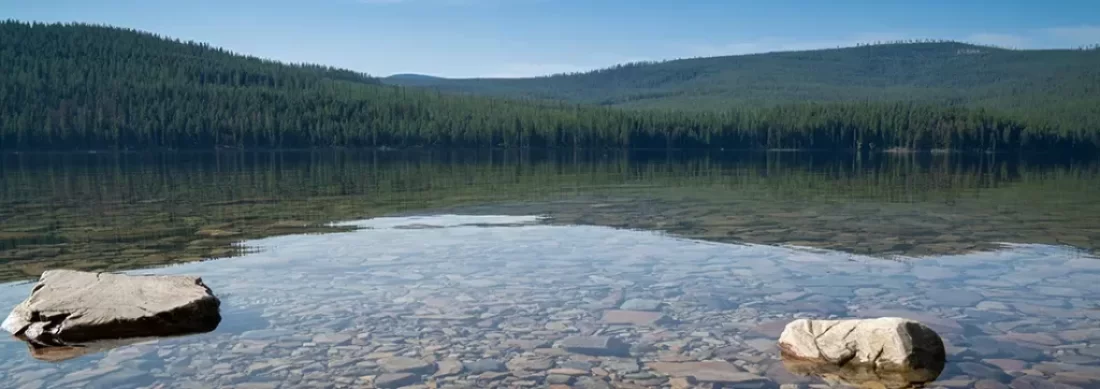
Horseshoe Lake, while not the biggest lake in the Thompson Chain, has become a well-known spot for musky. Why here? Several reasons. The water is relatively clear, which helps. It has a good amount of food for them, like perch and suckers. And it offers a nice mix of underwater structure and varying depths that musky love. Because it’s smaller than, say, Lower Thompson Lake, you can effectively cover good musky water with a kayak, a small boat, or even a float tube if you’re ambitious. The clear water sometimes allows for spotting these giants, making for exciting hunting fishing.
Musky aren’t native to Horseshoe Lake or this part of Montana; their natural range is further east, primarily in the Great Lakes region and Mississippi River basin. The stocked muskies here were introduced many years ago as part of fisheries management efforts. They’ve done very well here, establishing a healthy population of impressive fish, including potentially some tiger muskie from past stockings although purebred Esox masquinongy are the main target. This has turned Horseshoe into a must-visit destination for fly anglers who like a serious challenge and the chance at a truly giant fish, a true game fish legend.
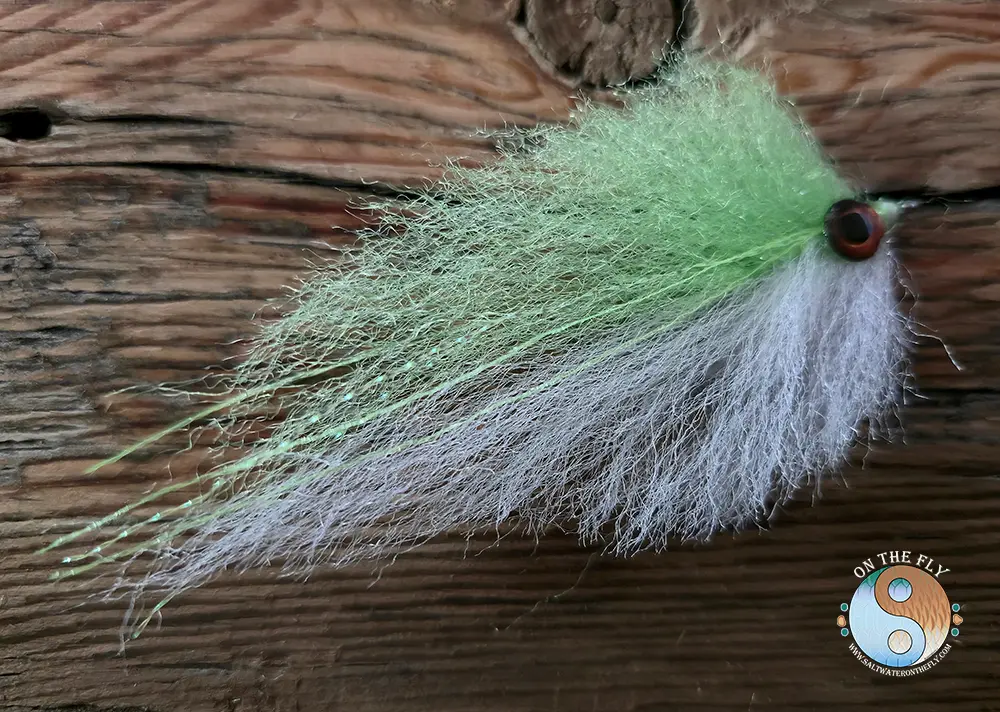
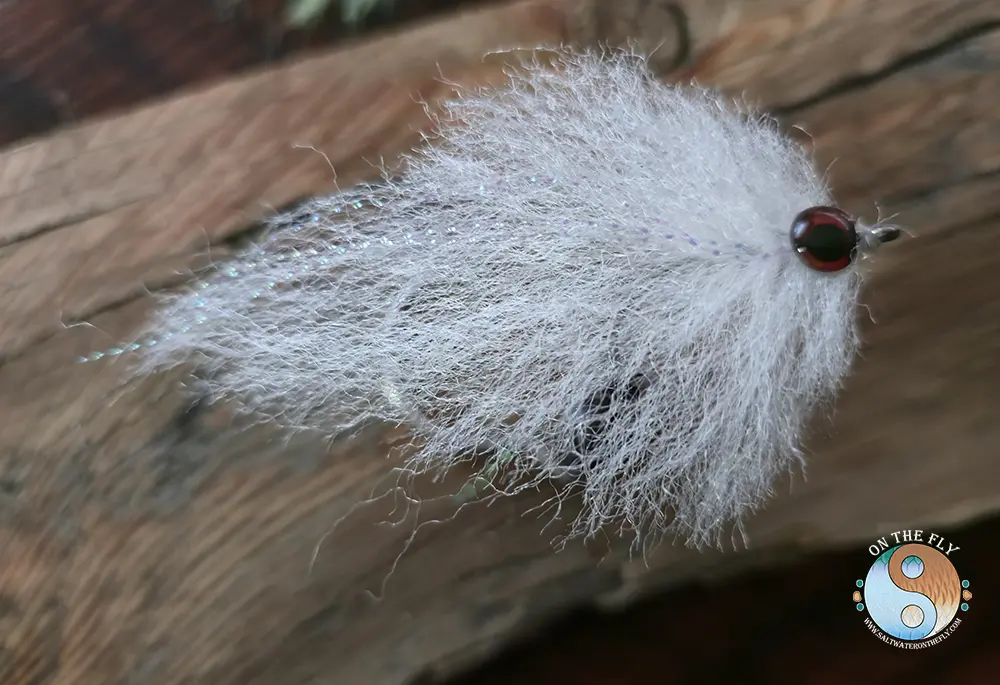
Bass, Musky, Trout, and Pike chase and eat Clouser Minnows. A White Pelagic Forger Minnow is an excellent cross species fly pattern with a wound baitfish movement.
Gearing Up for Musky Madness
Fly fishing for musky is not a delicate art. It’s more like a wrestling match. You need gear that can handle it. Here’s a rundown of what you’ll need to bring to the fight to catch fish of this caliber:
- Rod: You’ll want a stout fly rod, typically a 9-foot model in a 9-weight or, more commonly, a 10-weight. Some anglers even go up to an 11 or 12-weight for casting the largest flies. Rods designed specifically for musky or pike fishing are ideal because they have the backbone to cast huge flies and fight powerful fish.
- Reel: Your reel needs to be more than just a line holder. Get a large-arbor reel with a strong, reliable drag system. A sealed drag is a good idea, as it will keep out grit and water. You need a drag that can put serious pressure on a big musky and stop its powerful runs.
- Line: Forget your delicate trout lines. For musky, you’ll generally use a weight-forward sinking or intermediate fly line. Lines in the 300 to 400-grain range are common. These heavy lines help get those big, wind-resistant flies down to where the musky are lurking and help turn over those bulky flies during your cast.
- Leader & Tippet: This is critical. You need a heavy leader. Start with a short, stiff section of fluorocarbon, maybe if your Lucky 30 to 40-pound test. Then, you absolutely must use a wire bite tippet. Musky have incredibly sharp teeth that will slice through standard monofilament or fluorocarbon like butter. Steel or titanium wire tippets of 20 to 40-pound test, about 12 to 18 inches long, are necessary to prevent bite-offs. I’ve gotten by us Mason Hard Nylon, but it’s hard to tie a knot with. I will split, a Muskies teeth don’t seem to cut right through.
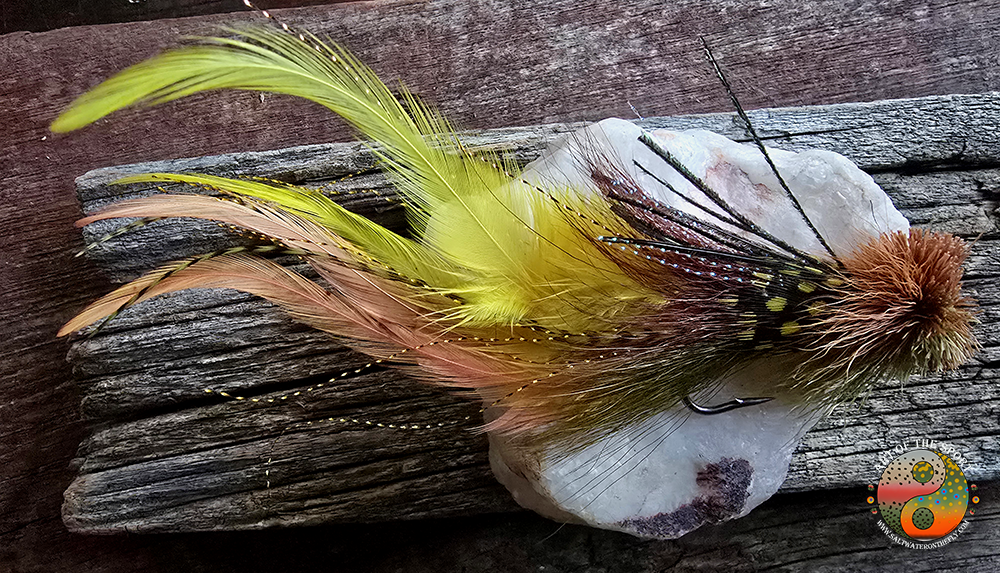
- Flies: Musky flies are not subtle. They are big, flashy, and often look like something you’d hang on a Christmas tree. Think 6 to 12 inches long, sometimes even bigger. Articulated streamers that have a lot of movement in the water are excellent. Bright colors like white, chartreuse, black, or fire tiger are popular. Patterns like the Pelagic Forger Minnow, Buford, Double Deceiver, Musky Mania, or various large Game Changer style flies are go-to choices. Bringing a few with weed guards is a good idea for fishing near cover.
- Essential Tools: You’ll need a few key accessories. A very large landing net or a musky cradle is a must for safely landing these big fish. Long-nosed pliers or forceps are essential for removing hooks from a toothy mouth. Jaw spreaders can sometimes be helpful, but use them with extreme care to avoid harming the fish. A good hook sharpener is also vital because you want those hooks to be razor sharp. And perhaps a small first-aid kit, just in case. Consider it as important as checking your home’s gutter guards before a storm; preparation prevents problems.
Bass really go for a Blue-White Pelagic Forger Minnow, thou I have caught a couple of Musky on the in a 4/0.

How to Fly Fish for Musky on Horseshoe Lake
Musky fishing is a game of patience, persistence, and sometimes, a little bit of luck. It’s less about delicate presentations and more about covering water and triggering an aggressive response from these apex game fish. Here’s a general approach to increase your chances with Esox masquinongy:
Find the Fishy Spots
Musky are ambush predators. They love to hang out near structure where they can hide and wait for an unsuspecting meal to swim by. Look for weed beds, drop-offs, submerged logs or timber, and rocky points. On Horseshoe Lake, focus your efforts on the deeper channels that run through the lake or along the edges of the weedier, shallower bays, especially near areas with abundant yellow perch.
Early morning and late evening are often prime times, especially during the summer. In the fall, musky can be active throughout the day as they feed heavily before winter. Consulting a local fishing guide might provide insights into current hotspots.
Cast Like You Mean It
Casting big musky flies can be tiring. It’s not like flicking a tiny dry fly for trout. You’ll likely use a more open casting loop and a good double-haul to launch that chicken-sized fly. Aim for accurate casts that land your fly close to potential holding spots.
Once the fly hits the water, start your retrieve. Strip the fly back with long, erratic pulls. Vary your retrieve speed. Sometimes a fast, jerky retrieve works, other times a slower, more deliberate retrieve will get their attention. Throw in pauses. A sudden stop can often trigger a following musky to strike. Fish rarely resist a well-presented, large offering when they are in the mood.
The Figure-Eight is Crucial
This is a big one for musky fishing. Musky are notorious for following a fly right up to the boat without eating it. If you just lift your fly out of the water at the end of your retrieve, you might miss a fish that was inches away. Always, always, always perform a figure-eight or an L-turn with your rod tip in the water at the end of every cast.
Make wide, sweeping figure-eights or L-shapes with your fly right next to the boat. Keep your eyes peeled; many strikes happen right at the boat as the musky makes a last-second decision to grab the fly. It’s heart-stopping when it happens.
Stay Patient and Focused
Remember, “fish of 10,000 casts.” You might fish for hours, or even days, without a strike. You’ll see fish follow, or get a boil behind your fly that makes your heart skip a beat, only for the fish to turn away. It’s part of the game when hunting fishing for these elusive predators.
Keep casting, stay focused, and try not to get discouraged. That one strike, when it comes, will make all the effort worthwhile. Maybe take a break and read article excerpts from your favorite fishing magazine you brought along, or review notes you made from online content after hitting pause play on an instructional video.
Set the Hook Hard
When a musky finally decides to eat your fly, it’s usually an aggressive take. It can feel like your line just stopped, or like something tried to rip the rod out of your hands. Don’t do a gentle trout-set by just lifting the rod. You need to strip-set, hard.
Pull the line sharply with your stripping hand while keeping the rod tip pointed low and towards the fish. Set the hook multiple times if you can. Musky have very hard, bony mouths, and getting a good hook-set is critical. Once the fish is hooked, keep constant, heavy pressure on it. These fish are strong and will try every trick in the book to throw the hook, including violent head shakes and acrobatic jumps.
Land and Release with Care
Bringing a big musky to the boat is an accomplishment. Now, you need to handle it properly. Use your large net or cradle to land the fish. If possible, try to keep the fish in the water as much as you can while you unhook it. Be extremely careful of its teeth and powerful jaws when removing the hook. Extra Long Needle nose are my choice, everyone has there own favorite way remember just have fun.
Get a quick photo if you want, supporting the fish horizontally, but don’t keep it out of the water for long. To revive the fish, hold it gently in the water, facing upright, until it is strong enough to swim away on its own. Musky are a precious resource, and proper catch-and-release techniques, a vital management tool, help protect them for the future, ensuring others can also experience the thrill of catching these magnificent game fish. I try to never remove them from the water, I don’t need a hero shot. Just love catching them.
Go-To Fly Patterns for Horseshoe Lake Musky
Having a few trusted fly patterns can boost your confidence when targeting these specific fish species. Here are some that musky find hard to resist, patterns .
- The Buford: This is a bulky, often articulated streamer pattern. It pushes a lot of water and has great movement. White, chartreuse, or black and orange are good color choices.
- Pelagic Forger Minnow: (#4/0, #2/0): The Pelagic Forger Minnow is a synthetic masterpiece that mimics baitfish like perch or suckers, which musky can’t resist. In sizes #4/0 and #2/0, (Use Partridge Hooks) it’s big enough to tempt a trophy but manageable for long casting sessions. The synthetic Semperfli Predator fibers-Hemingway Predator Fibers with Flash on some shed water, making it easier to chuck than bucktail-heavy flies, and its lifelike wiggle screams “eat me” on every strip. Tie it in white, chartreuse, or olive for clear water, or black, black-purple for low-light conditions. Fish it with long, slow strips and occasional pauses to mimic a wounded fish. Pro tip: Add a rattle to the hook shank for extra noise in murky water.
- Double Deceiver: A classic big game streamer. It’s long, often with lots of flash, and imitates baitfish well. Black and red, or all white, can be very effective, especially in low light.
- Musky Mania or similar T-Bone style flies: These are huge, often heavily weighted flies with a ton of flashabou and feather. They are designed to be obnoxious and attract attention. Fire tiger (chartreuse, orange, black) is a popular musky color.
- Game Changer: This is a multi-jointed, highly articulated fly pattern that swims with an incredibly realistic S-motion. Natural colors like perch or sucker patterns can be deadly. Smaller versions can also pick up big bass, and even some stocked muskies in Middle Thompson Lake or Upper Thompson Lake might fall for these.
Extra Tips for Musky Success
Here are a few more thoughts to help you on your musky quest in northwest Montana:
- Best Times: As mentioned, fall (September into October) is generally considered peak musky season for Esox masquinongy. The water is cooling, and the fish are feeding up heavily for winter. June and July, after the spawn, can also be very good, as fish rarely ignore an easy meal then.
- Weather Matters: Overcast days, especially those with a light chop on the water or even a bit of light rain, can be excellent for musky fishing. They seem to be less spooky and more willing to hunt when the sun isn’t beating down. Big weather changes, like an approaching front, can also trigger feeding activity; check the news news for forecasts.
- Be Stealthy: Despite their aggressive nature, musky can be surprisingly wary. Approach potential spots quietly. Avoid banging things around in the boat or making sudden movements that could spook them.
- Have a Backup Plan: If the musky are playing hard to get, remember that Horseshoe Lake also holds populations of yellow perch and the occasional trout. It’s not a bad idea to have a lighter rod rigged with a small streamer or nymph. You might be able to salvage the day by catching a few perch if the musky gods aren’t smiling on you. Exploring Loon Lake for kokanee salmon or Trout Lake for, well, trout, could also be alternatives.
- Consider a Fishing Guide: If you are new to musky fishing or the Thompson Chain, hiring a local fishing guide can significantly shorten the learning curve. They live and breathe this type of fishing and can provide invaluable, up-to-the-minute advice. You might even learn enough to buy single issue copies of magazines and feel like an expert yourself later.
A Little Musky Story to Keep You Going
My friend Sarah spent an entire crisp October day casting on Horseshoe Lake. Her arm felt like spaghetti. The coffee in her thermos was long gone. She was starting to think musky fishing was a cruel joke, perhaps even considering unsubscribing from her fishing magazine subscribe service if this was the result.
Then, as the sun began to dip behind the mountains, she made one last cast with a big, ugly black and purple fly. Bam. The water exploded. After a heart-pounding 10-minute battle that involved more yelling than she’d care to admit, she landed a magnificent 45-inch musky, a true record fish for her. The smile on her face was as big as the fish. So, keep casting. You just never know when that magic moment will happen on the thompson chain.
Fly Fishing Thompson River Headwaters to Confluence of the Clark Fork
Thinking about fly fishing the Thompson River headwaters to Clark Fork? You have come to the right spot. This river is a true Montana treasure for fly anglers, offering diverse fly fishing waters. We are going to cover fly fishing the Thompson River headwaters to Clark Fork from top to bottom, exploring this remarkable fork river. This piece will give you the inside scoop on this fantastic fishery.
The Thompson River stretches about 55 miles. It starts at Upper Thompson Lake. Then it flows down to meet the Clark Fork River near Thompson Falls, Montana. Imagine a playground made just for fly fishers. It offers tight, brushy beginnings and later, wide, riffle-filled lower parts where it eventually joins the main Clark Fork. The river holds plenty of river fish, and access is pretty easy too; this river has enough character to make you want to return often for a fishing trip.
Understanding the Thompson River
The Thompson River begins at the outlet of Upper Thompson Lake, then winds through Middle and Lower Thompson Lakes. After that, it meanders through timberlands and parts of the Lolo National Forest before finally joining the Clark Fork. This is a freestone stream, meaning its flow comes from rain and snowmelt, which can vary, so checking a current fishing report is wise. The water is often clear, and the flow is usually moderate, providing a good mix of riffles, pools, and runs across its fishing waters.
The upper parts of the river are narrow, feeling more like a creek suitable for targeting reclusive blind brook trout. However, the lower sections get wider and are great for drift boats. Many kinds of fish live here: expect rainbow trout, cutthroat trout, brown trout, and protected bull trout. Whitefish are common too; sometimes, you might find brook trout or a blind brook in the headwaters, requiring a stealthy approach sometimes called the fish creeper technique.
Getting to the river is straightforward using Thompson River Road (#56) and the ACM logging road, which run alongside most of its length; a good river map can be invaluable here. Copper King Campground, about four miles from Highway 200, is a good spot for camping and can be your fishing base, though other options like a montana cabin rental exist further afield. While the river gets some attention from anglers, fly fishers willing to walk a bit can find quiet spots and eager trout, making it a great option for fly fishing missoula Montana anglers looking for a day trip or longer fly fishing trips.
Fly Fishing the Thompson River Headwaters to Clark Fork: By Section
Let’s break down this river. Different sections offer different experiences for fly fishing. Knowing this helps you plan your trip effectively.
Headwaters: Upper Thompson Lake to Lower Thompson Lake
The headwaters here are more like a creek than a river, with tight, brushy banks and small pools holding brook trout and small cutthroats. Fishing here requires stealth, short casts, and a talent for avoiding tree branches. The water is cold and clear, and the fish spook easily, so move quietly. This area is ideal for anglers who enjoy the challenge of fishing small, intimate waters for truly wild river fish.
How should you fish this part? A light 1-weight or 4-weight fly rod, perhaps around 7 to 8 feet long, paired with a simple click-pawl fly reel is ideal. Use a floating line and a 5X or 6X tippet. Cast your dry flies or small nymphs upstream, keep your body low, and utilize roll casts in these confined spaces. Look for pockets behind rocks and under overhanging branches; these are prime holding spots for blind brook trout.
What flies work best here? For dry flies, try Parachute Adams in sizes 14-18, Elk Hair Caddis (a classic hair caddis pattern) in sizes 14-16, and Stimulators in sizes 12-16. These patterns imitate caddis and mayflies common in spring and summer. For nymphs, consider Pheasant Tails (sizes 16-20), Hare’s Ear nymphs (sizes 14-18), and Prince Nymphs (sizes 14-16). You can fish these under an indicator or tight-line them; small Woolly Buggers (sizes 10-12) in black or olive work as streamers, swung through deeper pools for aggressive cutthroat.
When is the best time to fish the headwaters? In Spring (April-May), early caddis and mayfly hatches get fish active; fish mid-morning to afternoon as water temperatures rise. During Summer (June-August), terrestrials like hoppers and ants are great; fish early or late to beat the heat. In Fall (September-October), cooler temperatures make fish active, and you might see spawning brown trout or baetis hatches. Winter (November-March) is tough, but midges (sizes 18-22) can work on warmer days if you are determined.
-
Fly Patterns Refresher:
-
Dry Flies: Parachute Adams (#14-18), Elk Hair Caddis (#14-16), Stimulator (#12-16). These mimic the caddis and mayflies that dominate spring and summer.
-
Nymphs: Pheasant Tail (#16-20), Hare’s Ear (#14-18), Prince Nymph (#14-16). Fish these under an indicator or tight-line them Euro-style.
-
Streamers: Small Woolly Buggers (#10-12) in black or olive. Swing them through deeper pools for aggressive cutts.
-
-
Seasons:
-
Spring (April-May): Early caddis and mayfly hatches get the fish moving. Fish mid-morning to afternoon when water temps rise.
-
Summer (June-August): Terrestrials like hoppers and ants shine. Fish early or late to beat the heat.
-
Fall (September-October): Cooler temps bring active fish and spawning browns. Watch for baetis hatches.
-
Winter (November-March): Tough sledding, but midges (#18-22) can work on warmer days.
-
Middle Section: Below Lower Thompson Lake to Copper King Campground
As you move below Lower Thompson Lake, the river changes, widening into a proper trout stream with good riffles, runs, and deeper pools. This is classic fly-fishing water, home to rainbows (usually 10-12 inches), cutthroats, and the occasional brown or bull trout. Road access makes this part popular, but the fish are not overly picky, and the scenery is worth it. Many anglers from Missoula Montana make the drive to experience these productive fishing waters.
A 4-weight or 5-weight fly rod, typically 9 feet, with a floating line is perfect here; a quality fly reel with a smooth drag is beneficial. Use 4X or 5X tippet for your dry flies and nymphs; for streamers, a 3X tippet is better. Wade carefully, as the riverbed can be slick; target riffle edges, pool tails, and undercut banks. Short casts with attractor patterns often work well for these hungry trout, and if you’re into fly tying, this is a great place to test your own fly recipe creations.
What about flies for the middle section? For dry flies, Royal Wulffs (sizes 12-16), Chubby Chernobyls (sizes 10-14), and hopper patterns (sizes 8-12) are fantastic, especially terrestrials in late summer. For nymphs, try Pat’s Rubber Legs (sizes 8-12), Copper Johns (sizes 14-16), and Zebra Midges (sizes 16-20); a two-fly rig with a stonefly nymph and a smaller dropper is effective. For streamers, Bitch Creek Nymphs (sizes 6-10), sculpin patterns (sizes 4-8), and Muddler Minnows (sizes 6-10) are worth trying, swung or stripped for brown trout and bull trout, especially in the fall.
The seasons offer different opportunities. In Spring, salmonfly and caddis hatches usually start in May; fish big stonefly dries or nymphs in faster water. Summer brings hoppers, ants, and beetles, bringing trout to the surface; fish dawn to mid-morning or at dusk. Fall is a prime time; you will find Baetis and drake hatches, and spawning browns become active. Streamers are excellent for bigger fish now, making it a favorite for those fly fishing Missoula.
-
Fly Patterns Refresher:
-
Dry Flies: Royal Wulff (#12-16), Chubby Chernobyl (#10-14), Hopper patterns (#8-12). Terrestrials rule in late summer.
-
Nymphs: Pat’s Rubber Legs (#8-12), Copper John (#14-16), Zebra Midge (#16-20). Fish a two-fly rig with a stonefly nymph and a smaller dropper.
-
Streamers: Bitch Creek Nymph (#6-10), Sculpin patterns (#4-8), Muddler Minnow (#6-10). Swing or strip these for browns and bull trout in fall.
-
-
Seasons:
-
Spring: Salmonfly and caddis hatches kick off in May. Fish big stonefly dries or nymphs in faster water.
-
Summer: Hoppers, ants, and beetles bring trout to the surface. Fish dawn to mid-morning or dusk.
-
Fall: Baetis and drake hatches, plus spawning browns, make this prime time. Streamers shine for bigger fish.
-
Winter: Slow but fishable. Target deep pools with small nymphs or midges.
-
Lower Section: Copper King Campground to Clark Fork
The lower Thompson River changes again, getting wider and slowing down, with long glides, deep pools, and some faster riffles. This is where you can find bigger brown trout and potentially bull trout, particularly in the last mile before the river meets the Clark Fork River. Drift boats or canoes can work well here, but wading is still effective. The water is still clear; remember, bull trout must be released immediately, so know your fish identification. Consulting a local fishing report can give you insights into recent activity here.
For this lower part, use a 5-weight or 6-weight rod to handle bigger flies and potentially bigger fish; longer fly rods (9-10 feet) can aid in mending. Floating lines are good for dries and nymphs; you might want sinking tips for streamer fishing. Focus on deeper runs, undercut banks, and structure like logs or boulders. Long casts and good mending help keep your flies in the strike zone longer. This section offers a different experience than the Big Hole River, but shares the potential for larger fish.
What fly patterns should you pack for the lower section? For dry flies, PMDs (Pale Morning Duns, sizes 14-16), Blue-Winged Olives (BWOs, sizes 16-20), and Tricos (sizes 18-22) can appear; match the hatch for pickier fish, especially in slower water. For nymphs, San Juan Worms (sizes 10-14), egg patterns (sizes 12-16), and stonefly nymphs (sizes 6-10) are solid choices. For streamers, Zonkers (sizes 4-8), Clouser Minnows (sizes 2-6), and articulated leeches (sizes 2-4) are great for trophy browns; fish these aggressively. A simple, effective pattern, perhaps something akin to a barely legal fly, can also surprise you.
Let’s look at the seasons for the lower river. Spring, before runoff (April-May), is great for nymphing and early hatches, but avoid high water during runoff (late May to June). Summer means terrestrials are a good bet, and streamers in deeper pools can work; fish early to avoid warmer water. Fall is the best season for big fish here—think big browns and bull trout; streamers and nymphs are key as fish fatten up. Winter fishing means targeting deep, slow pools with small nymphs or egg patterns; bundle up, as it can get chilly near the clark fork confluence.
-
Fly Patterns Refresher:
-
Dry Flies: PMD (#14-16), Blue-Winged Olive (#16-20), Trico (#18-22). Match the hatch for picky fish in slower water.
-
Nymphs: San Juan Worm (#10-14), Egg Patterns (#12-16), Stonefly Nymphs (#6-10). These mimic fall food sources.
-
Streamers: Zonkers (#4-8), Clouser Minnows (#2-6), Articulated Leech (#2-4). Fish these aggressively for trophy browns.
-
-
Seasons:
-
Spring: Pre-runoff (April-May) is great for nymphing and early hatches. Avoid high water during runoff (late May-June).
-
Summer: Terrestrials and streamers in deeper pools. Fish early to avoid warm water.
-
Fall: Best season for big browns and bull trout. Streamers and nymphs dominate as fish fatten up.
-
Winter: Deep, slow pools with small nymphs or eggs. Bundle up—it’s chilly down here.
-
River Sections at a Glance
To help you decide where to focus your efforts when fly fishing the Thompson River, here is a quick comparison of its distinct sections:
| Section | Dominant Fish | Water Type | Recommended Fly Rods | Key Techniques | Access Notes |
|---|---|---|---|---|---|
| Headwaters (Upper Thompson Lake to Lower Thompson Lake) | Brook Trout, Small Cutthroat | Narrow, Brushy Creek, Small Pools | 3-4 wt, 7-8 ft | Stealth, Short Casts, Dry Fly, Small Nymphs | Walk-in, Requires Bushwhacking |
| Middle Section (Below Lower Thompson Lake to Copper King Campground) | Rainbow Trout, Cutthroat Trout, some Brown Trout | Wider Stream, Riffles, Runs, Pools | 4-5 wt, 9 ft | Dry Fly, Nymphing (Indicator or Euro), Light Streamers | Good Road Access (Thompson River Rd), Wading |
| Lower Section (Copper King Campground to Clark Fork) | Brown Trout, Rainbow Trout, Bull Trout (catch & release) | Wider River, Long Glides, Deep Pools, some Riffles | 5-6 wt, 9-10 ft | Streamer Fishing, Nymphing, Dry Fly (Match the Hatch) | Road Access, Drift Boat/Canoe Potential, Wading |
How to Fish the Thompson River: Techniques and Tips
The Thompson is a forgiving river for anglers, but a few tricks can help you catch more fish. Knowing these can improve your day significantly. Consider checking with local experts or fly shops near St Regis for the latest conditions.
Dry fly fishing is wonderful on this river, its smooth flows ideal for presenting dries. Give your dry fly a drag-free drift; this is very important in slower glides. Use attractor patterns like Royal Wulffs or Stimulators when prospecting to find active fish, but match the hatch during caddis, mayfly, or baetis emergers. Paying attention to local hatch charts or bug videos can give you an edge.
Nymphing is a productive method year-round. A two-fly rig often works best: try a stonefly nymph as your top fly and a smaller dropper like a Pheasant Tail below it. Fish this setup under an indicator, focusing on riffles and pool heads. Euro-nymphing can work well in tighter spots; keep your flies bouncing along the bottom for best results. Creating your own legal fly recipe for nymphs through fly tying can be rewarding.
Streamer fishing can be very exciting. Swing or strip streamers in deeper runs and near structure like logs or sunken rocks. A sink-tip line is helpful for fall browns and bull trout. Vary your retrieve; sometimes slow and steady works, while other times, a fast, erratic retrieve triggers strikes. Watching fishing videos focused on streamer techniques can provide good insights.
Stealth is important when fishing clear water, as trout spook easily. Approach pools quietly, wade slowly and deliberately, and try to keep your shadow off the water. Using long, light tippets (5X or 6X) helps with a good presentation and makes your fly look more natural. This “fish creeper” approach is vital for spooky river fish.
Hatches drive much of the action on the Thompson. Caddis, including the reliable elk hair caddis, are active from May through September; salmonflies hatch from May to June; Baetis appear in spring and fall; midges are present year-round; and terrestrials like hoppers and ants are summer stars. Carry a small seine net to check what insects are currently hatching; this knowledge is invaluable. Some anglers even keep a fishing blog to document hatch timings year to year.
A special note about bull trout: these fish are protected in Montana and are most common in the lower river, especially near its confluence with the Clark Fork River. If you hook one, land it quickly, keep the fish in the water as much as possible, and release it immediately. Viewing underwater photos or underwater videos of these magnificent creatures in their habitat highlights why their conservation is so important. They are beautiful fish but are not for your trophy wall or a salmon video; help protect this native species.
A Thompson River Tale
Last summer, I fished the middle Thompson with a buddy from Missoula Montana. He swore he could outfish me that day. I armed myself with a Chubby Chernobyl and a Pat’s Rubber Legs as a dropper, a fairly standard legal fly setup, and proceeded to pull in about a dozen rainbows. Meanwhile, he tangled his line in every bush he could find, his frustration growing with each snag. By noon, he was calling me the “Fish Whisperer” and begging to see what was in my fly box. The moral? Always trust the Chubby, and always bring a net for your ego too.
Best Seasons for the Thompson River
Let’s do a quick look at when to fish the river specifically. Conditions change throughout the year, impacting the fly fishing waters. Being there at the right time matters for any fishing trip.
- Spring (April-May): The river’s pre-runoff window is great. Nymphs and dries can be very effective as fish are hungry after winter. Water levels are usually good before the melt peaks.
- Summer (June-August): Terrestrials and hoppers are the main attraction after runoff subsides. The river is lively with insect activity. Fishing early or late is often best to avoid high sun and warmer water.
- Fall (September-October): This is often called the money season by local experts. Spawning browns get aggressive, and bull trout are also more active. Streamers are a must-try, and cool temperatures mean you can fish all day. This is a popular time for fly fishing trips.
- Winter (November-March): Fishing slows down a lot, but it is still possible. Target deep pools with midges and small nymphs. Pick warmer, sunny days if you can for a more comfortable experience on these fishing waters.
Fly Patterns Cheat Sheet for the Thompson River
Here’s a handy list of flies; these are proven patterns for the Thompson River. Having these in your box, perhaps even some tied using an Orvis fly tying guide or other fly tying videos, will help.
Dry Flies:
- Royal Wulff (#12-16)
- Stimulator (#12-16)
- Parachute Adams (#14-18)
- Elk Hair Caddis / Hair Caddis (#14-16)
- Chubby Chernobyl (#10-14)
- Hopper patterns (#8-12)
- PMD (#14-16)
- Blue-Winged Olive (BWO) (#16-20)
- Trico (#18-22)
Nymphs:
- Pat’s Rubber Legs (#8-12)
- Pheasant Tail (#16-20)
- Hare’s Ear (#14-18)
- Prince Nymph (#14-16)
- Copper John (#14-16)
- Zebra Midge (#16-20)
- San Juan Worm (#10-14)
- Egg Patterns (#12-16)
- Consider a simple, effective pattern sometimes referred to as a barely legal fly.
Streamers:
- Woolly Buggers (#6-10, black or olive)
- Bitch Creek Nymph (#6-10)
- Sculpin patterns (#4-8)
- Muddler Minnow (#6-10)
- Zonkers (#4-8)
- Clouser Minnows (#2-6)
- Articulated Leech (#2-4)
Final Tips for Your Thompson River Adventure
Before you head out, here are a few last thoughts to make your fishing trip smoother and more enjoyable. Planning your Thompson River or Clark Fork fishing experience well is part of the fun. You might even find inspiration for your own fishing blog or photo gallery.
Pack for any kind of adventure, including layers of clothing, as Montana weather can change quickly. Sunscreen and bug spray are important. A cooler for drinks and snacks is always a good idea. Consider options for lodging like a montana cabin or cabin rental if you’re staying multiple days, or check campgrounds if that’s more your style.
Stay safe out there. Watch for bears (carry bear spray), be aware of slippery rocks when wading, and note that sudden weather changes can happen. Tell someone your fishing plans, especially if exploring nearby fly fishing spots alone, as cell service can be spotty. Check a reliable fishing report before you go for water conditions and any advisories.
Support the local businesses. Grab a meal at a diner in Thompson Falls or visit a local fly shop in town or near St Regis for last-minute gear, a new fly reel, or advice from local experts. These folks help keep the fishing culture alive. You might even find some unique trout merch or wall art to commemorate your trip, or ideas for what to shop wall art for back home. You can save share your best fishing photo later.
While the Thompson River offers fantastic opportunities, the nearby Middle Fork and North Fork Flathead River system also provides excellent fly fishing if you’re planning a longer stay in the region. Or head over to the Kootenai River and maybe into the Cabinet Mountains Wilderness. Comparing notes with anglers who fish the Big Hole River can also provide broader Montana fishing insights. The Clark Fork itself, below the Thompson confluence, is a major fishery with different characteristics and species, sometimes holding kokanee salmon, though a specific kokanee salmon video might focus on other parts of that system.
Most importantly, have fun. Whether you’re landing a big fish or a small one, enjoy it. Soak in the beautiful scenery, laugh at the snags and tangled lines—it is all part of fishing. It’s not rocket science, after all.
Conclusion of Fly Fishing Thompson Chain of Lake-Thompson River
The Thompson Chain of Lakes offers an amazing Montana fishing experience. From the diverse trout populations in lakes like Lower Thompson Lake and Trout Lake to the hard-fighting bass and perch in McGregor Lake, there’s something for every angler. And if you’re up for a true challenge, seeking out knowledge on what are the Thompson Chain of Lakes how to fly fish them with a deep dive into Musky fly fishing in Horseshoe Lake will certainly provide an adventure you will not soon forget. Even exploring options like Loon Lake for kokanee salmon or Bear Lake for solitude adds to the appeal.
The beauty of the area combined with the quality of the fishing makes it a special destination in northwest Montana. So, pack your gear, study the water, check the latest news news on fishing conditions, and get ready for some unforgettable moments on these Montana jewels. Remember to respect the resource, follow FWP guidelines, and perhaps even share your story in an article for others to read. The natural beauty here is a treasure, with all rights reserved for future generations to enjoy if we practice conservation diligently.
The Thompson River is truly Montana’s gift to anglers, a fantastic place for fly fishing. Exploring fly fishing the Thompson River headwaters to Clark Fork is an adventure, challenging and rewarding. From casting a dry fly to rising trout in riffles to searching for big browns in deep pools, there are many memories to be made here in these special fishing waters. So, grab your fly rods, tie on a good legal fly from your fly recipe collection, and get yourself out there. The river fish are waiting and probably already laughing at your casting, just a little bit.
Happy fishing on your trip. May your flies always land where the fish are hungry and willing to bite, whether you are on the Thompson River or exploring the greater Clark Fork river system.