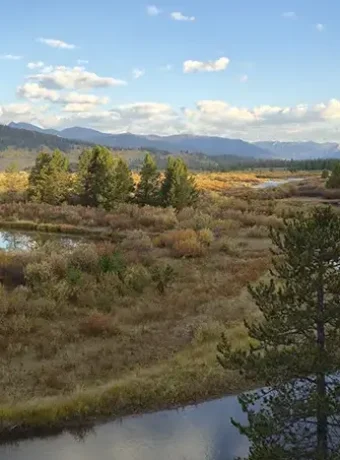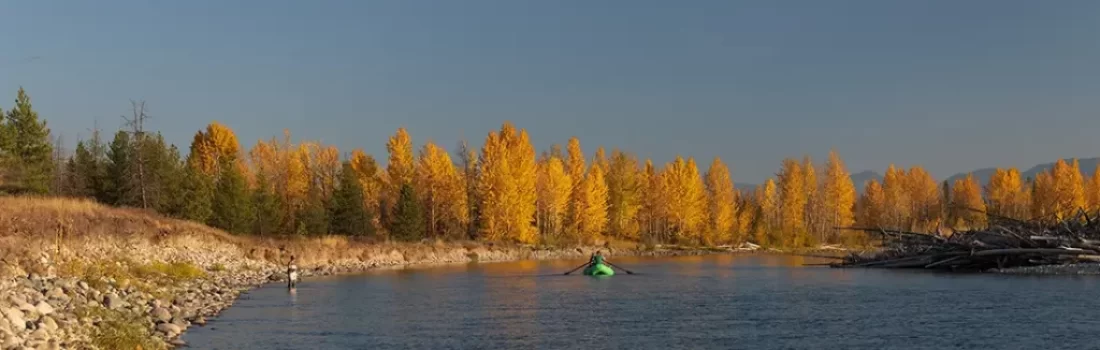
If you’re into fly fishing, hitting up the North Fork and Middle Fork Flathead River should be high on your list. I’ve spent hundreds of day floating & wading through its crystal-clear streams and felt pure excitement when hooking a bull trout. It’s an unforgettable moment etched forever in my mind—just like landing that ideal cast every time! This spot in northwest Montana offers some prime fly fishing action.
But here’s the thing: it’s not just about the fish. It’s about the journey, the wilderness, the solitude. When you’re out there on the river, surrounded by towering pines and rugged peaks, everything else fades away. It’s just you, the water, and the promise of a perfect drift. One the things I loved about guiding the North Fork and Middle Fork was beginners always caught a lot small cutty’s and the drift didn’t had to be perfect.
Ready to leave behind your everyday routine and dive into the serenity of the Flathead River? Keep reading! I’ve got insider advice on where to start fly fishing along with a list of must-have equipment that’ll make your trip unforgettable.
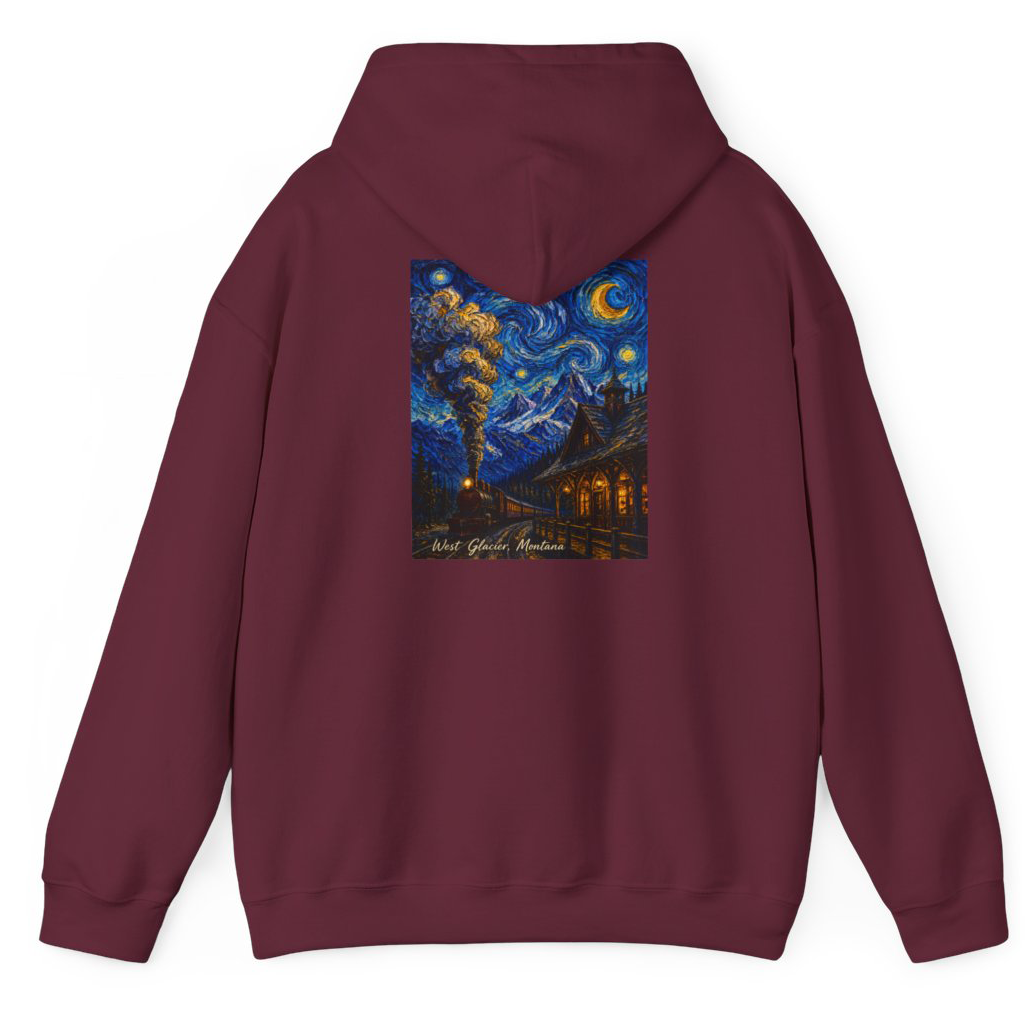
Glacier-Bob Marshall-Swan Valley Years
As we transverse the landscape of the mind remembering experiences, entities met and lost along the way. These years were a great
Table of Contents
Fly Fishing North Fork and Middle Fork Flathead River
If you’re into fly fishing, you can’t miss out on the North Fork Flathead River or the nearby Middle Fork Flathead River. As someone who’s guided many trips and fished here for years, I can vouch that these spots are truly special.
There’s nothing quite like casting your line into the pristine waters of Flathead River. With breathtaking scenery all around and wild fish that challenge you at every turn, it’s truly an unforgettable adventure.
Description
The North Fork and Middle Fork of the Flathead River originate in the remote wilderness of northwest Montana. The North Fork forms the western boundary of Glacier National Park, while the Middle Fork flows through the heart of the Bob Marshall Wilderness.
These rivers boast clear waters, breathtaking landscapes, and thriving native fish like westslope cutthroat trout and bull trout. The North Fork Flathead River is easier to reach with several spots along the river where you can get in.
The Middle Fork is truly a wilderness river. With only a few trailheads and airstrips providing access, it attracts anglers looking for adventure in solitude and pristine waters
“The South Fork runs deeper into the Bob Marshall Wilderness and is a different animal entirely — a 60-mile float through true backcountry that demands a week minimum and rewards you accordingly. If the Middle Fork gets your attention, the South Fork Flathead River will rearrange your priorities.”
Fly tying materials, Outdoor and Fly Fishing Apparel, and Fly Fishing Gear all designed by guides, and outdoor enthusiasts. Every item is completely field tested by our staff and designers. Even the fly tying materials. Learn more click here.
Wild and Scenic River Designation
In a significant move in 1976, Congress honored the Flathead River’s beauty by labeling its North Fork, Middle Fork, and South Fork as Wild and Scenic Rivers. This label ensures they stay free-flowing without interference from dams or diversions that might spoil their unique character.
It’s amazing to see the importance of our rivers recognized through the Wild and Scenic designation. These waters support fish populations, diverse wildlife, recreational activities like fishing, as well as breathtaking views. As an angler dedicated to conservation work myself—hats off to everyone involved in preserving such treasures.
Dam Proposal
The 1970s saw plans for constructing a hydroelectric dam on the Middle Fork Flathead River. If it had gone through, much of the river corridor would have been flooded and its natural flow significantly altered.
In a lucky turn of events, conservation groups, outdoor lovers, and concerned citizens banded together to oppose the dam proposal. Their hard work paid off in 1976 when the river received its Wild and Scenic River designation, putting an end to the dam project for good.
Securing this victory was a game-changer for river conservation, cementing its place in Flathead River’s legacy. The Middle Fork is now protected to remain untamed and flowing freely forever.
Seasons and Regulations
The fly fishing season on the North Fork and Middle Fork Flathead Rivers typically runs from late June through early October. The exact dates depend on snowpack, runoff, and weather conditions.
Don’t forget to review current fishing laws before your trip. The Montana Fish, Wildlife, and Parks department sets specific rules about how many fish you can catch each day and what gear is allowed. This helps keep our waters healthy for all anglers.
If you’re casting your line in the North Fork or Middle Fork, make sure you release any native westslope cutthroat trout and bull trout you catch. These species can’t withstand heavy harvesting; they need careful handling when released back into the water.
Catch and Possession Limits
I strongly recommend Catch & Release Fishing.
The daily limit for cutthroat trout on the North Fork and Middle Fork Flathead Rivers is three fish, non over 12″. For bull trout, the limit is catch-and-release only.
Handle fish with care and release them quickly to help reduce stress and boost their survival chances. Use barbless hooks, wet your hands before touching the fish, and try to keep them in the water as much as possible during release.
Observing these rules along with ethical conduct helps anglers protect the world-class quality of fishing in the Flathead River system for future enthusiasts too.
Best Spots for Fly Fishing on the North Fork Flathead River
If you’re looking for top-notch fly fishing, head to the North Fork Flathead River in northwest Montana. Stretching from the Canadian border down to where it meets the Middle Fork, this river teems with native westslope cutthroat trout and bull trout.
I’ve come across some amazing fishing spots along the North Fork over the years. Here are a few that never fail to bring in fish:
On the North Fork if you would like to hook a few 20″ cutty’s fish the pocket water in the whitewater runs. I use a special Royal Trude I tie and Chubby’s. Orange in the right places makes all the difference. The North Fork is one of those places where if you float you will catch cutthroat and lot of them, thou they may not be big great practice and fun.
Pole Bridge to Middle Fork Confluence
If you’re into fly fishing, the stretch of river from Polebridge down to where it meets the Middle Fork is pure heaven. You’ll find deep pools, swift runs, and a classic mix of riffles and pools that keep things interesting.
I love to fish this area in late summer and early fall when the water levels drop and the fish become more concentrated. Casting a hopper-dropper rig tight to the banks and foam lines can produce explosive strikes from hungry cutthroat trout.
Deep Pools and Runs
For some of the best fishing on the North Fork, head to the deep pools and runs along the river. These areas offer cool, oxygen-rich water with lots of hiding spots for trout.
I always make sure to fish these areas thoroughly, starting with a nymph rig and then switching to streamers if the fish aren’t responding. The key is to get your flies down deep and drift them through the heart of the pool or run.
Grizzly Bear Habitat
If you’re planning to fish the North Fork, remember that this is prime grizzly bear country. These impressive creatures play a crucial role in nature’s balance, so anglers need to stay alert and respectful.
Always carry bear spray, make noise while hiking, and be aware of your surroundings. If you encounter a bear, stay calm and slowly back away while avoiding direct eye contact. It’s also a good idea to fish with a partner and avoid wading through thick brush whenever possible.
River Access Points
Getting to the North Fork Flathead River can be tricky because of its secluded spot and the tough landscape around Glacier National Park. But don’t worry, there are a few key access points that let you enjoy this amazing fishing area.
If you’re looking for some of the best fishing spots, check out Polebridge Ranger Station, Big Creek, Glacier Rim River Access, and Blankenship Bridge. These popular access sites make it easy to start your adventure right on the river. Above Big Creek is where you will find more of the river to yourself. Floating down from Pole Bridge on 4th of July we almost had a Bull Moose run right through the middle of the raft. I was all I could do to avoid him. Always be alert!
Keep in mind that some areas may require a long hike or even a multi-day backpacking trip to reach. But trust me, the effort is well worth it when you’re standing in the middle of a pristine river, casting to rising trout with no one else around.
Middle Fork Doesn’t Care About Your Plans
Most rivers will meet you halfway. The Middle Fork of the Flathead is not most rivers.
It runs cold, fast, and entirely on its own terms through some of the most unforgiving wilderness in the lower 48. Glacier National Park on one side, the Great Bear Wilderness on the other, and no shortage of ways to have a very bad day if you stop paying attention. That’s exactly why guides who’ve spent real time on this water love it the way they do — and why the fish that live here are as wild as anything you’ll find in Montana.
I’ve waded it in the dark trying to beat the crowds that never showed up. I’ve floated Bone Crusher in September when the cutthroats were stacked and the water was just low enough to make it interesting. I’ve guided wedding parties through here who caught more fish than they deserved, and launched a wooden drift boat over three feet of snow in March because the river was there and that was reason enough.
Some of what happened out there is worth telling. Some of it stays on the river.
Fly Fishing Techniques for the Middle Fork Flathead River
The Middle Fork Flathead River winds through the rugged Bob Marshall and Great Bear Wilderness areas, offering a true wilderness fishing experience. This remote river demands a different strategy compared to the more accessible North Fork.
I have fished from above the Walton Inn hiking and wading. Floating the rapids like bone crusher and the others in the late summer offer some great fly fishing opportunities for big Cutthroat. One of my favorite sections was to put the rafts in at the West Glacier Golf Course and take out at Blankenship Bridge.
Fishing on the Middle Fork has taught me a lot over time. These methods have proven effective again and again: The best fly fishing is after a rain. Being glacier rivers, insect life is more abundant in surround springs and creeks flowing into the Middle Fork Flathead River.
Nymphing
Nymphing is one of the most effective techniques for fishing the Middle Fork, especially during the early season when water levels are high and trout are holding deep. I like to use a tandem rig with a heavy stonefly nymph on the bottom and a smaller mayfly or caddis imitation on the dropper.
The key to successful nymphing is to get your flies down to the fish and maintain a natural drift. Use a strike indicator to detect subtle takes and adjust your weight and depth until you find the sweet spot.
Dry Fly Fishing
As the season moves along and water levels dip, dry fly fishing on the Middle Fork really picks up. You’ll find plenty of stoneflies, caddisflies, and mayflies hatching here, drawing trout to the surface for a meal.
I always carry a selection of dry flies in different sizes and colors to match the hatch. Some of my go-to patterns include Parachute Adams, Elk Hair Caddis, and Chubby’s. Look for rising fish in the slower water along the banks and in the tailouts of pools. From the 3rd week in July, trailing ants will enhance your game.
Streamers
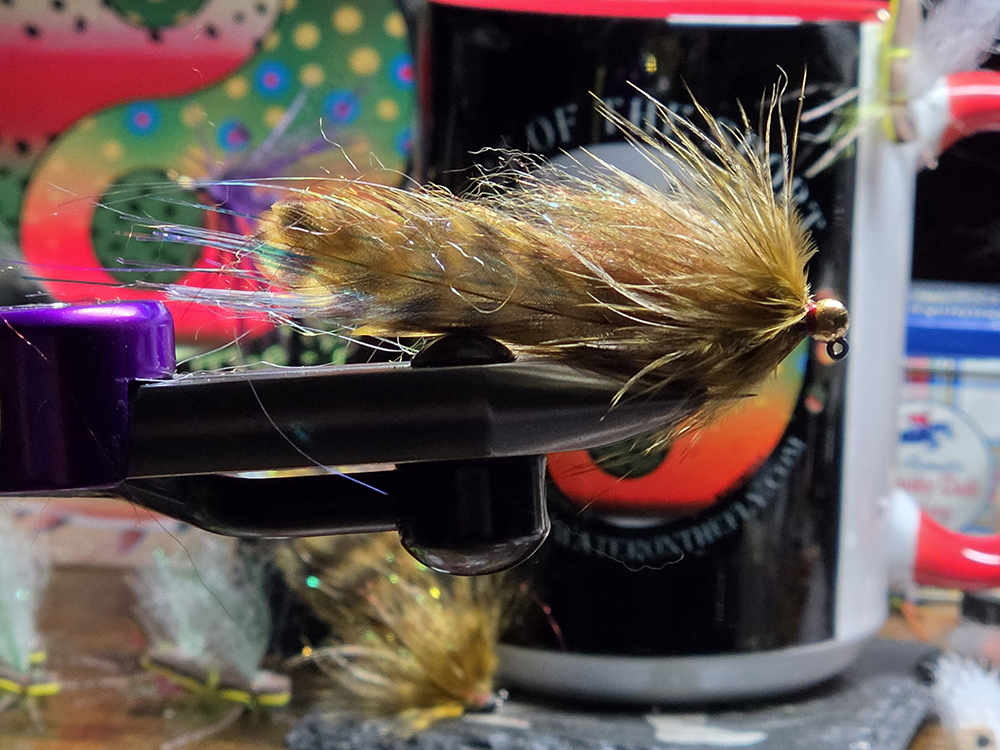
If you’re aiming for the biggest fish in the Middle Fork, streamer fishing is your best bet. I love using articulated streamers in olive, black, and white because they mimic sculpin and other baitfish perfectly. This approach really attracts those hefty bull trout.
Cast your streamer upstream and at an angle, then retrieve it with short, quick jerks to provoke a bite. Get ready for some heart-pounding action as these wild fish hit hard and put up a strong fight.
Reading the Water
To fish the Middle Fork effectively, you need to spot where trout are likely hiding. Focus on finding deep pools, undercut banks, and spots with submerged boulders or logs.
Trout often hold in the seams between fast and slow water, waiting to ambush prey as it drifts by. Focus your casts on these transition zones and work your flies thoroughly before moving on to the next spot.
Wading Safety
Wading safety is paramount when fishing the Middle Fork, especially in the early season when flows are high and the water is cold. Always wear a wading belt and use a wading staff for balance on slippery rocks.
Stay out of water that’s too deep or fast-moving, and always know what’s beneath the surface before you try to cross a river. The fish will still be there tomorrow, so there’s no need to put yourself in danger.
By sticking to these tips and safety rules, you’ll soon be having an amazing fly fishing trip on the Middle Fork Flathead River. Remember to honor the river, treat the fish kindly, and cherish the wild nature around you. Make sure not to leave any trace of your visit.
Flathead River Fly Fishing Tip:
Fly fishing the North Fork and Middle Fork Flathead Rivers offers breathtaking scenery, wild trout, and an unforgettable experience. Explore remote wilderness areas with limited access points for solitude. Use nymphing, dry flies, or streamers based on water conditions. Always follow regulations and practice catch-and-release to protect these pristine waters.
Wading Up from Izaak Walton Inn
The Izaak Walton Inn in Essex sits right on the edge of some of the Middle Fork’s finest wading water. I’ve started many mornings right there, boots in the current before the train crews finished their coffee. Wade upstream and you’re quickly into water that sees very little pressure — native westslope cutthroat stacked in every seam, willing to eat if your drift is even halfway decent. The river corridor through here is tight, beautiful, and completely wild. You’re in Great Bear country, and it shows.
Bone Crusher and the Fall Rapids Runs
If you haven’t floated Bone Crusher in September, you haven’t fully lived on the Middle Fork. The name isn’t an accident. Late summer and fall drop the water enough to make it fishable — and exciting. The big cutthroats that had been tucked in the deep pools all summer start moving, looking for a meal before winter shuts things down. Hit the slack water just below the heavy stuff and hold on. These aren’t small fish and they don’t fight politely.
The other named rapids through that stretch are no joke either. Scouting before you run is not optional; it’s how you get home with your gear and your dignity intact. Some things that happened out there on those fall floats are just better left on the river.
West Glacier Golf Course to Blankenship Bridge — The Classic Run
This is the float I ran more than any other. Put in at the West Glacier Golf Course, take out at Blankenship Bridge — it’s the Middle Fork’s bread and butter section and it never got old. Relatively accessible, reliable cutthroat fishing through every pool and riffle, and enough character in the water to keep even experienced rowers honest.
Some of my favorite trips through this stretch were the guided runs with wedding parties. Yes, wedding parties. Brides, grooms, bridesmaids in waders, groomsmen who’d never held a fly rod in their lives — and they all caught fish. Big, gorgeous, willing Middle Fork cutthroats that have no idea a man is getting married upstream and have absolutely no sympathy for bad casting. It was hard not to love those days. Plenty of laughs, plenty of fish, and memories nobody in that wedding party ever forgot.
Mid-March at Blankenship Bridge — The Drift Boat and Three Feet of Snow
Most people don’t float the Middle Fork in March. There’s a good reason for that.
We did it anyway.
Unloaded the wooden drift boat on the road above Blankenship Bridge and slid the whole thing across three feet of hard-packed snow down to the water. If you’ve never wrestled a drift boat across a snowfield in March, I’d describe it as character-building. We launched, drifted down through the winter-quiet canyon to below Hungry Horse, and had the entire river to ourselves. Not another soul. The kind of silence you only get when everyone else has made the sensible decision to stay home.
The fish were there. Of course they were.
“We launched at Blankenship Bridge and drifted down through the canyon to below Hungry Horse — water most people never see from a boat in March. If you want to understand what’s waiting for you down in that drainage, the Hungry Horse Reservoir guide covers the lakes, tributaries, and Spotted Bear River country that sits just beyond where we pulled out.”
What Happens on the Middle Fork Stays on the Middle Fork
Over the years, this river produced some stories that are genuinely better left untold. The kind of things that happen when you spend enough time in remote water with a small crew, unpredictable weather, and the occasional wildlife encounter that nobody planned for. Let’s just say the Middle Fork has a personality, it’s not always friendly, and it keeps its own counsel. Go spend enough time out there and it’ll give you a few stories of your own that you’ll also choose never to repeat in polite company.
Planning Your Fly Fishing Trip to the Flathead River
When it comes to fly fishing North Fork and Middle Fork Flathead River, timing is everything. The best time of year to plan your trip is from late June through September, when the weather is warm and the river flows are optimal for fishing. “Anglers who want to go deeper into the Bob Marshall should look at the South Fork Flathead River — it’s the most remote float in the system and worth its own dedicated trip.”
As an added side note, I have floated the Flathead River Below Kerr Dam. From the Kerr Dam to Buffalo Rapids holds some beautiful West Slope Cutthroat. On the right day you can sit for hours watching heads rise. Below Buffalo Rapids is phenomenal Smallmouth Bass Fly Fishing with the state record coming from this stretch of the Flathead River. You on the Flathead Indian Reservation here and need a special Tribal License to fish here.
Best Time of Year
Late June to mid-July is prime time for nymphing, as the river levels are still high from snowmelt. As the summer progresses, dry fly fishing becomes more productive, with good hatches of stoneflies, caddisflies, and mayflies bringing trout to the surface. September is a great time for streamer fishing, as the fish become more aggressive in preparation for the coming winter.
Weather Considerations
Weather in the Flathead River area can be all over the place, so come ready for anything. Bring layers like a waterproof jacket and waders to stay comfy no matter what. Check stream levels and weather forecasts before your trip because high water or extreme temps can mess with your fishing plans.
Lodging Options
There are plenty of lodging options near the North Fork and Middle Fork Flathead Rivers, from rustic cabins to full-service lodges. For a true wilderness experience, consider staying at the North Fork Hostel or one of the campgrounds in Glacier National Park. If you prefer more amenities, the Izaak Walton Inn in Essex or the Glacier Outdoor Center in West Glacier are great choices.
Guided Trips
New to the area? Want better fishing results? Try booking a guided trip. Outfitters like Wild River Adventures and Glacier Anglers run float trips on the Flathead River. Their experienced guides will take you to top spots for catching cutthroat and bull trout while teaching you how to perfect your skills.
Gear Checklist
Ready for an amazing fly fishing adventure on the Flathead River? Make sure you’ve got all your gear. Here’s a list of what you’ll need:
- 5-weight or 6-weight fly rod and reel
- Floating and sinking fly lines
- Leaders and tippet (3X-5X)
- Waders and wading boots with felt or rubber soles
- Polarized sunglasses and hat
- Fly box with a selection of nymphs, dry flies, and streamers
- Forceps, nippers, and landing net
- Wading staff and bear spray
- Inflatable raft or inflatable kayak if you plan to float the river
Conservation Efforts on the North Fork and Middle Fork Flathead Rivers
After many hours fishing on the North Fork and Middle Fork Flathead Rivers, I’ve seen why conservation matters so much. Keeping tabs on native fish numbers and fixing up key habitats are just a couple of ways we can ensure these rivers stay vibrant for years to come.
Protecting Native Fish Populations
Protecting native westslope cutthroat trout and bull trout in the Flathead River is a big deal. These fish are under threat from losing their homes, having to compete with non-native species, and dealing with climate change.
Groups like the Flathead Lakers and Trout Unlimited are always on the move, checking fish numbers, pushing for better rules to protect them, and teaching anglers how to catch and release properly. By backing their work and taking care of our waters, we can help native trout flourish in the Flathead River system.
Habitat Restoration Projects
A big part of protecting the Flathead River involves fixing up damaged habitats. Over years of logging, building roads, and developing land, we’ve seen harm to streamside areas and a drop in water quality.
Thankfully, there are plenty of ongoing restoration projects focused on essential habitats. From dismantling obsolete logging routes to securing crumbling riverbanks—these steps enhance water purity while reducing sediment deposits—and they also provide a better living space for both fish and other forms of marine life.
Responsible Angling Practices
As anglers, we should do our part to protect native trout by practicing catch and release. Use barbless hooks, handle the fish gently, and keep them in the water as much as you can while letting them go.
Avoid wading through spawning areas, and if you spot any invasive species or illegal fishing activities, report them to Montana Fish, Wildlife, and Parks. By sticking to these guidelines and backing conservation efforts, we can keep the Flathead River a top-notch fly fishing spot for years ahead.
Exploring the Surrounding Wilderness and Wildlife
The best part about fly fishing along North Fork and Middle Fork Flathead River is being surrounded by such incredible scenery. Whether it’s taking in Glacier National Park’s towering mountains or exploring Great Bear Wilderness’ dense woods, there’s always something amazing to see.
Glacier National Park
Glacier National Park’s western boundary is defined by the North Fork Flathead River. With more than 700 miles of trails to explore, sparkling alpine lakes to admire, and abundant wildlife to encounter, it’s truly paradise for hiking enthusiasts and backpacking adventurers.
Some top spots for me in the park are Bowman Lake and Kintla Lake. I also can’t get enough of the Highline Trail because it offers such breathtaking vistas of mountains and valleys. You don’t need to be into fishing to appreciate a day or two out here; there’s so much natural beauty waiting for you.
Great Bear Wilderness
The Middle Fork Flathead River winds through the remote Great Bear Wilderness, a rugged sanctuary for grizzly bears, wolves, and mountain lions. Anglers will find some of the best backcountry fishing here with miles of untouched waters that see hardly any fishing pressure.
If you’re planning to fish the Great Bear, be prepared for long hikes and primitive conditions. The solitude and scenery are well worth the effort, but it’s important to come prepared with the right gear and backcountry skills.
Grizzly Bear Safety
When you’re out exploring near the Flathead River, it’s crucial to remember grizzly bear safety. These strong animals play a big role in nature but can pose serious danger if you stumble upon them unexpectedly.
To stay safe in grizzly country, always carry bear spray and know how to use it. Make noise while hiking to avoid surprising a bear, and keep a clean camp by storing food and other attractants in bear-resistant containers. If you do encounter a grizzly, stay calm, slowly back away, and avoid running or making sudden movements.
Bald Eagles and Ospreys
Besides the larger wildlife, the Flathead River hosts an array of bird species like bald eagles and ospreys. You can often spot these impressive birds flying high above or resting in trees by the river, keeping a sharp eye on the water for their next catch.
As an angler, it’s exhilarating to witness these majestic predators in action. Watching them swoop down and snatch a trout from the river with their talons is unforgettable. Keep your eyes sharp and camera ready because you never know when you’ll spot one of these iconic birds while fly fishing on the North Fork or Middle Fork Flathead River.
Flathead River Fly Fishing Tip:
Plan your fly fishing trip to the Flathead River from late June through September. The best times for nymphing, dry fly fishing, and streamer fishing vary throughout this period. Always pack layers due to unpredictable weather and consider hiring a guide if you’re new to the area.
Regulations and Permits for Fishing the Flathead River
If you’re gearing up for a fly fishing trip to the North Fork or Middle Fork of the Flathead River, you’ll need to know about the necessary regulations and permits. Having spent countless days on these waters myself, I can assure you that being well-prepared and sticking to the rules makes all the difference in having an awesome experience.
Fishing Licenses
First things first, you’ll need a valid Montana fishing license to cast your line in the Flathead River. You can easily purchase one online through the Montana Fish, Wildlife, and Parks website or at various license agents throughout the state.
I recommend opting for the season-long license if you plan on making multiple trips to fully immerse yourself in the beauty of the Flathead River. Trust me, once you experience the thrill of hooking a feisty cutthroat trout or the serenity of watching bald eagles soar overhead, you’ll be itching to come back for more.
Catch Limits
Catch & Release
To protect the native fish populations, it’s important to familiarize yourself with the catch limits on the Flathead River. The regulations can vary depending on the species and the section of the river you’re fishing.
For example, in the Middle Fork Flathead River Montana, the daily limit for cutthroat trout is three fish, with only one allowed over 18 inches. The possession limit is twice the daily limit.
Practicing catch and release isn’t just a responsible choice; it makes fishing even more thrilling. There’s a special joy in gently letting a stunning trout swim back into its natural waters, feeling like you’ve contributed to its life story.
Boating Permits
If you plan on using a boat or raft to access those hard-to-reach fishing spots, you’ll need to obtain the proper permits. In Glacier National Park, all watercraft must undergo an inspection for aquatic invasive species before launching.
On the Middle Fork Flathead River, a permit is required for all commercial and private floats from June 1 to September 30. This section of the river parallels Highway 2 and features numerous designated access sites, making it a popular spot for float trips.
I’ve found that using an inflatable kayak is the way to go when navigating the Middle Fork. It allows you to easily maneuver through the small class II rapids and large waves while still having the flexibility to pull over and wade fish those promising deep pools.
Leave No Trace Principles
As fly fishermen, we have a duty to protect the environment. The Flathead River winds through some of Montana’s most untouched wilderness, including Glacier National Park and the Great Bear Wilderness.
To keep this natural gem pristine for future visitors, we should stick to Leave No Trace principles. This means taking all trash with us, disposing of fish waste properly, camping only in designated spots and using existing fire rings. By doing so, we can help protect the vegetation and local fauna.
I’ve seen the damage caused by careless actions on our river. Abandoned fishing lines and eroded banks are just a couple of examples. We all need to step up and protect this amazing resource.
Flathead River Fly Fishing Tip:
To fish the North Fork or Middle Fork Flathead River, get a Montana fishing license and know the catch limits. Boating permits are needed for certain areas, especially during peak season. Follow Leave No Trace principles to protect this beautiful environment.
FAQs in Relation to Fly Fishing North Fork and Middle Fork Flathead River
Where can I fish in North Fork Flathead River?
Fish from Pole Bridge to the Middle Fork confluence. Access points are scattered along Glacier National Park.
Do you need a permit to float the north fork of the Flathead river?
No permit is needed for private floats, but commercial trips do require permits.
How long is the north fork of the Flathead river?
The North Fork stretches about 153 miles through northwest Montana into Canada.
What fish are in the North Fork River?
You’ll find bull trout and cutthroat trout populating this scenic wilderness waterway.
Conclusion of Fly Fishing North Fork and Middle Fork Flathead River
Fly fishing North Fork and Middle Fork Flathead River is an adventure like no other. From the wild beauty of the surrounding wilderness to the thrill of hooking into a native westslope cutthroat, this is a destination that should be on every angler’s bucket list.
Apart from everything else, it’s about escaping modern life’s chaos for a while. It’s about connecting with those basic instincts that ground us in the natural order of things.
So, whether you’re a seasoned pro or a wide-eyed beginner, the Flathead River is calling your name. Heed the call. Pack your gear, hit the road, and discover for yourself why this is one of the last truly wild places left in America.
You’ll thank yourself later. Imagine standing knee-deep in the Flathead as the sun sets behind mountain peaks while a wild trout tugs at your fishing line. Right then, you’ll realize this is where you belong.
Fly Fish Alaska, Montana, or Canada
Trophy brook trout in Canada. Wild Alaskan Rainbows or a Livingston Montana Spring Creek, like Depuy’s.