Guide to Jewel Basin Wilderness Area: Fly Fishing, Hiking, and Backpacking
Welcome to the Jewel Basin Wilderness Area, a 15,349-acre gem in Montana’s Flathead National Forest that’s so breathtaking it’ll make you forget your Netflix password. Tucked east of Kalispell and west of Hungry Horse Reservoir, this alpine wonderland is a playground for fly fishers, hikers, and backpackers who don’t mind trading a little sweat for views that could star in a postcard. With over 20 crystal-clear lakes teeming with trout and 35 miles of trails winding through rugged peaks, wildflower meadows, and bear country (yep, bring that bear spray), Jewel Basin is the kind of place that makes you want to yet your desk job and live in a tent—until you remember you’d miss coffee shops.
In this expanded, guide, we’re diving deeper into the hiking and backpacking experience in Jewel Basin, with a spotlight on the top three fly fishing lakes: Birch Lake, Crater Lake, and Black Lake. We’ll cover the best trails in exhaustive detail, recommend flies for each trout species, and keep the vibe casual with a dash of humor to make those switchbacks feel less like a personal attack. Whether you’re casting for golden trout, humping a backpack to a remote campsite, or just trying to out-hike a mountain goat, this guide has you covered. So lace up your boots, grab your rod, and let’s get lost in Jewel Basin—figuratively, because literally getting lost here is a bad idea.
Table of Contents
Jewel Basin, Bob Marshall, Swan Valley, Mission Mountains, Glacier Park, the Front Range and the continuation down through the Pintlers and on is amazing. What a blessing to breath it’s air and feel it’s pulse.
Why Jewel Basin Wilderness Area is Your Next Obsession
Jewel Basin isn’t just another pretty face in Montana’s lineup of outdoor destinations—it’s the whole package. Designated as a hiking-only area, it bans motorized vehicles and horses, keeping the trails quiet and the fish unspooked. Spanning the northern Swan Mountain Range, the area boasts 27 lakes, most above 5,000 feet, surrounded by peaks that look like they were sculpted by a very motivated artist. Fly fishing here is like playing chess with trout—strategic, rewarding, and occasionally humbling. The trails range from “I can do this in flip-flops” to “Why did I think this was a good idea?” Though I have successfully and comfortably hiked and backpacked in sandals. And with a fragile alpine ecosystem, the Forest Service is strict about Leave No Trace, so don’t be the knucklehead who leaves a candy wrapper behind for a bear to find.
This guide will focus heavily on the hiking and backpacking experience, with granular details on trails, campsites, and what to expect when you’re out there questioning your life choices. We’ll also zoom in on Birch, Crater, and Black Lakes, giving you the lowdown on their fish, flies, and why they’re worth the trek. Buckle up—this is going to be a wild, wordy ride.
Getting to the Jewel Basin
The main access point for the Jewel Basin is the Camp Misery Trailhead. It is located about 40 miles east of Kalispell and 15 miles from Bigfork. The final stretch of the journey is on a gravel road, which can be rough in places.
From Bigfork, you will take Montana Highway 83 and turn onto Echo Lake Road. Follow this for about three miles before turning right onto the Jewel Basin Road, also known as Forest Service Road 5392 (FS Road 5392). This gravel basin road climbs for seven miles to the trailhead.
The road is steep and narrow, so a vehicle with good clearance is helpful, though many sedans make the trip. The Camp Misery parking lot can fill up quickly, especially on weekends, so arriving early is a good idea. There are restrooms at the trailhead but no drinking water, so bring your own.
Fly Fishing in Jewel Basin: Where Trout Dreams Come True
High-mountain lake fishing is synonymous with Jewel Basin, and for good reason. The area’s 20+ lakes are home to several trout species, including cutthroat, rainbow, and brook trout, with some lakes harboring the elusive golden trout. These fish aren’t exactly jumping into your net, but with the right flies and a bit of patience, you’ll be landing keepers faster than you can say “fish on!” Below, we’ll break down the best lakes for fly fishing, the trout you’ll find there, and the flies that’ll make them think your hook is a Michelin-starred meal.
Best Fly Fishing Lakes in Jewel Basin
Jewel Basin’s lakes vary from easy-access gems to remote tarns that require a PhD in route-finding to reach. Here are the top picks for fly fishing, based on accessibility, fish populations, and the sheer “wow” factor of the scenery.
1. Birch Lake
-
Location: Near the Camp Misery trailhead, accessible via a 2.5-mile hike on Trail #7.
-
Fish Species: Cutthroat trout, rainbow trout.
-
Why It’s Great: Birch Lake is the gateway drug of Jewel Basin fishing spots. It’s a relatively easy hike, making it perfect for beginners or those who want to fish without feeling like they just summited Everest. The lake is stocked with cutthroat and rainbow trout, which are feisty enough to keep things exciting but not so picky they’ll laugh at your fly selection.
-
Flies to Use:
-
Cutthroat Trout: Parachute Adams (#14-16) for dry-fly action during summer hatches. These fish love a good mayfly imitation, especially when Pale Morning Duns are popping. For subsurface, try a Copper John (#16) with a slow retrieve to mimic a struggling nymph.
-
Rainbow Trout: Elk Hair Caddis (#14-16) for surface sipping, especially in the evenings. A black or olive Woolly Bugger (#8-10) with a bit of flash will tempt bigger rainbows lurking in deeper water. Strip it erratically to imitate a panicked baitfish.
-
-
Pro Tip: Fish the inlets and outlets where trout congregate to feed. Early mornings are prime time, before the day hikers show up with their Bluetooth speakers.
2. Crater Lake
-
Location: Reached via Trail #8 from Camp Misery, about a 4-mile hike.
-
Fish Species: Brook trout, cutthroat trout.
-
Why It’s Great: Crater Lake feels like it was designed by a Hollywood set designer for a movie about paradise. Surrounded by steep cliffs and alpine meadows, it’s a stunner, and the brook trout here are as colorful as the wildflowers. Cutthroats are also plentiful, making it a great spot for a mixed bag.
-
Flies to Use:
-
Brook Trout: Rich’s Mega Scud (#8) in orange is a brookie magnet in alpine lakes. The oversized, flashy pattern grabs their attention. Alternatively, a black Seal Bugger (#10) with a slow strip works wonders.
-
Cutthroat Trout: Stimulator (#12-14) in yellow or orange for dry-fly fishing when caddis or stoneflies are hatching. For nymphs, a Pheasant Tail (#16-18) under a small indicator will get you into fish holding near the bottom.
-
-
Pro Tip: No campfires within 500 feet of Crater Lake, so plan to use a camp stove if you’re overnighting. Also, watch for cruising fish along the shoreline—they’re easier to spot in the clear water than your ex’s red flags.
3. Twin Lakes
-
Location: Accessible via Trail #7 and a spur trail, roughly 5 miles from Camp Misery.
-
Fish Species: Rainbow trout, cutthroat trout.
-
Why It’s Great: Twin Lakes is like the cool, slightly mysterious cousin of Birch and Crater. The two lakes sit close together, offering double the fishing opportunities. Rainbows dominate here, but cutthroats add variety. The surrounding scenery, with views of the Flathead Valley, is worth the hike alone.
-
Flies to Use:
-
Rainbow Trout: Hopper patterns (#10-12) like a Dave’s Hopper for late-summer terrestrials. Rainbows can’t resist a big, splashy fly. For subsurface, a Prince Nymph (#14-16) with a bead head will sink into their strike zone.
-
Cutthroat Trout: Parachute Hare’s Ear (#14-16) for dry-fly fishing during mayfly hatches. A weighted Olive Scud (#12-14) is deadly when fished slowly near weed beds.
-
-
Pro Tip: The trail to Twin Lakes can be muddy in early summer, so bring gaiters unless you want to look like you just competed in a mud-wrestling tournament.
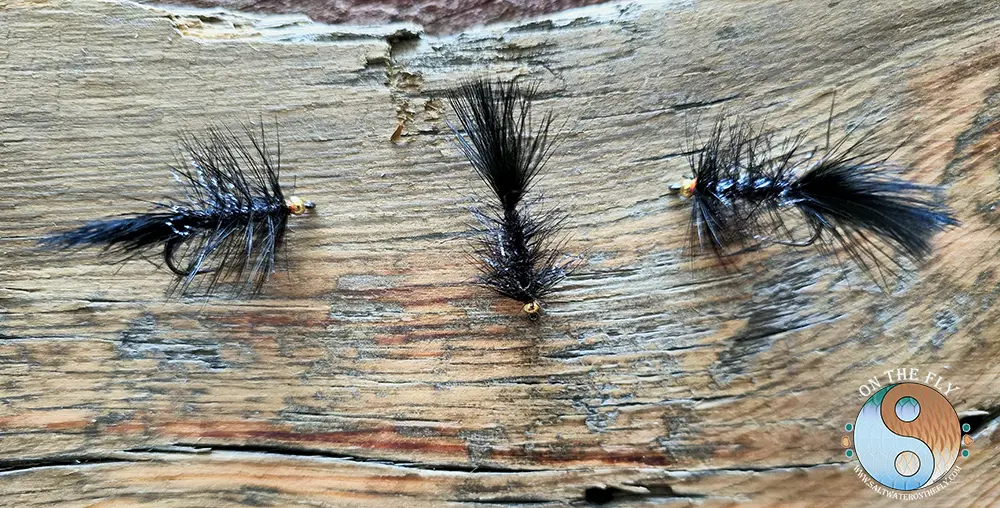
Brass Beadhead Black Woolly Bugger-size 8
Text content
4. Picnic Lakes
-
Location: Reached via Trail #717 and a spur trail, about 6 miles from Camp Misery.
-
Fish Species: Brook trout, cutthroat trout.
-
Why It’s Great: Picnic Lakes sound like a place for a family reunion, but they’re actually a serene spot for anglers who don’t mind a bit of a trek. The brook trout here are small but scrappy, and the cutthroats can surprise you with their size. Plus, the name practically begs you to pack a sandwich.
-
Flies to Use:
-
Brook Trout: Small Royal Wulff (#16-18) for dry-fly fishing when the water’s calm. A Soft Hackle Wet Fly (#14-16) swung through riffles near the inlet will fool brookies every time.
-
Cutthroat Trout: Elk Hair Caddis (#14-16) for evening rises. A Zug Bug (#14-16) fished under an indicator is a solid choice for deeper water.
-
-
Pro Tip: Like Crater, no campfires within 500 feet, so keep your s’mores dreams in check. Also, the trail can be overgrown, so long pants are your friend unless you want to play “guess the rash.”
5. Black Lake
-
Location: A challenging 7-mile hike from Camp Misery via Trail #7 and bushwhacking.
-
Fish Species: Golden trout, cutthroat trout.
-
Why It’s Great: Black Lake is the holy grail for anglers chasing golden trout, those elusive, golden-hued beauties that make you feel like you’ve caught a piece of the sun. The hike is a beast, involving some off-trail navigation, but the payoff is a remote lake with fish that rarely see a fly.
-
Flies to Use:
-
Golden Trout: Rich’s Mega Scud (#8) in orange is a must-have, as goldens are suckers for bright, meaty patterns. A black Seal Bugger (#10) with a slow strip can also trigger strikes from larger fish.
-
Cutthroat Trout: Parachute Adams (#14-16) for dry-fly fishing during hatches. A Hare’s Ear Nymph (#16-18) with a slow retrieve will tempt cutthroats holding near structure.
-
-
Pro Tip: Route-finding skills are a must to reach Black Lake. Bring a map, compass, or GPS, because “just wing it” isn’t a strategy here unless you want to star in a survival reality show.
Fly Fishing Tips for Jewel Basin
-
Tackle: A 3- to 5-weight fly rod is ideal for these small lakes, with a 9-foot leader tapered to 4x or 5x for dry flies and 3x for streamers. A lightweight reel and floating line cover most scenarios.
-
Timing: June to September is prime, with July and August offering the best weather and hatches. Early mornings and evenings are when trout are most active, so set your alarm unless you’re a morning person (in which case, who hurt you?).
-
Techniques: Walk the shorelines to spot cruising fish, especially near inlets and outlets. Cast ahead of their path and let the fly settle. If they’re not rising, try a nymph under an indicator or a slow-stripped streamer. Goldens can be picky, so don’t be afraid to switch patterns if they’re giving you the cold shoulder.
-
Regulations: Check Flathead National Forest rules for catch-and-release policies and any seasonal closures. Pinch your barbs to protect these fragile fisheries, and always practice Leave No Trace.
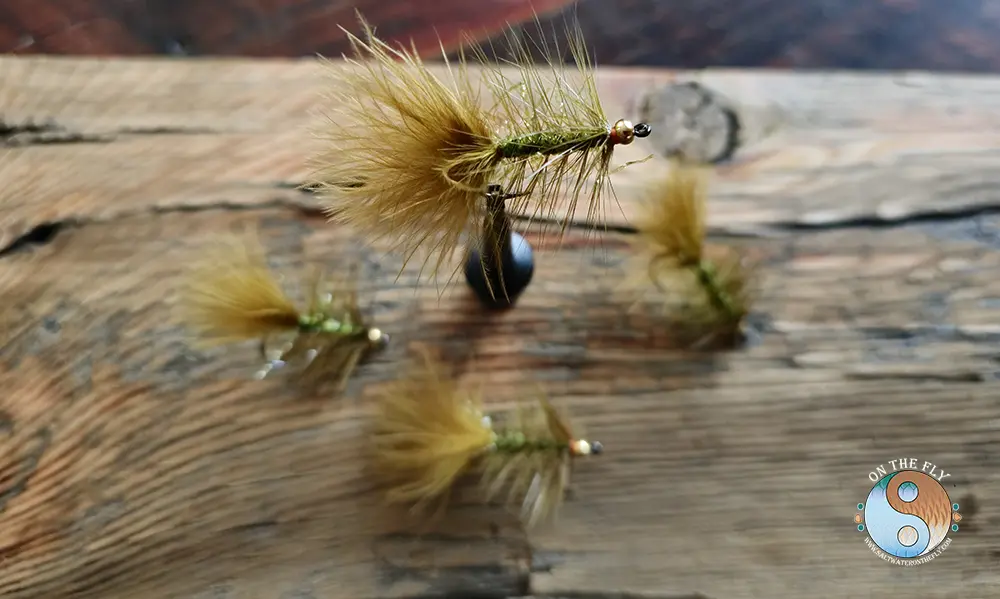
Brass Beadhead Olive Woolly Bugger-size 8
Text content
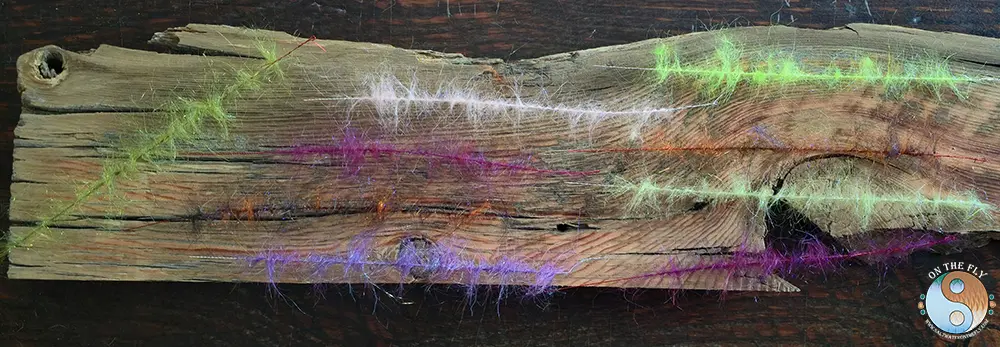
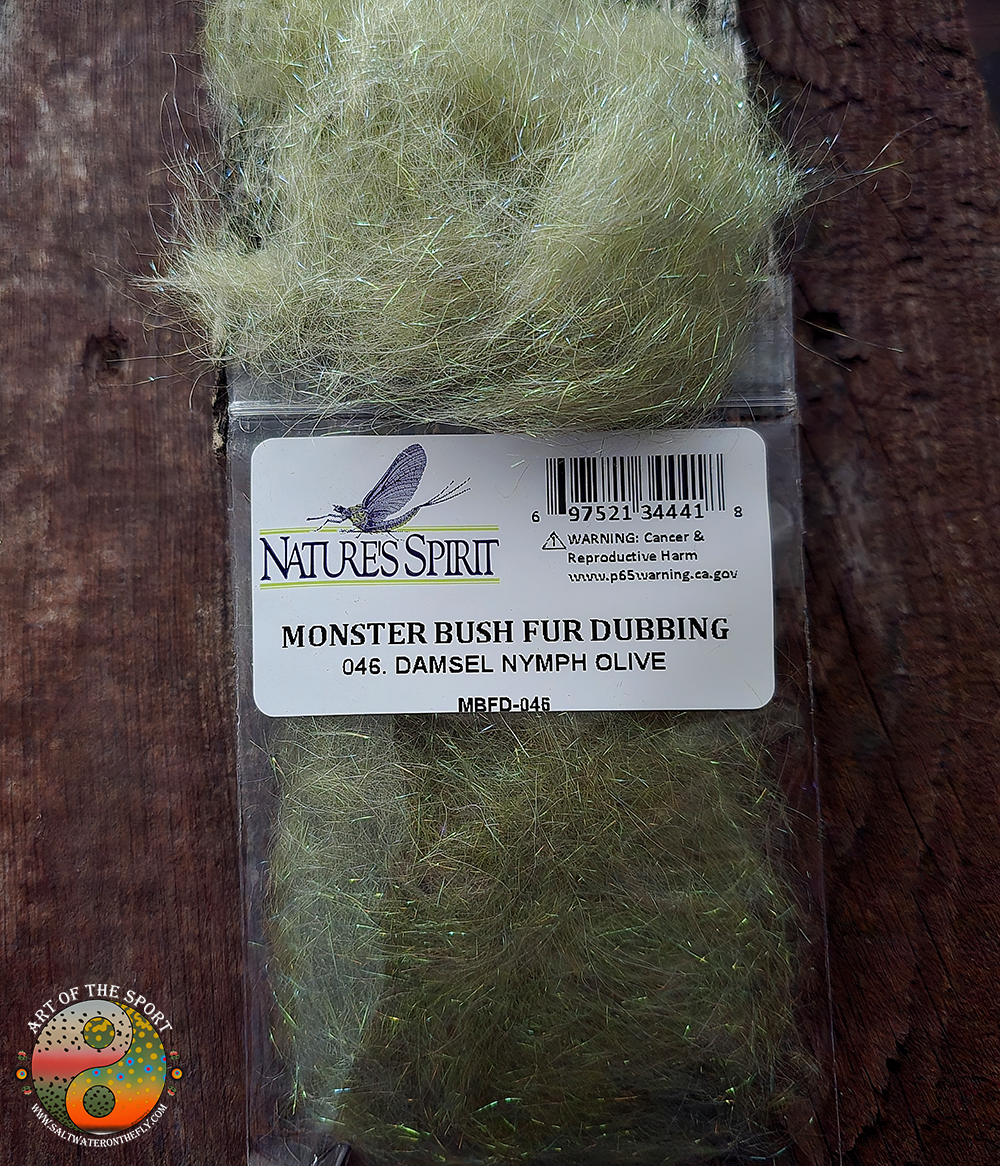
Creating a brush using Monster Bush Fur & Semperfli Sub-Seal Mixed makes an Incredibly Effective Pattern.
Fly Fishing in Jewel Basin: The Top Three Lakes
The high mountain lakes in Jewel Basin are a fly fishing dream., in my opinion Their clear waters hold trout that can be feisty or downright huge. We have chosen Birch Lake, Crater Lake, and Black Lake as the best spots, based on their accessibility, fish, and pure scenic beauty.
1. Birch Lake: The Welcoming All-Star
You will find Birch Lake about 2.5 miles from the Camp Misery trailhead. You can get there using the Birch Lake Trail, which is Trail #7. The lake holds cutthroat trout, including native westslope populations, and rainbow trout.
It is an easy to moderate hike. The round trip is 5 miles with about 1,000 feet of elevation gain. Birch Lake is the perfect introduction to fishing in the basin hiking area, feeling remote while still being close to the trailhead.
The lake itself is a perfect oval shape, surrounded by pine trees and open meadows. Montana Fish, Wildlife & Parks stocks it from time to time. This means the fish are plentiful, if not always the wisest, making it a great spot for beginners or a relaxed day.
The clear water allows you to see trout cruising near the shore. Look for cutthroats near the shallows and the inlet stream, which is fed by Clayton Creek. Rainbows often patrol the deeper sections looking for a meal, especially during early mornings and late evenings.
Casting from the shore is easy in most places, but watch out for sneaky overhanging branches. They seem to love grabbing your line when you least expect it. A 4- or 6-weight fly rod is perfect for presenting dries and small nymphs effectively.
Flies for Birch Lake
- Parachute Adams (#14-16): This classic dry fly is great for summer hatches. Let it drift naturally near the inlet where cutthroats love to feed.
- Copper John (#16): Use this bead-head nymph for subsurface fishing. Its flashiness gets the attention of fish in deeper water.
- Elk Hair Caddis (#14-16): A fantastic choice for evening caddis hatches. It skates across the surface, tempting rainbows to strike.
- Woolly Bugger (#8-10): This streamer looks like a leech or small fish. Strip it through deep pools to provoke an aggressive hit.
Campsites are available around the lake, but make sure you set up camp at least 100 feet from the water. This helps protect the fragile shoreline. Campfires are generally permitted in existing fire rings, but always check current restrictions in the Flathead National Forest.
2. Crater Lake: The Dramatic Performer
Crater Lake is a bit more of a challenge to reach. It is 4 miles from the Camp Misery trailhead via Trail #8. Here, you will find brook trout and cutthroat trout.
The hike is a moderate to strenuous 8-mile round trip, and you will climb around 2,000 feet in elevation. The lake sits inside a cirque, framed by steep cliffs. The scenery alone makes the difficult climb feel worth it, with views overlooking the Flathead Valley.
Brook trout are the stars here, with vibrant colors that seem almost electric in the clear water. Cutthroats add some nice variety to your fishing day. This lake sees fewer people than Birch, offering you more peace and quiet for your outdoor adventure.
The deep water and rocky bottom provide great hiding spots for brookies, which dart out from cover to snatch up scuds and streamers. You will find cutthroats cruising the shallows near the inlet stream, gently sipping insects from the surface. A long leader and a stealthy approach are your best tools here.
Polarized sunglasses are essential. The clear water lets you spot fish before they can spot you. Wind can pick up in the afternoons, making dry-fly fishing tough, so get there early to beat the breeze.
Flies for Crater Lake
- Rich’s Mega Scud (#8, orange): Brook trout go crazy for this scud pattern. Fish it near weed beds with a slow, twitching retrieve.
- Semperfli Sub-Seal Bugger (#10, black or olive): This weighted streamer sinks quickly to where the big brookies hang out. Strip it slowly to imitate a wounded minnow. I have also been using Monster Bush Fur-Natures Spirit. Both the Semperfli Sub-Seal and Monster Bush Fur Woolly Buggers I use just a brass bead for weight, it seems to be more effective as of lately. Not catching change up, it’s nature. It’s always changing, that’s what makes it fun.
- Stimulator (#12-14, yellow or orange): A high-floating dry fly for caddis or stonefly hatches. Cutthroats hit this one hard.
- Pheasant Tail Nymph (#16-18): A classic choice for cutthroats holding near the bottom. Drift it under a small strike indicator.
There is a special rule at Crater Lake: no campfires are allowed within 500 feet of the shoreline. Be sure to pack a small stove if you plan to cook or make coffee. Snow often lingers on the trail into July, so check the latest trail conditions before you go.
3. Black Lake: The Elusive Treasure
Black Lake is for the most adventurous anglers. It is a grueling 7 miles from the Camp Misery trailhead, requiring off-trail navigation. You will find golden trout and cutthroat trout here.
The round trip is about 14 miles, and you will gain a thigh-burning 3,500 feet of elevation. Black Lake is where fly fishing legends are made. It holds the rare and beautiful golden trout, whose shimmering scales look like they were dipped in liquid gold.
Reaching this lake is a serious challenge requiring solid route-finding skills. The reward is a pristine tarn with fish that have rarely seen a fly. The surrounding peaks make you feel like you are in a different world, far from any national park crowds.
Golden trout are known to be picky eaters, but their natural curiosity can make them fall for a bright streamer. Cutthroats in the lake are generally less finicky and will often rise for a well-presented dry fly. Your presentation must be delicate to avoid spooking these wild fish.
Stealth is your best friend here, as golden trout spook very easily. Fish at dawn or dusk for your best chance at success. Focus your efforts near the small inlet where food is concentrated and the current provides cover.
Flies for Black Lake
- Rich’s Mega Scud (#8, orange): Even picky goldens have a hard time resisting this one. Fish it slow and deep along drop-offs.
- Parachute Adams (#16): A subtle dry fly is sometimes needed for rising golden trout. Use a long leader to avoid spooking them.
- Hare’s Ear Nymph (#16-18): A great all-around nymph for the cutthroats in the lake. Drift it slowly under an indicator.
- Royal Wulff (#16): This high-visibility dry fly is good for evening rises. Its bold colors help attract fish in low light.
Navigating to Black Lake is no joke. Bring a topographic map and compass or a reliable GPS. A trip here is best done over multiple days, so plan to camp for at least one night to make the most of it.
General Fly Fishing Tips for Jewel Basin
-
Gear: A 3- to 6-weight rod (8.5-9 feet) is perfect for these lakes, paired with a floating line and 9- to 12-foot leaders. Use 4x-6x tippets for dry flies and nymphs, 3x for streamers. A lightweight reel keeps your pack manageable.
-
Timing: June to September is peak season, with July and August offering the best hatches (mayflies, caddis, and terrestrials). Fish early (6-8 a.m.) or late (6-9 p.m.) for active trout. Avoid midday unless it’s overcast.
-
Techniques: Spot cruising fish along shorelines or near inlets/outlets. Cast ahead of their path and let dry flies settle naturally. For nymphs, use a small indicator and a dead-drift or slow retrieve. Streamers work best with erratic strips to mimic panicked prey. If fish are deep, add split shot to get your fly down.
-
Regulations: Check Flathead National Forest rules for catch-and-release policies. Pinch barbs to protect fish, and pack out all trash to keep these lakes pristine. No motorized boats or float tubes are allowed, so it’s all shore fishing.
Hiking and Backpacking in Jewel Basin: A Deep Dive into the Trails
Jewel Basin’s 35 miles of trails are a choose-your-own-adventure book, with options for day hikers who want a quick fix and backpackers who dream of sleeping under the stars. The trails range from well-trodden paths to faint tracks that’ll have you wondering if you’re following a deer trail or just lost. The scenery—jagged peaks, alpine lakes, and meadows that look like they were painted by a very happy Bob Ross—makes every step (and every blister) worth it. Below, we’ll expand on the hiking and backpacking experience, with detailed trail descriptions, camping tips, and enough humor to keep you from crying on the switchbacks.
The Hiking Experience: What to Expect
Hiking in Jewel Basin is like stepping into a nature documentary narrated by David Attenborough, except you’re the star, and the plot involves a lot of panting. The trails start at the Camp Misery trailhead (elevation 5,600 feet), a name that sounds like a horror movie but is actually a great launchpad. Most trails climb steadily through dense forests of lodgepole pine and subalpine fir, opening to meadows bursting with wildflowers like beargrass and Indian paintbrush in July and August. You’ll cross streams, navigate rocky outcrops, and occasionally dodge a rogue marmot who thinks he owns the trail.
The terrain varies from packed dirt to loose scree, with some trails fading into faint paths that require sharp navigation skills. Elevation gains range from 1,000 to 3,500 feet, so expect your calves to stage a protest by mile three. Snow can linger into July on higher trails, and muddy patches are common in early summer, so waterproof boots and gaiters are your friends. Wildlife is a constant—deer, elk, and mountain goats are regulars, while bears (black and grizzly) remind you to keep that bear spray handy. The views, especially from peaks like Mt. Aeneas, are jaw-dropping, with panoramas of Flathead Lake, Glacier National Park, and the Swan Range that’ll make you forget your aching quads.
The Backpacking Experience: Living the Wilderness Dream
Backpacking in Jewel Basin is for those who think “roughing it” means trading Wi-Fi for a sleeping bag and a sky full of stars. The area’s compact size makes it ideal for 1- to 3-night trips, with campsites near lakes or in meadows offering solitude and scenery. Most sites are primitive—no picnic tables or fire rings here—so you’ll need to channel your inner survivalist. The Forest Service enforces strict Leave No Trace rules, including no campfires within 500 feet of certain lakes (like Crater and Picnic) and keeping camps 100 feet from water. Bear-resistant food storage is non-negotiable—use a canister or hang your food 10 feet off the ground and 200 feet from your tent, unless you want a grizzly as a bunkmate.
Water is plentiful thanks to streams and lakes, but treat or filter it to avoid giardia turning your trip into a bathroom horror story. Pack light (aim for 25-30 pounds) with ultralight gear like a collapsible fly rod, a compact stove, and a tent that doesn’t weigh more than your regrets. Weather can be unpredictable—sunny mornings can turn into afternoon thunderstorms—so pack layers and a rainfly. The solitude is a big draw, but you’ll need navigation skills (map, compass, or GPS) for remote trails like Black Lake, where “trail” is sometimes just a suggestion.
Detailed Trail Breakdowns
Here is a closer look at some of the most popular Jewel Basin trails. A good trail plan is important for a successful trip. We have included trail distance and elevation, and a table to compare them.
| Trail Name | Round-Trip Distance | Elevation Gain | Difficulty |
|---|---|---|---|
| Mount Aeneas Trail (#717) | 6 miles | 1,800 feet | Moderate |
| Birch Lake Trail (#7) | 5 miles | 1,000 feet | Easy to Moderate |
| Crater Lake Trail (#8) | 8 miles | 2,000 feet | Moderate to Strenuous |
| Strawberry Lake Trail (#5) | 6 miles | 1,000 feet | Moderate |
| Black Lake (Off-Trail) | 14 miles | 3,500 feet | Very Strenuous |
Here’s an expanded look at the top trails, with details on routes, challenges, and why they’re worth the sweat. All distances are round trip from Camp Misery unless noted, and we’ll keep the humor flowing to distract you from the elevation gain.
Mt. Aeneas Trail (#717)
-
Distance: 6 miles
-
Elevation Gain: 1,800 feet
-
Difficulty: Moderate
-
Route Description: Start at Camp Misery and follow Trail #717 through a forest of pine and fir, where the air smells like Christmas and optimism. The trail climbs steadily, with switchbacks that are polite but persistent, like a toddler asking “why?” After 2 miles, you break into alpine meadows with views that’ll have you pausing for photos (or to catch your breath). The final push to Mt. Aeneas’s summit (7,528 feet) involves a rocky scramble, but the 360-degree views of Flathead Lake, the Swan Range, and Glacier National Park are worth every grunt. You might spot mountain goats, who’ll judge your hiking skills but won’t offer to carry your pack.
-
Why It’s Great: This is Jewel Basin’s signature hike, perfect for day trippers or backpackers wanting a taste of the area’s best views. It’s challenging but not soul-crushing, and the summit is a great spot for a victory sandwich. The switchbacks are like a bad date—annoying but you’ll get through them. By the summit, you’ll be so stoked you’ll forget you called the trail a jerk 20 minutes ago.
-
Backpacking Notes: Limited campsites near the summit, but you can loop to Birch Lake (via Trail #7) for better options. No water on the summit, so pack enough unless you want to lick dew off rocks.
-
Pro Tip: Start early (pre-7 a.m.) to beat crowds and afternoon heat. Trekking poles help on the descent, which can be slippery on loose gravel.
2. Birch Lake via Trail #7
-
Distance: 5 miles
-
Elevation Gain: 1,000 feet
-
Difficulty: Easy to Moderate
-
Route Description: From Camp Misery, Trail #7 starts flat through a shady forest, lulling you into a false sense of security. The path meanders past streams and meadows, with wildflowers in summer that’ll make you want to write poetry (or at least post to Instagram). A gentle climb leads to Birch Lake, where the trail opens to a sparkling lake framed by pines and distant peaks. The terrain is forgiving, with only a few roots to trip you up if you’re distracted by a squirrel.
-
Why It’s Great: This is the trail for hikers who want scenery without selling their soul to the elevation gods. It’s perfect for families, beginners, or anglers who’d rather fish than fight switchbacks. The lake’s campsites make it a great overnight option. This trail is so chill it’s practically yoga with a view. You’ll feel like a wilderness hero without needing to train for a marathon. Just don’t trip over a rock while posing for your “I’m one with nature” selfie.
-
Backpacking Notes: Campsites are plentiful near Birch Lake, but stick to established spots to avoid trampling vegetation. Water is abundant, but filter it. No campfire restrictions here, but keep fires small and use existing rings.
-
Pro Tip: Bring a collapsible fly rod for fishing breaks. The trail can be busy on weekends, so midweek hikes offer more solitude
3. Crater Lake via Trail #8
-
Distance: 8 miles
-
Elevation Gain: 2,000 feet
-
Difficulty: Moderate to Strenuous
-
Route Description: Trail #8 starts at Camp Misery and dives into a dense forest, where the shade is a blessing but the climb is a reality check. Switchbacks kick in early, testing your quads and your patience. After 3 miles, the trail opens to alpine meadows with views of the Swan Range that’ll make you forget your burning lungs. The final mile drops into a cirque where Crater Lake sits like a jewel (see what we did there?) surrounded by cliffs and wildflowers. The descent to the lake is steep, so watch your step unless you want to slide in on your butt.
-
Why It’s Great: Crater Lake is a showstopper, with scenery that feels like it belongs in a fantasy novel. The fishing is stellar, and the solitude is real once you’re past the day-hiker crowd. It’s a great 1- or 2-night backpacking destination. The switchbacks are like a personal trainer who won’t stop yelling “one more!” The lake’s beauty will make you forgive the trail, but you’ll still mutter about it on the way back.
-
Backpacking Notes: Campsites are limited, often in meadows above the lake. No campfires within 500 feet, so pack a stove. Water is plentiful but needs filtering. Hang food high—bears love this area as much as you do. I personally use a bear barrel. Though I have found the hanging bear bag handy.
-
Pro Tip: Snow can linger into July, so check conditions and bring microspikes if it’s icy. A lightweight tarp can double as a rain shelter for fishing breaks.
4. Twin Lakes via Trail #7
-
Distance: 10 miles
-
Elevation Gain: 2,500 feet
-
Difficulty: Strenuous
-
Route Description: Follow Trail #7 from Camp Misery through forests and meadows, with a steady climb that ramps up after Birch Lake. The trail splits to a spur leading to Twin Lakes, two shimmering pools nestled in a basin with views of the Flathead Valley. The path is rocky in places, with muddy patches in early summer that’ll test your boots. The final approach involves a steep climb, but the lakes’ beauty makes it feel like you’ve won the wilderness lottery.
-
Why It’s Great: Two lakes for the price of one hike, with fishing and views that justify the effort. It’s a solid overnight trip, with campsites offering a front-row seat to starry skies. The climb to Twin Lakes is like a breakup—you’ll hate it at the time, but the closure (and the views) make it worth it. Pack snacks, because you’ll need something to bribe your legs.
-
Backpacking Notes: Campsites are scattered near the lakes, but keep them 100 feet from water. Filter water from the lakes or nearby streams. No campfire restrictions, but use existing rings to minimize impact.
-
Pro Tip: Muddy trails are common in June, so gaiters are a lifesaver. Bring a lightweight fishing setup to hit both lakes in one trip.
5. Picnic Lakes via Trail #717
-
Distance: 12 miles
-
Elevation Gain: 3,000 feet
-
Difficulty: Strenuous
-
Route Description: Trail #717 climbs relentlessly from Camp Misery, weaving through forests and past meadows that burst with color in summer. The trail to Picnic Lakes is faint in places, with overgrown sections that’ll have you swatting branches like a ninja. The lakes sit in a high basin, surrounded by peaks that make you feel like you’re in a nature documentary. The descent to the lakes is steep and rocky, so trekking poles are your best friend.
-
Why It’s Great: Picnic Lakes are remote enough to feel like a secret, with fishing and solitude that make the trek worthwhile. It’s a great 2-night backpacking destination for those who want to escape the crowds. The name “Picnic Lakes” is false advertising—unless your idea of a picnic involves sweating through your shirt and dodging mosquitoes. But the lakes are so pretty you’ll forgive the marketing team.
-
Backpacking Notes: Campsites are primitive, often in meadows above the lakes. No campfires within 500 feet, so pack a stove. Filter water from the lakes or streams, and hang food to avoid bear encounters.
-
Pro Tip: The trail can be overgrown, so long pants and a map are essential. Start early to avoid afternoon thunderstorms, which are common in summer.
6. Black Lake via Trail #7 (and Bushwhacking)
-
Distance: 14 miles
-
Elevation Gain: 3,500 feet
-
Difficulty: Very Strenuous
-
Route Description: Start on Trail #7, passing Birch Lake, then brace for the adventure of a lifetime. The trail fades after 5 miles, and you’ll need to bushwhack through dense forest and scramble over rocky terrain to reach Black Lake. Navigation is critical—follow topographic maps or GPS to a small basin where the lake hides like a treasure chest. The terrain is unforgiving, with steep climbs and no clear path, but the lake’s golden trout and solitude are the stuff of legends.
-
Why It’s Great: Black Lake is for hardcore adventurers who laugh at the word “trail.” The golden trout and remote setting make it a bucket-list destination, but only for those willing to earn it. Bushwhacking to Black Lake is like signing up for a reality show called “Survive the Scrub.” You’ll get scratched, sweaty, and possibly married to a pine tree, but those golden trout will make you feel like a wilderness god.
-
Backpacking Notes: This is a 2- to 3-night trip due to the distance and navigation challenges. Campsites are primitive—flat spots in the trees or meadows. No campfire restrictions, but keep fires small. Filter water from the lake, and hang food high.
-
Pro Tip: A GPS or topo map is non-negotiable. Pack light but include extra food and a first-aid kit, because you’re a long way from help. Bear spray is a must—make noise to avoid surprising wildlife.
Comprehensive Trail List: The Full Jewel Basin Rundown
Here’s a complete list of Jewel Basin’s main trails, with distances, elevation gains, and a sprinkle of sass to keep you entertained. All are round trip from Camp Misery unless noted.
-
Mt. Aeneas Trail (#717): 6 miles, 1,800 feet elevation gain, moderate. The Instagram star of Jewel Basin, with views that’ll make your followers jealous.
-
Birch Lake via Trail #7: 5 miles, 1,000 feet elevation gain, easy to moderate. A chill hike for fishing or pretending you’re a nature influencer.
-
Crater Lake via Trail #8: 8 miles, 2,000 feet elevation gain, moderate to strenuous. A scenic slog that rewards you with trout and tranquility.
-
Twin Lakes via Trail #7: 10 miles, 2,500 feet elevation gain, strenuous. Two lakes, twice the fun, and all the thigh burn.
-
Picnic Lakes via Trail #717: 12 miles, 3,000 feet elevation gain, strenuous. Not a picnic, but the views and fishing are worth the grunt.
-
Black Lake via Trail #7: 14 miles, 3,500 feet elevation gain, very strenuous. For those who think trails are overrated and love golden trout.
-
Alpine Trail #7 Loop: 12 miles, 2,800 feet elevation gain, strenuous. A grand tour of Birch, Crater, and epic views.
-
Switchback Trail #725: 6.6 miles, 2,200 feet elevation gain, challenging. 79 switchbacks to test your legs and your sanity.
-
Noisy Creek Loop: 7 miles, 1,500 feet elevation gain, moderate. A shorter loop to Mt. Aeneas with big views and less commitment.
-
Clayton Creek Trail #2: 8 miles, 2,000 feet elevation gain, moderate. A quieter route to southern lakes, with fewer crowds but more bugs.
Strawberry Lake Trail (#5)
For a different experience, consider the Strawberry Lake Trail. This trail starts from a separate, lower-elevation trailhead off of FS Road 5392. The hike to Strawberry Lake is about 6 miles round trip with 1,000 feet of elevation gain.
The trail is less crowded than those starting from Camp Misery. It follows a creek through a lush forest before a final climb to the lake. Strawberry Lake itself is a beautiful spot for fishing, camping, or a picnic.
This trail is a great option if the main parking lot is full. It provides a more solitary experience. The moderate difficulty makes it a good choice for a rewarding day hike.
Backpacking Tips for Jewel Basin
-
Gear: Aim for a pack under 30 pounds. Ultralight tents, sleeping pads, and stoves are key. A collapsible fly rod doubles as a hiking pole (kidding—don’t try that). Pack layers for weather swings and a rainfly for sudden storms.
-
Campsites: Use established sites to minimize impact, at least 100 feet from water. Hang food in bear bags or use a canister, 200 feet from your tent. No trace means no trace—pack out all trash.
-
Permits: No permits needed, but group size is capped at 12. Check fire restrictions, especially in late summer when bans are common.
-
Navigation: Trails near Camp Misery are well-marked, but remote routes (like Black Lake) require a map, compass, or GPS. Don’t rely on cell service—it’s spottier than a Dalmatian.
-
Safety: Bear spray is non-negotiable. Make noise on trails (sing, talk, or yell “I’m not lunch!”) to avoid surprising bears or moose. Carry a first-aid kit and know basic wilderness first aid.
-
Water: Filter or treat all water from lakes and streams. A lightweight filter like a Sawyer Squeeze is perfect for backpacking & hiking, my favorite.
-
Timing: July and August are peak season for clear trails and wildflowers, but early summer can be snowy or muddy. Check conditions with the Flathead National Forest ranger station.
Final Thoughts: Jewel Basin is A Wilderness Adventure Waiting for You
Jewel Basin Wilderness Area is Montana’s gift to outdoor lovers, blending world-class fly fishing with trails that’ll make you feel like a mountain conqueror. Birch Lake offers easy access and eager trout, Crater Lake delivers dramatic scenery and solitude, and Black Lake is the ultimate challenge for golden trout chasers. The hiking and backpacking trails range from chill strolls to soul-testing treks, with views that’ll leave you speechless (or at least too winded to talk). Whether you’re casting a Parachute Adams, camping under the stars, or cursing switchbacks, Jewel Basin delivers an adventure you’ll never forget.
So pack your fly rod, stuff your backpack, and hit the trails. The trout are waiting, the peaks are calling, and the only thing standing between you and glory is a few miles of dirt (and maybe a bear or two). Just don’t forget the bear spray—because nothing ruins a trip like becoming a grizzly’s plus-one.