Why Roadless Areas in National Forests and BLM Lands Are the Unsung Heroes We Didn’t Know We Needed (And Why Ignoring Them is Just Dumb)
Oh, hello there, fellow lover of paved paradise and the hum of chainsaws. In a world where we’re all about building more roads to nowhere—because who needs untouched wilderness when you can have a scenic drive-thru for your ATV?—let’s talk about something revolutionary: roadless areas. Yeah, those vast swaths of national forests and BLM lands that are blissfully free of tire tracks, logging trucks, and your uncle’s misguided off-roading dreams. If you’re scratching your head wondering why anyone would protect a bunch of trees that aren’t even on Google Maps, buckle up. This article is your sarcastic wake-up call to the importance of roadless areas in the National Forest System and Bureau of Land Management (BLM) territories. We’ll dive into why these no-road zones are ecological goldmines, biodiversity party crashers for extinction, and basically the chill zones our planet desperately needs. And hey, if you’re here for SEO reasons—searching for “roadless areas national forest importance” or “BLM lands protection benefits”—congrats, you’ve hit the jackpot. Let’s mock our way to enlightenment.
Tone it down for second, You probably think progress looks like a new highway. Or maybe a new mine or a logging operation. We’ve been told our whole lives that development equals success.
But that’s a narrow view, and a deeply flawed one. Some of the most valuable places on earth are the ones we’ve left alone. I’m talking about roadless areas.
These are the wild, untouched corners of our public lands, and understanding the importance of Roadless areas in the National Forest and BLM Lands is critical. These places are working for us every single day, and most people don’t even know they exist. Let’s change that and show why protecting these lands is essential for our own survival.


What the Heck Are Roadless Areas, Anyway? (Spoiler: Not a Bad Sci-Fi Movie Plot)
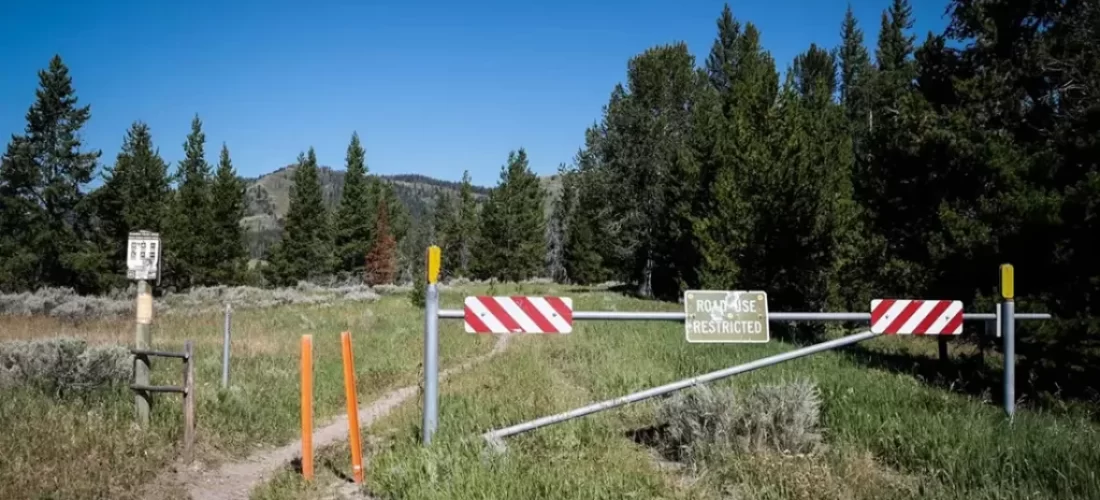
Picture this: millions of acres of pristine forest where the only traffic jam is a family of deer arguing over the best berry bush. Roadless areas are exactly that—portions of national forests and BLM lands larger than 5,000 acres that haven’t been scarred by roads. No asphalt serpents slithering through the trees, no culverts dumping sediment into streams like some lazy plumber’s nightmare. In the U.S. Forest Service’s domain, these gems cover about 58 million acres across 38 states, thanks to the 2001 Roadless Rule. That’s right, a rule from the Clinton era that said, “Hey, maybe let’s not pave everything for profit?”
BLM lands? They’re the wild west of federal management—272 million acres of public domain, mostly in the arid West. Roadless concepts here aren’t as rigidly defined as in national forests, but the BLM has its own inventory of “wilderness study areas” and roadless parcels that echo the same vibe: keep ’em road-free to preserve that raw, untrammeled feel. Because nothing says “American freedom” like letting Mother Nature do her thing without us bulldozing in to “improve” it with strip malls and mines.
Why the obsession with no roads? Roads aren’t just lines on a map; they’re invaders. They fragment habitats, erode soil, pollute water, and invite every yahoo with a pickup to turn paradise into a mud pit. Without them, roadless areas act like natural fortresses, shielding ecosystems from our endless quest to extract, extract, extract. If you’re optimizing your search for “benefits of roadless areas in national forests,” stick around—it’s about to get hilariously eye-opening.
A Brief, Snarky History of Roadless Protection (Because Politics is a Circus)
Let’s rewind to the late ’90s, when environmentalists were like, “Dude, our forests are getting road-ravaged worse than a Black Friday sale.” Enter the Roadless Area Conservation Rule in 2001—58.5 million acres off-limits to new road construction and timber harvesting. Clinton signed it on his way out, probably thinking, “Take that, future loggers.” But oh, the drama! Bush Jr. swoops in, suspends it faster than you can say “oil lobby,” and suddenly states like Idaho and Wyoming are throwing tantrums, wanting to carve up their forests like Thanksgiving turkey.
Fast-forward through Obama reinstating it in 2009 (yay, sanity), Trump trying to gut it again in 2017 (because coal, amirite?), and Biden restoring protections in 2021. It’s like a bad soap opera: “As the Forest Turns.” Today, as of 2025, the rule stands strong, but legal battles rage on. In BLM lands, the story’s similar but dustier— the Federal Land Policy and Management Act of 1976 mandates inventorying roadless areas for potential wilderness, but mining claims and energy leases keep popping up like whack-a-mole.
Sarcastic aside: If only our politicians treated environmental policy with the same vigor as tax cuts for billionaires. Roadless areas aren’t just trees; they’re a buffer against climate change, storing carbon like a boss while we debate if global warming is a hoax. Searching for “history of roadless rule national forests”? You’ve got the CliffsNotes, laced with eye-rolls.
The Eco-Benefits: Why Roadless Areas in National Forests Are Basically Superheroes in Overalls
Alright, let’s get real (and ridiculously funny) about why roadless areas matter in national forests. First off, biodiversity. These zones are like exclusive clubs for wildlife—grizzlies, wolves, and elusive lynx don’t RSVP to road parties. Roads mean roadkill roulette and habitat hacks, turning connected ecosystems into isolated islands. In roadless havens, species roam free, gene pools stay diverse, and evolution doesn’t have to hit the snooze button. Fun fact: The Tongass National Forest in Alaska has over 9 million roadless acres, home to more salmon runs than a fish market on steroids. Without roads, streams stay crystal clear, fish spawn in peace, and we get to eat sushi without guilt.
Water quality? Oh, honey. Roads are erosion machines, dumping silt into rivers like confetti at a bad wedding. Roadless areas filter that junk naturally—think of them as the kidneys of the landscape. In the Sierra Nevada’s national forests, roadless protections have kept watersheds pristine, ensuring downstream cities don’t end up with mud pies in their taps. Sarcasm incoming: Because who wants to pay extra for bottled water when you can blame loggers for your brown H2O?
Carbon sequestration is the quiet MVP. Forests gobble CO2 like it’s free pizza, and roadless areas do it best undisturbed. A study from the Forest Service estimates they store 20-30% more carbon than roaded counterparts. In a world where we’re all doom-scrolling climate reports, these areas are our sarcastic slap in the face to fossil fuels: “See? Nature fixes what you broke—if you let it.”
Recreation? Forget your overpriced ski resorts. Roadless zones offer backcountry bliss—hiking, fishing, hunting without the roar of engines. Imagine solitude so deep you can hear your own thoughts (terrifying, I know). In BLM lands overlapping with national forests, like in Utah’s slickrock deserts, roadless pockets mean epic mountain biking without dodging Jeeps. But wait, there’s more: fire resilience. Dense road networks spread wildfires like gossip; roadless areas allow natural burns to restore without turning into infernos. Who knew not building could be so… building?
If “importance of roadless areas national forest” is your jam, here’s a bullet-point bonanza for your soul:
- Wildlife Wonderland: Reduced human intrusion means thriving populations of endangered species. Elk in Colorado’s roadless White River NF? Thriving, baby.
- Clean Air and Water: No road dust means healthier lungs and streams teeming with trout.
- Economic Perks (Yes, Really): Eco-tourism rakes in billions—way more than logging’s short-term cash grab.
- Climate Warriors: Absorbing carbon at rates that make solar panels jealous.


Roadless Vibes on BLM Lands: The Underdog Story
Now, shift gears to BLM lands—those rugged, often overlooked expanses managed for “multiple use,” which is code for “let’s balance cows, oil rigs, and hikers without anyone suing.” Roadless areas here aren’t federally enshrined like in national forests, but the BLM identifies “unroaded” or “wild” areas through resource management plans (RMPs). Think 18 million acres of potential wilderness study areas in states like Nevada and Oregon, where roads would be the ultimate buzzkill.
Importance? Massive. BLM lands are biodiversity hotspots for desert tortoises, sage grouse, and bighorn sheep—creatures that laugh at your Prius but flee from bulldozers. Roads fragment these arid ecosystems, turning migration routes into death traps. In roadless BLM pockets, like California’s Kingston Range, native plants flourish without invasive weeds hitchhiking on tires. Water’s scarce out here, so roadless protections prevent runoff from poisoning springs—vital for ranchers, wildlife, and that one guy living off-grid with his solar panels.
BLM’s “multiple use” mandate sounds noble, but it’s often “multiple abuse”—grazing leases trample more than cows. Roadless areas push back, preserving cultural sites (Native American rock art doesn’t mix with ATVs) and scenic values that fuel tourism dollars. A 2023 GAO report highlighted how roadless BLM lands reduce wildfire costs by limiting access for suppression (fewer roads = fewer escape routes for flames). And energy development? Fracking and solar farms love roads; roadless zones say “not today, Satan.”
For “BLM lands roadless importance” searches, key perks include:
- Habitat Connectivity: Linking forests to deserts for species like pronghorn antelope on epic runs.
- Recreational Gold: Solitude for climbers and photographers—Instagram-worthy without the filters of development.
- Sustainable Resource Use: Timber and minerals can wait; long-term soil health trumps quick bucks.
- Cultural Preservation: Sacred sites stay sacred when no one’s joyriding through them.
These areas bridge national forests and BLM turf, creating contiguous protections that amplify benefits. Imagine a roadless corridor from Colorado’s San Juan NF spilling into BLM’s Uncompahgre Plateau—pure magic, minus the exhaust fumes.

Threats to Roadless Areas: Because Humans Gonna Human
Ah, the villains of our tale: industry lobbyists, short-sighted politicians, and that neighbor who thinks “public land” means his personal playground. In national forests, logging interests salivate over roadless timber—easy access means cheap boards for McMansions. Mining? Roadless rules block new veins of gold (or uranium, because why not glow?). Trump’s 2020 weakening allowed states to opt out, leading to Idaho’s 2021 proposal for 20,000 acres of road-building. Biden vetoed it, but the fight’s on.
BLM faces off-road vehicle (ORV) hordes and renewable energy rushes. Solar farms need roads; wind turbines too. A 2024 Interior Department review showed over 10,000 miles of unauthorized OHV trails creeping into roadless BLM zones, shredding cryptobiotic soil crusts (those funky desert mats that prevent erosion—gross name, vital job).
It’s like inviting wolves to a sheep party and wondering why the wool’s flying. Climate change amps the threats—drier forests mean mega-fires that roads exacerbate by providing fuel ladders. And don’t get me started on illegal marijuana grows in California’s roadless Emerald Triangle—armed guards and trash heaps ruining the zen.
Why care? Lose roadless areas, and you lose the last refuges for old-growth trees, which store mega-carbon and host rare fungi (yes, mushrooms matter). Economically? Timber jobs sound romantic, but studies show eco-tourism creates 10x more employment. Sarcasm: Because nothing boosts rural economies like turning your backyard into a clear-cut eyesore.
Human and Wildlife Wins: Laughing All the Way to the Trailhead
For us squishy humans, roadless areas are therapy on tap. Stressed from doom-scrolling? Hike a roadless trail in Washington’s Olympic NF—endorphins guaranteed, no cell service required. Anglers catch trophy trout in unpolluted streams; hunters track game ethically without bumping into neon vests every five feet.
Wildlife? It’s a comedy of survival. Black bears in Montana’s Bob Marshall Wilderness fatten up sans poachers. Birds migrate without hitting power lines (roads bring ’em). Even insects thrive—pollinators buzz freely, ensuring your avocados don’t go extinct.
In BLM’s roadless badlands, like New Mexico’s Organ Mountains, roadless status protects dark skies for stargazing (light pollution from roads? No thanks). And health benefits? Cleaner air reduces asthma rates in nearby communities. A 2022 EPA analysis linked roadless protections to 15% better air quality in adjacent urban areas. Funny how not building stuff cleans things up.
Picture a world without them: Fragmented forests, invasive species galore, water wars over muddy rivers. Roadless areas are the punchline to humanity’s overreach joke—proving less is more.
Protecting Roadless Areas: Your Sarcastic Call to Action
So, how do we keep these bad boys road-free? Vote for eco-friendly pols (eye roll at the alternatives). Support groups like the Wilderness Society or Sierra Club—donate or volunteer without expecting a medal. When recreating, stick to trails; pack out your Doritos bags. Push for BLM RMP updates that prioritize roadless inventories.
Locally? Comment on Forest Service plans—your voice matters more than you think. And hey, if you’re a developer reading this (hi, Bob from Big Log Co.), consider: Legacy over loot. Plant a tree instead of a culvert.
For “how to protect roadless areas BLM lands,” start with education—share this article (subtly). Join lawsuits if you’re feisty; the 2023 Supreme Court nod to the Roadless Rule shows courts can be allies.

Text content

Wrapping It Up: Roadless Areas, Our Snarky Saviors
In the grand comedy of life, roadless areas in national forests and BLM lands are the straight man to our chaotic antics—quietly vital while we chase shiny distractions. They safeguard biodiversity, purify water, combat climate woes, and offer soul-soothing escapes. Ignoring them? That’s like burning your house for firewood. As we barrel toward 2025’s environmental reckonings, let’s cherish these no-road oases. Search no more for “roadless areas importance”—you’ve got words of witty wisdom. Now go hug a tree (gently, it’s ticklish).