Steelhead Fly Fishing on the Sacramento River: A Journey
Steelhead Highway of Days Past
What is the Present Creating for Steelhead Fly Fishing
You’ve heard the stories. Those chrome rockets that tear line from a screaming reel and leave you breathless. We’re talking about steelhead fly fishing on the Sacramento River. It’s a pursuit that borders on madness, trading warm beds for frozen fingers and guaranteed frustration for a fleeting chance at glory. This isn’t your average trout fishing trip; it’s a gritty, demanding obsession that defines angling in Northern California.
If you’re still reading, you’re either hooked or hopelessly curious. You probably want to know if it’s worth the hype. Let’s just say that the challenge of steelhead fly fishing on the Sacramento River is what separates casual anglers from the truly dedicated. It’s a game of patience, knowledge, and a little bit of luck, but the payoff is a fish you’ll never forget. As memories of 12 year old on the road with granddad.
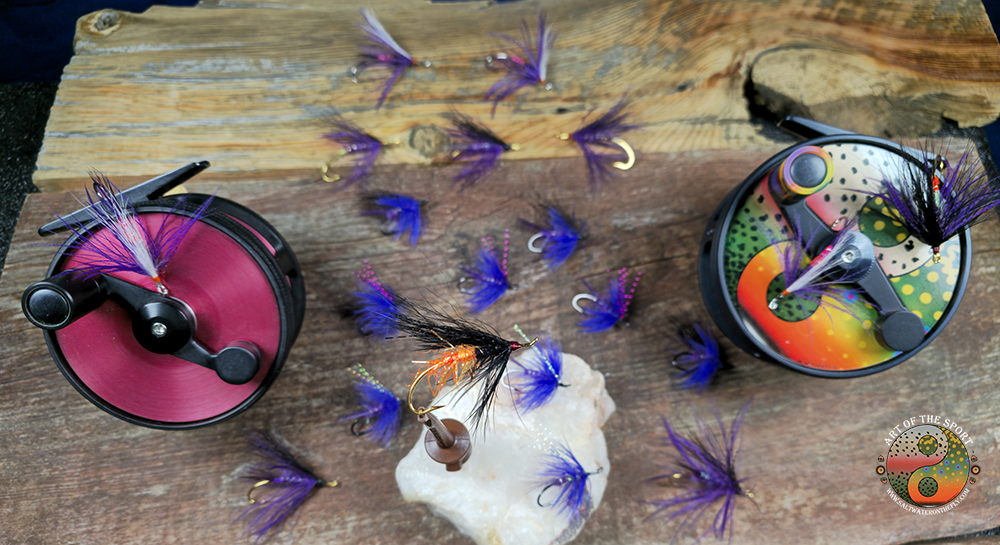
Legend of the Sacramento Steelhead
Before we get into the gear and flies, you need to understand the fish. These aren’t just big rainbow trout. They are sea-run rainbows, anadromous athletes that live part of their lives in the Pacific Ocean before returning to freshwater to spawn. This saltwater living makes them bigger, stronger, and way more aggressive than their homebody cousins, the resident wild rainbow trout.
This species, known scientifically as Oncorhynchus mykiss, undertakes a remarkable journey. The Central Valley steelhead begin life in rivers, migrate to the ocean to mature and feed, and then return with incredible power. This life cycle is what transforms a standard wild rainbow into the legendary river steelhead that fly fishers revere.
Decades ago, before the concrete giants rose, the Sacramento River system was a steelhead superhighway. Wild fish numbered in the tens of thousands, a vital part of the river fish population. They spawned in cold, clear tributaries like the McCloud River, Pit River, and Battle Creek, traveling hundreds of miles inland. But then came progress, or what we called progress back then.
Saving the Silver Ghosts: Dive into Steelhead Conservation on the Sacramento – Because Who Needs Easy Wins?
Oh, steelhead. Those chrome-plated rainbows that make you swear eternal loyalty after one epic fight, only to ghost you for months while dodging dams and droughts like pros at a bad family reunion. If you’re here for the feel-good fluff on how we’re “saving” them in the Sacramento River basin, buckle up – it’s a tale of bureaucratic tango, billion-dollar boondoggles, and the occasional fish that actually makes it upstream. We’re talking Central Valley steelhead (Oncorhynchus mykiss, the anadromous divas), listed as threatened under the Endangered Species Act since 1998. Historic runs? Tens of thousands strong, leaping falls like they were auditioning for Cirque du Soleil. Today? A shaky 10,000-20,000 adults scraping by, thanks to Shasta Dam’s concrete middle finger blocking 95% of their habitat. Conservation? It’s like herding cats with a PhD – noble, messy, and nobody agrees on the laser pointer. But hey, progress! From hatchery heroics to dam-busting dreams, here’s the unvarnished scoop on efforts to keep these sea-run stunners from becoming a sad aquarium exhibit.
How Dams Changed the Game
The construction of Shasta Dam in 1945 and Keswick Dam shortly after was a massive blow. These structures effectively walled off over 95% of the historic spawning habitat. The epic upstream migrations were cut short, and the wild valley steelhead populations plummeted. The fish that once defined the river were suddenly on life support.
To fix this man-made problem, we made another. The Coleman National Fish Hatchery was established on Battle Creek to pump out steelhead smolts. Today, the fishery is heavily dependent on these hatchery fish. It’s a managed system, a shadow of its former wild glory, but it still offers some of the best opportunities to hook a steelhead in California.
This is a common story across North America, where dams have altered many great trout fisheries. While facilities like the Nimbus Fish Hatchery on the nearby American River support salmon and steelhead, the loss of natural habitat remains a challenge. The Sacramento, however, has proven resilient, continuing to be a destination for dedicated fly fishers. Let’s remember all the great tailwater’s below dam’s. Dam’s an that’s interesting hot topic.
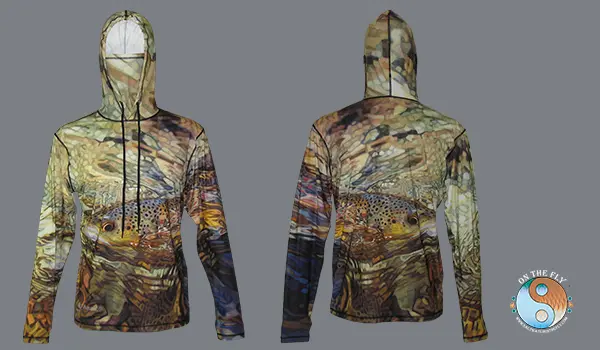
I like apparel design to function properly in the elements of the great outdoors. Secluded Brown Trout Graphic Hoodie is that piece of fly fishing apparel.
Legal Lifeline: ESA Listing and the Recovery Plan – Because Paperwork Saves Fish (Eventually)
Let’s start with the drama: In 1998, NOAA Fisheries slapped the “threatened” label on Central Valley steelhead, covering everything below impassable barriers in the Sacramento and San Joaquin basins (minus the Bay’s tributaries, because bureaucracy loves fine print). Why? Dams, diversions, habitat hack jobs – you know, progress. Fast-forward to 2014: Enter the granddaddy of all blueprints, the Recovery Plan for Sacramento River Winter-Run Chinook Salmon, Central Valley Spring-Run Chinook Salmon, and Central Valley Steelhead. Goal? Delist ’em all by rebuilding populations to self-sustaining glory. It’s a 500-page beast, divvying the Valley into eight “recovery domains” from upper Sac to northern San Joaquin.
The plan’s no fluffy wishlist – it’s got teeth. Viability criteria? At the ESU/DPS level, steelhead need three “diversity groups” (think genetic melting pots) with enough redundancy (backup pops) to weather catastrophes like, oh, California’s eternal water wars. Population-level? Each core group wants 500+ spawners, 90% juvenile survival, and diverse life histories (summer vs. winter runs, because one-size-fits-all is for suckers). Threats tackled: Hatchery strays diluting genes, warm water cooking smolts, and floods that flush ’em like yesterday’s bad date. By 2024, NOAA’s five-year review admitted we’re “on track… ish,” with accomplishments like better flow management but challenges like climate change turning rivers into soup. If only implementing this involved less arguing over almond water rights and more actual fish ladders.
Partners? A motley crew: NOAA, CDFW, USFWS, tribes, CalTrout, and water bigwigs like the Bureau of Reclamation. Funding? Millions from feds, state salmon bonds, and grants – think $42.75 million for Battle Creek alone. The Central Valley Salmon Habitat Partnership (CVSHP) ties it together, prioritizing floodplain reconnection and off-channel haunts for rearing. Their implementation plan? Science-driven, targeting “viable, self-sustaining” pops for spring/winter Chinook and steelhead, plus fall-run bonuses. Critics (looking at you, enviro Twitter) gripe it’s “piecemeal,” but hey – better a patchwork quilt than no blanket at all
Today’s Sacramento River Steelhead
So, what’s the river like now? The population of returning adults is a mix of hatchery-origin and wild fish, with the California Department of Fish and Wildlife (CDFW) monitoring them closely. Numbers fluctuate yearly, but you can generally expect runs of around 10,000 to 20,000 fish. These large fish are resilient, a testament to their evolutionary grit.
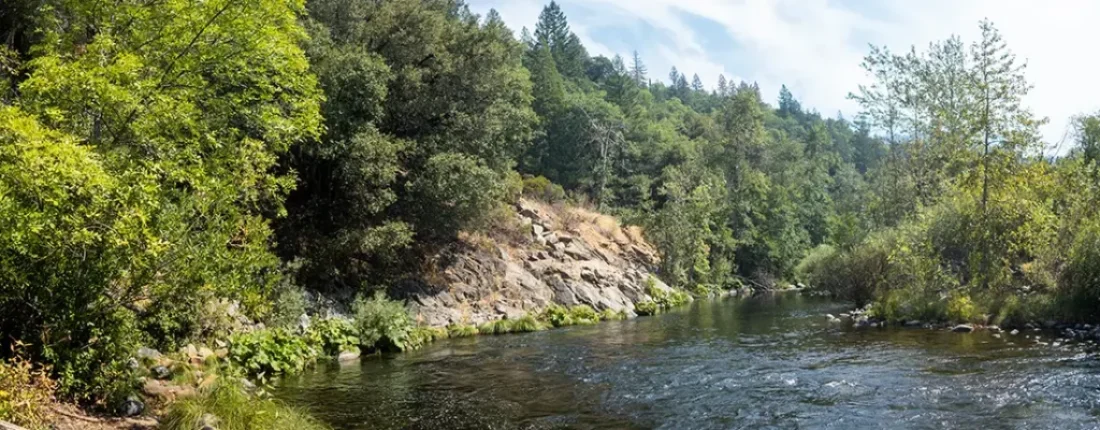
The modern fishery centers on the stretch of river from Redding downstream past Anderson. This water is cooled by dam releases from Shasta Lake, creating a year-round habitat. It’s here that anglers find a year-round fishery, but the true excitement begins when the chrome starts showing up from the Pacific Ocean, often following the Sacramento River salmon run.
Anglers planning fishing trips often check the latest fishing report to gauge activity. While the Sacramento gets a lot of attention, other rivers in the region like the Feather River and Trinity River also offer excellent steelhead fishing opportunities. Each river has its own character, from the rugged canyons of the Pit River to the classic runs of the Klamath River.
Timing Is Everything: When to Chase Chrome on the Sac
You can catch fish on the Sac any day of the year, but steelhead don’t exactly send you a calendar invite. Understanding their runs is your first step toward successful fishing. Mess this up, and you’ll just be practicing your casting in pretty scenery.
Fall & Early Winter: The Prime Time
Ask any seasoned fishing guide, and they’ll tell you the magic happens from October through December. This is when fresh, feisty steelhead push into the river system. They are often following the Chinook salmon run, what many call the king salmon, gorging on loose salmon eggs.
This behavior makes them aggressive and more willing to eat a fly. The weather is cooler, and the river is often in great shape with ideal water temperatures for active fish. You’ll find a mix of half-pounders (immature steelhead from 14-18 inches) and adult fish ranging from 3 to 8 pounds, with some true trophies over 10 pounds hooked every season
Deep Winter: The Grind for Giants
From January through March, the game changes, and winter steelhead fishing begins in earnest. The weather can be nasty, and the river often runs high and cold from winter storms. This is not for the faint of heart; it’s a time for dedicated anglers looking for a great time on the water.
These winter fish are typically heading toward the Coleman Hatchery or looking for spawning grounds. They can be less focused on eating and more on their biological mission. Fishing is often tougher, but the reward can be a fish of a lifetime, making any fishing charter worthwhile.
Swinging big, flashy flies on sink-tip lines with a spey rod is a common tactic during these cold months. The larger profile and movement can trigger a reaction strike from a fish that isn’t actively feeding. This method allows you to cover broad stretches of water efficiently, even in tough conditions.
Spring and Summer: The Shoulder Seasons
As winter fades into spring (March-May), you can still find adult steelhead in the system. The fishing pressure lightens, and you can have some great days as the weather improves. The real action in spring, however, shifts back to the hungry half-pounders and the robust resident wild rainbow population.
Summer is generally the toughest time for steelhead, as most ocean-run fish have come and gone. The focus turns to the Sacramento River wild rainbow trout, which is a fantastic fishery in its own right. But if you’re dead set on chrome, it’s best to wait for the fall run to begin.
This is a great time to explore other local trout fisheries. The cooler, freestone streams in the surrounding mountains offer a different kind of fishing experience. A skilled fly tyer will adjust their fly boxes to match the hatches on these smaller waters.
Hatchery Hustle: Coleman NFH – Fish Factories or Genetic Frankensteins?
Nothing says “conservation” like cranking out 600,000 steelhead fingerlings a year from a concrete womb. Enter Coleman National Fish Hatchery, the USFWS’s crown jewel on Battle Creek since 1942 – built to atone for Shasta Dam’s sins by mitigating 187 miles of lost spawning turf. Annual output? 12 million fall Chinook, 1 million late-fall, and our stars: 600,000 steelhead smolts, released into the Sac to chase ocean glory. Brood stock? Collected January-February, spawned, and – plot twist – many get recycled alive (steelhead perk: they can spawn multiple times, unlike salmon’s one-and-done drama).
But is it hero or villain? The Hatchery Evaluation Program (HEP) at Red Bluff FWO tags ’em (adipose fin clips for ID), tracks strays, and tweaks to minimize wild-gene dilution. From 1995-2003, they trucked adults upstream to Battle Creek for natural spawning trials – mixed bag, with some residualism (fish lingering like awkward guests). Ozone-treated water fights diseases, and coded-wire tags (on 25% of fall Chinook, eyeing steelhead next) map ocean contributions. Critics? CalTrout calls for excluding hatchery fish from DPS counts and better survival probes – juvenile hatchery steelies clock just 20-43% survival through the upper Sac. We’re breeding ’em like lab rats, but if they don’t make it past the river’s gauntlet, it’s just expensive chum
Understanding River Flows
More important than the calendar is the river itself. You must check the flows before you go. The Sacramento is a big, powerful, and cold river that demands respect. A quick look at the USGS gauge at Keswick can tell you everything you need to know about current conditions.
Flows below 5,000 cubic feet per second (cfs) are generally great for wade anglers. Between 5,000 and 10,000 cfs, wading becomes more difficult and a drift boat is a huge advantage. Anything above that, and wading can be outright dangerous in most fishing spots, making it a “boat only” river for safety.
Checking a local fishing report before your trip is crucial. It will provide updates on flows, water clarity, and recent catches. This information can help you decide which river mile to focus on and what techniques are proving most effective.
| Season | Primary Target | Typical Conditions | Best Bet |
|---|---|---|---|
| Fall (Oct – Dec) | Adult Steelhead & Half-Pounders | Cool, stable flows, post-salmon spawn. | Egg patterns and swinging flies. |
| Winter (Jan – Mar) | Large Adult Steelhead | Cold, high flows, stormy weather. | Swinging large streamers with sink tips. |
| Spring (Apr – May) | Half-Pounders, lingering adults | Warming temps, variable flows. | Nymphing and swinging smaller flies. |
| Summer (Jun – Sep) | Resident Rainbow Trout | Hot, lower clear flows. | Focus on resident trout or wait for fall. |
Your Arsenal for Steelhead Fly Fishing on the Sacramento River
Walking into a fly shop can be overwhelming. Let’s cut through the noise. You don’t need every gadget on the wall, but having the right core equipment for steelhead fly fishing on the Sacramento River is critical. The wrong gear won’t just hurt your chances; it could be unsafe.
Rods and Reels
The standard tool for the job is a 9 to 10-foot single-hand rod in a 7 or 8-weight. This gives you the power to cast larger flies and handle a powerful river fish. It’s a versatile setup that works for both swinging flies and nymphing. A 10-foot rod offers better line control, which is a huge advantage when indicator nymphing.
You’ll also see a lot of anglers using two-handed rods, commonly called a spey rod or switch rod. These longer rods (11 to 13 feet) make casting heavy sink tips and big flies much easier. Spey casting is an elegant and efficient way to cover a lot of water without much backcasting room, which is perfect for the wide-open Sacramento.
Your reel is not just a line holder. A big steelhead will test your gear. You need a reel with a smooth, reliable drag system that can handle long, fast runs. A large arbor design helps you pick up line quickly, which is critical when a fish decides to run straight back at you.
Lines and Leaders
Your line choice depends entirely on your fishing method. If you’re primarily nymphing with an indicator, a weight-forward floating line will do the trick. You can also use this for swinging flies near the surface in the fall.
For serious swinging, especially during winter steelhead fishing, you need to get your fly down in the water column. This is where sink-tip lines are essential. Fly line systems like Skagit heads are designed to cast heavy sink tips and large flies with ease. Having a wallet with interchangeable tips of different sink rates lets you adapt to any depth or current speed.
Leaders should be simple and strong. For nymphing, a 9-foot tapered leader ending in 2X or 3X (8-10 lb test) fluorocarbon tippet is a good starting point. For swinging, a short, stout leader of 3-5 feet of straight 10-12 lb fluorocarbon is all you need attached to your sink tip.
Techniques to Actually Hook a Fish
Having the best gear means nothing if you don’t know how to use it. Steelhead don’t behave like resident trout. You have to present the fly in a way that triggers their aggressive, territorial, or feeding instincts. There are two primary methods that account for the vast majority of steelhead caught on a fly.
The Classic Wet Fly Swing
This is the soul of steelheading. The technique is simple in theory but takes a lifetime to perfect. You cast across and slightly downstream, then let the current “swing” your fly across the river. You make a small mend in your line right after the cast to allow the fly to sink and swim properly.
Your fly swings through the likely holding water in a broad arc. The key is to keep tension on the line so you can feel the strike. A steelhead grab is unmistakable. It’s not a gentle sip; it’s a violent pull, often called “the grab.” Your instinct will be to lift the rod tip hard, but you must resist and simply let the line come tight as the fish hooks itself.
Patience is paramount with this method. You methodically cover water by taking a few steps downstream after each swing. This disciplined approach ensures your fly is seen by any fish holding in the run.
Nymphing the Dead Drift
While swinging is classic, nymphing is brutally effective, especially when steelhead are keyed in on salmon eggs. This technique, often done under a strike indicator, involves drifting flies along the bottom, just like a natural egg would. It’s all about getting a drag-free drift. This means your flies must move at the exact same speed as the current.
You’ll typically use a two-fly rig. An egg pattern like a Glo Bug or a simple bead is the top fly. Below that, on a short dropper, you can add a small nymph imitation like a Copper John or a Pheasant Tail to imitate aquatic insects kicked up by spawning river salmon.
Mending your line is the most important skill in nymphing. You must constantly adjust the line on the water to prevent the current from pulling your indicator and flies unnaturally. A perfect dead drift is the difference between catching fish and just watching your indicator float by.
Reading the Water is Key
You can make perfect casts all day long, but if you’re not fishing where the fish are, you’re wasting your time. Steelhead are predictable. They need places to rest out of the main current and feel safe from predators. These specific fishing spots are often overlooked by beginners.
Look for seams where fast and slow water meet, as these are natural feeding lanes. Fish the tailouts of deep pools, which are prime resting spots for fish moving upriver. Any kind of structure, like boulders or ledges, that breaks the current is also a great place to find a holding fish. Learning to identify this water is as important as any piece of gear you own.
Fly Box: From Old School to New School
Steelhead flies are a world unto themselves. They range from tiny, drab nymphs to giant, flashy creations that look like they belong at a Mardi Gras parade. A good selection in your fly boxes has a bit of everything because you never know what mood the fish will be in. Any serious fly tyer takes pride in preparing for a day of river fishing.
The Classics That Still Work
Some fly patterns have been fooling steelhead for nearly a century. Flies like the Green Butt Skunk, with its contrasting colors, or the Polar Shrimp, which mimics a prawn, are timeless. These traditional hairwing flies have an elegant look and a subtle action in the water. They are perfect for swinging in clear to moderately colored water, especially on the North Coast streams or even the Trinity River.
Learning fly tying for these classic patterns connects you to the history of the sport. Many of these flies were developed on legendary rivers and have proven their effectiveness across the globe. They are a must-have for any serious angler’s collection.
Modern Intruders and Streamers
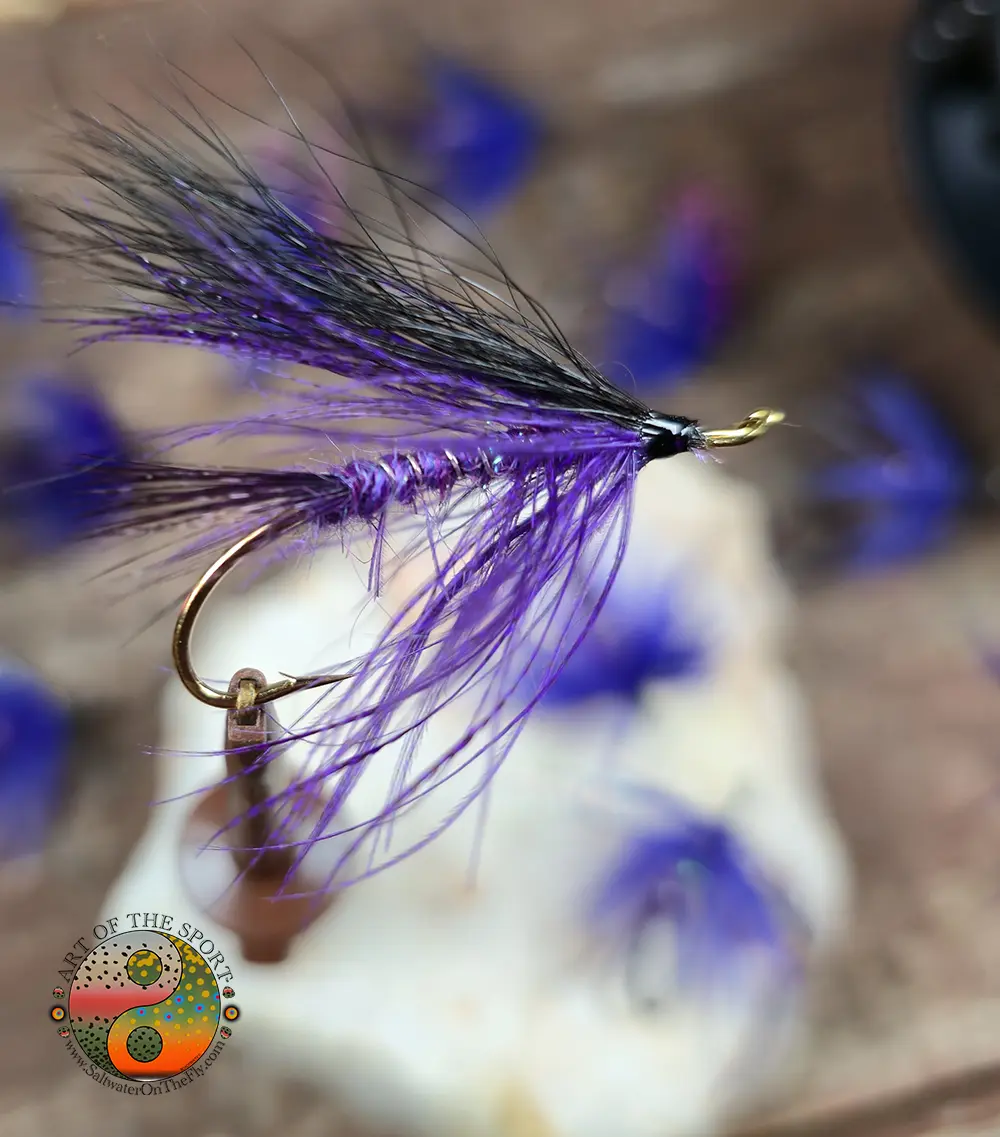
Over the last few decades, a new style of fly has become dominant, especially for winter steelheading. These are called Intruder-style flies. They are tied with materials like ostrich herl and marabou that have incredible movement in the water. Their goal is not to imitate anything specific but to provoke a territorial strike from a big, aggressive steelhead.
These flies are big, flashy, and they work. They are often fished on a spey rod with a heavy sink tip to get down deep in the cold winter flows. Colors like black, blue, pink, and orange are popular choices depending on water clarity and light conditions.
Egg and Nymph Patterns
No Sacramento River steelhead box is complete without a section for nymphs and egg patterns. During the fall river’s salmon spawn, egg flies are non-negotiable. Simple Glo Bugs in orange, pink, or chartreuse are killers. You should also carry stonefly nymphs and caddis pupa patterns, as these are staple food sources in the river year-round and great for rainbow trout fishing as well.
Beads have also become extremely popular, perfectly imitating a single salmon egg. When pegged just above a bare hook, they present a realistic profile that wary fish find hard to resist. This method can be especially effective in clear water conditions.
Other River Species
While your primary target is steelhead, the Sacramento River is a diverse ecosystem. Depending on the time of year and river section, you might encounter other fish species. This is particularly true in the lower stretches of the river.
Striped bass are common and can be an exciting bonus catch on a steelhead fly. These powerful fish will often take the same large streamers intended for steelhead. You might also find largemouth bass in the slower backwaters and eddies, offering a change of pace.
Putting It All Together: River Access
The Sacramento is a big river, but thankfully, there is good public access, especially around the city of Redding. The city has invested heavily in a world-class trail and park system that runs right along the river. This makes finding a place to fish fairly easy when the river open for angling.
Key Access Points for Wading
The Sundial Bridge area in Redding provides excellent access to some of the most famous water on the river. Further downstream, parks like Anderson River Park and Balls Ferry offer miles of river access for wading anglers. Always be mindful of private property signs and respect the landowners; the future of public access depends on it.
Posse Grounds and the areas just downstream from Keswick Dam are also popular spots. Remember that water levels can change quickly due to dam releases. A wading staff and caution are your best friends on this powerful trout stream.
Drift Boat vs. Wading
While wading can be very productive, you are limited to the water you can physically reach. A drift boat or raft opens up the entire river, a feature of many successful fishing trips. Floating from one good run to the next lets you cover much more water efficiently over a mile long stretch.
For your first time fishing California’s big rivers, hiring a local fishing guide is the smartest investment you can make. They provide the boat, gear, and deep local knowledge that can improve your fishing experience. They will not only put you on fish but also teach you more in one day than you could learn in a season on your own.
Conclusion of Steelhead Fly Fishing on the Sacramento River
There’s a reason anglers get obsessed with these fish. A steelhead is more than just a catch; it’s an experience. It’s the culmination of research, patience, and persistence. Every step, from studying the flows to tying the perfect fly to making that one perfect cast, leads to a moment of electric connection that few other fish can provide.
It’s a tough, often frustrating pursuit. You’ll have days where you question your sanity while fishing for these Central Valley steelhead. But when that line finally goes tight and a bar of silver cartwheels across the water, you’ll understand. The journey of steelhead fly fishing on the Sacramento River is a challenge worth taking, a memory worth making, and a story you’ll be telling for the rest of your life.
The first of a series remembering summer road trip as boy and teenager, to wandering fly rod adventures through my twenties. Heading up the Steelhead Highway.
California Steelhead Highway-Rank River Key Details and Reason Ranked Here
1. Smith River Often regarded as California’s premier steelhead river, with wild runs of large fish (commonly 10-20+ pounds, including state records). It’s the state’s only major undammed river, offering pristine conditions and strong winter runs (peak January-March). Accessible via Highway 101 near Crescent City, but can be challenging due to quick level changes after rain.
2. Klamath River Highly productive system with excellent steelhead runs (adults 3-10 pounds, plus unique “half-pounders” at 13-18 inches). Known for consistent action in fall/winter, plus overlaps with salmon. Highway 101 crosses near the mouth, with good access points. The nearby Trinity River tributary boosts its ranking, as it’s called California’s “gentleman’s stream” for large adults (4-10+ pounds) and easy roadside fishing (September-March).
3. Eel River One of the state’s best for steelhead heritage, with wild and hatchery runs (8-12+ pounds) in late fall/winter. The main stem and South Fork are accessible along Highway 101 near Garberville, featuring classic glides and runs. The Van Duzen tributary (joining near Fortuna) adds similar good but less crowded opportunities. Third-largest watershed in California, though impacted by past logging.
4. Mad River Solid coastal stream with reliable hatchery steelhead (averaging ~12 pounds), peaking January-February. Easily accessible where it crosses Highway 101 near McKinleyville, and often fishable even after rains despite some watershed issues. Good for beginners, but runs can be hit-or-miss compared to larger systems.
5. Russian River Decent entry-level steelhead fishing with hatchery and some wild runs (typically 4-10 pounds), best in winter. Upper reaches near Ukiah where Highway 101 starts you see some action, but prime spots are downstream (e.g., near Guerneville). Less emphasized in top northern lists due to smaller average sizes and more variable runs compared to coastal giants farther north.