
Hooking into History: The Epic Saga of Steelhead Runs on Oregon’s Rogue River – Because Who Needs Therapy When You’ve Got a Fly Rod?
So, you’ve got a thing for steelhead fly fishing on the Rogue River Oregon. Let me guess. You saw a picture of someone holding a bar of silver so bright it looked like a mirror with fins, and now you can’t shake the image.
It’s a common ailment, a sickness that can only be treated with cold water, heavy line, and the occasional soul-crushing defeat. You’re not just looking for a hobby; you’re looking for a beautiful, maddening obsession that offers a true outdoor adventure.
This river is more than just water; it’s a 215-mile-long liquid legend that cuts through southern Oregon. It’s home to some of the most stubborn, acrobatic fish on the planet. Forget what you think you know about trout fishing, because chasing steelhead here is a whole different ballgame. Successful steelhead fly fishing on the Rogue River Oregon is part art, part science, and a whole lot of just showing up.
We’re going to cover it all. You’ll learn the river’s dramatic past, the gear that won’t empty your wallet, and the fishing techniques that might actually convince a fish to bite. Think of me as your slightly sarcastic guide who has already made all the mistakes for you.
Table of Contents

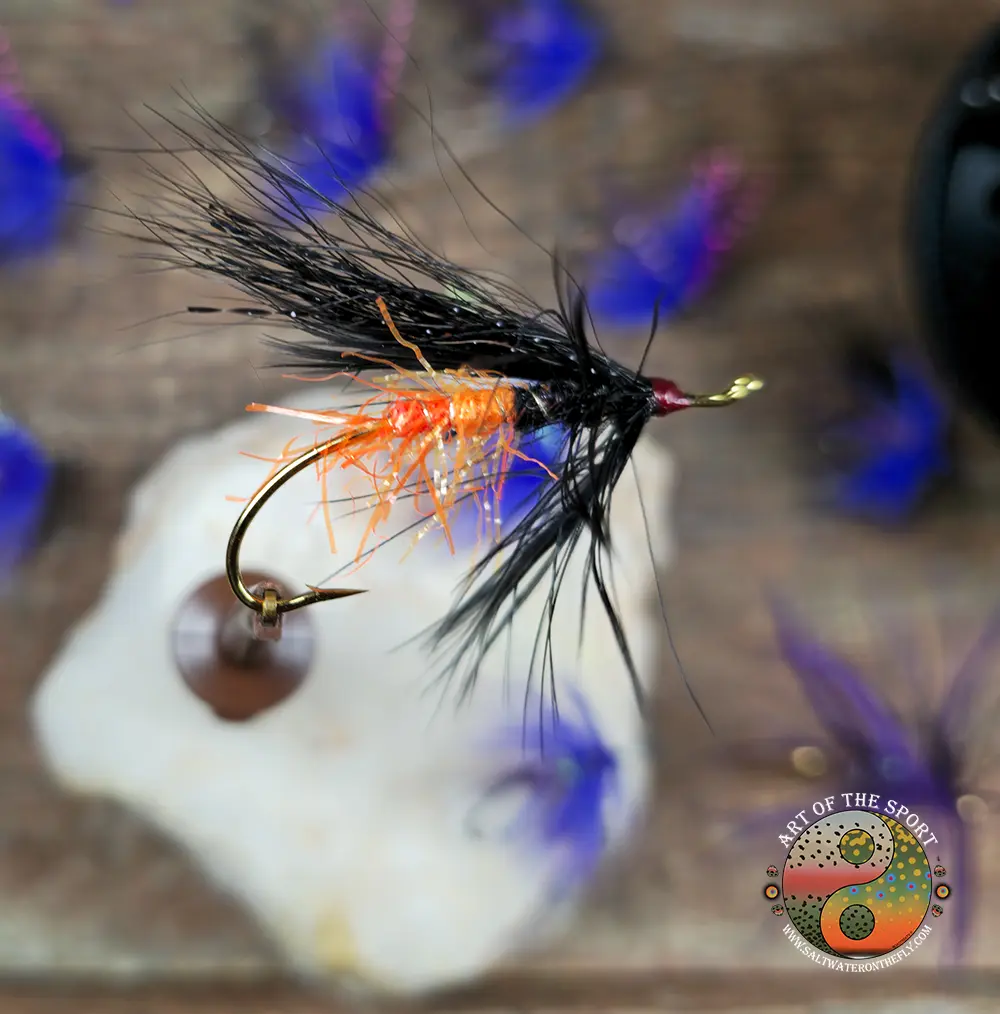
Green Butt Skunk (Classic Swing Fly: The ’30s Never Die)
Materials: #6 down-eye hook, black thread, green floss butt, black dubbing, squirrel tail wing, black hackle, peacock herl thorax.
Steps:
- Secure hook Alec Jackson Silver Spey Hook size 1-7. Tie in green floss at bend; wrap shank tag butt. Why green? Early Rogue tyers swore it mimicked algae – or just liked chartreuse’s drunk uncle.
- Tie in Tail of Hackle Fibers, Squirrel or anything the entices.
- Dub Fl. Coal fire Monster Bush Fur.
- Tie in Spey Hackle Schlappen or Nature’s Spirit Spey Marabou, dub hackle to within 3 wraps of head. The thorax section of the can be wrapped with peacock herl, a different color of dubbing. Mix it up and have fun.
- Tie in squirrel tail or white hair wing – sparse, flared back at 45°. Pinch-loop to avoid slippage. You can also do an underwing of flash.
- Whip finish, head cement.
Fishing: Swing on floating line in summer tail outs. Twitch on pause – Rogue half-pounders inhale it. Caught more Grey-era fish than therapy sessions.
The Rogue River’s Steelhead: A History Lesson You Won’t Sleep Through
Before this river was a playground for anglers in waders, it was a lifeline. For thousands of years, the Takelma people lived along its banks. They depended on the massive runs of river salmon and steelhead that returned from the ocean each year. These weren’t just fish; they were a core part of their culture and survival.
Then the 1850s gold rush happened, and everything changed. Miners swarmed the region, blasting hillsides and muddying the waters with their operations. The pristine spawning gravels that steelhead needed were buried under silt, and early dams built for mining and logging blocked migration routes. The fish that had returned for millennia suddenly found their path home was an obstacle course.
By the time the 20th century rolled around, the Rogue was starting to get noticed for something other than gold. Author Zane Grey fell in love with the river in the 1920s and wrote about its incredible summer steelhead runs. His stories brought the Rogue into the national spotlight, and famous figures like Clark Gable and even Teddy Roosevelt came to test their skills against these powerful fish. The Rogue became a destination, a place of pilgrimage for fly anglers, and a culture of professional fishing guide services began to form.
But this fame came with problems. The dam-building era hit the Rogue hard, especially its upper reaches. The construction of the Lost Creek Dam, completed in 1977, cut off access to more than 25 miles of prime spawning habitat above the structure. The Applegate Dam in the early 80s blocked even more. Steelhead numbers dropped, and the legendary runs seemed like they might become a thing of the past.
Luckily, some people decided to fight back. In 1968, the Wild and Scenic Rivers Act was passed, and the Rogue was one of the original eight rivers to get protection. This act preserved an 84-mile stretch of the river in its free-flowing, wild state. More recently, small dams like Gold Ray have been removed, slowly reopening old highways for migrating fish like the prized Spring Chinook and steelhead.
Today, a mix of hatchery programs and a fierce conservation focus keeps the fishery alive. The Cole M. Rivers Hatchery, located just below the Lost Creek Dam, plays a significant role in supplementing the fish population. While the fight to protect its wild fish is ongoing, the Rogue supports both summer and winter steelhead runs, drawing anglers from all over the Pacific Northwest.
Fly Fishing Steelhead on the Rogue: Because Drifting Bait is for Amateurs (And Their Dads)
Alright, hotshot, you’ve got your history boner raging – time to talk technique. Fly fishing steelhead on the Rogue? It’s like wrestling a greased pig on steroids: exhilarating, frustrating, and occasionally humiliating. These aren’t lazy brookies sipping mayflies; steelhead are ocean-hardened missiles ignoring 99% of your casts. But fear not – with the right moves, you’ll hook one and question your life choices as it peels line like it’s late for a date.
First, gear up without breaking the bank (or your back). A 12’6″ Spey rod (7-8 wt) for two-handers if you’re fancy – perfect for the Rogue’s big water – or an 11′ single-hand switch rod for us mere mortals. Lines? Skagit heads for sink-tip swings in winter murk; Scandi for summer’s clearer flows. Waders? Neoprene for those bone-chilling Decembers, or breathables if you’re sweating ego points. And rods? Stiff enough to turn over a bushy fly, forgiving enough not to snap when a 12-pounder headshakes.
Techniques? Let’s break ’em down, because nothing says “pro” like sounding like you know what “wet fly swing” means.
- The Wet Fly Swing: The OG Steelhead Seduction. Cast quartering downstream, mend upstream to let your fly (more on those later) arc across the current like a drunk pendulum. Steelhead smash it on the hangdown – that heart-stopping dangle at the end. Pro tip: In the Rogue’s canyon stretches, row a drift boat while swinging; it’s like cheat codes for accessing prime lies. If it works first cast, you’re lying. Expect 47 snags first.
- Nymphing Under the Indicator: Dead-Drifting for Dummies (Who Catch Fish). Dead-drift beadheads or egg patterns under a Thingamabobber in seams and tailouts. Adjust depth obsessively – steelhead hug bottom like moody teens. On the Rogue, this slays winters from Grants Pass to Agness. Bonus: It’s “fly fishing” without the arm workout. Minus: You look like a bobber-chucker.
- Spey Casting Shenanigans: Because Overhead is for Trout Nerds. Water-loaded Spey casts let you reposition without backcasts in tight canyons. Rogue’s class IV rapids? No problem – just don’t Spey into a rapid unless you fancy swimming. Guides swear by it for summer runs; I swear at it until it clicks.
- The Rogue Twitch: Local Flavor with a Side of Eye-Roll. Tie on a wet fly, strip it erratically – twitch-twitch-pause – to mimic fleeing baitfish. Invented here in the ’40s for half-pounders, it’s stupidly effective in low water. Why it works? Steelhead are aggressive idiots.
Fight ’em like you mean it: Bow to headshakes, chase runs (Rogue steelies jump like caffeinated dolphins), and revive gently. Catch-and-release wilds – barbless hooks, wet hands – or face the guilt (and fines). Hot spots? Upper Rogue (Shady Cove to Gold Hill) for summers; lower canyon for winters. Book a guide if you’re green; solo if you’re stubborn. Either way, expect skunkings – they’re the spice.
Gearing Up for Rogue Steelhead Without Remortgaging Your House
Walking into a fly shop can feel overwhelming. Walls of shiny gear scream at you, and price tags make your eyes water. But you don’t need the most expensive stuff to get started. You just need the right stuff, especially when preparing for some great fly fishing.
Rods: Spey, Switch, or Single-Hand?
The rod is your connection to the fish, so this is one area where you want to make a good choice. For the wide-open spaces of the Rogue, a two-handed rod, often called a Spey rod, is a fantastic tool. It lets you make long casts with less effort and helps control your fly’s swing across the current. A Spey rod around 12 to 13 feet long in a 7 or 8 weight is a great all-around choice for this river.
A switch rod is another popular option. It’s shorter than a Spey rod, usually around 11 feet, and can be cast with one or two hands. This makes it versatile for different types of water you might find. If you think you’ll be fishing some smaller tributaries as well as the main river, a switch rod is a solid pick. Many anglers find these fly rods to be the perfect compromise.
Can you use a standard single-hand fly rod? Absolutely. A 9 or 10-foot 8-weight single-hand rod will do the job, especially for summer steelhead or if you’re fishing from a drift boat. A medium heavy action rod provides the backbone for fighting these strong fish, but be prepared for a workout if you plan to cast all day.
Reels and Lines: The Unsung Heroes
Your reel’s job is pretty simple: hold your line and have a good drag system. Steelhead are famous for long, powerful runs that will test your gear. A large arbor reel is nice because it picks up line quickly, which is helpful when a fish decides to run straight back at you. Make sure the drag is smooth, because a jerky drag can easily snap your leader and break your heart.
The fly line is what makes everything work. For two-handed rods, most anglers on the Rogue use a Skagit-style line. This is a short, heavy head that makes it easy to cast heavy sink-tips and big flies, which is exactly what you need for winter steelheading. For summer fishing in lower, clearer water, a Scandi-style line is great. It’s more delicate and lets you present smaller flies more gently.
You’ll also need a set of sink-tips. These are short sections of sinking line that attach between your fly line and your leader. They get your fly down to where the fish are living. A set with different sink rates, like T-8 and T-11 (the ‘T’ stands for tungsten), will cover you for most water conditions you’ll face in the winter.
Leaders and Tippet
Your leader is the final, crucial link between you and a Rogue River steelhead. For swinging flies, a simple leader of 3 to 6 feet of 10-15 lb test monofilament or fluorocarbon tippet is all you need. Fluorocarbon is less visible in water and sinks a bit faster, making it a favorite for many steelhead anglers.
For nymphing, you’ll want a longer leader, typically 9 to 12 feet, often tapered to a 2x or 3x tippet (8-12 lb test). This allows your flies to drift naturally under an indicator. Always carry spools of tippet so you can repair or rebuild your leader on the river as needed.
Waders, Boots, and Other Stuff You’ll Wish You Had
Staying warm and dry is not a luxury; it’s a necessity for any Oregon fishing adventure. For winter steelhead fishing, neoprene waders will keep you much warmer than breathable waders. But for summer and fall, breathable waders are way more comfortable. No matter what, make sure they don’t leak because a slow leak on a cold day is miserable.
Your wading boots are just as important. The rocks on the Rogue can be incredibly slick. Check the local regulations from the Oregon Department of Fish and Wildlife about felt-soled boots, as they are sometimes restricted. Studded rubber soles offer great traction and are usually a safe bet. A wading staff is also a great idea; it gives you a third point of contact and can save you from an icy swim.
Finally, don’t forget a good pair of polarized sunglasses. They cut through the glare on the water, letting you see rocks and potential fish-holding spots. And they protect your eyes from a stray hook, which happens more than you’d think. A good net designed for catch-and-release will help you land these prized fish safely and quickly, and having a valid Oregon fishing license is mandatory before you make your first cast.
Guide to Steelhead Fly Fishing on the Rogue River Oregon, Technic’s Redux
Okay, you’ve got the gear. Now for the hard part: actually fooling a fish. There’s no single “best” fishing technique for steelhead. The right approach depends on the season, the water conditions, and the mood of the fish. Here are the main methods you’ll see people using on the Rogue.
Wet Fly Swing: An Old-School Classic
The swing is the most traditional way to fly fish for steelhead. It’s a simple, elegant, and incredibly effective method that involves casting your fly across and slightly downstream. You then let the current “swing” it across the river in a nice arc. Most of the time, a steelhead will grab the fly as it swings or just as it straightens out below you at the end of the swing, a moment called “the hangdown.”
The take on a swung fly is often what gets people hooked for life. It’s not a gentle sip. It’s a violent, rod-jerking grab that leaves no doubt what just happened. Your job is to simply hold on and not try to set the hook like you would for a trout; just let the fish hook itself against the tension of the line.
This fishing technique is perfect for covering large sections of water methodically. You cast, swing the fly, take a couple of steps downstream, and repeat. You work your way through a run, presenting your fly to every potential rogue fish.
Nymphing: Getting Down and Dirty
Some purists might look down on it, but nymphing catches a ton of fish, especially in the winter. Winter steelhead often hold deep in slower currents to conserve energy in the cold water. They aren’t always willing to move a long way to chase a swinging fly, so this fishing technique gets the fly right in their face.
The setup is simple. You use a strike indicator to suspend one or two flies near the bottom, letting the rig drift naturally with the current. This method of drift fishing requires you to mend your line to avoid drag, making your flies move at the exact same speed as the water. The key is getting your depth right so you are just off the bottom without constantly getting snagged.
You’ll be watching that indicator like a hawk. When it hesitates, dips, or shoots underwater, you set the hook. Sometimes it’s a fish, and sometimes it’s just another rock. But when it’s a big winter steelhead, you’ll feel the heavy, pulsing weight of a fish that does not want to move.
Skating Dries: Heart-Stopping Topwater Action
During the summer and early fall, particularly on the upper Rogue River, you have the chance to experience one of the most exciting takes in freshwater fly fishing. Aggressive summer steelhead will sometimes come to the surface to smash a dry fly skated across the current. This technique is not for the faint of heart.
You cast a buoyant, high-floating fly like a Bomber or a Muddler Minnow across the river and let it wake across the surface. The visual of a big steelhead exploding on your fly is something you will never forget. It’s a lower-percentage game than swinging wet flies or nymphing, but the payoff is immense.
When and Where to Find Steelhead on the Rogue
Timing is everything with steelhead. Showing up at the right time of year and finding the right kind of water is more than half the battle. The Rogue is lucky because it has fish returning from the ocean almost year-round.
Seasons of Steelhead
The Rogue has two distinct steelhead runs. The summer run starts showing up in the lower river around July, and these fish move into the upper river near Shady Cove and Grants Pass through the fall. Summer steelhead are known for being aggressive and acrobatic. A special part of this run are the “half-pounders,” immature steelhead that spend just one summer in the ocean before returning; they are usually small, but they fight hard and are great fun on a lighter fly rod.
Winter steelhead are a different breed. They begin to enter the river with the first heavy fall rains, usually starting in late December and peaking from February through April. These are generally larger fish, built for surviving the cold, high flows of a river in winter. Catching a bright winter fish fresh from the ocean is one of the ultimate prizes in angling, marking the peak season for many dedicated anglers.
Breaking Down the Rogue River
The Rogue is a long and diverse river, offering different experiences depending on where you are. Anglers often break it down into three main sections.
- The Upper Rogue: This section stretches from the outflow of the Lost Creek Reservoir past Gold Hill and down into the Grants Pass area. It’s characterized by classic, easy-to-read runs and has numerous public access points. This is prime water for summer steelhead, and the influence of the Cole Rivers Hatchery ensures good numbers of fish.
- The Middle Rogue: Below Grants Pass lies the famed Wild and Scenic section. This rugged, remote part of the river is best accessed by drift boat and offers a true wilderness fishing adventure. It’s a prime location for multi-day float trips and is a fantastic place to target both summer and winter steelhead away from the crowds.
- The Lower Rogue: From Agness down to Gold Beach, the river widens and slows as it prepares to meet the Pacific Ocean. This section is heavily influenced by the tides and is the first stop for fresh steelhead and Rogue River salmon entering the system. This is where steelhead arrive first, and fishing can be excellent for bright fish, especially during the fall and winter months near Gold Beach Oregon.
Flies Through Time: From Zane Grey’s Hackles to Modern Intruder Madness
Steelhead flies on the Rogue? Evolved from “what’s a fly?” to “is this jewelry or bait?” Early days: Borrowed Atlantic salmon patterns – think Silver Doctors, Green Butts – swung on gut leaders. Zane Grey tweaked ’em in the ’20s-’30s for Rogue summers, favoring hairwings on up-eye irons. Post-WWII, locals innovated: Skunk (1930s green-butt bomb), Silver Hilton (1950s chrome slayer), Rogue River Special (1940s double-hook twitcher for half-pounders). These classics – sparse, buggy, swung subsurface – caught fish because steelhead aren’t rocket scientists.
Mid-century? Nymphs like Prince and GRHE sneak in, but ’70s bring flash: Blue Boy (Rizzi’s sunny-day special), Yellow Fever for low light. Enter the ’80s-’90s: Synthetics! Estaz eggs, glo-bugs – because nothing says “natural” like neon yarn.
Modern era? Intruders and articulated abominations – fluffy, mobile monstrosities on tubes or shanks for Skagit bombs. Rogue twists: Carpetbagger Nymph (beadhead stonefly beast), Steelhead Caddis (McMillan’s skater for hot days), Anduril (LOTR-inspired red-silver-black hackle bomb). Why the shift? Bigger profiles for big water, UV flash for ocean eyes. Classics endure for clear flows; moderns crush murk.
Fishing ’em? Swing wets in summer (low and slow); nymph modern beads in winter (dead-drift deep). Colors: Black/purple for low light, chartreuse/orange for stain. Pro tip: Match the hatch – or the rant.
~1,450 words. Tying time – grab your vise, or this’ll be theoretical.
Tying and Fishing the Flies: Step-by-Step, Because “Wing It” Doesn’t Work Here
Let’s tie three: A classic (Green Butt Skunk), transitional (Carpetbagger Nymph), and modern (Mini Intruder). Tools: Vise, bobbin, scissors, whip tool, UV resin. Hooks: #4-8 for classics, #6-10 for nymphs, 25mm shank for intruder. Patience: Infinite, or you’ll end up with a feathery mess.
2. Carpetbagger Nymph (Transitional Beadhead: Ugly But Deadly)
Materials: #8 scud hook, orange bead, brown thread, black chenille (Midnight Fire), rubber legs, turkey tail wingcase.
Steps:
- Slide orange bead on; secure hook. Why orange? Egg imitation – steelhead’s guilty pleasure.
- Tie in rubber legs at bend – splay ’em like drunk uncles.
- Wrap chenille body to eye, leaving space for thorax.
- Dub hare’s ear thorax; fold turkey wingcase over, trap legs.
- Hot glue or resin wingcase; whip finish. 8 mins – faster than regretting it.
Fishing: Indicator nymph in winter seams. Dead-drift 1-2″ off bottom. Rogue winters? This bags doubles while classics sulk.
3. Mini Intruder (Modern Fluffball: Because Big Hair = Big Fights)
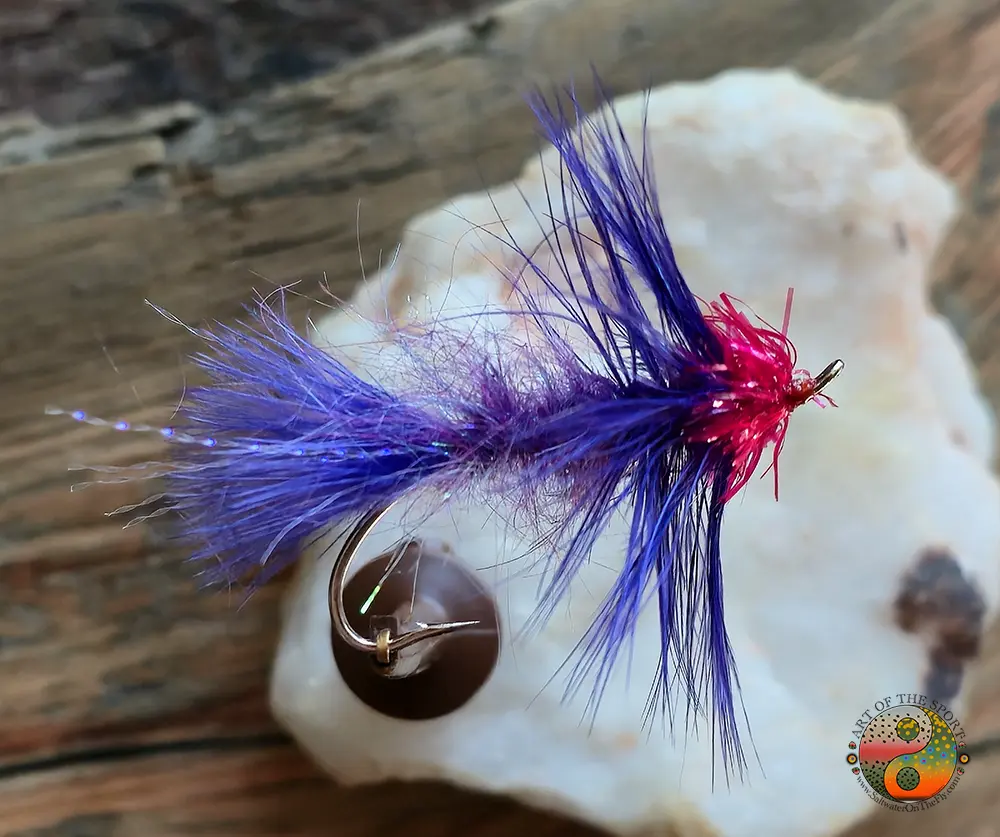
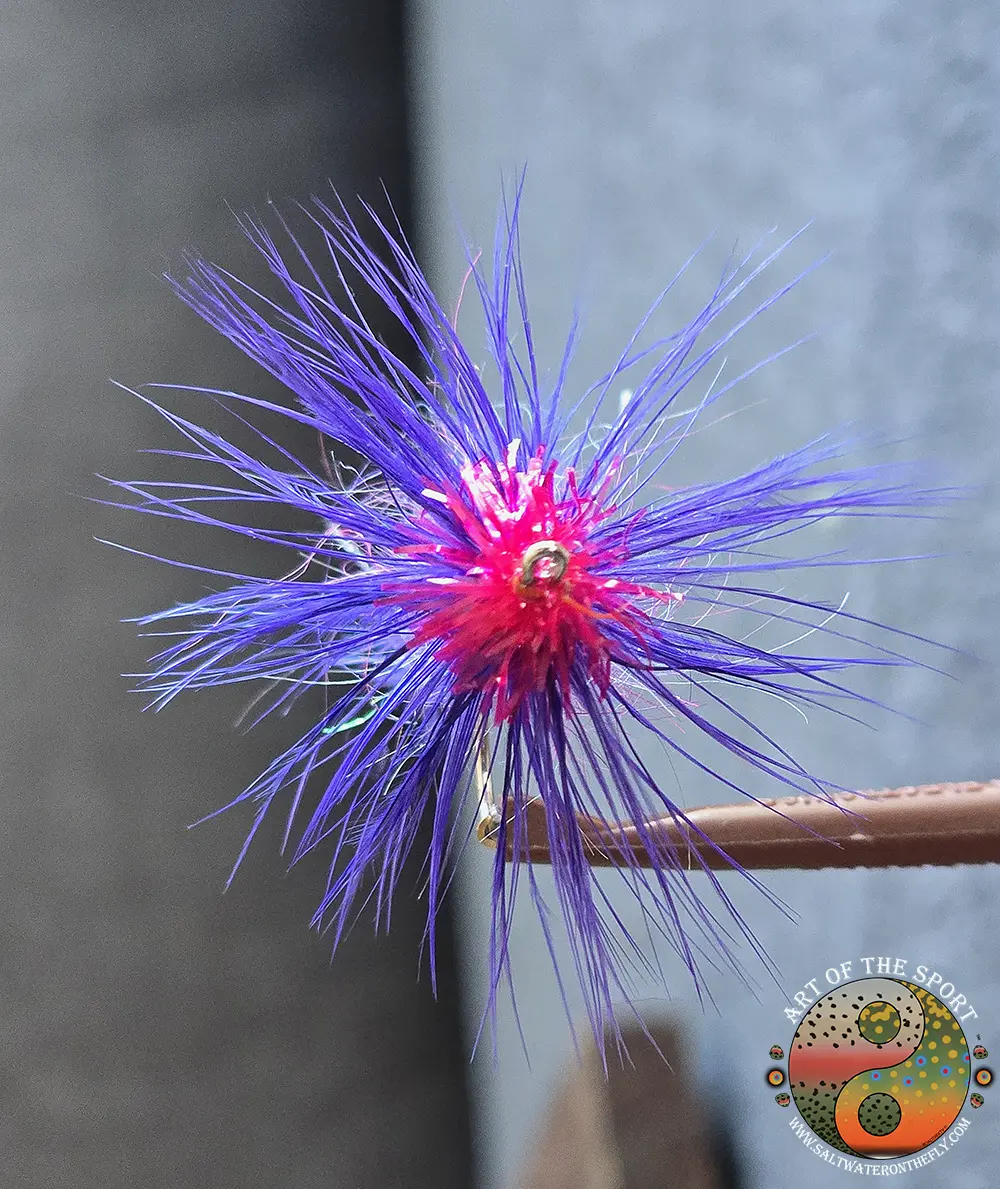
Materials: 25mm shank, #6 stinger hook, pink thread, purple dubbing, ostrich plume, flashabou, marabou tail.
Steps:
- Loop shank to hook. Tie marabou tail – fluffy, mobile.
- Dub purple body on shank; add ostrich sides for wobble.
- Lash flashabou – 4 strands, trailing like party streamers.
- Front: Tie pink hackle collar; UV eyes for 3D pop.
- Whip, resin head. 15 mins – worth it for the “whoa” factor.
Fishing: Skagit sink-tip swing in high water. Rogue falls? These wake the dead(ly aggressive).
Tying mantra: Sparse is king – steelhead hate bulky. Practice on junk hooks; fish the results. Now you’re armed – go mock Grey.
Other Fish in the River
While steelhead are the main draw for fly anglers, the Rogue is a multi-species fishery. The river boasts famous runs of Spring Chinook Springers and Fall Chinook, which are prized by gear and bait anglers. There are also runs of Coho salmon in the fall.
Fly fishing for these salmon is possible but requires heavy action rods and different techniques. The river also supports a healthy population of resident rainbow trout. These “trout” can provide action between steelhead encounters, especially in the upper Rogue River.
Hiring a Rogue River Fishing Guide
For a first-time visitor or an angler looking to improve their skills, hiring a fishing guide can be a game-changer. The Rogue is a large and powerful river, and a local guide’s knowledge is invaluable. They spend hundreds of days a year on the water, understanding where fish hold in different water conditions.
A good guide service will provide all the necessary gear, including high-quality fly rods and locally-tied flies. They also handle the logistics, like shuttling vehicles and navigating the river safely in a drift boat. Most importantly, a day with one of the local fishing guides drastically shortens the learning curve, teaching you the specific fishing techniques that work best on the Rogue.
Spending a day with a professional is an investment in your fishing education. You’ll learn how to read water, refine your casting, and understand the habits of these incredible fish. A guided trip can transform a potentially frustrating experience into a successful fishing adventure.
The Best Flies for Rogue River Steelhead
Steelhead flies have evolved, but the basic idea remains the same: create something that looks alive and provokes a reaction. A steelhead isn’t usually eating for hunger when it’s in the river. You’re trying to trigger an aggressive or territorial response.
The Classic Patterns That Still Fool Fish
Decades ago, anglers on the Rogue figured out what these fish liked. Simple, sparse patterns tied with natural materials were the standard. Flies like the Green Butt Skunk, with its tell-tale fluorescent green butt, have caught thousands of fish. The Silver Hilton is another classic, a perfect imitation of nothing in particular but incredibly effective, especially when steelhead migrate into the system.
Modern Flies: More Flash, More Action
Today’s steelhead flies often look very different. They are frequently tied on tubes or shanks with a trailing hook, which gives them more movement in the water. These are called Intruder-style flies. They are bigger, flashier, and often use bright, stimulating colors like pink, orange, and chartreuse. This style of fly is perfect for getting a fish’s attention in the off-color water of winter.
Nymph patterns are also critical, especially for winter fish. Simple flies that imitate stoneflies or clusters of fish eggs are deadly when drifted under an indicator. An ugly but effective fly can sometimes be the most productive thing in your box, especially when you need it to drift naturally near the bottom.
Fly Selection Strategy: A Simple Guide
How do you choose which fly to tie on? It can feel like a random guess sometimes, but there are some general rules that can help guide you. Here’s a simple table to give you a starting point:
| Condition | Season | Fly Type | Color Palette |
|---|---|---|---|
| Clear, Low Water | Summer/Fall | Sparse Wet Fly, Skater | Black, Purple, Green, Silver |
| Slightly Colored Water | Summer/Winter | Standard Wet Fly, Small Intruder | Orange, Red, Chartreuse accents |
| Colored/High Water | Winter/Spring | Large Intruder, Beadhead Nymph | Pink, Orange, Chartreuse, Black |
One old saying is “bright day, bright fly; dark day, dark fly.” But sometimes the opposite is true. The best advice is to start with a fly you have confidence in. If that doesn’t work after you’ve fished a good run, don’t be afraid to change things up. Sometimes a small change in size or color can make all the difference.
Etiquette and Conservation on the River
The Rogue is a popular river, and you’re likely to be sharing it with other people. Good river etiquette makes the experience better for everyone. The most important rule is to give other anglers space. If you see someone fishing a run, don’t jump in right in front of them. Walk well behind them and start fishing a good distance downstream.
When you are lucky enough to hook a fish, handling it with care is crucial for its survival. Use barbless hooks, which make releasing a fish much easier and less harmful. Keep the fish in the water as much as possible while you unhook it. If you want a photo, be quick, and wet your hands before you touch the fish to protect its sensitive slime coat.
Understanding the fishing regulations is your responsibility. It’s especially important to know how to tell the difference between a hatchery steelhead and a wild one. Hatchery fish will have their small adipose fin clipped off. Wild fish will have this fin intact. On the Rogue, as on many rivers, regulations require that all wild fish be released unharmed to protect the native steelhead runs for future generations.
Conclusion of Steelhead Fly Fishing on the Rogue River
Chasing steelhead is not easy. There will be days when you do everything right and still don’t get a single bite. You will question your gear, your fishing technique, and maybe your sanity. But you keep going back because of the possibility, the chance to connect with one of these incredible wild fish.
From the classic runs of the upper Rogue to the wild canyons of the middle section and the tidal waters near Gold Beach, the river offers a lifetime of exploration. There’s a certain magic to this process that you won’t find anywhere else. The pursuit of steelhead fly fishing on the Rogue River Oregon is a journey, not a destination.
Get out there, be patient, and enjoy every moment you have on this amazing river. Because even a bad day of Steelheading is still a pretty great day.
Steelhead Highway Oregon
Beauty and Steelhead and in the lower 48 there use to be nothing like it. The upper Umpqua was heaven to me.