Hike Ptarmigan Lake Trail Colorado for Stunning Views, Great Fly Fishing
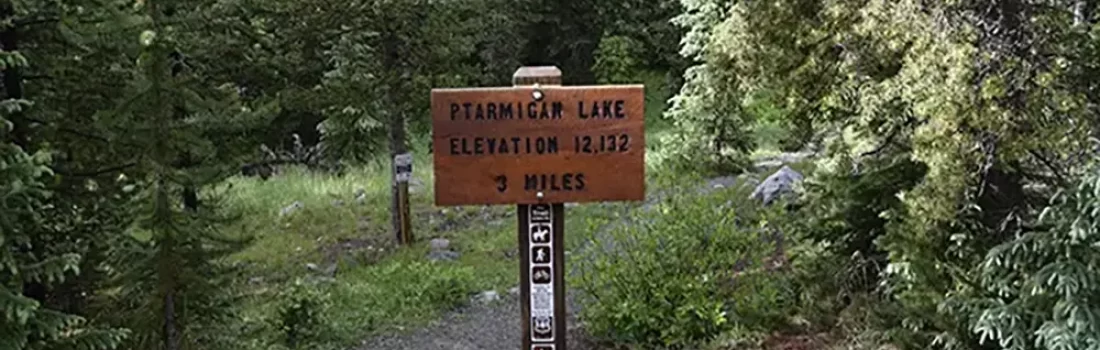
Have you ever felt the urge to disconnect and immerse yourself in nature? Hike Ptarmigan Lake Trail Colorado offers just that escape. Tucked away near Buena Vista, this trail serves as a gateway to breathtaking views at an elevation of 12,300 feet.
The journey there is nothing short of spectacular. You start from Cottonwood Pass, winding through lush forests and open meadows before arriving at the serene Ptarmigan Lake. It’s a moderate hike; prepare for about 1,600 feet of elevation gain spread over 6.4 miles round trip.
A Three week change in weather and trail conditions. No snow and a carpet of Alpine Wildflowers Got on the trail about 8 am to cloudy and cool weather. By the time I got to the first pot hole lake in the upper meadow, the sun was peeking through. After a hike around the Ptarmigan Lake, we started down as storm clouds moved in bring a short rain.
Trails offer many different experiences, on this one we also observed a mating pair of Pine Grosbeak and engaged in a great Botany discussion with another group of hikers. While learning a few things.
Fly Fishers might be intrigued by the cutthroat trout calling the lake home. Imagine casting your line surrounded by peaks like Jones Mountain and Turner Peak—it’s pure alpine bliss! And if you’re keen on snapping stunning photos or simply soaking in high-altitude tranquility, this spot delivers.
Last year alone thousands trekked this path seeking solace or adventure—or perhaps both? Hike Ptarmigan Lake Colorado Remember where you are and don’t leave a mess on Heavens carpet.
Table of Contents
Ptarmigan Lake Trail Overview
If you’re looking for a fantastic half-day or full-day hike in Colorado, the Ptarmigan Lake Trail should be at the top of your list. This trail offers a moderate challenge with incredible rewards. You’ll ascend through a spectacular forest, pass by a charming lake, and even spot some dreamy dispersed campsites along the way.
Trail Location
The Ptarmigan Lake Trail is located near Buena Vista in central Colorado, accessible from the top of Cottonwood Pass. It’s the perfect escape into the stunning San Isabel National Forest. Trust me, the drive up Cottonwood Pass alone is worth the trip.
Trail Difficulty
Rated as a moderate hike, the Ptarmigan Lake Trail offers a steady climb through the forest before reaching the alpine lake. It’s not a walk in the park, but the elevation gain is spread out over the 6.4-mile round trip. With a little determination and some snacks, hikers of most skill levels can conquer this trail.
Trail Length
The Ptarmigan Lake Trail clocks in at approximately 6.4 miles round trip. It’s the ideal length for a half-day adventure or even a full-day excursion if you want to take your time and soak in the views. I’ve done this hike several times, and I always feel accomplished but not completely exhausted by the end. It’s the perfect balance.
Elevation Gain
From start to finish, you’ll gain around 1,600 feet in elevation on the Ptarmigan Lake Trail. The trailhead starts at 10,680 feet and climbs up to Ptarmigan Lake at 12,300 feet. While that might sound intimidating, remember that the elevation gain is spread out over 3.2 miles one way. Plus, you’ll have plenty of opportunities to catch your breath and take in the stunning scenery.
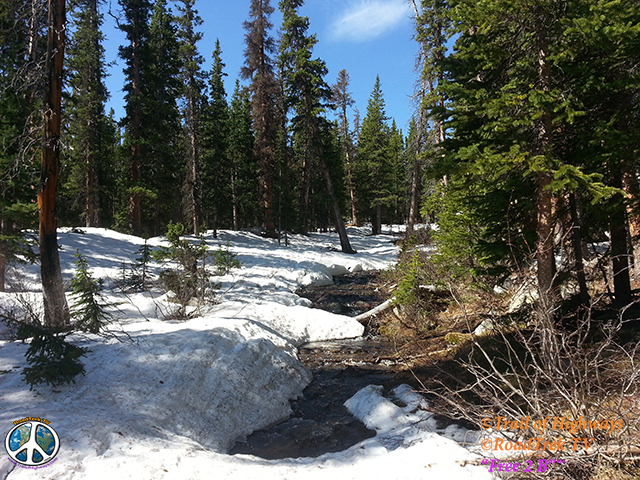
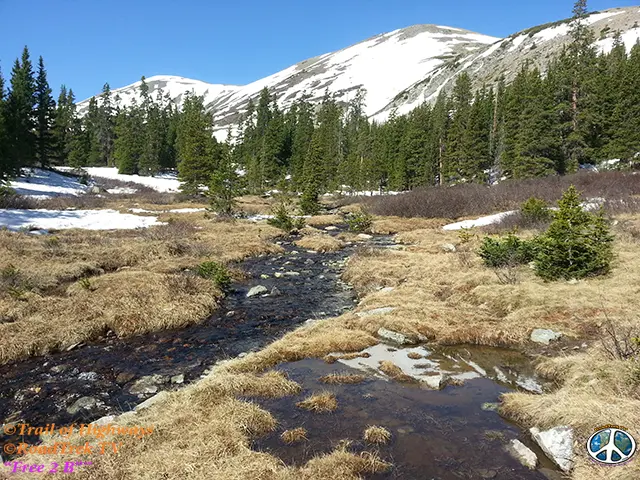
Ptarmigan Lake Trail is normally a 6 mile in and out Hike With snow levels being around waist deep in spots, once I cross the Creek and climbed to the top a ridge in the sun for a half mile of very little snow. Once I past the two lower pothole lakes the trail comes and goes, in and out of the snow.
As I waded through the snow I couldn’t help but notice how breath taking the scenery was in every direction.
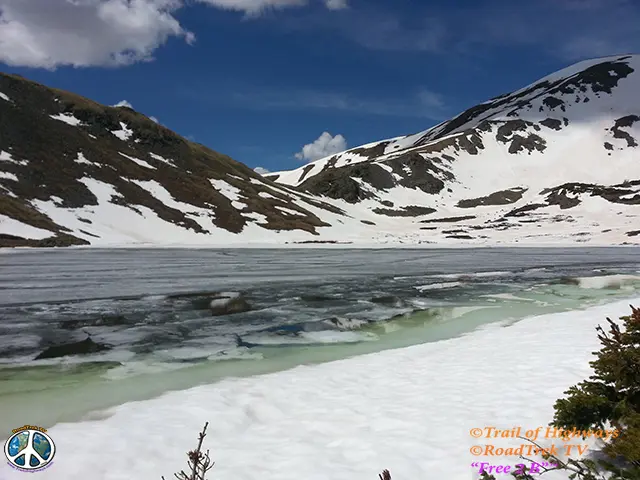
Once up to Ptarmigan Lake the snow disappeared to the beginnings of Alpine Flowers The lake was still frozen but ought to be open in the next couple of weeks. The hike down was about as rough as going up for a bit. I actually got stuck up to my waist and had to have a little help to get out.
I met a great group of women hikers that forged a great trail through the snow which helped my ascent till I caught them on the trail.
-
- First trip up 3 weeks back the trail at about 1 half miles quickly turned to snow and got deeper with every step
-
- As we reached the lower meadow there were patches of bare ground. Get Lost in America
-
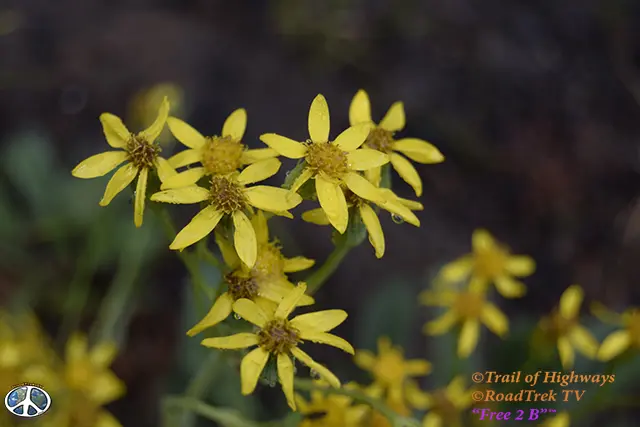
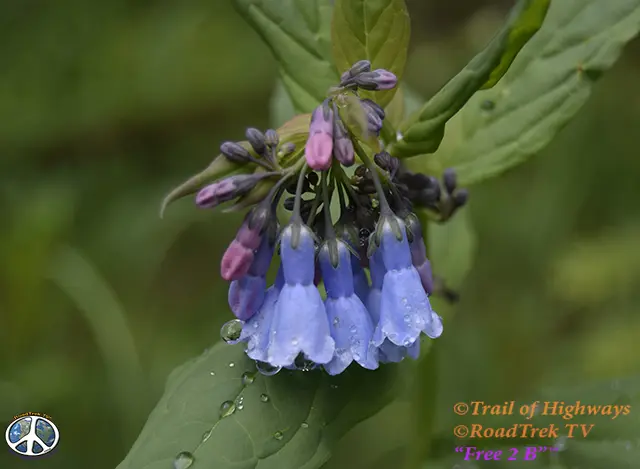
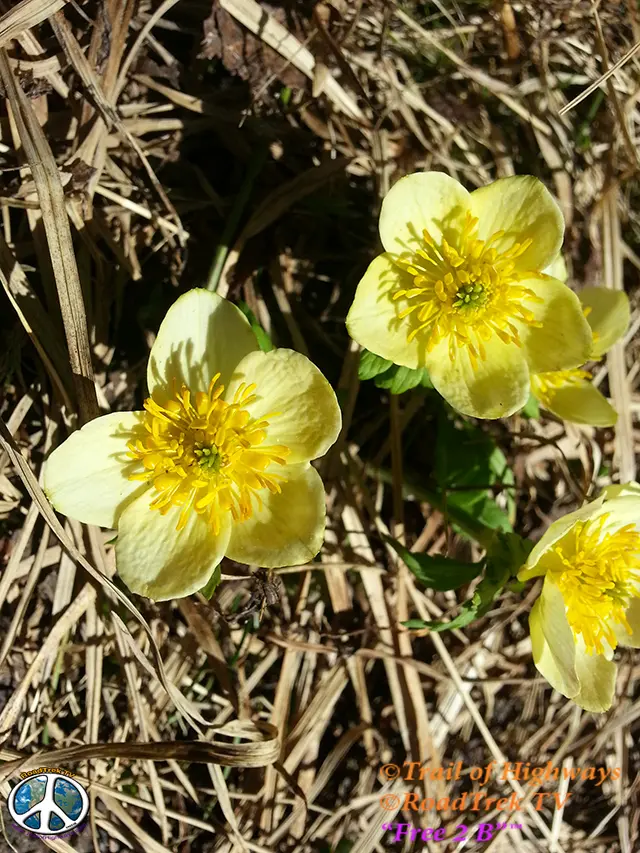
- Wildflowers were pushing there way through the dried grasses of the year before.
-
- Ptarmigan Lake was still quite frozen when we arrived. We found a clear spot and all ate a snack and rest before heading back down.

Outdoor Apparel and Fly Fishing Gear Designed by Outdoor Enthusiasts.
Estimated Hike Time
Most hikers complete the Ptarmigan Lake Trail in 3-5 hours, depending on their pace and how long they spend savoring the views at the lake. Whenever I hike this trail, I always budget extra time for a picnic lunch and some exploration around Ptarmigan Lake. Trust me, you won’t want to rush this experience.
Getting to the Trailhead
One of the best things about the Ptarmigan Lake Trail is how accessible it is. Ptarmigan Lake Trail is 12.8 miles up Cottonwood Pass from Buena Vista. Making the trailhead is located right off Cottonwood Pass, making it an easy drive from Buena Vista or even Denver.
Driving Directions
To reach the Ptarmigan Lake Trailhead, simply drive up Cottonwood Pass above Buena Vista, Colorado. The trailhead and parking area are located near the top of the pass. You can’t miss it – just look for the signs and the excited hikers gearing up for their adventure.
Parking Information
There’s a designated parking area at the Ptarmigan Lake Trailhead with restroom facilities available. While the parking lot can accommodate a decent number of cars, it’s always a good idea to arrive early on weekends or during peak hiking season. I’ve seen the lot fill up by mid-morning on busy summer days. If you can’t snag a spot in the lot, there’s usually room to park along the road.
Trailhead Amenities
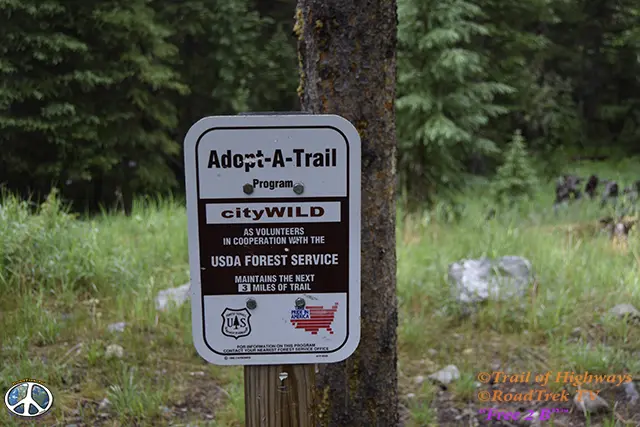
In addition to the parking area, the Ptarmigan Lake Trailhead also offers some basic amenities. You’ll find pit toilets at the start of the trail, which can be a lifesaver before embarking on your hike. There are also some informational signs about the trail and the surrounding area. Take a moment to read them and get a sense of what to expect on your hike.
Hiking Ptarmigan Lake Trail
Now for the fun part – hitting the trail. The Ptarmigan Lake Trail offers a perfect mix of challenge and reward, with stunning scenery and diverse landscapes along the way.
Trail Description
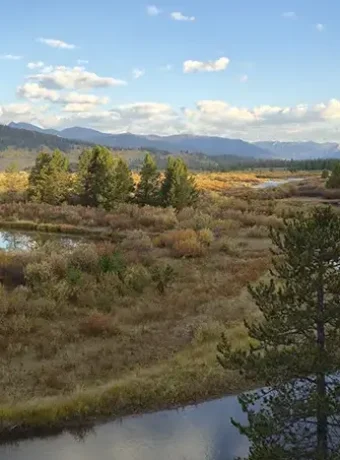
The Ptarmigan Lake Trail starts with a moderate climb through a spectacular forest, passing a small lake and dispersed campsites along the way. After about 2.5 miles, you’ll break out above the tree line and enter an expansive meadow. This is where the views really start to open up, with the surrounding peaks coming into full view. From there, the trail continues to climb at a moderate grade until you reach Ptarmigan Lake nestled at the base of Jones Mountain. It’s a sight that never fails to take my breath away.
Notable Trail Features
One of the highlights of the Ptarmigan Lake Trail is the diverse scenery you’ll encounter along the way. During the first 2.4 miles through the forest, you’ll catch intermittent views of Turner Peak (13,237 ft.) and Gladstone Ridge (13,208 ft.). But the real showstopper comes when you reach the lake. The incredible views of Jones Mountain (13,218 ft.) towering above Ptarmigan Lake are simply unforgettable. I always make sure to budget plenty of time to soak in the scenery and shoot a lot of photos.
Wildlife and Flora
As you hike the Ptarmigan Lake Trail, keep an eye out for the diverse wildlife and flora that call this area home. You might spot marmots sunning themselves on rocks or pikas darting between boulders. In the summer months, the meadows come alive with wildflowers in a stunning array of colors. It’s like hiking through a natural garden.
Trail Etiquette
Remember, we’re all guests in nature’s home. Practice good trail etiquette by staying on designated trails, packing out all trash, and respecting wildlife. If you bring your furry friend along, make sure to keep them on a leash and clean up after them. And always yield to uphill hikers and step aside to let faster hikers pass. By following these simple guidelines, we can all enjoy the beauty of the Ptarmigan Lake Trail for years to come.
Ptarmigan Lake Trail Tip:
Ready for an adventure? The Ptarmigan Lake Trail in Colorado is your go-to. It’s a moderate hike with stunning views, stretching 6.4 miles round trip through forests and meadows to a breathtaking lake. Start at Cottonwood Pass, near Buena Vista, and get ready to climb about 1,600 feet in elevation. Plan for 3-5 hours of hiking bliss.
Ptarmigan Lake and Surrounding Area
Ptarmigan Lake is a true gem nestled in the heart of the Colorado wilderness. This stunning alpine lake sits at an impressive elevation of 12,100 feet, making it a popular destination for hikers and outdoor enthusiasts alike.
The lake itself is a sight to behold, with crystal-clear waters that perfectly reflect the surrounding peaks and forests. It’s the kind of place that takes your breath away and makes you feel like you’ve stepped into a postcard.
Lake Description
As you approach Ptarmigan Lake, you’ll be struck by its serene beauty. The lake is surrounded by towering peaks and lush forests, creating a picturesque backdrop that’s hard to beat. The eastern shore of the lake is particularly lovely, with gentle slopes that lead down to the water’s edge.
One of the things I love most about Ptarmigan Lake is how peaceful it is. Even on busy summer weekends, you can find a quiet spot to sit and take in the views. There’s something about being in the presence of such natural beauty that just puts your mind at ease.
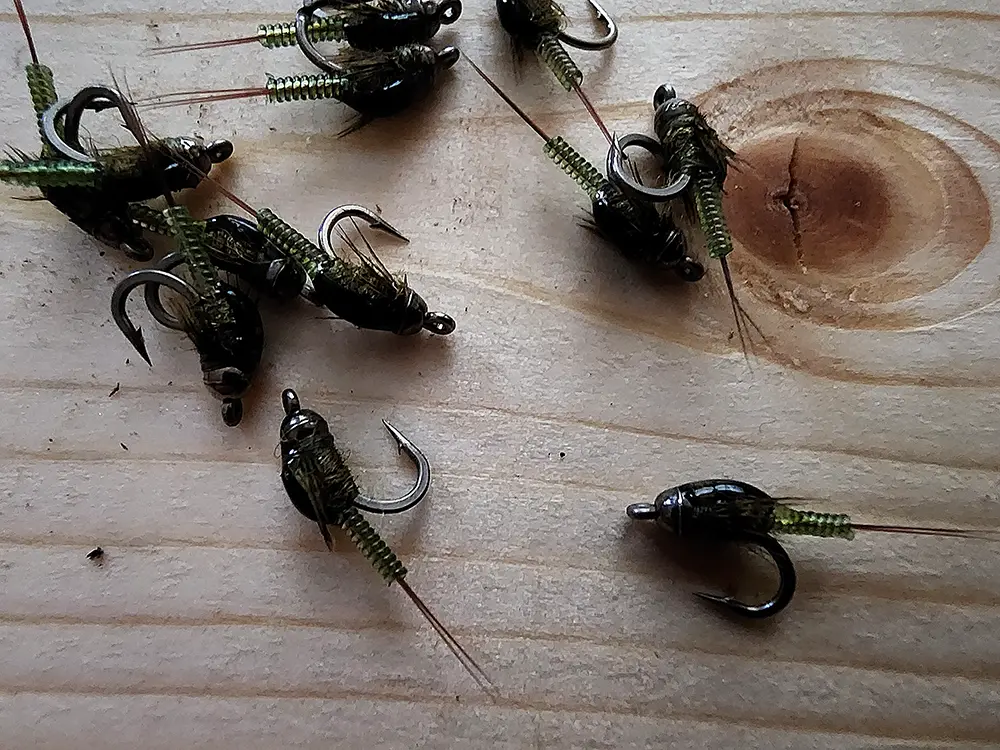
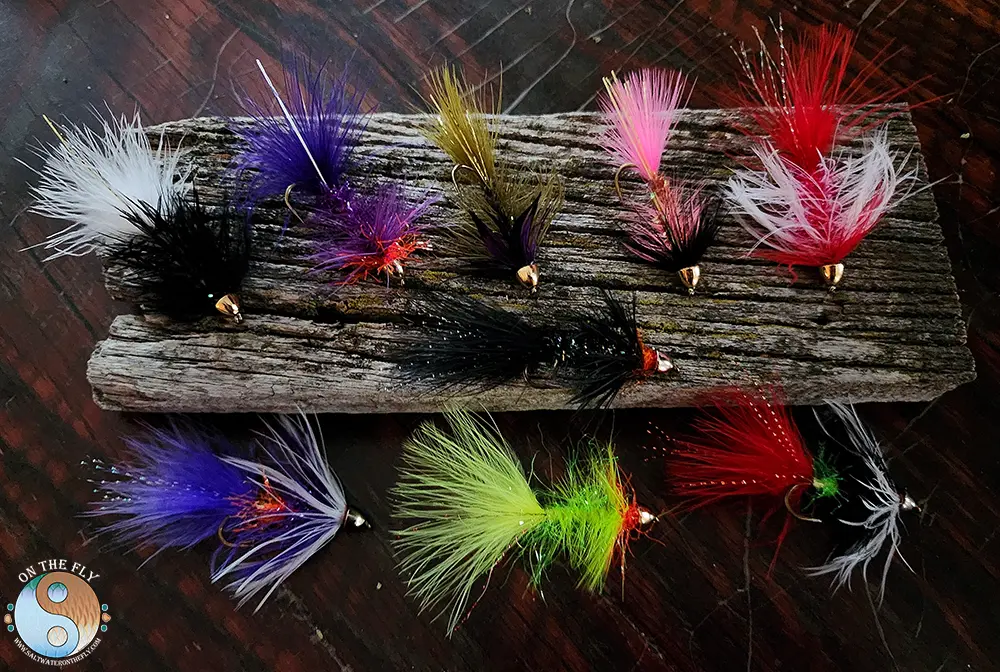
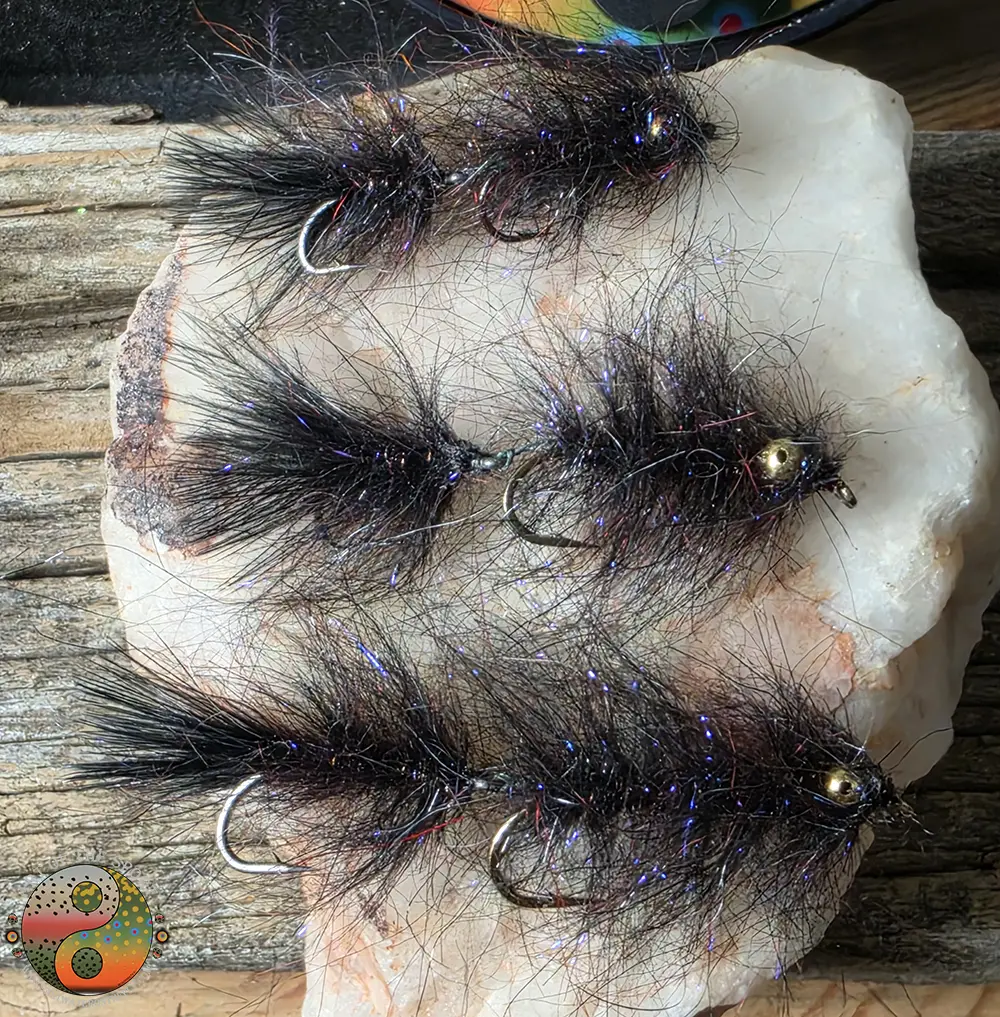
Ptarmigan Lake fly fishing can be a bit challenging at times. Patience is the secret and paying attention. Watch what is happening within nature. I use a lot of baetis, chironomid, and streamer patterns like black woolly buggers.

Fly Fishing at Ptarmigan Lake
Ptarmigan Lake isn’t a numbers fishery. Let’s get that out of the way right now.
Sitting at 12,147 feet in Colorado’s Sawatch Range, this 11-acre alpine lake holds a healthy population of Colorado River Cutthroat trout — and some of them are genuinely impressive fish, pushing 16 to 18 inches in a lake this size. But they’re well-fed, they’ve seen pressure all summer long, and they will absolutely ignore a poorly presented fly. These cutthroats cruise the shallows like they own the place, because they do.
That’s exactly what makes this place worth the 3.1-mile hike in.
When to Go
Timing matters more here than most alpine lakes. Hit it too early and you’re still dealing with ice. Hit it in the heart of summer and you’re sharing the shoreline with kayakers and day hikers. The sweet spot is right after ice-out — typically late June into early July — when the fish are aggressive and the crowds haven’t materialized yet. Early September is another window worth considering once the summer pressure dies down.
Where to Fish
Work the eastern shoreline first. Inlet water flowing in along the eastern banks concentrates fish and gives them a current seam to feed along — rare in a stillwater this size and worth exploiting. The shallow flats along the northern shore are prime cruising lanes for larger fish, but getting into position requires some bushwhacking through stubborn krummholz. It’s worth the effort if you can do it quietly.
Don’t skip Ptarmigan Creek and Lower Ptarmigan Lake on the hike in. Smaller water, less pressure, and cutthroats that haven’t been studied by every angler who made the trip up.
Gear and Flies
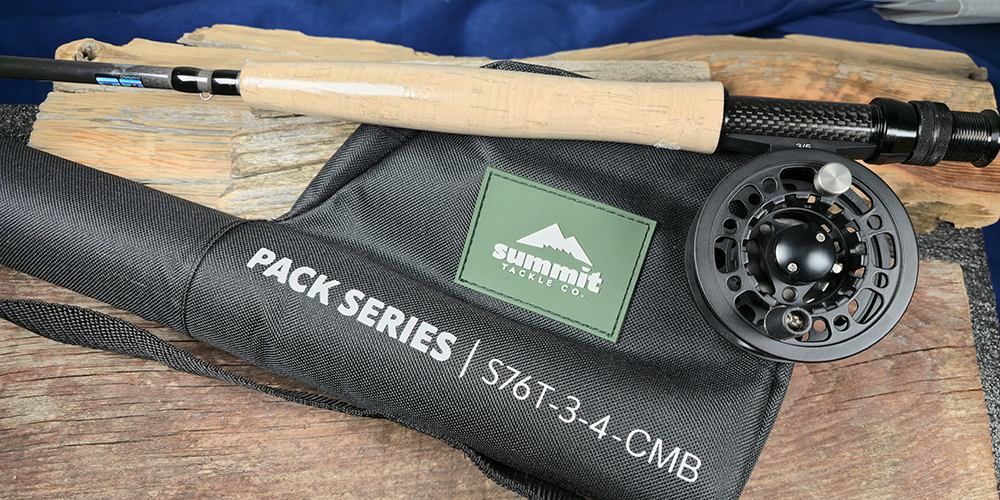
Pack a 5-weight – 6-weight- 8 foot pack rod, and or a nine foot 6-weight and bring a longer leader — 12 feet minimum, 9x tippet if the fish are being difficult, which they often are. In open alpine lakes with no structure overhead, these fish have a wide cone of vision and will spook at a heavy presentation or a dragging fly.
Watch the water before you cast. These cutthroats cruise, and a cast dropped in the right lane ahead of a moving fish will always outperform blind casting.
Dry Flies: Parachute Adams (sizes 14–18), Hippie Stomper, Comparadun in gray or olive, and standard Elk Hair Caddis. When fish are sipping in flat, calm conditions, drop down to a size 18 or 20 midge pattern — they’re almost certainly eating something you can barely see.
Subsurface: Woolly Bugger in olive or black, stripped slowly along the bottom near inlet structure. Pistol Pete patterns have a solid track record here. Zebra Midge under an indicator works when you can identify a depth seam. When nothing is rising and you can’t spot cruising fish, go subsurface and slow down your retrieve.
Tactics That Matter
- Spot and stalk. Don’t fire blind casts. Give your eyes 10–15 minutes to find cruising fish before your rod ever comes off your back.
- Lead the fish. Cast 4–6 feet ahead of a cruising cutthroat and let the fly settle. Chasing a fish with a cast is a spooked fish.
- Watch the sky. Afternoon thunderstorms move fast above treeline. Fish hard in the morning, and be on your way down by early afternoon. The fish will still be there next time — getting struck by lightning is a harder problem to solve.
- You need a license. A valid Colorado fishing license is required. Get it sorted before you drive to the trailhead.
Ptarmigan Lake will humble you if you approach it lazy. But if you slow down, read the water, and match what the fish are actually eating — you’ll find some of the most beautifully colored cutthroats you’ve ever held in your hands at altitude.
That’s worth every step of the hike. I’ve done this hike a dozen times and it never gets old, just avoid the weekend crowds.
Camping Near Ptarmigan Lake
For those looking to extend their stay in this beautiful area, there are plenty of camping spots near Ptarmigan Lake. These sites are primitive, meaning there are no amenities like running water or electricity, but what they lack in creature comforts they more than make up for in natural beauty.
Imagine waking up to the sound of birdsong and the gentle lapping of water against the shore. That’s the kind of experience you can expect when camping near Ptarmigan Lake. Just be sure to practice Leave No Trace principles and pack out all of your trash to help keep this area pristine for future visitors.
Nearby Peaks and Trails
While Ptarmigan Lake is certainly the main attraction in this area, there are plenty of other nearby peaks and trails worth exploring. Whether you’re a seasoned hiker or just looking for a scenic stroll, you’ll find no shortage of options in this beautiful part of Colorado.
Near by hikes, Lost Lake, Mount Yale. Hartenstien Lake and Kroenke Lake make a nice through hike.
Nearby Peaks and Trails
While Ptarmigan Lake is certainly the main attraction in this area, there are plenty of other nearby peaks and trails worth exploring. Whether you’re a seasoned hiker or just looking for a scenic stroll, you’ll find no shortage of options in this beautiful part of Colorado.
Nearby Peaks
One of the most prominent peaks in the area is Jones Mountain, which rises to an impressive elevation of 13,218 feet. This challenging hike is not for the faint of heart, but those who make the trek are rewarded with incredible views of the surrounding Collegiate Peaks and the Arkansas Valley below. Blue Ribbon fly fishing in the Arkansas River.
Other notable peaks in the area include Turner Peak (13,237 feet) and Mount Yale (14,196 feet). Both of these mountains offer challenging hikes with stunning views, making them popular destinations for experienced hikers and mountaineers.
Connecting Trails
If you’re looking to explore more of the area around Ptarmigan Lake, there are several connecting trails that offer even more opportunities for adventure. The Colorado Trail, for example, passes near the lake and offers a long-distance hiking experience that spans over 500 miles from Denver to Durango.
For a shorter hike, consider taking the trail up to Gladstone Ridge, which offers panoramic views of the surrounding peaks and valleys. No matter which trail you choose, you’re sure to be treated to some of the most spectacular scenery in all of Colorado.
Tips for Hiking Ptarmigan Lake Trail
If you’re planning a hike to Ptarmigan Lake, there are a few things you should keep in mind to ensure a safe and enjoyable experience. Here are some tips from someone who’s hiked this trail more times than I can count:
- Start early: The Ptarmigan Lake Trail can get crowded, especially on weekends. To avoid the crowds and enjoy a more peaceful hike, try to start early in the morning.
- Bring plenty of water: At high elevations, it’s easy to get dehydrated. Be sure to bring plenty of water and drink it regularly throughout your hike.
- Wear sturdy shoes: The trail can be rocky and uneven in places, so it’s important to wear sturdy hiking shoes with good traction.
- Be prepared for weather changes: The weather can change quickly in the mountains, so be sure to bring layers and be prepared for rain or snow, even in the summer months.
- Take breaks and enjoy the views: The Ptarmigan Lake Trail offers some of the most stunning views in all of Colorado. Don’t forget to take breaks along the way to soak in the scenery and snap some photos.
With these tips in mind, you’re sure to have an incredible experience hiking the Ptarmigan Lake Trail. Trust me, the views alone are worth the effort.
Ptarmigan Lake Trail Tip:
Hit Ptarmigan Lake Trail early to dodge the crowds and pack plenty of water. Remember, sturdy shoes are a must for rocky paths, and always be ready for sudden weather shifts. Most importantly, pause often to soak in those breathtaking Colorado views.
Ptarmigan Lake Trail Resources
If you’re planning a hike to Ptarmigan Lake, you’ll definitely want to check out some of these helpful resources first. Trust me, I’ve been on this trail more times than I can count, and having the right info can make all the difference.
First up, take a look at the trail photo gallery from Fat Man Little Trail. This guy’s got some seriously stunning shots that’ll give you a real sense of what to expect on your hike.
I’m also a big fan of the trail resources over at Crazy About Colorado. They’ve got detailed descriptions of the trail, plus some insider tips that you won’t find anywhere else.
And if you really want to geek out on all things Ptarmigan Lake, definitely spend a bit of time exploring the area around the lake.
Of course, there’s no substitute for getting out there and experiencing the trail for yourself. But trust me, these resources will definitely help you prepare for an unforgettable hike to one of Colorado’s most stunning alpine lakes.
So what are you waiting for? Lace up those hiking boots, grab your backpack, and get ready for an adventure you’ll never forget. Ptarmigan Lake is calling.
FAQs in Relation to Hike Ptarmigan Lake Trail Colorado
How do I get to Ptarmigan Lake?
Drive towards Cottonwood Pass near Buena Vista, Colorado. The trailhead is accessible from the parking area off Highway 306.
How much elevation gain is the Ptarmigan trail?
The hike up Ptarmigan Lake Trail racks up an elevation gain of about 2,000 feet, making it a moderate challenge.
What is the elevation of Ptarmigan Lake?
Ptarmigan Lake sits proudly at approximately 12,147 feet above sea level in the heart of San Isabel National Forest.
How long is the Beaver Lake Trail?
This question seems out of place as we’re focusing on Ptarmigan. But for clarity, Beaver Creek’s Beaver Lake Trail stretches roughly 6 miles round trip.
Conclusion of Hike Ptarmigan Lake Trail Colorado
If you’re hunting for a mix of adventure and tranquility, Hike Ptarmigan Lake Trail Colorado delivers just that. This isn’t just another hike; it’s your gateway to unparalleled natural beauty with every step taken towards the 12,300 feet elevation summit.
From the dense forests at Cottonwood Pass to the expansive meadows en route, this trail offers more than just exercise—it provides an escape into nature’s arms. And when you reach Ptarmigan Lake? It’s not merely about reaching a destination but experiencing moments filled with serene lake views and potential trout catches against a backdrop of majestic peaks like Jones Mountain and Turner Peak.
Last year thousands came here seeking solace or adventure—maybe even both. Why not join them? After all, who wouldn’t want their breath taken away by such pristine high-altitude landscapes?