Joshua Tree National Park: Where the Desert Gets Weird and the Rocks Look Like They’re Judging You
Oh, Joshua Tree National Park—1,200 square miles of spiky trees, boulder piles that look like God’s Lego set, and enough Instagram influencers to make you question humanity. If you’ve ever wanted to camp under a sky so clear you can see your ex’s bad decisions in the stars, this is your spot. Let’s dive into the history, the best times to visit (spoiler: not summer unless you hate yourself), camping like a pro, the hikes that’ll make your calves cry, and how we’re all pretending to care about conservation while still stepping on cryptobiotic soil. Buckle up, desert rats—this is gonna be a long, ride.
Table of Contents
History of Joshua Tree: From Indigenous Stewards to Hippie Mecca to Overrun TikTok Backdrop
Before you pack your bags, it helps to understand the history of this land. For thousands of years, this was home to Indigenous peoples like the Serrano and Cahuilla. You can still see traces of their lives in the rock art they left behind, a testament to their deep connection with the environment.
Because nothing says “history” like ignoring the people who were here for 10,000 years. The Serrano, Cahuilla, Chemehuevi, and Mojave tribes didn’t just visit Joshua Tree—they lived here, grinding acorns, hunting bighorn sheep, and probably laughing at the idea of paying $35 to enter a park. They left behind pictographs (ancient desert graffiti) at places like the Barker Dam site, where you can see faded red handprints and wonder if they were warning future generations about influencers.
Fast-forward to the 1800s. Gold fever hit, and suddenly white dudes with questionable hygiene were stomping through the desert looking for the Lost Horse Mine. Spoiler: most of them found dehydration instead. The Desert Queen Mine became a legit operation, and by the 1930s, the area was a ghost town of rusted dreams and abandoned cabins. Enter Minerva Hamilton Hoyt, the original desert Karen (but in a good way). This Pasadena socialite was pissed that people kept digging up cacti for their Beverly Hills lawns. She lobbied Congress like a boss, and in 1936, Joshua Tree National Monument was born. Boom. Take that, plant thieves.
When is the Best Time to Visit?
Choosing the right season to visit Joshua Tree can define your entire trip. The desert has extreme weather patterns, and your experience will change dramatically depending on the month you arrive. It is always wise to check the current conditions on the official website before you go.
Spring (March to May): The Sweet Spot
Most people will tell you spring is the best time to go to this national park in California. The daytime temperatures are pleasant, usually hovering in the 70s and 80s Fahrenheit. Nights are cool but generally comfortable for camping under the stars.
This is also when the desert floor awakens with wildflowers. Following a wet winter, you might even witness a legendary superbloom. It transforms the sandy landscape into a carpet of vibrant color, making for an amazing photo gallery of memories.
Fall (October to November): The Peaceful Season
If you prefer fewer people, fall is your season. The weather is very similar to spring, with warm days and cool nights. The large summer crowds have disappeared, and the spring break rush has not yet started.
The light during the fall months is a photographer’s dream. The sun sits lower in the sky, creating long shadows and a golden glow on the rock formations. It is an amazing time for quiet reflection and taking long hikes on a nature trail.
Winter (December to February): The Quiet & Cold
If you value solitude, winter in Joshua Tree might be for you. The park is nearly empty, offering a profound sense of isolation. Daytime temperatures are mild, often in the 60s, making it suitable for exploring.
However, the nights get very cold and frequently drop below freezing. Snow is not common, but it can happen, so pack warm layers. Seeing the Joshua trees and boulders dusted in white is a truly magical sight.
Summer (June to September): The Danger Zone
Be very aware that summer in Joshua Tree is brutally hot. Temperatures regularly soar past 100 degrees Fahrenheit, and flash floods can occur after sudden storms. Many experienced hikers avoid the park completely during this period.
If you must visit in summer, you have to be extremely cautious. Hike only in the early morning or evening and avoid strenuous activity during the midday heat. Bring more water than you think you could possibly need, as dehydration is a serious and immediate risk here.
Joshua Tree Rock Climbing: Where the Desert Tries to Kill You, One Hold at a Time
Welcome to Joshua Tree National Park, the Disneyland for dirtbags, where the rocks look like giant potatoes and the holds are sharper than your ex’s subtweets. With 8,000+ documented climbs on quartz monzonite that feels like sandpaper had a baby with a cheese grater, JT is the trad climbing capital of the world. But don’t worry, sport climbers and boulderers—there’s plenty of bolted suffering for you too. Let’s break down the best zones, the classics, the secret spots, and how not to become a ranger’s cautionary tale.
The Basics: Grit, Gear, and Not Dying
Rock type: Quartz monzonite—sticky when clean, greasy when hot, and always trying to exfoliate your fingertips. Season: October–April. Summer is for masochists and lizards. Gear: Double rack to #4, lots of slings (chickenheads galore), crash pad for bouldering, and a soul (optional). Rules: No new bolts without permission. Chalk banned in some areas (it looks like coke to rangers). No gardening (pulling plants for holds). Fixed draws? Leave them for the birds.
The Classic Zones: Where Legends Were Born and Egos Were Crushed
1. Hidden Valley Campground – The Instagram Petting Zoo
The Times Square of JT climbing. Park, walk 30 seconds, climb. Classics:
- The Bong (5.3) – Chimney so easy you’ll feel insulted.
- Double Cross (5.7+) – Hand crack that teaches trad newbies humility.
- Sail Away (5.8+) – Face climb with a bolt so runout you’ll pray to the desert gods.
Pro tip: Arrive at 6 AM or share the crag with 47 van-lifers doing yoga on crash pads.
2. Intersection Rock – The Parking Lot Crag
Literally in the Hidden Valley Campground parking lot. You can belay from your tailgate. Classics:
- The Flake (5.8) – Lieback so perfect it’s basically cheating.
- Right Ski Track (5.8) – Stemming corner that makes your calves scream.
- Overseer (5.9) – Finger crack with a bolt so old it’s probably a war relic.
Downside: Tourists will ask if you’re “Spider-Man” while eating Cheetos.
3. Quail Springs / Real Hidden Valley – The Trad Mecca
Where John Bachar soloed everything and judged you for using a rope. Classics:
- Pope’s Crack (5.9) – Offwidth so wide you’ll consider a career change.
- Touch and Go (5.9) – Finger crack that eats tips like candy.
- White Rastafarian (5.10a) – Thin hands to offwidth. Bring knee pads and therapy.
Secret: The Oracle (5.12c) – Face climb so runout you’ll write your will on the approach.
4. Joshua Tree Bouldering Circuit – For People Who Hate Ropes
500+ problems from V0 to V-double-digits. Hotspots:
- Hidden Valley Boulders – Stem Gem (V3), Planet X Traverse (V5).
- Cap Rock – Cave Problem (V1), JBMF Pocket Problem (V6).
- Comic Strip – King Tut (V4), White Rastafarian Boulder (V7).
Pro tip: Bring a spotter who isn’t hungover. The landings are spicy.
5. Wonderland of Rocks – The Backcountry Labyrinth
5–10 mile approach through a maze of boulders. Bring a map, GPS, and a sacrifice for the desert gods. Classics:
- Aqua Nymph (5.10a) – Water streak face with bolts so spaced you’ll see your life flash.
- Loose Lips (5.11a) – Finger crack in a cave. Bring tape gloves.
- The Sound of Power (5.12d) – Overhanging arete that laughs at your gym gains.
Warning: Getting lost here is a rite of passage. Bring 4L water and a flare gun.
6. Pinto Basin / Lost Horse – The Forgotten Zones
Less crowded, more choss, more adventure. Classics:
- Hot Rocks (5.10b) – Sport route on a formation that looks like a melted candle.
- Solid Gold (5.10c) – 4-pitch trad adventure with views of the Salton Sea.
Bonus: Lost Horse Wall – Multi-pitch moderates for people who want to feel like 1970s dirtbags.
The Crown Jewels: Routes That Define JT
| Route | Grade | Style | Why It’s Famous |
|---|---|---|---|
| Figures on a Landscape | 5.10b | Trad | Runout face with a bolt every ice age. |
| Dappled Mare | 5.8 | Trad | 4-pitch moderate with chickenheads galore. |
| Clean and Jerk | 5.10c | Trad | Finger crack that eats cams and souls. |
| Left Ski Track | 5.10d | Trad | Stemming corner so perfect it’s NSFW. |
| Illusion Dweller | 5.10b | Trad | Hand crack with a boulder problem start. |
Sport Climbing? Yes, It Exists (Barely)
Joshua Tree is 90% trad, but sport climbers aren’t completely screwed:
- Real Hidden Valley: Atlantis Wall (5.10–5.12 sport).
- Indian Cove: The Pixie Rock (5.9–5.11 sport).
- Rattlesnake Canyon: The Waterchute (5.10 sport).
Note: Bolts are hand-drilled and spaced like a tax audit. Trust falls encouraged.
Bouldering Highball Hell
JT invented highball bouldering. Bring pads, spotters, and a therapist. Infamous highballs:
- Cave Crack (V0, 30ft) – Solo it at sunset for ultimate dirtbag cred.
- So High (V4, 35ft) – Stemming corner that ends in a mantle of doom.
- Planet of the Apes (V6, 40ft) – Arete so tall you’ll need a parachute.
Pro tip: Don’t fall. The landings are not forgiving.
How Not to Die (or Get Fined)
- Check the weather. 110°F + black lichen = greasy death.
- Double-check gear. Cams walk, bolts are old, and gravity is undefeated.
- Leave no trace. Pack out tape, tick marks, and your ego.
- No new routes without approval. The JT Climbing Committee will find you.
- Rattlesnakes exist. Shake out holds. Scream optionally.
- Top-rope erosion is real. Use your own gear, not trees.
Guidebooks & Apps (Because Getting Lost Is So 1980s)
- Randy Vogel’s Joshua Tree Rock Climbs – The Bible.
- Miriam Klamn’s Joshua Tree Bouldering – For pad people.
- Mountain Project – Crowdsourced beta (take with salt).
- 27 Crags – Euro-style topos for the aesthetically inclined.
Guidebooks & Apps (Because Getting Lost Is So 1980s)
- Randy Vogel’s Joshua Tree Rock Climbs – The Bible.
- Miriam Klamn’s Joshua Tree Bouldering – For pad people.
- Mountain Project – Crowdsourced beta (take with salt).
- 27 Crags – Euro-style topos for the aesthetically inclined.
Where to Crash (Dirtbag Edition)
- Hidden Valley Campground: $15, first-come. Arrive by 7 AM.
- BLM Land South: Free, dispersed. Bring a wagon for water.
- The Pit: Free bouldering campground. Smells like weed and regret.
Final Thoughts: JT Will Break You, Then Make You Whole
Joshua Tree climbing isn’t about the grade—it’s about runout face climbs, chickenhead slings, and sunsets that make you forgive the sand in your chalk bag. You’ll bleed, cry, and question your life choices, but you’ll also send your project at dusk with no one watching except the ravens. And that’s the point.
So rack up, tape up, and get out there before the desert eats another soul. Just don’t forget: the rock doesn’t care about your Instagram.
Planning Your Trip: Entrances, Fees, and Lodging
A little bit of planning goes a long way for any trip into our national parks. Figuring out how you will get in, where you will sleep, and what you want to see is the first step. You do not want to be making these decisions after a long drive.
Park Entrances and Fees
Joshua Tree has three main entrances, each offering a different first impression. The West Entrance, near the town of Joshua Tree, is the most popular and can become very congested, especially on weekends. The North Entrance in Twentynine Palms is a good alternative and provides easier access to campgrounds like Indian Cove.
The South Entrance near Cottonwood Spring is much less crowded and is your gateway to the Colorado Desert portion of the park. Here you can see the change in vegetation and explore beautiful fan palm oases. You will need to pay an entrance fee at any of the stations; you can find the latest fee information on the official government website for the park service.
Where to Stay: Camping vs. Civilization
Camping inside the park is an unforgettable experience, with some of the darkest night skies in Southern California. The park has several campgrounds, each with its own character. A little research helps you find the right spot for your stay.
Many sites are reservation-only from October through May and must be booked months in advance on Recreation.gov. When booking online, make sure you are on a secure website. Any gov website belongs to an official government agency and is the safest place to make reservations.
If camping is not your style, do not worry. The nearby towns of Yucca Valley, Twentynine Palms, and Palm Springs have plenty of hotels, motels, and interesting vacation rentals. You can have a hot shower and a soft bed after a long day of exploring the desert.
| Campground | Reservations? | Amenities | Best For |
|---|---|---|---|
| Jumbo Rocks | Required (Oct-May) | Pit Toilets, Tables, Fire Grates | Scrambling, Central Location |
| Hidden Valley | First-Come, First-Served | Pit Toilets, Tables, Fire Grates | Climbers, Scenery |
| Indian Cove | Required (Oct-May) | Pit Toilets, Tables, Fire Grates | Rock Climbing, Large Groups |
| Black Rock | Required (Year-Round) | Water, Flush Toilets, Dump Station | Families, RVs, Hikers |
| Cottonwood Spring | Required (Oct-May) | Water, Flush Toilets, Dump Station | Bird Watching, South End |
| White Tank | First-Come, First-Served | Pit Toilets, Tables, Fire Grates | Stargazing, Arch Rock |
| Sheep Pass | Group Sites Only, Required | Pit Toilets, Tables, Fire Grates | Large Organized Groups |
There are multiple visitor centers where you can get information, maps, and talk to a ranger. Before you visit Joshua, be sure to check for any news releases or alerts. Sometimes conditions can change quickly, or a government shutdown could affect park operations.
The Best Things to Do in Joshua Tree National Park
You have made it to the park. Now what? Joshua Tree offers a huge range of activities, from high-adventure sports to peaceful walks. You can spend your day engaged in rock climbing or just taking a quiet drive.
Must-Do Hikes for Every Level
Hiking is the best way to experience the park’s subtle beauty up close. For an easy walk, check out the one-mile Hidden Valley Nature Trail, a beautiful loop enclosed by massive rock formations. The short trail to view Skull Rock is another family-friendly option that showcases the park’s whimsical geology.
The Cholla Cactus Garden features an easy quarter-mile loop, but be very careful not to touch these “jumping” cacti. For another short but rewarding hike, the Arch Rock Nature Trail at White Tank campground is a must-see. The geology tour offered on some trails provides great insight.
Looking for more of a challenge? The three-mile hike up Ryan Mountain offers panoramic views of the entire park. For something longer, the seven-mile trek to Lost Palms Oasis leads you to a stunning, hidden grove of fan palms. The trail to Lost Horse Mine gives you a glimpse into the area’s mining history.
Scenic Drives and Backcountry Roads
If hiking is not your primary interest, you can still see a lot from your vehicle. The main paved roads take you past many of the park’s highlights. For a different perspective, consider taking the Geology Tour Road.
This 18-mile dirt road takes you through some of the park’s most fascinating landscapes. A high-clearance 4WD vehicle is recommended. There are also other backcountry roads for those properly equipped for rugged, remote travel.
Stargazing: A Night Sky Like No Other
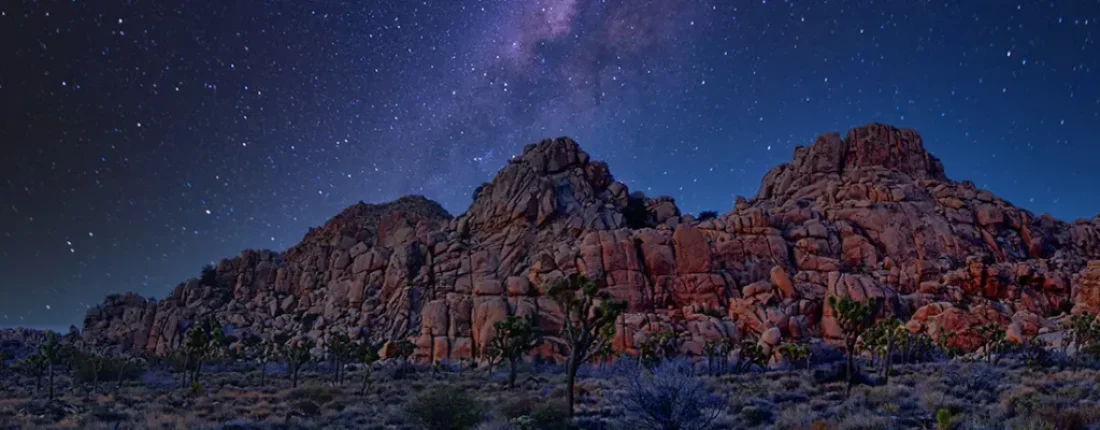
Joshua Tree is certified as an International Dark Sky Park. This designation means the night sky here is spectacular. Light pollution is minimal, allowing you to see the Milky Way with your own eyes.
Find a safe turnout away from car headlights, lay down a blanket, and just look up. The number of stars you will see is astounding, offering a view that connects you to the wider universe. This experience is a highlight for any visit to tree national park.
Rock Scrambling, Climbing, and Horseback Riding
The park is a world-famous destination for rock climbing, with thousands of established routes. But you do not need ropes and gear to have fun on the rocks. Places like Skull Rock and the formations around Jumbo Rocks are perfect for scrambling.
Climbing over the grippy monzogranite boulders is fun for all ages and makes you feel like a kid again. Always be aware of your abilities and do not take unnecessary risks. For a different way to see the park, consider horseback riding on designated trails.
Wildlife and Nature Viewing
The park is home to a surprising amount of wildlife. Keep an eye out for the protected desert tortoise, bighorn sheep on rocky slopes, and coyotes trotting across the landscape. The various palm oases, like the one at Cottonwood Spring, are fantastic spots for bird watching.
Remember to observe animals from a distance and never feed them. The park’s two distinct desert ecosystems support a wide variety of plants and animals. Taking time to appreciate the smaller details can be very rewarding.
Catching Sunrise and Sunset
Desert sunrises and sunsets are on another level, with the sky exploding with color. Keys View is one of the best spots to watch the daily show. It’s one of the most popular ranger programs for a reason.
From this high viewpoint, you can see across the Coachella Valley to the Salton Sea and even into Mexico on a clear day. Watching the sun dip below the mountains paints the sky in shades of orange, pink, and purple. It is a moment you will not soon forget.
How to Be a Good Visitor
This desert environment is incredibly fragile, and your actions have a huge impact. Being a responsible visitor helps protect this amazing place for future generations. Respecting the land is part of the Joshua Tree experience.
Please stay on established trails. The dark, crusty-looking ground is called cryptobiotic soil. It is a living organism that is vital to the desert ecosystem, and one footstep can destroy decades of growth.
Whatever you bring into the park, you must also pack out. Trash cans are limited, so plan to take all your garbage with you. This includes food scraps like orange peels and apple cores, which can harm wildlife.
What about the famous Joshua trees? They face many threats, including climate change, which poses a serious challenge to their future. Do not hang things from their branches, climb on them, or carve into their trunks. And remember, pets are very restricted in the park, but service animals are permitted where their owners can go.
Conclusion of Joshua Tree National Park
There is a real magic to Joshua Tree National Park, a place of strange beauty and surprising life. The twisted trees, giant rocks, and endless skies have a way of staying with you long after you have gone home. It’s a key destination among the U.S. national parks.
A visit here is about more than just taking pictures; it is about feeling small under a vast, starry sky. It involves respecting a tough and beautiful landscape that has captivated people for centuries. It’s a truly special tree national experience.
So pack your water, leave your expectations at home, and go get a little weird in the desert. You are ready to visit Joshua Tree National Park and create your own adventure. The desert is waiting to share its wonders with you.