Unearthing the Beauty of Mammoth Hot Springs Yellowstone
Mammoth Hot Springs Yellowstone is a sight to behold. In fact, when it’s time for an adventure, the number one destination on many bucket lists is… you guessed it – Mammoth Hot Springs Yellowstone. This geothermal wonderland has left countless visitors in awe. But what separates the casual tourist from the true explorer? A deep dive into understanding this natural marvel. However, if you don’t know how to navigate its terraces and springs sustainably, you’ll never truly appreciate its grandeur.
Folks, exploring Mammoth Hot Springs isn’t just a walk in the park. Consider one awestruck traveler who shared that as soon as they set foot on these hot springs… their perspective of nature was forever changed.
Table of Contents
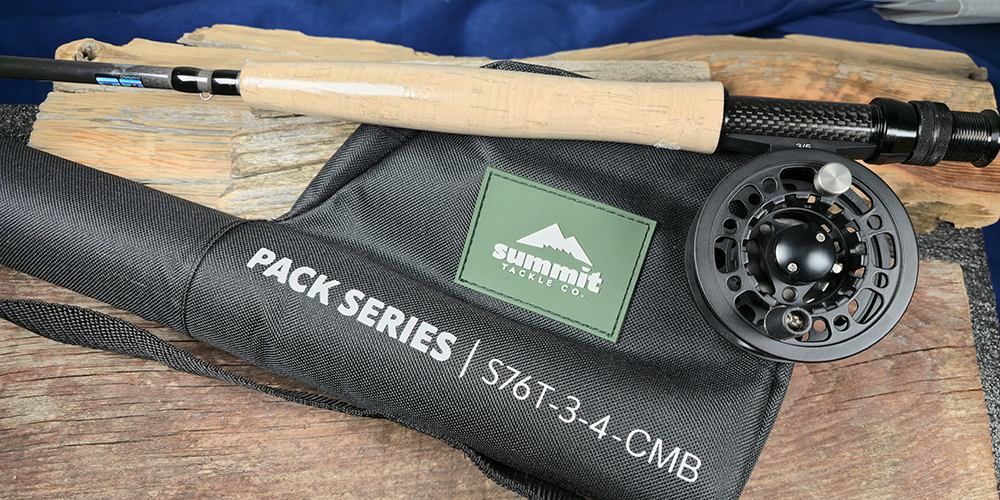
You could spent a lifetime hiking, fly fishing and exploring the Yellowstone Eco System and not touch or fish all of it. The right gear assist the journey protected from the elements. Performance Outdoor Apparel from the sun, wind, rain, with quick wicking. Test Yellowstone Backcountry fly patterns and fly rods.

The Geothermal Marvel of Mammoth Hot Springs
Set within the expansive Yellowstone National Park, Mammoth Hot Springs is a unique thermal area that boasts remarkable geothermal features. This natural spectacle owes its existence to an intricate interplay between subterranean magma chambers and copious amounts of carbon dioxide.
A large-scale volcanic system known as the Yellowstone hotspot fuels these hot springs. The underground reservoir filled with molten rock or magma from this hotspot warms up groundwater, creating these fascinating hot springs through cracks in Earth’s surface.
This subsurface activity also releases significant quantities of carbon dioxide gas, which mixes with rainwater seeping into limestone-rich layers below ground level. This mixture forms a weak acid solution capable of dissolving calcium carbonate – the main component in limestone – contributing to what we see at Mammoth Hot Springs today.
The Role Of Travertine In Shaping Mammoth Hot Springs
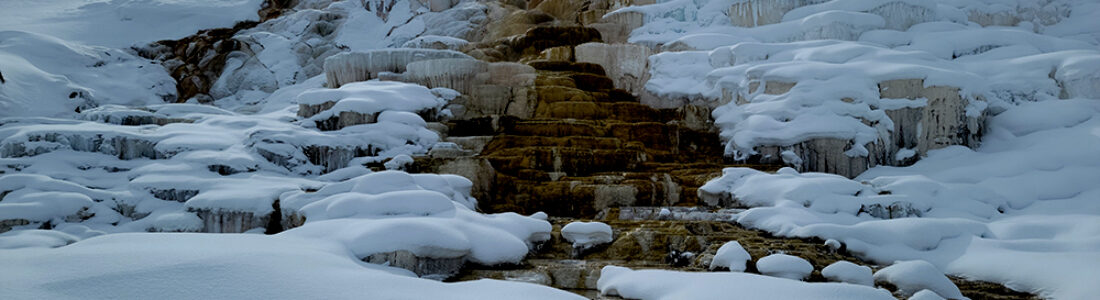
When acidic water carrying dissolved calcium carbonate surfaces and encounters cooler temperatures, it precipitates, forming travertine formations at Mammoth Hot Springs. Travertine deposits by mineral-laden waters over time create stunning terraces like those found on Main Terrace. The varying rates of water flow and mineral deposition give each terrace its distinct character; some resemble cascading frozen-in-time waterfalls while others appear more like delicate lacework crafted by nature herself.
A Natural Wonder: Boiling River
Beyond their visual appeal, though, there’s something else about these formations that makes them truly special – their temperature. Thanks to its proximity with Boiling River – another intriguing feature near the Mammoth Area – parts can reach scalding temperatures, making them one among the few places in the national park where you can witness such geothermally heated wonders firsthand.
If luck favors during your visit, you might even get a chance to witness the surreal sight of steam rising off surfaces early in the morning when the air is still crisp and cool. This contrast between the icy cold outside world and the blisteringly hot terrain gives the whole place an otherworldly feel, akin to stepping onto an alien planet rather than a corner of Wyoming.
To put it simply, Mammoth is nothing short
Mammoth Notes:
Mammoth Hot Springs in Yellowstone National Park is a geothermal spectacle, powered by an underground volcanic system. The springs owe their unique formations to the interaction of magma, carbon dioxide and limestone-rich layers beneath the surface. With features like travertine terraces and scalding temperatures near Boiling River, Mammoth offers visitors a truly otherworldly experience.
Exploring the Terraces of Mammoth Hot Springs
The terraces at Mammoth Hot Springs, with their intricate travertine formations and vibrant colors, are a spectacle that every adventure traveler should experience. These geological wonders provide an immersive journey into Yellowstone National Park’s rich history.
A Walk Through Geological Wonders: Lower Terrace Boardwalk
Your exploration begins on the Lower Terrace Boardwalk where Liberty Cap stands tall as one of the most iconic features in this mammoth area. This dormant hot spring cone is named for its resemblance to caps worn during the French Revolution.
Nearby lies Minerva Spring which captivates visitors with its ornate travertine formations and hues ranging from rust reds to mustard yellows depending on bacterial activity. Parking lots near these attractions ensure easy access for all visitors.
Upper Terraces – A Panorama Of Thermal Beauty
Moving upwards towards Upper Terraces Drive brings more awe-inspiring sights into view including Prospect Terrace known for its white chalky appearance due to high concentrations of calcium carbonate deposits. Another notable feature here is Orange Spring Mound characterized by thermophilic bacteria giving it an orange hue amidst snowy landscapes in winter months making each visit unique offering ever-changing views.
Palette Spring & Canary Spring – Colorful Canvases Of Nature
Palette Spring derives its name from myriad colors created by different species of heat-loving bacteria thriving in varying temperatures across cascading pools while Canary spring showcases brilliant yellow coloration reminiscent of canaries hence earning itself such moniker. As parting shots go they provide perfect endnotes to your exploratory journey through lower and upper travertine terraces offering visual treats besides valuable insights about earth’s dynamic processes shaping our world since eons ago.
If hunger pangs strike midway there’s no need to fret because dining room options available at nearby Mammoth Hot Springs Hotel cater to varied palates ensuring everyone leaves satiated not just visually but gastronomically too.
Mammoth Notes:
Mammoth Hot Springs Yellowstone is a geothermal marvel, boasting intricate travertine formations and vibrant colors. From the iconic Liberty Cap on the Lower Terrace Boardwalk to the colorful Palette Spring, every corner offers an awe-inspiring view into earth’s dynamic processes. And don’t worry about hunger pangs – nearby dining options ensure you’re satiated both visually and gastronomically
Unveiling The History Of Mammoth Hot Springs Yellowstone
The saga of Mammoth Hot Springs is a captivating narrative that weaves together elements of geology, history, and human endeavor. It’s an ever-evolving story shaped by forces such as glacial activity.
This historic journey began millions of years ago during the Pinedale Glaciation period when massive glaciers covered much of North America. As these ice sheets retreated, they sculpted Yellowstone’s landscape and created conditions conducive for geothermal activities like those seen at Mammoth today.
National Park Service: Guardians Of Nature’s Marvels
In 1916 with the creation of the National Park Service (NPS), responsibility for managing Yellowstone transferred from military supervision to civilian control under NPS jurisdiction. This shift marked a new era focused more on conservation rather than commercialization or recreation alone.
The mission was – and still is – to preserve unimpaired natural resources while providing opportunities for public enjoyment through educational programs and recreational facilities within parks boundaries. Today their efforts continue unabated ensuring future generations can experience nature’s wonders just as we do now.
Fort Yellowstone’s Post Office: A Glimpse Into Early Park Operations
Fort Yellowstone wasn’t merely a military outpost; it served as an early administrative center housing various essential services including one which might surprise you – a post office.
The old post office at Fort Yellowstone, now part museum exhibit, offers a glimpse into the past, showing how the mail delivery system functioned amidst remote rugged terrains where modern conveniences were scarce, yet the spirit of adventure thrived among pioneers seeking solace and the beauty of the untamed wild west.
Pinedale Glaciation And Its Impact On Mammoth Hot Springs
Digging deeper into the geological aspects reveals another important chapter in the history of Mammoth Hot Springs – the Pinedale glaciation period about 15,000 years ago dramatically altered the topography of the region, creating the perfect environment for the development of the complex hydrothermal features observed today.
The
Mammoth Notes:
Mammoth Hot Springs’ story is a geological and historical tapestry, shaped by glacial activity from the Pinedale Glaciation period. The National Park Service’s conservation efforts safeguard this natural wonder, while Fort Yellowstone’s post office showcases early park operations amidst rugged terrains.
Wildlife Encounters at Mammoth Hot Springs
Mammoth Hot Springs, nestled in the heart of Yellowstone National Park, offers more than just breathtaking geothermal features. It’s also a sanctuary for an array of wild animals that call this region home.
The highlight among these wildlife encounters is the majestic black bears. They are often sighted around the springs and neighboring areas during their most active times – early mornings or late evenings.
Safety First: Guidelines for Wildlife Observations
Witnessing black bears in their natural habitat is undoubtedly thrilling but requires caution. To ensure your safety and respect for these magnificent creatures’ space, maintain a minimum distance of 100 yards (91 meters).
Bear spray can be handy when exploring bear territories as it serves as an effective deterrent if you unexpectedly come face-to-face with one. Additionally, feeding wild animals not only disrupts their natural behavior but could lead to dangerous situations.
Tips For Successful Wildlife Spotting
To optimize your chances of spotting black bears along with other wild inhabitants near Mammoth Hot Springs, timing plays a critical role. The golden hours after sunrise or before sunset usually see heightened animal activity.
In addition to black bears, don’t miss out on observing herds of elk grazing leisurely across open meadows or bison ambling by river banks. Birdwatchers will delight in sighting ospreys soaring high above ducks paddling peacefully on ponds, enhancing the overall wildlife watching experience here.
Promoting Responsible Tourism
Your visit significantly contributes towards preserving this incredible biodiversity hotspot by adhering to responsible tourism practices such as ‘Leave No Trace’. By following nature’s rules, we assure future generations too enjoy witnessing amazing spectacles firsthand.
This includes disposing of trash properly, staying on designated trails, and minimizing noise pollution, which helps protect delicate habitats, ensuring the survival and proliferation of native flora and fauna (Yellowstone Leave No Trace).
Above all, always remember to respect wildlife, observe them quietly without disturbing routines, never feed them human food, nor approach them closely, risking personal safety and stress levels (National Parks Service).
Mammoth Notes:
At Mammoth Hot Springs, you can marvel at geothermal wonders and enjoy thrilling wildlife encounters. Remember to respect the animals’ space, follow safety guidelines when observing bears, and contribute to conservation efforts by practicing responsible tourism.
Snowshoeing Mammoth Hot Springs Yellowstone National Park
A beautiful thirteen degree morning driving down from Livingston, Montana to do a little snowshoeing in Yellowstone National Park. As we drove south on US-89 from Emigrant to Gardiner, Montana hundreds of elk laid and roamed the fields along the Yellowstone River.
Geyser Upper Terrace Mammoth Hot Springs Yellowstone National Park
First geyser as you begin the hike going clockwise around loop
Bull Elk on Upper Terrace Loop Trail
First of two bulls napping and feeding on the Upper Terrace Loop Trail Yellowstone National Park
Text content
Photo Gallery of Snowshoeing Mammoth Hot Spring
Enjoy the drive down along the Yellowstone River and Snowshoeing in Yellowstone Park.
Preparing for Your Adventure at Mammoth Hot Springs
If you’re planning to visit Mammoth Hot Springs, situated near the north entrance of Yellowstone National Park, it’s crucial to prepare thoroughly. This natural marvel offers an experience like no other, but your enjoyment can be significantly enhanced with careful planning.
In essence, timing plays a significant role in maximizing your visit to this geothermal wonderland.
Parking Arrangements: A Key Consideration
The parking situation around the site has been well thought out by authorities. Parking lots have been strategically placed close to popular attractions and amenities such as dining rooms and restrooms. It is advisable, though, that visitors arrive early on peak days due to high traffic volume within the park. Furthermore, if staying overnight, consider using bicycles or shuttles instead of driving between sites. Not only does this reduce congestion, but it also allows greater freedom to enjoy the scenic beauty without worry about finding a spot upon reaching the destination.
Dining Options While Exploring The Area:
Nourishment is a key factor in any adventure travel expedition, especially one involving hiking or backpacking through expansive national parks. Luckily, there are several options available when hunger strikes while exploring Mammoth Hot Springs. Dining room options nearby hotels serve delicious meals throughout the day, catering to both local specialties and international cuisine alike, ensuring your palate goes unsatisfied.
Gardiner A Taste of Montana
If your Adventure was a day Trip leave through the Roosevelt Arch and visit Gardiner.
Making the Most of Your Visit to Yellowstone:
A trip to Mammoth Hot Springs would be incomplete without fully immersing yourself in the unique geothermal wonders. Take the opportunity to wander around the terraces, watch animals and discover all about the area’s remarkable geological past. Don’t rush – savor each moment to truly appreciate the beauty and grandeur before moving on to the next attraction.
Mammoth Notes:
Maximize your Mammoth Hot Springs adventure by planning ahead. Arrive early to nab parking spots, consider biking or shuttling for less hassle, and savor local cuisine when hunger strikes. Don’t rush – take time to fully appreciate this geothermal wonderland.
Mammoth Notes for the Adventure
Unearthing the beauty of Mammoth Hot Springs Yellowstone has been an adventure. From the intricate travertine formations to the vibrant colors of Minerva Spring, every corner is a marvel.
The Lower Terrace Boardwalk offers stunning views and fascinating geological features like Liberty Cap. The Upper Terraces are equally captivating with Prospect Terrace, Angel Terrace, and Highland Orange Spring Mound adding their unique charm.
A visit to Fort Yellowstone takes you back in time as you explore its historic buildings that played a crucial role in early park service operations. And when it’s time for rest, Mammoth Hotel provides comfortable accommodation options ranging from luxurious suites to rustic cabins.
This journey through one of America’s greatest geothermal wonders ties perfectly into our love for adventure travel, hiking, and backpacking – all elements we’re passionate about at Get Lost In America.
Ready for your next adventure? Discover more awe-inspiring destinations across America on Get Lost In America. Let’s embark on this thrilling exploration together!
Wraith Falls
Hey there, fellow road-trippers and nature enthusiasts! If you’re cruising through Yellowstone National Park and thinking, “Man, I need a quick waterfall fix without committing to some epic death march,” let me introduce you to Wraith Falls—the underappreciated side chick of Yellowstone’s waterfall scene. It’s like the park said, “Here’s something pretty but not too extra,” and we all just nodded along because, hey, we’re on vacation.
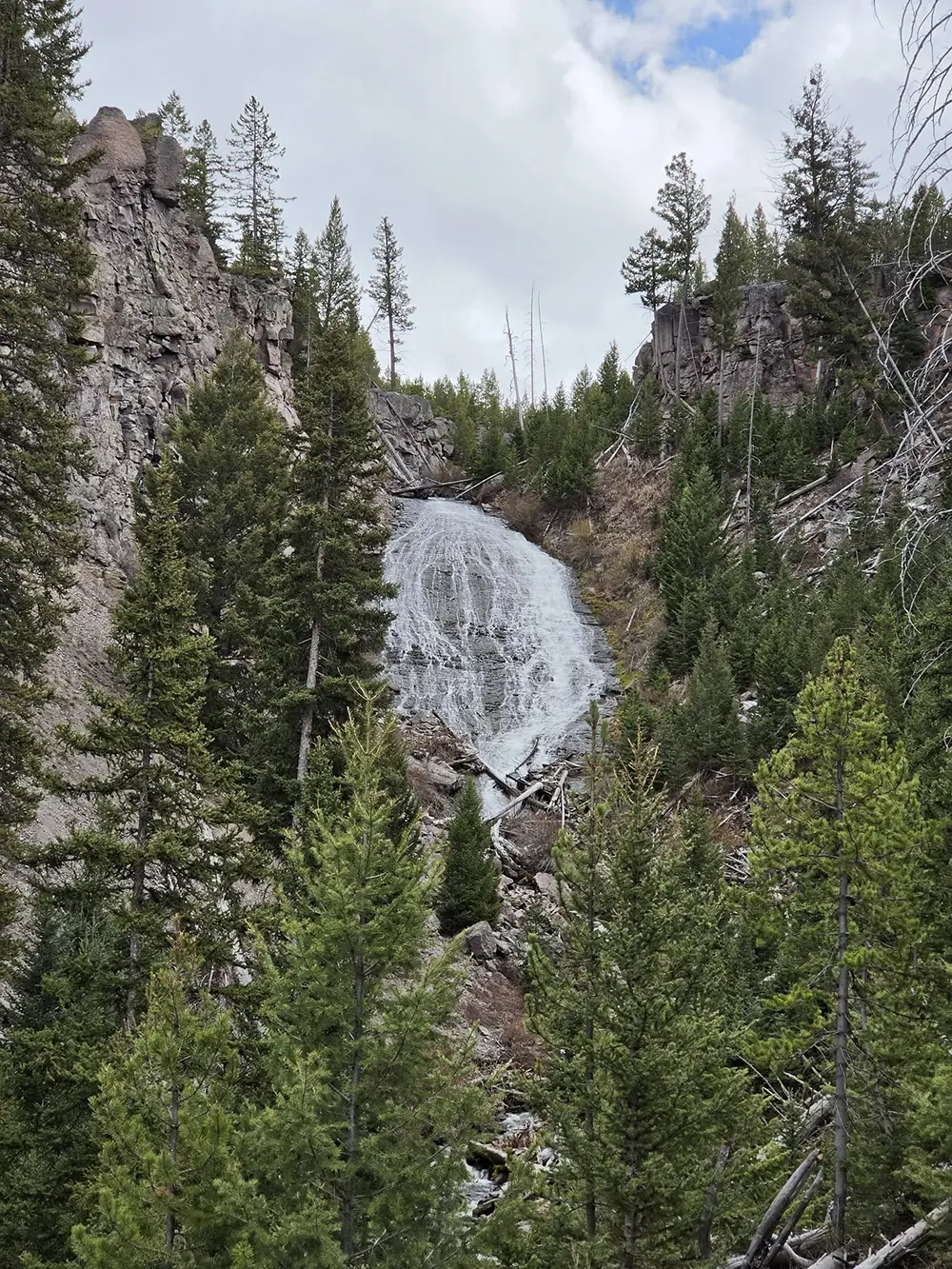
Located in the northern part of the park, about 5 miles east of Mammoth Hot Springs on the Grand Loop Road, Wraith Falls sits right off a little pullout near the Lava Creek Picnic Area. The trailhead is super easy to spot—unless you’re the type who misses exits while arguing over snacks. This bad boy is a legit 79-foot (24-meter) cascade on Lupine Creek that some 1885 explorers thought looked ghostly enough to name it “Wraith.” Ghost falls? Sure, why not. In reality, it spreads out like a delicate bridal veil over a chalky rock face, more “gentle tumble” than “thundering Niagara.” But in spring runoff? Oh baby, it puts on a show. By late summer, it might be trickling like your motivation on a Monday, but still kinda charming in that “I tried” way.
Wraith Falls Trail
-
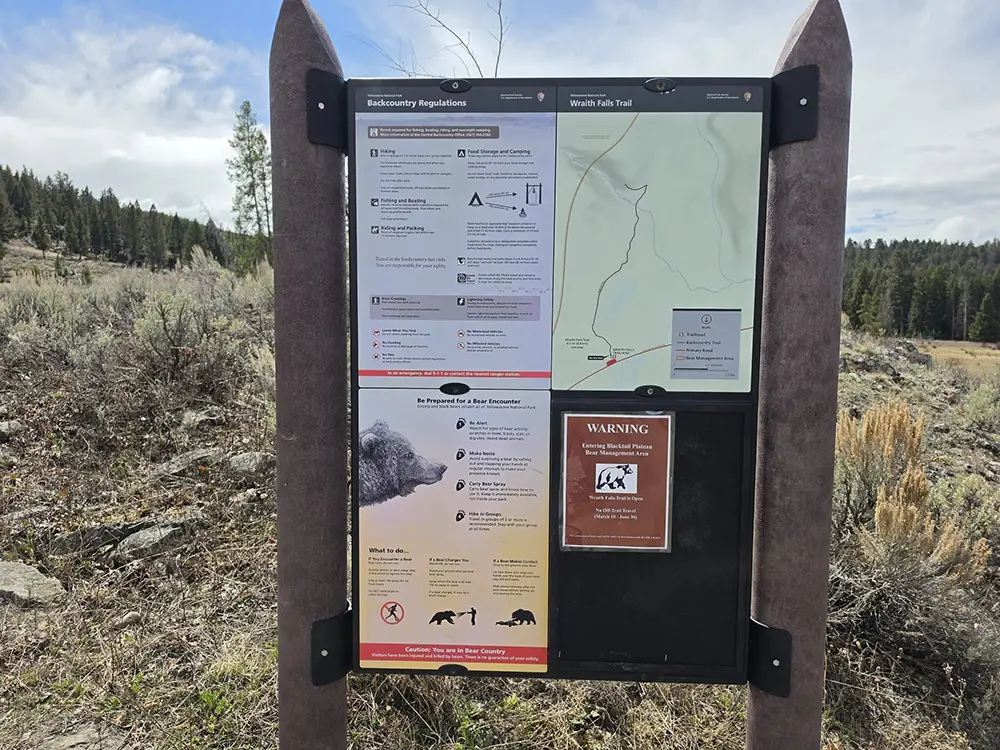
- Trail Head Wraith Falls Yellowstone
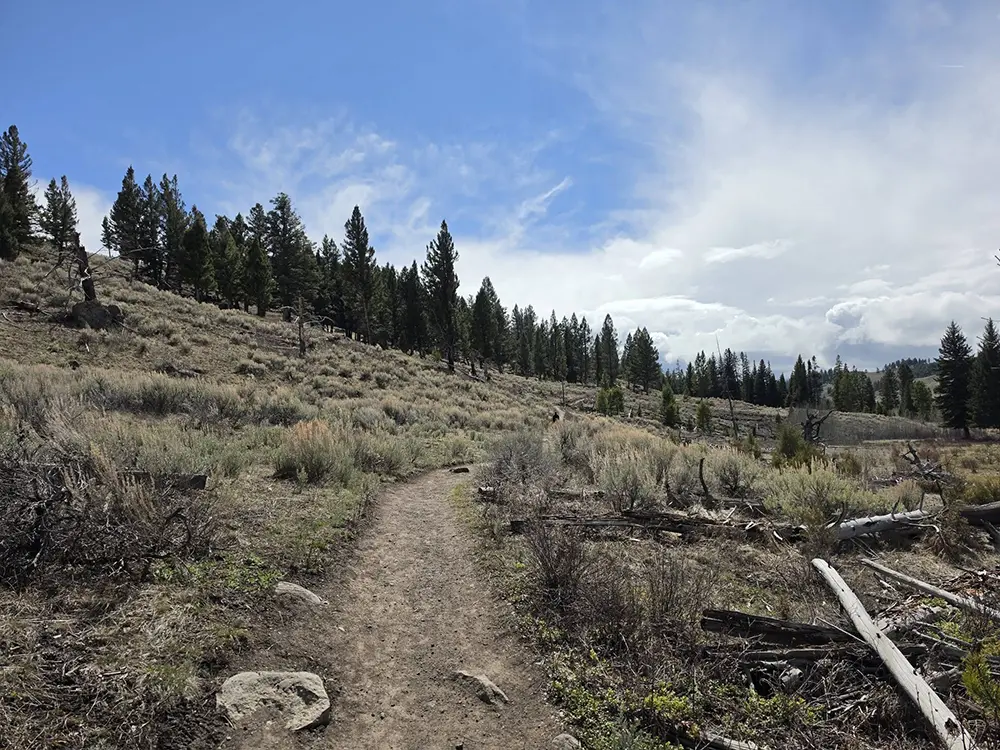
-
- Crossing Lupine Creek
-
- Wraith Falls Yellowstone National Park
The Hike: Easier Than Your Morning Coffee Run
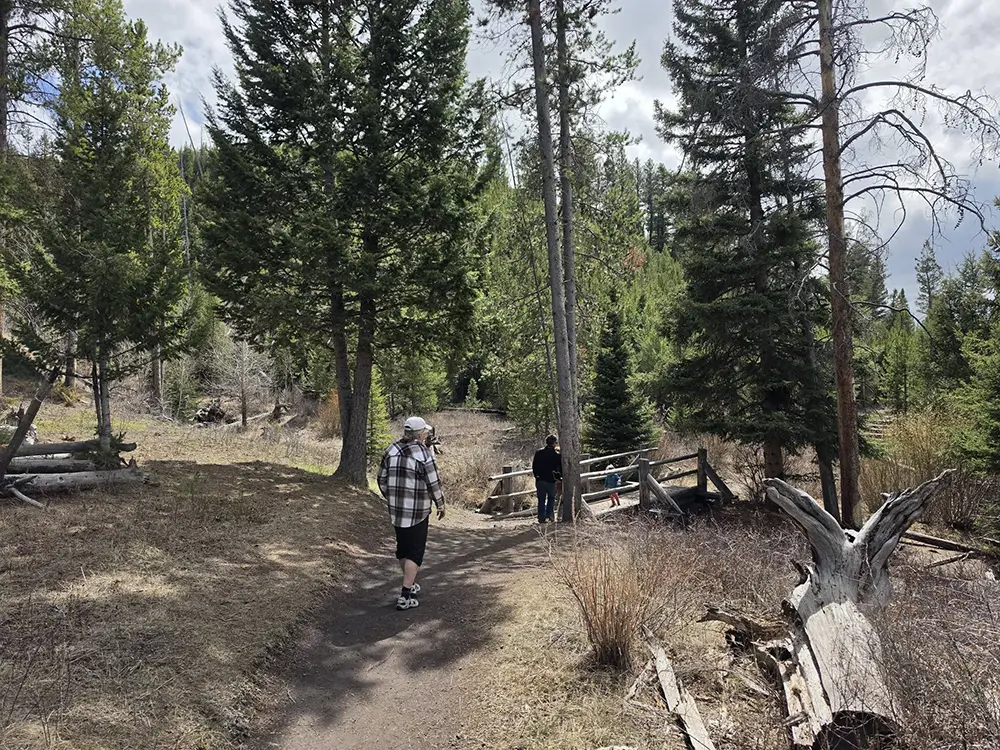
The Wraith Falls Trail is a glorious 0.9-mile round-trip out-and-back with barely 75-100 feet of elevation gain. Translation: even your out-of-shape uncle who complains about everything can handle this without needing a rescue helicopter. It winds through sagebrush meadows (watch for bison photobombing your selfies), some marshy bits that might squish underfoot after rain, and pleasant mixed conifer forest. No boardwalks anymore—they rerouted it to protect the wetland, so congratulations, you’re trailblazing responsibly.
You’ll pop out at a viewing platform across from the falls. Not right up in its face—Yellowstone doesn’t do hand-holding like that—but close enough to appreciate the misty vibe without risking a Darwin Award. Pro tip: hit it in the afternoon for better light if you’re into photography, because morning shadows can make it look like the ghost is hiding from you. And spring or early summer? That’s prime time when the creek is raging and the falls actually earn their dramatic name. Fall brings golden aspens and fewer crowds, which is perfect if you hate people but love foliage.
Why Bother With Wraith Falls in Yellowstone?
Look, Yellowstone is packed with superstar attractions: Old Faithful spitting on schedule, Grand Prismatic looking like a melted crayon box, and those bison jams that turn your drive into a parking lot safari. Wraith Falls? It’s the chill alternative. Short enough that you can knock it out in 30-60 minutes and still make it to Lamar Valley for wolf spotting or whatever. Families love it because the kids won’t mutiny halfway through. Solo hikers dig the peaceful escape. And if you’re the sarcastic type like me, you’ll enjoy muttering, “Wow, a whole waterfall named after something spooky—bet it haunts my dreams of actually impressive cascades.”
Don’t expect solitude in peak summer; this is Yellowstone, where “hidden gem” means “only 50 people instead of 500.” But compared to the mob scenes elsewhere, it’s refreshingly low-key. No fees beyond the standard park entrance (pro tip: get that America the Beautiful pass if you’re a serial national parker). Pets? Nope, leave Fido at home or in the car—rules are rules, even for ghost falls.
Is it the most jaw-dropping waterfall in the park? Nah. Undine Falls and others nearby might flex harder. But that’s the beauty of Wraith Falls—it’s approachable, quick, and delivers just enough “ooh, pretty” without the commitment. Perfect for when your legs are tired from yesterday’s big hike or you just want to stretch them before more driving.
Next time you’re blasting through the north entrance or looping around Mammoth, do yourself a favor and pull over. Hike the easy path, snap some pics of that ghostly cascade, and chuckle at how Yellowstone sneaks in these little underrated treasures while everyone’s obsessing over geysers. Who knows? Maybe the wraith will whisper sweet nothings about skipping the next crowded boardwalk.
Bottom line: Wraith Falls proves you don’t need a 10-mile sufferfest to enjoy Yellowstone’s magic. Sometimes a quick, sarcastic-friendly stroll to a veil-like 79-footer is exactly what the doctor (or park ranger) ordered. Pack water, bug spray in summer, and your sense of humor. You’ll thank me later—probably while eating a sandwich back at the car, feeling smug about how efficient your day was.
So go on, add Wraith Falls Yellowstone to your itinerary. It’s not trying to win any awards, but it’ll win your heart… or at least not waste your afternoon. Safe travels, and may your bison encounters be distant and your falls photos Instagram-worthy!