Mills Lake Hike Rocky Mountain National Park
Nestled in the breathtaking wilderness of Rocky Mountain National Park, the Mills Lake Hike is an unforgettable journey that captivates outdoor enthusiasts. As a renowned destination for adventure travelers, photographers, and nature lovers, this iconic trail offers a captivating blend of cascading waterfalls, pristine alpine lakes, and awe-inspiring mountain vistas. Whether you’re a seasoned hiker or a casual nature enthusiast, the Mills Lake Hike Rocky Mountain National Park promises an experience that will leave a lasting impression. Our trip will help you properly plan your next trip to do the Mills Lake Hike Rocky Mountain National Park.
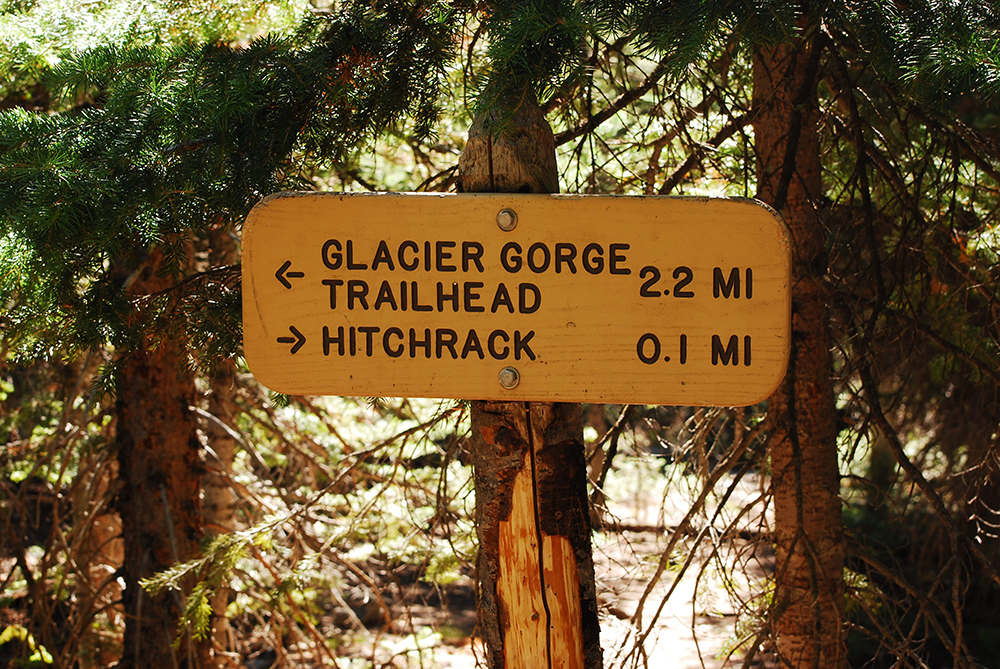
There are several trails to approach Mills Lake by. We started at Glacier Gorge Trailhead, Alberta Falls, Mills Lake, and ending at Bear Lake Trailhead. Did the loop around Bear Lake, hopped the shuttle bus down to Glacier Gorge Trailhead.
Table of Contents
Planning Your Mills Lake Hike Rocky Mountain National Park Adventure
Before you embark on the Mills Lake Hike Rocky Mountain National Park, it’s essential to be well-prepared. From entry permits to optimal hiking seasons, careful planning will ensure a safe and enjoyable trip. Here’s a guide to help you get started:
Best Time to Hike
The ideal time to experience the Mills Lake Hike is during the summer and fall, between May and October. During these months, the trail is free of snow, and the weather is typically favorable for hiking. It’s important to note that the trail can become crowded during peak season, especially on weekends. To avoid crowds, you may want to consider going early in the morning, when you are most likely to see wildlife.
Permits and Entrance Fees
Rocky Mountain National Park implements a timed entry permit system to manage crowds, particularly during peak seasons. Make sure you check the National Park Service website (Official Website) to see if a timed entry permit is required during your desired hiking dates. You can purchase timed entry permits online. Additionally, you’ll need to pay an entrance fee or have a valid National Park Pass to enter Rocky Mountain National Park. You should check out the Trails Illustrated Rocky Mountain National Park Day Hikes map to help with planning your trip.
Fly Fishing Mills Lake
Mills Lake and the surround lakes hold cutthroat up to 12″ to 13″. I have found the Loch, Mills Lake and others a lot of fun with a Prestige 3-4 weight or 5-6 -weight fly rod. Thou my favorite is the Prestige 11-foot 3-weight, this a great roll casting fly rod and lots of fun to fish.
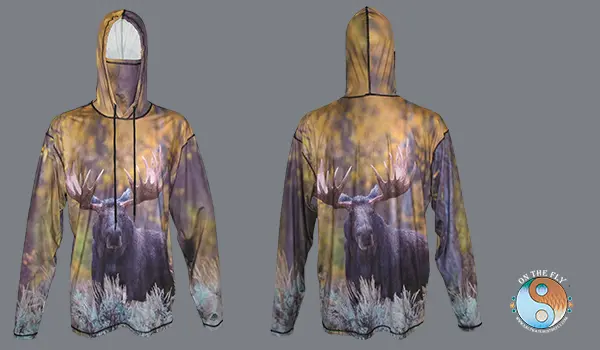
Outdoor Apparel designed with you in mind. Roomy, wicking, UPF-50 sun protection, Bull Moose Graphic Hoodie.
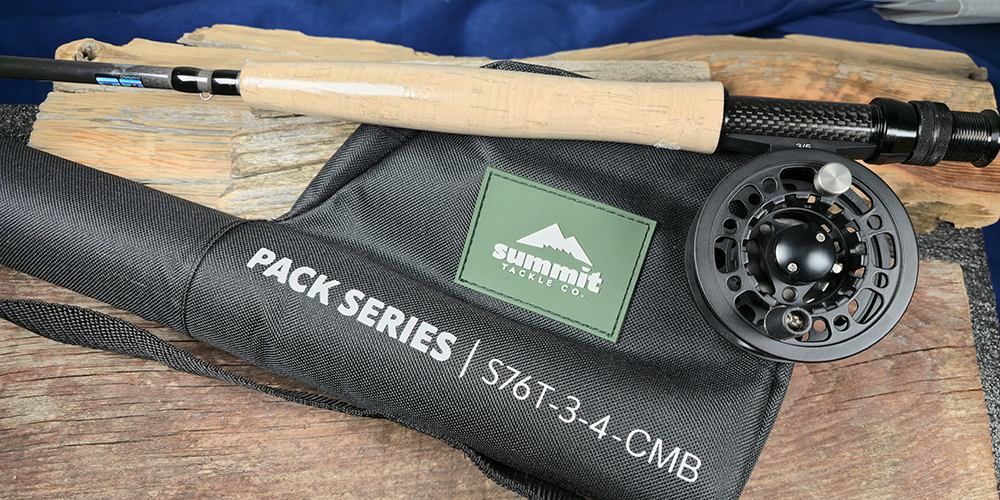
Backpacking with a Summit Tackle 3-4 or 5-6 -weight Fly Rod Rocky Mountain National Park

-
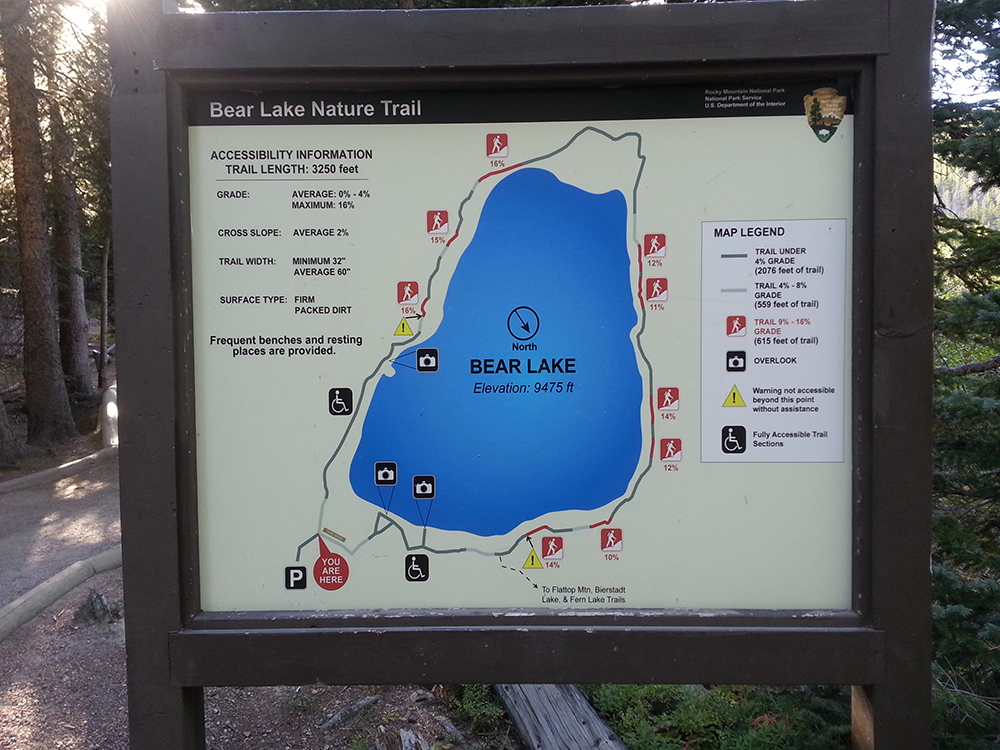
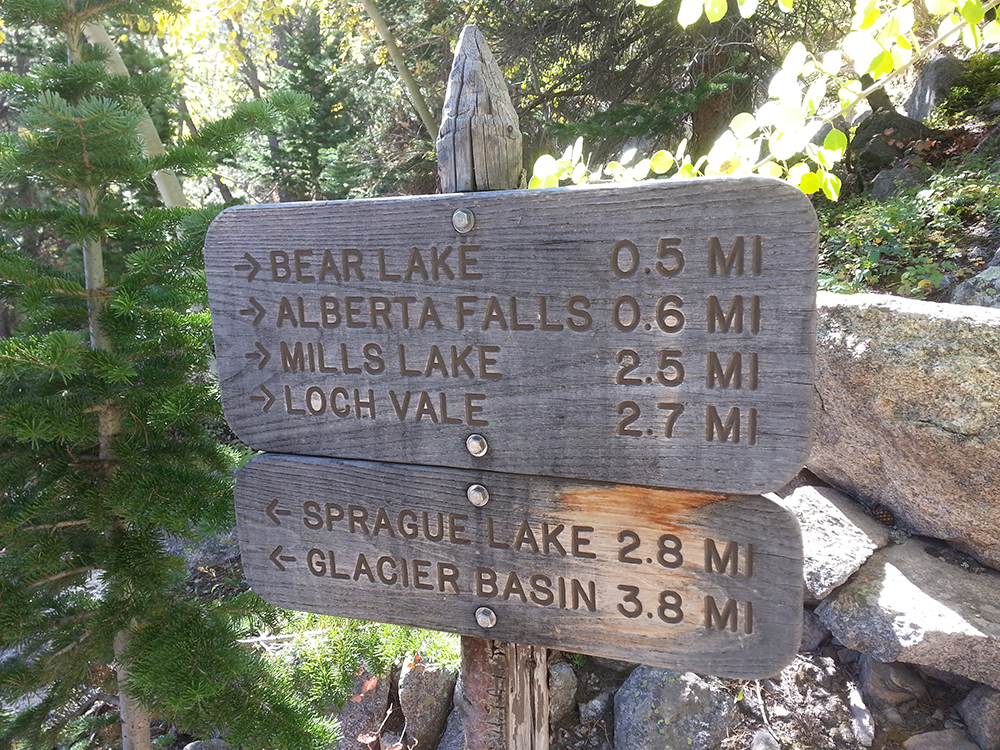
- Bear Lake Information Sign
-
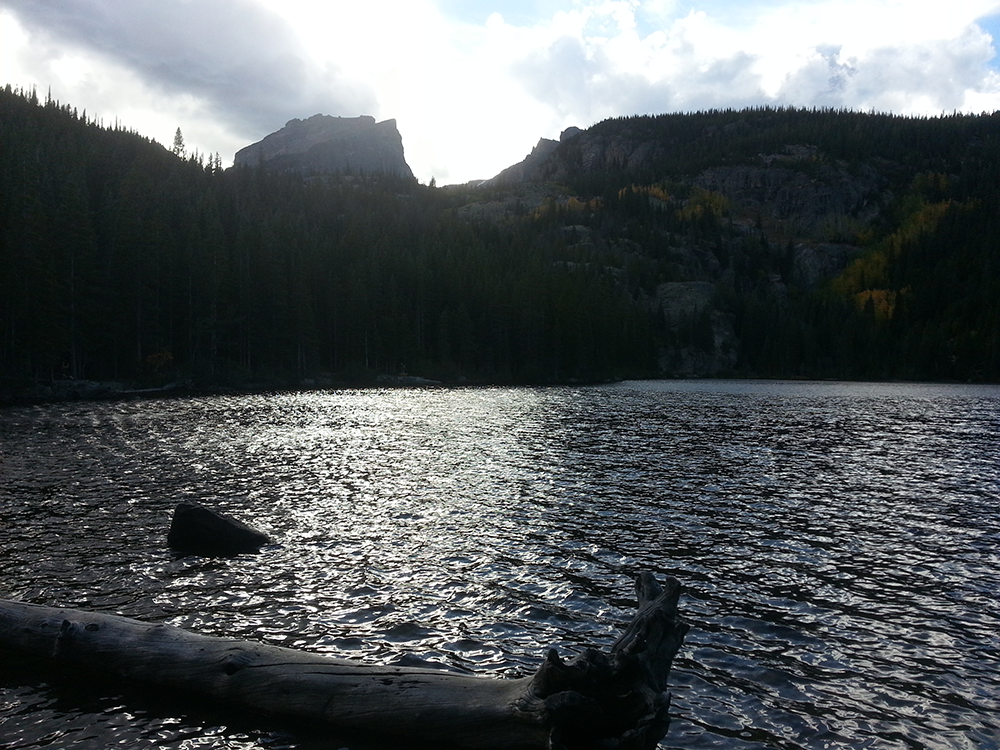
- Bear Lake Rocky Mountain National Park
-
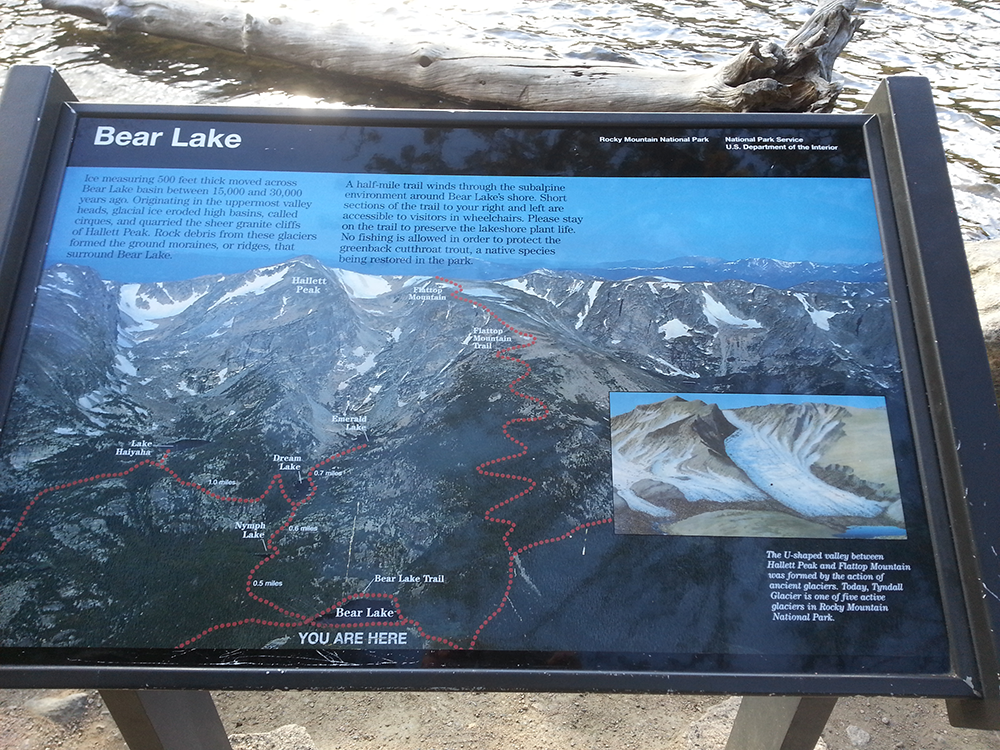
- Bear Lake Area Trails Information
-
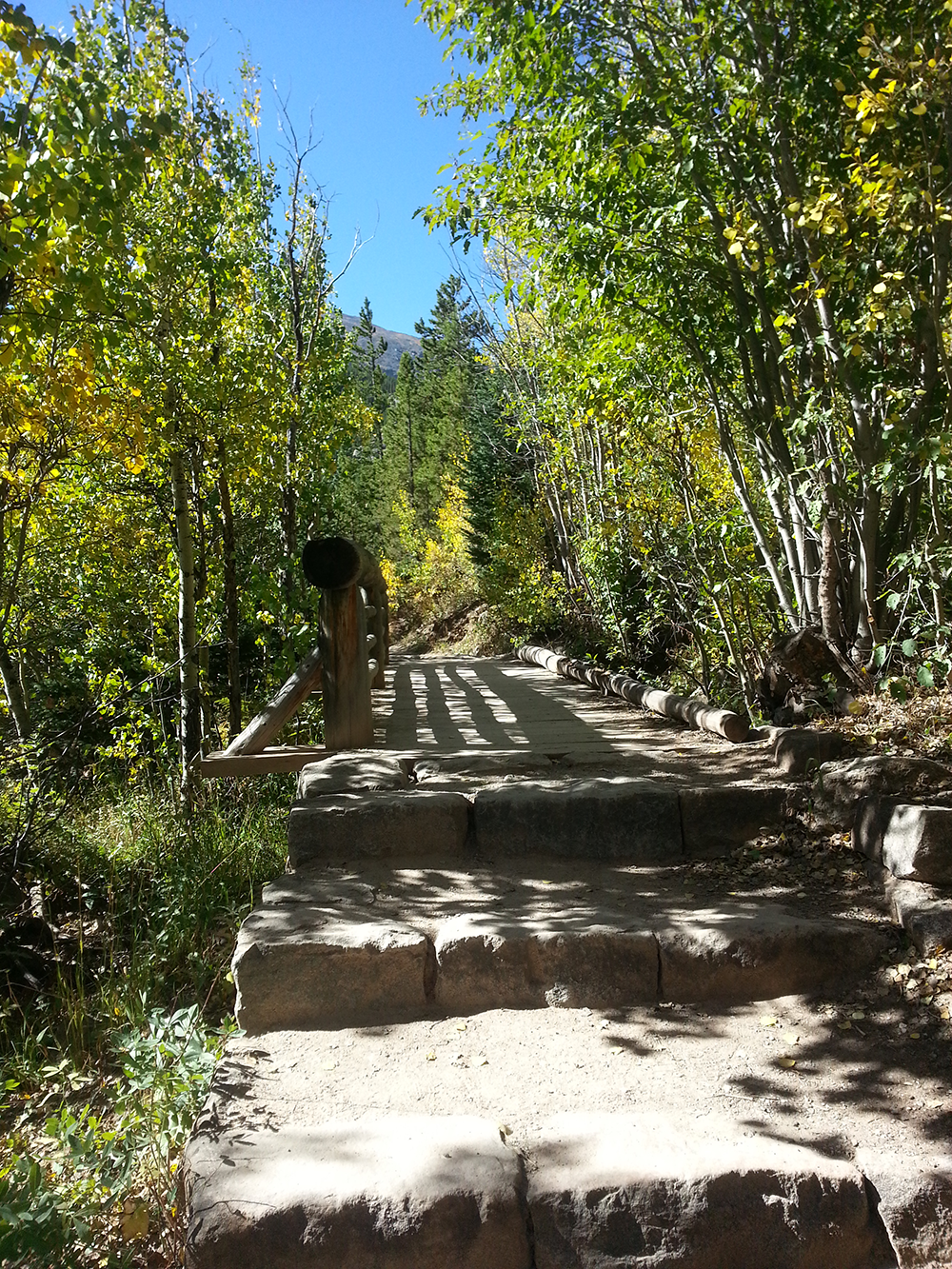
- First Bridge on the way to Mills Lake
-
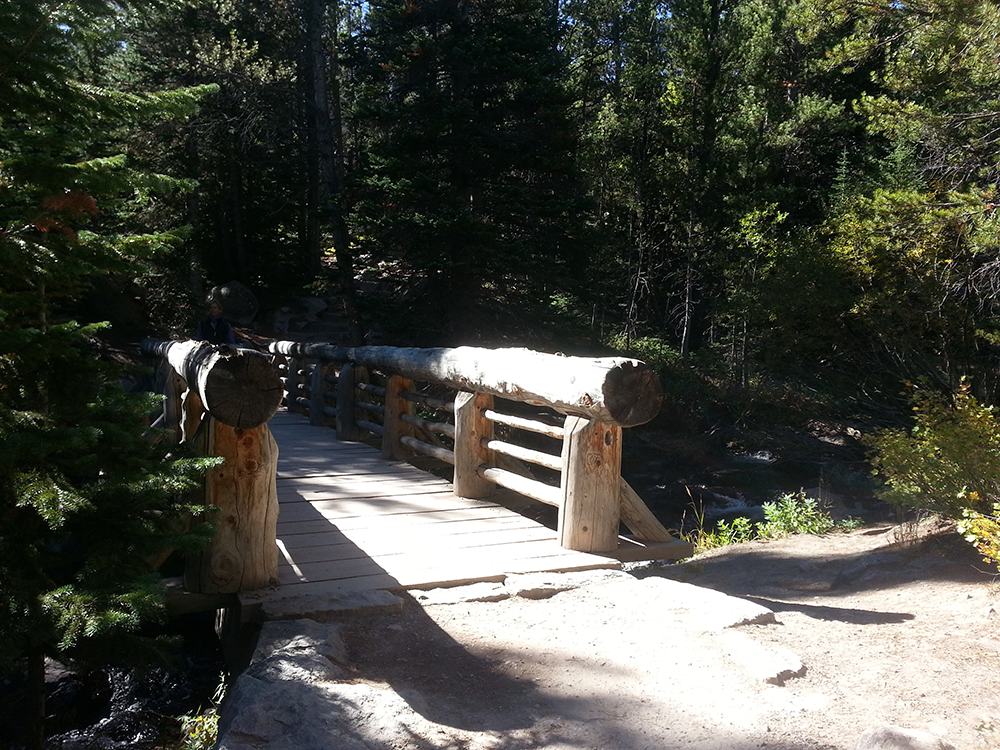
- Second Bridge on the way to Mills Lake
-
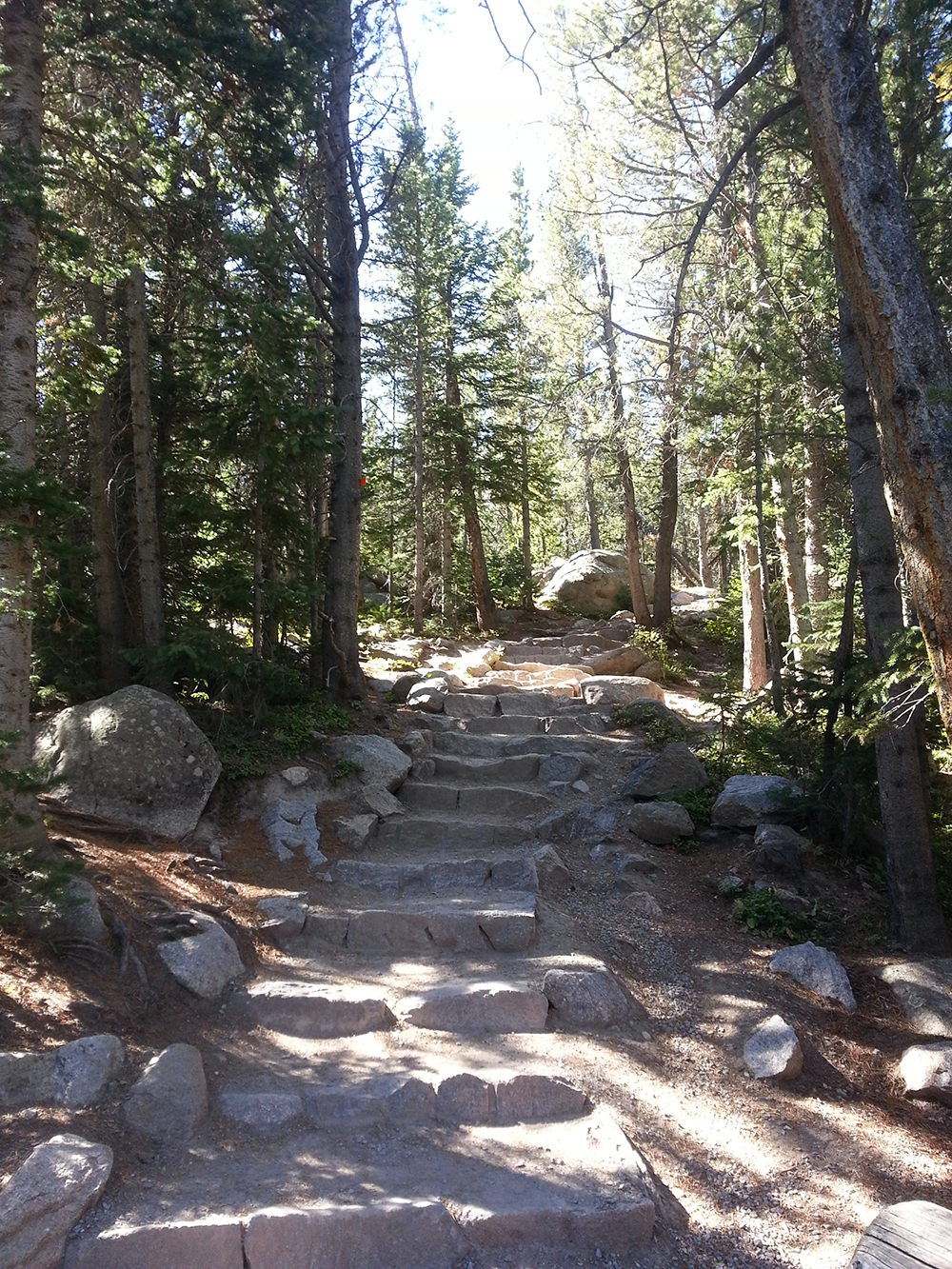
- Starting the climb to Glacier Gorge
Mills Lake Rocky Mountain National Park
Hike from Glacier Gorge Trailhead to Mills Lake and ending at Bear Lake Trailhead. Video’s of Mills Lake Hike.
Alberta Falls Rocky Mountain National Park
Getting to the Trailhead
The Mills Lake Hike starts from the Glacier Gorge Trailhead, located on Bear Lake Road. Bear Lake Road is about eight miles from the turn-off at Highway 36. If you plan on driving to the trailhead, keep in mind parking is limited and often fills early in the day, especially during the summer and fall.
To avoid the parking conundrum, consider using the park’s free shuttle service. This way, you can park at the Park & Ride lot and hop on a shuttle that takes you directly to the trailhead. The shuttles are quite nice and connivant. We have used them often.
Navigating the Mills Lake Trail
With its moderate difficulty level, the Mills Lake Hike caters to hikers of various skill levels. The trail covers 5.3 miles roundtrip, and you can expect an elevation gain of around 780 feet, with the highest point on the trail being 9940ft. Don’t worry though, the well-maintained path and clearly marked junctions make it fairly easy to follow.
It’s easy to find current trail conditions from park rangers, fellow hikers, or the park service website. Along the trail there is much to explore. Below you will find descriptions of what to expect at each point on the Mills Lake Hike Rocky Mountain National Park trail.
Alberta Falls: Nature’s Cascade
Your hike starts with a captivating prelude: Alberta Falls. After less than a mile of easy hiking from the Glacier Gorge Trailhead, you’ll hear the thundering sounds of water crashing on the rocks below. This breathtaking waterfall, one of the best photo opportunities along the trail, is a great opportunity to capture photos of its majestic descent.
Be aware this area tends to be more crowded. Take a moment to soak in the refreshing spray from the falls, listen to the water, and appreciate the beauty of nature’s power. Take the time to observe the lush vegetation around the waterfall, a vibrant display of wildflowers in the warmer months.
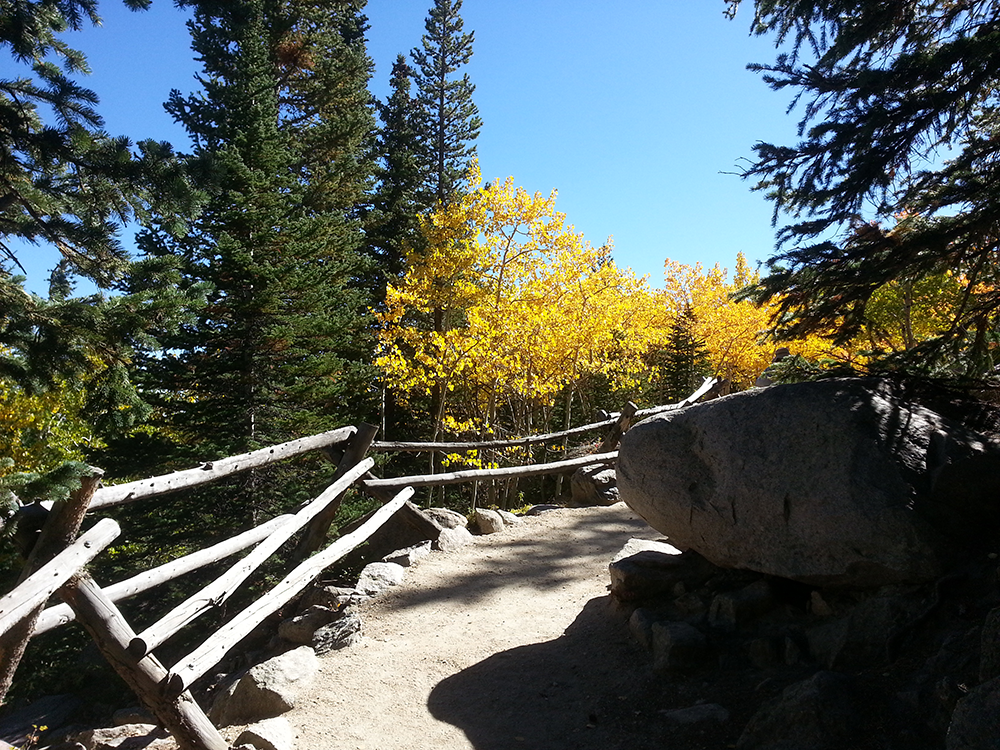
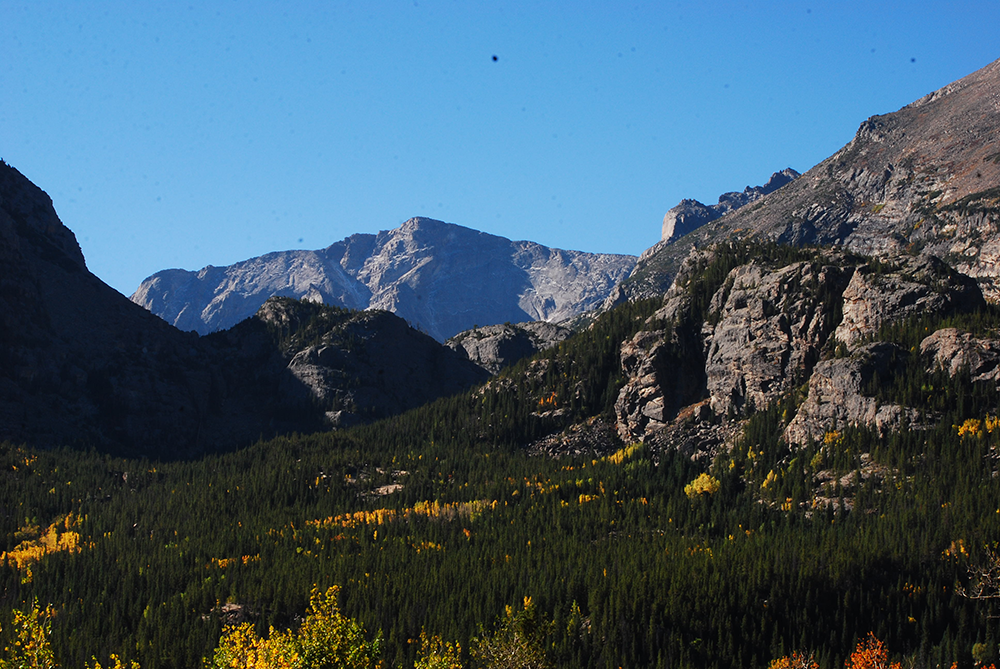
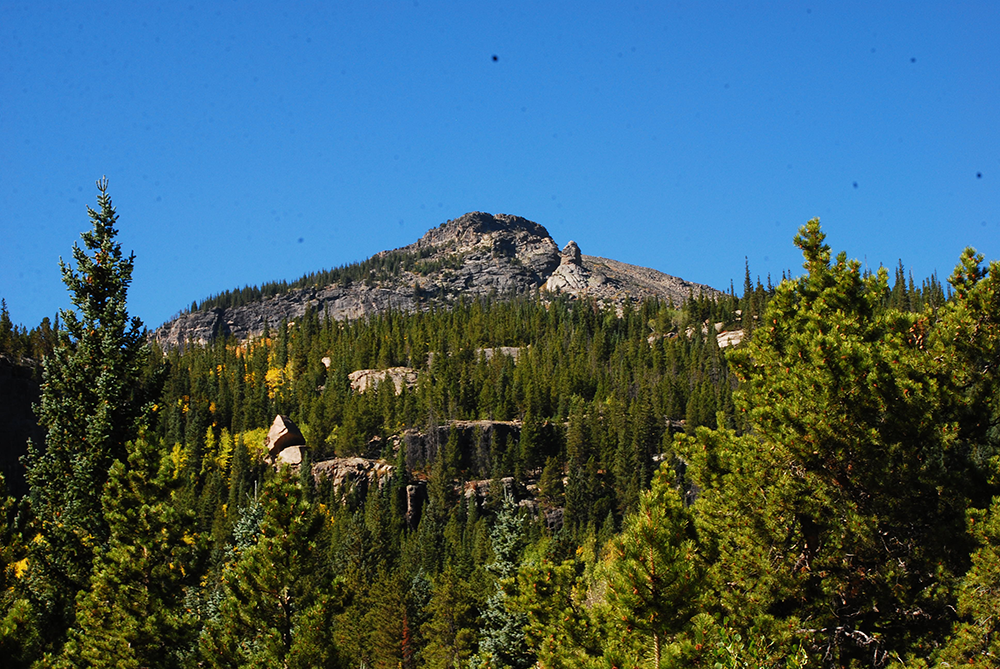
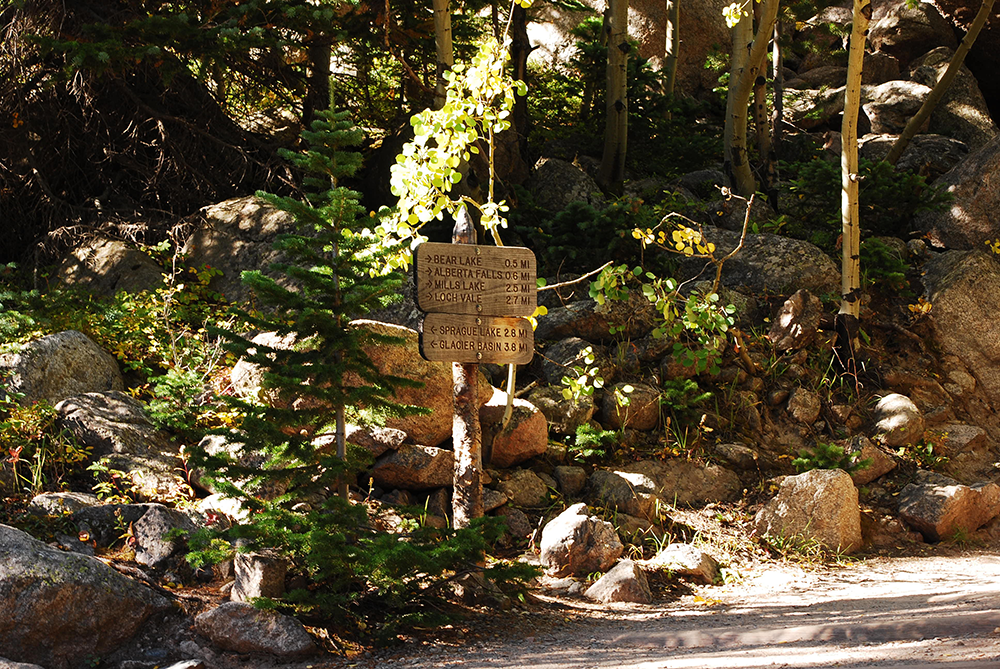
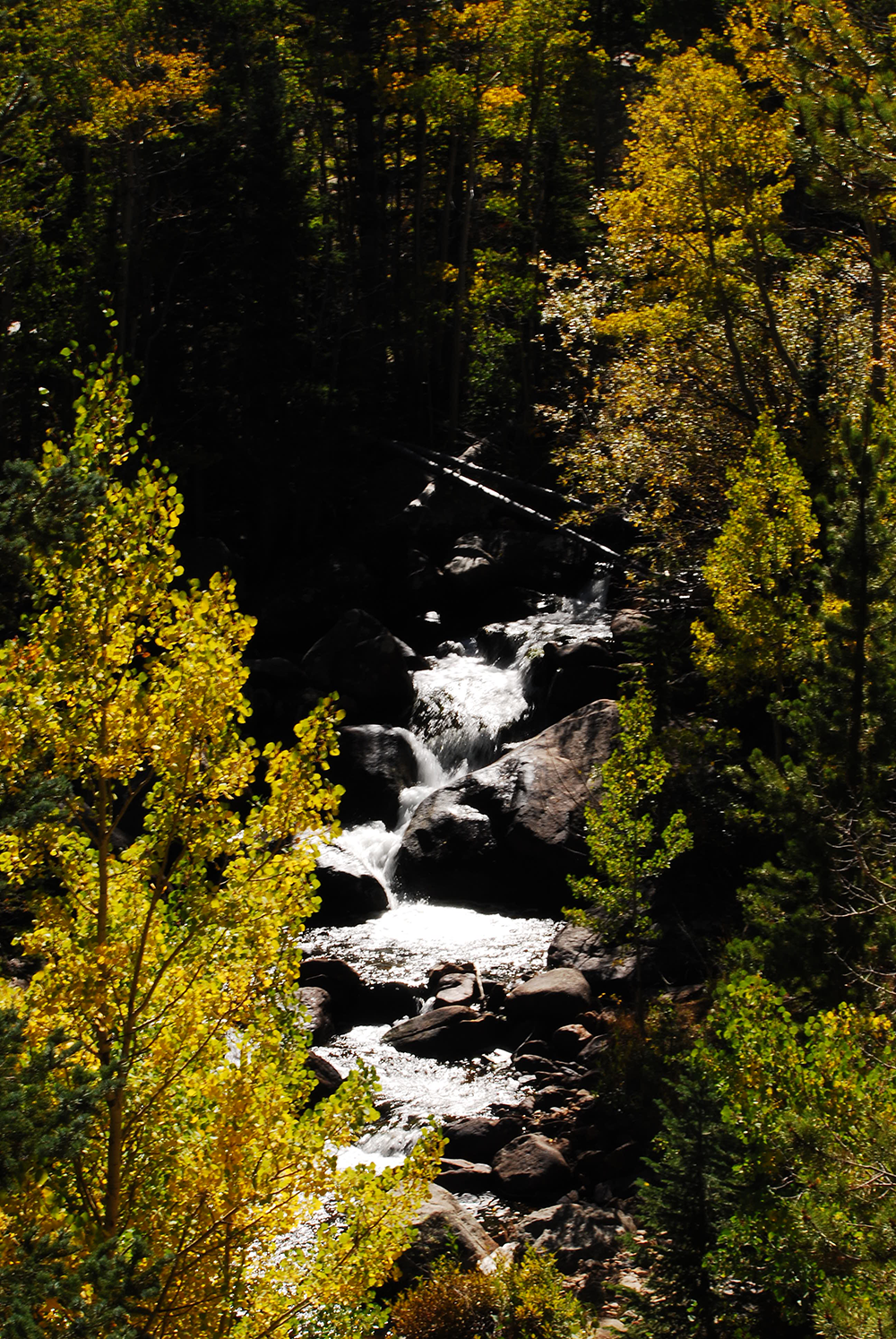
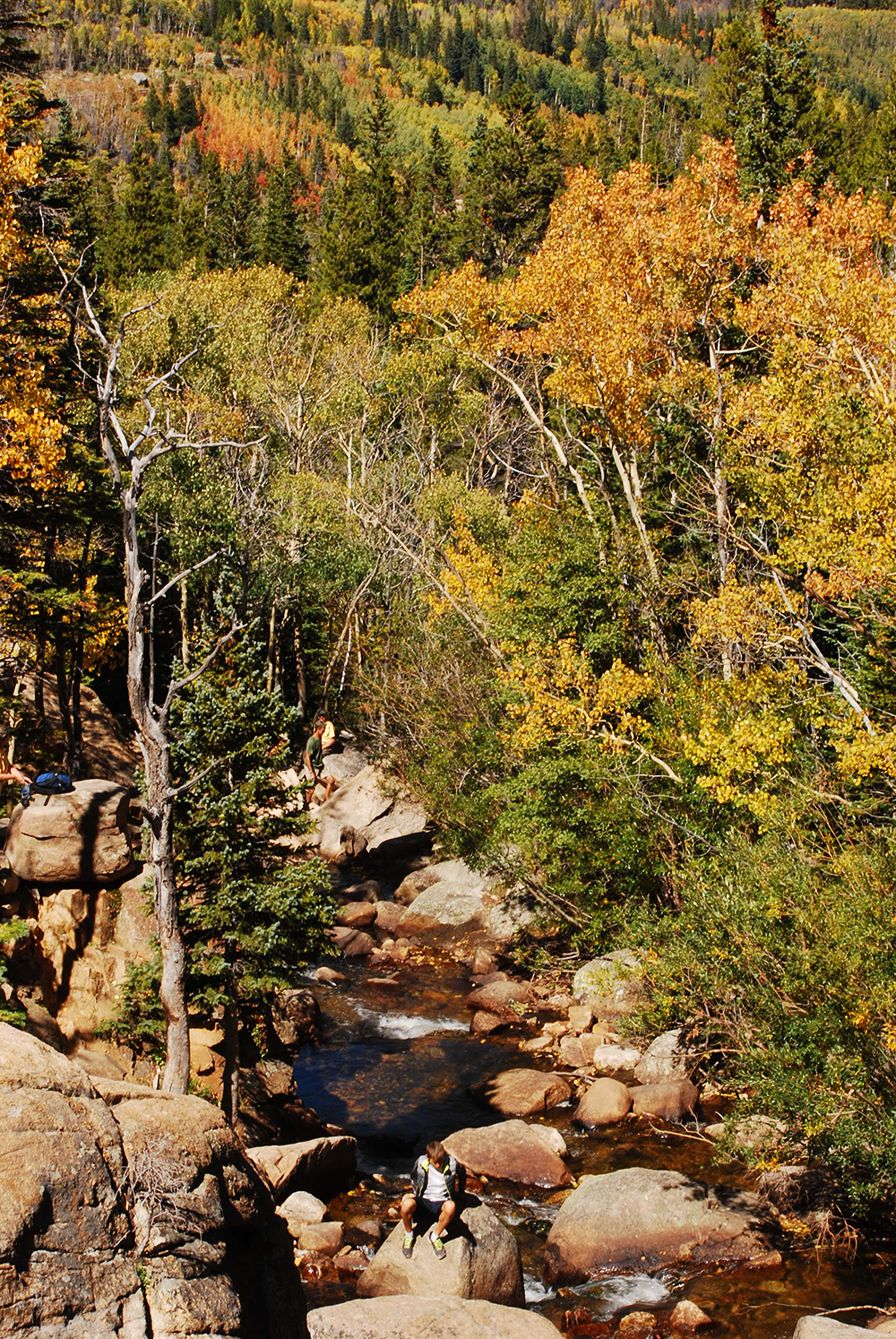
Views Along Glacier Gorge Trail as We Ascend to Mills Lake
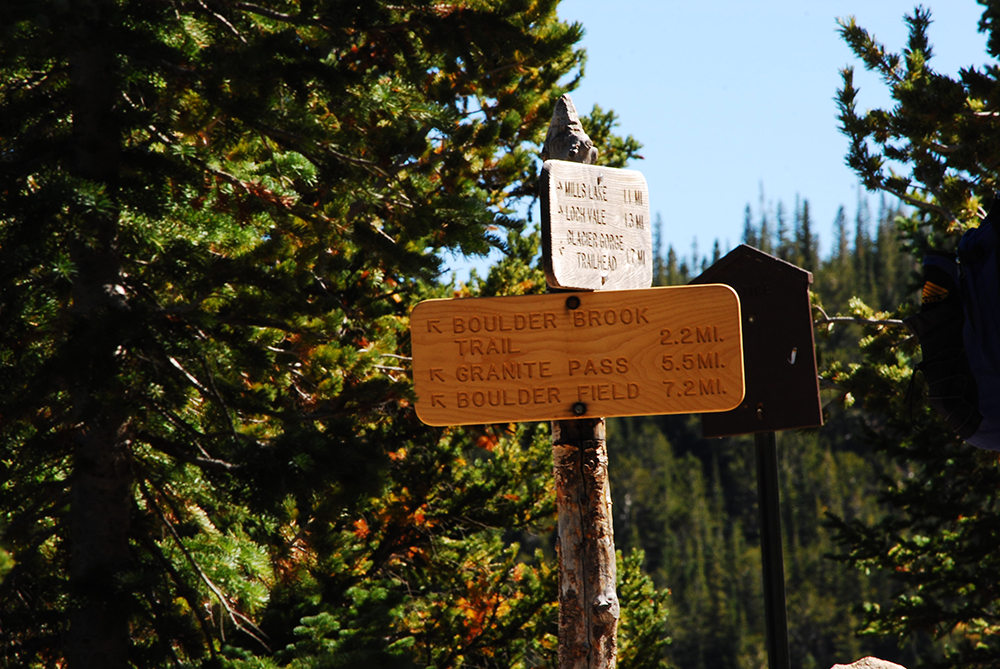
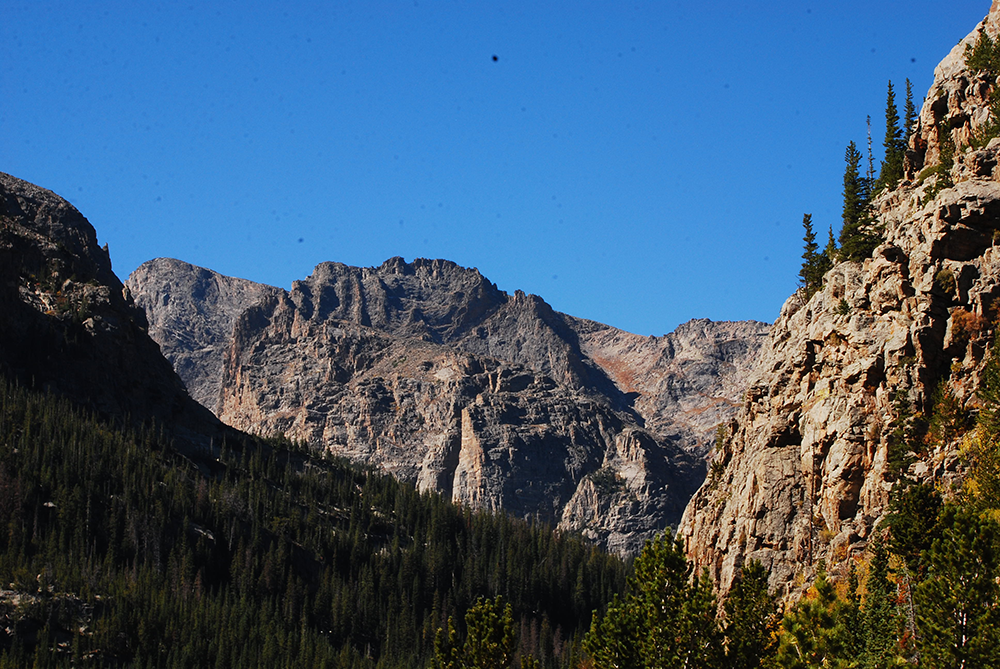
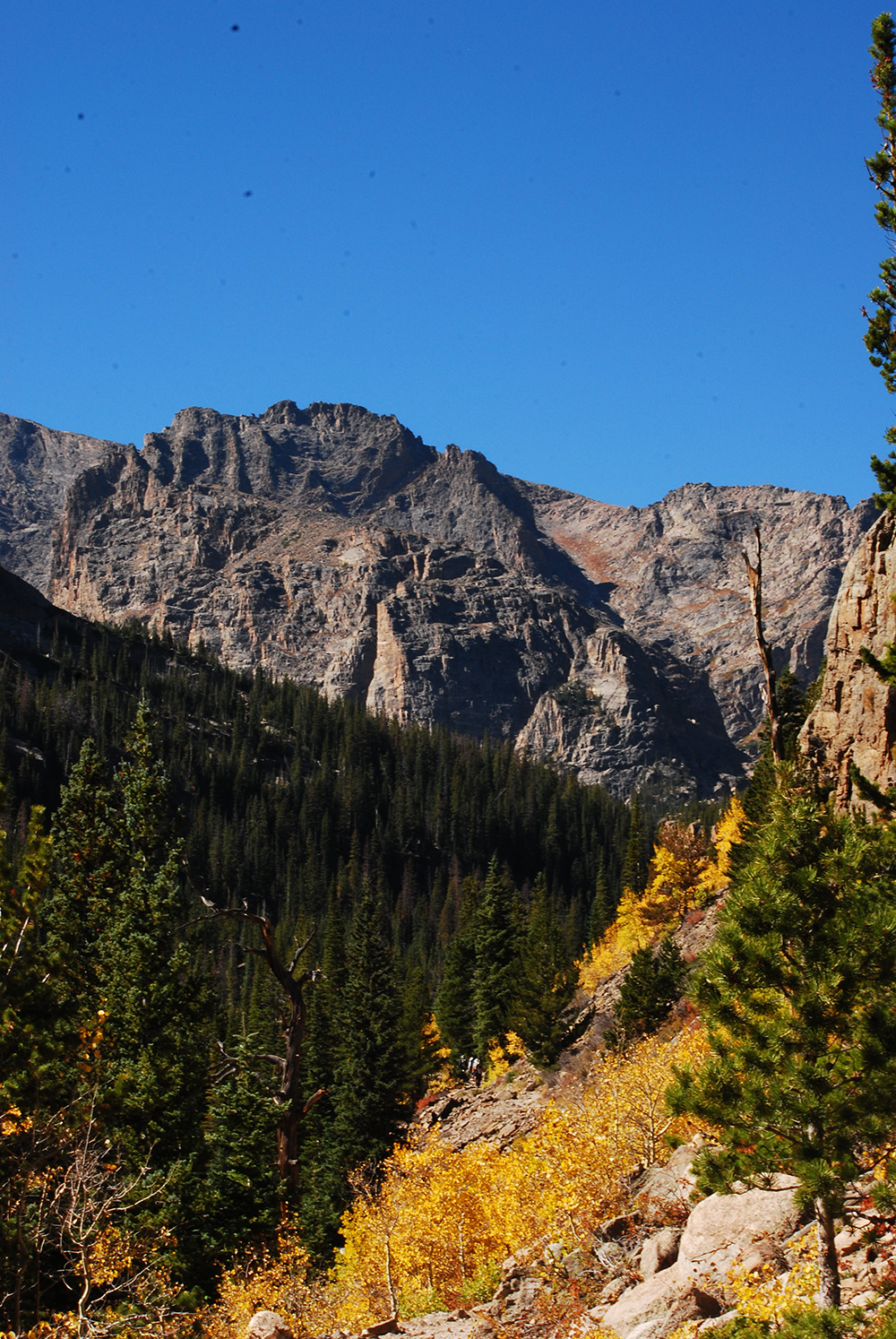
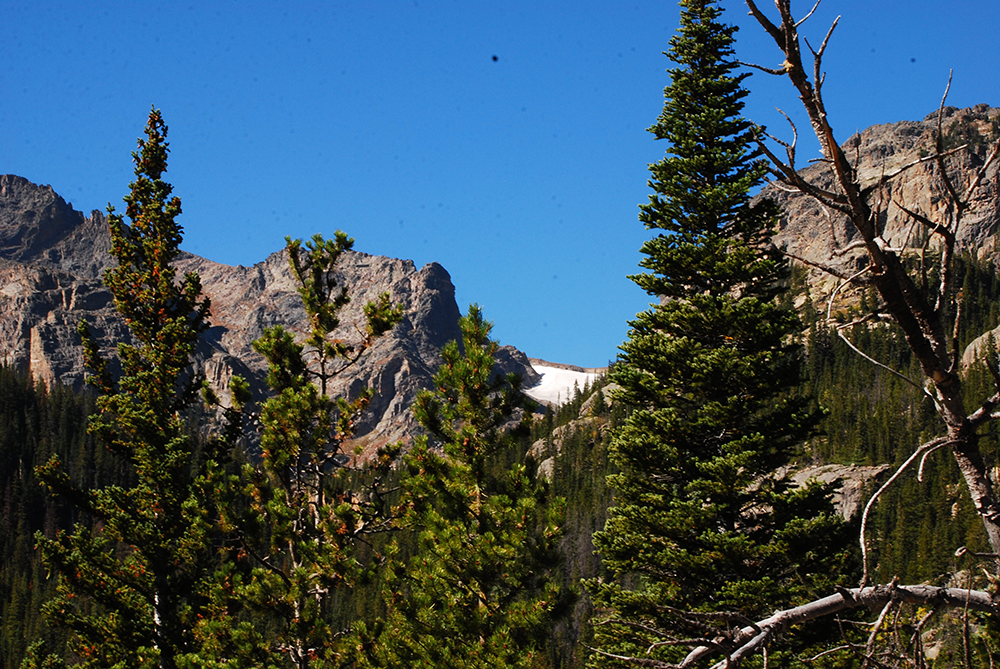
Glacier Creek: Crossing Tranquil Waters
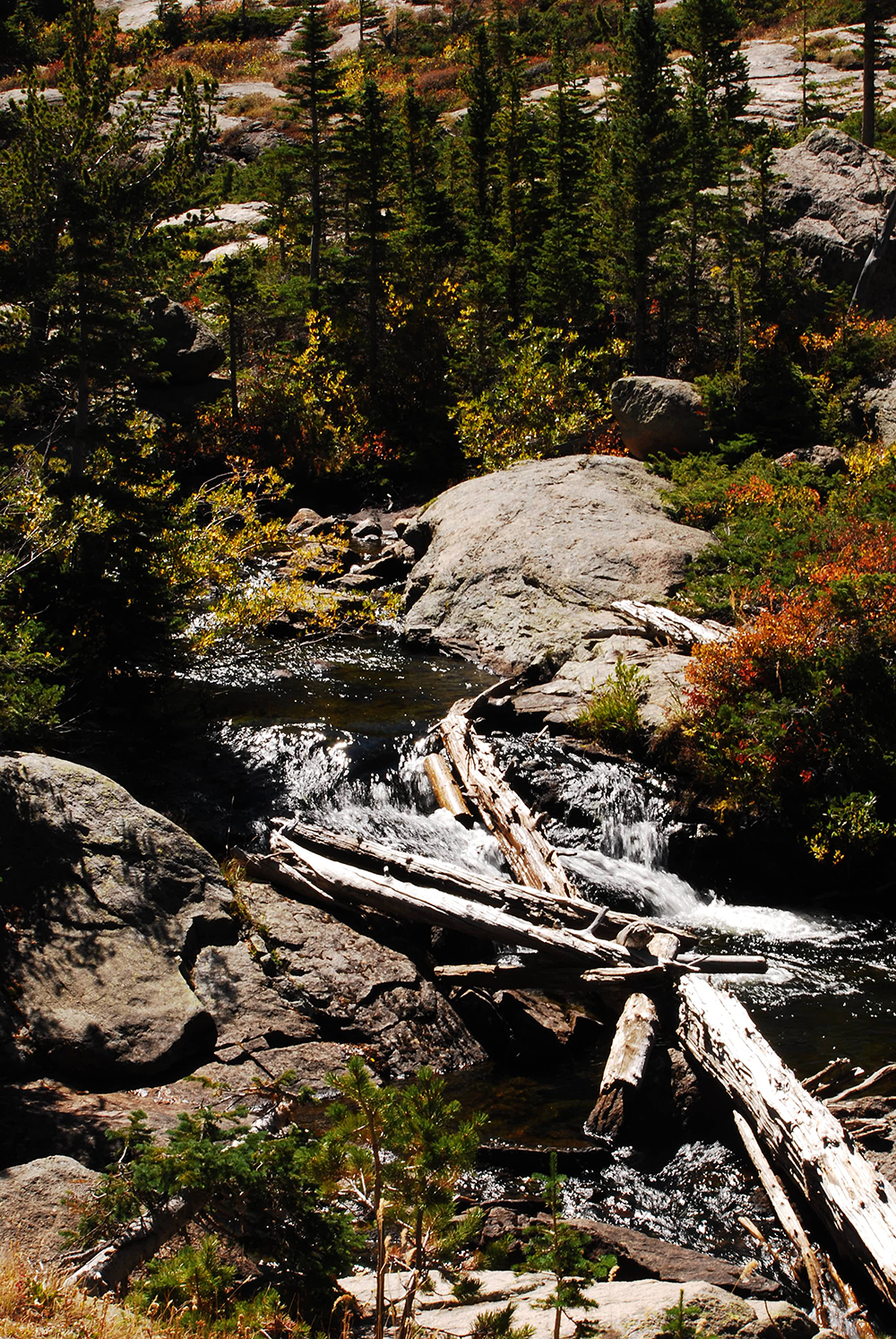
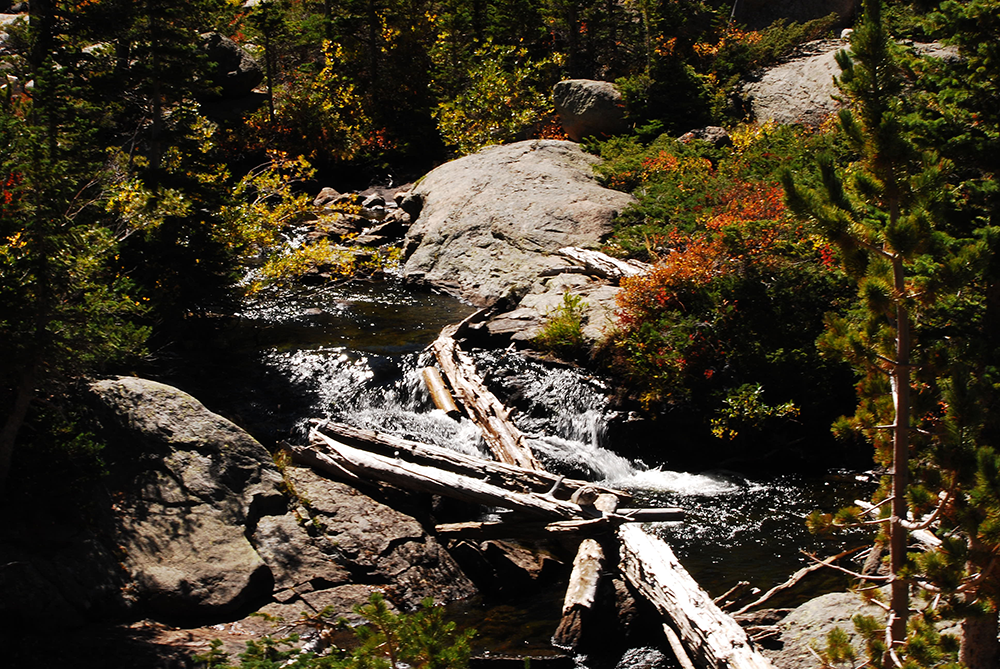
As you continue your journey past Alberta Falls, keep an eye out for Glacier Creek, which meanders through Glacier Gorge. The trail meanders alongside this crystal-clear stream offering peaceful spots to rest, have a snack, or even dip your toes into the refreshingly cold water.
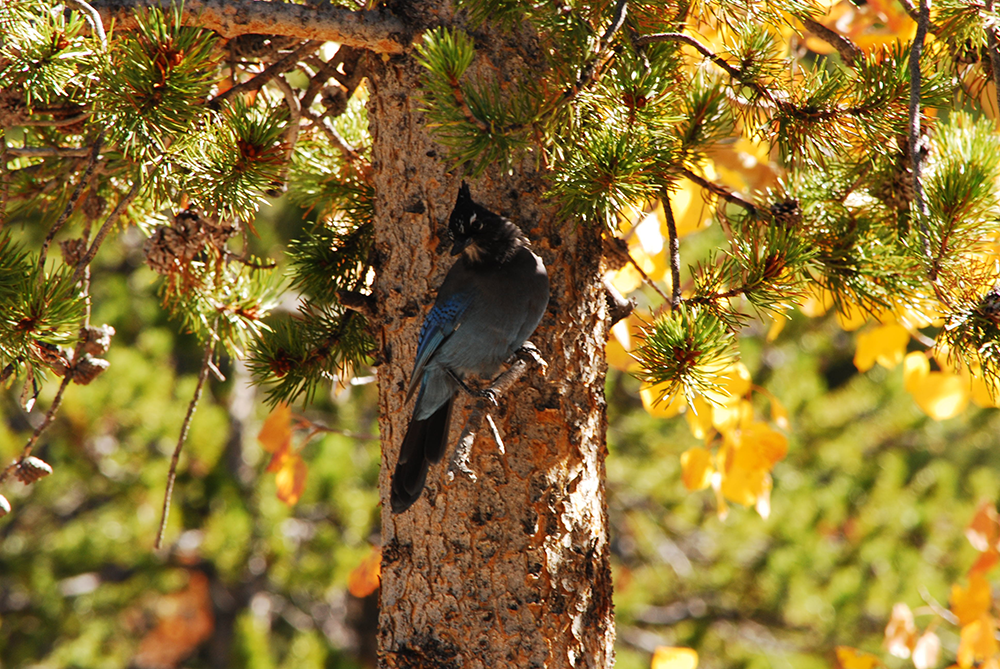
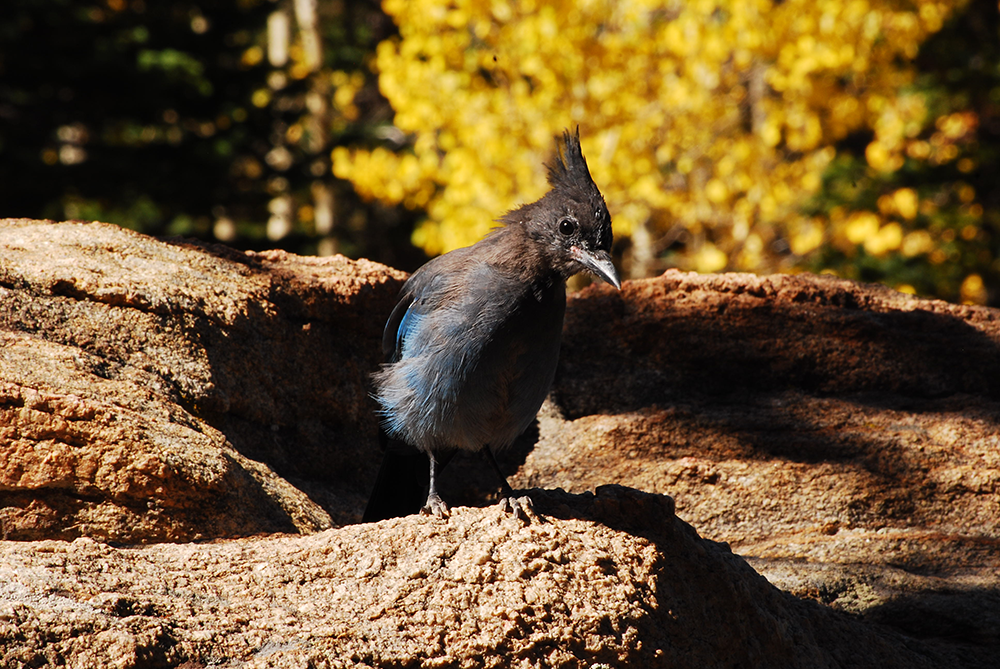
It’s the perfect opportunity to snap photos or just soak in the serene surroundings of nature. Be sure to look for wildlife here. Many times, there are deer, elk, and birds that wander into this area in search of water.
Mills Junction: The Crossroads of Adventure
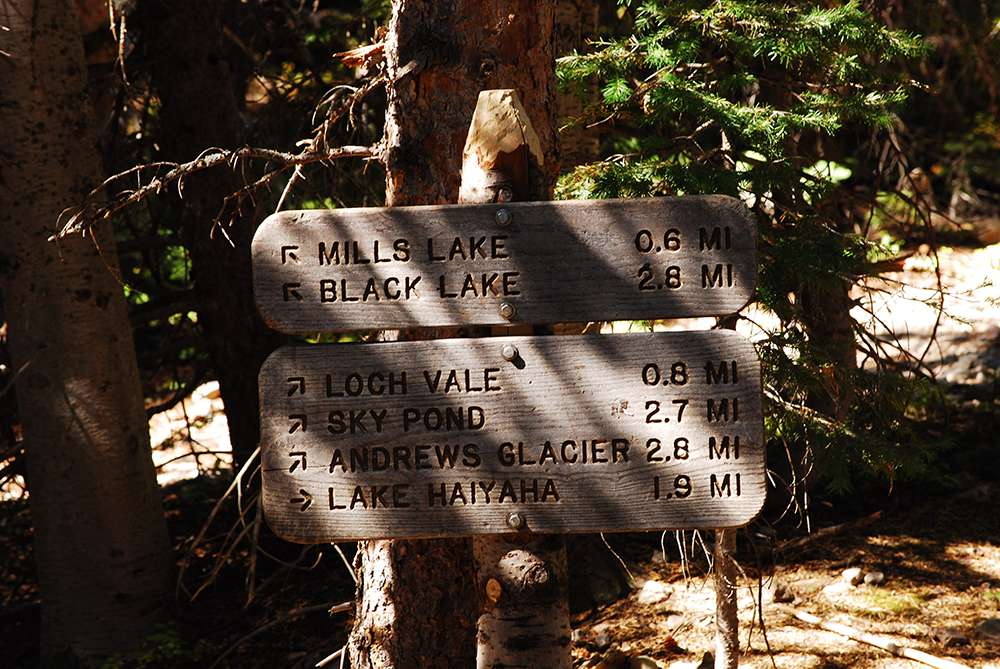
Just over two miles in, you’ll find yourself at a junction aptly named Mills Junction, where you have the opportunity to embark on another adventure. A path leads you to the pristine shores of The Loch, a serene glacial lake offering rewarding views and a taste of true alpine tranquility.
Many say that The Loch is equally impressive as Mills Lake itself and is certainly worth a visit if you’ve allocated enough time to explore this part of the park. From The Loch, you can choose to venture even further and conquer Sky Pond. This more challenging route leads you to an otherworldly scene where jagged peaks pierce the skyline surrounding another breathtaking alpine lake. Although a detour, many adventurers claim it to be the most remarkable part of the entire area. The choice is yours.
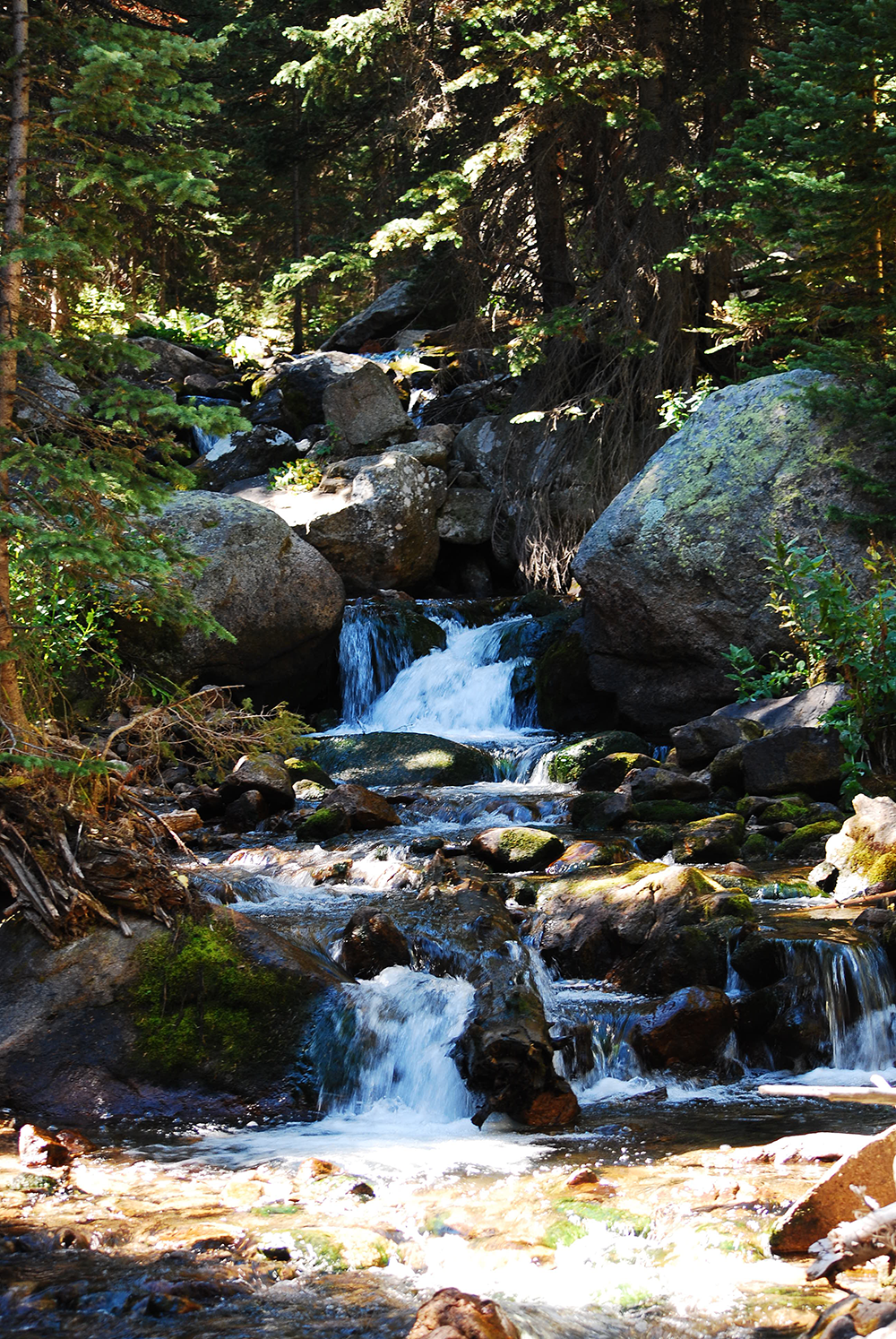
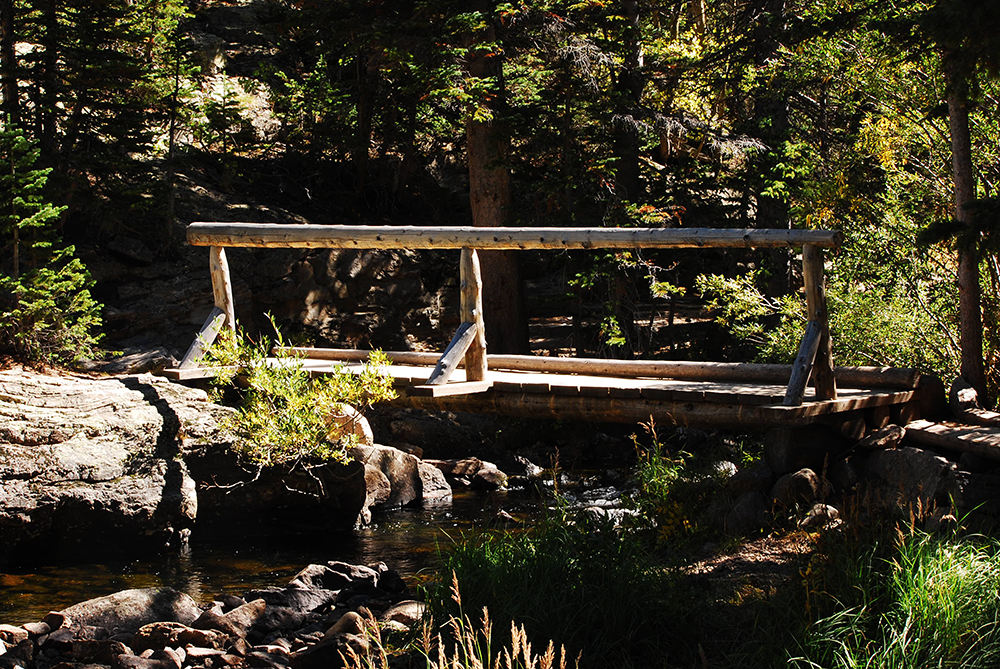
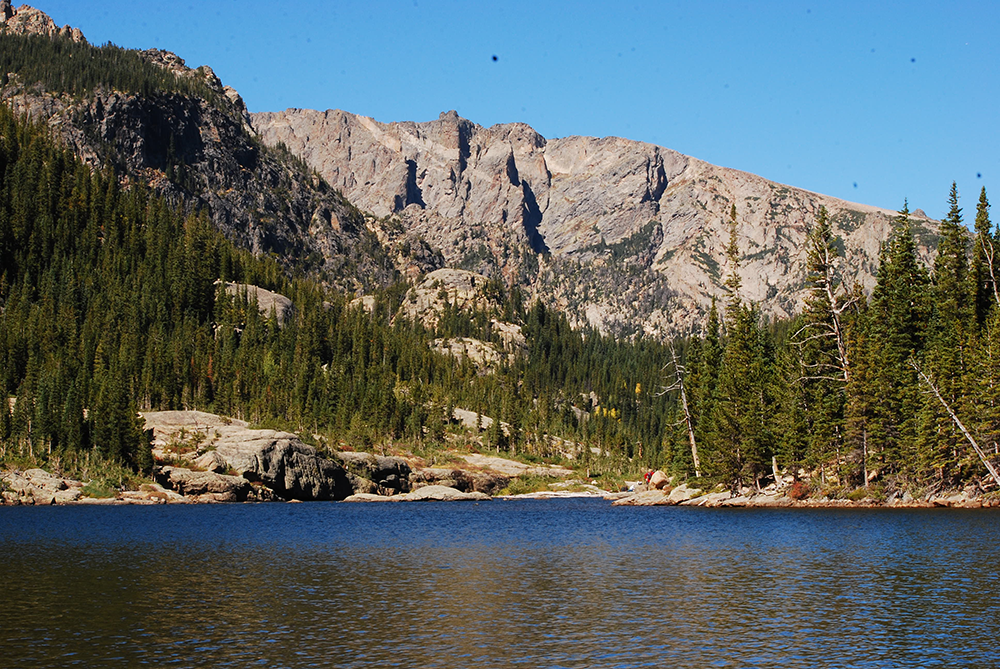
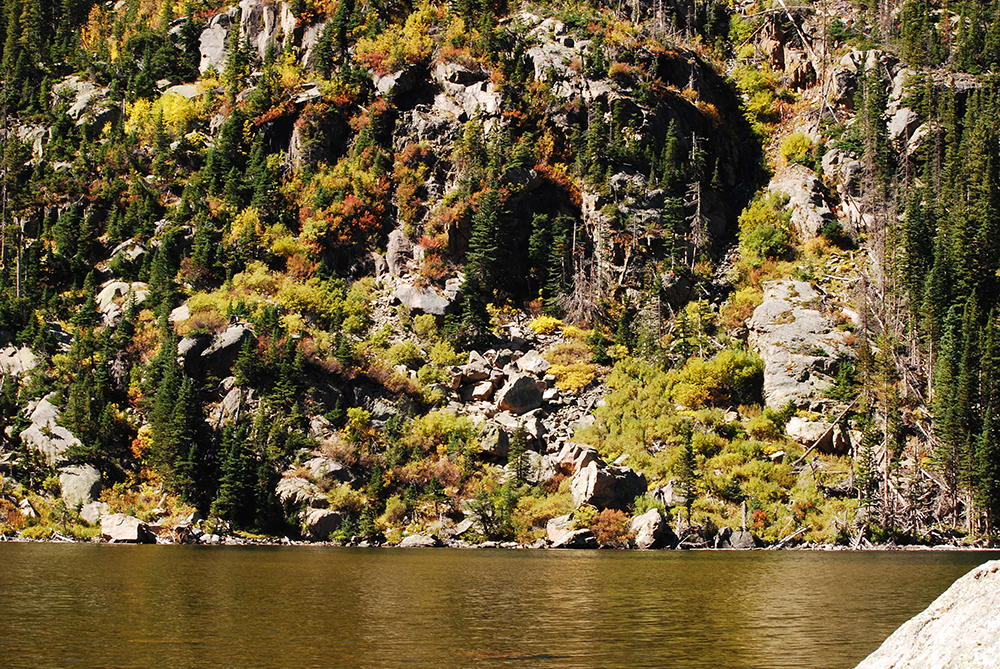
Approaching Majesty: The Final Stretch
Leaving the Mills Junction intersection, the trail gently winds for less than half a mile, guiding you closer to the breathtaking spectacle that is Mills Lake. The terrain here consists mostly of larger rocks. It’s crucial to wear sturdy footwear to provide your ankles with good support to navigate this rugged terrain.
Watch your footing on the loose rocks as you approach the crown jewel of your adventure, Mills Lake. As you navigate the path, notice the majestic pines reaching for the sky. Look closer and discover colorful wildflowers nestled among the rocks. It is at this time you can almost feel the presence of Enos Mills, the ardent conservationist and the namesake of this pristine lake.
Mills Lake: An Alpine Paradise Unveiled
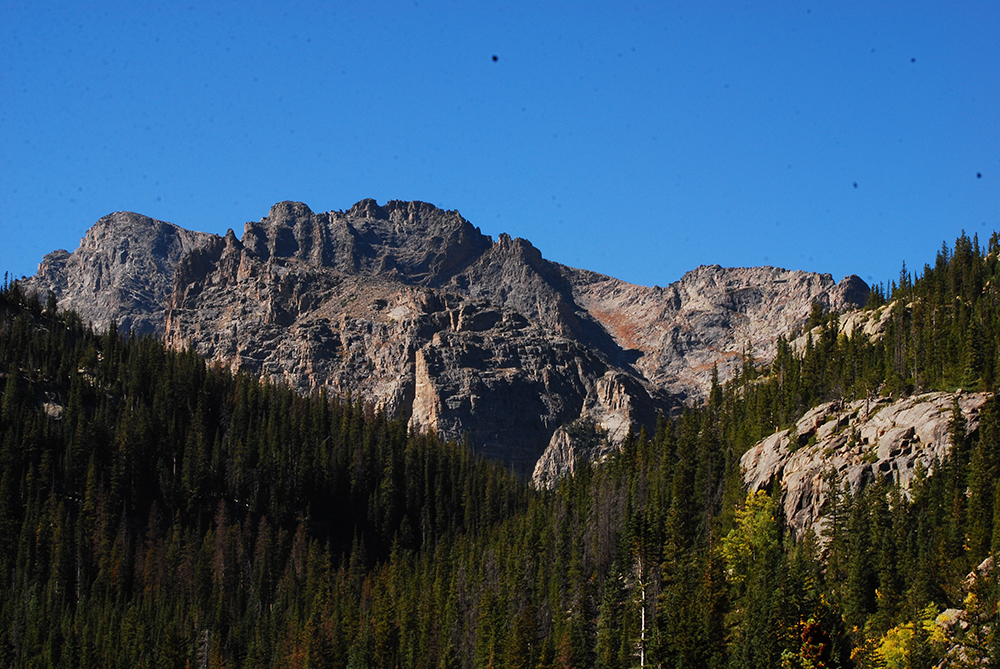
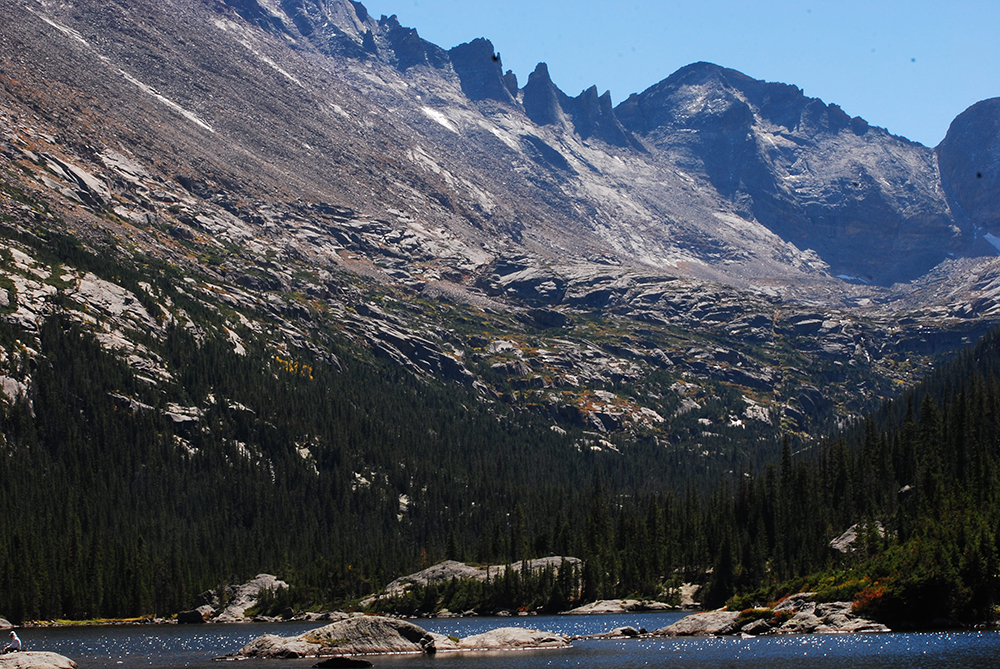
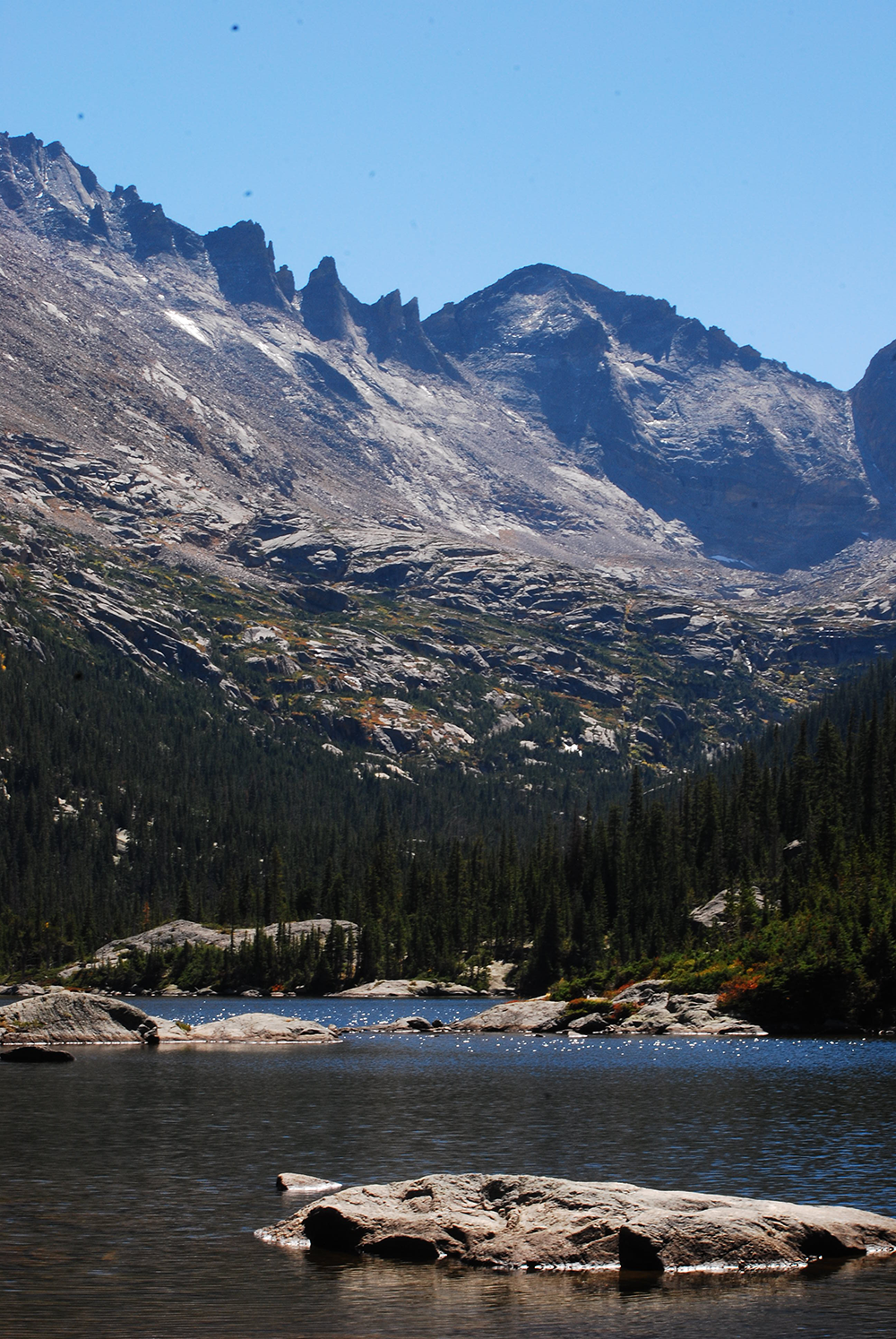
Finally, the moment you’ve been waiting for arrives. A short distance past where the trail crosses over Vale Brook, you’ll enter the majestic Glacier Gorge, surrounded by soaring mountain peaks. The iconic “Keyboard of the Winds” dominates the skyline to the east, and towering above Mills Lake is 13,579-foot Chiefs Head Peak.
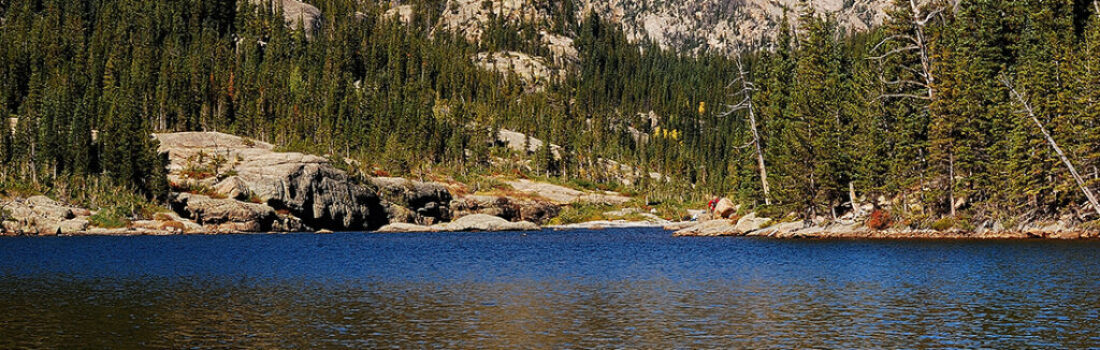
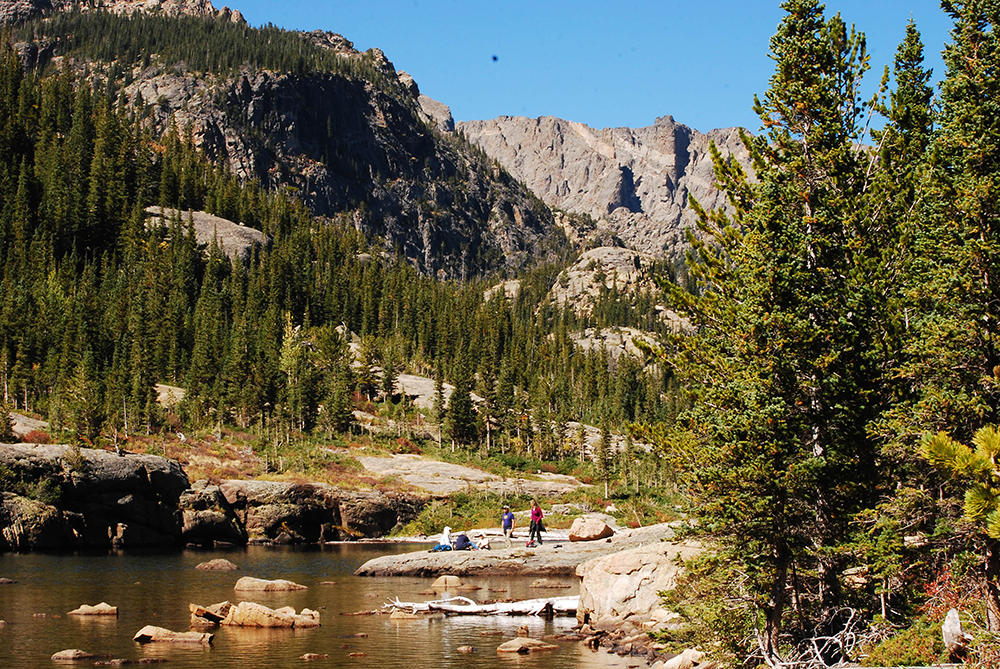
A little over 2.5 miles from the trailhead, the breathtaking beauty of Mills Lake comes into full view. With its crystal-clear water reflecting the surrounding mountains, Mills Lake is a sight to behold. This is where you can find large, flat rocks that are ideal for enjoying a relaxing lunch. Relax by the shore as you immerse yourself in the captivating scenery of this natural masterpiece and discover why this is often considered one of the most photogenic spots in Rocky Mountain National Park. Here, the grandeur of the Rocky Mountains surrounds you.
Capturing the Beauty
Photographers flock to this spot to take home captivating images, but don’t limit yourself. Spend time exploring different vantage points to truly appreciate its scale. Find the best angles to capture the reflections of the Keyboard of the Winds and Chiefs Head Peak on the surface of Mills Lake.
Be patient because this lake attracts large crowds in the middle of the day. Be aware of other hikers and photographers around you, practicing proper trail etiquette is paramount to ensuring a great experience for everyone.
Beyond Mills Lake: Jewell Lake Beckons
Although the journey to Mills Lake is rewarding in itself, for those seeking to go deeper, this area has more in store for the adventurer willing to extend their trek. After taking in the breathtaking panorama of Mills Lake, follow the trail as it weaves around its eastern shore, leading you to another hidden gem: Jewell Lake. At just half a mile from Mills Lake and less than 100ft of additional elevation gain, this tranquil oasis offers a change of scenery. The trail leading here is fairly flat and not too rocky.
Although smaller in size compared to Mills Lake, Jewel Lake possesses a unique allure.
Camping Amidst the Peaks
Looking to extend your alpine immersion? This area allows backcountry camping, with designated sites nestled amidst the beauty. Remember, though, backcountry camping requires proper planning, a permit, and adhering to Leave No Trace principles to protect these pristine environments for all to enjoy. There’s no place like spending a night under the Colorado stars so close to such towering mountain peaks and pristine alpine lakes. The Glacier Gorge Backcountry Campsite is located almost a half-mile above Jewell Lake.
Guide to Fly Fishing Mills Lake Rocky Mountain National Park
Fly Fishing Mills Lake in Rocky Mountain National Park: A Complete Guide for Anglers Seeking High-Country Adventure
Nestled in the heart of Colorado’s Rocky Mountain National Park (RMNP), Mills Lake stands as one of the premier destinations for fly fishing enthusiasts craving pristine alpine waters, stunning mountain vistas, and eager wild trout. Named after Enos Mills, a key advocate for the park’s creation, this glacial lake offers a perfect blend of accessible hiking and rewarding fishing in one of America’s most iconic national parks. Whether you’re a seasoned fly angler or a beginner looking for an unforgettable high-country experience, Mills Lake delivers crystal-clear waters, cruising rainbow and brook trout, and breathtaking backdrops featuring Longs Peak, the Keyboard of the Winds, and surrounding granite peaks.
This comprehensive guide covers everything you need to plan a successful fly fishing trip to Mills Lake in RMNP—from trail access and fishing regulations to recommended flies, techniques, seasonal tips, and essential gear. Discover why this high-alpine gem ranks among the top fly fishing spots in Rocky Mountain National Park.
Reason to Fly Fish at Mills Lake in RMNP?
Mills Lake sits at approximately 9,955 feet elevation in Glacier Gorge, offering a serene yet dramatic setting that elevates every cast. The lake features a lengthy shallow shelf ideal for wade fishing or spotting cruising trout, with deeper sections holding fish that rise to dry flies on calm days. Anglers often report catching equal numbers of wild rainbow trout and brook trout, many in the 10-14 inch range, though larger specimens cruise the open water.
Unlike heavily stocked lowland waters, Mills Lake supports self-sustaining wild populations—remnants of early plantings by local lodge owners before the park’s establishment. The surrounding wilderness enhances the experience: expect panoramic views of towering peaks, potential wildlife sightings (moose, pikas, or marmots), and the peaceful solitude that only high-country fishing provides. Many visitors combine the outing with nearby Jewel Lake or extend hikes to The Loch or Black Lake for additional fishing opportunities.
The park’s efforts to restore native aquatic ecosystems mean sustainable fishing practices are emphasized, making every catch-and-release moment contribute to conservation. Fly fishing here feels pure—light rods, delicate presentations, and the thrill of fooling trout in water so clear you can watch them inspect your fly.
Current Conditions Note: Always check the official NPS website for trail conditions, as snow lingers above 9,000 feet into late spring, and summer thunderstorms are common. Timed entry permits may be required for Bear Lake Road during busy months (typically May–October).
Winter access is possible for experienced hikers with snowshoes, but ice fishing requires caution and checking ice thickness—most prefer the open-water season.
Fishing Regulations and Licenses for RMNP
Fishing in Rocky Mountain National Park follows specific rules to protect fragile ecosystems:
- A valid Colorado fishing license is required for anyone 16 years or older. Purchase online, via the CPW app, or at local shops in Estes Park. No additional park permit is needed beyond the standard entrance pass.
- Only artificial flies and lures are permitted in most waters, including Mills Lake. Single-hook lures only (barbless encouraged for easy release). Children under 12 may use bait in non-catch-and-release waters, but Mills Lake follows fly/lure rules.
- Catch-and-Release Emphasis: While general bag limits may apply elsewhere, the park promotes releasing all fish to sustain populations. Greenback cutthroat (native and protected) must be released immediately if encountered—though Mills Lake primarily holds rainbow and brook trout.
- No lead sinkers or toxic materials; use non-toxic alternatives.
- Float tubes or non-motorized watercraft are allowed on most lakes (except Bear Lake), but check for ice or spawning restrictions. Many anglers wade the shallow shelves instead of boating.
Always review the latest NPS fishing page before your trip, as special regulations protect spawning areas and native species. Lead-free practices and barbless hooks help minimize impact
Trout Species at Mills Lake
Mills Lake hosts primarily wild rainbow trout and brook trout. Rainbows often cruise the open water and shallow flats, while brookies frequent inlet/outlet areas and undercut banks. Fish average 8–14 inches, with occasional larger holdovers providing exciting fights on light tackle.
Some reports mention potential for a “grand slam” if combining with nearby waters containing brown or cutthroat trout, but focus on rainbows and brookies here. The trout are wild and wary—clear water demands precise, drag-free drifts and stealthy approaches.
Best Time to Fly Fish Mills Lake
The prime season runs from late June through September, after ice-out and before heavy snow returns. Water temperatures warm enough for active feeding by mid-summer (often in the 50s°F), with peak dry fly action in July–August.
- Early Season (June–July): Fish may hold near inlets/outlets post-spawn. Midges and small nymphs work well.
- Peak Summer (July–August): Terrestrials shine—grasshoppers, ants, and beetles imitate wind-blown insects. Expect surface activity on calm afternoons.
- Fall (September): Cooler water can trigger aggressive feeding before ice forms. Fewer crowds.
Avoid fishing during spawning periods or when lakes are partially iced. Wind is a constant factor at this elevation—plan for it with longer leaders or heavier flies
Recommended Flies and Techniques for Mills Lake Fly Fishing
Mills Lake rewards dry fly enthusiasts. The shallow shelves allow sight fishing to cruising trout—watch for rises or shadows just below the surface.
Top Dry Flies:
- Grasshoppers and flying ants (terrestrials rule in summer)
- Parachute Adams (#14–18)
- Elk Hair Caddis (#14–18)
- Stimulators
- CDC & Elk or thorax-style mayflies
- Beetles and ants (#14–18) for picky fish
Nymphs and Subsurface:
- Zebra Midges (#18–20, black or red)
- Hare’s Ear or Pheasant Tail (#14–18)
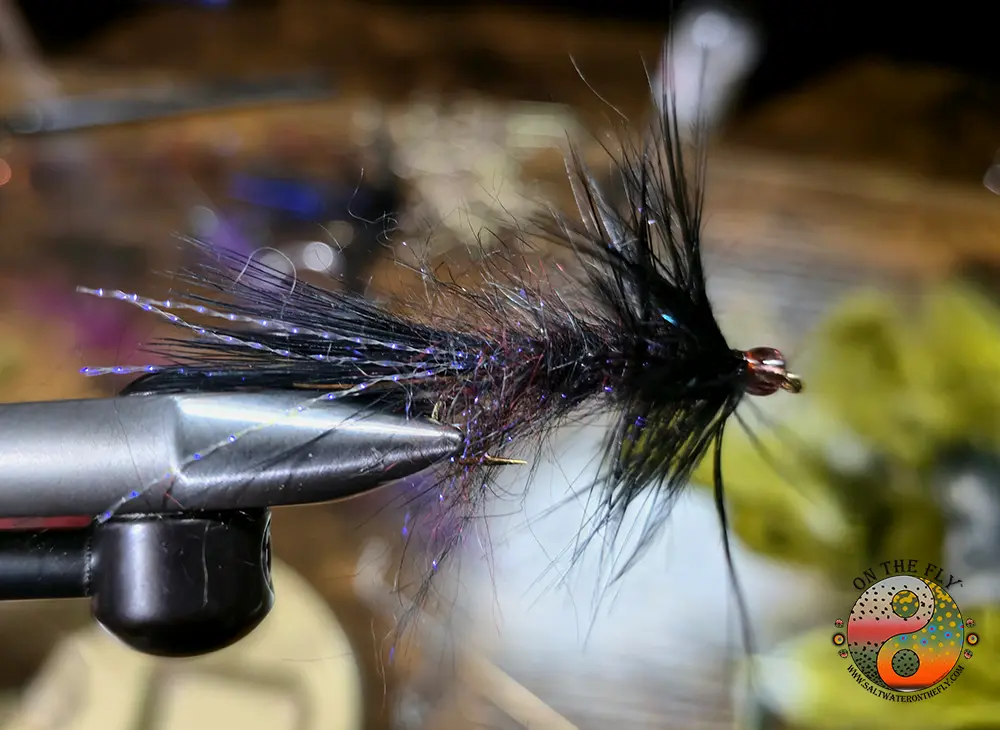
- Prince Nymphs or small streamers/leeches for deeper water
Techniques:
- Dry Fly Fishing: Long, light leaders (9–12 ft, 5X–6X) for drag-free drifts. Target cruising fish near shore or the granite peninsula (great casting platform with clear backcast).
- Dry-Dropper Rigs: High-floating Chubby Chernobyl or hopper with a small nymph dropper.
- Wade Fishing: Use sandals or lightweight waders in shallow areas. Avoid spooking fish by staying low and moving slowly.
- Wind Management: Fish leeward shores or use the lake’s natural contours for shelter.
A 3–5 weight rod (9 ft) is ideal—light enough for delicate presentations but with backbone for wind and small fights. Bring plenty of tippet and floatant. Many anglers catch fish all day on dries using patterns like hoppers and ants.
Extend your day by exploring Jewel Lake’s inlet or the outlet stream for additional action.
Gear Checklist for Mills Lake Fly Fishing
- Rod/Reel: 3–5 wt fly rod, matching reel with good drag.
- Line: Floating weight-forward line; sinking tips optional for deeper probing.
- Leader/Tippet: 9–12 ft leaders down to 6X.
- Waders/Wading Shoes: Lightweight or wet-wading setup for summer.
- Other Essentials: Polarized sunglasses (critical for spotting fish), nippers, forceps, net (rubber for fish safety), sunscreen, rain jacket, bear spray, headlamp, and plenty of water/snacks.
- Navigation: Map/GPS app, as side trails exist.
Pack light for the hike but prepare for variable high-mountain weather—afternoon thunderstorms are common.
Safety, Etiquette, and Conservation Tips
RMNP is bear country—store food properly and carry bear spray. Altitude can affect stamina; acclimate if coming from lower elevations. Stay on trails to protect fragile tundra.
Practice Leave No Trace: Pack out all trash, including used tippet. Release all fish carefully to ensure future generations enjoy Mills Lake. Avoid stepping on spawning redds.
Respect other visitors—give space to fellow anglers and hikers. The park’s popularity means shared use; early starts help.
Combining Mills Lake with Other RMNP Fly Fishing Spots
Mills Lake pairs well with nearby destinations:
- Jewel Lake: Shallow wading for brookies.
- The Loch: Inlet/outlet fishing plus lake action.
- Lake Haiyaha: Boulder-strewn habitat with different scenery.
- Sky Pond or Black Lake: Longer hikes for more adventurous anglers seeking greenback cutthroat or bigger brook trout.
For variety, fish Glacier Creek on the way down or explore Moraine Park streams for smaller brook and brown trout.
Planning Your Trip: Logistics and Permits
- Entrance: RMNP requires a vehicle pass or America the Beautiful Pass.
- Parking: Limited at trailheads—arrive before 8 AM in peak season.
- Lodging: Estes Park offers plentiful options; camp in the park for immersive experiences (reservations required).
- Guides: Local shops in Estes Park provide guided trips if you’re new to high-country fishing.
Check NPS for timed entry, fire restrictions, and closures. Current trail reports often note snow or ice conditions into spring.
Conclusion: Experience the Magic of Fly Fishing Mills Lake
Fly fishing Mills Lake in Rocky Mountain National Park combines world-class scenery with rewarding wild trout action in a truly special setting. The moderate hike rewards you with solitude, rising fish, and memories that last a lifetime. From casting terrestrials to cruising rainbows against a Longs Peak backdrop to wading shallow shelves on a sunny summer day, this alpine lake exemplifies why RMNP remains a bucket-list destination for fly anglers.
Prepare thoroughly, respect the resource, and embrace the adventure. Whether you’re chasing your first high-country trout or adding another memorable session to your logbook, Mills Lake delivers. Tight lines—and safe travels in the Rockies!
(Word count: approximately 1,850. This original guide draws on park resources, angler reports, and established knowledge of RMNP fisheries for accurate, helpful planning.
Additional Insights and Tips: From a Local’s Perspective
I have spent a lot of weekends and weekdays and “August tends to be the busiest month. For a better chance at solitude and amazing photos try visiting on a weekday rather than a weekend. Also, the trails are generally less crowded the last two weeks of September, even if you have to bundle up for the cold.”.
Based on these valuable insights, consider the following tips for planning your trip:
- Pack layers of clothing because weather in the mountains can change drastically, even during the summer.
- Wear sturdy, comfortable hiking boots as there are sections of uneven terrain.
- Carry plenty of water because there are no reliable water sources on the trail. I like to bring a water filter so that I can fill up in the streams just to be safe.
- Be mindful of altitude sickness. It’s wise to take it slow if you are not acclimated.
- Start early to avoid the afternoon storms.
- Bring a camera and capture the awe-inspiring beauty that unfolds at every twist and turn.
- Pack a picnic lunch and choose your lunch spot wisely because nothing beats enjoying a meal amidst these stunning landscapes.
Finding Tranquility Amidst the Crowds
While this trail’s popularity is well deserved, expect crowds, especially on weekends and holidays during the busy season. If you value solitude over shared experiences, there are ways to experience Mills Lake in relative peace. Start your hike in the very early hours as the sun is coming up and most park visitors are just waking up and enjoying a leisurely breakfast. Early mornings also offer a greater chance of seeing wildlife near the water sources.
Another idea is to visit during the shoulder seasons (spring or fall) when the trail sees less foot traffic. Alternatively, embracing the camaraderie of fellow hikers, especially during popular times, can add to the adventure, allowing you to exchange stories, and tips and celebrate nature’s grandeur collectively. .
Leave No Trace: Protecting This Natural Wonder
As you explore the magnificent beauty of Rocky Mountain National Park, remember this area is more than just a trail, it’s an ecosystem of diverse flora and fauna. Practice Leave No Trace principles. These principles ensure that you minimize your impact on this natural wonder while maximizing your own enjoyment and help to guarantee the same unspoiled beauty remains for future outdoor enthusiasts and generations. Simple actions, such as carrying out your trash, staying on the trail, and respecting wildlife, can make all the difference. Help keep the park pristine for all to enjoy.
If you plan on hiking here in the early spring, make sure to read about post-holing, learn what it is, how to avoid it, and be sure to respect trail closures. Often the trails need to close for short periods to recover after winter.
A Trail for Everyone
Remember, regardless of your age or fitness level, you are sure to find the perfect hike to fit your style within the Rocky Mountain National Park trail system. Many of these stunning areas, such as Bear Lake, are wheelchair accessible by design. The National Park Service is committed to providing access to these National treasures. You are encouraged to embrace nature in whatever capacity works best for you and, most of all, enjoy every step.
For more information you can buy the National Geographic Trails Illustrated Map for Rocky Mountain National Park (National Geographic Trails Illustrated Map for Rocky Mountain National Park). If you forget to buy ahead, no worries because you’ll find trail maps for sale at most of the ranger stations around the park.
FAQs about Mills Lake Hike Rocky Mountain National Park
How long is the hike to Mills Lake in Rocky Mountain National Park?
The hike to Mills Lake is a 5.3-mile out-and-back trail. Plan on a moderate half-day hike to really be able to soak in the beauty.
What is the most beautiful hike in Rocky Mountain National Park?
Although there are many stunning hikes in RMNP, the most beautiful hike is arguably the hike to Sky Pond via Glacier Gorge Trailhead.
What is the best lake hike in Rocky Mountain National Park?
You’re sure to have an amazing time no matter which hike you choose, but the trail to Emerald Lake, which begins at Bear Lake trailhead, is by far one of the most popular trails to hike in Rocky Mountain National Park. Keep in mind, because it is one of the busiest, the parking lot fills up incredibly fast so it is best to go early in the day or take the shuttle.
How long does it take to hike to Lake Haiyaha?
Plan on around three hours because you’ll want to stop and admire the view of Dream Lake. The trail starts off by skirting around the edge of Bear Lake. Have done this as a loop hike down past Alberta Falls and Up to Bear Lake.
Conclusion of Mills Lake Hike
The Mills Lake Hike Rocky Mountain National Park is a bucket list hike that should not be missed. By using this guide you will easily be able to plan and prepare for your next alpine adventure.