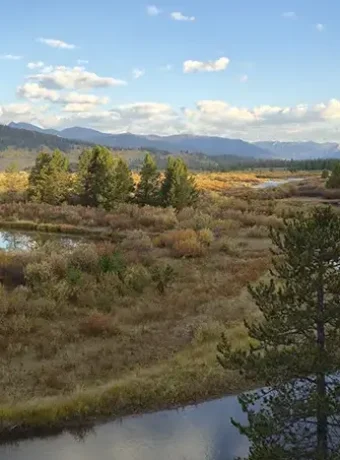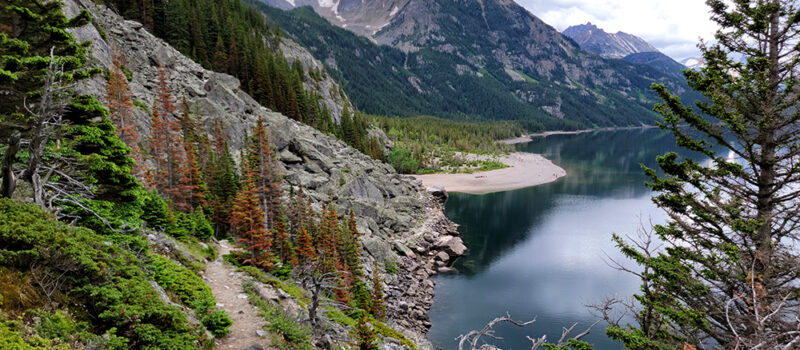
Mystic Lake Montana a Greater Yellowstone Ecosystem Trail
Is a popular trailhead for day hikers as well as backpackers. Hike to Mystic Lake is a three mile one way hike with an elevation gain of sixteen hundred and fifty feet. Trail’s actual name is West Rosebud Trail Nineteen.
Dam at Mystic Lake was built in 1925, providing Stillwater County, Montana residence’s and businesses’ with much needed power. Power plant is twelve megawatt hydro generation system. Learn more about the Greater Yellowstone Eco-System.
Table of Contents
Livingston Montana Art Gallery Showing
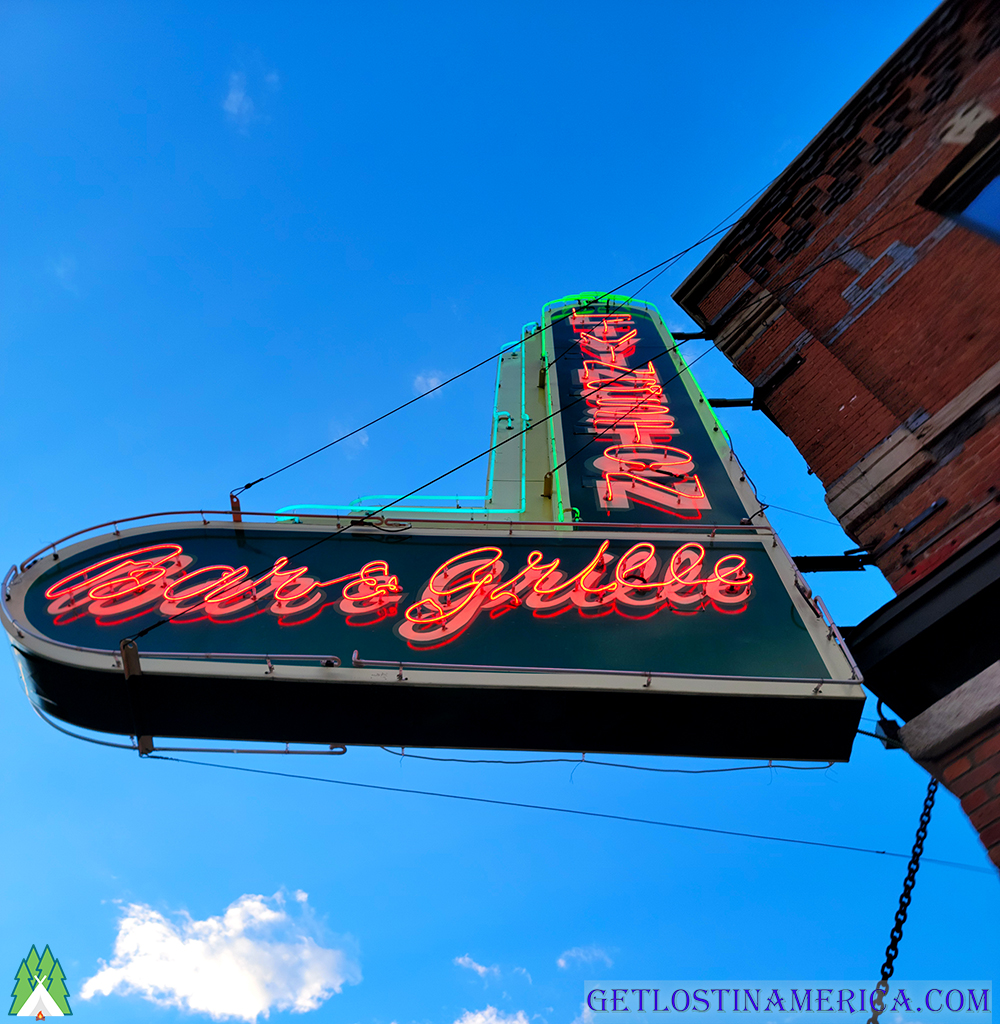
The night before hitting the trail to Mystic Lake we stop in Livingston, Montana at AD Maddox’s Art Gallery for a showing of her newest painting. These were incredible, AD’s a most excellent artist. We met some friends their and went to dinner at the Livingston Bar and Grill. If ever in Livingston stop, food is great 5 star.
-
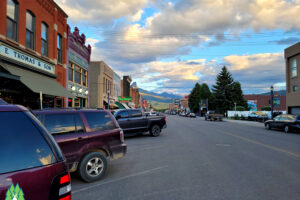
- Downtown Livingston Montana on a early summer evening

-

- Sign at the Livingston Bar and Grille in Livingston, Montana home of Fly Fishing
-

- Dinner at the Livingston Bar and Grille was great.

From Livingston we head to Fishtail Montana in a pounding rain storm and up into the Custer National Forest to a Pine Grove Campground for the night. Our route, left Livingston on I-90 heading east to Columbus Montana. Took exit 408, State Rte. 78 Turned right and made a stop at Town Pump for fuel, before heading to the Wilderness. Back on State Rte. 78 South, pay attention it zigs and zags through Columbus. On over the Yellowstone River for seventeen miles and turn right on Nye Road. Continued on Nye Road for 4.3 miles then took a left on West Rosebud Road. West Rosebud ends at the Trailhead Parking lot and can be quite rough for 15 of the 20.5 miles. Storm continued all night with lots of lightning happened most of the night, ended up sleeping sitting up in the seats of the rig.
Hiking Montana to Mystic Lake in Yellowstone Country
Mystic Lake—the crown jewel of the Absaroka-Beartooth Wilderness (yes, it’s Absaroka-Beartooth, because why settle for one mountain range name when you can mash two together like a confused committee?). If you’re the type who thinks “wilderness” means “place where I can pretend my phone doesn’t exist while secretly hoping for cell service at the trailhead,” then congrats, you’ve found your spot. This hike starts near a hydroelectric plant (because nothing says “pristine nature” like industrial infrastructure), climbs about 1,400–1,650 feet over roughly 3 miles one way (5.8–6 miles round-trip), and dumps you at a stunning alpine lake that looks like it was Photoshopped by Mother Nature on a good day.
At first light we head out of the Pine Grove Campground up the road to the trailhead for Mystic Lake. But first a little exploring first time int he area. We Cross over West Rosebud Creek and drive past Emerald Lake. Stopped at West Rosebud Lake and took photos. On down to the trailhead. In the parking lot we have breakfast of yogurt and granola and packed our lunches.
-
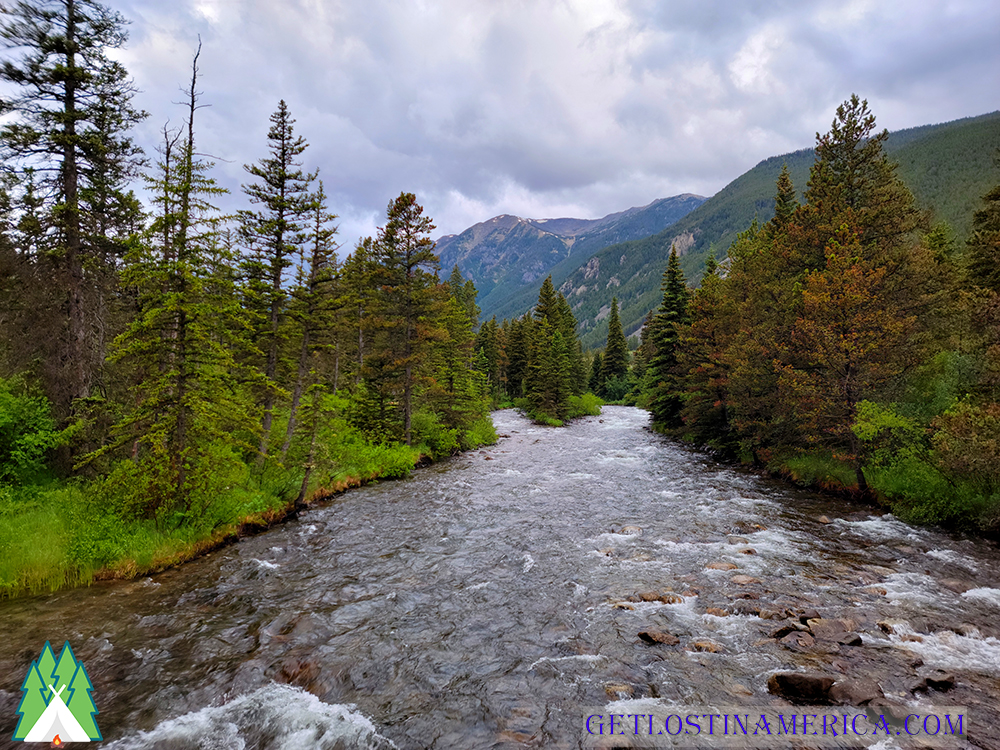
- West Rosebud Creek flowing towards Fishtail, Montana. On the Bridge at Emerald Lake National Forest Campground.

-
- Emerald Lake, first view of

-
- Further up the road crossing West Rosebud Creek, interesting lighting with storm clouds and a hard rain.
-
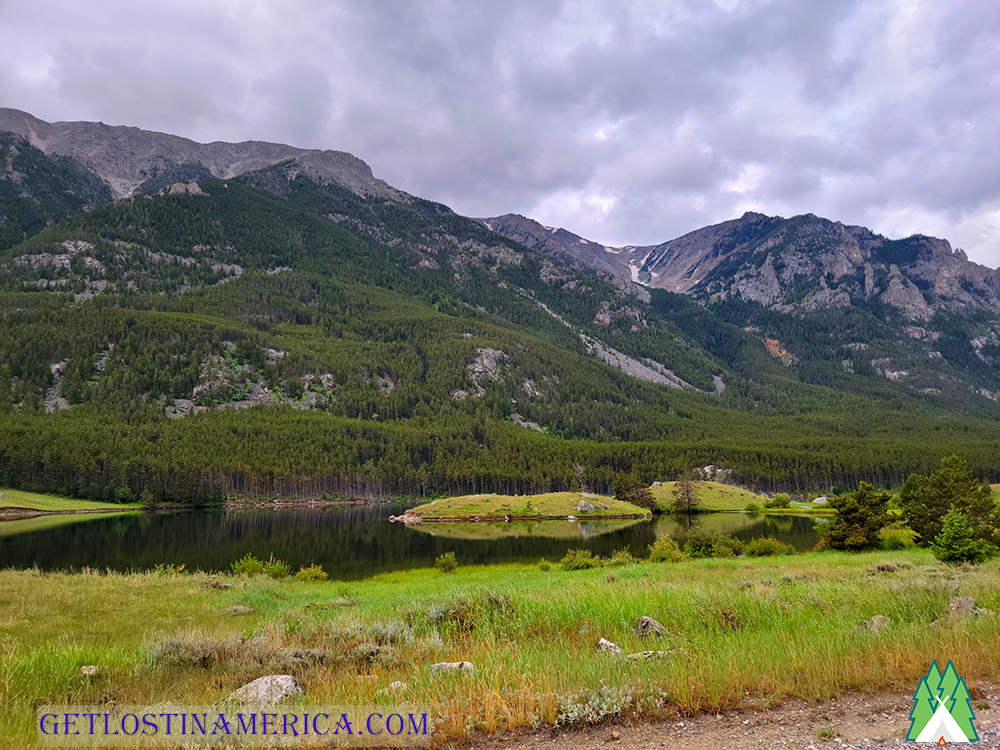
- Emerald Lake Montana Custer National Forest
-
- Close up of Emerald Lake, this a popular paddle boarding and kayaking destination
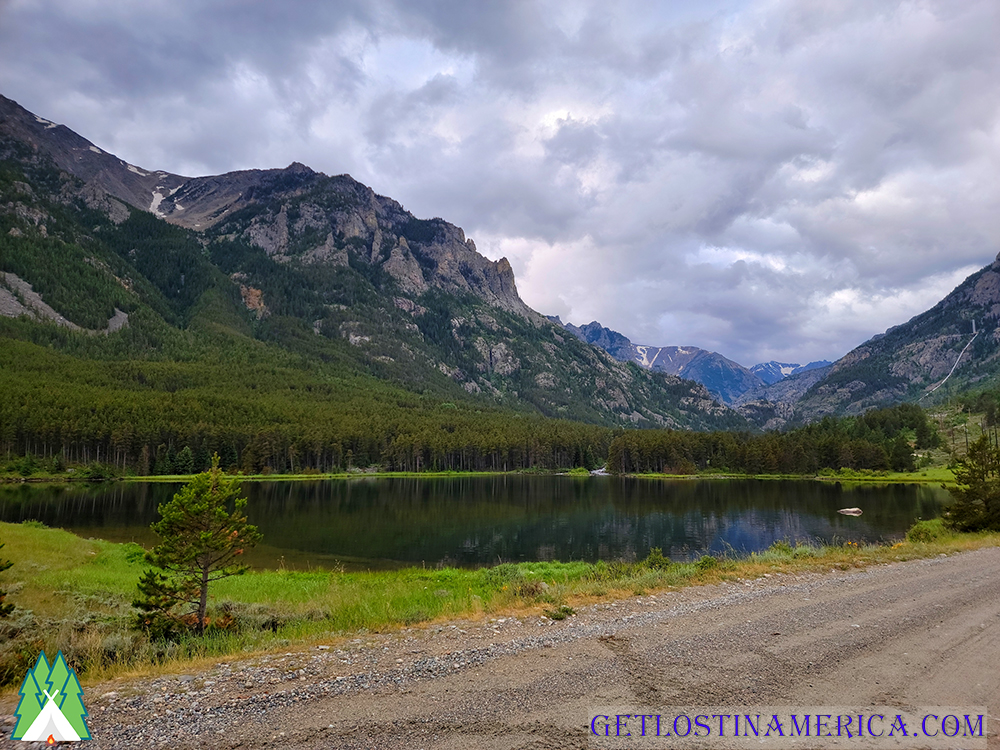
-
- View from Mystic Lake Trailhead parking lot

-
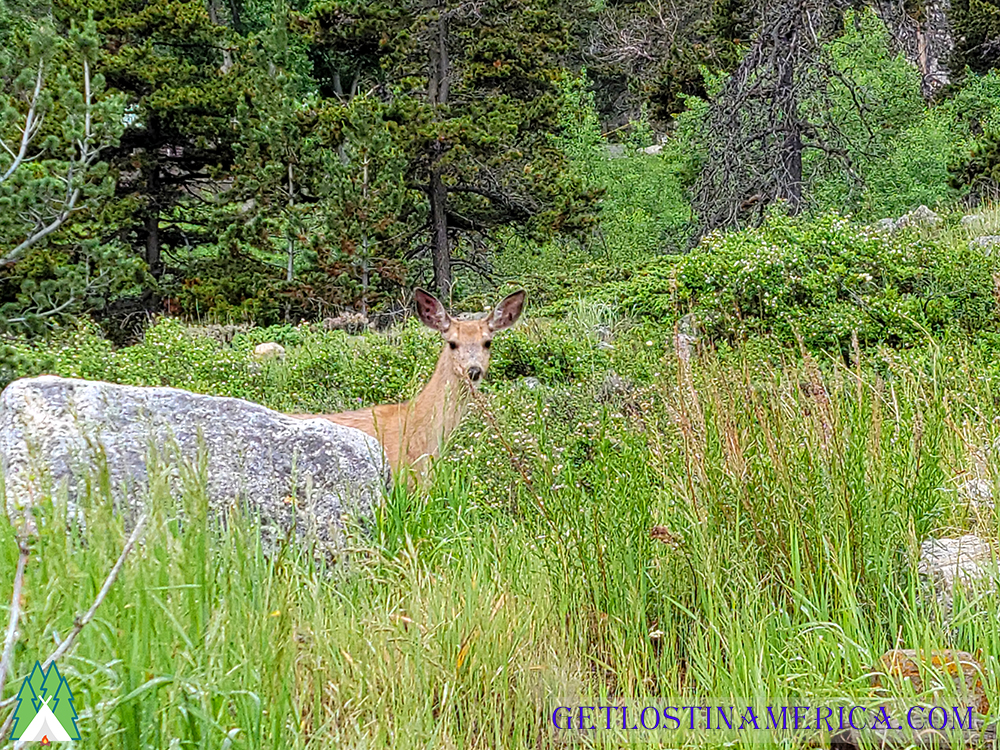
- Guests for breakfast
Hike to Mystic Lake Absaroka Beartooth Wilderness
Leaving trailhead on West Rosebud Trail Nineteen hiking up to Mystic Lake. Lower third of the trail we hike past Northwest Energies Power Generating Plant.
The trail—officially the West Rosebud Trail #19—kicks off at the West Rosebud trailhead, right by the powerhouse. You’ll pass employee housing (because who doesn’t love hiking past someone’s backyard grill in the middle of nowhere?), then follow West Rosebud Creek uphill through lodgepole pine forests that smell like Christmas threw up on a spa day. The path switchbacks moderately—nothing insane, but enough to remind your lungs that elevation is a thing. You’ll cross boulder fields, dodge the occasional stream crossing, and get those classic Montana views: rushing whitewater, jagged peaks, and wildflowers that make you question why you ever lived in a city.
After 3-ish miles of “why did I think this was a good idea?” suffering, you pop out at Mystic Lake itself. It’s the largest lake in the Beartooth Mountains, sitting pretty at around 7,600–8,000 feet, ringed by cliffs and looking like a postcard that forgot to include the “wish you were here” part. Crystal clear water, trout jumping like they’re auditioning for a nature documentary, and enough solitude to make you feel briefly profound before the mosquitoes remind you you’re still human.
You can take the Phantom Creek Trail to East Rosebud Lake and connect with another trail and hike on down to Cook City, Montana.
-
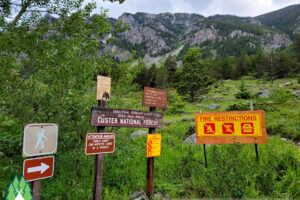
- A few signs to let us know what we can and can't do on a Mystic Lake Montana Hike what do you think
-
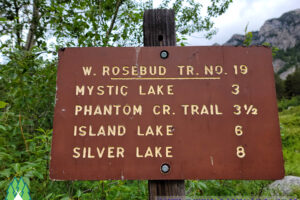
- Main trailhead sign, this trail ends in a canyon at Silver Lake and Island Lake in between it and Mystic.

-
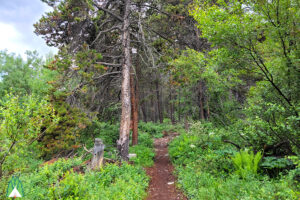
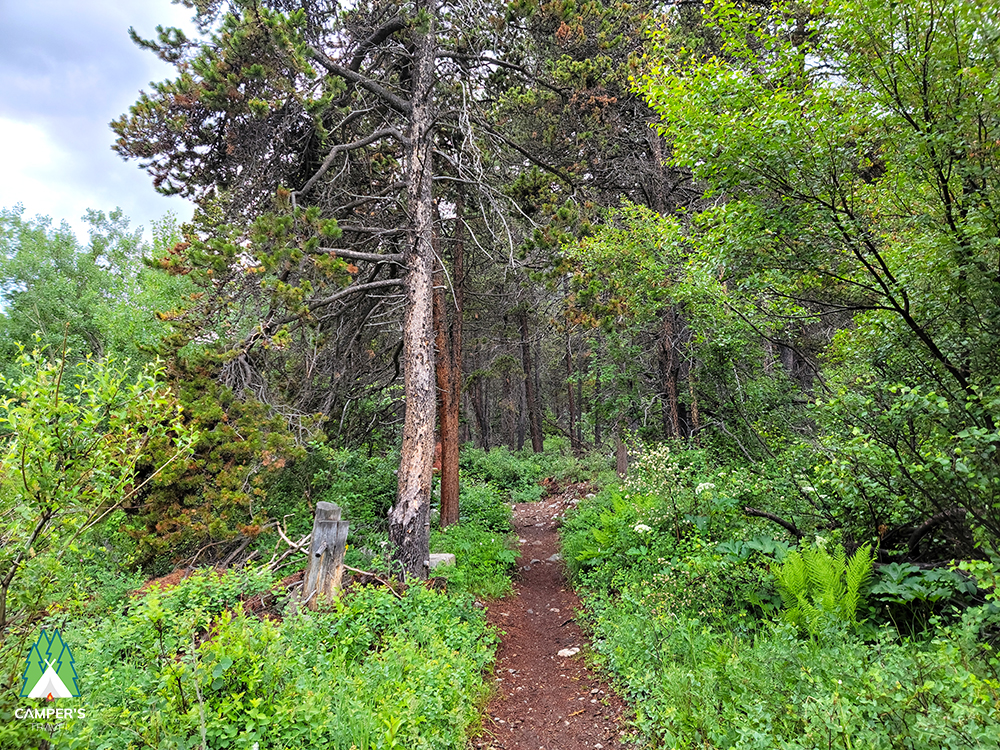
- Trail is smooth and wide, which means well used. West Rosebud Trail 19 is a popular trail and gets quite a bit of traffic
-

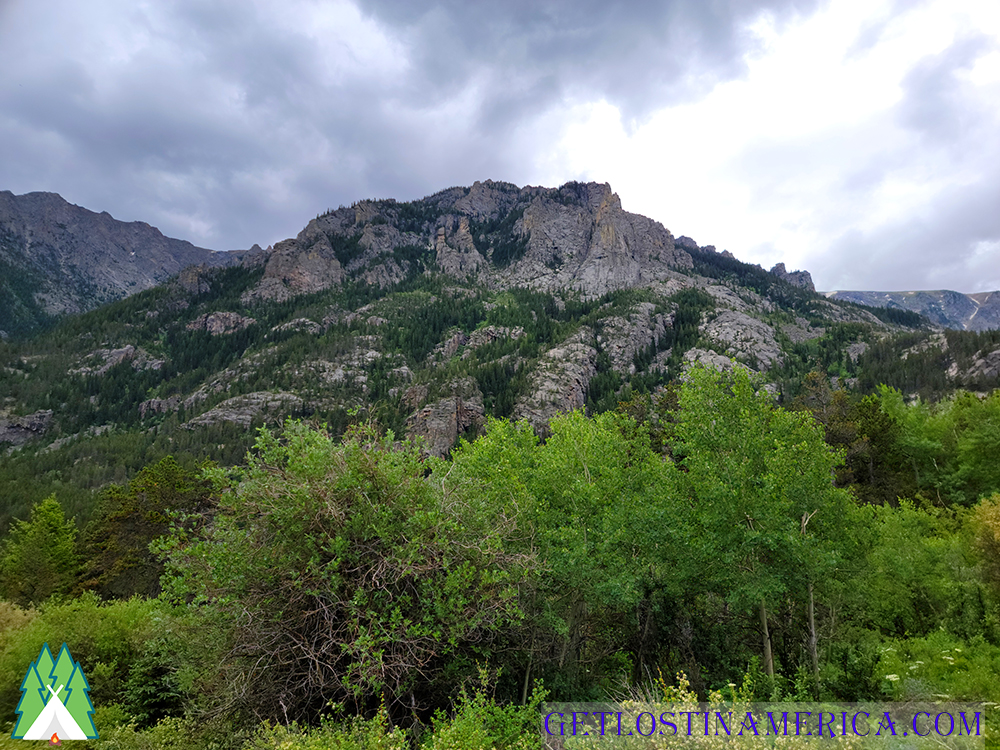
- Beautiful upper valley as we begin our hike around the Northwest Energy Power Complex for about a mile I believe, not totally sure
-
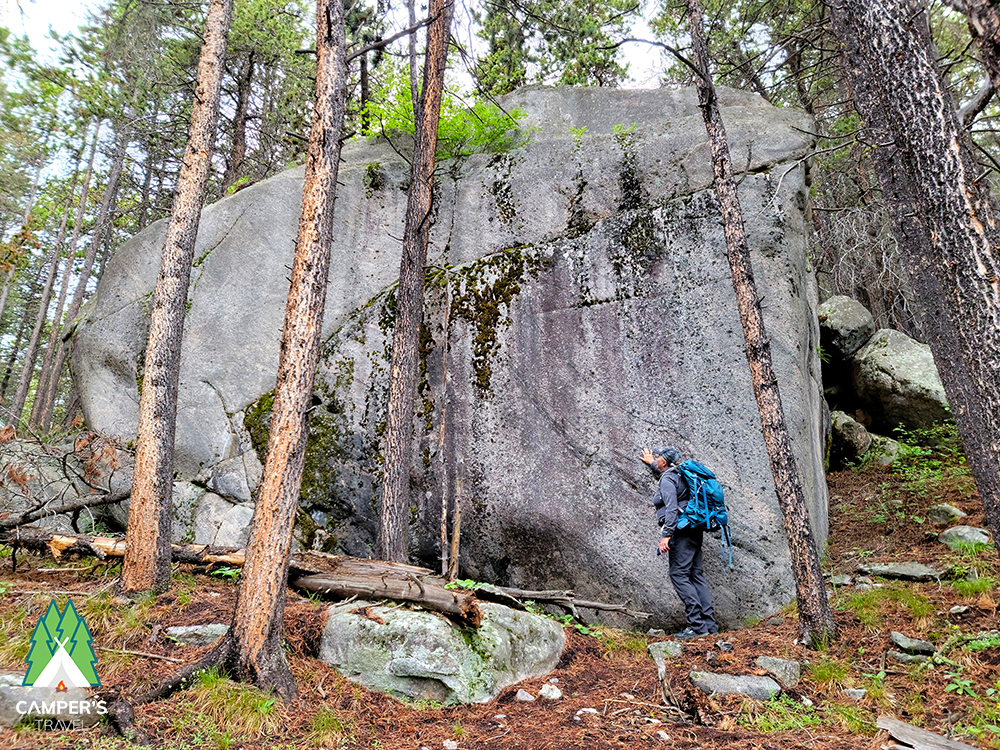
- Nice boulder to stop and have a photo op at.
-
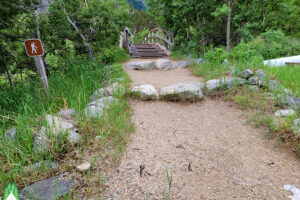
- On down the trail to the wilderness with passing storms this morning

-
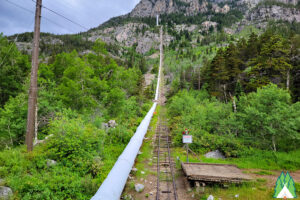
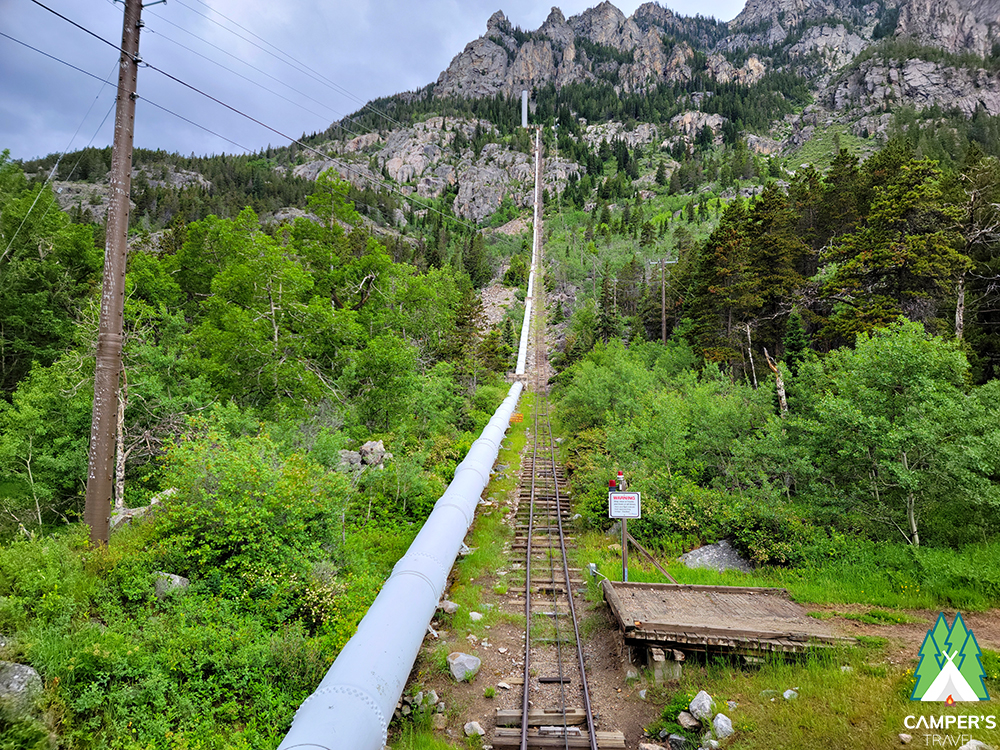
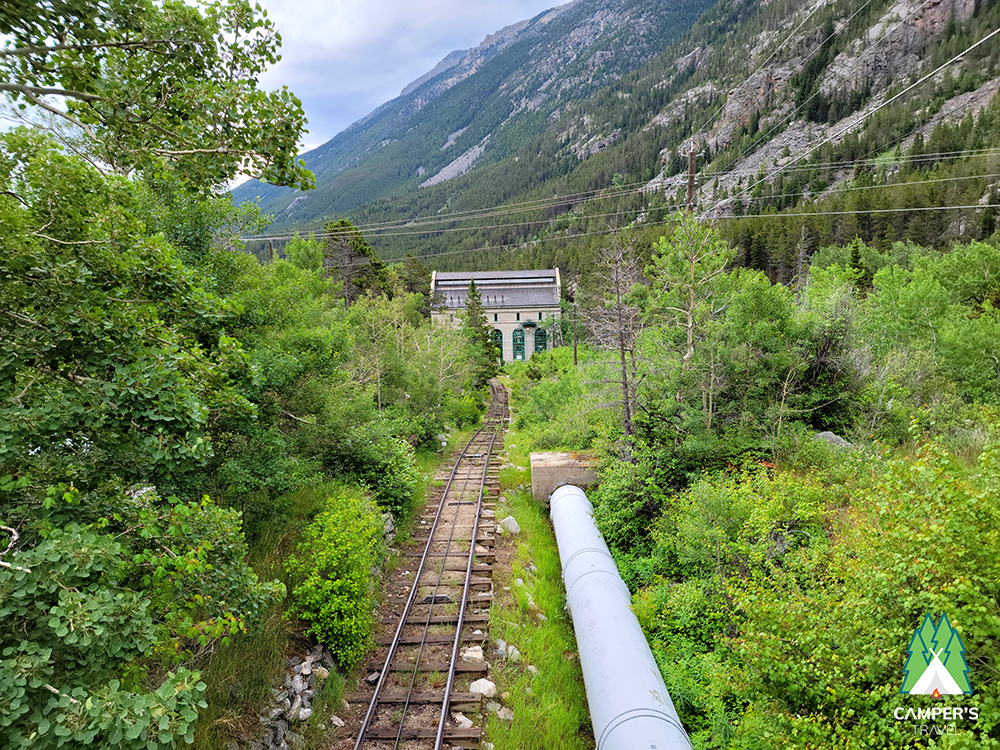
- Looking up the pipeline towards Mystic lake. Pipeline bring water to the power generating station
-
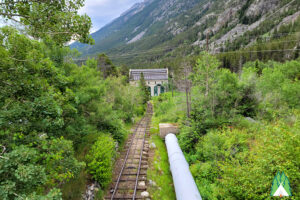
- Looking down the water pipeline towards the power station. Power company uses a rail system to travel back and forth to the dam.
-
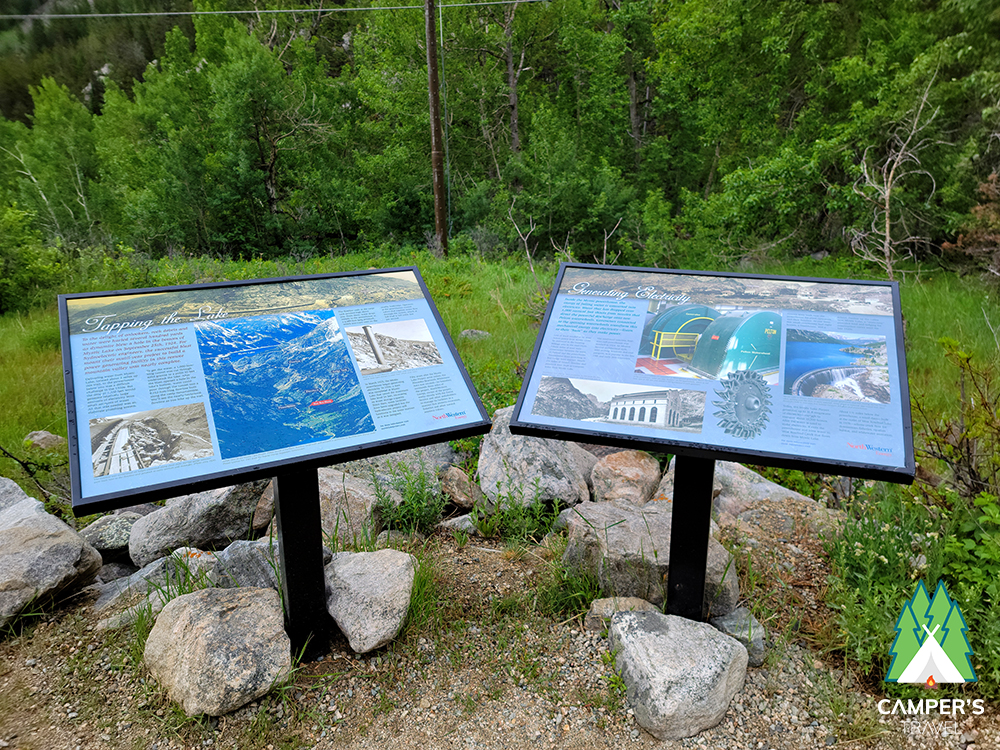
- Information plaque about water storage and electricity production
-
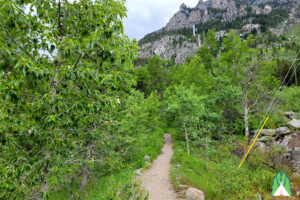
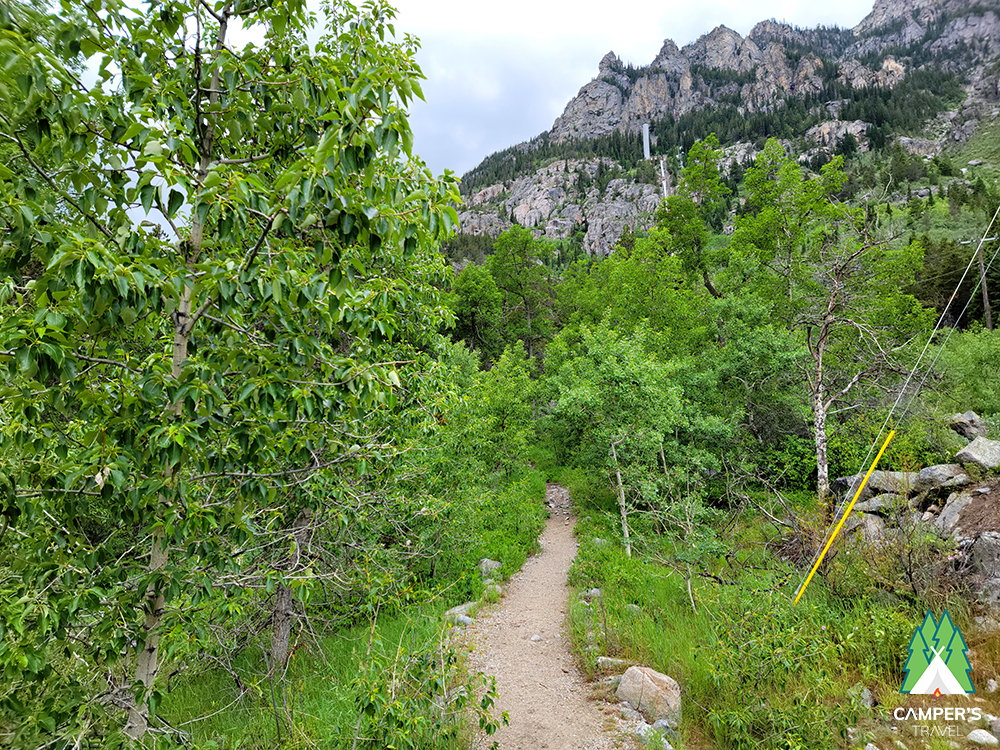
- At the edge of what I am calling the power complex and going back into the forest, then into wilderness. Kind of.
-
- Old water storage tank on a small spring. Kind of cool looking.

-
- Small meadow opening with jagged peaks on three sides and open valley behind you.

-
- A different angle on the camera, glancing to the southeast. Storm clouds are moving a good float through the sky.

-
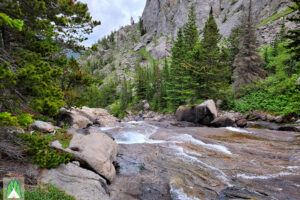
- West Rosebud Creek flowing down

-
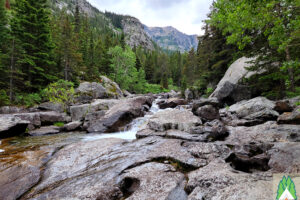
- Looking upstream West Rosebud Creek

-
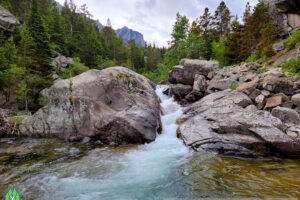
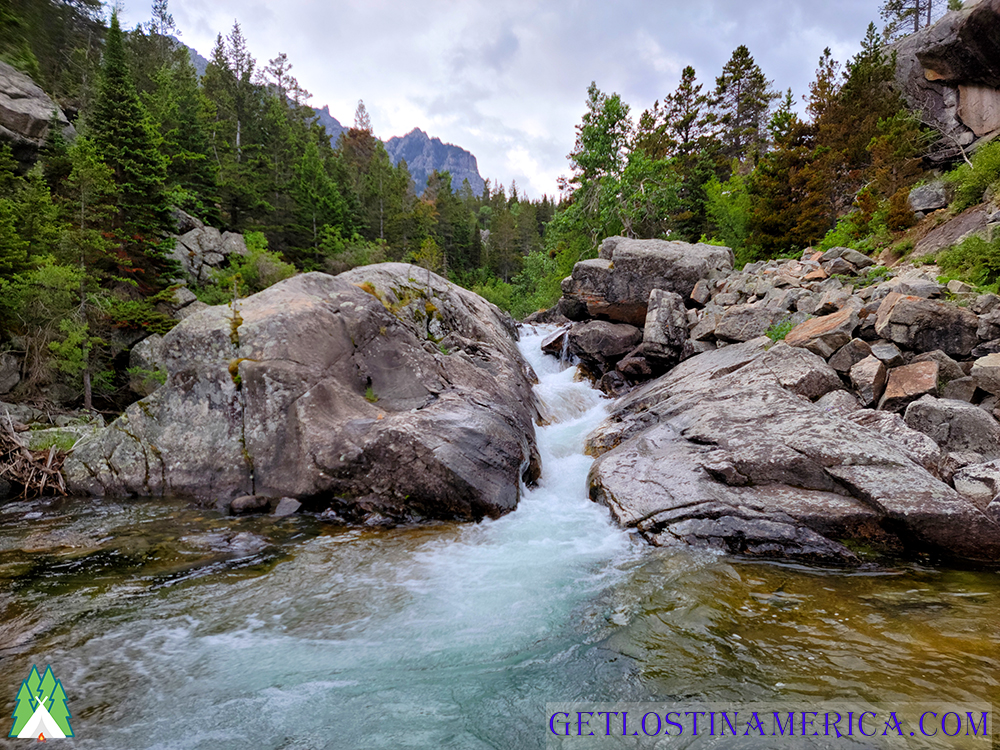
- Cool Little Chute, water is pretty glacial blue
-
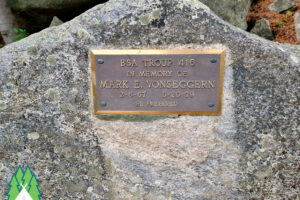
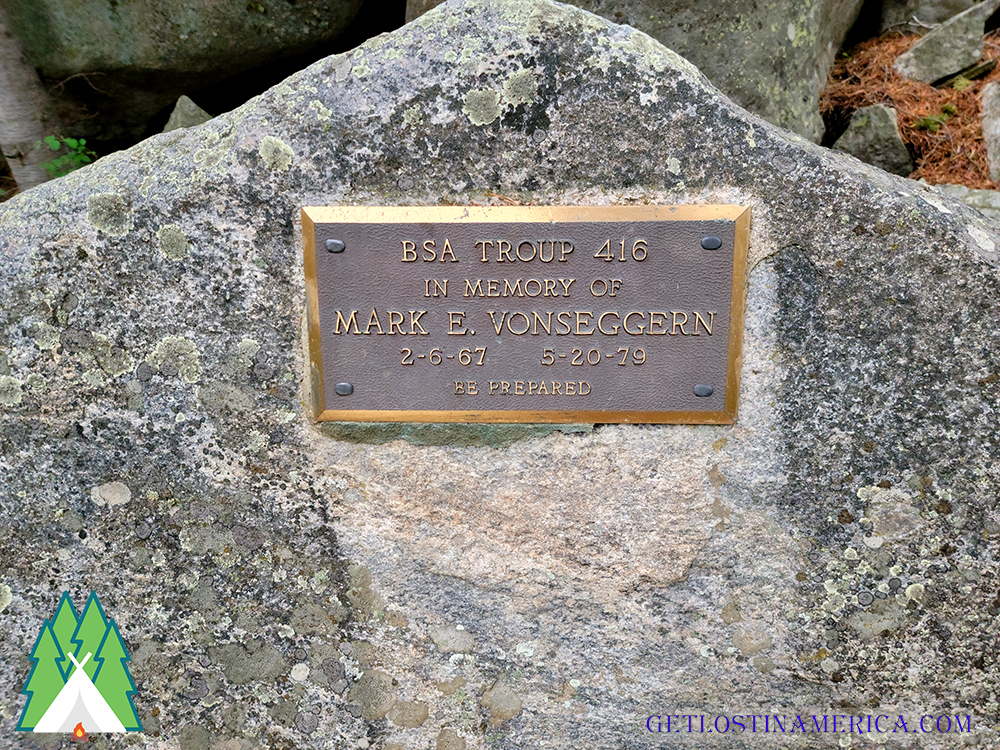
- Mark E Vonseggern was hiking with his Boy Scout Troop through the cover area here and slipped for his last step of life. Please watch where you are going and Have Fun.
-
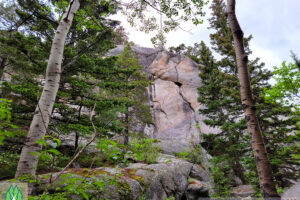
- Lots of rock or boulder formations in every direction.

-
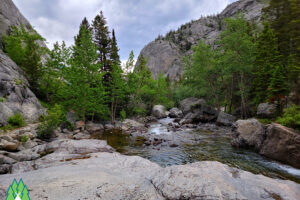
- Hiking up through the boulders or more like upon them looking back down stream

-
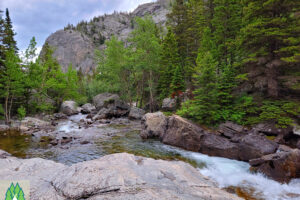
- Such a beautiful section of the stream

Absaroka Beartooth Wilderness
In a few hundred yards over the West Rosebud in to the wilderness and Mystic Lake.
-
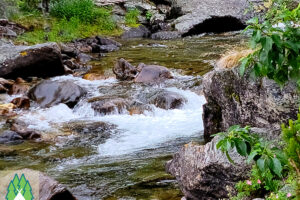
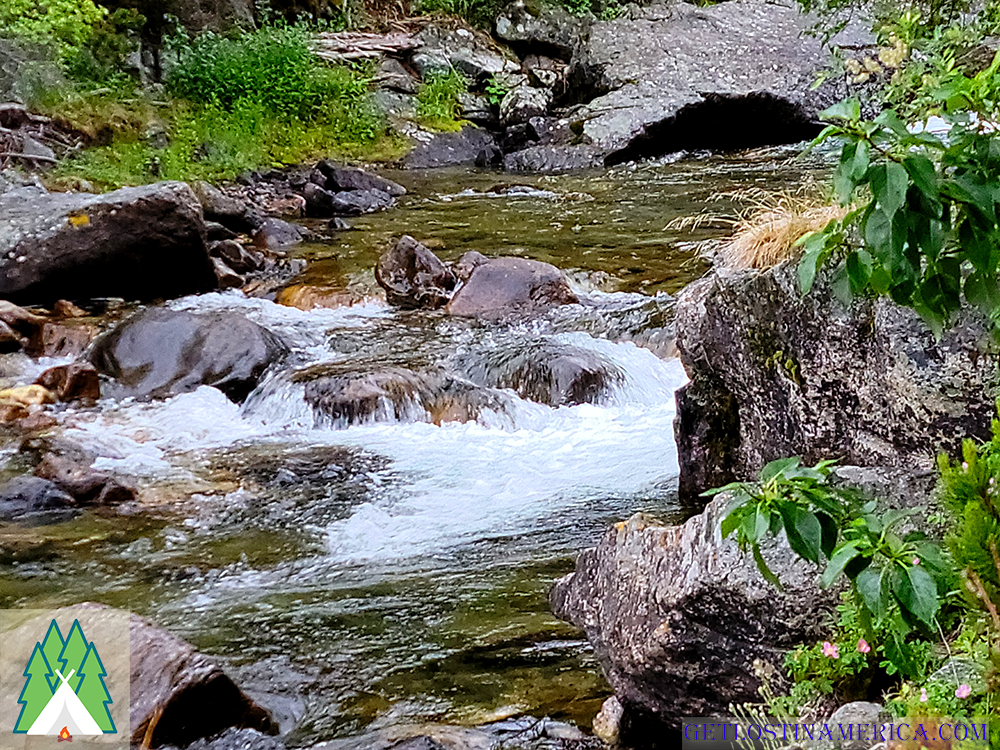
- Enjoying every pool before we leave the stream and hike up the mountain
-
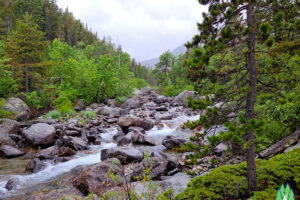
- This stretch of West Rosebud Creek is very picturesque. We cross on a really nice bridge and leave the Northwest Energy Complex which is quite small in comparison to the energy it produces with very little foot print and impact.

-
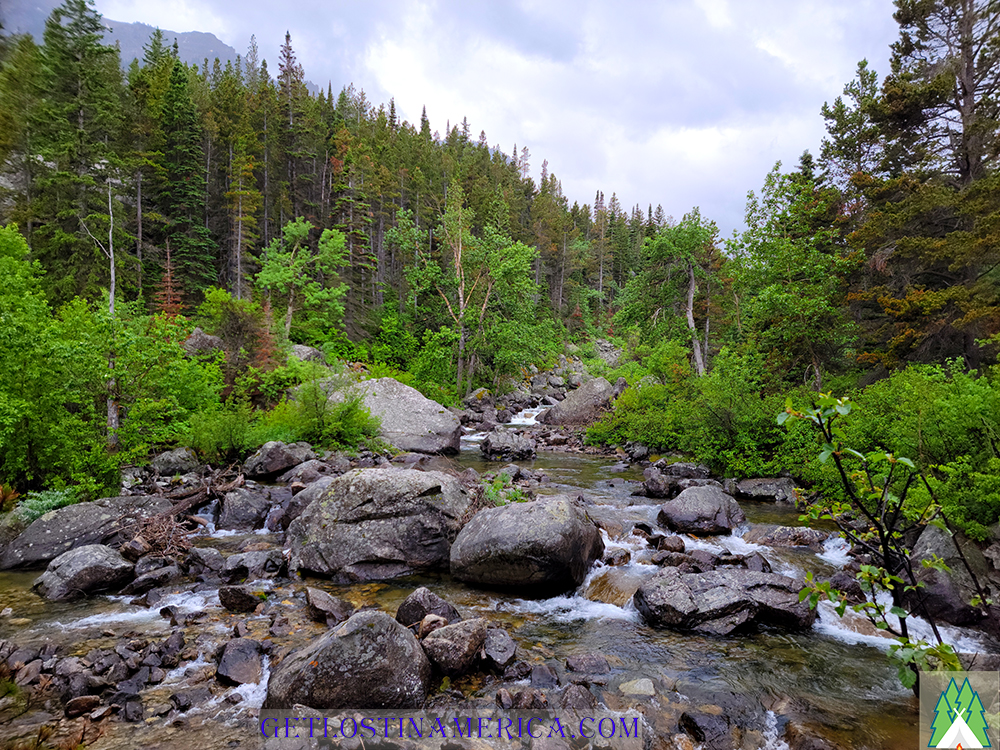
- Looking the other direction. Beautiful place
-
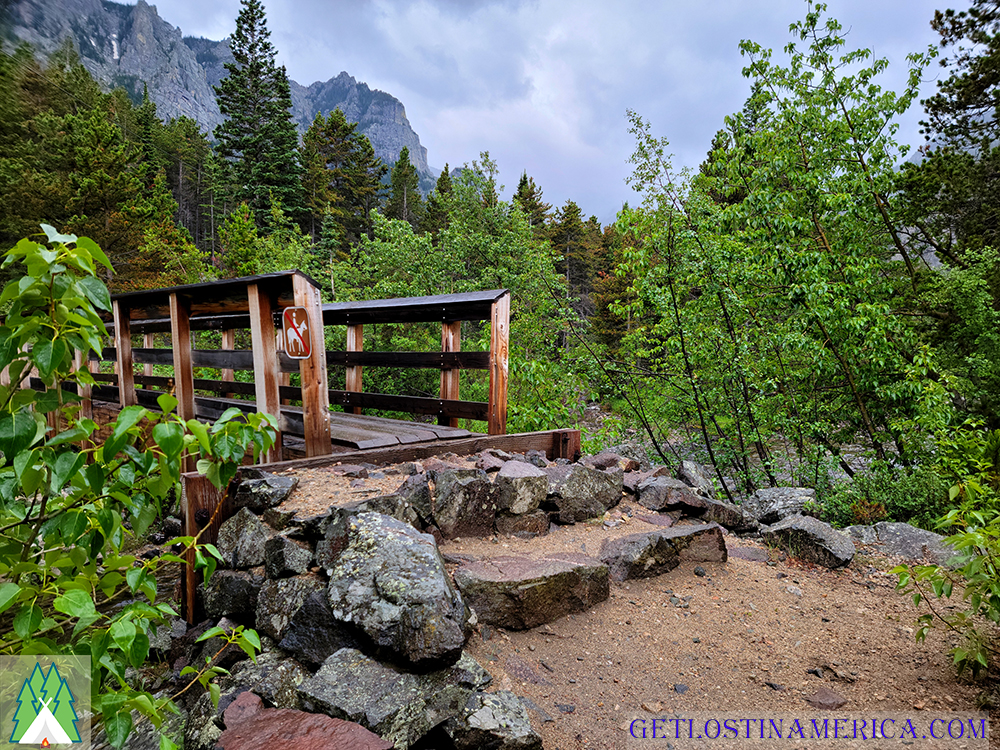
- Bridge over the creek. Its not for horses, they have to get their feet wet.
-
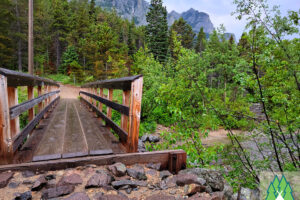
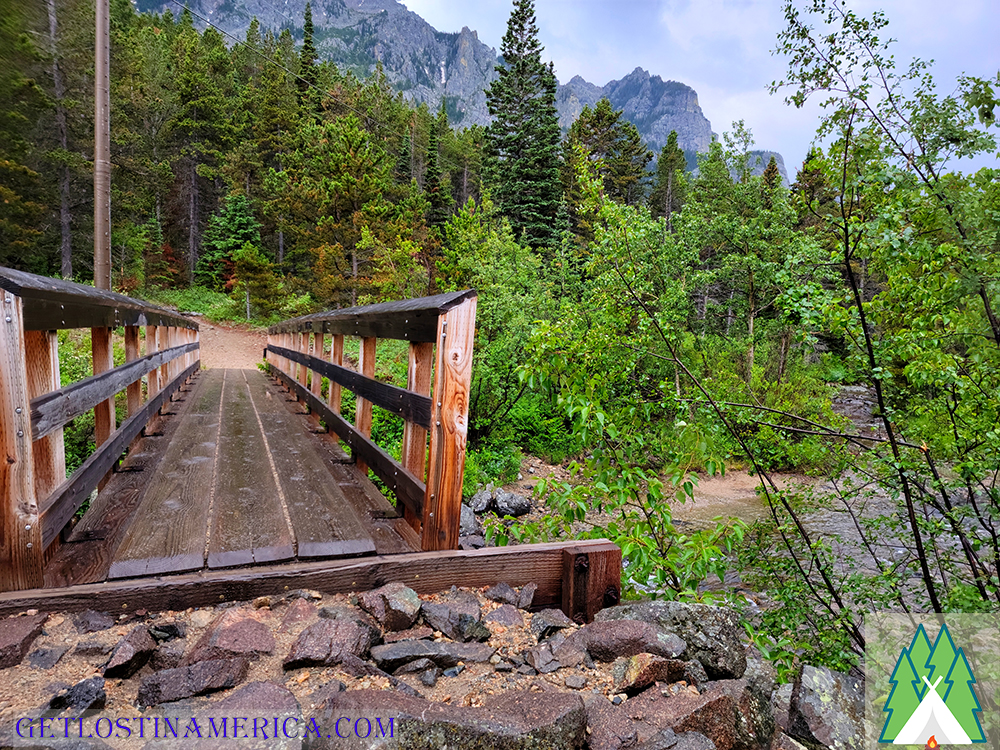
- Here we go across the bridge on our way to Mystic Lake Montana
-
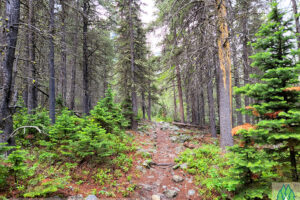
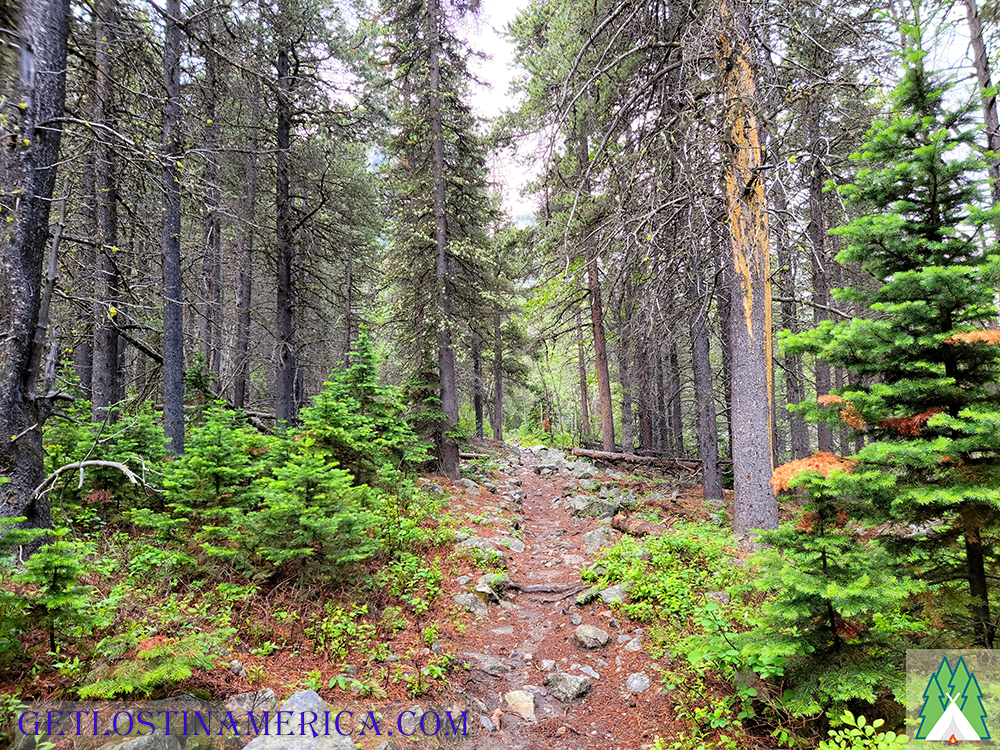
- On up the trail through a lodge pole and fir forest. Trail becomes steep from here to the ridge above the lake
-
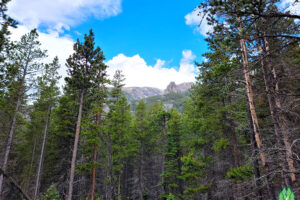
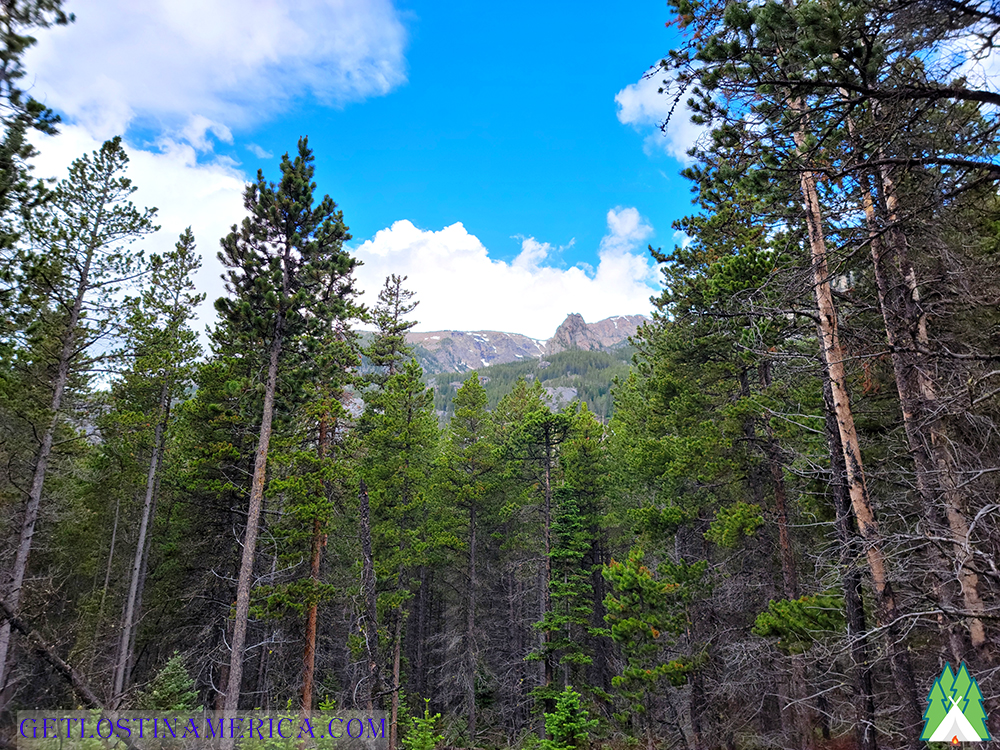
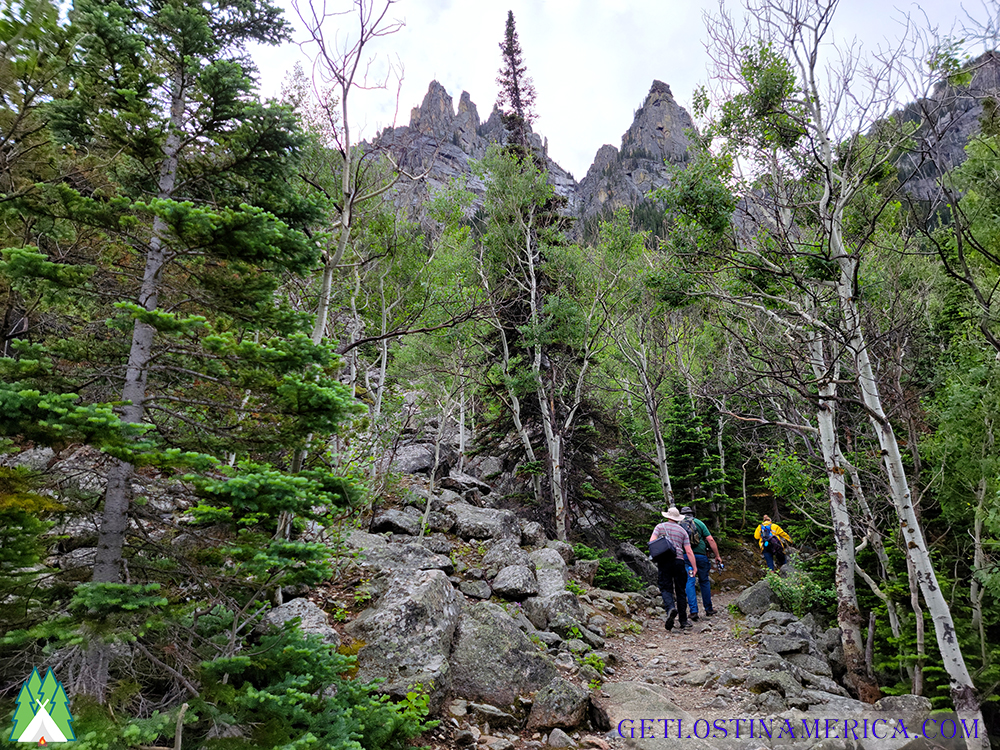
- The peaks are are very interesting, a forest of granite
-
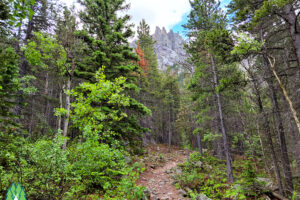
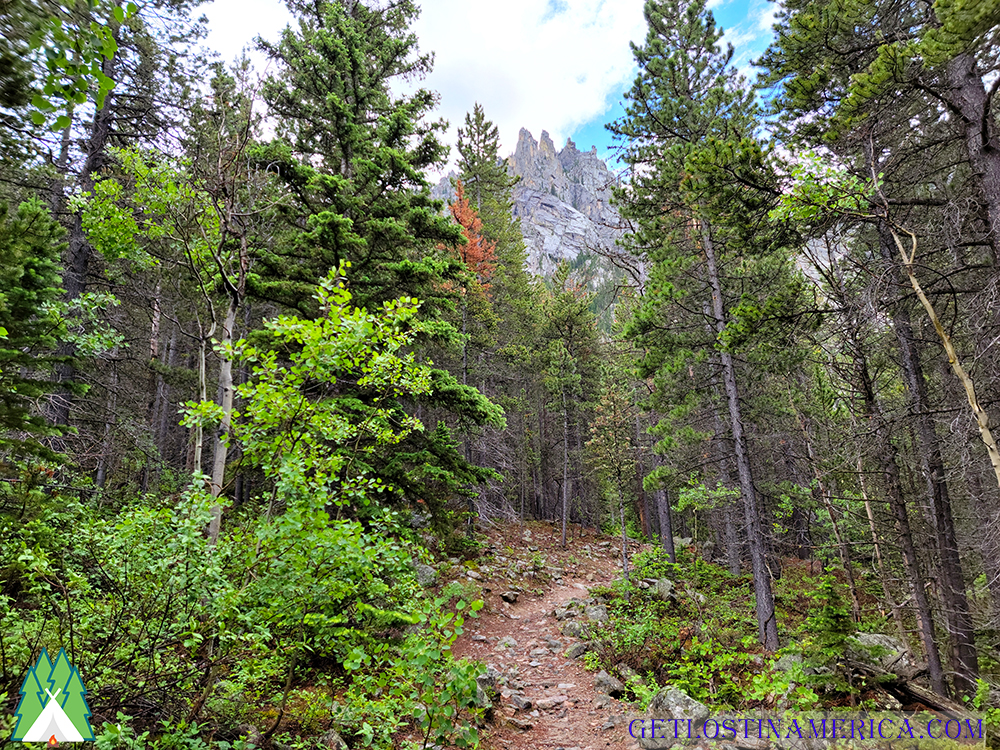
- Personality of trails is just like people, changes with the wind
-
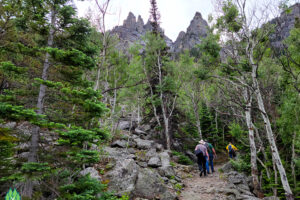
- Diversity of the forest is great with Aspens along the trail as we climb
-
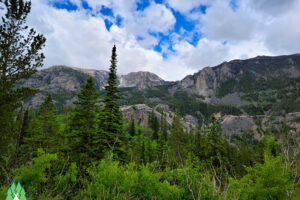
- What a view as we climb, beautiful panoramas

-
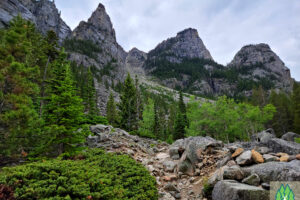
- Behind the peaks is Froze to Death Plateau, in the winter I bet you would, too.

-
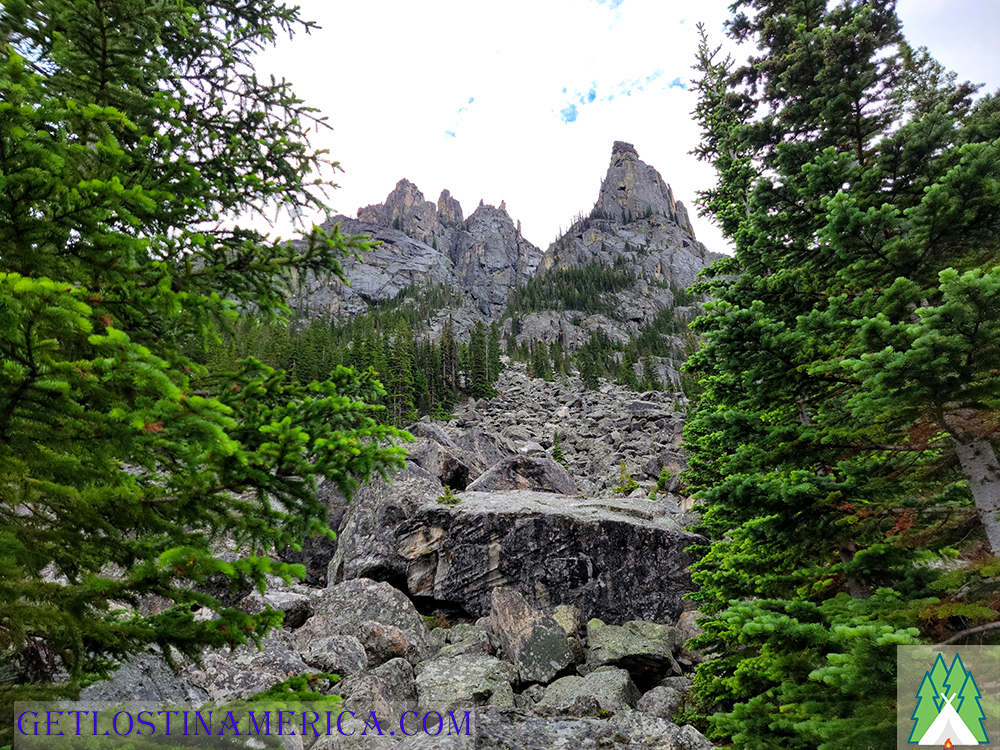
- Trail meanders through some pretty good size boulder fields with some big boulders.
-
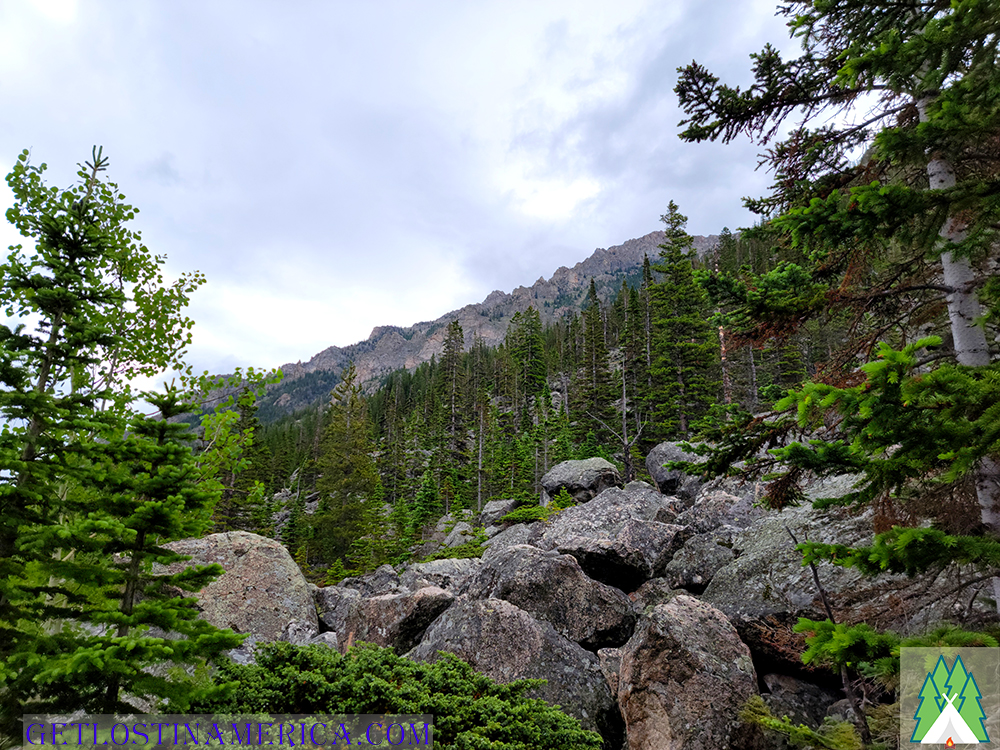
- Looking back down the valley over boulders, forests and peaks as clouds roll by.
-
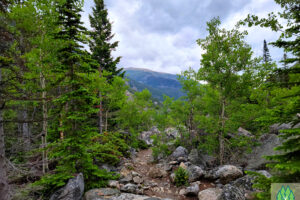
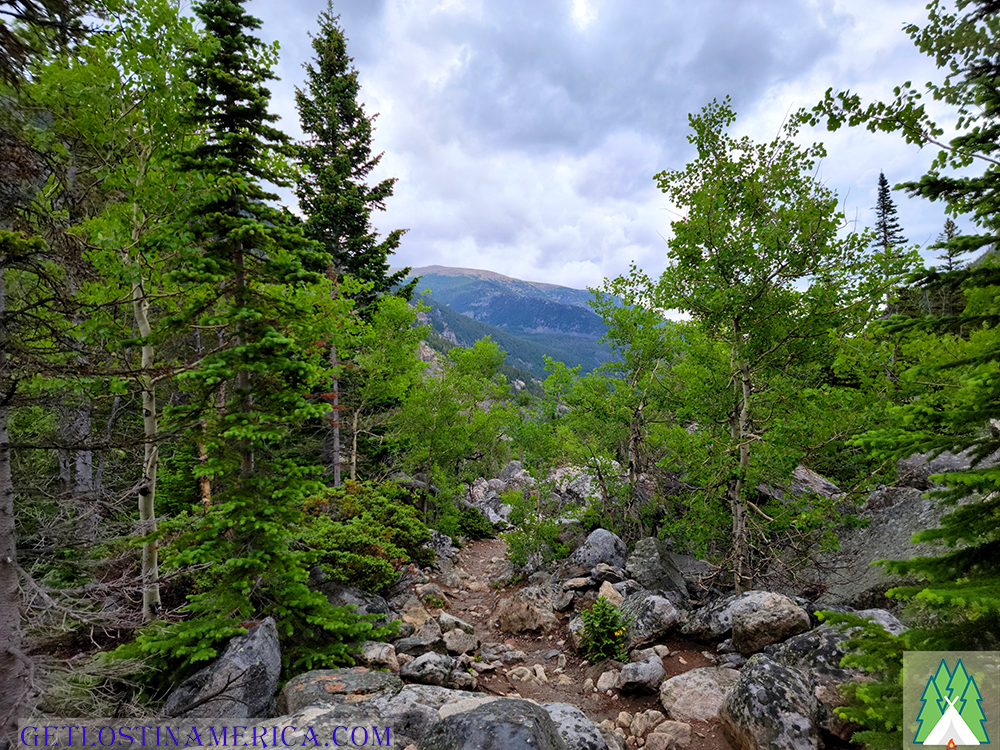
- On up the Rocky Mountain Trail. The hikes in the Greater Yellowstone Ecosystem offer some true wilderness experiences from the park side and out of Cook City, Montana
-
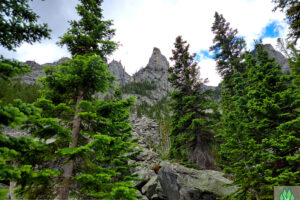
- Wide angle shot of the peaks above us. Nature is such a great experience, ignites creativity, setting the soul on fire.

-
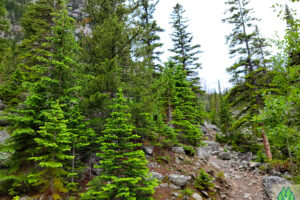
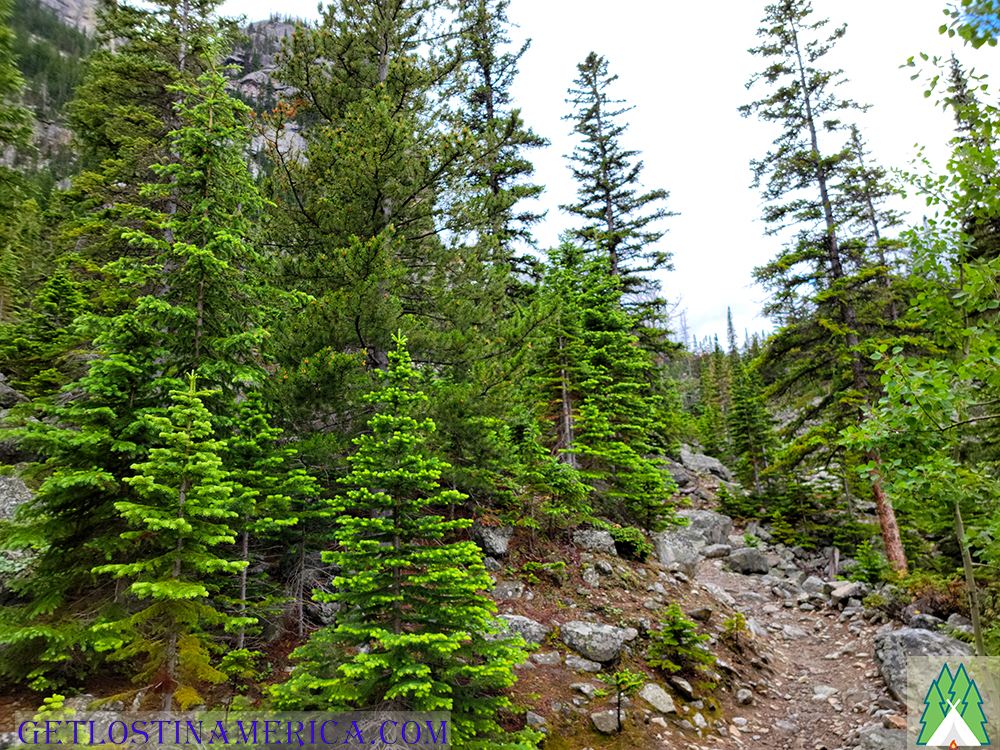
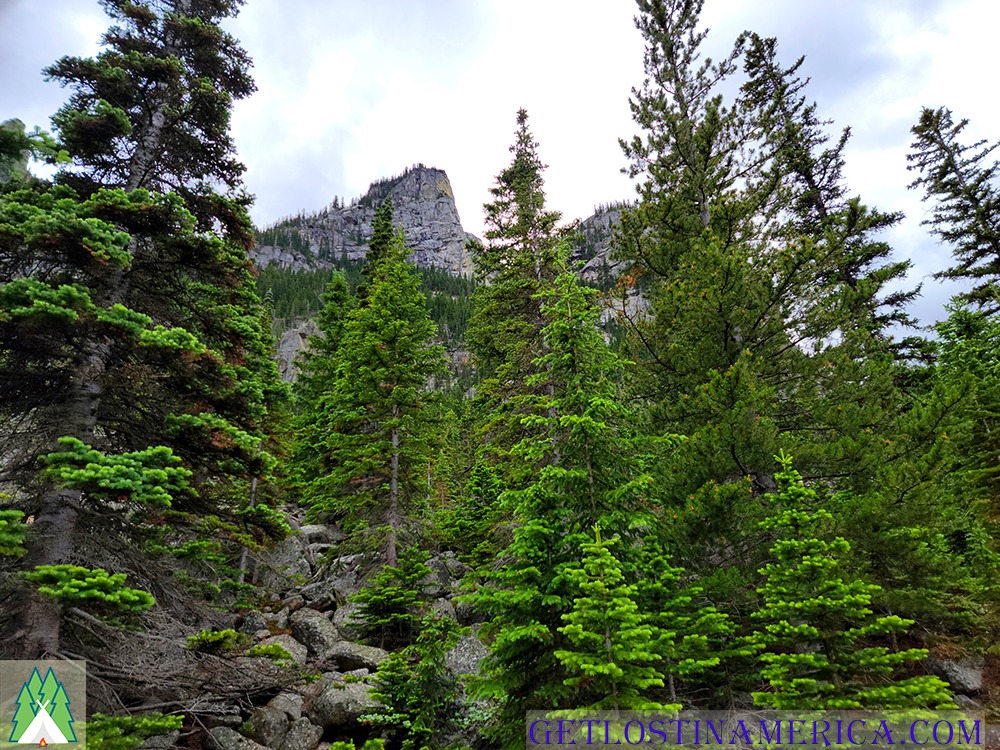
- Forest transitions into mostly fir trees sparsely placed among the granite boulders
-
- Forest colors are so vibrant in spring rains, creating great depth in the mountains surrounding us.
Mystic Lake Montana
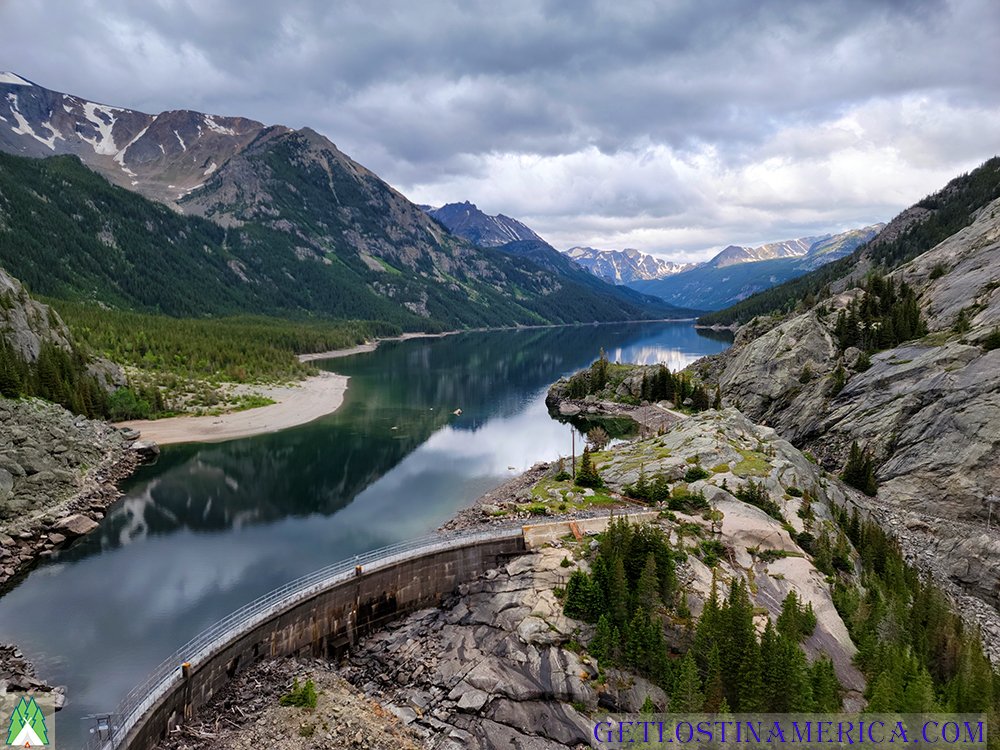
But here’s where it gets hilariously ironic: the lake isn’t exactly “untouched wilderness.” Nope. Smack at the outlet sits Rowe Dam at Mystic Lake (formerly just Mystic Lake Dam, until 2022 when they slapped a retiring CEO’s name on it like a corporate gold star). This concrete arch dam—388 feet long, 41 feet high—was built between 1923 and 1925 by the Montana Power Company (now NorthWestern Energy) to turn a natural lake into a storage battery for electricity. They raised the water level by over 20 feet, flooded the valley, drowned some lowlands, and basically told nature, “Hold my beer, we’re making kilowatts.”
Why? Because in the roaring ’20s, Billings was booming—industry, people, lights that needed powering—and dragging power 75 miles from this remote spot was apparently cheaper than admitting defeat. Construction involved three years of blasting rock in the middle of nowhere, probably with workers who thought “this beats farming.” The powerhouse (a classy Classical Revival building, because even industrial sheds needed style back then) sits 1,100–1,130 feet below the dam, where high-head turbines churn out a modest 12 megawatts. It’s “storage generation,” meaning they hoard water in summer and release it when people want to run their toasters in winter. Very eco-conscious for 1925.
Oh, and the dam turned 100 in 2025. Happy birthday to the thing that “tamed” the wilderness waters—because nothing screams “wild” like a man-made barrier holding back a lake so Billings can have reliable lights instead of reading by candlelight like peasants. The project even got a fancy new FERC license in 2007, proving bureaucracy lives forever.
A very beautiful destination or pass by. Mystic Lake is over three hundred feet deep.
-
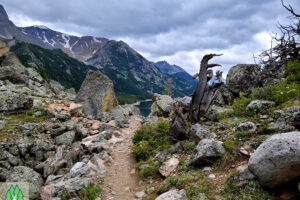
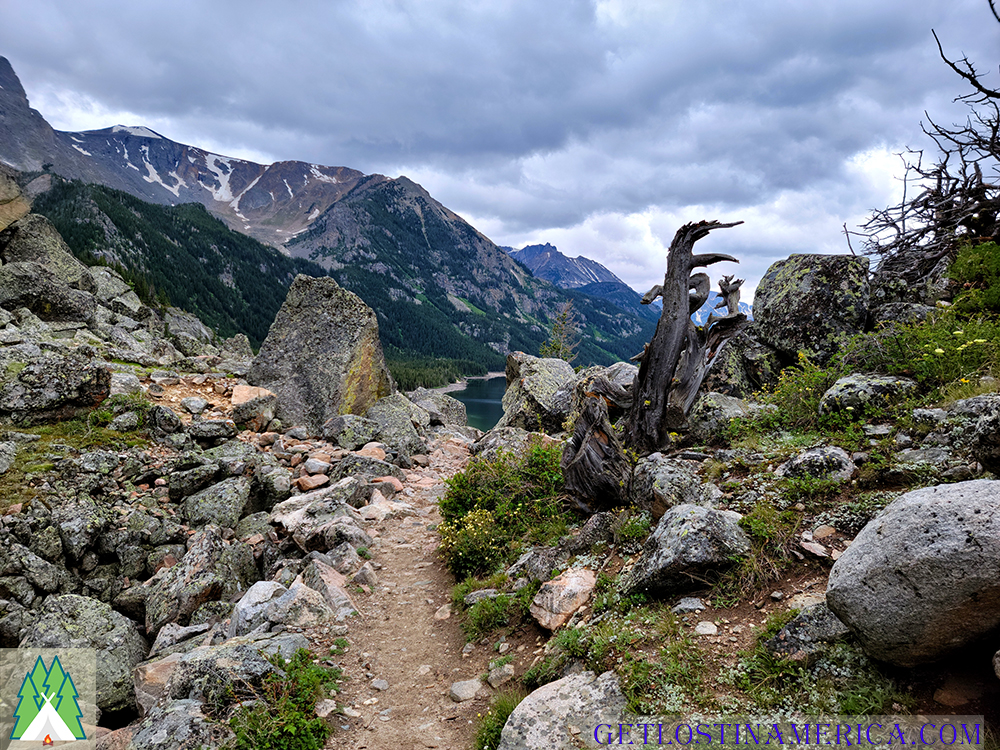
- First glance of Mystic Lake as we are passing through the saddle.
-
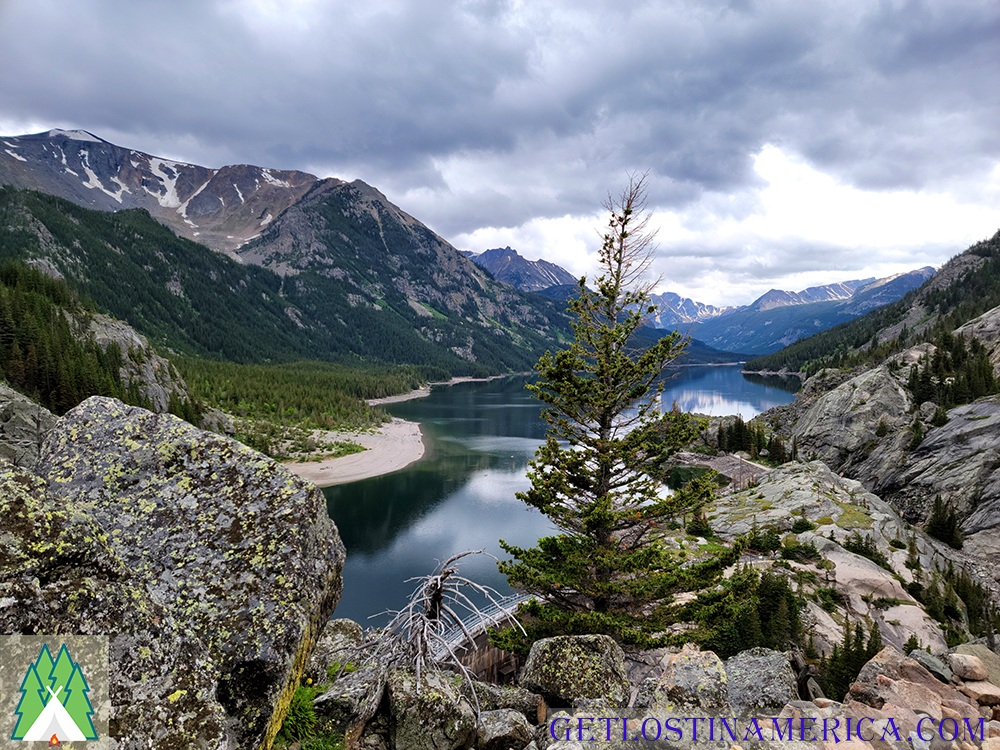
- The Lake is not in the Wilderness area, but the shoreline is. But it is still part of the Greater Yellowstone Ecosystem.
-
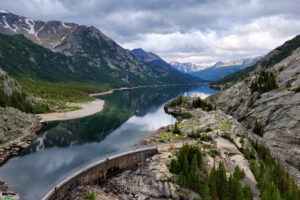
- First glimpse of the dam, it gives the lake a bit more surface area and some fairly clean based energy
-
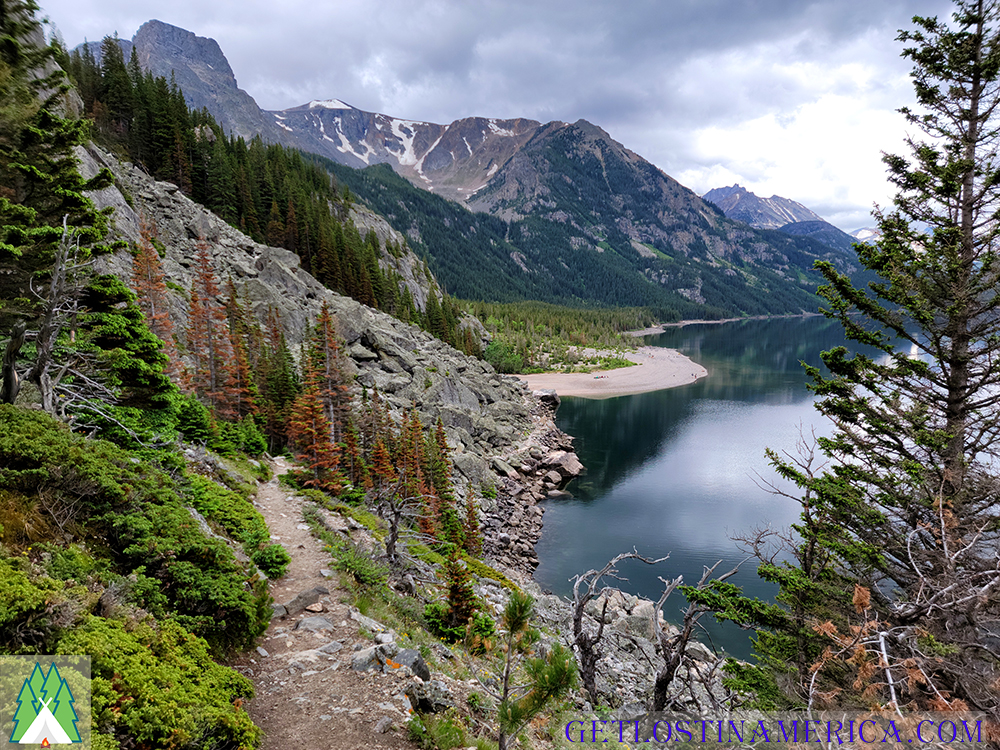
- Down the trail to the lake for a little fishing, maybe and exploring
But enough history—let’s get back to the hike. Once you’re at Mystic Lake, why stop? The Absaroka-Beartooth Wilderness has over 700 miles of trails, and this is prime launchpad territory. Continue past the lake along faint paths or connect to other routes for multi-day adventures. Head toward Phantom Lake, loop over to East Rosebud, or just wander into the alpine tundra where grizzlies roam and mountain goats judge your life choices. The area is packed with glacial lakes, meadows, and peaks that make you feel tiny in the best way. Just pack bear spray, know your Leave No Trace, and don’t expect a Starbucks at the summit.
Pro tips for the Mystic trek:
- Go early summer to late fall—snow can linger, and the road to the trailhead is gravel (high-clearance recommended).
- It’s moderate, but the elevation gain hits if you’re from sea level. Hydrate like your pride depends on it.
- Fishing is decent (cutthroat trout, mostly), but check regs.
- The dam and powerhouse are right there—feel free to glare at them sarcastically while snapping ironic selfies.
So yeah, hike to Mystic Lake: stunning views, solid workout, and a front-row seat to early-20th-century hubris that turned a mountain lake into a power plant’s piggy bank. It’s Montana wilderness—beautiful, rugged, and quietly mocking our attempts to “improve” it with concrete. Go see it before the next CEO needs a dam named after them
Connecting Trails From Mystic Lake
Once passing Mystic Lake Dam, another half mile down the lake is the junction of Phantom Creek Trail Seventeen, takes you up over a pass and down to East Rosebud Lake where it ends or continue on to Granite Peak or Cook City Montana. Down the trail as you reach the end of Mystic Lake is Huckleberry Creek Trail to the east. Huckleberry Creek Trail climbs up to no surprise Huckleberry and ending at Princess Lake. Continuing on up West Rosebud Trail you will come to and pass Island Lake, so named for it’s island. Trail ends at Silver Lake, that being said the Absaroka Beartooth Wilderness is the land of lakes and granite peaks, a most amazing adventure.
Phantom Lake—the sneaky little high-alpine gem that hides in the Absaroka-Beartooth Wilderness like it’s too cool to be on most people’s radar. If Mystic Lake is the popular kid everyone hikes to for selfies with the dam backdrop, Phantom Lake is the mysterious cousin who shows up unannounced and steals the show with zero effort. It’s higher, quieter, and comes with a side of “did I just earn this?” suffering that makes the views taste sweeter.
Now, let’s be real: there’s no single, neatly signed “Phantom Lake Trail” that gently strolls you there like a Disney ride. The name floats around because the lake sits up in the Phantom Creek drainage, and getting to it usually means committing to some serious leg day via one of two main approaches. The most common (and sarcastic-friendly) way for folks coming from the Mystic Lake side is to start at the West Rosebud Trailhead (#19), hike to Mystic, then branch onto Phantom Creek Trail #17 and keep climbing like your self-respect depends on it. The other route comes up from East Rosebud Lake via the lower part of Phantom Creek Trail #17, which is steeper but shorter to the plateau area before side-hilling or scrambling to the lake itself.
The Classic Mystic-to-Phantom Route (Because Why Not Add Insult to Elevation?)
You already know the drill to Mystic Lake: 3 miles, ~1,400–1,650 ft gain, past the powerhouse (still mocking us with its 1920s concrete confidence), along the creek, through pines and wildflowers, until the lake appears like “surprise, you’re not done yet.” From the dam at Mystic’s east end, continue west along the south shore for about 0.5 miles—easy strolling, lake views on your right, maybe some trout mocking your fishing skills.
Then boom: junction for Phantom Creek Trail #17 on your left (roughly 3.5 miles from the trailhead total). Turn here and prepare for the real fun. The trail immediately starts switchbacking up the steep wall to Froze-to-Death Plateau—yes, that’s the actual name, because early explorers apparently had a flair for drama. We’re talking ~2,400–3,000 ft gain in just 2–2.5 miles of relentless zigzags (some count 26+ switchbacks). It’s the kind of climb where you stop every 10 steps, pretend to admire the view, and whisper “why do I do this to myself?” to the marmots.
Once you crest the plateau (around 10,000–10,500 ft), the grade eases into rolling alpine tundra. The views explode: back down to Mystic Lake looking like a turquoise puddle, across to jagged peaks, and out toward the West Boulder drainage. From here, Phantom Lake itself isn’t directly on the main Phantom Creek Trail—it’s a bit off-trail or via faint use paths/side routes up higher in the basin. The lake sits at about 9,394 ft, covers ~19.5 acres, and is a classic cirque lake ringed by cliffs and talus. Some folks describe staying near the cliffs and boulder-hopping the last 0.5 miles after good trail ends. It’s not a groomed path; it’s wilderness, baby—bring route-finding skills, a map (Gaia/GPX recommended), and zero expectations of handrails.
The East Rosebud Approach (Steeper, Shorter, More Masochistic)
If you’re starting from the Phantom Creek Trailhead near East Rosebud Lake (off East Rosebud Road out of Roscoe), you get the full Phantom Creek experience from the bottom. The trail climbs aggressively right away—think 1,000 ft in under 2 miles to start—passing Slough Lake (more of a wide spot in Phantom Creek than a proper lake) around 2.5 miles in. It keeps grinding up through forest, rock fields, and open slopes toward the plateau. Total to Mystic Lake this way is ~11 miles one way with big elevation, but to reach Phantom Lake, you’d contour or climb side drainages once near the high country. This route is popular for multi-day loops or Granite Peak attempts, but it’s steeper and often snowier longer into summer.
Why Bother with Phantom Lake?
Because after all that work, you get a serene, high-elevation tarn that feels genuinely remote. No dam, no crowds (usually), just wind, rocks, maybe mountain goats giving you side-eye, and water so clear you can see trout plotting against your fly box. It’s stocked or naturally has fish in some years (check current FWP regs), but mostly it’s about the raw alpine vibe—cliffs dropping into the basin, wildflowers in July/August, and that profound silence where you realize your phone is useless and that’s… nice?
Survival Tips
- Difficulty: Hard. The switchbacks don’t care about your gym PRs.
- Distance to Phantom Lake: From Mystic side, expect 7–9+ miles one way depending on how much wandering you do off-trail; 4,000+ ft total gain if you’re doing the full push.
- Best time: Mid-July to September. Snow lingers on the north-facing climbs into July.
- Prep: Bear spray (grizzlies love this area), layers (plateau wind is brutal), water filter (plenty of sources), and a sense of humor when your quads start screaming.
- Bonus: This is prime territory for looping back via other trails or pushing toward Granite Peak approaches—because nothing says “casual day hike” like turning it into a 20-mile sufferfest.
In short, Phantom Lake isn’t handed to you on a platter. You earn it with sweat, questionable life choices, and a willingness to laugh at how a tiny alpine puddle can make you feel both tiny and triumphant. If Mystic Lake is the gateway drug, Phantom is the harder stuff—the one that keeps you coming back for more punishment in the name of beauty. Go get humbled. It’s worth it.
Stormy Hiking are You Prepared? Outdoor Apparel
On this hike the wind blew and the was sideways and coming straight down at times. Temperature was in the 40’s – 50’s in the morning reaching high 60’s in the afternoon heading to Mystic Lake Montana for a day hike.
As well as being dressed and prepared for the weather, don’t forget your bear spray. Grizzly bears are prevalent, this is part of the Greater Yellowstone Ecosystem and beautiful.




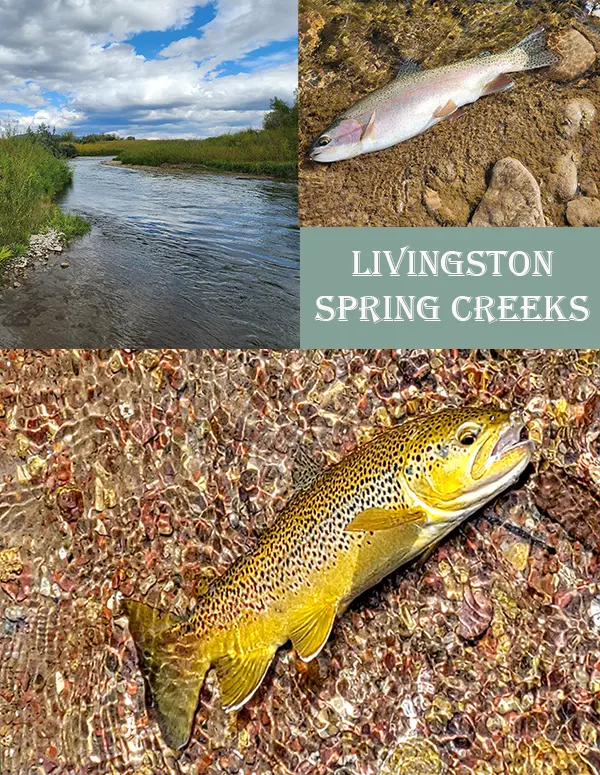
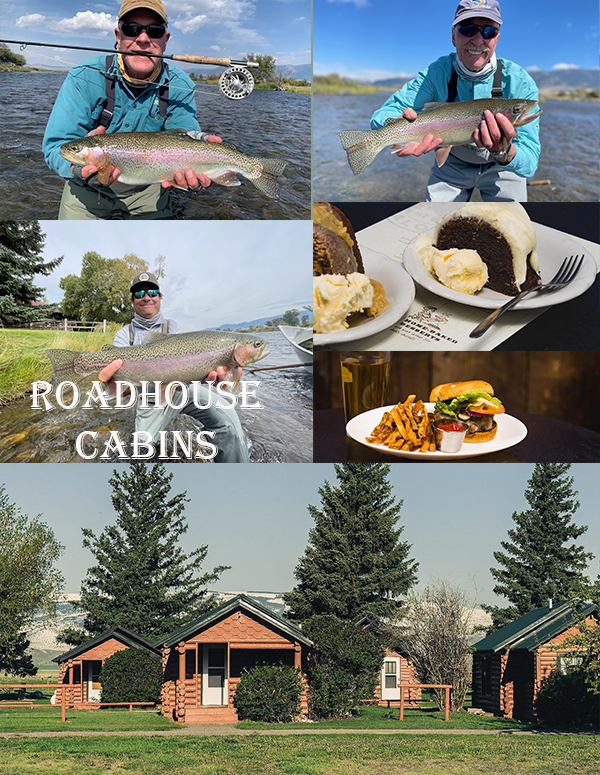
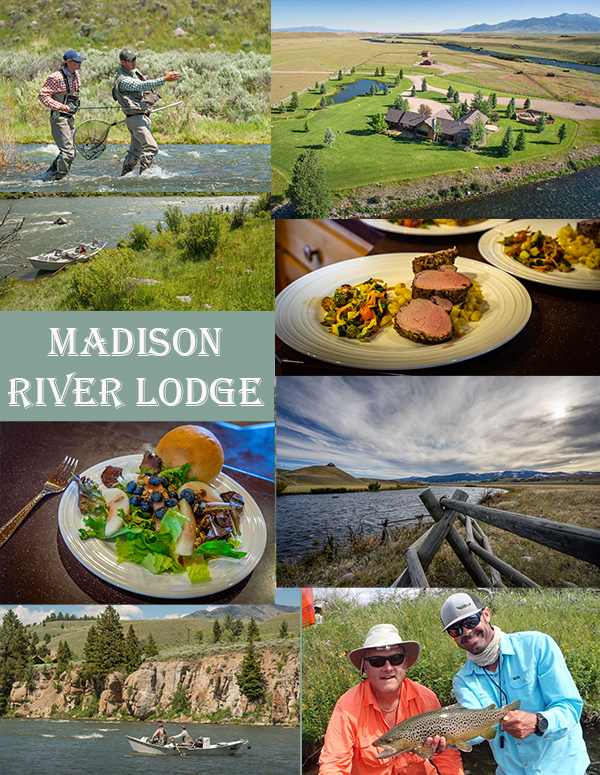
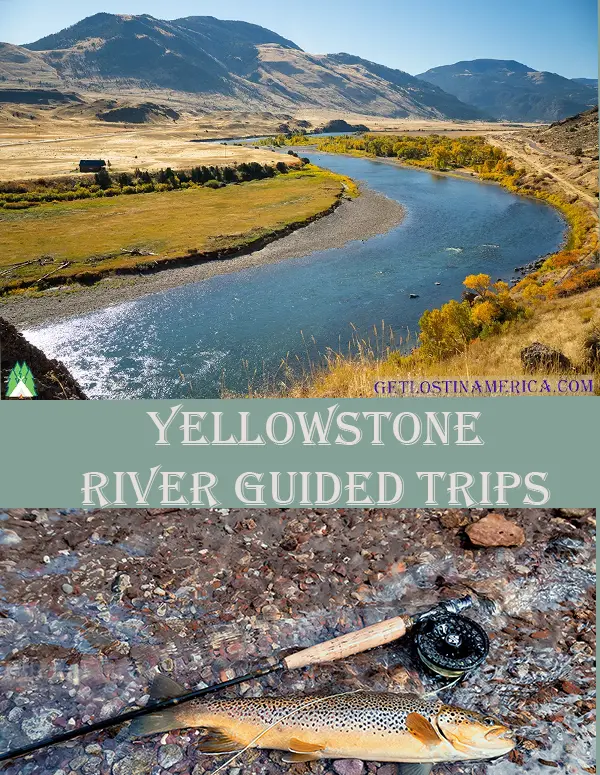
Yellowstone Cabin Rentals – Montana Fly Fishing
First National Park has a lot to offer, with three states bordering it and the mecca of fly fishing Montana with famous rivers like the Madison River. Or the Yellowstone River flowing from above Yellowstone Lake and out as Yellowstone Lakes only outlet all the way to the Missouri un-dammed. Making it the longest freestone river in the Continental United States.