Torres del Paine National Park Backpacking the W Trek: Reason it Dominates Patagonia
The wild southern region of Patagonia calls to adventurous backpackers with promises of towering granite spires and massive, ancient glaciers. Torres del Paine National Park Backpacking the W Trek answers that call perfectly for hikers wanting an unforgettable, multi-day outdoor adventure. This spectacular 45 to 50-mile circuit delivers jaw-dropping scenery without forcing you into the extreme isolation of longer routes like the O Circuit.
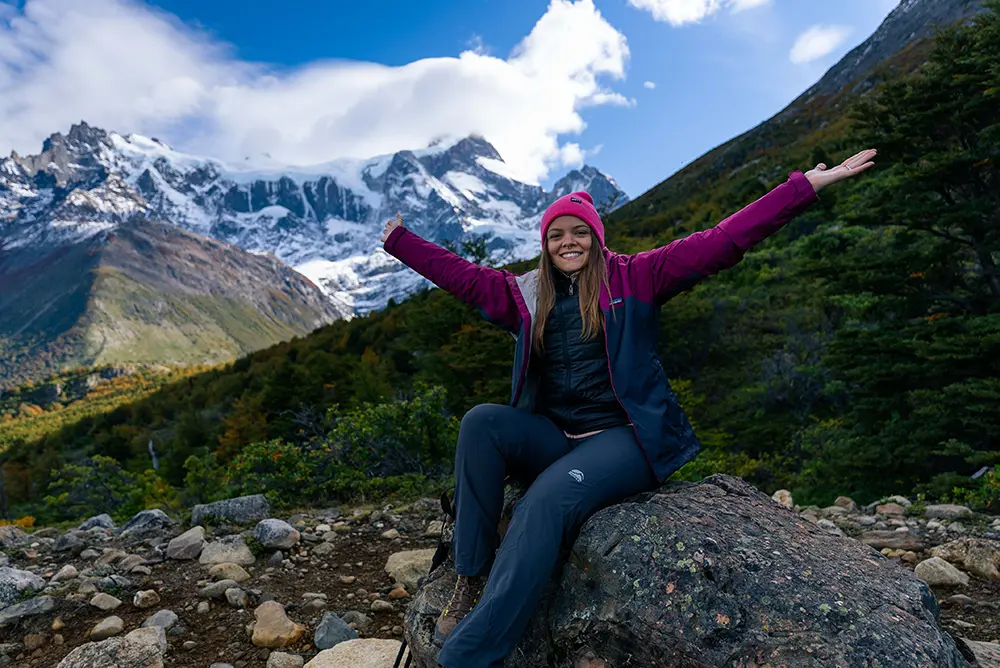
You get the absolute best highlights of Chile’s most famous national park over four or five incredible days. Hikers experience dramatic hanging glaciers, dense lenga beech forests, and bright turquoise lakes filled with floating icebergs. This Chile trekking experience provides the perfect balance of challenging physical exertion and highly accessible trail infrastructure for modern outdoor enthusiasts planning their Patagonia backpacking trip.
Table of Contents
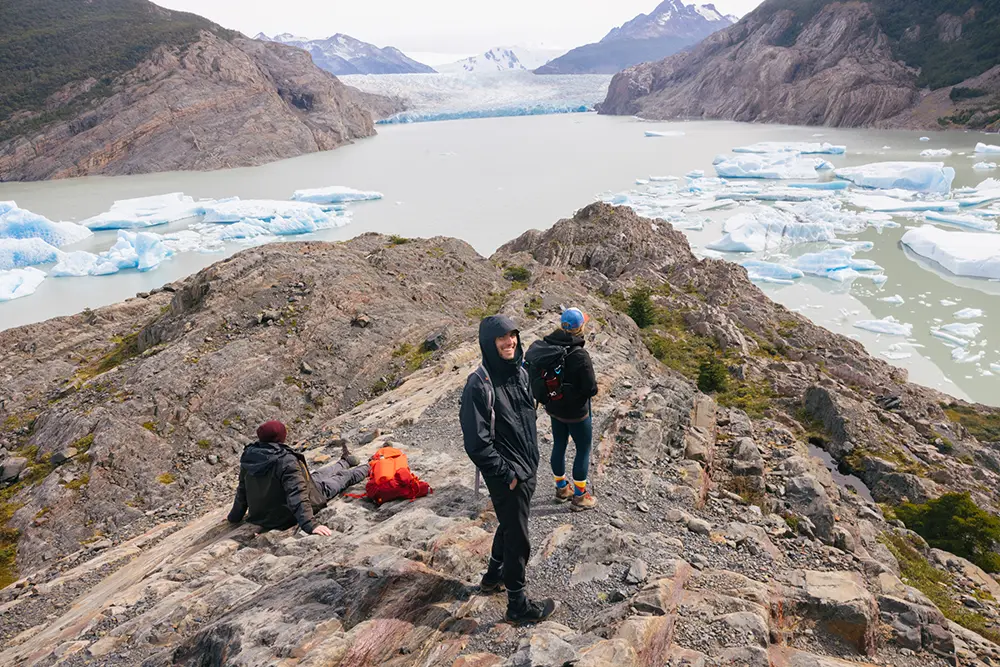
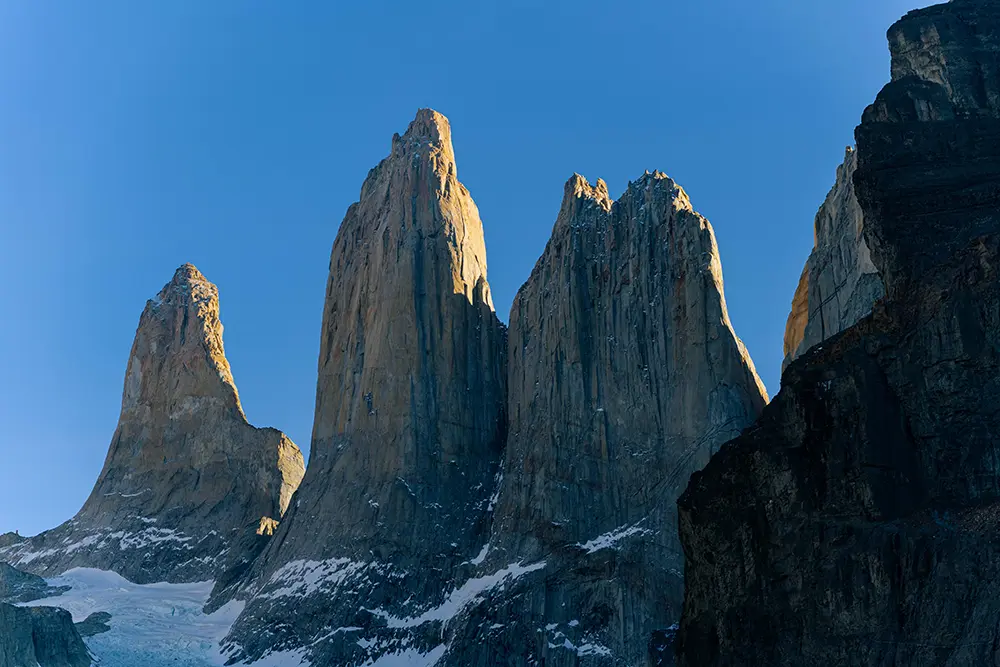
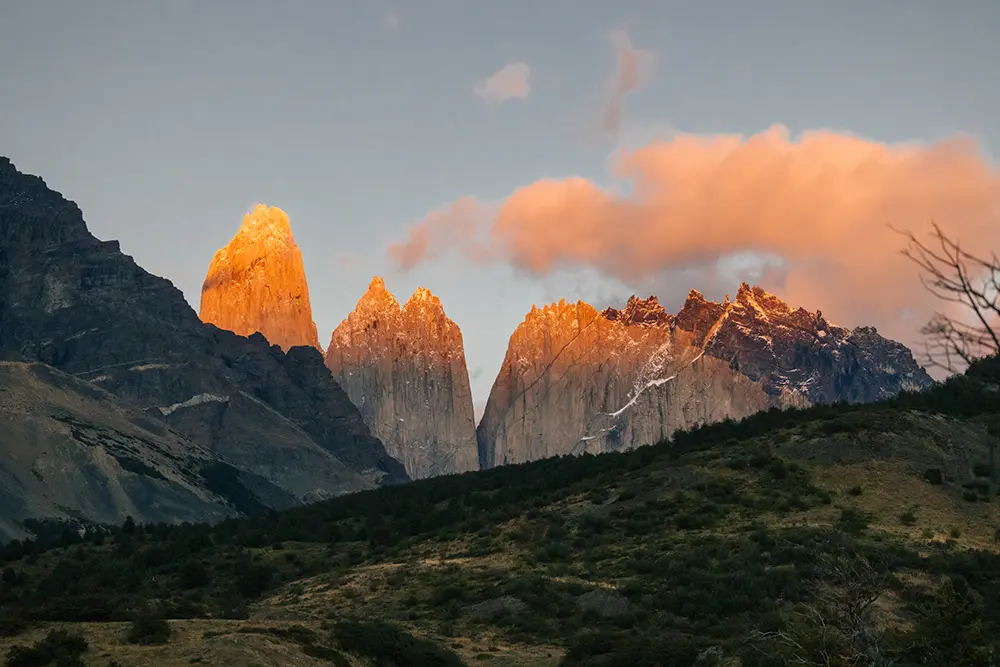
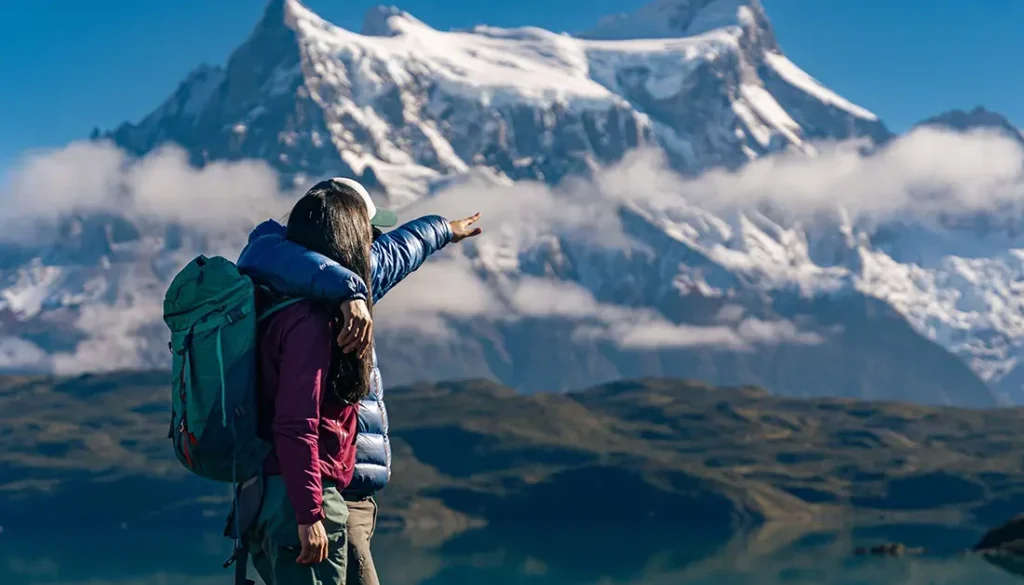
Unlike the longer O Circuit, the W Trek balances raw wilderness with highly comfortable overnight stops at designated sectors. You hike past towering peaks and calving ice walls without needing technical climbing skills or specialized mountaineering gear. The path forms a distinct W shape that hits the park’s three main valleys with incredible efficiency on these Patagonia hiking trails.
This specific route perfectly suits fit hikers who want epic views but appreciate reliable logistics along the trail. You can choose between carrying a heavy pack or paying for fully catered mountain lodges called refugios. The trail requires significant physical effort, demanding four to eight hours of strenuous hiking every single day through varied terrain.
Pro Tip: Patagonian weather shifts rapidly, often hitting hikers with four seasons in a single afternoon. Keep a waterproof outer shell easily accessible at the very top of your backpack at all times for quick changes.
You will experience unpredictable Patagonian weather, including high winds and sudden temperature shifts that test your mental resolve. Proper preparation makes the difference between a miserable slog and the absolute trip of a lifetime. The sheer beauty of the granite horns rising above the lakes justifies every difficult step you take on this Torres del Paine National Park Backpacking the W Trek journey.
Key Take Aways:
The W Trek itinerary offers 45-50 miles of concentrated highlights without requiring extreme backcountry isolation.
Hikers face 4-8 hours of daily trekking with significant elevation gains up to 3,500 meters
Weather conditions on Patagonia hiking trails change rapidly, featuring strong winds, heavy rain, and dramatic temperature swings
Choosing Your Direction: Patagonia Hiking Routes and W Trek Trail Directions
Backpackers constantly debate the absolute best direction to hike this famous Patagonian circuit during the summer months. The east-to-west route starts at Las Torres and ends near the massive, calving faces of Grey Glacier. Many hikers prefer this option because it builds physical endurance before tackling the most aggressive elevation gains later in the week.
Alternatively, the west-to-east path starts with a highly scenic catamaran ride across the turquoise waters of Lake Pehoé. This direction offers a gentler physical start and saves the famous granite towers for the grand finale. You build dramatic tension throughout the entire week before reaching the iconic Base Las Torres viewpoint on your final morning.
Both options provide incredible views, so your final choice often depends entirely on campsite and refugio availability. Booking spaces at these limited locations dictates the itinerary for the vast majority of international park visitors. You should secure whatever direction allows you to string together consecutive nights seamlessly on the W Trek trail.
The Classic Five-Day West-to-East W Trek Itinerary for Patagonia Backpacking
A five-day and four-night schedule gives you the perfect pace to enjoy the route without rushing. You cover about 50 miles with a total cumulative elevation gain hovering around 10,000 vertical feet. Here is a detailed breakdown of the highly popular west-to-east journey that most backpackers highly recommend for their first visit.
Day-by-Day Route Guide:
Day 1: Puerto Natales to Grey Sector
Start with a 7 AM bus from Puerto Natales to the park entrance. Transfer to Pudeto and ride the catamaran across Lake Pehoé to Paine Grande. Hike 6.8 miles on a steady trail to the Grey sector, enjoying your first glacier views before settling into camp.
Day 2: Grey to Paine Grande
Spend your morning exploring the magnificent blue ice walls of Grey Glacier and listening to the calving ice. Hike the out-and-back trail along the lake, crossing dramatic swinging bridges for panoramic vistas. Return to Paine Grande for your second night on the trail.
Day 3: Paine Grande to French Valley
Ascend into the spectacular Valle del Francés, an amphitheater of hanging glaciers and towering peaks. Drop your heavy pack at the free CONAF Italiano camp before pushing up to Mirador Británico. Finish your 15-mile day at the Cuernos or Francés sector for the night.
Day 4: Cuernos to Chileno
Hike along the incredibly scenic turquoise shores of Lake Nordenskjöld through dense lenga beech forests. Pass beautiful cascading waterfalls and keep a close eye out for local guanacos grazing nearby. Arrive at the Chileno sector to rest and prepare for your final challenging climb.
Day 5: Chileno to Base Las Torres
Tackle the steep, demanding ascent through the Ascencio Valley boulder fields in the early morning darkness. Reach the iconic granite spires just as the sun rises, casting a warm blue glow. Descend to the Central sector and catch your afternoon bus back to Puerto Natales.
Torres del Paine Campsites Versus Refugios: Patagonia Accommodation Options
You have two distinct choices for sleeping on the W Trek depending on your personal budget and comfort preferences. Refugios operate like mountain lodges and provide comfortable dorm beds, hot showers, and fully prepared meals.
Camping ….depending on the specific sector. You can bring your own gear or rent pre-pitched tents directly from the park vendors. Renting a set-up tent saves you from carrying heavy poles and wet fabric every single day on the trail.
Pro Tip Warning: Never arrive at Torres del Paine without secured reservations for your campsites or refugios. Rangers will turn you away at the trailheads if you cannot provide proof of booking for every night.
You must book either accommodation option six to twelve months in advance during the peak season. December through February brings the biggest crowds and the tightest availability across the entire park. Consider hiking during the shoulder seasons of October or March for fewer crowds and similar natural beauty.
Chile Trekking: Essential Preparation and W Trek Packing Strategy
The W Trek requires moderate to high physical fitness from every single participant on the trail. You should train by hiking with a 25-pound pack and climbing stairs regularly for several months. This preparation helps your legs handle the daily elevation gains and the steep, rocky descents common in Chile trekking.
Pack lightweight, waterproof layers to handle temperatures ranging from 41 to 68 degrees Fahrenheit comfortably. Bring a sturdy 40 to 65-liter backpack and thoroughly broken-in [INTERNAL_LINK: waterproof hiking boots]. Trekking poles will save your knees on the steepest sections of the demanding French Valley and boulder fields.
Always carry a reliable windproof outer shell, as Patagonian winds can easily reach 60 miles per hour. A quality water filter lets you safely drink from the abundant, crystal-clear mountain streams found along the route. Remember to pack plenty of high-calorie energy bars and quick-dry clothing for maximum trail comfort during your journey.
Key Takeaways
- Train extensively for Chile trekking with a weighted backpack to prepare for the 10,000 feet of total elevation gain.
- Pack a specialized windproof outer shell to combat wind speeds that frequently exceed 60 mph.
- Book your Torres del Paine campsites or refugios up to a full year in advance for peak season.
Patagonia Logistics and Sustainable Trekking Practices for the W Trek
Most international travelers fly into Punta Arenas before taking a three-hour bus ride to Puerto Natales. This charming small port town serves as the primary basecamp for all Patagonia hiking trails and trekking adventures. You will buy your final supplies and rent any necessary hiking gear here before catching an early morning bus.
Park entry costs approximately $35 USD and must be purchased online before you arrive at the gate. You should download the official CONAF map and stick strictly to the heavily marked trails at all times. Wandering off the established path damages fragile ecosystems and puts you at significant risk of getting lost in the wilderness.
Practicing Leave No Trace principles protects this pristine environment for future generations of outdoor enthusiasts and backpackers. You must pack out all of your trash and respect the local flora and fauna constantly. Never build fires outside of designated areas, as past wildfires have devastated large sections of the park’s forests.
Frequently Asked Questions
How long does it take to hike the W Trek?
The W Trek typically takes 4 to 5 days to complete, covering approximately 45 to 50 miles depending on your specific side trails.
Do I need a guide for the W Trek?
No, you do not need a guide. The trails are very well marked, and most backpackers complete the circuit independently without any issues.
When is the best time to hike Patagonia?
The peak season runs from December through February, offering the warmest weather. The shoulder seasons of October, November, March, and April provide beautiful views with fewer crowds.
Is the water safe to drink on the trail?
Yes, the glacial streams provide clean drinking water. However, many hikers still choose to use a lightweight water filter to prevent any potential stomach issues.
What happens if I get injured on the trek?
Park rangers patrol the sectors, and refugios have emergency communication devices. You should always hike with a buddy and carry a basic first aid kit.
Conclusion Backpacking the W Trek-Torres del Paine National Park
Completing the W Trek gives you a profound appreciation for Patagonia’s wild and untamed beauty. You will push your physical limits while experiencing some of the most dramatic scenery found anywhere on Earth. The spectacular combination of towering peaks and massive glaciers creates a truly unforgettable outdoor experience for every hiker.
Plan your logistics early so you can focus entirely on enjoying the magnificent trail ahead. Embrace the unpredictable weather and respect the sheer power of the surrounding Patagonian environment. The towering granite spires and thunderous glaciers will stay in your memory long after you return home from your adventure.